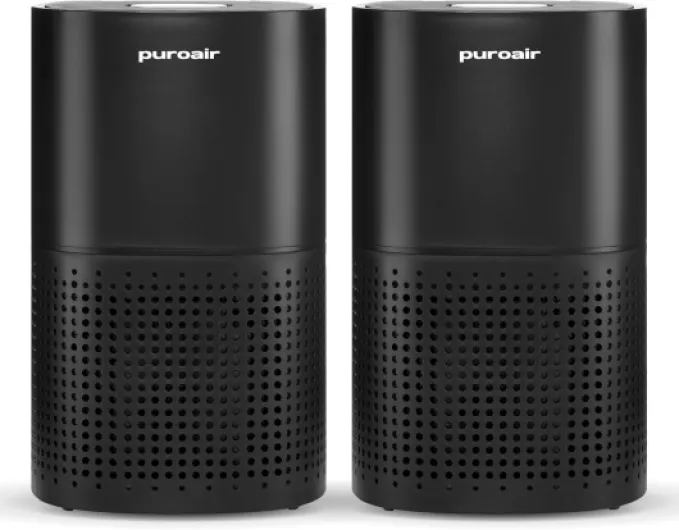
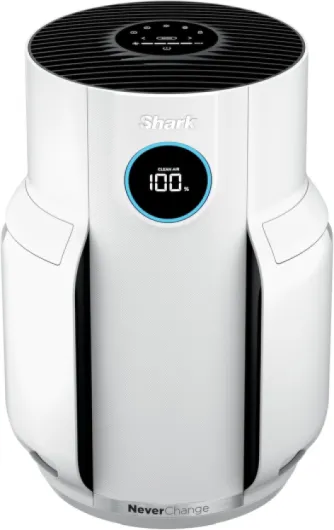
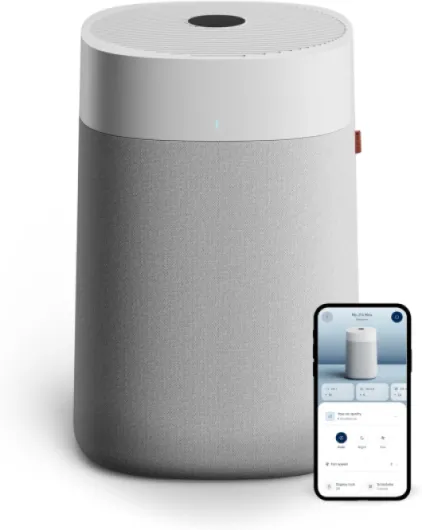
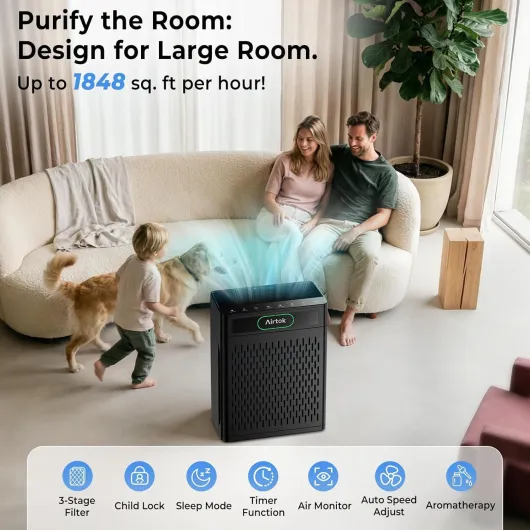
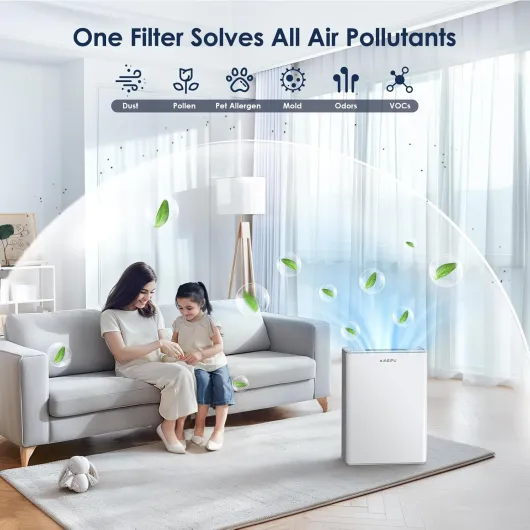
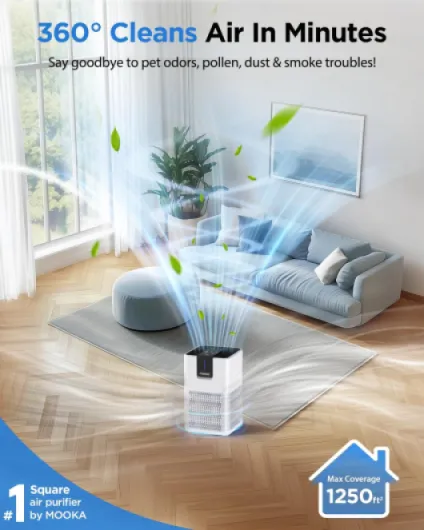
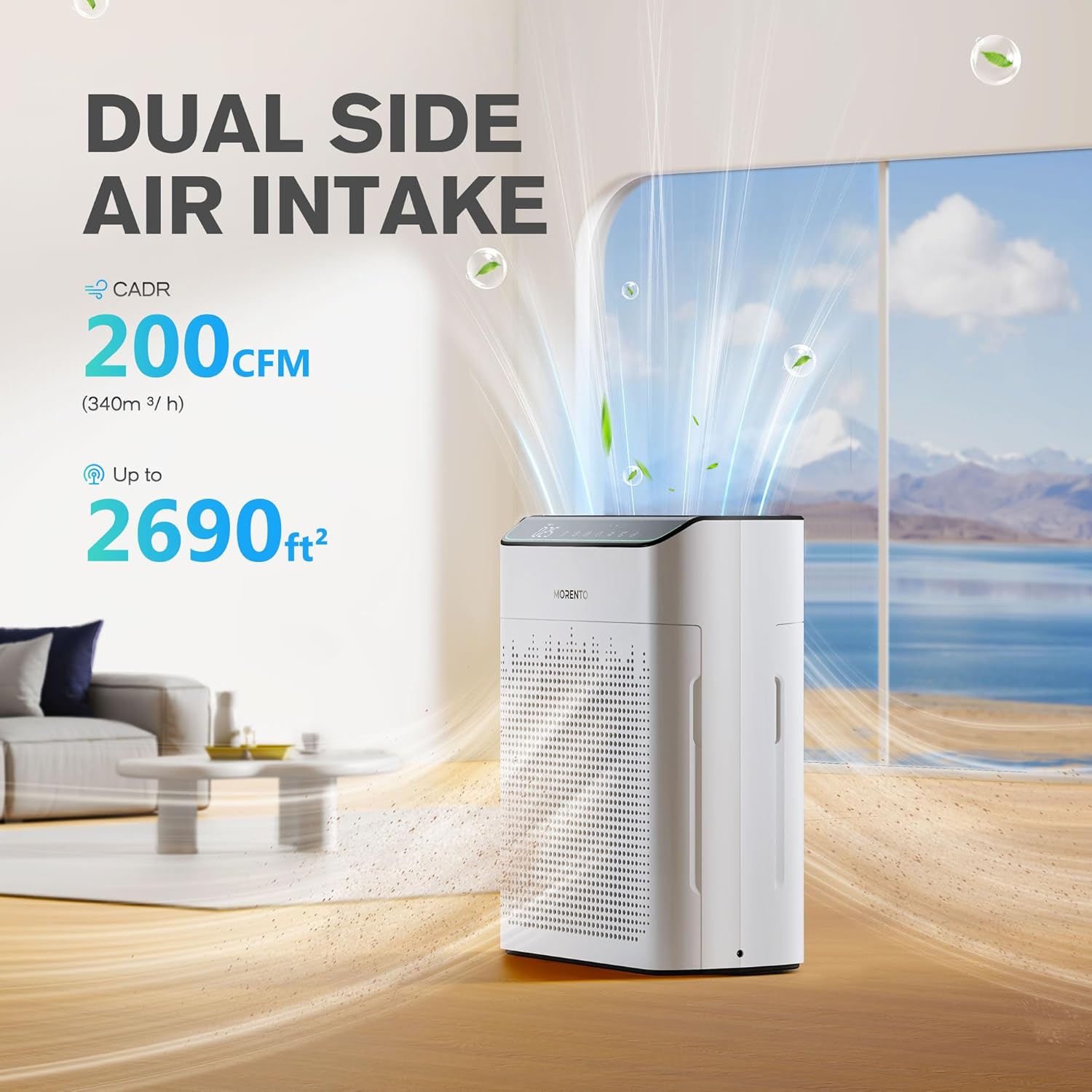
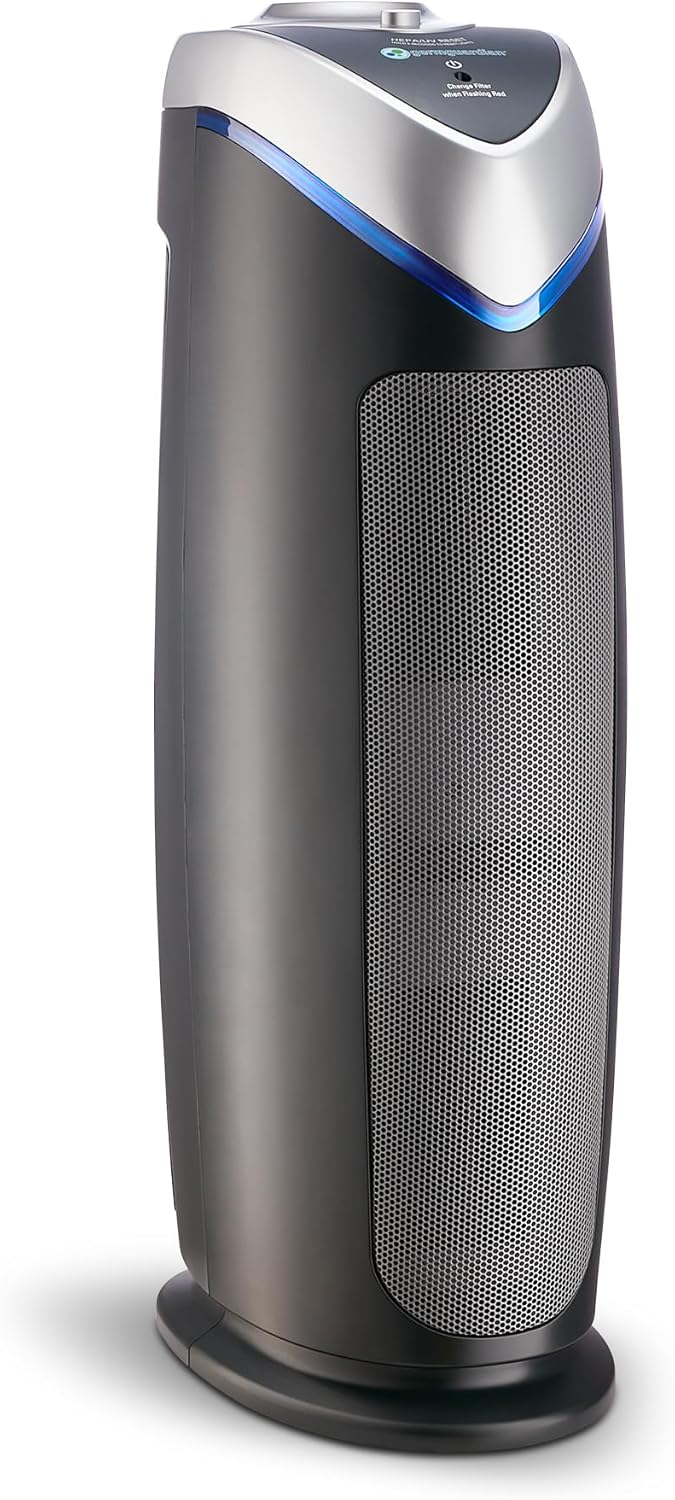
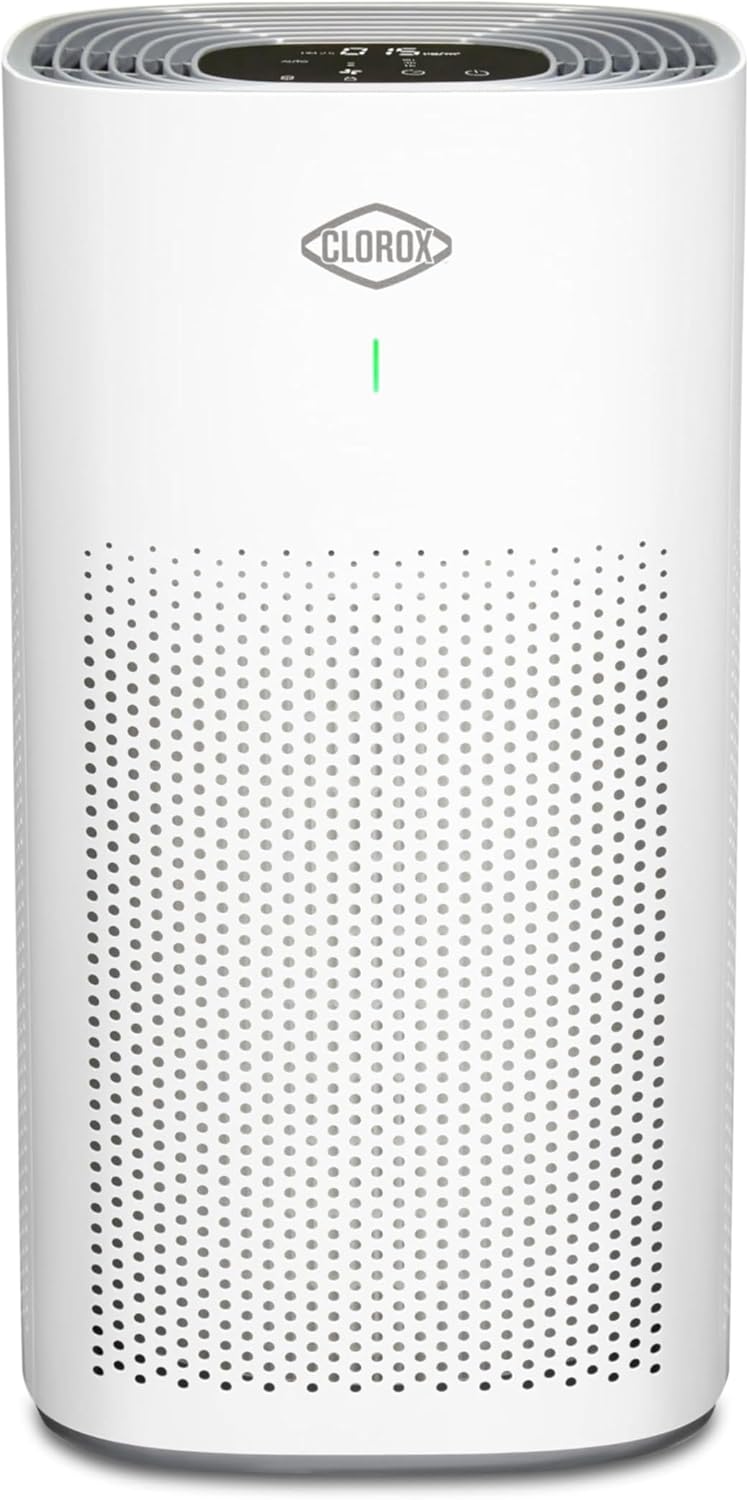
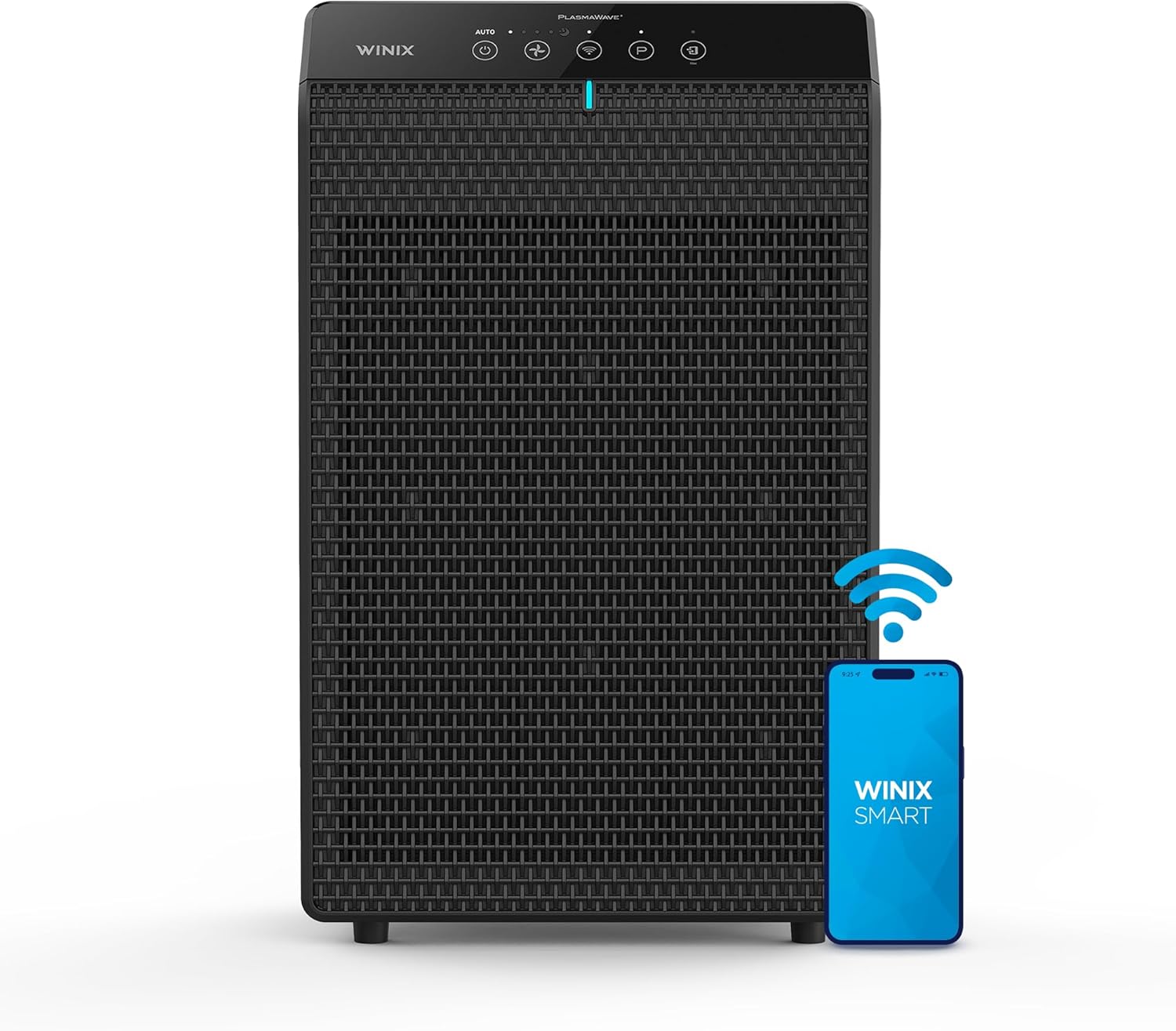
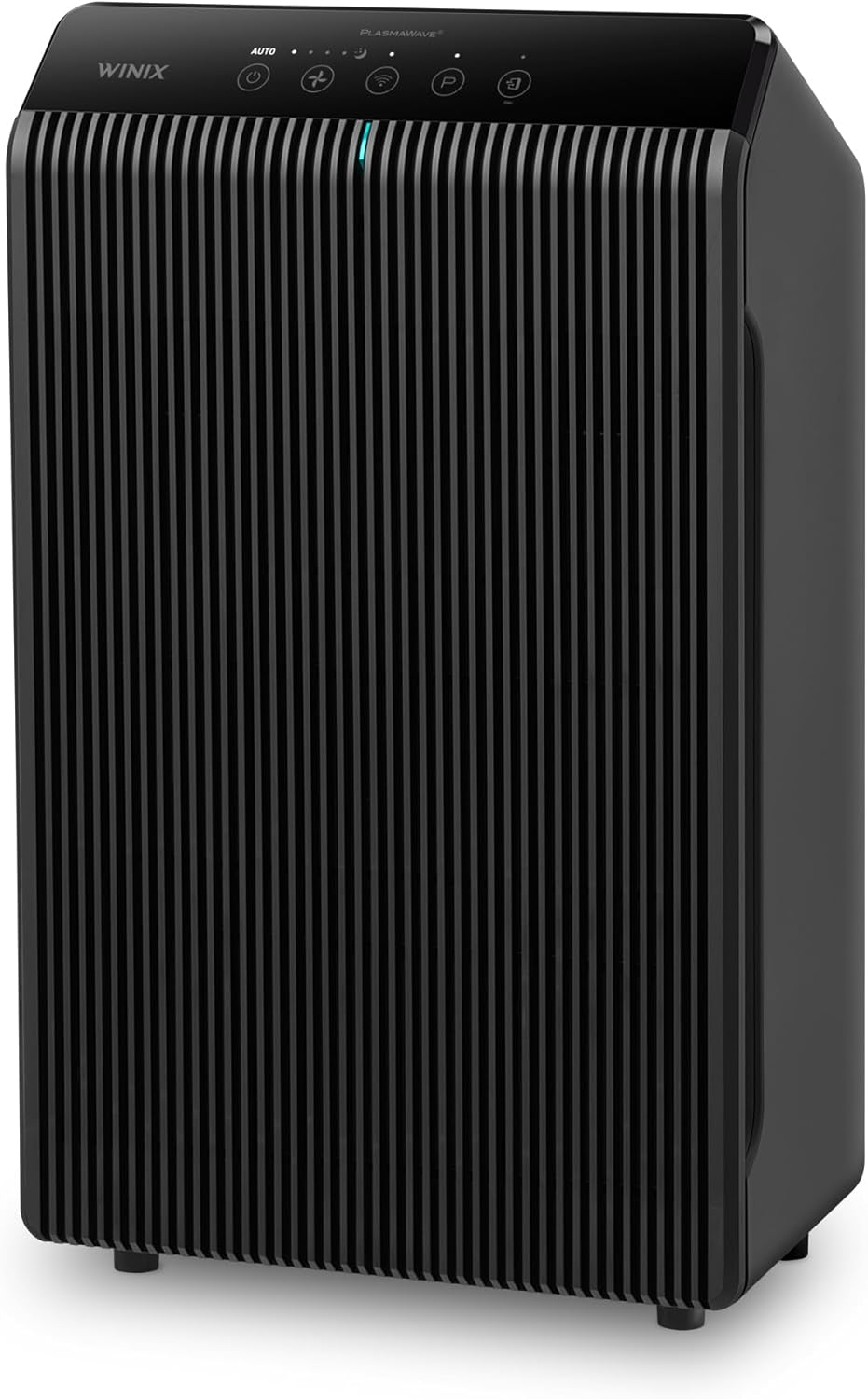
Comparing filter technologies, brands, and price levels for large rooms
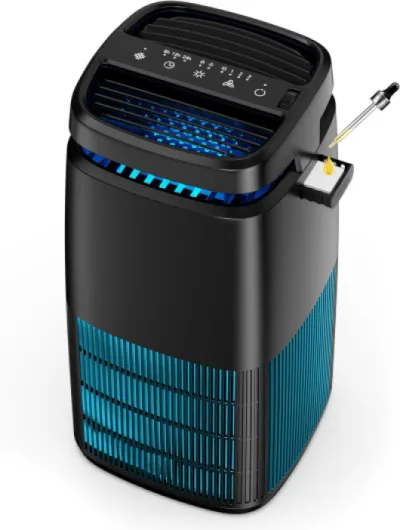
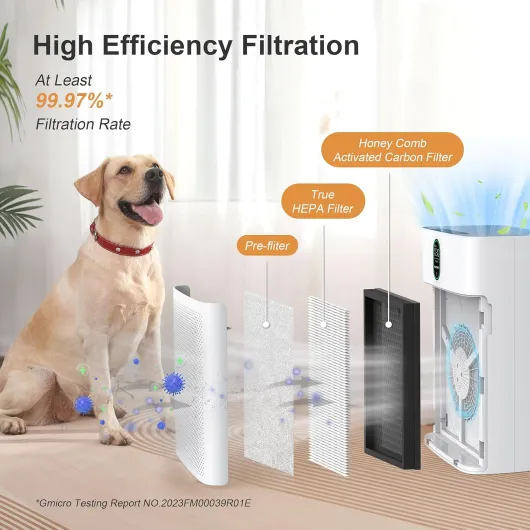
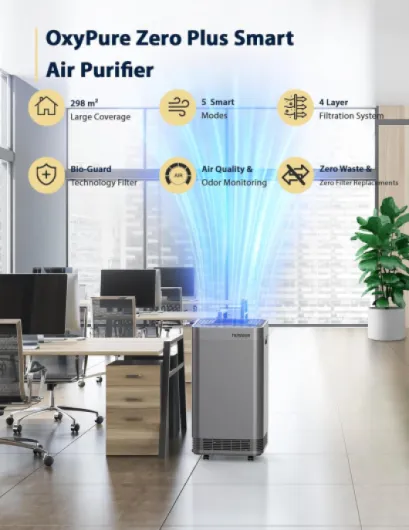
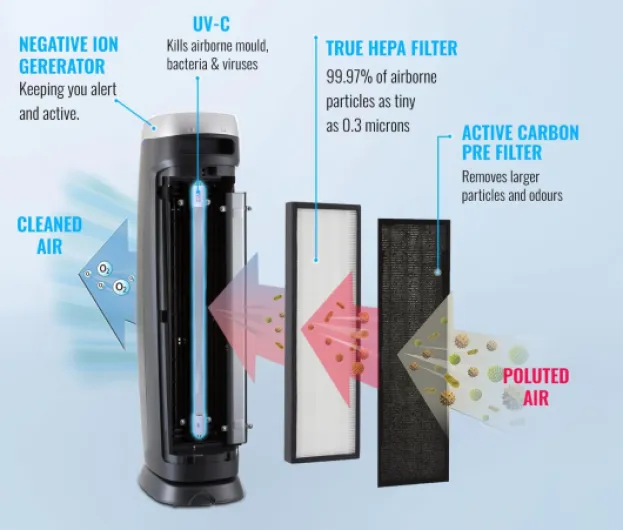
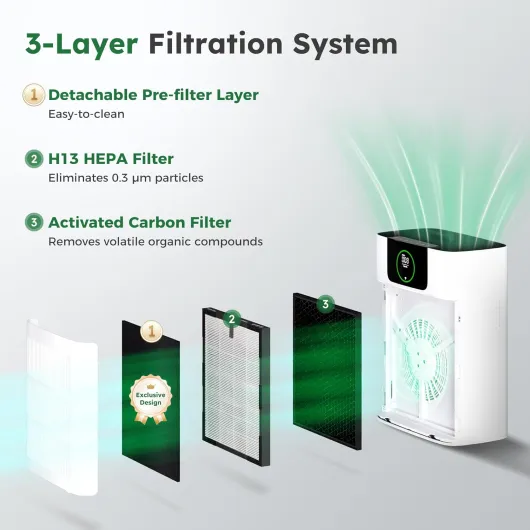
When comparing the best air purifiers for large rooms, filter design and replacement costs matter as much as initial price. A purifier large enough for a spacious living room or open plan area usually combines a HEPA filter, an activated carbon layer, and a durable pre filter. This multilayer approach keeps air quality stable while preventing the main filters from clogging too quickly.
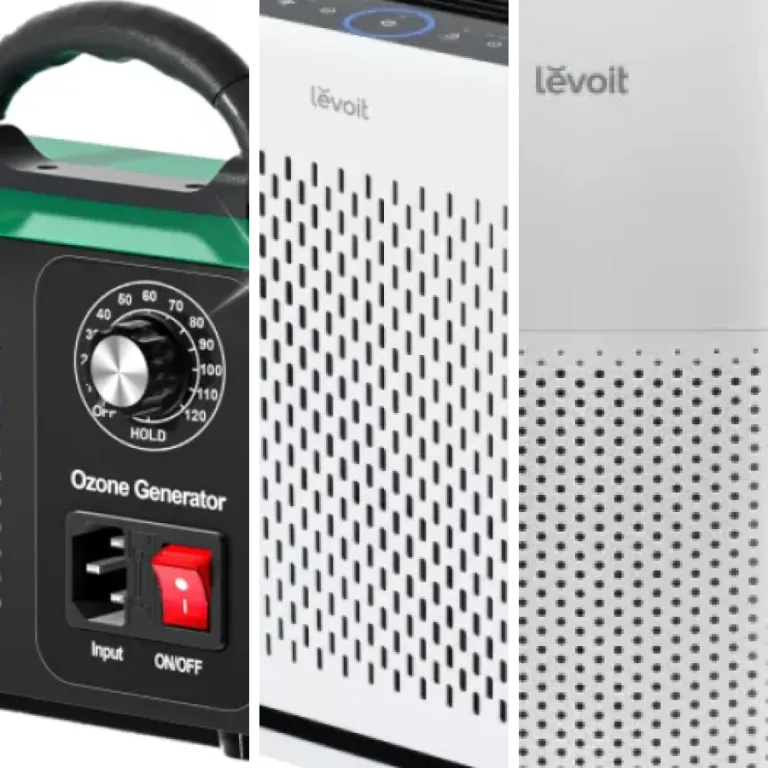
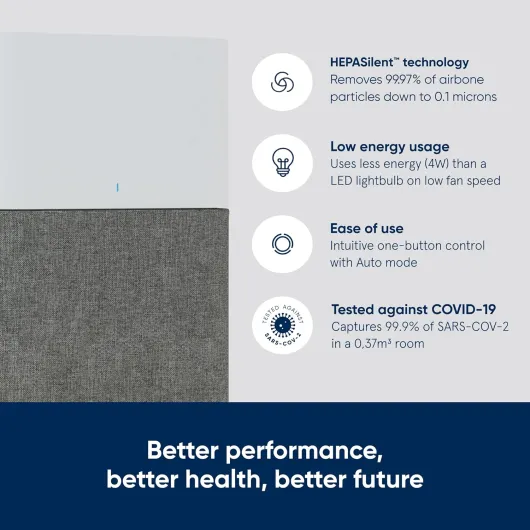
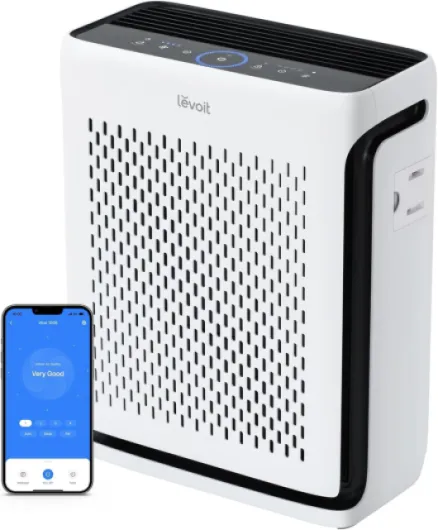
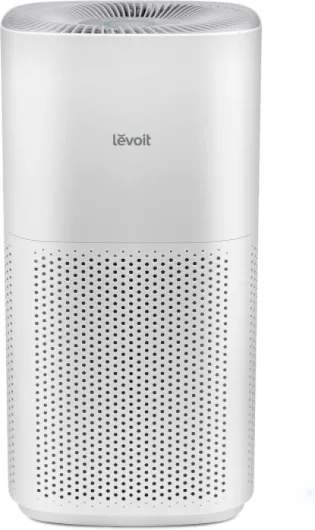
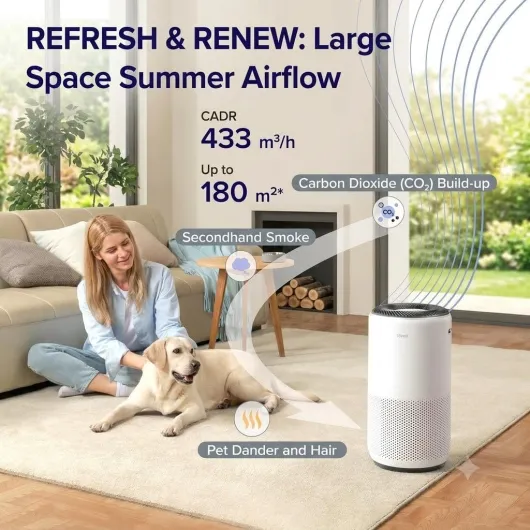
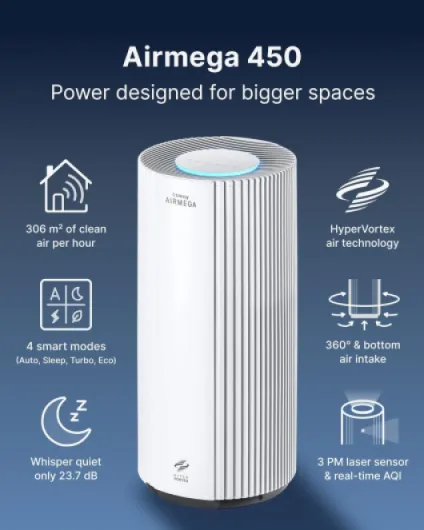
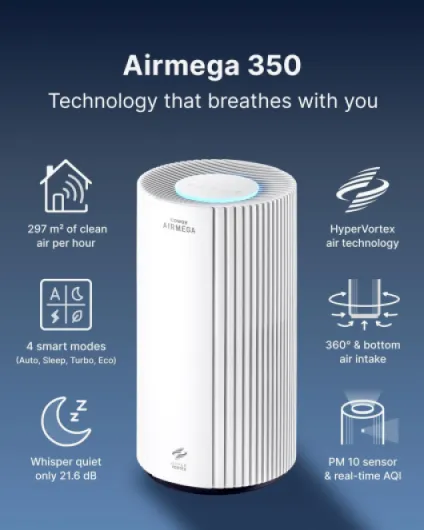
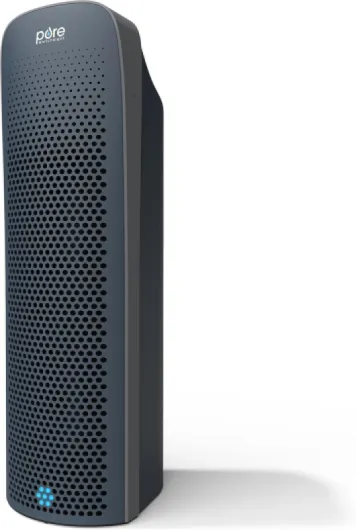
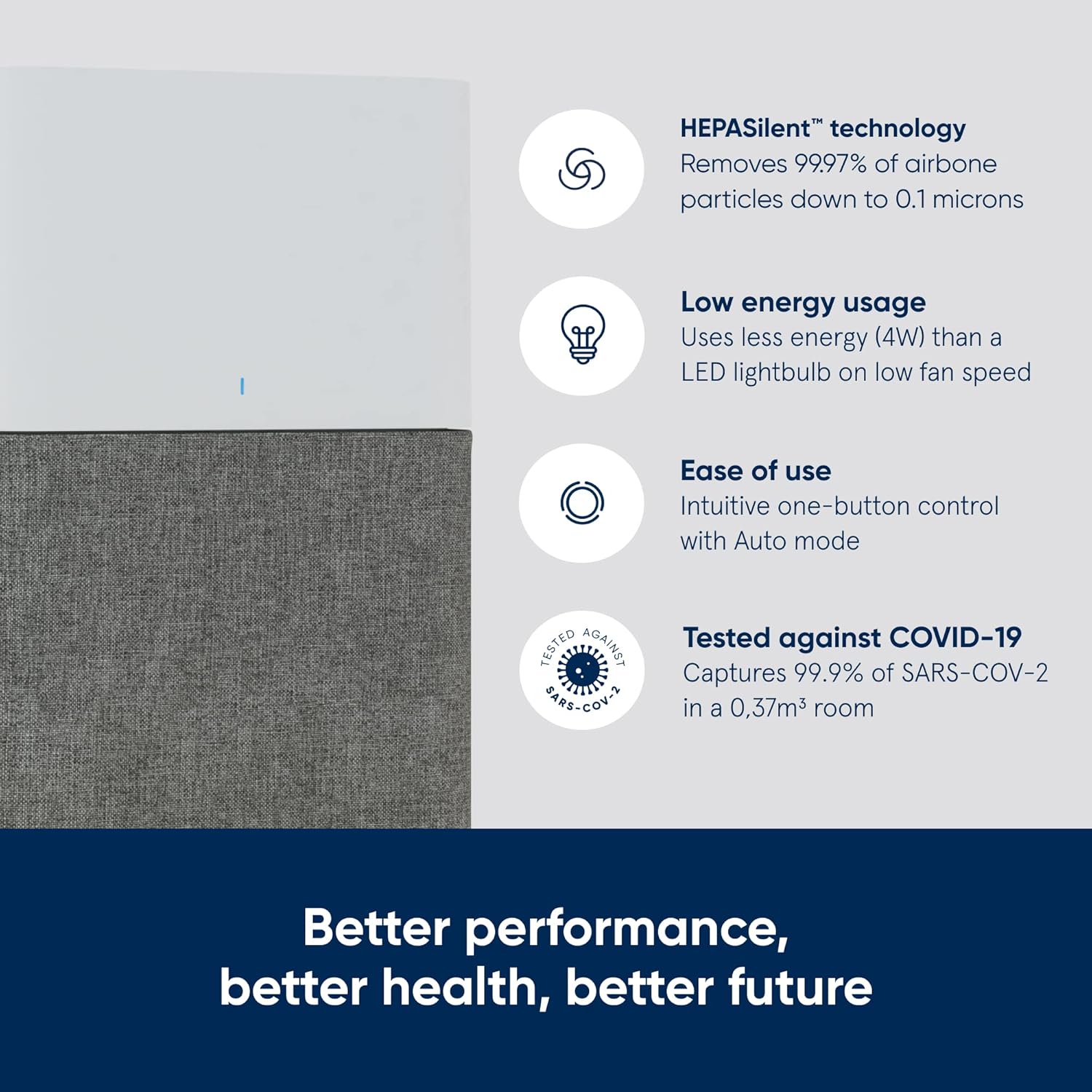
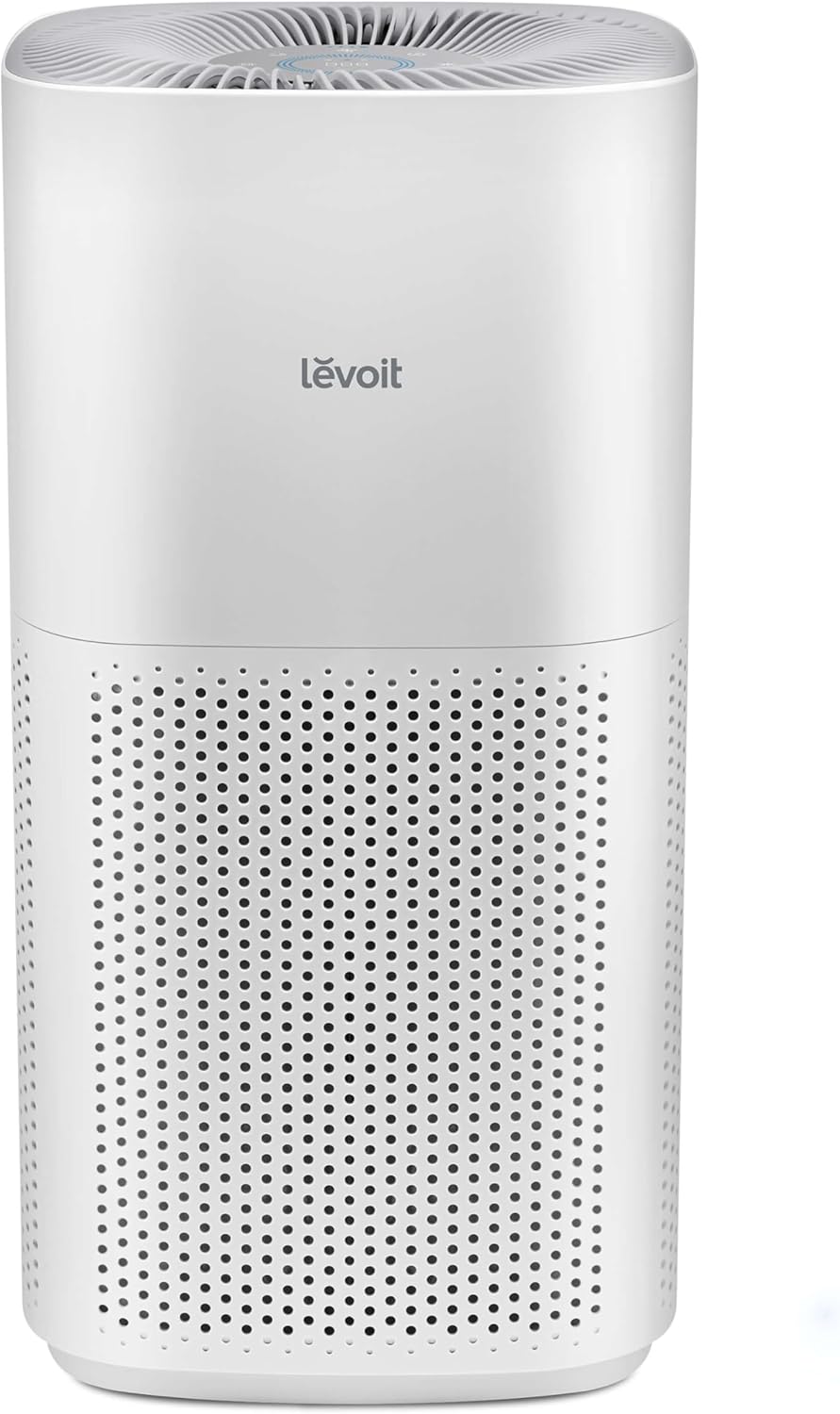
Popular brands such as Levoit and Blue Pure have built reputations by balancing performance, noise, and price smart features. A Levoit Core series air purifier, for example, often includes a cylindrical HEPA filter with 360 degree air intake, which suits central placement in big rooms. Some Blue Pure purifiers use washable pre filters that reduce the long term unit price of ownership for families on a budget.
Always check how often filters need replacement and the regular price of genuine filters. If a purifier uses multiple filters, calculate the yearly price unit for HEPA filter and activated carbon cartridges together, not separately. This helps you compare the real cost of different air purifiers for large rooms instead of focusing only on the sticker price.
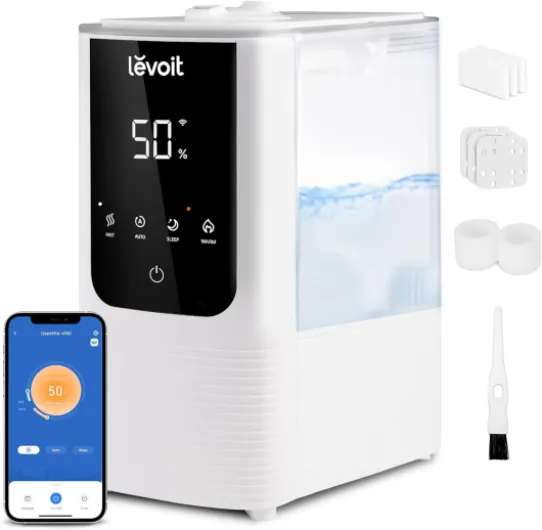
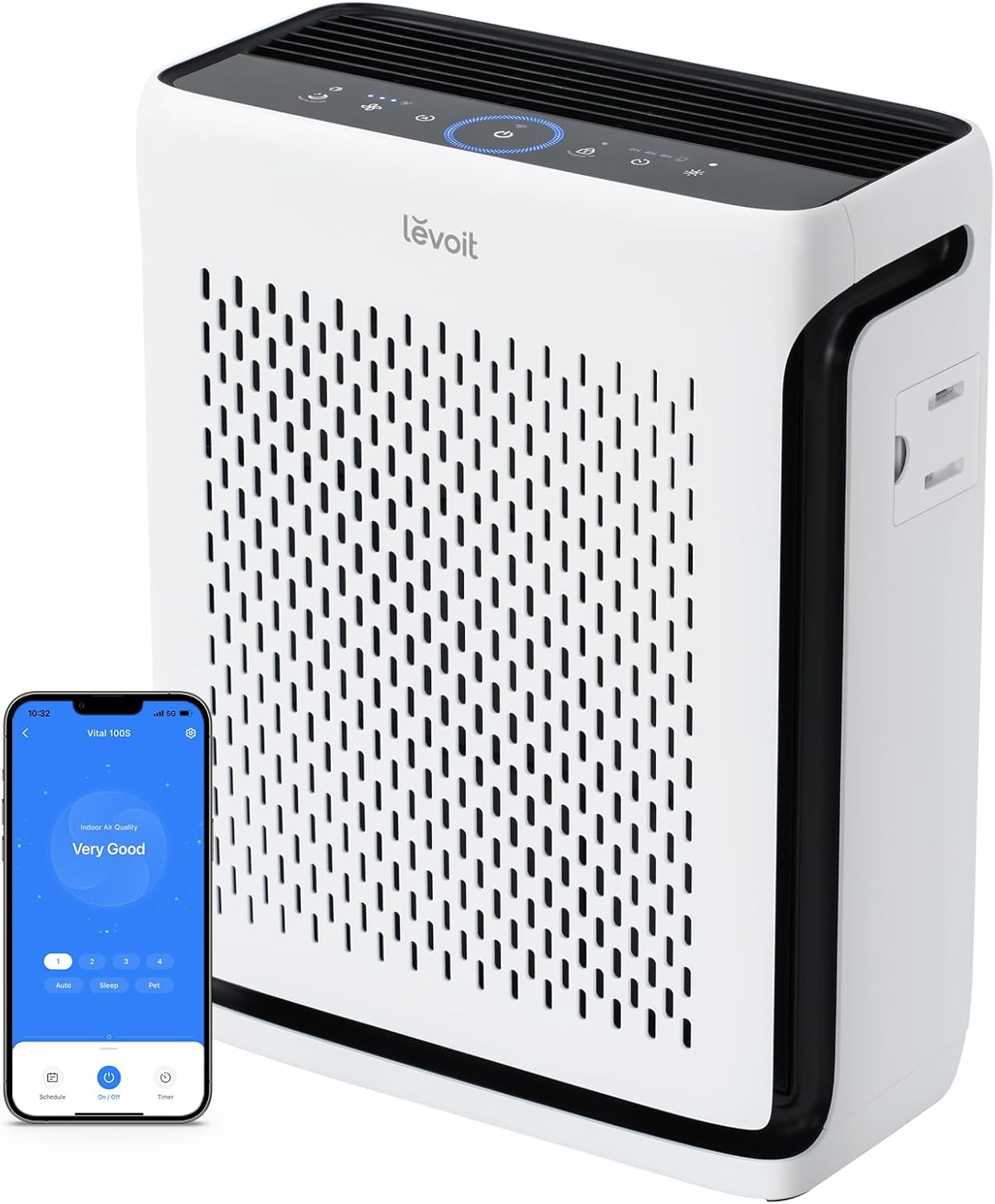
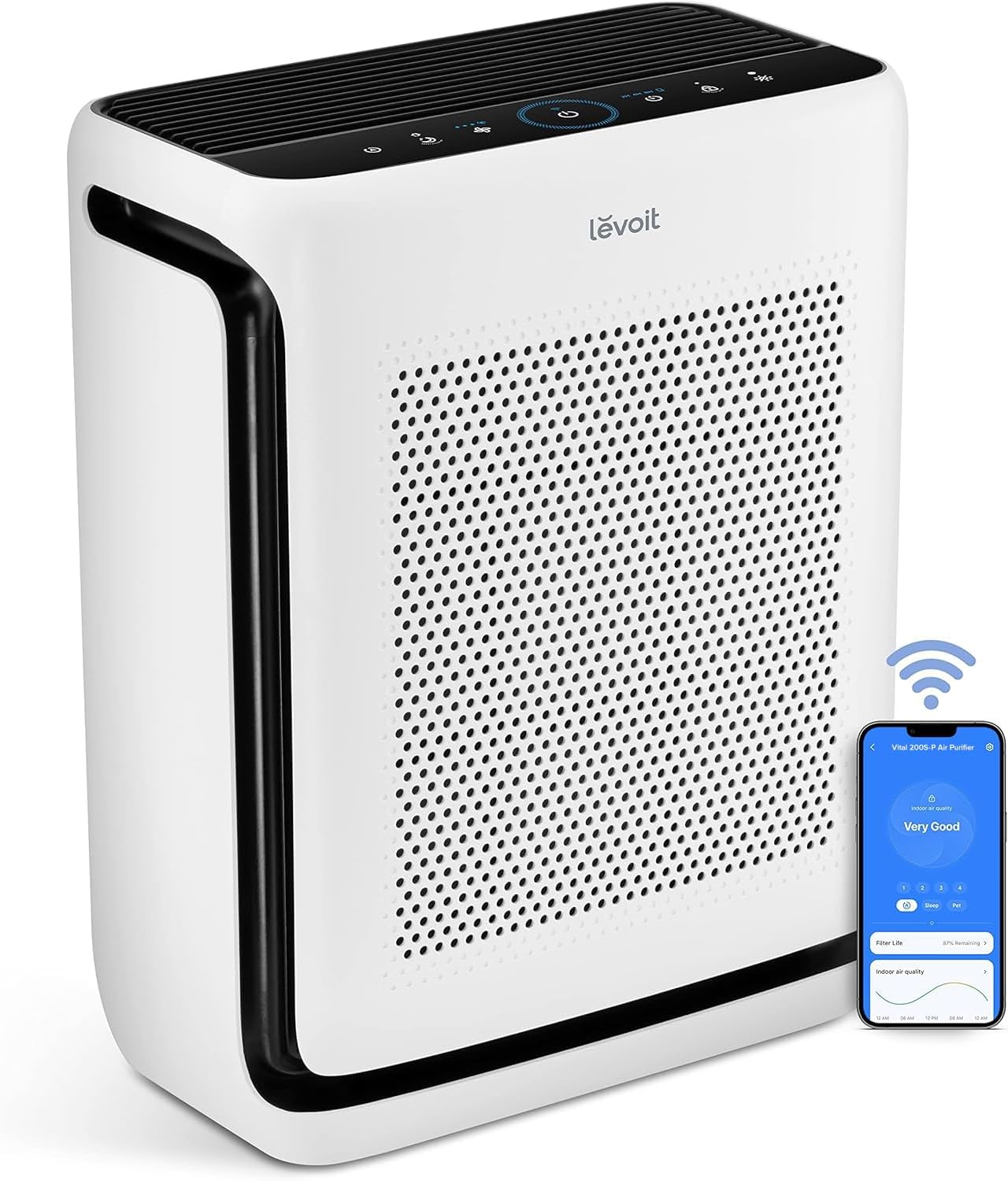
Many smart air purifiers now integrate sleep mode, auto mode, and app control to improve daily usability. Sleep mode reduces fan speed and dims lights, which is crucial when the purifier runs in bedrooms or studio spaces at night. For households that also struggle with dry air, pairing a purifier with a smart humidifier for large room comfort can create a more balanced indoor environment.
Room size, layout, and placement strategies for purifier large units
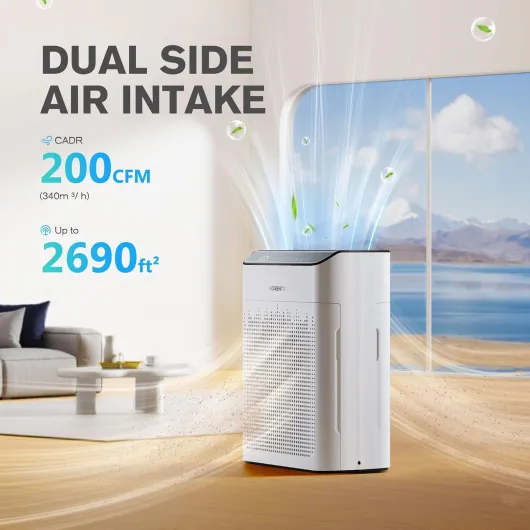
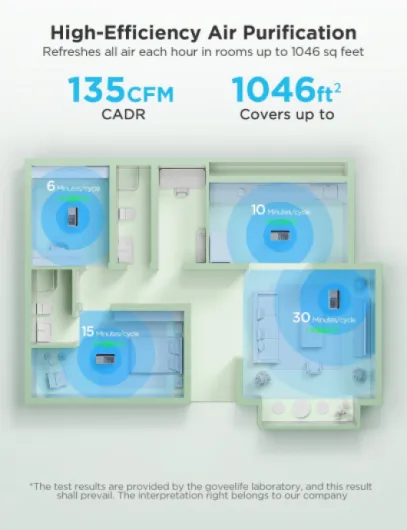
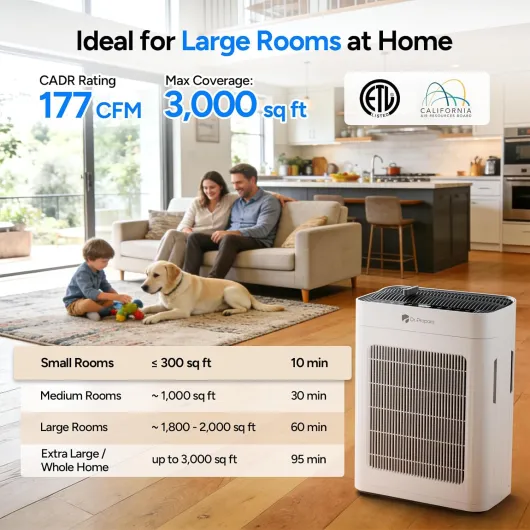
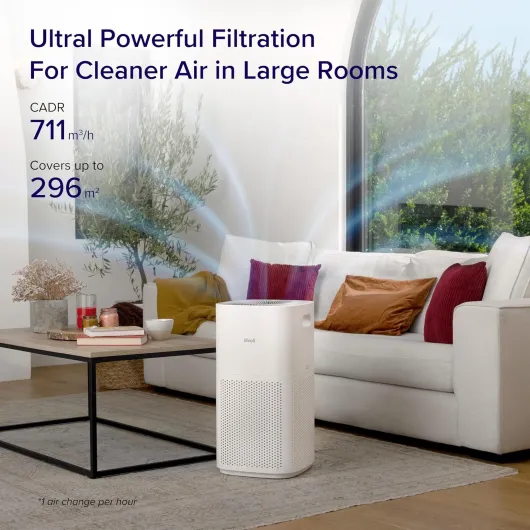
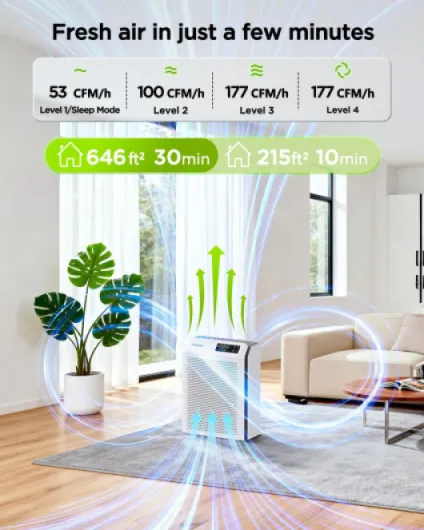
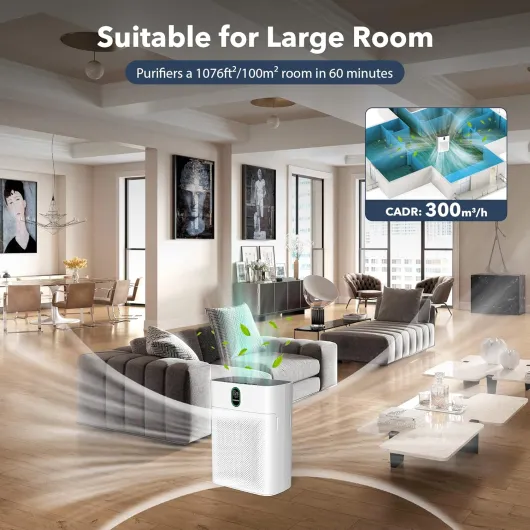
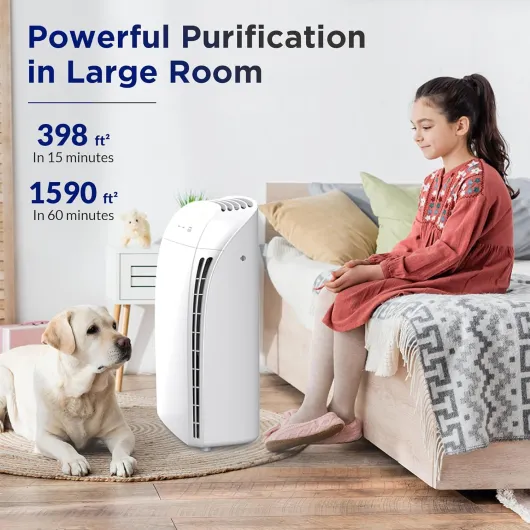
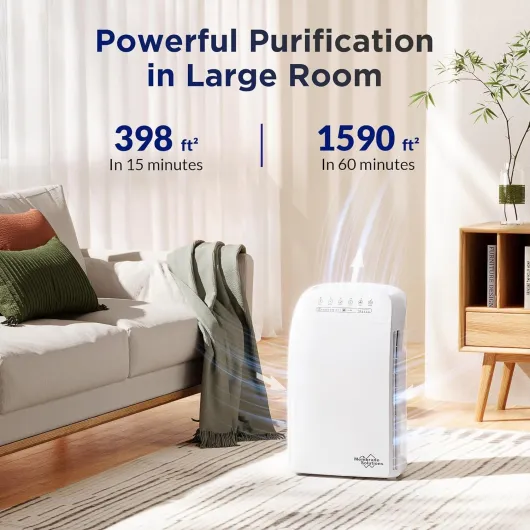
Even the best air purifiers for large rooms underperform if the room size is miscalculated. Measure length, width, and ceiling height in metres to estimate volume, then match this to the CADR and recommended coverage of each air purifier. Oversizing slightly is usually safer than choosing purifiers that struggle at maximum speed all day.
Large rooms with open doorways, staircases, or partial walls create complex air flows that challenge any single purifier unit. In such layouts, positioning the air purifier centrally or near the main pollution source often improves clean air distribution. Avoid pushing purifiers into tight corners, because blocked intakes and outlets reduce effective air changes per hour.
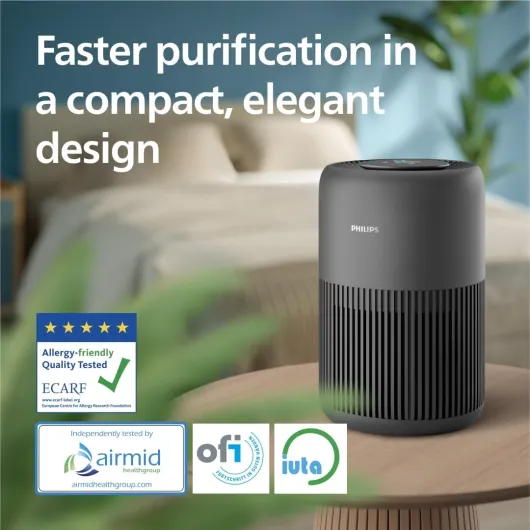
For homes with both large rooms and small rooms, consider a mixed strategy using one strong purifier large model and one or two compact air purifiers. A Levoit Core or similar smart air purifier can handle the main living area, while smaller purifiers maintain air quality in bedrooms or home offices. This approach keeps overall unit price manageable while ensuring every room receives appropriately filtered air.
Schools, clinics, and shared offices face similar challenges when matching air purifiers to real room size and occupancy. Facilities managers increasingly rely on CADR ratings, noise levels, and filter life to justify each purifier price in procurement decisions. Detailed guidance on how to improve school air quality with air purifiers can also help parents understand why certain units are chosen for classrooms.
Key features that define a high quality smart air purifier
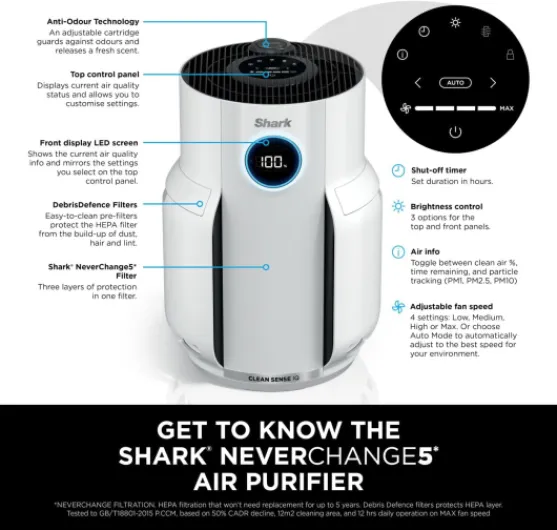
Beyond raw power, the best air purifiers for large rooms share a set of thoughtful features. Real time air quality sensors, colour coded displays, and automatic mode settings help users understand invisible pollution. When a smart air purifier adjusts fan speed based on particle levels, it maintains clean air efficiently without constant manual changes.
Sleep mode is particularly important in multipurpose rooms where people relax, work, and rest. In this mode, the purifier reduces speed, dims indicators, and still keeps air quality stable enough for sensitive individuals. Many Levoit Core models and Blue Pure units now combine quiet operation with strong CADR values, which used to be a difficult balance.
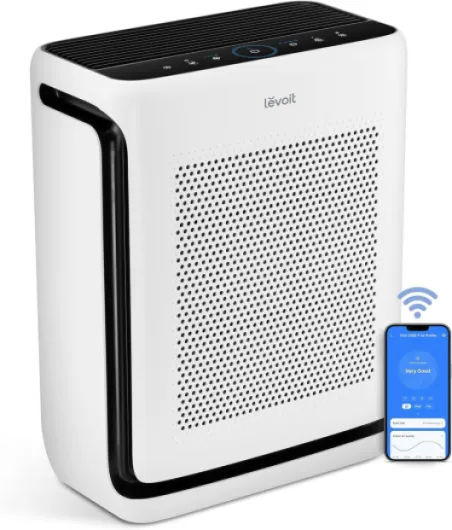
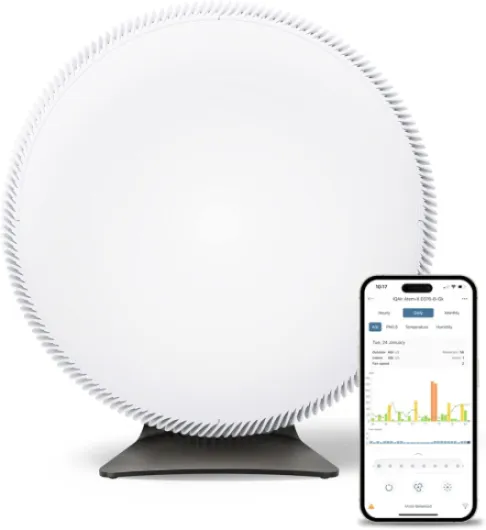
Connectivity also shapes how people interact with modern air purifiers in large rooms. App control allows scheduling, monitoring filter life, and checking air quality trends over days or weeks. Voice assistant integration can be convenient, but the most meaningful benefit remains the ability to verify that the purifier large unit is actually running when needed.
Filter design continues to evolve, with some purifiers using thicker HEPA filter media and more activated carbon for smoke and odour control. A robust pre filter extends the life of these components, lowering the effective unit price over several years. When comparing regular price and price unit across brands, always weigh these durability advantages against cheaper purifiers with thinner filters.
Managing smoke, odours, and dust in large rooms with targeted filtration
Households often search for the best air purifiers for large rooms after noticing persistent smoke, cooking odours, or visible dust. In such cases, CADR for smoke and the quality of the activated carbon filter become decisive factors. A purifier large enough for an open plan kitchen and living room must capture both fine particles and volatile compounds.
True HEPA filter technology removes most fine particles from air, including those from wildfire smoke and traffic pollution. However, only a substantial activated carbon layer can meaningfully reduce odours and some gases, especially in enclosed rooms. When evaluating any air purifier price, check the weight or thickness of the carbon section rather than relying on vague marketing terms.
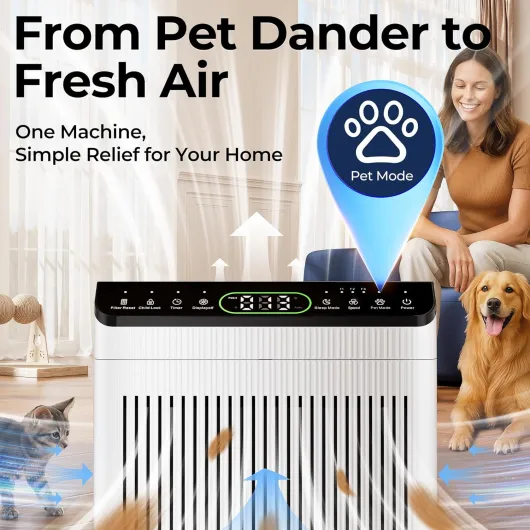
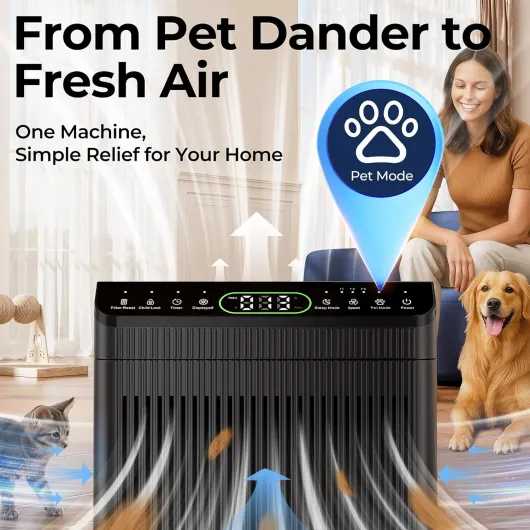
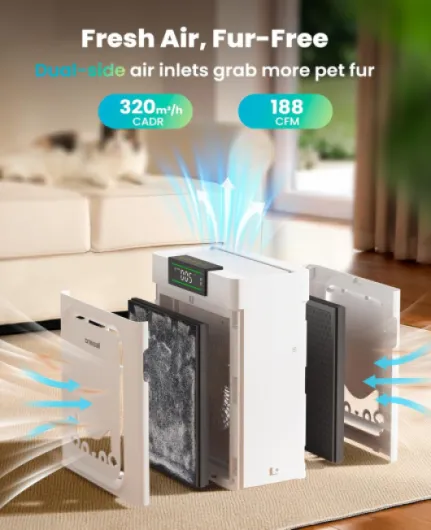
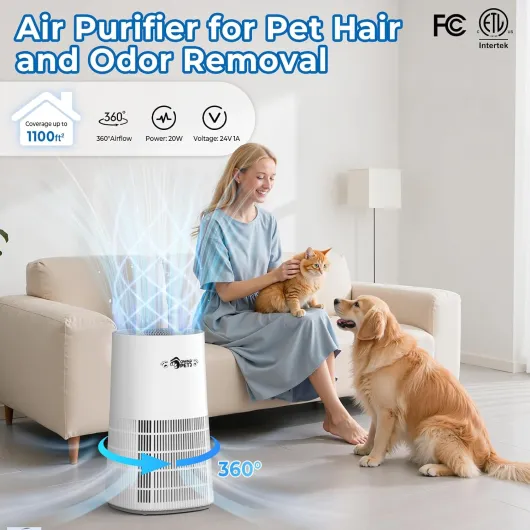
Dust and pet hair challenge filters in both large rooms and small rooms, particularly in homes with carpets and textiles. A washable pre filter can trap larger debris before it reaches the main HEPA filter, preserving airflow and air quality. This design reduces how often you replace expensive filters, improving long term price smart value for families.
Persistent dusty smells may also indicate issues with ventilation, ducts, or air conditioning systems. In such situations, an air purifier helps but does not replace proper maintenance of the building’s air pathways. For a deeper look at this topic, consult guidance on why an air conditioner can smell dusty and how to solve it, then combine those steps with appropriate air purifiers.
Balancing noise, energy use, and long term costs in large rooms
People evaluating the best air purifiers for large rooms often worry about noise and electricity use. Running a purifier large unit at maximum speed all day can be unnecessary if air quality is already stable. Instead, many smart air purifiers use auto mode to ramp speed up only when sensors detect pollution spikes.
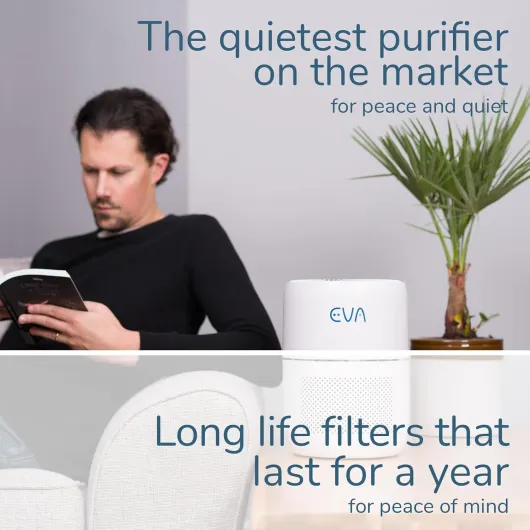
Sleep mode is designed to keep sound levels low enough for bedrooms, nurseries, or shared living spaces. Levoit Core models, Blue Pure units, and similar purifiers typically publish decibel ranges for each fan speed. Comparing these figures helps you choose air purifiers that maintain clean air without dominating the acoustic environment of big rooms.
Energy consumption varies by unit size, motor efficiency, and filter resistance. A well engineered air purifier with a strong CADR can sometimes use less power than a weaker model that must run at higher speed. Over time, this difference influences both electricity bills and the environmental footprint of maintaining good air quality indoors.
Long term cost calculations should include regular price for replacement filters, expected filter lifespan, and any price unit differences between brands. Some manufacturers offer subscription plans that stabilise price regular for filters, while others rely on one time purchases. By combining these financial considerations with performance metrics, you can select air purifiers that remain sustainable for large rooms over many years.
Practical buying checklist for choosing the right air purifier large model
Before purchasing, translate the idea of the best air purifiers for large rooms into a concrete checklist. First, confirm your room size in square metres and ceiling height, then compare this with each purifier’s recommended coverage and CADR. Aim for a unit that can perform at medium speed most of the time, reserving maximum speed for short bursts.
Second, examine the filter system in detail, including HEPA filter grade, activated carbon quantity, and pre filter design. Verify how often filters must be replaced, the regular price of genuine filters, and whether the brand offers transparent unit price information. This step is crucial when comparing popular options such as Levoit Core purifiers, Blue Pure models, and other smart air purifiers.
Third, evaluate features that affect daily life, such as sleep mode, auto mode, and noise levels at different fan speed settings. Check whether the air purifier provides real time air quality readings and whether the app or smart air platform is reliable. Remember that a slightly higher air purifier price can be justified if the unit maintains clean air more quietly and efficiently.
Finally, consider how the purifier will integrate into both large rooms and small rooms within your home. Some households benefit from one powerful purifier large unit in the main living area plus compact air purifiers elsewhere. By weighing performance, price smart value, and long term maintenance, you can select air purifiers that genuinely improve indoor air quality across all rooms.
Common questions about choosing air purifiers for large rooms
No dataset with faq_people_also_ask was provided, so referenced FAQs cannot be reproduced verbatim. However, typical questions focus on CADR selection, filter replacement frequency, noise levels, and how many air purifiers are needed for different room sizes.