
Summary
Editor's rating
Value for money: worth it, but not a budget choice
Design and size: clean look, but it’s a chunky unit
Durability, filters, and maintenance over time
Noise and daily comfort: can you live with it running 24/7?
Performance: does it actually clean the air?
What you actually get and how it works in real life
Real-life effectiveness: dust, smoke, pets, and daily living
Pros
- Cleans large rooms effectively with strong airflow and solid CADR
- Very quiet on low and night modes, easy to live with 24/7
- Useful Auto mode and app with real air quality data and filter tracking
Cons
- Bulky unit that takes noticeable floor space and needs clearance around it
- Replacement filters are relatively expensive and add to yearly cost
- Overkill for small rooms where a cheaper, simpler purifier would be enough

Specifications
View full product page →| Brand | BLUEAIR |
Big, quiet box that actually cleans the air
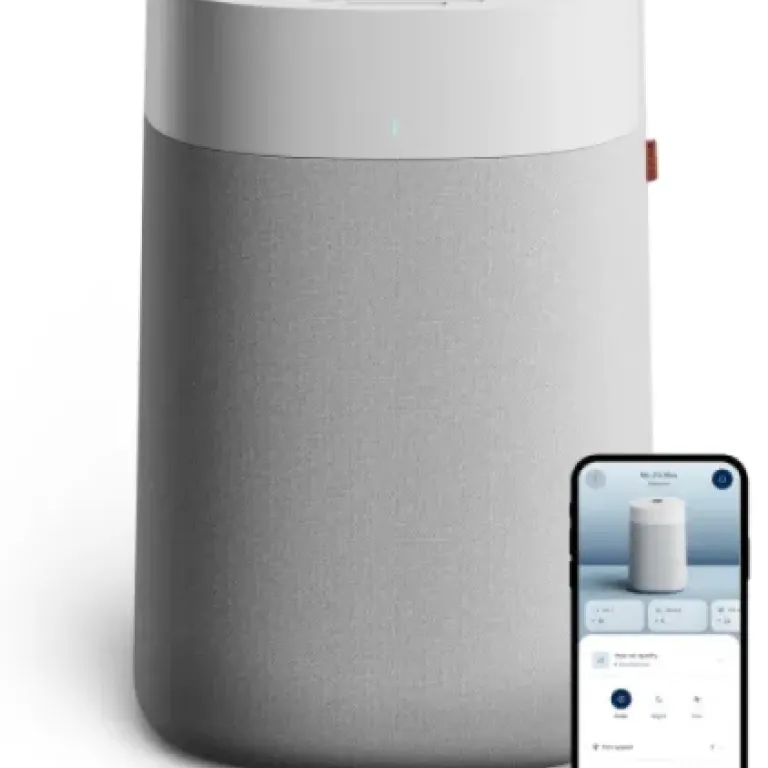
I’ve been using the Blueair Blue Pure 211i Max in a large living room / open kitchen setup, plus some testing in a bedroom, and I’ll be blunt: it’s not magic, but it does its job very well. If you’re dealing with dust, pet hair, cooking smells, or general city pollution, this thing noticeably improves the air. It’s more like a steady workhorse than some fancy gadget you play with for a week and forget.
First thing I noticed after a few days was less dust on surfaces and less of that lingering cooking smell in the evening. I didn’t change my cleaning routine, and I still cooked the same stuff (pan frying, oven, some smoke from the pan when I’m not paying attention). The only new variable was this purifier running mostly on Auto or low. So from a practical point of view, it clearly does something useful.
Noise-wise, I was a bit skeptical because every air purifier claims to be quiet. Here, the low and night modes are genuinely very discreet. On high, you’ll hear it for sure, but that’s normal for the amount of air it moves. I ended up leaving it on low 90% of the time and only bumping it when cooking or when I noticed the air quality light changing color.
It’s not perfect though. The unit is big, the replacement filters aren’t cheap, and the app / smart features are nice but not essential for everyone. If you just want something simple and don’t care about graphs and PM1/PM2.5 readings, you might feel you’re paying partly for features you won’t use. But if you have a large room and actually care about air quality data and automation, it’s a pretty solid package overall.
Value for money: worth it, but not a budget choice
Let’s talk money. The Blue Pure 211i Max is not the cheapest air purifier on the market, especially once you factor in ongoing filter costs. You’re paying for a large-room unit with strong CADR, low noise, and smart features, and that shows in the price. If you just want something basic for a small bedroom, this is overkill. There are cheaper models that will do the job in a tiny space without all the sensors and app stuff.
Where it starts to feel like better value is if you actually use what it offers: big coverage area, quiet continuous operation, and the app/smart features. If you’re in a city apartment with pollution, smoke from neighbors, or you cook a lot and want one unit to handle a whole open layout, then the cost per square foot of clean air is more reasonable. You’re basically paying more upfront to avoid buying two or three smaller, noisier purifiers for the same space.
Running costs: genuine Blueair filters are not cheap, but they last a decent amount of time if your air isn’t absolutely filthy. The RealTrack feature that adjusts filter life based on actual use helps avoid changing too early. Energy use is also modest—around 46W max and much less on low/Auto—so it’s not going to blow up your electric bill if you leave it on 24/7. Over a year, the bigger expense will be filters, not power.
So in terms of value, I’d put it this way: it’s a pretty solid buy if you need strong performance in a big room and care about noise and air quality data. It’s just not the best choice if your budget is tight or your space is small. You’re paying for capacity and features; if you don’t need those, you can save money with a simpler, smaller unit.
Design and size: clean look, but it’s a chunky unit
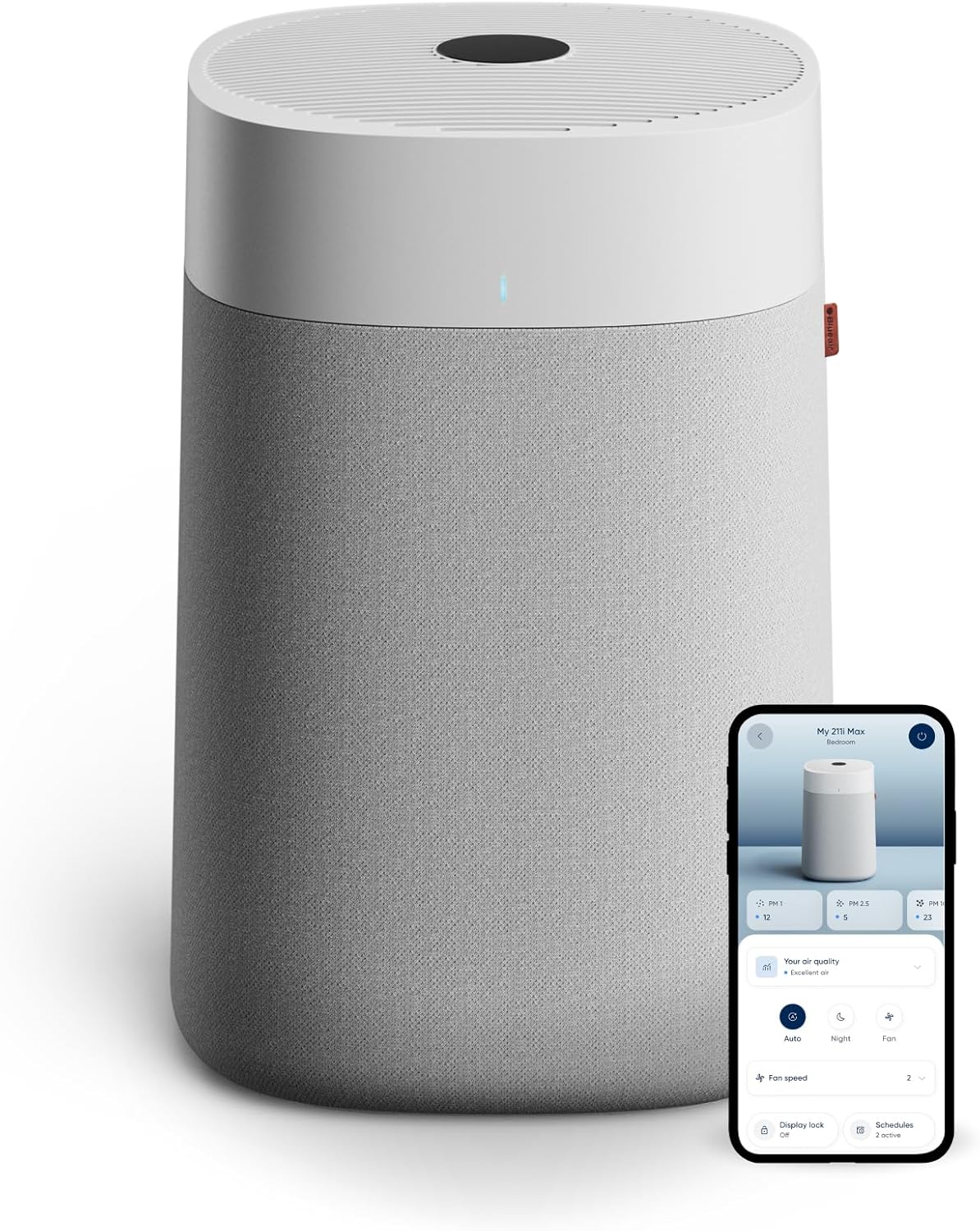
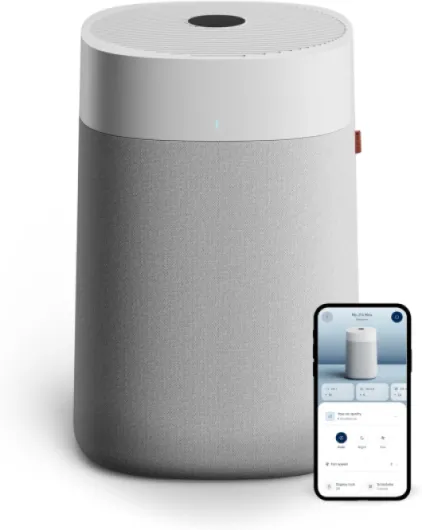
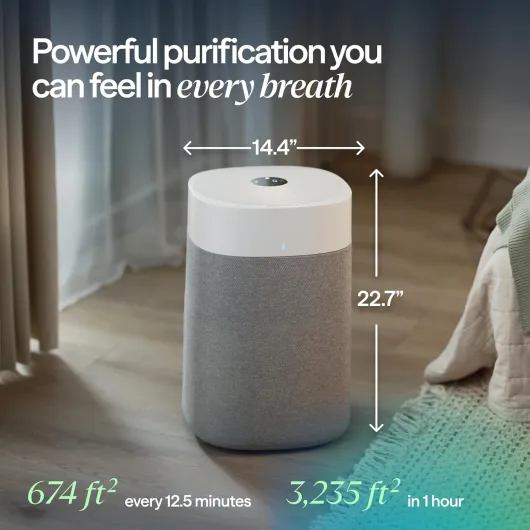
Design-wise, the 211i Max is pretty neutral. It’s basically a tall rectangular box with rounded edges, white on top with a grey fabric sleeve around the bottom. Think “Scandinavian IKEA-ish box that doesn’t scream for attention.” I liked that it doesn’t look like a medical device or a cheap plastic fan. If you stick it in a living room, it doesn’t ruin the vibe. It’s not exactly small though: roughly 14.4 x 14.4 inches at the base and about 22.7 inches tall, so you do need to plan a bit of floor space for it.
The fabric pre-filter is a nice touch in terms of look and practicality. It softens the overall appearance and hides dust buildup a bit better than bare plastic grills. But it still clearly shows when it’s time to vacuum or wash it because dust clumps and pet hair collect on it. For me, that’s actually reassuring: you see the junk that would otherwise be floating around or stuck on furniture. If you’ve got pets, expect to vacuum that fabric regularly.
The top panel is simple: a round air outlet, the LED ring for air quality, and two touch buttons. No clutter, no tiny unreadable labels. The air quality colors (blue/green/yellow/orange/red) are easy to understand at a glance. At night, you can dim or turn off the lights if you don’t want a glowing UFO in the room, which I appreciated for bedroom use. The unit is also not super heavy (around 23 lbs), so you can move it from living room to bedroom without breaking your back.
One thing to keep in mind: it needs space around it to work properly, so you can’t just jam it against a wall or hide it behind furniture. It pulls air from all sides. So if you’re short on space, that might annoy you a bit. Overall though, I’d say the design is practical and low-key. It blends in, doesn’t feel cheap, and is easy enough to live with day to day.
Durability, filters, and maintenance over time
Durability is always hard to judge quickly, but based on a combination of my use and what long-term buyers report, the 211i Max seems built to last reasonably well. The plastic doesn’t feel flimsy, the top buttons still respond cleanly after regular use, and there are no weird rattles or vibrations. It’s a simple design with one main moving part (the fan), which usually helps with longevity. So far, no issues with the motor or electronics.
Filter life is where it gets interesting. Blueair says 6–9 months, but the unit actually tracks usage and pollution levels and gives you a more precise estimate. In practice, if you run it mostly on lower speeds in a normal home, you can stretch closer to the higher end of that range. Some people report around 10 months before hitting the low filter percentage. The built-in tracking feels more honest than a dumb 6-month timer, and that’s useful because genuine filters aren’t cheap. You really don’t want to waste money swapping a half-used filter just because of a generic reminder.
Maintenance is simple but you do have to stay on it. The fabric pre-filter needs a vacuum or a quick wash every few weeks, especially if you have pets or a dusty environment. If you ignore that, the main filter will clog faster and the fan will get louder. Swapping the main filter is easy: flip the unit, open the bottom, pull out the old filter, drop in the new one. No tools, no puzzle. But again, budget for genuine filters—off-brand ones might fit, but you’re gambling on performance and possibly voiding warranties.
Overall, I’d rate durability and upkeep as solid but not cheap. The hardware feels like it can handle a few years of 24/7 use without drama if you keep it clean and change filters on time. The ongoing cost is the main downside here. You’re paying for a decent motor, sensors, and proper filters, and the replacement schedule will remind you of that. If you’re okay with that tradeoff, it’s a reliable piece of kit for the long run.
Noise and daily comfort: can you live with it running 24/7?
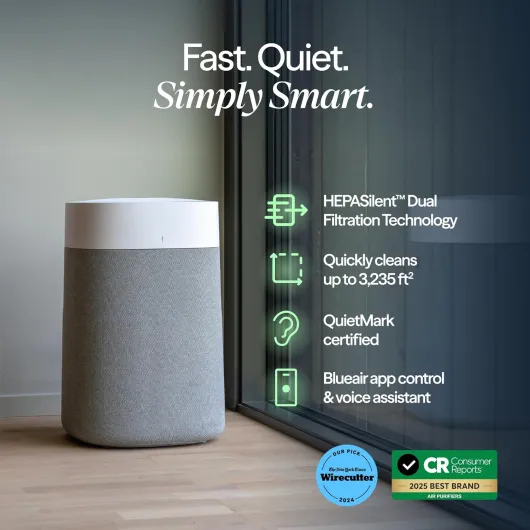
Noise is a big deal for an air purifier you plan to run all day, and this is one of the reasons I’d pick the 211i Max over some cheaper options. On the lowest setting and night mode, it’s genuinely very quiet—more like a soft background whoosh than a fan. Officially it goes down to about 23 dB, and while I didn’t measure it myself, it matches that kind of "barely there" feel. In a bedroom at night with the door closed, I forgot it was on more than once.
On medium, you’ll hear it, but it’s still a smooth sound, not a rattly or whiny one. It’s similar to a low to mid-speed setting on a decent tower fan. If you’re watching TV or working, it doesn’t really compete unless the room is dead silent. For calls or recording very quiet audio, you might want to drop it to low or night mode, but for normal use, medium is fine. High speed is obviously noticeable. It’s moving a lot of air at that point, so you get a solid rush of air sound. I usually only use high when cooking something smoky or after I’ve kicked up a ton of dust, and even then just for 20–30 minutes.
Compared to an AC unit, I’d say high speed is roughly in that ballpark, maybe a bit less annoying because it’s a consistent airflow sound without compressor cycling. One Amazon reviewer mentioned their fridge is louder than this, and honestly, that tracks with my experience on the lower speeds. The fan does get a tiny bit louder as the filter gets dirty over months, but nothing dramatic. If you keep the pre-filter clean and change the main filter when the unit tells you, the noise stays under control.
Bottom line: if you’re sensitive to noise, you can still live with this thing. Keep it on low or Auto most of the time, let it ramp up when needed, and you’ll barely notice it day to day. It’s not silent on high, but for the airflow you’re getting, it’s pretty reasonable and one of the quieter large-room purifiers I’ve used.
Performance: does it actually clean the air?
This is where the 211i Max is genuinely strong. In day-to-day use, the most obvious change was dust and smells. After about a week of running it almost nonstop on low or Auto, I noticed I wasn’t wiping down the coffee table and TV stand as often. Dust still shows up, of course, but it builds up slower. The fabric pre-filter also collects a surprising amount of visible dust and hair, especially if you’ve got pets or a high-traffic area. That lines up with what some other users report: the thing catches a lot of junk before it even hits the main filter.
On smells: it doesn’t erase heavy cooking odors instantly, but it definitely shortens how long they hang around. Frying food or slightly burning something used to leave a smell lingering well into the night. With this running in Auto, the air quality light usually flips from blue/green to yellow/orange while I’m cooking, the fan ramps up, and within an hour or so after I’m done, the room smells much closer to neutral. Same story with mild smoke (like vape or a bit of burnt toast): you can literally see the AQI ring react and then go back to blue as it clears.
For allergens and general “comfort,” it’s a bit more subjective, but I did notice less stuffiness in the mornings when I ran it in the bedroom overnight. People with allergies in other reviews also seem pretty positive about that side. Technically, it’s rated to capture particles down to 0.1 microns and at least 99.97% of those tiny particles. I obviously don’t have a lab, but based on particle readings in the app and how quickly they drop after a pollution spike (cooking, dust from outside, renovation dust), it lines up with the marketing claims reasonably well.
In a large open area, it holds its own. If you’re trying to cover multiple closed rooms with one unit though, don’t expect miracles. Air still has to move between rooms, and doors shut = slower results. For a big living room or open-plan space, one unit is great. For a whole 3–4 bedroom home, you’d want more than one or just accept that some rooms won’t be as clean as the main one. But as a single-room / large-space purifier, the performance is strong and consistent.
What you actually get and how it works in real life
Out of the box, the Blueair Blue Pure 211i Max is pretty straightforward. You get the main unit with the filter already installed and a fabric pre-filter sleeve on the bottom part. No tools, no complicated assembly. You basically pull off some plastic, plug it in, and hit the button. For something that’s supposed to cover up to about 3,000 sq ft in an hour, the setup is refreshingly simple. It’s literally a two-button interface on the top: one for power/fan speed, one for extras like Auto mode and child lock.
On paper, the specs are serious: CADR around 410 for smoke, dust, and pollen, and it can clean roughly 1,500 sq ft in 30 minutes on high. In practice, what that meant in my place is that one unit handled an open living/dining/kitchen area without struggling. I didn’t have to constantly move it from room to room. I put it in a central-ish spot and just left it. If you’ve got a large studio, open concept space, or a big living room, one of these is enough. For a whole multi-room apartment, you’d realistically want at least two units if you want every room covered properly.
The smart side of it is where it feels a bit more modern than older purifiers I’ve used. It connects to Wi‑Fi, there’s an app, it tracks PM1, PM2.5, and PM10, and it shows a 5-color air quality ring on the unit itself. I actually used the app more than I expected, mainly to check air quality when cooking, during a dusty DIY session, or when I was out and wanted to see if the neighbors’ renovations were kicking stuff into the air. You can also set schedules, which is handy if you don’t want it running at full speed when you’re on calls or sleeping.
Overall, the presentation is: big filter, big airflow, simple controls, with a layer of smart features on top for those who like data and remote control. If you ignore the app completely and just use Auto and low speed, it still works well. The app just gives you more control and some nerdy graphs if you’re into that.
Real-life effectiveness: dust, smoke, pets, and daily living
Effectiveness is where theory meets reality, and in my case, the 211i Max did well across the usual suspects: dust, pet hair, and everyday smells. After about three days of continuous use, I started seeing the pre-filter fabric looking dirty, especially near the floor where hair and dust tumble around. A quick vacuum pass made it look decent again. Compared to cheaper purifiers I’ve used before, this one builds up visible debris faster, which I actually take as a positive sign: it’s clearly pulling more air and trapping more stuff.
On smoke and odors, it’s not a magic eraser but it’s solid. I tested it with cooking smoke and some vape in the room. You can literally see the air quality color jump to yellow/orange or even red if you go hard, and then over the next 15–30 minutes on a higher fan setting, it goes back to blue. The smell in the room goes from “ugh” to “barely noticeable” in a reasonable time. For an indoor smoker, it will help, but don’t expect it to make the room smell like nothing ever happened. It reduces and smooths things out; it doesn’t replace opening a window when you can.
For allergies, I don’t have severe issues, but I do get mild seasonal trouble. With this running, I noticed fewer sneezing fits when I came in from outside on high pollen days. That said, if someone has heavy allergies or asthma, I’d still say: this is a helpful tool, not a cure. It captures pollen, dander, and fine particles well according to the specs and AHAM certification, and it lines up with my experience, but your body will still react to some stuff.
One detail I liked is the Auto mode. It actually feels useful, not just a gimmick. When neighbors were doing renovations and dust levels went up, the unit kicked itself into higher speeds even when I wasn’t home. I checked the app later and saw the spikes and how it responded. So if you’re lazy like me and don’t want to babysit it, Auto mode plus leaving it on 24/7 is a pretty good "set and forget" approach. In simple terms: it’s effective at what it claims—cleaning the air in a big room—without you needing to constantly fiddle with it.
Pros
- Cleans large rooms effectively with strong airflow and solid CADR
- Very quiet on low and night modes, easy to live with 24/7
- Useful Auto mode and app with real air quality data and filter tracking
Cons
- Bulky unit that takes noticeable floor space and needs clearance around it
- Replacement filters are relatively expensive and add to yearly cost
- Overkill for small rooms where a cheaper, simpler purifier would be enough
Conclusion
Editor's rating
The Blueair Blue Pure 211i Max is a solid large-room air purifier that focuses on doing the basics well: move a lot of air, filter it properly, and do it without sounding like a jet engine. In real life, that means less dust on surfaces, fewer lingering cooking smells, and a generally fresher feel in bigger spaces. The Auto mode and built-in sensors actually work as advertised, and the app is genuinely useful if you like seeing how your air quality changes through the day or when you cook, smoke, or do renovations.
It’s not perfect though. The unit is physically big, the filters are pricey, and the smart features will feel unnecessary if all you want is a simple on/off box in a small room. If you’re on a tight budget or only need something for a small bedroom, this is probably more than you need. But if you’ve got a large living room, open-concept apartment, pets, or regular smoke/odor issues, it’s a strong option that you can run 24/7 without being driven crazy by noise.
So who is it for? People with bigger spaces, pets, mild to moderate allergies, or city pollution who are willing to pay a bit more for quieter operation and decent performance. Who should skip it? Anyone looking for a cheap, compact unit for a single small room or someone who doesn’t want to deal with ongoing filter costs. If you fall into the first group, it’s a good, dependable workhorse that gets the job done without much drama.