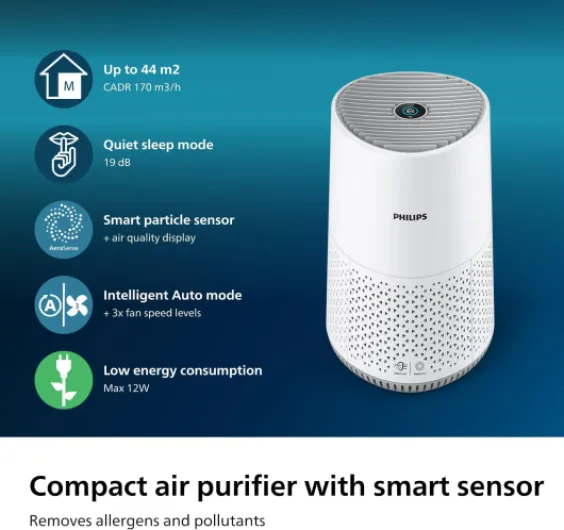
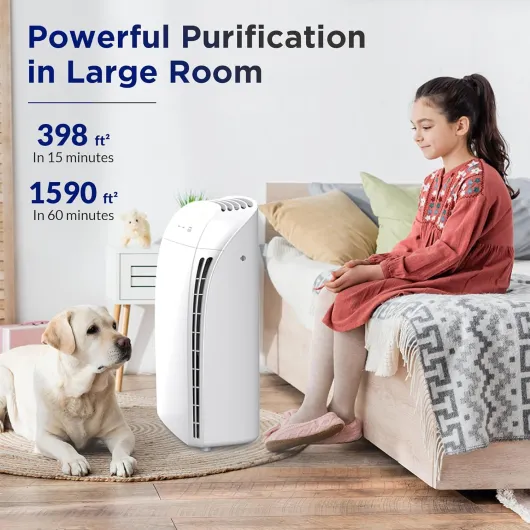
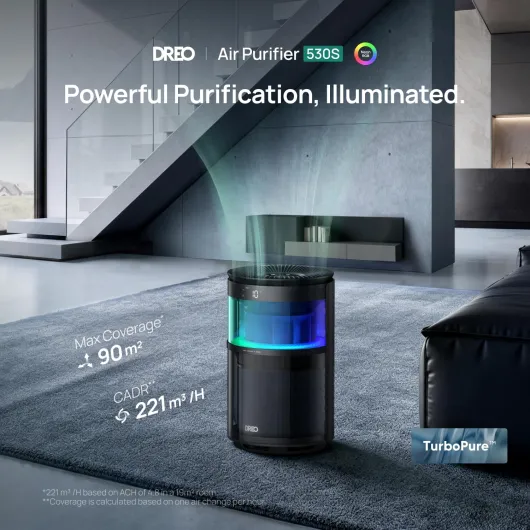
How filtration, sensors, and fan speed work together
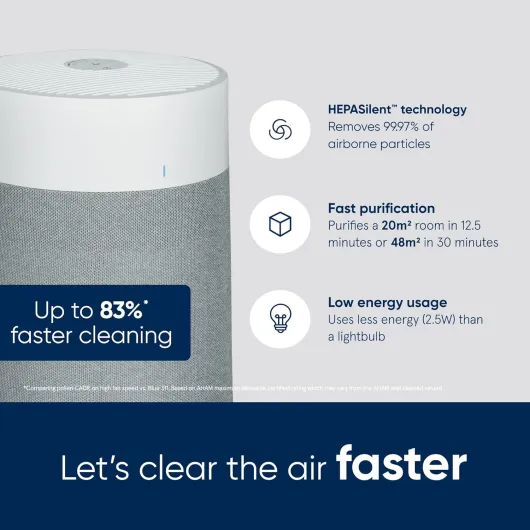
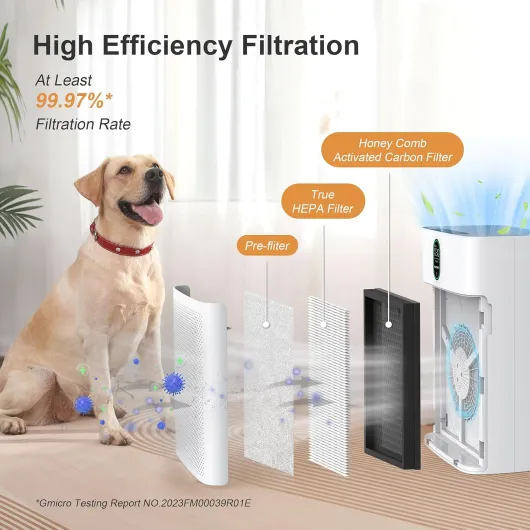
Inside every smart air purifier, three elements determine performance ; filters, sensors, and airflow. The primary filter is usually a true HEPA filter that traps fine particles, supported by pre filters and activated carbon filters that catch larger dust and certain gases. When these filters are well designed, the purifier can maintain high air quality in both small rooms and large rooms without constant manual adjustment.
Air quality sensors measure particulate levels and sometimes gases, feeding data to the purifier’s control system. As pollution rises, the unit increases fan speed to pull more air through the filters and restore clean air quickly. When the air becomes cleaner, the smart air logic reduces speed again, lowering the noise level and extending the life of the filters over many months.
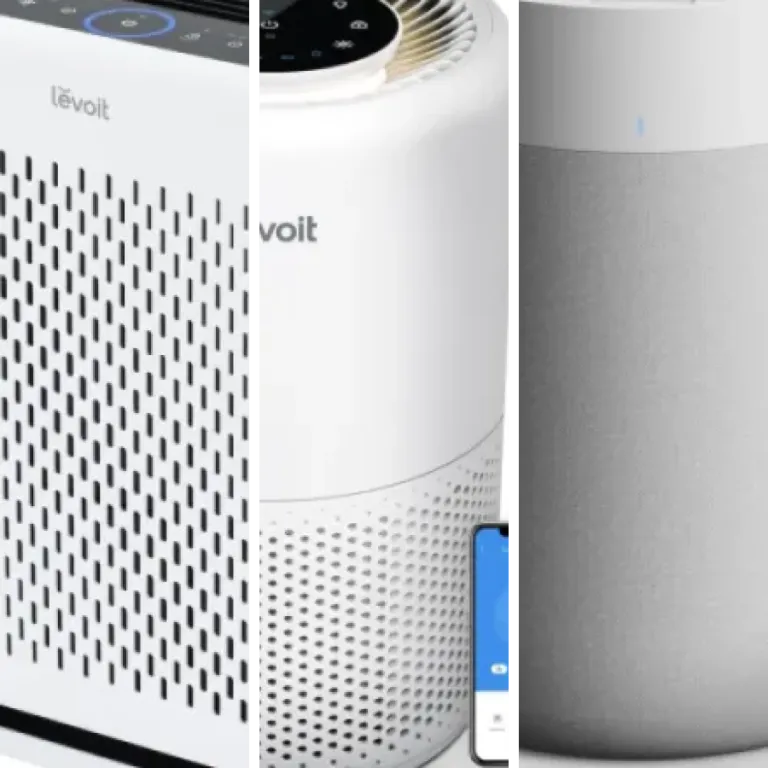
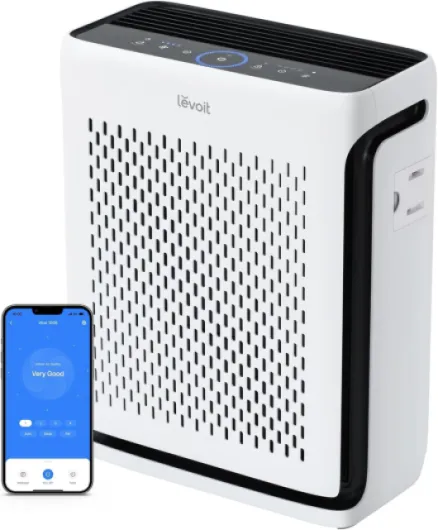
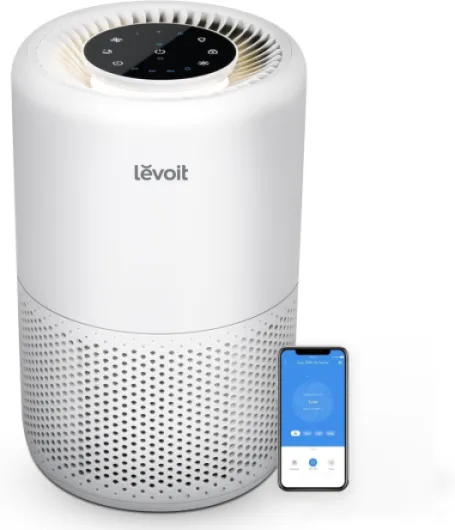
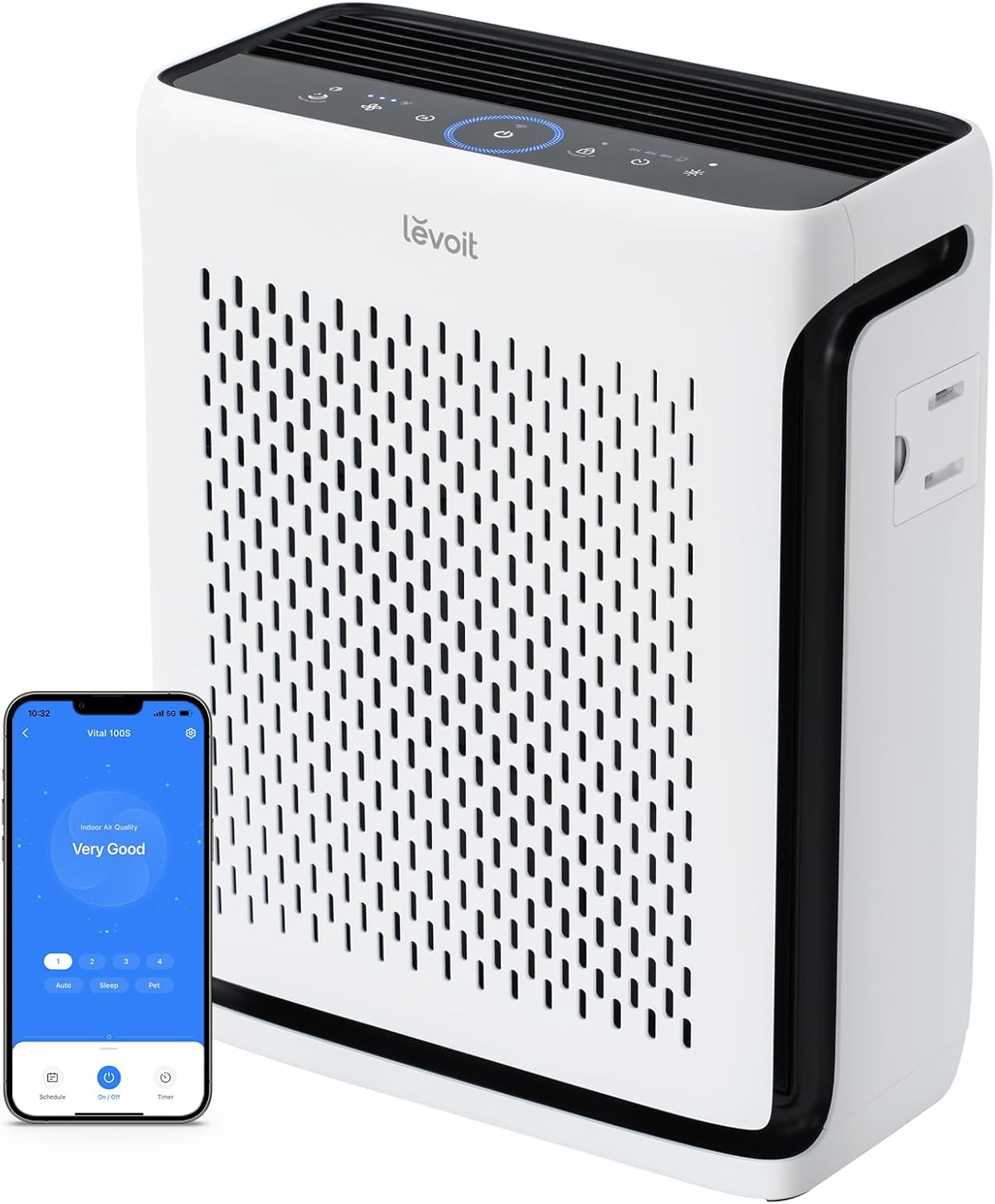
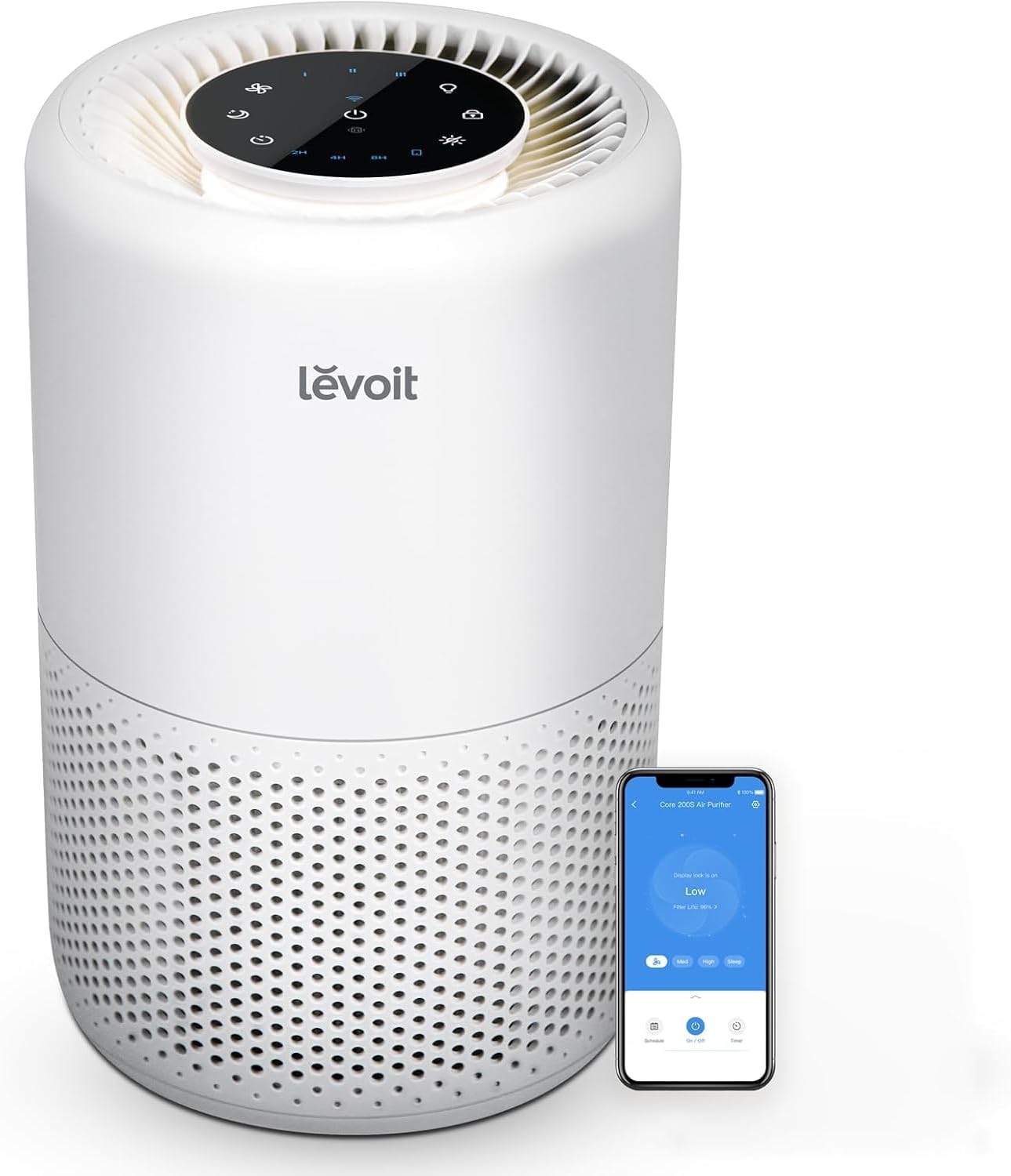
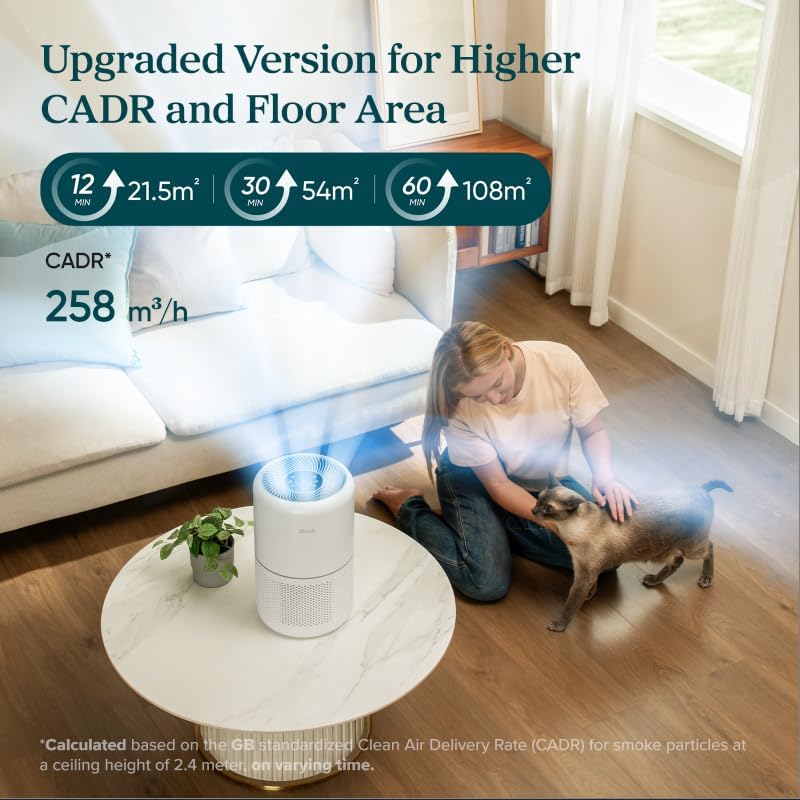
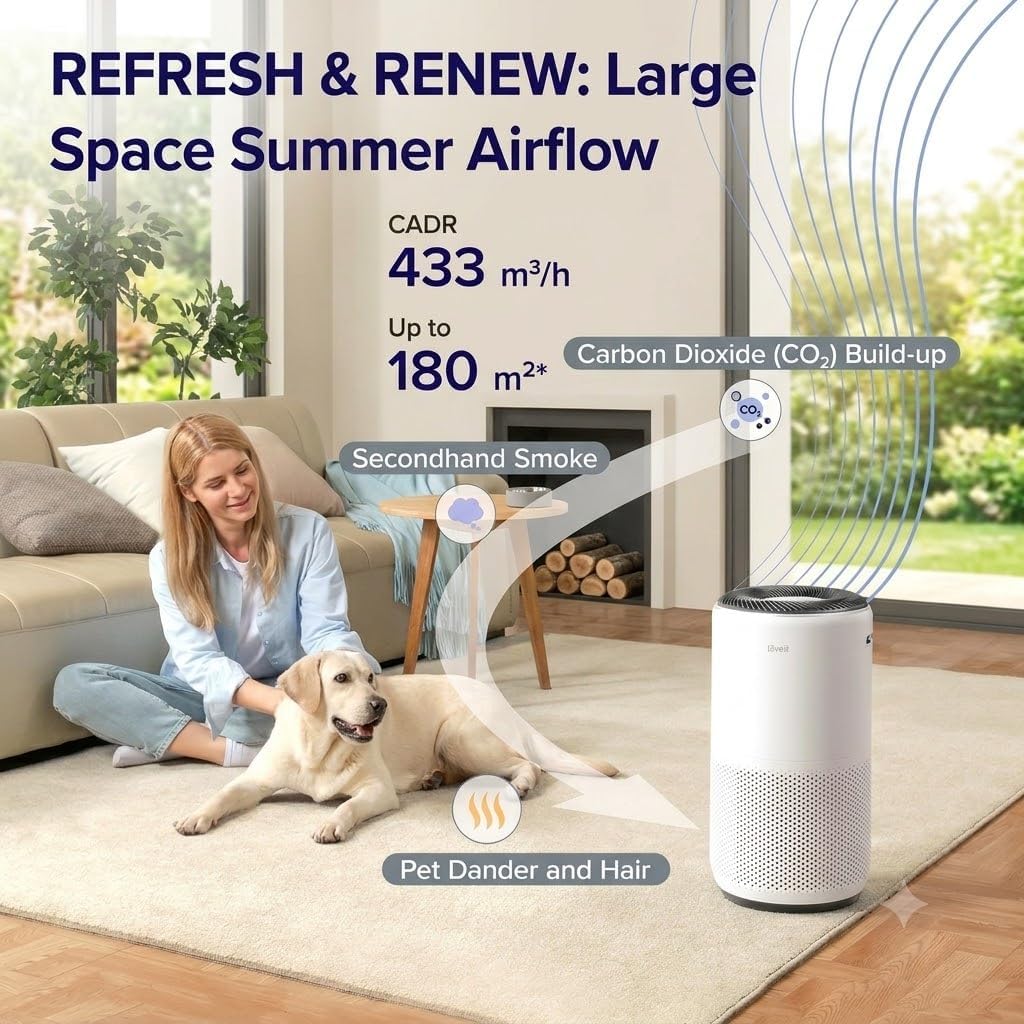
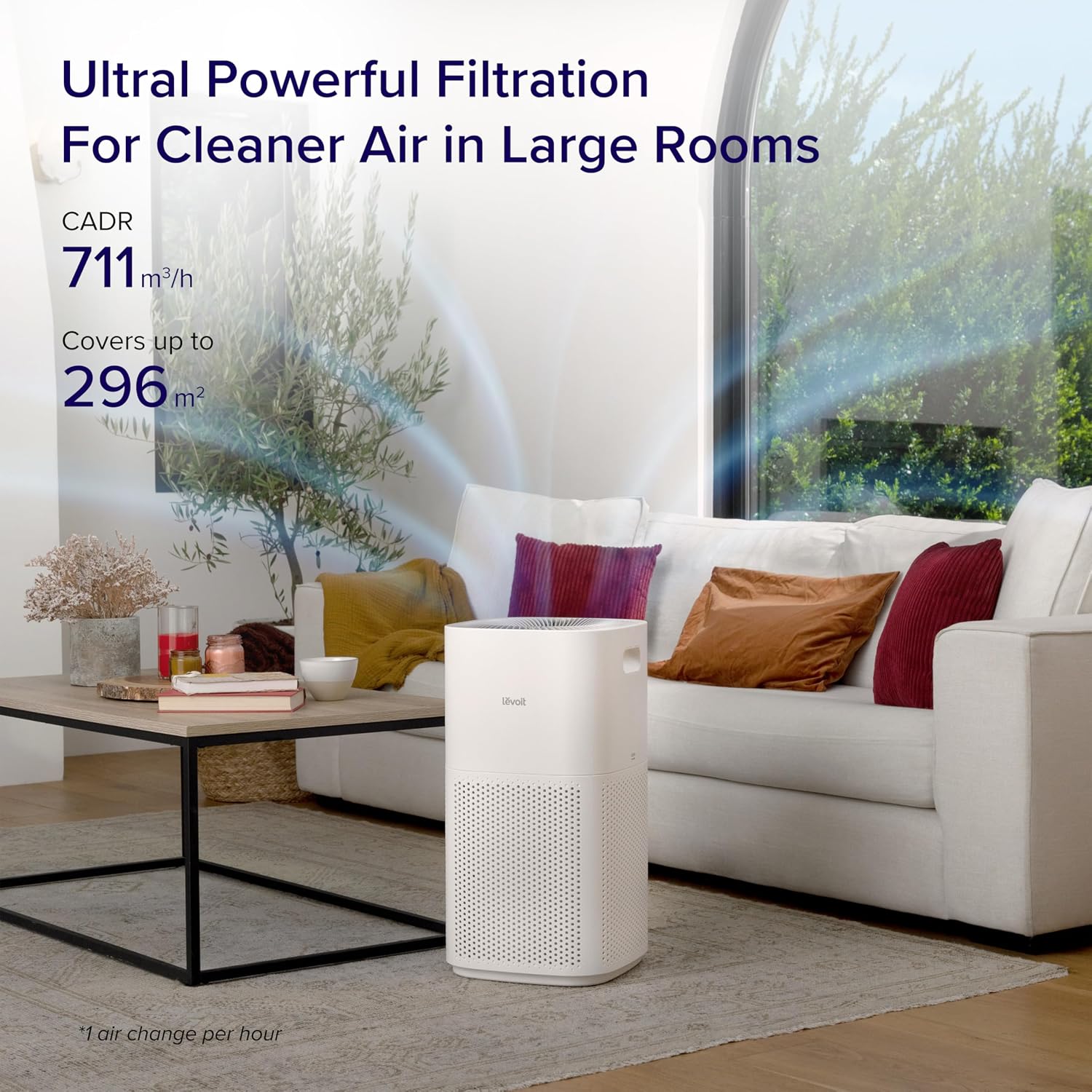
Different brands implement this balance in distinct ways, which affects both noise and price. A levoit air purifier, such as a levoit core or levoit vital model, often emphasises quiet operation at low fan speed for bedrooms and small rooms. A dyson air purifier may focus on powerful airflow and design, while a coway airmega or blue pure unit typically highlights strong filtration and clear air quality indicators for medium and large rooms.
Some smart air purifiers also integrate UV lamps or other technologies to complement mechanical filters. Before paying a higher unit price for these additions, it is worth understanding the role of UV lamp light bulbs in air purifiers through a detailed technical guide on how UV components interact with filters and airflow. By combining knowledge of filters, sensors, and fan speed, you can judge whether a higher price smart model truly delivers best air performance for your specific rooms.
Matching room size, noise level, and unit price to your needs
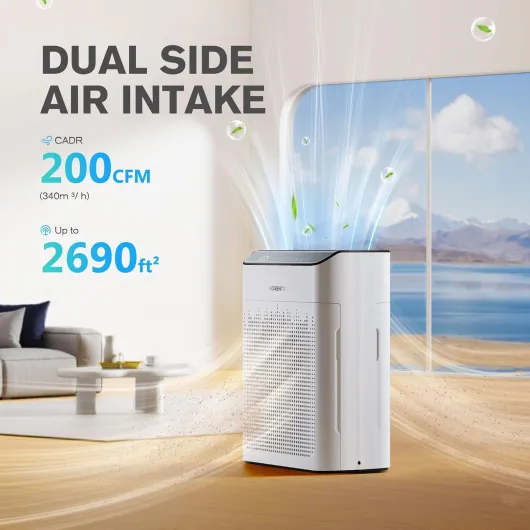
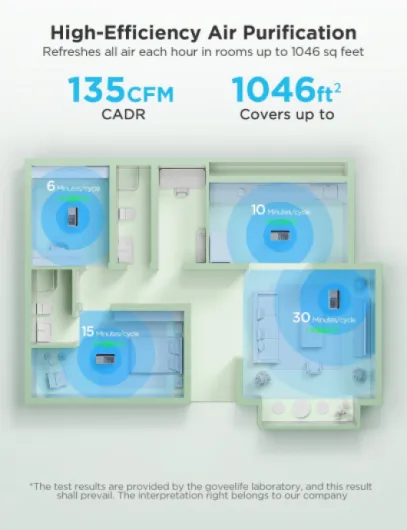
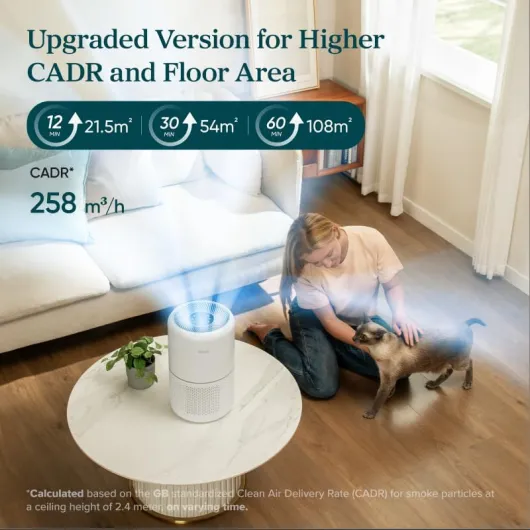
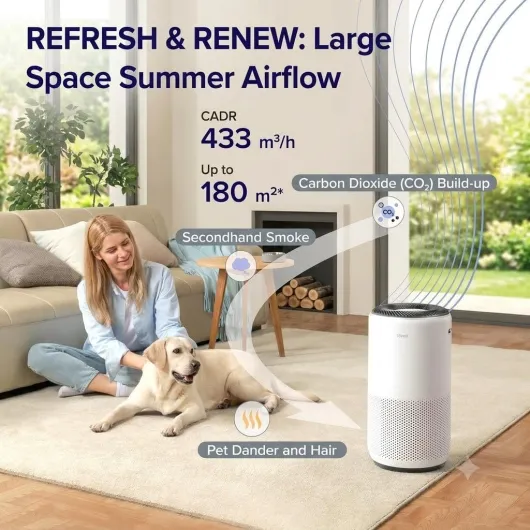
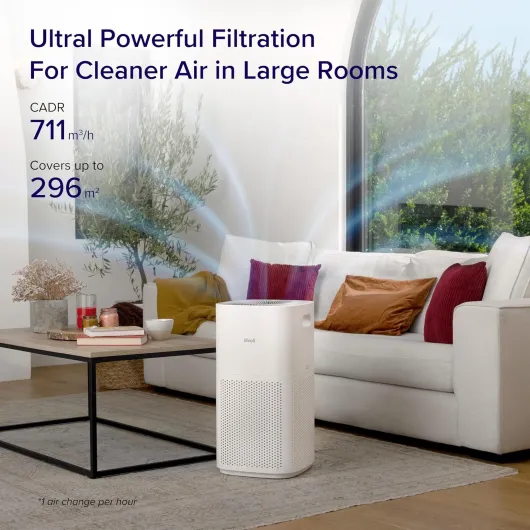
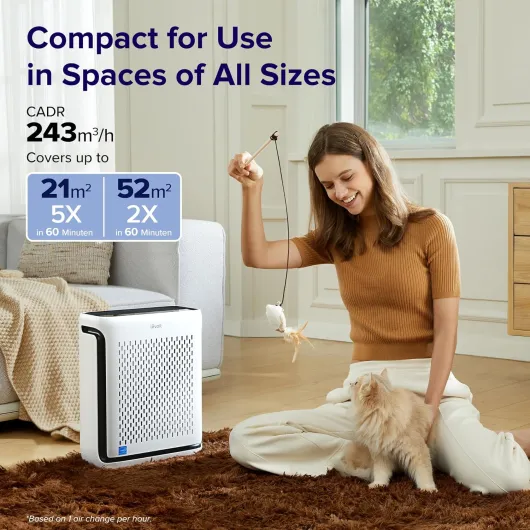
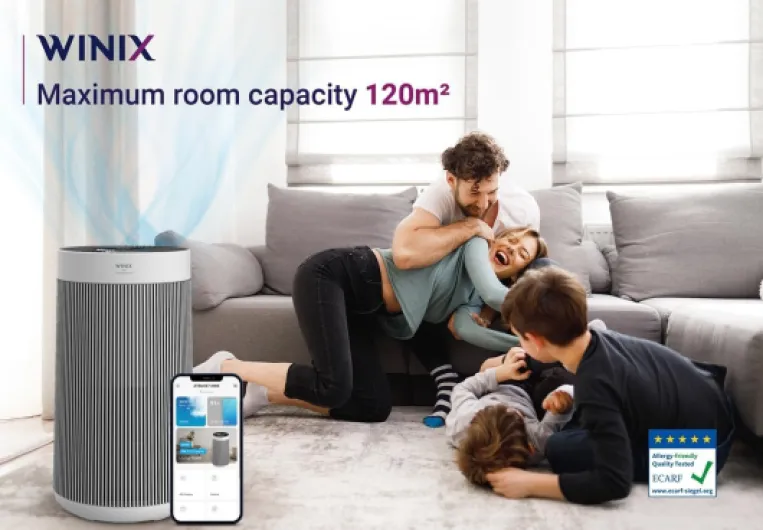
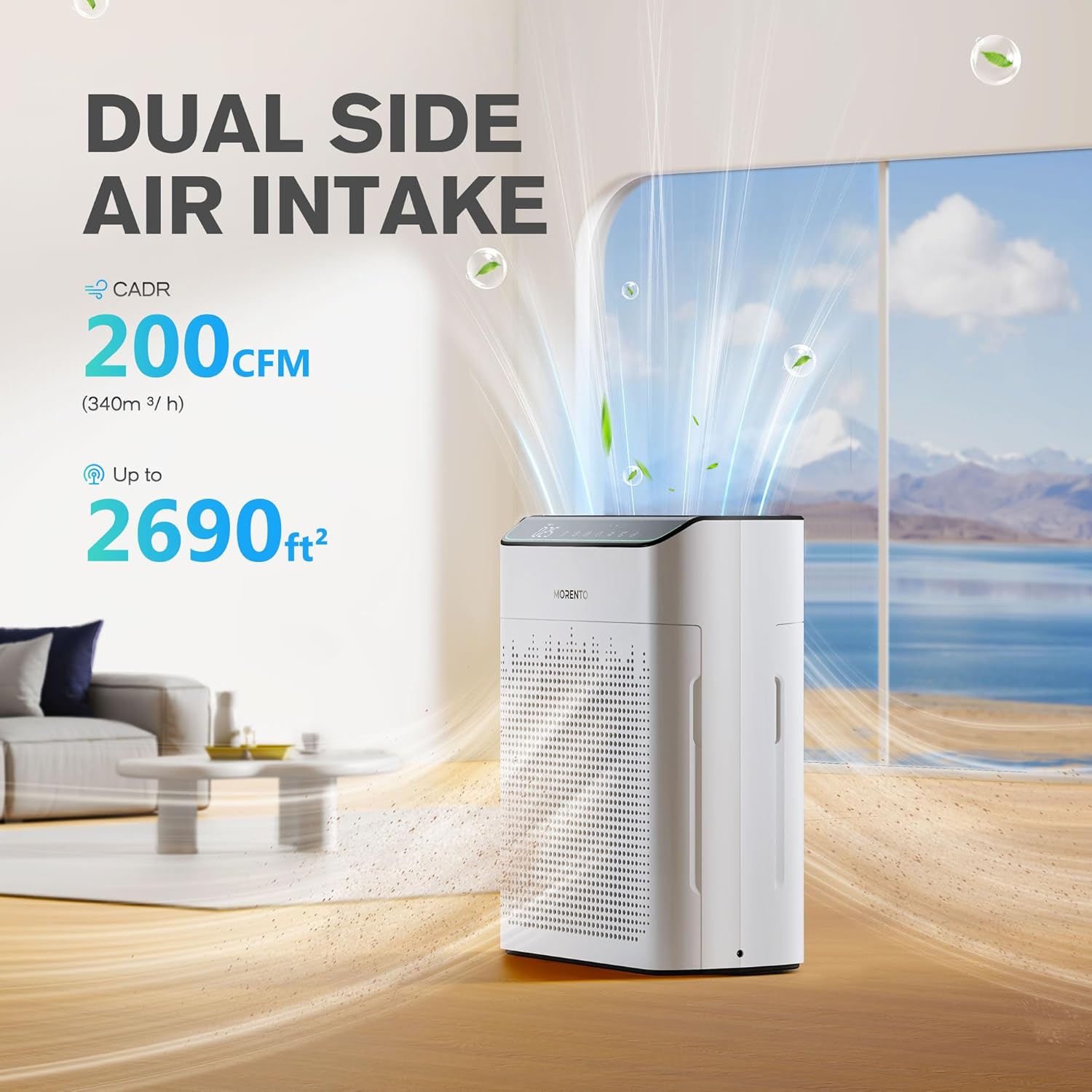
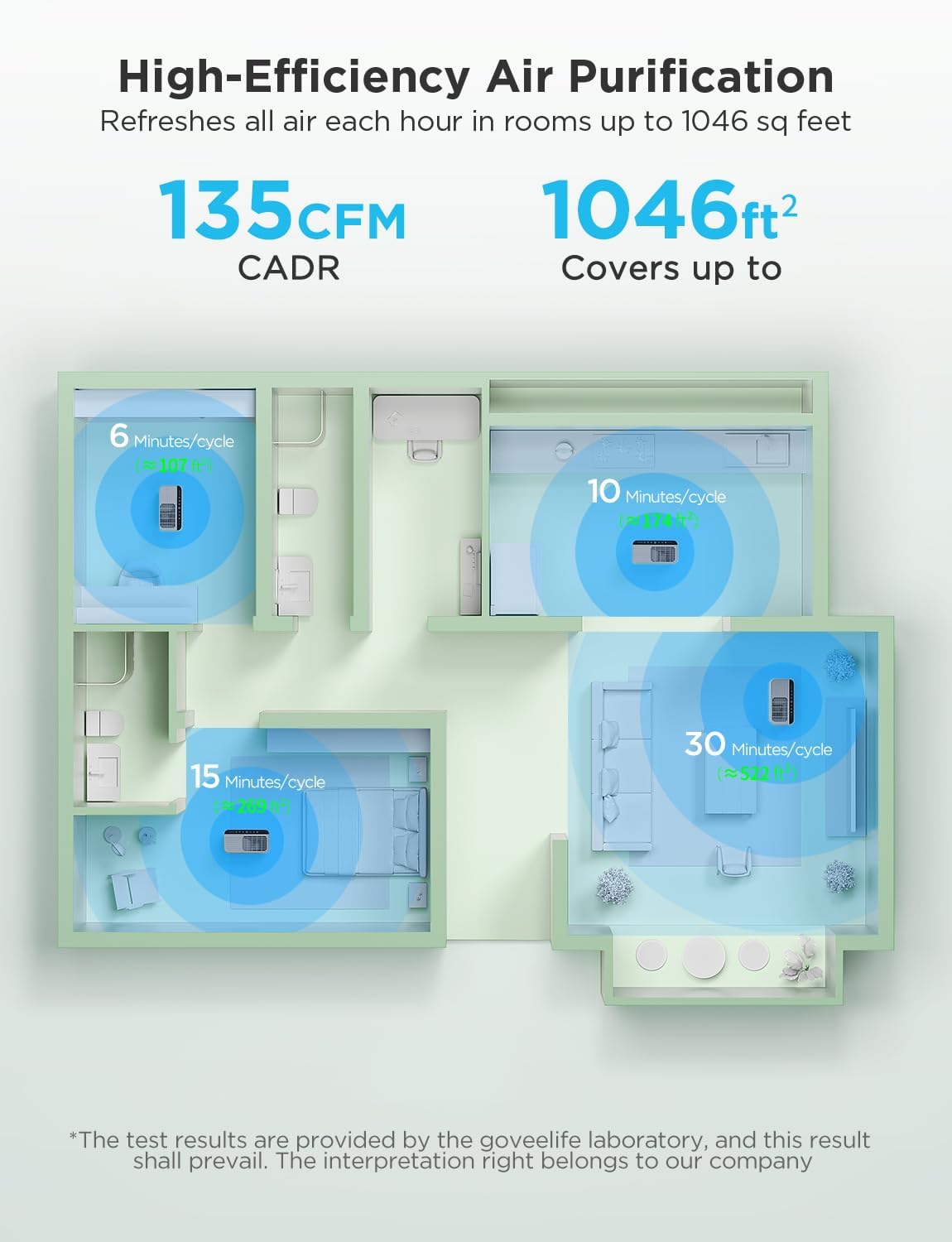
Choosing the best smart air purifiers starts with an honest look at your rooms. Measure each room size in square metres and compare it with the clean air delivery rating of the air purifier you are considering. A unit that is ideal for small rooms may be overwhelmed in large rooms, forcing the fan speed to stay high and raising both noise and long term price per filter.
Noise level matters as much as raw power, especially in bedrooms and home offices. Many people tolerate a gentle airflow sound but dislike a constant high speed roar from their purifiers. When comparing unit price and price unit per performance, check the noise specifications at different fan speed settings and consider whether the purifier will run mainly at low, medium, or top speed in your room.
Brands like levoit, dyson, coway airmega, and blue pure each balance these factors differently. A levoit core or levoit vital unit may offer a lower unit price with strong performance in small rooms and medium rooms, while a coway airmega or blue pure purifier often targets large rooms with higher airflow. Dyson models sometimes command a higher price smart premium for design and extra features, so you should weigh whether those additions improve air quality in your specific rooms.
Remember that filters and replacement schedules significantly affect the real cost of any air purifier. If filters need changing every few months, the long term price unit can exceed the original unit price, especially in homes with several air purifiers running daily. Evaluating both initial price and ongoing filter costs helps you identify the best air balance between clean air, quiet operation, and financial practicality.
Comparing leading smart air purifier brands and technologies
Several brands consistently appear in discussions about the best smart air purifiers for homes. Levoit air purifiers, particularly the levoit core and levoit vital series, are popular for combining true HEPA filters with compact units that suit small rooms and bedrooms. These purifiers often provide clear air quality indicators, multiple fan speed options, and relatively low noise level at night mode settings.
Coway airmega models are frequently recommended for medium and large rooms where stronger airflow is essential. A coway airmega unit typically uses a combination of true HEPA and activated carbon filters to maintain clean air even when pollution spikes. Many of these purifiers include smart air monitoring that adjusts speed automatically, helping to balance noise, energy use, and air quality across different rooms.
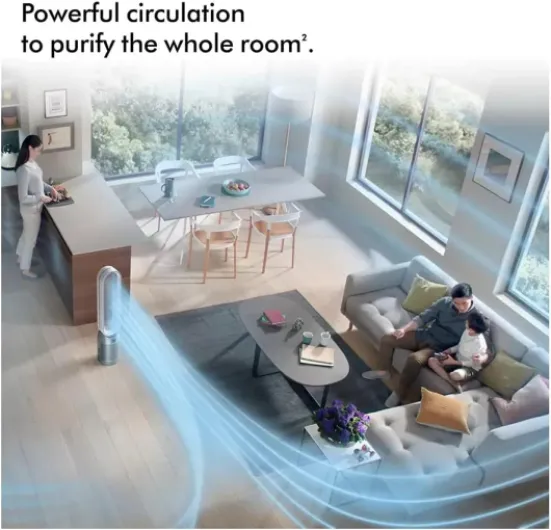
Dyson air purifier units take a different approach, integrating air purifiers with distinctive bladeless fans and advanced displays. These models often provide detailed air quality data, multiple fan speed settings, and app based controls, but their unit price and price smart positioning can be higher than competitors. For some households, the design, airflow pattern, and extra features justify the price unit, while others may prefer a simpler purifier with lower cost filters.
Blue pure purifiers focus strongly on filtration performance and straightforward operation. A blue pure unit usually combines a powerful fan with large filters, making it suitable for large rooms and open plan spaces where air must circulate widely. When comparing these brands, consider not only the headline clean air claims but also the replacement filters, expected months between changes, and how each purifier’s noise level will feel in your specific room size.
Maintenance, filter changes, and long term air quality
Even the best smart air purifiers cannot maintain performance without regular maintenance. Over time, each filter inside the air purifier fills with particles, reducing airflow and forcing the fan speed higher to deliver the same clean air. If filters are not replaced on schedule, the purifier may become noisy, less efficient, and less capable of protecting air quality in both small rooms and large rooms.
Most manufacturers recommend changing true HEPA filters every several months, depending on usage and pollution levels. Activated carbon filters may need more frequent replacement if the air contains smoke, cooking fumes, or other gases that saturate the carbon quickly. Checking the filter status indicators on your purifiers and tracking the months between changes helps you estimate the real unit price and long term price unit of each model.
Cleaning pre filters and air inlets also supports better airflow and lower noise level. A quick vacuum or gentle wash, where allowed, can restore part of the purifier’s original speed range without affecting the main filters. This simple habit is especially important in small rooms where dust builds up quickly and in large rooms where the air purifier runs at higher fan speed for longer periods.
When planning maintenance budgets, include the cost of filters for all air purifiers in your home. A levoit core or levoit vital unit may have modest filter prices, while a dyson or coway airmega purifier could use larger or more complex filters with higher price smart implications. For more detailed guidance on filtration components, you can consult resources about choosing the right humidifier filter, such as this technical overview of how filter design affects performance and replacement cycles, and apply similar thinking to air purifier filters.
Strategic placement and smart features for cleaner air in every room
Where you place the best smart air purifiers in your home strongly influences their effectiveness. An air purifier squeezed into a corner or blocked by furniture cannot pull enough air from the room, regardless of fan speed or filter quality. Position each unit so that air can flow freely around it, especially in large rooms where clean air must circulate across wider spaces.
In small rooms, a compact levoit air purifier or blue pure unit can sit near the centre of the airflow path without taking much floor space. For large rooms and open plan areas, a coway airmega or dyson air purifier may need a more central location to distribute clean air evenly. Avoid placing purifiers directly behind sofas, curtains, or doors, because these obstacles reduce effective room size and force the unit to run at higher speed, raising noise level and energy use.
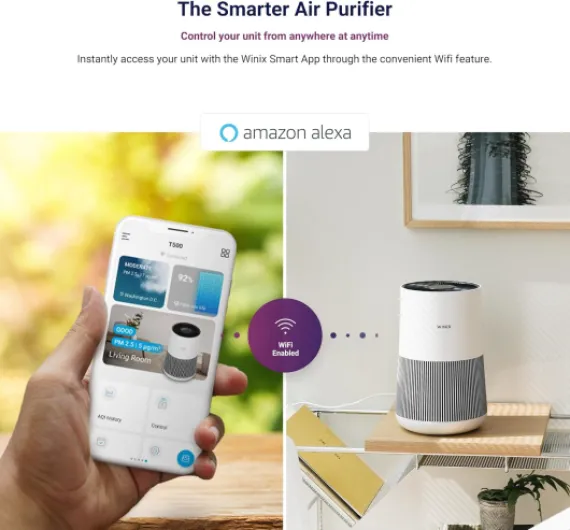
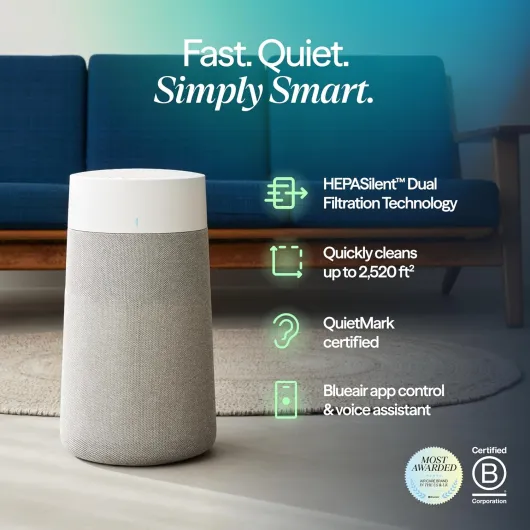
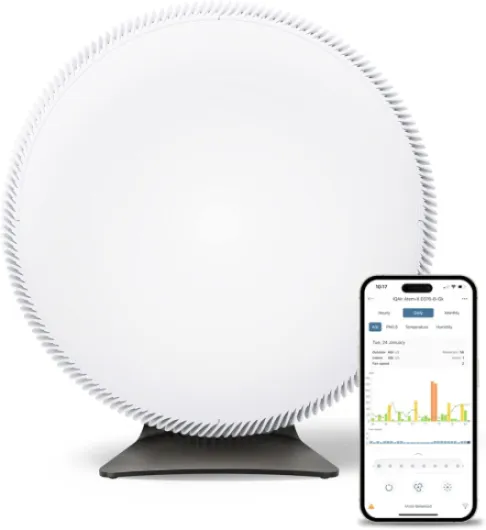
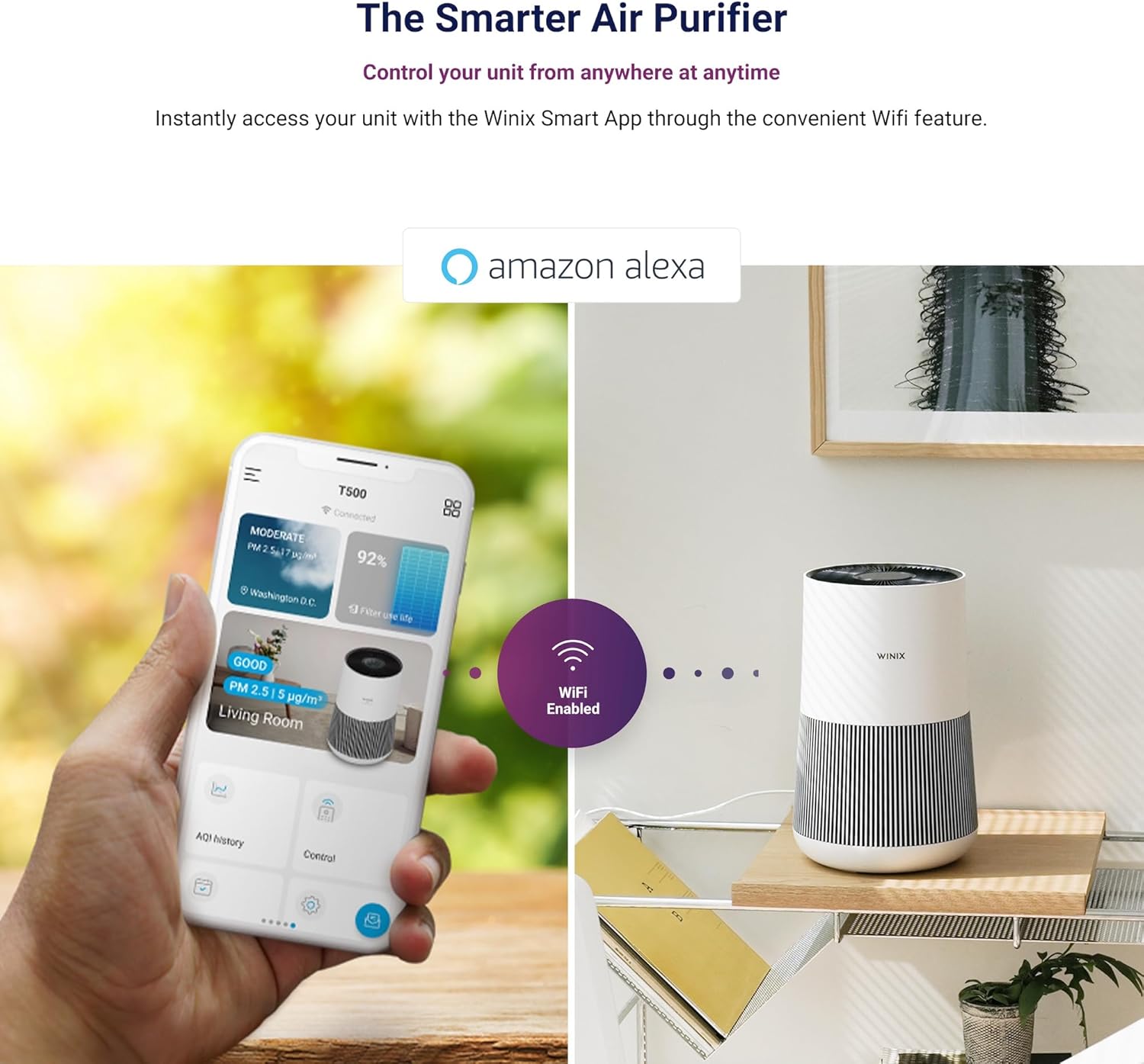
Smart air features, such as app control, scheduling, and voice integration, can make daily use more convenient. You can set different fan speed profiles for daytime and night, ensuring quiet operation in bedrooms while maintaining strong filtration in living rooms and workspaces. Over several months, this tailored approach helps balance air quality, noise, and price smart considerations by avoiding unnecessary top speed operation.
When evaluating smart features, focus on those that genuinely support cleaner air rather than purely cosmetic additions. Reliable air quality sensors, clear indicators, and robust automation matter more than decorative lighting or rarely used modes. By combining thoughtful placement, realistic room size assessments, and careful comparison of unit price, filters, and long term maintenance, you can assemble a set of air purifiers that delivers consistently clean air and represents the best air investment for your household.
Key statistics about smart air purifiers
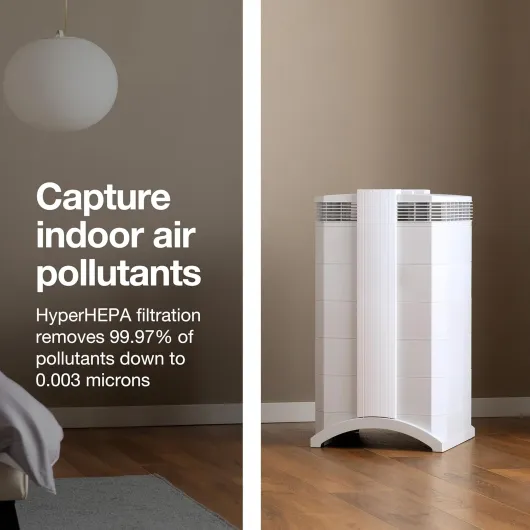
- Up to 99,97 % of fine particles can be captured by a true HEPA filter when the air purifier is correctly sized for the room.
- Many households underestimate required airflow, leading to underpowered units in large rooms and a reduction of effective clean air delivery by more than 30 %.
- Filter replacement typically represents between 40 % and 60 % of the total unit price over several years of continuous use.
- Noise level often doubles when a purifier runs at top fan speed compared with medium speed, even though perceived air quality gains may be modest in already clean rooms.
- Smart air sensors can reduce overall energy consumption by allowing purifiers to run at lower speed for more than half of their operating time.
Common questions about the best smart air purifiers
How do I choose the right smart air purifier for my room size ?
Start by measuring the room size in square metres and comparing it with the clean air delivery rating of each air purifier. Select a unit that slightly exceeds the recommended coverage for your rooms, especially if you have pets, smoke, or live near heavy traffic. This margin allows the purifier to run at lower fan speed, reducing noise level while still providing clean air.
Are more expensive smart air purifiers always better ?
A higher unit price or price smart label does not guarantee better air quality. Evaluate the type of filters, the presence of true HEPA and activated carbon, the expected months between replacements, and the real noise level at typical fan speed settings. Often, a mid range levoit, coway airmega, or blue pure purifier can deliver best air performance in both small rooms and large rooms without the premium cost of some dyson models.
How often should I replace filters in a smart air purifier ?
Most manufacturers suggest replacing true HEPA filters every six to twelve months, depending on usage and pollution levels. Activated carbon filters may need more frequent changes if the air contains smoke, strong cooking odours, or other gases. Always follow the purifier’s filter indicators and keep a simple log, because timely replacement maintains both clean air and efficient, quiet operation.
Where should I place my smart air purifier for best performance ?
Place the air purifier where air can circulate freely, away from walls, curtains, and large furniture that block airflow. In small rooms, a position near the centre or along an open wall works well, while large rooms may require a more central location to distribute clean air evenly. Avoid hiding purifiers behind objects, because this effectively reduces room size and forces higher fan speed, increasing noise and energy use.
Do I need multiple smart air purifiers for my home ?
Many homes benefit from using several air purifiers rather than relying on a single large unit. One purifier can focus on bedrooms and small rooms, while another handles large rooms such as living areas or combined kitchen spaces. This distributed approach allows each unit to run at moderate speed, balancing air quality, noise level, and long term unit price more effectively than one overworked purifier.