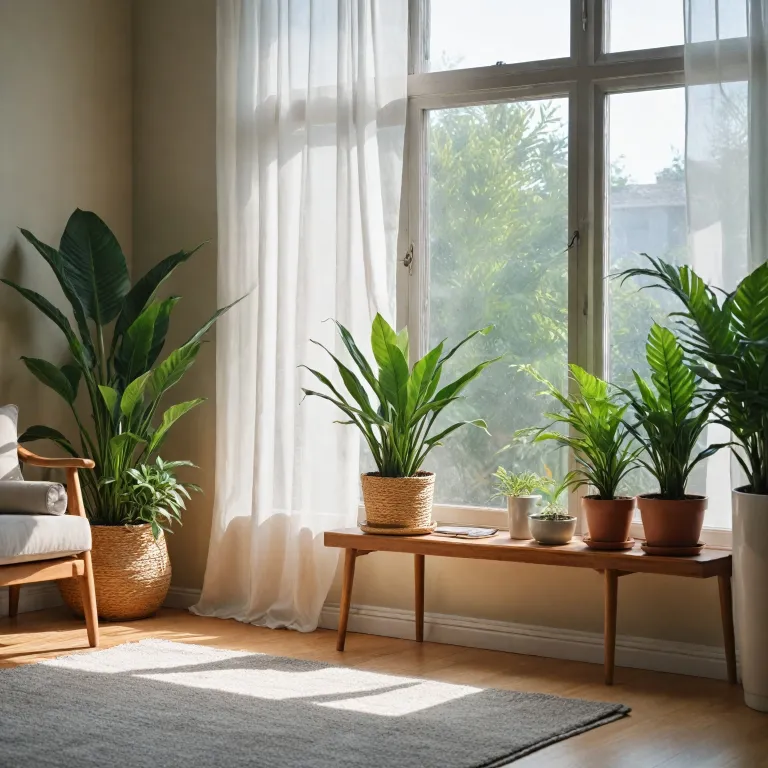

Understanding what causes stale air
Common Triggers Behind Stale Indoor Air
Stale air in homes and buildings is a widespread issue, especially in spaces with limited ventilation or older HVAC systems. The main culprit is often insufficient air exchange, where fresh air fails to replace used, polluted indoor air. This can happen when windows stay closed for long periods, or when mechanical ventilation systems are outdated or poorly maintained.
Several factors contribute to the buildup of stale air and poor indoor air quality:
- Low Ventilation Rates: Modern buildings are designed for energy efficiency, which often means they are tightly sealed. While this helps reduce energy loss, it can trap pollutants and humidity inside, leading to stagnant air.
- Humidity Levels: High or fluctuating humidity can encourage the growth of mold and dust mites, both of which degrade air quality. Low humidity, on the other hand, can make air feel dry and uncomfortable.
- Indoor Pollutants: Everyday activities like cooking, cleaning, and using personal care products release volatile organic compounds (VOCs) and other pollutants. Over time, these can accumulate, especially without proper ventilation or air purifiers.
- Carbon Dioxide Buildup: In occupied rooms, carbon dioxide levels can rise quickly if there is not enough fresh air coming in. This is common in bedrooms, offices, and classrooms.
- HVAC and Air Conditioning Systems: While these systems help regulate temperature, they do not always provide adequate fresh air exchange. Without regular maintenance, filters and ducts can even become sources of indoor pollutants.
Understanding these triggers is the first step to improving your indoor environment. Addressing stale air often requires a combination of better ventilation solutions, regular maintenance of HVAC systems, and sometimes the use of specialized products like air purifiers or energy recovery ventilators. For more on how these issues impact schools and larger buildings, you can read about improving school air quality with air purifiers.
How stale air affects your health and comfort
Why Stale Air Impacts Your Wellbeing
Stale air is more than just an unpleasant sensation—it can have real effects on your health and comfort at home. When indoor air is not refreshed regularly, pollutants and humidity levels can rise. This is especially common in modern buildings and homes that are tightly sealed for energy efficiency, but lack proper ventilation systems or natural ventilation.Common Health Concerns Linked to Poor Air Quality
Breathing stale air over time can lead to a range of symptoms. Some people may notice headaches, fatigue, or difficulty concentrating. Others might experience irritation of the eyes, nose, or throat. In more serious cases, poor indoor air quality can contribute to respiratory problems or trigger allergies and asthma. This is sometimes referred to as "sick building syndrome," where the indoor environment itself becomes a source of discomfort.What Builds Up in Stale Indoor Air?
Without enough air exchange, everyday activities and products can release pollutants into your indoor environment. These include:- Volatile organic compounds (VOCs) from cleaning products, paints, and furniture
- Carbon dioxide from people breathing in closed spaces
- Excess humidity from cooking, showers, or drying clothes indoors
- Particles from dust, pet dander, and outdoor pollution
Comfort and Energy Implications
Stale air doesn’t just affect your health—it can also make your home feel stuffy and uncomfortable. High humidity levels can make rooms feel warmer and promote mold growth. On the other hand, poor ventilation can make it harder for your HVAC system or fans to maintain a comfortable temperature, leading to higher energy use.Improving Your Indoor Environment
Addressing stale air is about more than just opening a window. Good ventilation, regular air exchange, and the use of air purifiers with quality filters can all help maintain fresh air and a healthier indoor environment. For a closer look at how specific products like tower air purifiers can make a difference, check out this guide on how a tower air purifier can improve your indoor air quality.Signs that your indoor air might be stale
Common Indicators of Stale Indoor Air
Recognizing stale air in your home or building is crucial for maintaining a healthy indoor environment. Stale air often develops when ventilation is poor, humidity levels are off, or pollutants accumulate. Here are some typical signs that your indoor air quality may need attention:
- Persistent Odors: Lingering smells from cooking, cleaning products, or musty scents can signal that air exchange is insufficient and pollutants are building up.
- Visible Dust and Particles: Excessive dust on surfaces or floating in the air room may indicate that your ventilation systems or filters are not effectively removing particulates.
- Condensation and High Humidity: Foggy windows or damp spots on walls suggest humidity levels are too high, which can encourage mold growth and worsen air quality.
- Frequent Headaches or Fatigue: If you or others experience headaches, tiredness, or difficulty concentrating indoors, it could be a sign of elevated carbon dioxide or other indoor pollutants, sometimes linked to sick building syndrome.
- Allergy or Asthma Flare-Ups: Increased sneezing, coughing, or respiratory discomfort indoors may be due to poor air quality or high levels of VOCs and allergens.
- Stuffy or Uncomfortable Air: Air that feels heavy, warm, or lacks freshness often points to inadequate air exchange or malfunctioning HVAC system components.
These symptoms can be more pronounced in spaces with limited natural ventilation or where energy-efficient building practices reduce fresh air flow. Modern homes and offices often rely on mechanical ventilation solutions, but if these systems are not maintained or properly designed, stale air can still be a problem.
Improving air quality involves more than just opening a window. It requires understanding how ventilation, humidity, and filtration work together. For example, ceiling vents and their placement can significantly impact how well air purifiers and HVAC systems circulate and clean the air. For more insights on optimizing your indoor air, check out this guide on how ceiling vents impact air purifier performance.
By staying alert to these signs and understanding the factors that contribute to stale air, you can take practical steps to create a fresher, healthier indoor environment.
Simple habits to reduce stale air at home
Everyday Actions for Fresher Indoor Air
Keeping indoor air from becoming stale is not just about technology. Simple daily habits can make a big difference in air quality and comfort. Here are some practical steps you can take:- Open windows regularly – Natural ventilation is one of the easiest ways to exchange stale air for fresh air, especially in homes that don’t have advanced ventilation systems. Even a few minutes a day can help lower carbon dioxide and indoor pollutants.
- Use exhaust fans – Kitchen and bathroom fans remove humidity, odors, and volatile organic compounds (VOCs) from cooking and cleaning products. Make sure to run these fans during and after use.
- Control humidity levels – High humidity encourages mold and dust mites, while low humidity can make air feel stuffy. Aim for indoor humidity between 30% and 50%. Dehumidifiers or humidifiers can help maintain the right balance.
- Keep air vents and filters clean – Whether you use HVAC systems, air conditioning, or standalone fans, dust and debris can block airflow. Clean or replace filters as recommended by the manufacturer to ensure efficient air exchange.
- Limit use of strong-smelling products – Many cleaning products, air fresheners, and paints release VOCs that lower air quality. Choose low-VOC or natural alternatives when possible.
- Reduce indoor pollutants – Avoid smoking indoors, minimize burning candles, and keep pets groomed to lower dust and dander levels.
- Let fresh air in after activities – After cooking, cleaning, or using products that release heat or odors, ventilate the space to remove lingering pollutants.
Smart Use of Ventilation and Air Exchange
Modern buildings are often sealed tightly for energy efficiency, but this can trap bad air inside. If your home has a mechanical ventilation system, like an HVAC system or energy recovery ventilator, make sure it’s working properly. Regular maintenance helps these systems bring in fresh air and remove stale air efficiently. In older homes, consider adding fans or portable air purifiers to boost air exchange, especially in rooms that feel stuffy.Monitor and Adjust as Needed
Pay attention to signs of poor air quality, such as lingering odors, condensation on windows, or feeling tired indoors. Adjust your habits and ventilation solutions as needed to keep your indoor environment healthy. Combining these simple actions with the right air purifiers and filters can help you maintain fresh, comfortable air in any room.The role of air purifiers in combating stale air
How Air Purifiers Help Refresh Your Indoor Air
When indoor air feels stale, it’s often due to a mix of poor ventilation, high humidity levels, and the buildup of pollutants like volatile organic compounds (VOCs), dust, and carbon dioxide. While improving natural ventilation and using proper ventilation systems are important, air purifiers play a unique role in tackling these issues, especially in modern homes and buildings where energy efficiency can limit fresh air exchange.
What Air Purifiers Actually Do
Air purifiers are designed to remove airborne particles and pollutants from your indoor environment. Most devices use a combination of filters and fans to capture contaminants such as dust, pollen, pet dander, and even some bacteria and viruses. Some advanced models also target VOCs and odors, which are common in homes due to cleaning products, building materials, and everyday activities.
- HEPA filters trap fine particles, improving air quality and reducing the risk of sick building syndrome.
- Activated carbon filters absorb bad odors and VOCs, making the air feel fresher.
- UV-C or ionizing features (in select products) can help neutralize certain germs and allergens.
When Air Purifiers Make the Most Difference
Air purifiers are especially helpful in rooms with limited natural ventilation, such as bedrooms, offices, or spaces with sealed windows. They support your HVAC system or other ventilation solutions by reducing pollutant levels and helping maintain a healthier indoor environment. This is crucial in homes where humidity levels fluctuate or where air conditioning is used frequently, as these conditions can contribute to stale air and discomfort.
Complementing Other Ventilation Solutions
While air purifiers are effective at cleaning the air, they work best alongside other methods like regular air exchange, using recovery ventilators, and monitoring humidity. They don’t replace the need for fresh air but can significantly improve air quality when outdoor air is polluted or when opening windows isn’t practical. For those sensitive to allergens or living in areas with high outdoor pollution, air purifiers offer an extra layer of protection for your health and comfort.
Choosing the right air purifier for your needs
Key Features to Look for in an Air Purifier
When searching for an air purifier to tackle stale air and improve your indoor environment, it’s important to focus on features that address the specific issues found in homes and buildings. Not all products are created equal, and the right choice depends on your unique needs, the size of your space, and the types of pollutants present.
- Filtration Technology: High-Efficiency Particulate Air (HEPA) filters are effective at capturing fine particles, including dust, pollen, and some VOCs. For odors and gases like carbon dioxide, look for units with activated carbon filters.
- Room Size Compatibility: Check the air purifier’s Clean Air Delivery Rate (CADR) to ensure it matches the square footage of your air room. Using an undersized unit may not improve air quality or reduce stale air effectively.
- Energy Efficiency: Since air purifiers often run for extended periods, energy-efficient models help reduce electricity costs and environmental impact. Some units are ENERGY STAR certified.
- Noise Levels: Consider noise output, especially if the purifier will be used in bedrooms or living areas. Many modern systems offer quiet or night modes.
- Smart Features: Air purifiers with air quality sensors, automatic fan speed adjustments, and app connectivity provide real-time monitoring and control, making it easier to maintain healthy indoor air.
- Maintenance Requirements: Regular filter replacement is crucial for performance. Check how often filters need changing and whether replacements are easy to find and affordable.
Matching Air Purifiers to Your Indoor Environment
The right air purifier depends on your indoor environment and the sources of stale air. In homes with high humidity levels, consider a model that can help manage moisture, as excess humidity can contribute to mold and bad odors. If your building uses an HVAC system or has limited natural ventilation, a purifier with strong fans and multiple filters can supplement ventilation solutions and improve air exchange.
For spaces affected by sick building syndrome or where cleaning products are used frequently, prioritize purifiers that target VOCs and chemical pollutants. Some advanced systems also integrate with heat recovery ventilators or work alongside air conditioning to further boost fresh air circulation and overall air quality.
Considerations for Special Situations
In larger buildings or areas with persistent stale air, combining air purifiers with other ventilation systems may be necessary. For example, using an air purifier alongside a mechanical ventilation system can help maintain healthy air quality levels even when outdoor air exchange is limited. Always consider the specific needs of your space, such as the number of occupants, presence of pets, or use of products that emit pollutants.
Ultimately, investing in the right air purifier is a practical step toward combating stale air, supporting your health, and creating a fresher, more comfortable indoor environment.