

What is a pm meter and how does it work
How does a PM meter help you understand indoor air?
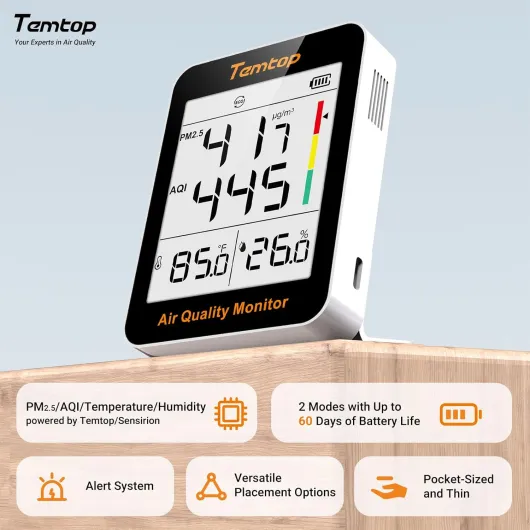
When you want to check the quality of the air in your home, a PM meter is one of the most practical tools available. This device acts as an air quality monitor, measuring the amount of particulate matter—tiny particles like dust, pollen, and smoke—floating in the air. These particles are often invisible, but they can impact your health and comfort. By using a PM meter, you get real time feedback on pollution levels, helping you decide when to ventilate, run your air purifier, or take other steps to improve your indoor environment.
What does a PM meter actually measure?
PM meters, sometimes called air quality testers or pollution meters, focus on detecting particulate matter (PM) of different sizes, such as PM2.5 and PM10. These numbers refer to the diameter of the particles in micrometers. PM2.5, for example, includes fine particles that can penetrate deep into your lungs. Many modern meters also include sensors for temperature and humidity, giving you a more complete picture of your indoor conditions. Some advanced models even monitor formaldehyde and other gases, making them a versatile product for home air monitoring.
How does the technology inside a PM meter work?
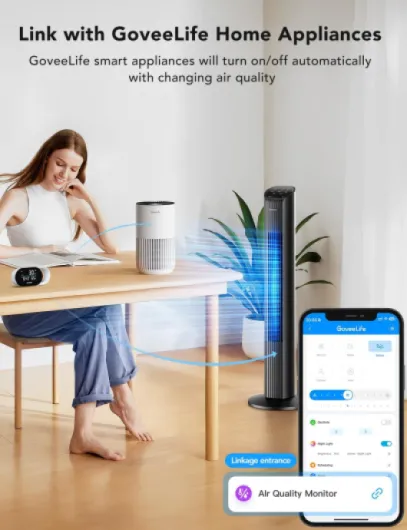
Most PM meters use laser or light-scattering technology to detect and count airborne particles. When air passes through the device, particles scatter light, and the meter calculates the concentration based on the pattern of scattering. This process is quick, allowing for real time readings. Some pro series models offer additional features like data logging, app connectivity, or integration with smart home systems. If you’re interested in how air movement and vents can affect your readings, you might find this article on how auto air vents improve your air purifier experience helpful.
What should you expect when buying a PM meter?
When shopping for a PM meter air quality tester, you’ll notice a range of prices and features. Some meters are basic, showing only PM2.5 levels, while others are more advanced, acting as a full air monitor with temperature humidity sensors and multiple pollutant detectors. Delivery times and shipping options can vary, especially if you’re ordering from large platforms like Amazon or from sellers based outside the United States. Always check item numbers, customer service feedback, and return policies before making a purchase. Reliable customer feedback can help you choose a product that matches your needs and budget.
Types of particulate matter detected by pm meters
Understanding the Types of Particulate Matter Detected
When you use an air quality monitor or particulate meter at home, it's important to know what kinds of particles these devices can detect. PM meters, also known as air quality testers or pollution meters, are designed to measure different sizes of particulate matter in the air. These particles are often invisible but can have a big impact on your health and indoor air quality.- PM2.5: This refers to particles with a diameter of 2.5 micrometers or less. PM2.5 is a common target for air monitors because these tiny particles can penetrate deep into your lungs. Sources include smoke, dust, and vehicle emissions.
- PM10: These are slightly larger particles, up to 10 micrometers in diameter. PM10 includes dust, pollen, and mold spores. Many air quality meters and detectors can monitor both PM2.5 and PM10 levels in real time.
- Ultrafine Particles: Some advanced air quality testers, especially those in the pro series, can detect particles even smaller than PM2.5. These ultrafine particles are often produced by combustion and can be more harmful due to their ability to enter the bloodstream.
Why Particle Size Matters for Air Quality
The size of particulate matter detected by your meter air or air monitor is crucial. Smaller particles, like PM2.5, are more likely to bypass your body's natural defenses and cause respiratory issues. This is why many air pollution meters focus on these measurements. When comparing products, check the item number and product specifications to see which particle sizes the detector air can monitor.Additional Features to Consider
Some air quality testers also include temperature and humidity sensors. Monitoring temperature humidity alongside particulate levels can help you better understand the overall comfort and safety of your indoor environment. Features like real time feedback, easy-to-read displays, and reliable customer service from the seller can also influence your experience with the item. If you're interested in how air quality meters fit into broader air purification strategies, you might want to learn about the benefits and uses of fan wall fans for air purification.What to Expect When Shopping for a PM Meter
When browsing for a quality monitor or detector, you'll notice a range of prices, especially on platforms like Amazon or from sellers in the United States. Consider the delivery time, shipping options, and feedback from other users. Look for recent reviews, such as those from Feb or Tue Feb, to get a sense of current customer satisfaction. Reliable customer service and clear information about the product, including its ability to monitor dust and other particulates, are key factors to consider before making a purchase.Why pm meters matter for air purifier users
Why Accurate Air Quality Monitoring Matters for Air Purifier Users
When you invest in an air purifier, you want to know it’s making a real difference. That’s where a particulate meter or air quality monitor comes in. These devices help you track the levels of particulate matter in your home, giving you real-time feedback on how well your air purifier is working. By using a quality tester or pollution meter, you can see changes in air pollution levels before and after running your purifier, making it easier to judge the product’s effectiveness.
- Real-time data: Many air quality monitors display real-time readings for particulate matter, temperature, and humidity. This lets you spot pollution spikes and adjust your purifier settings or placement as needed.
- Better decision-making: With accurate data from your meter air or detector air, you can decide when to run your air purifier, how long to keep it on, and whether you need to upgrade your filter or product.
- Healthier living: Monitoring air quality helps you respond quickly to pollution events, like cooking fumes or outdoor air pollution entering your home. This is especially important for sensitive groups, such as children or people with allergies.
Some advanced models, like the pro series or monitor formaldehyde, even track additional pollutants and provide detailed feedback. This can be valuable for those who want to monitor dust, temperature humidity, or even formaldehyde levels. The ability to check air quality in real time means you’re not just guessing about your indoor environment—you’re making informed choices.
For those looking to optimize their air purifier’s performance, understanding how a balometer helps optimize air purifier performance can further enhance your air quality strategy. Pairing a quality monitor with the right purifier and accessories ensures you get the best results for your investment.
When shopping for a particulate meter or air quality tester, consider factors like price, delivery options, shipping time, and customer service. Many buyers in the United States check platforms like Amazon for item number, seller feedback, and product reviews, especially during high-demand months like Feb. Always compare features and read feedback to ensure you’re getting a reliable detector air or monitor air for your needs.
Key features to look for in a pm meter
Essential Functions for Accurate Air Quality Monitoring
When selecting a pm meter for your home, it’s important to focus on features that directly impact how well the device can monitor air quality. The right product will help you track particulate matter and other pollutants, making it easier to maintain a healthy indoor environment.
- Detection Range and Sensitivity: Look for a meter that can detect a wide range of particulate matter sizes, such as PM1.0, PM2.5, and PM10. This ensures you get a complete picture of air pollution in your space.
- Real-Time Data Display: A quality monitor should provide real-time readings. This allows you to see immediate changes in air quality, especially after using an air purifier or opening windows.
- Multi-Parameter Measurement: Some advanced meters can also monitor temperature, humidity, and even formaldehyde. These extra features help you understand the broader indoor environment, not just particulate pollution.
- Data Logging and Connectivity: The ability to store historical data or connect to an app can be useful for tracking trends over time. This is especially helpful if you want to analyze how different activities or seasons affect your air quality.
- Display and Interface: A clear, easy-to-read screen makes it simple to check air quality at a glance. Some testers also use color-coded indicators for quick feedback.
- Portability and Power Options: Consider whether you need a portable meter for different rooms, or a stationary monitor for continuous tracking. Battery life and charging options can affect convenience.
- Calibration and Accuracy: Reliable meters should be easy to calibrate and provide consistent results. Check for certifications or customer feedback about accuracy.
- Customer Service and Warranty: Good seller support and warranty coverage are important, especially if you’re buying from platforms like Amazon or direct from a manufacturer in the United States. Fast shipping and responsive customer service can make a difference if you have issues with your item.
Comparing Price and Value
Price can vary widely between basic testers and pro series models. While budget meters may offer essential particulate detection, higher-end products often include advanced features like temperature humidity monitoring or formaldehyde detection. Consider your needs and read product feedback to balance price and performance.
| Feature | Basic Meter | Pro Series |
|---|---|---|
| Particulate Matter Detection | PM2.5 only | PM1.0, PM2.5, PM10 |
| Temperature & Humidity | No | Yes |
| Real-Time Display | Basic | Advanced, color-coded |
| Data Logging | No | Yes, app support |
| Price Range (USD) | $30–$80 | $100–$300+ |
Before making a purchase, check the item number, delivery options, and shipping time. Some sellers offer fast shipping within a month, while others may take longer. Always review customer feedback for insights on product reliability and seller service.
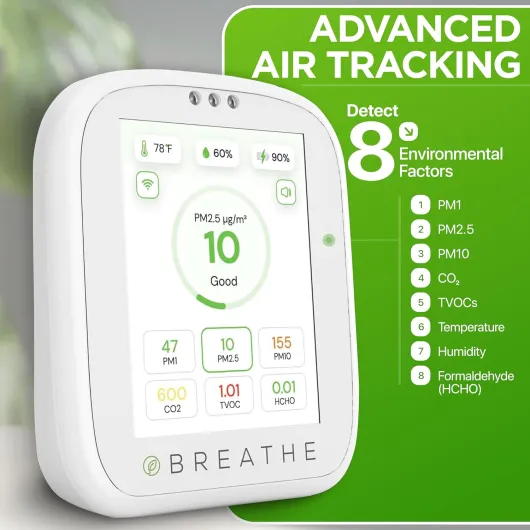
- + 8-in-1 functionality including CO2, Formaldehyde, and VOC detection
- + Real-time monitoring of air quality
- + App integration for easy access and tracking
- + Measures Temperature and Humidity
- + User-friendly design for indoor use

How to use a pm meter at home
Getting Accurate Readings from Your Air Quality Meter
Using a particulate meter or air quality monitor at home is straightforward, but a few steps help ensure you get reliable data. First, place the product in a central location, away from direct airflow from vents or windows. This helps the detector air sample the room's typical air, not just a draft or a concentrated pollution source. Many modern meters, including pro series models and those found on Amazon, offer real time feedback on particulate matter, temperature, and humidity. Turn on the device and let it run for several minutes to stabilize. Some testers require calibration—check the item number and manual for instructions. For units with a temperature humidity sensor, avoid placing them near heat sources or in direct sunlight, as this can skew readings.- Monitor air quality at different times of day to understand pollution patterns, especially if you live in the United States where outdoor air pollution can fluctuate.
- Use the quality tester before and after running your air purifier to see its impact on particulate levels.
- For models with a monitor formaldehyde or monitor dust function, note that these may require longer sampling times for accuracy.
- Keep the meter air clean—dust buildup on the sensor can affect results. Wipe gently with a dry cloth as recommended by the seller.
Tips for Maximizing Your Air Quality Tester
- Record readings over several days or months to track trends. Many testers store data or allow you to export it for analysis.
- If your product offers app connectivity, use it for remote monitoring and alerts.
- Check customer service and feedback from other buyers, especially regarding delivery, shipping, and support for troubleshooting.
- Consider the price and features—higher-end detectors may offer more precise readings or additional sensors for pollutants beyond particulate matter.
Common mistakes and troubleshooting with pm meters
Frequent Issues When Using a PM Meter
Even the best air quality monitors and particulate meters can run into problems. Some common mistakes and troubleshooting tips can help you get the most accurate readings and extend the life of your product.
- Incorrect Placement: Placing your meter air device too close to windows, vents, or direct sources of pollution can skew results. For reliable feedback, position your air monitor in the center of the room, away from drafts and direct sunlight.
- Ignoring Temperature and Humidity: Many quality testers and pro series monitors also track temperature humidity. Sudden changes in these can affect particulate readings. Always check if your detector air device is calibrated for both temperature and humidity.
- Not Resetting After Shipping: If your item arrived recently, especially after long shipping or delivery from the seller or amazon, let it acclimate to room conditions before use. This helps the sensor stabilize and improves the accuracy of your pollution meter.
- Overlooking Maintenance: Dust buildup on the sensor can impact the detector’s performance. Regularly clean your monitor dust and monitor air units according to the manufacturer’s instructions.
- Misinterpreting Real Time Data: Real time readings can fluctuate. Instead of focusing on a single spike, monitor trends over time for a better understanding of your home’s air quality.
- Firmware and Software Updates: Some advanced air quality monitors and testers offer updates. Check the product manual or the seller’s website for updates that can improve accuracy or add features like monitor formaldehyde detection.
What to Do If Your Meter Isn’t Working Properly
- No Readings or Error Messages: Double-check the power source and ensure the item number matches the correct model for your region, especially if purchased from international sellers or shipped to the United States.
- Inconsistent Results: If your particulate meter gives varying results, try moving it to different rooms and compare. Persistent issues may require contacting customer service for troubleshooting or replacement.
- Feedback and Reviews: Before buying a new air pollution detector, read feedback from other users about the product’s reliability and customer service, especially regarding delivery time and support during feb or other busy months.
| Problem | Possible Cause | Quick Fix |
|---|---|---|
| No readings | Power or acclimation issue | Check power, let the device rest after shipping |
| High particulate matter reading | Nearby pollution source or dirty sensor | Move device, clean sensor |
| Temperature/humidity error | Uncalibrated sensor | Recalibrate or reset device |
Remember, a quality monitor is only as good as its maintenance and correct use. Taking time to understand your air quality tester and following these troubleshooting steps can help you get the best value for your price and ensure your home’s air stays healthy.