
Understanding the importance of garage ventilation
Why Proper Airflow Matters in Your Garage
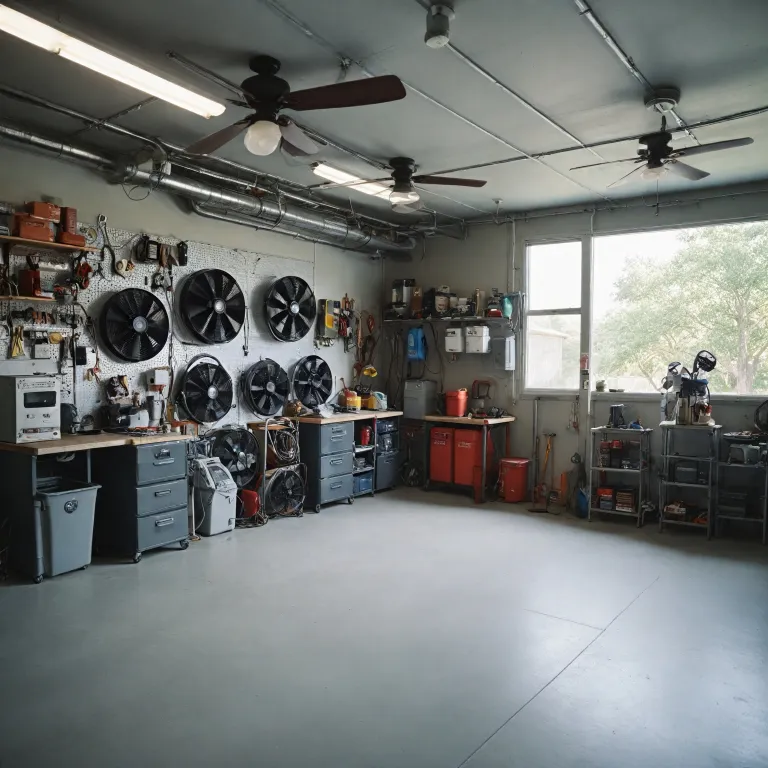
Many people overlook the importance of good ventilation in the garage, but it’s a critical factor for both safety and comfort. Garages often trap fumes from vehicles, paints, and chemicals, which can linger without proper airflow. This buildup can affect not just the garage, but also the air quality in your house, especially if your garage is attached. A well-ventilated garage helps remove these pollutants, reduces humidity, and prevents mold or rust from forming on tools and equipment.
Common Air Quality Concerns in Garages
Garages are unique spaces. They serve as workshops, storage areas, and sometimes even as extensions of living space. Because of this, they can accumulate dust, exhaust, and other airborne particles. Without a proper exhaust fan or vent fan, these contaminants can circulate into your home or attic, impacting overall indoor air quality. If you’re considering an attic garage or have a garage attic, it’s even more important to manage airflow to avoid heat buildup and stale air.
Benefits of Investing in Garage Ventilation
- Healthier air: Reduces exposure to harmful fumes and allergens.
- Protects your investment: Prevents damage to tools, cars, and stored items caused by excess moisture or heat.
- Energy savings: A well-ventilated garage can help regulate temperatures, potentially saving on cooling costs for your house.
- Comfort: Makes your shop or workspace more pleasant, especially during hot or humid weather.
Whether you’re looking at a simple wall vent, a powerful exhaust fan, or even a solar powered attic fan, the right solution depends on your garage size, your needs, and your budget. Features like speed controllers, remote control, and shutter design can also impact price and performance. For those interested in improving air quality beyond just ventilation, you might want to explore how a media air cleaner can improve your indoor air quality as part of a comprehensive approach.

Types of fans suitable for garage ventilation
Popular fan options for different garage setups
When it comes to improving garage ventilation, the type of fan you choose can make a big difference in air quality and comfort. There are several options on the market, each with its own strengths and best use cases. Here’s a breakdown to help you compare and decide what fits your garage, shop, or attic garage needs.
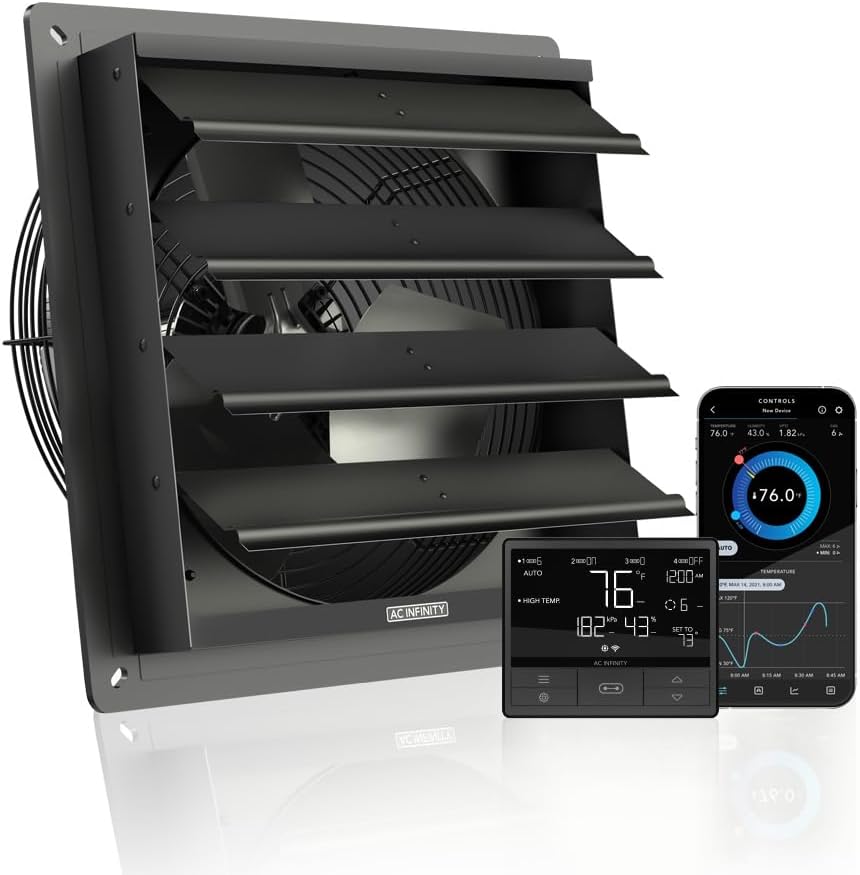
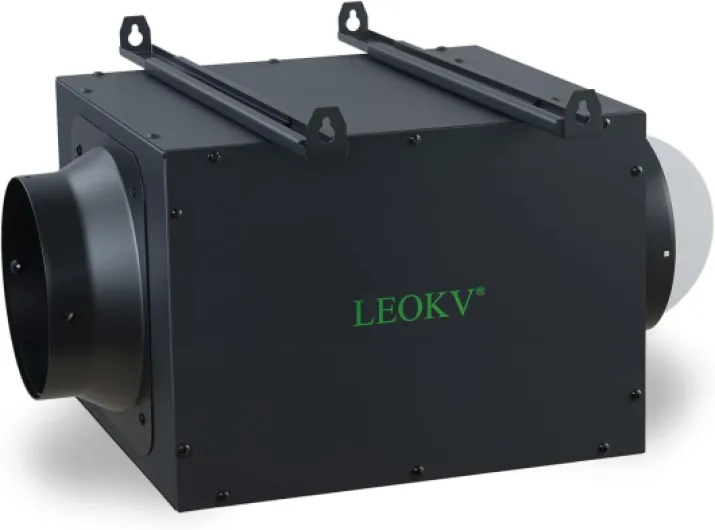
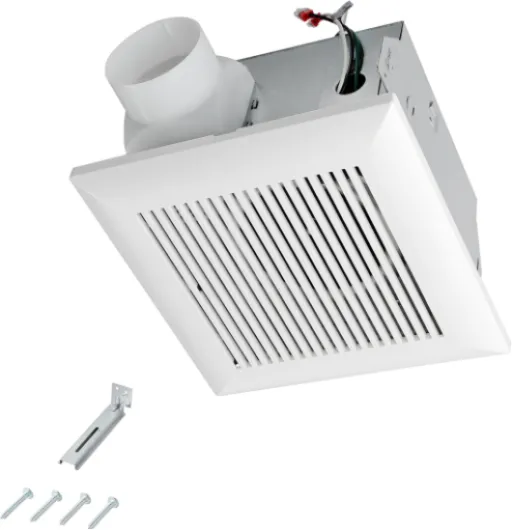
- Exhaust fans: These are among the most common choices for garages. Exhaust fans are designed to pull stale air out, helping to remove fumes, heat, and humidity. Wall-mounted exhaust fans are popular for their straightforward installation and ability to vent air directly outside. Many models come with shutters to prevent backdrafts when the fan is off.
- Attic fans: If your garage is attached to an attic or has a loft space above, an attic fan can help move hot air out of both spaces. This can be especially useful in summer, reducing heat buildup and protecting stored items.
- Ventilation fans with speed controllers: For more control over airflow, look for fans with adjustable speed settings or remote control. This lets you save energy and adjust ventilation based on activity in the garage or shop.
- Solar powered fans: These are a free-to-run, eco-friendly option for garages with good sunlight exposure. While the upfront price can be higher, they help save on electricity bills over time.
- Portable garage fans: Small, portable fans are ideal for spot ventilation or temporary setups. They’re easy to move and can be used in different parts of the garage or even in the house.
Comparing features and price points
When shopping for a garage ventilation fan, you’ll notice a wide range of prices and features. Some fans come with built-in shutters, power cords for easy installation, or even smart controls. Higher cfm (cubic feet per minute) ratings mean more air movement, which is important for larger garages or workshops. On sites like Amazon, you’ll find top-rated products with reviews that can help you compare performance and reliability.
| Type | Best For | Key Features | Typical Price Range |
|---|---|---|---|
| Wall Exhaust Fan | General garage ventilation | Shutter, speed controller, power cord | $60 - $250 |
| Attic Fan | Garage attic, house fan | High cfm, thermostat, vent fan | $100 - $400 |
| Solar Powered Fan | Energy saving, free operation | Solar panel, vent, remote control | $120 - $350 |
| Portable Garage Fan | Small spaces, spot cooling | Lightweight, adjustable speed | $30 - $120 |
For those looking to improve overall air quality in the garage house, combining a ventilation fan with an air cleaner can be effective. Learn more about how the Blue Ox air cleaner can improve your indoor air quality for a healthier workspace.
Key features to look for in a garage ventilation fan
Essential Features That Make a Difference
When comparing fans for garage ventilation, it’s easy to get lost in the technical details. However, focusing on a few key features can help you find the right product for your space and budget. Here’s what to keep in mind as you shop for a garage exhaust fan or attic fan:
- CFM (Cubic Feet per Minute): This is the measure of how much air the fan can move. For garages, a higher CFM means better ventilation. Make sure the fan’s CFM matches the size of your garage or attic garage for effective air exchange.
- Mounting Options: Wall, ceiling, or attic installation? Some fans are designed as wall exhaust fans with shutters, while others work best as attic fans or vent fans. Consider your garage layout and where you can install vents for optimal airflow.
- Speed Settings and Controllers: Adjustable speed is a practical feature. Many top garage fans come with a speed controller or even a remote control, letting you save energy and reduce noise when full power isn’t needed.
- Power Source: Most fans plug into a standard power cord, but solar powered options are gaining popularity for those looking to save on energy bills and go green.
- Shutters and Vents: Automatic shutters help keep out dust, pests, and rain when the fan isn’t running. Look for quality shutter mechanisms if your garage is exposed to the elements.
- Noise Level: A quiet fan is essential if your garage doubles as a shop or workspace. Check product reviews on Amazon or other sites for real-world feedback on noise levels.
- Size and Design: Small fans may be suitable for compact garages, while larger spaces need more powerful units. Make sure the fan fits your available vent or wall space.
- Price and Value: Compare prices, but also consider long-term savings from energy efficiency and durability. Sometimes, a slightly higher upfront price means fewer replacements down the road.
For those who want to dive deeper into optimizing their garage ventilation system, understanding how to choose the right air filter for your AC vent can further improve air quality and protect your investment.
How to size your fan for effective garage ventilation
Calculating the Right Fan Size for Your Garage
Getting the right size fan is crucial for effective garage ventilation. If your fan is too small, it won’t move enough air to clear out fumes, heat, or humidity. Too large, and you might be wasting energy and money. The key measurement here is CFM (cubic feet per minute), which tells you how much air the fan can move. Here’s how to figure out what you need:
- Measure your garage: Calculate the length, width, and height to get the total cubic footage. For example, a typical two-car garage might be 20 x 20 x 8 feet, which equals 3,200 cubic feet.
- Decide on air changes per hour: For most garages, you want the air to be replaced at least 6 to 10 times per hour. Workshops or garages with more fumes may need more frequent changes.
- Use the formula: Multiply your garage’s cubic footage by the number of air changes you want per hour, then divide by 60 (minutes in an hour). This gives you the minimum CFM rating for your fan.
| Garage Size (ft³) | Recommended Air Changes | Minimum Fan CFM |
|---|---|---|
| 2,000 | 6 | 200 |
| 3,200 | 8 | 427 |
| 4,000 | 10 | 667 |
Other Factors That Affect Sizing
- Garage use: If you use your garage as a shop or for painting, you may need a higher CFM exhaust fan or even multiple fans.
- Climate and attic connection: Garages attached to attics or houses may need more powerful fans to handle extra heat or fumes. Attic garage fans or attic fans can help if heat is a big issue.
- Vent and shutter placement: Proper placement of vents and shutters on the wall or ceiling helps maximize airflow. A vent fan with a shutter can prevent backdrafts when the fan is off.
- Fan type and speed: Some fans come with speed controllers or remote controls, letting you adjust airflow as needed. Solar powered options can help save on energy bills.
Balancing Price and Performance
Price is always a consideration. While it’s tempting to go for the top product on Amazon or the biggest fan available, matching the fan CFM to your garage size and needs is the best way to save money and energy. Look for fans with a power cord for easy installation, or consider hardwired options for a more permanent setup. Small garages may only need a compact exhaust fan, while larger spaces or garages with attic connections could benefit from a larger house fan or multiple garage fans.
Tips for installation and maintenance
Simple Steps for a Smooth Fan Installation
Installing a garage ventilation fan doesn’t have to be complicated, but a few practical steps can make a big difference. Start by choosing the right location—most people prefer mounting the exhaust fan on an exterior wall or in the attic garage area. This helps direct stale air outside and keeps your garage house air fresher. If you’re using a shutter fan or vent fan, make sure the shutters open freely and aren’t blocked by objects inside or outside the garage.
- Check the power source: Many fans come with a power cord for easy plug-in, but some require hardwiring. If you’re not comfortable with electrical work, hiring a professional is a good idea.
- Secure mounting: Use the right hardware for your wall or attic. Heavy-duty anchors are best for larger fans, while smaller fans may only need basic screws.
- Seal gaps: After installing the fan or vent, seal any gaps around the edges to prevent unwanted drafts and improve efficiency.
- Test the fan: Once installed, turn on the fan at different speeds to check airflow and make sure the shutters or vents operate smoothly.
Maintenance Tips to Keep Your Fan Running Strong
Regular maintenance helps your garage exhaust fan last longer and work better. Here’s what you can do:
- Clean blades and shutters: Dust and debris can build up on fan blades, shutters, and vents garage, reducing airflow. Wipe them down every few months.
- Inspect wiring and connections: Look for signs of wear or loose connections, especially if your fan is hardwired. This is important for safety and efficiency.
- Check speed controllers and remotes: If your fan has a speed controller or remote control, test them regularly to ensure they’re working. Replace batteries or troubleshoot as needed.
- Monitor performance: If you notice reduced airflow or strange noises, it might be time to clean or service your fan. For solar powered fans, check the solar panel for dirt or obstructions.
Extra Tips to Save Money and Boost Efficiency
- Choose the right fan cfm: Oversized fans can waste energy, while small fans may not ventilate enough. Matching the fan cfm to your garage size helps save on energy bills.
- Shop around for price and features: Compare products on Amazon or other sites to find the top product for your needs. Look for features like variable speed, free shipping, or bundled accessories.
- Consider upgrades: Adding a house fan or attic fan can further improve air movement, especially in larger garages or shop spaces.
With the right installation and maintenance, your garage ventilation fan will keep your space comfortable, safe, and energy efficient for years to come.
Improving air quality beyond just ventilation
Beyond Moving Air: Addressing Pollutants and Odors
While a good garage ventilation fan or exhaust system is essential for removing stale air, fumes, and excess heat, it’s not always enough to ensure truly healthy air quality. Garages often collect dust, chemical vapors, and even mildew, especially if connected to the house or attic. Here are practical ways to go further than just ventilation:
- Air Filtration: Consider adding an air purifier or filtration unit, especially if you use your garage as a shop or store chemicals. These products can capture fine particles and some odors that fans alone can’t handle.
- Seal Gaps and Cracks: Check the garage walls, attic access, and vents for leaks. Sealing these helps prevent outdoor pollutants and moisture from entering, which can reduce the load on your ventilation fan and improve overall air quality.
- Control Humidity: High humidity can lead to mildew and mold, especially in garages connected to an attic or house. A dehumidifier, combined with proper venting, helps keep moisture in check.
- Regular Cleaning: Dust and debris can build up quickly, especially around exhaust fans, vents, and shutters. Keeping these areas clean helps your fan run efficiently and prevents recirculation of contaminants.
- Upgrade to Smart Controls: Some top garage fans and attic fans come with speed controllers or remote control features. These allow you to adjust fan speed based on air quality needs, saving energy and extending the life of your product.
- Consider Solar Powered Options: If you want to save on electricity, solar powered attic or garage fans can be a free way to boost ventilation, especially in sunny climates.
Choosing the Right Products for Your Needs
When shopping for ventilation fans, air purifiers, or vent fans on Amazon or at your local store, compare features like CFM (cubic feet per minute), power cord length, wall or shutter mount options, and price. Some fans are designed for small garages, while others are built for larger shop or attic garage spaces. Look for products with good reviews and clear information about installation and maintenance.
Remember, improving garage air quality is about more than just moving air. Combining the right fan with smart air management strategies will help keep your garage, attic, and even your house healthier and more comfortable.