

Understanding the role of air filters in AC vents
Why Air Filters Matter in Your Home’s Air System
Air filters play a crucial role in keeping the air in your home clean and healthy. When air passes through your HVAC system, furnace, or ceiling vent, it carries dust, pollen, pet dander, and other particles. The filter’s job is to trap these particles before they circulate back into your living space. This helps improve air quality and protects your HVAC system from dust buildup, which can affect performance and lifespan.
How Air Filters Work in Your HVAC and Furnace
Every time your HVAC system or furnace runs, air is pulled through the filter. The filter material—whether it’s fiberglass, pleated, or electrostatic—captures particles of different sizes. The effectiveness of a filter is often measured by its MERV rating. Higher MERV ratings mean the filter can trap smaller particles, but it’s important to choose the right filter for your system and needs. Using the wrong filter size or type can reduce airflow, making your system work harder and potentially increasing energy costs.
Benefits Beyond Clean Air
- Protects your HVAC system: Filters prevent dust and debris from clogging up your HVAC furnace, helping avoid costly repairs.
- Improves air quality: A good air filter reduces allergens and irritants, making your home more comfortable, especially for those with allergies.
- Supports energy efficiency: Clean, properly fitted filters help your system run smoothly, which can lower your energy bills.
What to Consider When Shopping for Air Filters
When you shop products for your air vent or furnace air system, you’ll notice a range of brands, filter sizes, and materials. Customer reviews and customer service can help you compare options. Some stores offer filter packs for better value, and you’ll find products designed for specific HVAC air systems or ceiling vents. It’s important to learn about the different types of filters and their MERV ratings to make the right choice for your home.
For a deeper dive into how airflow filters work in air purifiers and HVAC systems, explore this guide on airflow filters.
Types of air filters for AC vents
Popular Air Filter Types for AC Vents
When shopping for air filters for your AC vent, you’ll notice a range of products designed to fit different needs and budgets. The right filter can improve air quality, protect your HVAC system, and even help with allergies. Here’s a look at the most common types you’ll find in stores and online shops.
- Fiberglass Filters: These are the most basic and affordable options. They’re made of layered fiberglass fibers and are designed to protect your HVAC system rather than improve indoor air quality. They usually come in packs and are easy to find in most stores.
- Pleated Filters: Made from polyester or cotton paper, pleated filters offer better filtration than fiberglass. Their larger surface area helps trap more dust and allergens. Brands like Nordic Pure are known for their pleated furnace air filters, which come in various MERV ratings to suit your needs.
- Electrostatic Filters: These filters use self-charging fibers to attract and trap particles. They’re available as disposable or washable products. Electrostatic filters are popular for their ability to capture smaller particles, making them a good choice for those concerned about filtered air quality.
- HEPA Filters: While not always compatible with standard HVAC systems, some high-end models and specialized vent filters use HEPA material. These filters are highly effective at removing fine particles, but always check if your system supports them before purchasing.
- Washable/Reusable Filters: These filters can be cleaned and reused, making them a cost-effective and eco-friendly option. However, their filtration efficiency may decrease over time, so regular maintenance is key.
Key Features to Compare
When comparing air filters, pay attention to these factors:
- MERV Rating: The Minimum Efficiency Reporting Value (MERV) tells you how well a filter captures particles. Higher MERV ratings mean better filtration, but make sure your HVAC system can handle the airflow resistance.
- Filter Size and Fit: Always check the filter size to ensure a proper fit in your vent, ceiling, or furnace. An ill-fitting filter can reduce efficiency and let unfiltered air bypass the system.
- Filter Material: The material affects both performance and price. Pleated and electrostatic materials generally offer better air quality than basic fiberglass.
- Replacement Frequency: Some filters need replacement every month, while others last up to six months. Consider your lifestyle, pets, and local air quality when choosing a product.
Comparing Brands and Customer Experience
Brands like Nordic Pure, along with other reputable names, offer a wide range of HVAC furnace and vent filters. When you shop products, look at customer reviews to learn about real-world performance, filter replacement ease, and customer service quality. Many stores offer multi-pack deals, which can help you save on price if you need frequent replacements.
For a deeper dive into how airflow filters work in air purifiers and HVAC systems, learn more about the role of airflow filters.
How to choose the right air filter for your needs
Key factors to consider before buying
Choosing the right air filter for your AC vent or furnace is about more than just grabbing the first product you see at the store. The right filter improves air quality, protects your HVAC system, and can even help you save money in the long run. Here are the main points to keep in mind:
- Filter size and fit: Always check the size of your vent or furnace air filter slot. Filters that don’t fit properly let unfiltered air pass through, reducing effectiveness. Most brands, like Nordic Pure, offer a range of sizes, so measure carefully before you shop products.
- MERV rating: The Minimum Efficiency Reporting Value (MERV) tells you how well a filter captures particles. Higher MERV means better filtration, but not every HVAC system can handle high-MERV filters. Learn more about how negative pressure machines and filtration work together to improve indoor air quality.
- Filter material: Filters come in fiberglass, pleated, electrostatic, and other materials. Pleated and electrostatic filters generally trap more particles, but may cost more. Consider what fits your needs and budget.
- Type of filter: Decide if you want disposable or washable filters. Disposable filters are convenient for quick replacement, while washable ones can save money over time but require more maintenance.
- Price and value: Compare prices across brands and stores. Buying in a pack can lower the cost per filter. Check customer reviews for insights on durability and performance.
- HVAC compatibility: Not all filters are suitable for every HVAC system. Check your system’s manual or consult customer service to ensure the filter won’t restrict airflow or damage your unit.
Where to shop and what to look for
When you’re ready to buy, look for reputable brands and stores that offer a variety of filter sizes and types. Many online shops let you filter by size, MERV rating, and price. Customer reviews can help you learn about real-world performance and filter replacement frequency. Some stores even offer subscription services for regular delivery of replacement filters, so you never forget to change them.
| Feature | Why it matters | What to check |
|---|---|---|
| Filter size | Ensures proper fit and filtered air | Measure vent or furnace slot |
| MERV rating | Determines filtration level | Match to HVAC system specs |
| Material | Affects air quality and price | Pleated, electrostatic, fiberglass |
| Replacement frequency | Keeps air clean and system efficient | Check product and customer reviews |
Taking the time to compare filter brands, materials, and MERV ratings will help you find the best fit for your home. Remember, the right air filter makes a real difference in your comfort and health.
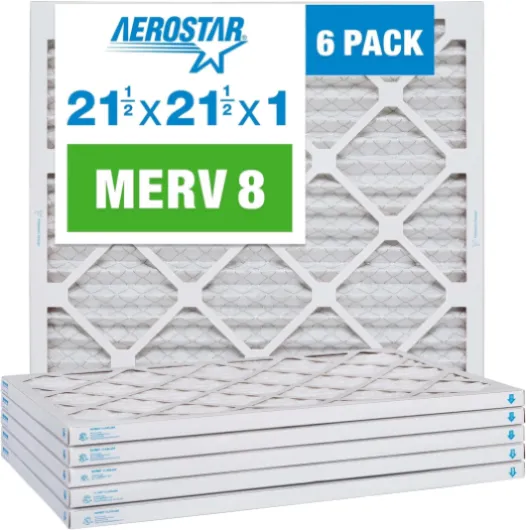
- + High Efficiency filters
- + MERV 8 rating for good allergen removal
- + Removes dust, lint, mold and pollen
- + Pleated design for increased surface area
- + Fits HVAC, furnace & air conditioner units

Installation tips for AC vent air filters
Steps for Proper Air Filter Installation
Getting your air filter installed correctly in your AC vent or furnace is crucial for maintaining filtered air and protecting your HVAC system. Here’s a straightforward guide to help you fit air filters with confidence, whether you’re working with a ceiling vent, wall vent, or furnace air intake.
- Check the filter size: Before you shop products or open a pack, confirm the filter size matches your vent or HVAC furnace slot. Most brands, like Nordic Pure, print the size on the filter frame. Using the wrong size can reduce air quality and strain your system.
- Inspect the filter material: Whether you choose electrostatic, pleated, or fiberglass filters, make sure the filter material is intact and undamaged. Damaged filters won’t deliver the expected performance.
- Turn off your HVAC system: For safety and to prevent unfiltered air from circulating, switch off your HVAC air or furnace before replacing the filter.
- Locate the air vent or furnace slot: Air filters are usually found behind a grille in the ceiling, wall, or inside the furnace. Open the vent or access panel carefully.
- Remove the old filter: Slide out the used filter, noting the direction of the airflow arrow. This helps you install the new filter correctly.
- Insert the new filter: Place the new filter into the slot, ensuring the airflow arrow points toward the blower or into the ductwork. This step is key for effective delivery of filtered air.
- Secure the vent or panel: Close the grille or access panel tightly to prevent air bypassing the filter.
Tips for a Hassle-Free Filter Replacement
- Buy filters in a pack: Many stores and online shops offer multi-packs, which can save you money and ensure you always have a replacement on hand.
- Compare brands and customer reviews: Check customer service ratings and reviews for different brands before you shop. This helps you find reliable products at a fair price.
- Consider MERV ratings: Higher MERV filters capture smaller particles but may restrict airflow if your HVAC system isn’t designed for them. Learn what your system supports before making a purchase.
- Keep a filter replacement schedule: Mark your calendar or set reminders based on the product’s recommended replacement interval. Regular changes keep your air quality high and your HVAC system efficient.
Proper installation and timely filter replacement are essential for maintaining clean air and extending the life of your HVAC system. If you have questions about fit or filter material, don’t hesitate to contact customer service at your preferred store or consult the manufacturer’s guidelines.
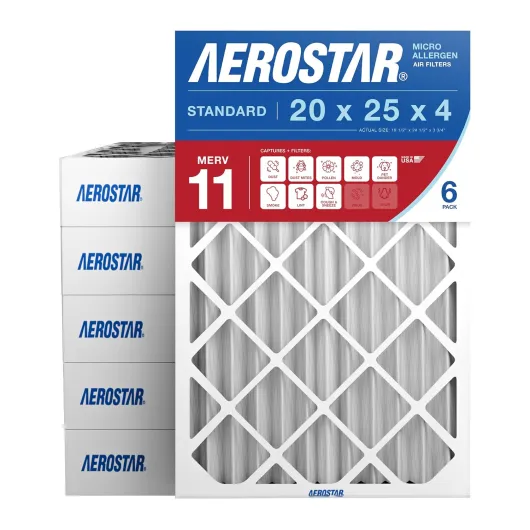
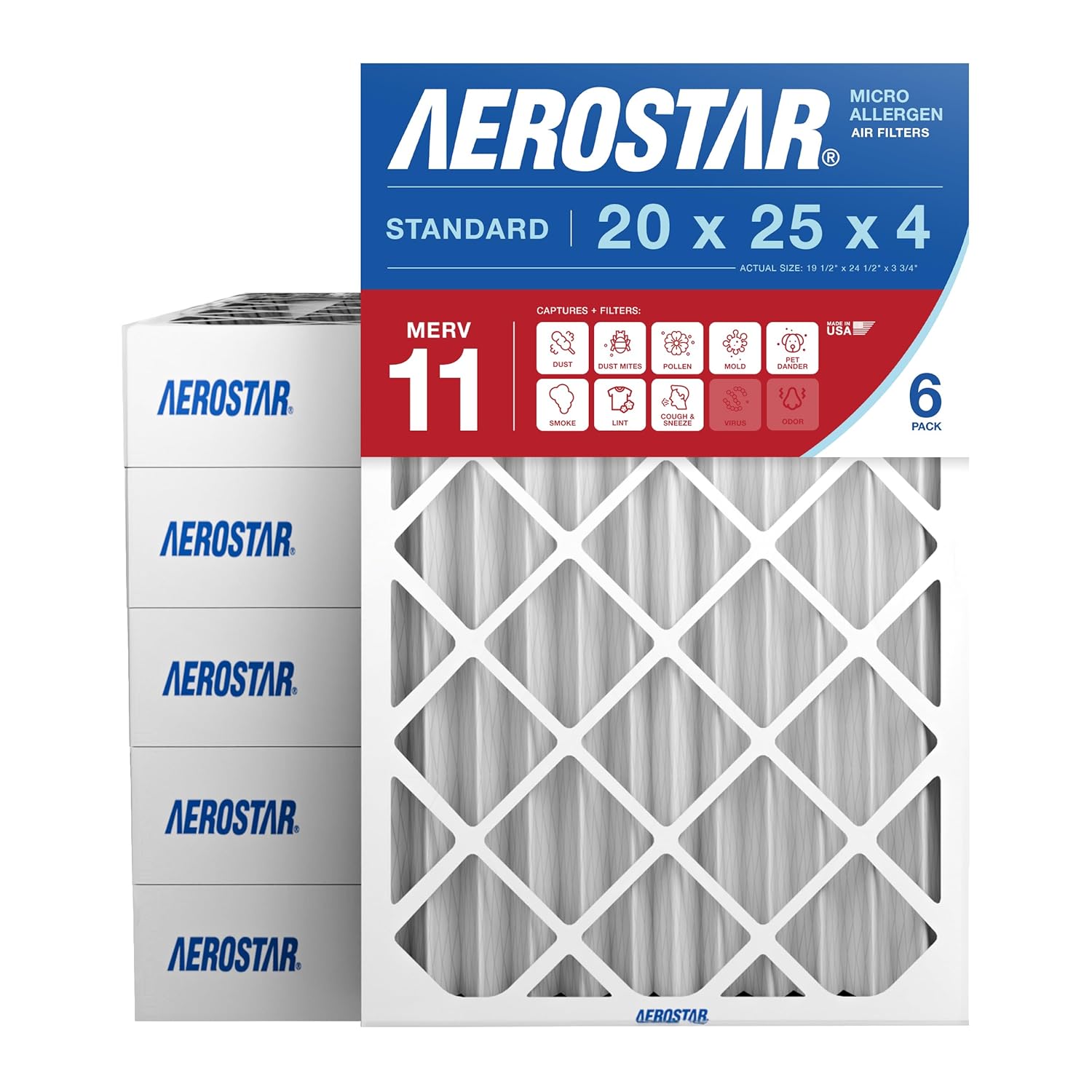
- + High Efficiency: MERV 11 rating captures dust, pet dander, and smoke
- + Fits Popular Brands: Compatible with Lennox & Honeywell devices
- + Great Value: 6 pack for multiple replacements
- + Reduced Allergens: Helps improve air quality for allergy sufferers
Maintenance and replacement: keeping your air filter effective
How Often Should You Replace Your Air Filter?
Keeping your air filter effective is all about regular replacement. Most experts recommend changing your filter every 1 to 3 months, but the exact timing depends on several factors. If you have pets, allergies, or live in an area with high dust or pollen, you may need to replace your filter more often. Always check the manufacturer's guidelines for your specific product and monitor the filter's condition regularly.
Signs Your Filter Needs Changing
- Visible dirt or dust buildup on the filter material
- Reduced airflow from your vents or ceiling registers
- Increased allergy symptoms or dust in your home
- Unusual odors when your HVAC system runs
Ignoring these signs can reduce your HVAC system's efficiency and lower indoor air quality. Regular filter replacement helps maintain filtered air and keeps your system running smoothly.
Choosing the Right Replacement Filter
When shopping for a replacement, make sure you know your filter size and the MERV rating recommended for your HVAC system. Brands like Nordic Pure offer a range of options, from electrostatic filters to high-efficiency furnace air filters. Check customer reviews to learn about real-world performance and fit. Many stores and online shops sell filters in multi-packs, which can save you money on price per filter.
Maintenance Tips for Maximum Performance
- Write the installation date on your filter to track replacement cycles
- Vacuum around your air vent and ceiling registers to prevent dust buildup
- Inspect your HVAC furnace and air vent filters monthly, especially during heavy use seasons
- Keep a spare pack of filters on hand for quick replacement
Proper maintenance not only improves air quality but also extends the life of your HVAC system. If you have questions about fit, filter material, or which product is best for your needs, reach out to customer service at your preferred store or shop products with detailed descriptions and customer feedback.
Common questions about air filters for AC vents
What filter size do I need for my AC vent?
Choosing the right filter size is crucial for effective air filtration. Most air vent filters and furnace air filters come in standard sizes, but it's important to measure your vent or check your HVAC system's manual. A filter that doesn't fit properly can let unfiltered air bypass the filter material, reducing air quality and efficiency. Many brands, like Nordic Pure, offer a wide range of filter sizes and pack options to fit air vents, ceiling vents, and HVAC furnace systems.
How often should I replace my air filter?
Filter replacement frequency depends on the product, filter material, and your home's air quality. Generally, most filters should be replaced every 1 to 3 months. High MERV filters or electrostatic filters may last longer, but always check the manufacturer's recommendations. Regular replacement ensures filtered air continues to flow efficiently and helps maintain your HVAC system's performance.
What does MERV mean and why does it matter?
MERV stands for Minimum Efficiency Reporting Value. It rates how effectively a filter traps particles. A higher MERV rating means better filtration, but it can also restrict airflow if your HVAC system isn't designed for it. For most homes, a MERV 8 filter balances air quality and system efficiency. Some shops and stores offer detailed guides to help you learn which MERV rating fits your needs.
Are all filters compatible with my HVAC system?
Not all filters fit every HVAC air system. Always check your system's specifications before you shop products. Some filters are designed for specific brands or models, and using the wrong type can impact performance. Customer reviews and customer service from reputable stores can help you find the right fit for your HVAC furnace or air vent.
Is there a difference between furnace air filters and vent filters?
Yes, furnace air filters are typically installed at the return air intake of your HVAC system, while vent filters are placed directly in ceiling or wall vents. Both help improve air quality, but furnace filters usually handle more airflow and require a higher-quality filter material. When shopping, compare price, delivery options, and pack sizes to find the best product for your needs.
How do I know if my filter is working?
Signs your filter is working include improved air quality and less visible dust around vents. If you notice reduced airflow, increased dust, or your HVAC system running longer, it may be time for filter replacement. Reading customer reviews can also provide insight into how well a filter performs over time.