
Understanding how a media air cleaner works
What Sets Media Air Cleaners Apart?
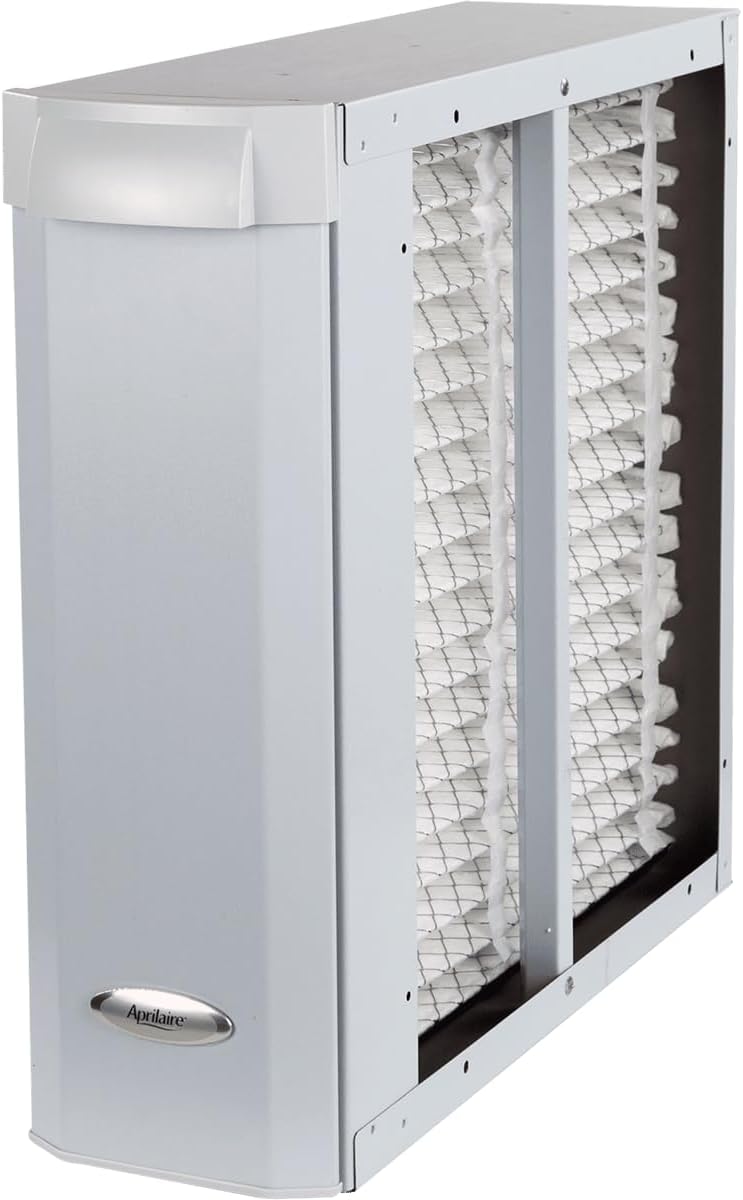
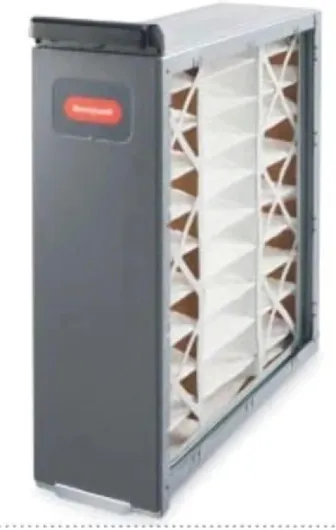
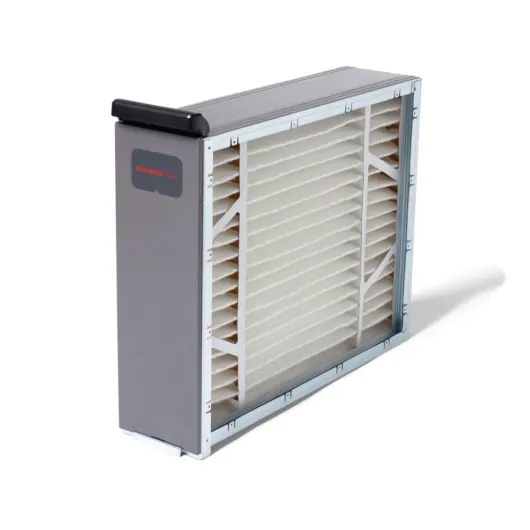
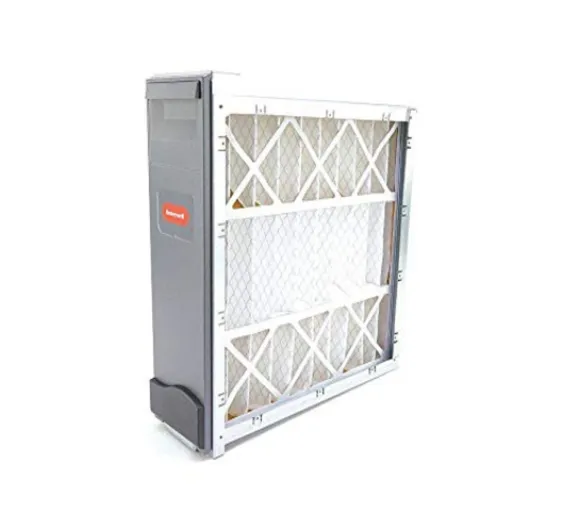
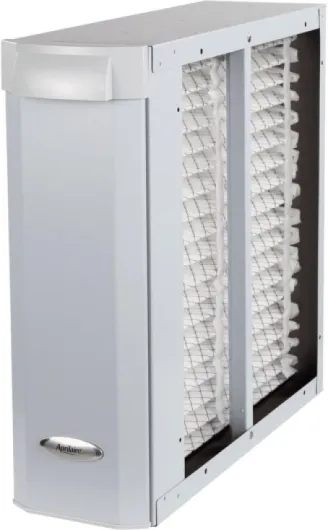
Media air cleaners are a robust solution for improving indoor air quality in homes and businesses. Unlike basic filters, these products use a thick, pleated filter media to capture a greater amount of airborne particles. The filter's design allows it to trap dust, pollen, pet dander, smoke, and even some bacteria, making it a preferred choice for those seeking cleaner air throughout their living spaces.
How the Filtration Process Works
At the heart of a media air cleaner is the filter media, which is rated by its Minimum Efficiency Reporting Value (MERV). The higher the MERV rating, the more particles the filter can capture. For example, a MERV filter with a rating between 8 and 13 is common in residential systems, balancing effective particle capture with minimal impact on airflow and energy use. The filter sits within your forced air heating or air conditioning system, so as air circulates, it passes through the media, trapping contaminants before they can recirculate.
Integration with Existing Systems
Media air cleaners are designed to work seamlessly with most forced air furnaces and air conditioning systems. They are installed in the return air duct, where all the air in your home passes through the filter media. This complete integration ensures that the cleaner can capture a significant amount of dust, pet dander, and other particles every time your system runs. Professional installation is often recommended to ensure proper fit and optimal performance, as improper installation can lead to pressure drop or static pressure issues that affect system efficiency.
Why Choose a Media Air Cleaner?
- Captures a wide range of particles, including dust, smoke, and allergens
- Works with existing gas, oil, or electric forced air systems
- Offers a balance between airflow and filtration efficiency
- Reduces the amount of airborne contaminants for cleaner air throughout your home
For a deeper overview of how air cleaners help with mold and other indoor air quality issues, you can explore further resources on the topic.
Key benefits of using a media air cleaner
Cleaner Air and Healthier Living Spaces
Media air cleaners are designed to capture a significant amount of airborne particles, including dust, pet dander, pollen, and even smoke. By using a robust filter—often with a high MERV rating—these products can remove contaminants that standard air conditioning systems or air furnaces might miss. The result is cleaner air throughout your home, which can be especially beneficial for those with allergies or respiratory concerns.
Effective Particle Capture with Minimal Energy Impact
One of the key benefits of a media air cleaner is its ability to filter out fine particles without causing a major pressure drop or restricting airflow. Unlike some air cleaners that can strain your forced air or conditioning systems, a well-chosen media air cleaner maintains energy efficiency. This means you get the complete advantage of cleaner air without a noticeable increase in energy use or a reduction in system performance.
Versatility Across Different Systems
Media air cleaners are compatible with a variety of systems, including gas oil furnaces and central air conditioning. Their flexible design allows for professional installation in most homes, making them a practical product for improving indoor air quality. Whether you have a newer or older system, these cleaners can be integrated to enhance overall filtration.
Longer-Lasting Filters and Reduced Maintenance
Compared to some other products, media air cleaners often require less frequent filter replacement. The larger surface area of the media filter means it can capture more particles before needing a change. This not only saves time but can also lower the long-term cost of maintaining cleaner air in your home.
- Captures dust, pollen, pet dander, and smoke
- Maintains airflow and energy efficiency
- Works with various air furnaces and conditioning systems
- Reduces the amount of airborne particles
- Long-lasting filters for less frequent changes
For a complete overview of how air cleaners are used in different filtration applications, you can explore more detailed product comparisons and use cases.
Comparing media air cleaners to other air purification systems
How media air cleaners stack up against other purification systems
When looking for a complete solution to improve indoor air quality, it’s helpful to compare media air cleaners with other common air purification products. Each system has its own strengths, but media air cleaners are known for their robust filtration and compatibility with forced air furnaces and air conditioning systems.- Media air cleaners: These products use a thick, pleated filter—often with a high MERV rating—to capture a significant amount of airborne particles like dust, pet dander, and smoke. The larger surface area of the media filter allows for better airflow and longer filter life compared to standard filters. Media air cleaners are designed to work with your existing HVAC system, making them a practical choice for whole-house air cleaning.
- Electronic air cleaners: These systems use an electrical charge to attract and trap particles. While effective for smaller particles, they often require more frequent maintenance and professional installation. Some models may also generate ozone, which is a concern for sensitive individuals.
- Portable air purifiers: Portable products are ideal for single rooms or small spaces. They typically use HEPA or carbon filters and can be moved around the house. However, they don’t offer the same level of coverage as a house media air cleaner connected to your HVAC system.
- UV air purifiers: These cleaners use ultraviolet light to kill bacteria and viruses. While they can help reduce germs, they don’t capture dust, pollen, or other larger particles as effectively as a media air cleaner with a high MERV filter.
| System Type | Particle Capture | Coverage | Maintenance | Energy Use |
|---|---|---|---|---|
| Media Air Cleaner | High (dust, pet dander, smoke) | Whole house | Low (filter replacement) | Low |
| Electronic Cleaner | Moderate to high (fine particles) | Whole house | Moderate (cleaning plates) | Moderate |
| Portable Purifier | High (in small area) | Single room | Moderate (filter changes) | Varies |
| UV Purifier | Low (germs only) | Whole house or single room | Low to moderate | Low |
Factors to consider when choosing a media air cleaner
What to Look for When Selecting a Media Air Cleaner
Choosing the right media air cleaner for your home or business is not just about picking the most popular product. There are several important factors to consider to ensure you get cleaner air and efficient performance from your system.- MERV Rating: The Minimum Efficiency Reporting Value (MERV) tells you how well the filter captures particles like dust, pet dander, and smoke. Higher MERV ratings mean the filter can capture a greater amount of airborne particles, but it can also affect airflow and static pressure in your forced air or air conditioning systems. For most homes, a MERV filter between 8 and 13 offers a robust balance between filtration and airflow. Always check your system’s compatibility before choosing a high MERV filter.
- Size and Compatibility: Not all media air cleaners fit every system. Make sure the cleaner matches your air furnaces or conditioning systems in terms of size and airflow requirements. An improper fit can reduce efficiency and may even damage your HVAC system.
- Pressure Drop and Airflow: A complete product overview should include the pressure drop, which measures how much resistance the filter adds to your system. Too much pressure drop can strain your HVAC, reduce energy efficiency, and impact the amount of air moving through your home. Look for products that balance filtration with minimal impact on airflow.
- Type of Pollutants: Consider what you want to remove from your indoor air. Media air cleaners are effective against dust, pollen, and pet dander, but if you need to address smoke, gases, or odors, you may need a cleaner with additional features or a different filter type.
- Maintenance and Filter Replacement: Some products require more frequent filter changes than others. Check how easy it is to access and replace the filter, and factor in the cost and availability of replacement filters. Regular maintenance is key for optimal performance and cleaner air.
- Professional Installation: For best results, especially in larger homes or with complex systems, consider professional installation. This ensures the media air cleaner is correctly integrated with your existing gas oil or forced air systems, preventing leaks and maximizing efficiency.
- Energy Efficiency: Some media air cleaners are designed to minimize impact on your system’s energy use. Look for cleaners energy ratings or features that help maintain low energy consumption while still providing robust filtration.

Installation tips for optimal performance
Ensuring Proper Placement and Setup
To get the most out of your media air cleaner, correct installation is essential. The cleaner should be placed in the return air duct of your forced air heating or air conditioning system. This location allows the product to capture the maximum amount of airborne particles, including dust, pet dander, and smoke, before the air circulates through your home. Make sure the unit fits snugly and that the airflow direction matches the arrows on the filter or product housing.
Professional vs. DIY Installation
While some house media air cleaners are designed for straightforward installation, many robust products—especially those with higher MERV ratings—benefit from professional installation. A professional can assess your existing air furnaces or conditioning systems, ensuring the cleaner integrates seamlessly and does not cause excessive static pressure or pressure drop. This helps maintain system efficiency and cleaner air throughout your home.
Optimizing Airflow and System Compatibility
- Check that your HVAC system can handle the added resistance of a high-MERV filter. Too much pressure drop can reduce airflow and strain the system.
- Review the product overview and manufacturer guidelines for compatibility with gas oil or electric systems.
- Ensure the cleaner does not block access panels or interfere with regular maintenance of your HVAC system.
Energy Efficiency Considerations
Media air cleaners are designed to be energy efficient, but improper installation can lead to increased energy use. A well-installed cleaner will not overburden your system, helping maintain optimal cleaners energy performance. Always follow the installation instructions provided with the product, and consult a professional if you are unsure about any step.
Final Checks Before Use
- Double-check the seal around the filter to prevent air bypass, which can reduce the cleaner’s effectiveness.
- Test the system after installation to confirm proper airflow and absence of unusual noises.
- Keep the installation area clear of debris to avoid introducing additional particles into the system.
Maintenance and filter replacement guidelines
How Often Should You Replace the Filter?
One of the most important aspects of maintaining your media air cleaner is knowing when to replace the filter. The frequency depends on several factors, including the MERV rating of your filter, the amount of dust and particles in your home, and how often your forced air or air conditioning systems run. Generally, a high-quality media filter with a robust MERV rating should be checked every 6 to 12 months. However, if you have pets, smoke, or live in an area with high dust levels, you may need to replace it more often to ensure cleaner air and optimal airflow.
Signs Your Filter Needs Attention
- Visible dust buildup on the filter media
- Noticeable decrease in airflow from your air furnaces or conditioning systems
- Increase in allergy symptoms or lingering odors
- Higher energy bills due to your system working harder against a clogged filter
Steps for Safe and Effective Filter Replacement
- Turn off your HVAC or forced air system before starting.
- Locate the media air cleaner housing, usually installed near your furnace or air handler.
- Open the access panel and carefully remove the old filter. Note the direction of airflow indicated on the filter frame.
- Insert the new filter, making sure it matches the recommended MERV rating for your system. Check the product overview or manual for compatibility.
- Secure the panel and restart your system.
Tips to Maximize Filter Life and Cleaner Air
- Choose a filter MERV rating that balances particle capture amount and airflow. Too high a MERV can cause static pressure drop, affecting system performance.
- Keep the area around your air cleaner free of dust and debris.
- Schedule regular professional inspections, especially if your system uses gas oil or you have a complete house media setup.
- Record filter changes to track performance and ensure timely replacements.
Why Proper Maintenance Matters
Regular maintenance and timely filter replacement not only improve indoor air quality by capturing more airborne particles like pet dander and smoke, but also help your air cleaner and HVAC systems run efficiently. This reduces energy consumption and extends the life of your products. For a robust overview of filter replacement best practices, always refer to your product manual or consult a professional installer familiar with media air cleaners and conditioning systems.