
Understanding wind velocity meters in air purification
What is a Wind Velocity Meter?
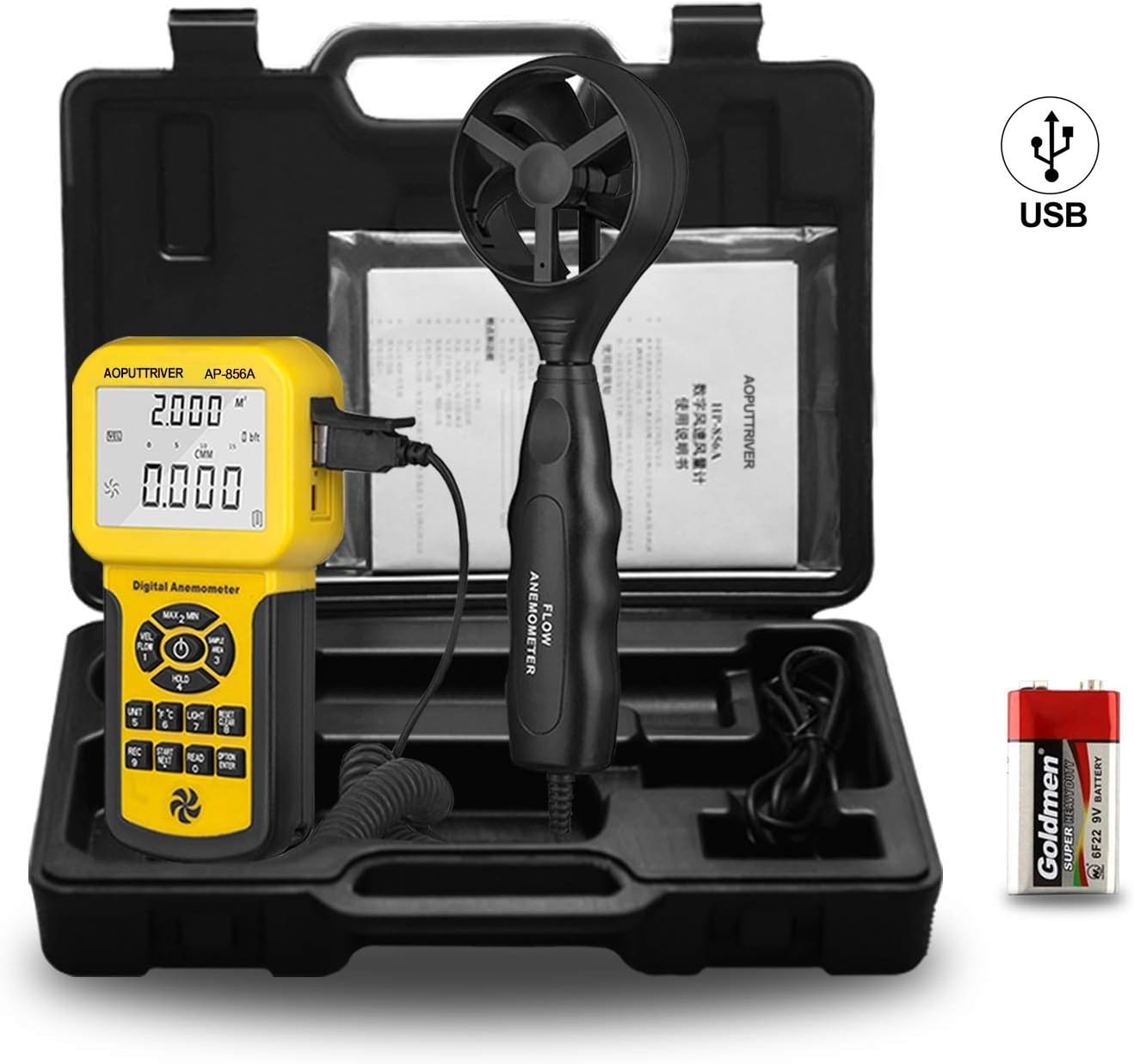
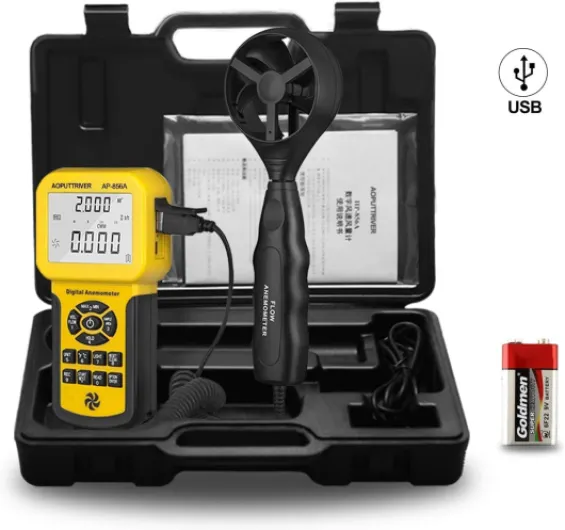
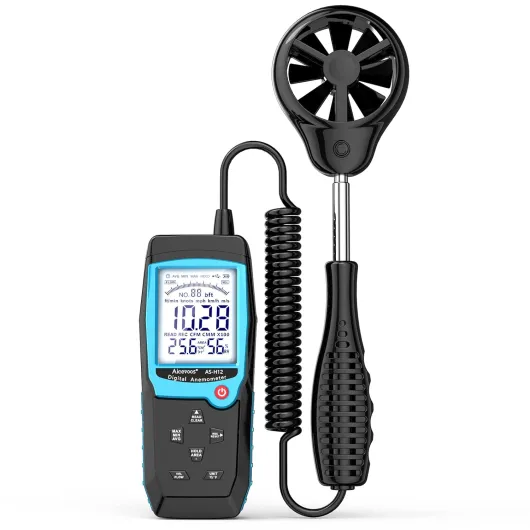
When exploring air purification, understanding how wind velocity meters work is essential. These measuring devices, sometimes called anemometers, are designed to gauge the speed and direction of air flow. They help determine how efficiently air moves through an air purifier, which directly impacts the product’s ability to deliver clean air. Wind velocity meters can be digital or analog, handheld or fixed, and often include sensors for air temperature, pressure, and even relative humidity.
Types of Wind Velocity Meters Used in Air Purification
Several types of meters are commonly used to measure air flow in purifiers:
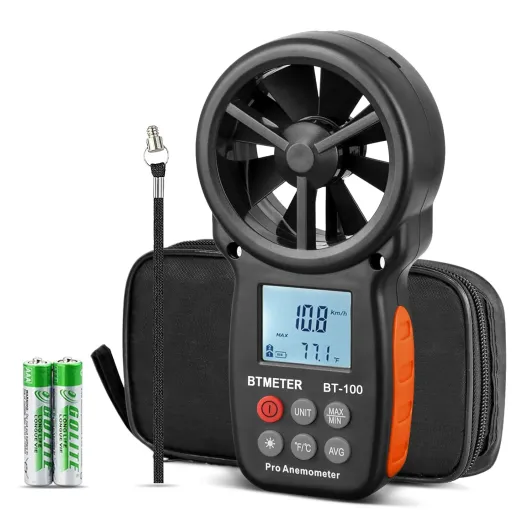
- Vane anemometers: These use a small fan or vane to measure wind speed and direction. They are popular for their simplicity and reliability.
- Hot wire anemometers: These use a heated wire to sense changes in air velocity. They are sensitive and ideal for low-speed air flow measurements.
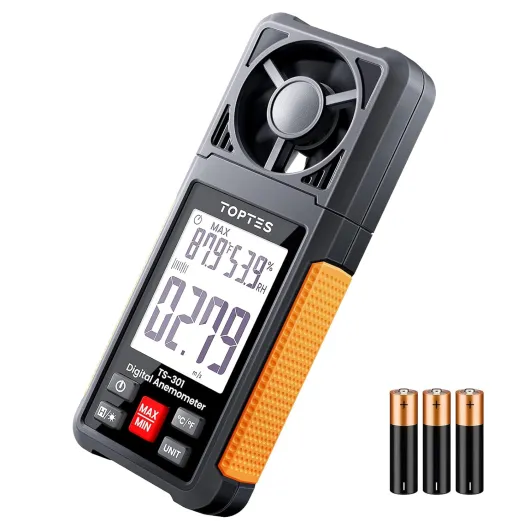
- Digital wind meters: Modern devices that provide readings for wind speed, air temperature, and sometimes wet bulb or wind chill values. They are user-friendly and often used for quick checks.
Why Accurate Air Flow Measurement Matters
Precise measurement of air velocity, speed, and direction is crucial for assessing how well an air purifier performs. If the air flow is too low, the purifier may not deliver enough clean air. If it’s too high, it could reduce filtration efficiency or cause excess noise. Using the right speed meter or gauge ensures that the flow velocity is optimal for your space and the specific product you’re using.
Key Parameters Measured
Wind velocity meters can measure more than just speed. Many models also provide data on:
- Air temperature
- Pressure
- Relative humidity
- Wind direction and speed direction
- Wet bulb and wind chill (in advanced meters)
These readings help you understand the complete picture of air flow in your environment, which is vital for maintaining healthy indoor air quality.
If you’re also interested in optimizing your humidifier’s performance, you might find this guide on how to choose the right water filter for your humidifier helpful.

How airflow affects air purifier efficiency
Why Airflow Matters in Purifier Performance
Airflow is a critical factor in how well an air purifier can clean your indoor environment. The speed and direction of air moving through the purifier directly affect how efficiently it captures pollutants and distributes clean air. When wind velocity meters, such as a digital anemometer or a vane meter, are used to measure air flow velocity, they provide valuable data on how air is delivered and circulated in a room.
Key Variables Influencing Efficiency
- Air Speed and Flow: The faster the air moves through the filter, the more particles can be captured—up to a point. If the speed is too high, some contaminants may bypass the filter. If it's too low, the purifier may not clean the air quickly enough.
- Pressure and Temperature: Air pressure and temperature can influence how air flows through the purifier. For example, higher temperatures may reduce air density, affecting the purifier's ability to move air efficiently. Some advanced meters can measure air temperature and pressure alongside velocity.
- Wind Direction and Delivery: The direction of airflow, measured by wind direction sensors or a handheld wind meter, determines how well clean air is distributed throughout the space. Poor direction can lead to uneven air quality.
Impact of Accurate Measurement
Using a reliable measuring device, such as a hot wire anemometer or a digital wind speed meter, helps identify whether your air purifier is operating at its optimal flow velocity. These meters can also detect changes in relative humidity and wet bulb temperature, which can further impact air purifier performance. Regularly checking these metrics ensures that your purifier is not only moving enough air but also maintaining the right conditions for effective filtration.
For more insights on how specific air purifier models can enhance your indoor air quality, you might find this resource on how a Whirlpool air purifier can improve your indoor air quality helpful.
Techniques for measuring airflow in air purifiers
Popular Methods for Measuring Airflow
Measuring airflow is essential for understanding how well an air purifier is working. There are several types of wind velocity meters and sensors that help determine the speed, direction, and quality of air moving through a purifier. Choosing the right measuring device depends on the specific needs of your space and the type of air purifier you use.
- Vane Anemometers: These are among the most common tools for measuring air flow velocity. A vane anemometer uses rotating blades to gauge wind speed and direction. The speed meter displays results digitally, making it easy to track changes in air velocity and flow direction.
- Hot Wire Anemometers: This digital wind meter uses a thin wire heated by an electric current. As air passes over the wire, it cools down, and the device measures the change in temperature to calculate air speed. Hot wire anemometers are especially sensitive and ideal for detecting low air flow rates in purifiers.
- Pressure Gauges: These meters measure the difference in air pressure across the filter or within the purifier. A drop in pressure often signals a clogged filter or restricted air delivery. Monitoring pressure helps ensure optimal air flow and can indicate when maintenance is needed.
- Handheld Digital Meters: Portable and user-friendly, these devices combine sensors for wind speed, air temperature, and sometimes even relative humidity. Many models also include a wet bulb or wind chill function, providing a comprehensive overview of air quality and flow velocity.
Key Parameters to Track
When using these measuring devices, it’s important to monitor several parameters:
- Air Velocity: The speed at which air moves through the purifier, measured in meters per second (m/s).
- Wind Direction: Understanding the direction of air flow helps optimize purifier placement and efficiency.
- Air Temperature: Temperature changes can affect air density and flow, impacting purifier performance.
- Relative Humidity: Some digital meters track humidity, which can influence filter effectiveness and air quality.
Best Practices for Accurate Measurements
To get reliable results, always use a calibrated speed meter or anemometer wind device. Take multiple readings at different points around the air purifier to account for variations in flow velocity and speed direction. For more details on keeping your air purifier running efficiently, check out this guide on Clorox air purifier filter replacement.
| Measuring Device | Measures | Best For |
|---|---|---|
| Vane Anemometer | Wind speed, direction | General airflow checks |
| Hot Wire Anemometer | Air velocity, temperature | Low flow, sensitive readings |
| Pressure Gauge | Pressure difference | Filter performance, maintenance |
| Handheld Digital Meter | Wind speed, air temperature, humidity | Quick, multi-parameter checks |
Common challenges in airflow measurement
Key Obstacles When Measuring Airflow in Purifiers
Measuring airflow with wind velocity meters and related devices in air purifiers can be tricky. Even with advanced digital wind meters, anemometers, or hot wire sensors, several factors can affect the accuracy of your readings.- Obstructions and Placement: Furniture, walls, or even the purifier’s own design can disrupt air flow and speed direction. If the meter or anemometer wind sensor is not placed correctly, you might not capture the true air velocity or flow velocity.
- Environmental Conditions: Changes in air temperature, relative humidity, and pressure can influence wind speed and air delivery. For example, a wet bulb or wind chill effect may alter readings, especially if the product is used in a room with fluctuating temperature or humidity.
- Device Calibration and Type: Not all meters are created equal. Handheld speed meters, vane anemometers, and digital gauges may each have unique calibration needs. A poorly calibrated measuring device can give misleading results about air flow or speed wind.
- Airflow Direction and Turbulence: Air purifiers often create complex wind direction patterns. If the sensor is not aligned with the main speed direction, or if there’s turbulence near the intake or outlet, the measured air velocity can be inconsistent.
- Product-Specific Challenges: Some purifiers have variable fan speeds or automatic modes that change air flow velocity and direction. This makes it harder to get a consistent reading with a speed meter or digital wind gauge.
Common Errors and How to Avoid Them
- Incorrect Sensor Positioning: Always position the measuring device in the direct path of the air flow, away from edges or corners where wind speed may drop.
- Ignoring Environmental Variables: Record air temperature, relative humidity, and pressure along with wind speed for a more complete picture. Some advanced meters can measure these at the same time.
- Overlooking Device Limitations: Understand the range and sensitivity of your speed meters or anemometers. Some are better for low-speed air, others for high-speed delivery.
- Not Accounting for Airflow Variability: Take multiple readings at different times and locations to account for changes in air flow and speed direction.
Interpreting wind velocity meter readings for optimal performance
Making Sense of Wind Velocity Meter Readings
When you use a wind velocity meter or anemometer to check your air purifier’s performance, it’s important to understand what the numbers mean for your indoor air quality. These measuring devices, whether digital or analog, provide readings in units like meters per second (m/s) or feet per minute (fpm). But interpreting these results goes beyond just looking at the speed displayed on the gauge.What the Numbers Tell You
A higher air velocity reading at the purifier’s outlet usually means your device is delivering strong airflow. However, more isn’t always better. If the speed is too high, it could indicate that the filter isn’t capturing particles effectively, or that there’s a leak in the housing. On the other hand, low wind speed might suggest a clogged filter, a blocked intake, or a weak fan motor. Both extremes can impact how well your purifier cleans the air.Key Factors to Consider
- Air flow direction: Make sure the wind direction matches the intended delivery path. Misaligned flow can reduce purification efficiency.
- Temperature and humidity: Air temperature and relative humidity can affect sensor readings. For example, a hot wire anemometer may show different results depending on air temperature and wet bulb conditions.
- Pressure: Changes in air pressure can influence flow velocity and the accuracy of your speed meter or gauge.
Comparing Readings for Best Results
To get the most from your wind meter or vane anemometer, compare readings at different points: before and after the filter, at the intake and the outlet, and at various fan speeds. This helps you spot any drop in air velocity that might signal a problem. Consistent measurements over time can also alert you when maintenance is needed, such as cleaning or replacing filters.Using Digital Tools for Precision
Digital wind meters and handheld speed meters often come with features to log data, measure air temperature, and even display wind chill. These tools can help you track trends in air flow and speed direction, making it easier to maintain optimal air delivery and indoor air quality.Summary Table: What to Watch For
| Reading | Possible Meaning | Action |
|---|---|---|
| High air velocity | Strong flow, possible filter bypass or leak | Check filter fit and housing |
| Low air velocity | Clogged filter, blocked intake, weak fan | Inspect and clean or replace filter |
| Inconsistent readings | Sensor error, fluctuating pressure or temperature | Recalibrate meter, check environment |
Practical tips for maintaining ideal airflow in your space
Simple Steps to Keep Airflow at Its Best
Maintaining ideal airflow in your space is essential for getting the most out of your air purifier. The right wind speed, direction, and air velocity help ensure that the purifier delivers clean air efficiently. Here are some practical tips to help you manage airflow using wind velocity meters and related measuring devices:- Regularly check air flow velocity with a digital wind speed meter or anemometer. These handheld meters give you accurate readings of air speed and direction, helping you spot any drop in performance.
- Monitor air temperature and relative humidity. Many digital meters and sensors can measure both air temperature and wet bulb temperature, which can affect air delivery and purifier efficiency.
- Position your air purifier correctly. Make sure there are no obstructions blocking the flow of air. Use a vane anemometer to measure wind direction and ensure the purifier is placed where air can circulate freely.
- Clean or replace filters as recommended. Clogged filters can reduce air flow and pressure, making your purifier work harder. Use a pressure gauge to check for any unusual drops in pressure across the filter.
- Check for drafts or leaks in windows and doors. Unwanted wind or air leaks can disrupt the measured air flow and affect the purifier’s performance.
- Use the right measuring device for your needs. Hot wire anemometers are sensitive for low air speeds, while vane meters are better for higher flow velocity. Choose the product that matches your space and purifier type.
- Keep an eye on speed temperature and wind chill. These factors can influence how air moves in your room, especially in changing seasons.