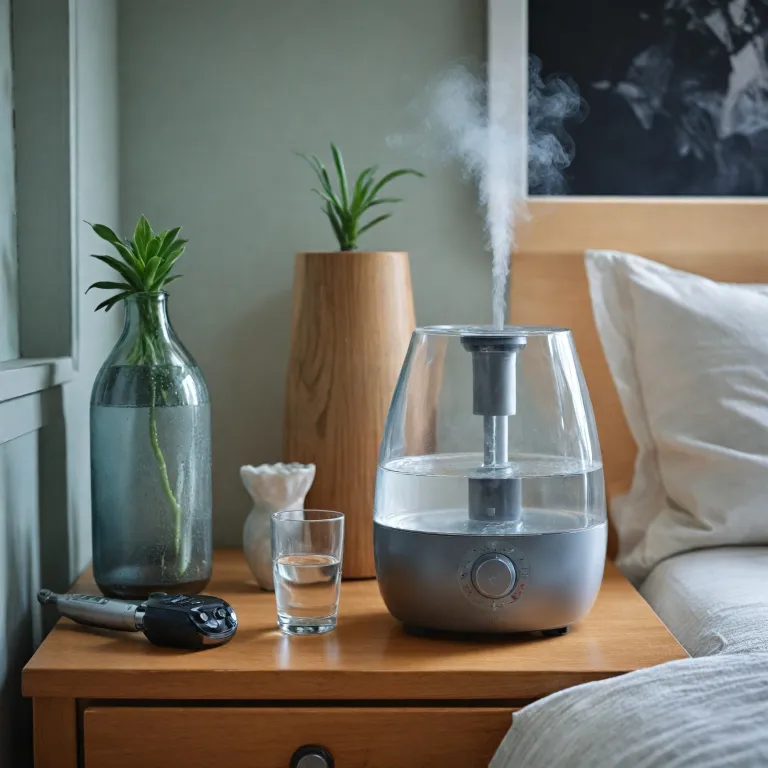
Why the type of water in your humidifier matters for indoor air
Many people ask what type of water for humidifier use will best protect their home and health. The answer shapes not only the performance of the water humidifier but also the long term air quality in every room. Choosing the wrong type water can quietly damage the unit and worsen indoor air instead of improving it.
When you pour tap water into a humidifier, you also add minerals that later become visible white dust on furniture and electronics. These minerals increase the risk of mineral buildup inside humidifiers, which reduces efficiency and raises the unit price of ownership through repairs. Over time, poor water quality can encourage mold growth in the tank and send microscopic particles into the air.
Using distilled water or purified water in a humidifier greatly limits mineral content and helps keep indoor air cleaner. Distilled water contains almost no minerals, so it prevents mineral buildup and reduces white dust around the device. This cleaner type of water also lowers the need for aggressive cleaning and protects the internal parts of the unit.
However, not every household can rely only on bottled water or distilled water because of cost and convenience. Some people use reverse osmosis water from an osmosis system, while others depend on tap water treated by a water softener. Each option changes water quality differently and will influence how often cleaning is required and how long the humidifier will last.
Understanding the differences between tap water, spring water, osmosis water, and distilled water helps you match the right type to your humidifier. With that knowledge, you can balance air quality, maintenance effort, and overall unit price more intelligently. The following sections examine each water type in detail and explain how it affects humidifiers and indoor air.
Comparing tap water, spring water, and distilled water in humidifiers
Most households instinctively reach for tap water when filling a humidifier because it is cheap and convenient. Yet tap water and humidifier performance often clash, especially in regions with high mineral content and hard water. When tap water evaporates, minerals stay behind as mineral buildup inside the unit and as white dust on nearby surfaces.
This white dust is not usually toxic, but it can irritate sensitive lungs and settle into electronics, books, and fabrics. In addition, mineral buildup from tap water narrows internal passages in humidifiers and forces the motor to work harder. Over months, this hidden stress raises the effective unit price by shortening the lifespan of the water humidifier.
Spring water may sound purer, yet many brands contain even higher minerals than local tap water. Using spring water in a humidifier often increases white dust and accelerates mineral buildup, despite the appealing marketing. For people already concerned about air quality, spring waters are rarely the best type water choice for humidifiers.
Distilled water and other forms of purified water remove almost all minerals before reaching the tank. When you use humidifier distilled water, the unit releases moisture without adding extra minerals to indoor air. This dramatically reduces white dust, keeps the humidifier tap components cleaner, and lowers the frequency of deep cleaning sessions.
Because cleaner water supports cleaner air, many experts pair distilled water with an air quality monitor to track results. Learning how to interpret readings from an air quality monitor helps you see how different waters influence indoor air. Over time, you will notice that distilled water or high grade purified water usually stabilizes air quality better than tap water or mineral rich spring water.
Reverse osmosis, osmosis water, and the role of filtration systems
Many homes now use a reverse osmosis system to improve drinking water quality and taste. Reverse osmosis water passes through a fine membrane that removes most minerals, chemicals, and contaminants from tap water. This osmosis water is often an excellent type of water for humidifier use because it greatly reduces mineral content.
Compared with untreated tap water, reverse osmosis water produces far less white dust and slows mineral buildup inside humidifiers. The lower mineral content means the humidifier tap components stay cleaner, and the unit maintains its designed output. As a result, the long term unit price of the water humidifier drops because parts last longer and require fewer replacements.
However, reverse osmosis does not always remove every trace of minerals, especially if filters are overdue for replacement. If the osmosis system is poorly maintained, mineral content can creep upward and again cause white dust around the unit. Regular filter changes and periodic water quality checks are therefore essential when relying on osmosis water for humidifiers.
Some households combine reverse osmosis with a water softener to protect plumbing and appliances from hard water damage. While a water softener reduces scale, it replaces certain minerals with sodium or potassium, which still leave residue in humidifiers. Softened tap water may reduce some mineral buildup, but it does not match distilled water or high grade purified water for air quality.
Because humidifiers directly influence indoor air, it is wise to pair any filtration approach with independent monitoring. A compact device such as a portable CO2 meter for air quality monitoring can reveal ventilation issues that moisture alone cannot solve. When you combine good water quality, a reliable osmosis system, and careful monitoring, the humidifier will support healthier indoor air instead of complicating it.
How minerals, white dust, and mold affect air quality and cleaning
Every type of water for humidifier use carries some risk of residue, but minerals are the main concern. When water evaporates inside humidifiers, minerals stay behind and gradually form hard deposits on internal surfaces. This mineral buildup narrows channels, interferes with sensors, and can eventually cause the unit to fail unexpectedly.
On the outside, excess minerals from tap water or spring water appear as white dust on shelves and floors. White dust is especially common when the water humidifier uses ultrasonic technology, which disperses tiny droplets into the air. As these droplets dry, minerals settle out and may be inhaled, particularly by children or people with asthma.
Using distilled water or high quality purified water sharply reduces this effect because there are almost no minerals to deposit. Humidifier distilled water therefore keeps both the unit and the surrounding indoor air noticeably cleaner over time. Even if the unit price of distilled water seems higher than tap water, the savings in cleaning and maintenance can be significant.
Mold presents a different but equally serious challenge, especially when the humidifier sits with stagnant water between uses. Any type water, whether tap water, osmosis water, or bottled water, will support mold if cleaning is neglected. Mold spores can then be released into the air, undermining the very air quality the humidifier was meant to improve.
Regular cleaning with manufacturer approved methods is essential, regardless of whether you use tap water, reverse osmosis water, or distilled water. Paying attention to water quality, mineral content, and visible white dust will guide how often deeper cleaning is needed. For readers who also operate air purifiers, understanding why a demineralizer cartridge matters for your air purifier can further reduce airborne particles and complement the work of the humidifier.
Balancing cost, unit price, and practicality when choosing water
Households rarely choose water for humidifiers based only on science, because cost and convenience also matter. Tap water is nearly free at the point of use, while bottled water and distilled water add recurring expenses. When evaluating what type of water for humidifier use makes sense, you must consider both unit price and long term maintenance.
If you rely solely on tap water, you will likely face more frequent cleaning and possible repairs. Mineral buildup from hard tap water can shorten the lifespan of humidifiers and increase electricity consumption over time. The apparent savings from free tap water may therefore be offset by the cost of replacing a damaged water humidifier sooner than expected.
Buying bottled water or spring water for a humidifier may feel like an upgrade, yet the benefits are mixed. Many spring waters contain high minerals, which means more white dust and more cleaning despite the higher price. In such cases, the unit price of using spring water can exceed its value for indoor air quality.
Distilled water and other forms of purified water often strike a better balance between performance and cost. While you pay more upfront than for tap water, you save time on cleaning and reduce the risk of mineral buildup. Over several seasons, the extended life of the unit and the cleaner indoor air can justify the higher price of humidifier distilled water.
Homes equipped with a reverse osmosis system or a well maintained water softener enjoy additional options. Reverse osmosis water or softened tap water can reduce mineral content enough to limit white dust, though not as effectively as distilled water. By comparing the cost of filters, the frequency of cleaning, and the stability of air quality, you can choose the most practical type water for your specific humidifier and living space.
Practical guidance for different humidifier types and home situations
Not every humidifier responds the same way to water quality, so the ideal choice can vary. Ultrasonic humidifiers are particularly sensitive because they turn water into a fine mist that carries minerals into the air. With these units, tap water or mineral rich spring water almost always leads to visible white dust and faster mineral buildup.
For ultrasonic models, distilled water or high grade purified water is usually the safest recommendation. Using humidifier distilled water keeps the mist cleaner, protects internal components, and reduces the need for aggressive cleaning. If distilled water is unavailable, reverse osmosis water from a well maintained osmosis system is often the next best option.
Evaporative humidifiers rely on wicks or filters, which can trap some minerals before they reach the air. In these units, tap water may be acceptable if water quality is moderate and filters are changed regularly. However, hard tap water still increases mineral buildup on wicks, raising replacement costs and the effective unit price over time.
For homes with a water softener, softened tap water can reduce scale in evaporative humidifiers but does not eliminate residue. Minerals exchanged by the water softener still accumulate, so periodic cleaning and filter changes remain essential. When possible, mixing softened tap water with distilled water or purified water can lower mineral content while controlling expenses.
Families with infants, older adults, or respiratory conditions should prioritize air quality over minor savings on water. In such cases, using distilled water, purified water, or well filtered reverse osmosis water in all humidifiers is a prudent choice. Matching the type of water to the specific humidifier type and the health needs of the household will ensure that added moisture truly supports cleaner indoor air rather than complicating it.
Key maintenance habits to support healthy indoor air and water quality
Even the best type of water for humidifier use cannot compensate for poor maintenance habits. Every unit, whether filled with tap water, distilled water, or reverse osmosis water, needs regular attention. Consistent cleaning prevents mold, controls mineral buildup, and protects the air quality that humidifiers are meant to improve.
Daily, it is wise to empty any remaining water, gently dry the tank, and refill with fresh water. This simple routine reduces the chance that minerals from tap water or spring water will settle into stubborn deposits. It also limits the time that microbes have to grow, regardless of whether you use osmosis water, softened tap water, or bottled water.
Weekly, most manufacturers recommend a deeper cleaning with a mild disinfectant or vinegar solution. This step is especially important if you rely on tap water or water from a water softener, both of which leave more residue. Even when using humidifier distilled water or high quality purified water, occasional descaling protects the unit and keeps the effective unit price under control.
Monitoring for white dust on nearby surfaces provides a quick visual check of mineral content in your chosen water. If you notice increasing white dust, consider switching from tap water or spring water to distilled water or reverse osmosis water. Adjusting water quality in response to these signs will help maintain healthier indoor air and reduce cleaning time.
Finally, remember that humidifiers work alongside air purifiers, ventilation, and other tools to shape overall air quality. Choosing the right type water, maintaining the unit carefully, and staying alert to changes in indoor air will ensure that added humidity remains an asset. With thoughtful choices about water quality and consistent cleaning, your humidifier will support comfort, protect furnishings, and contribute to a healthier home environment.
Key statistics about humidifiers, water quality, and indoor air
- Up to 90 % of mineral content in tap water can remain as residue inside humidifiers, contributing to mineral buildup and higher maintenance needs.
- Using distilled water or high grade purified water can reduce visible white dust around ultrasonic humidifiers by more than half compared with hard tap water.
- Households that switch from tap water to reverse osmosis water or distilled water often report a noticeable improvement in perceived air quality within a few days of consistent use.
- Regular weekly cleaning of the water humidifier can extend the functional lifespan of the unit by several seasons, effectively lowering the long term unit price.
Common questions about what type of water for humidifier use
Is tap water safe to use in a humidifier
Tap water is generally safe from a microbiological standpoint, but its mineral content can cause problems in humidifiers. Hard tap water leads to mineral buildup inside the unit and produces white dust that settles on surfaces and may be inhaled. If you must use tap water, plan for more frequent cleaning and watch for signs of residue around the device.
Is distilled water better than spring water for humidifiers
Distilled water is usually better than spring water for humidifiers because it contains far fewer minerals. Spring water often has high mineral content, which increases white dust and accelerates mineral buildup inside the unit. For cleaner indoor air and less maintenance, distilled water or high quality purified water is typically the superior choice.
Can I use water from a reverse osmosis system in my humidifier
Yes, water from a reverse osmosis system is often a good option for humidifiers. Reverse osmosis water has significantly reduced mineral content compared with untreated tap water, which limits white dust and slows mineral buildup. Ensure that filters in the osmosis system are replaced on schedule so that water quality remains consistently high.
Does a water softener make tap water suitable for humidifiers
A water softener can reduce scale forming minerals but does not remove all dissolved solids from tap water. Softened water still leaves residue in humidifiers, so mineral buildup and white dust may persist, though sometimes at lower levels. For the best results, many users combine softened tap water with distilled water or purified water, or rely entirely on low mineral water.
How often should I clean my humidifier regardless of the water type
Most experts recommend a light daily routine of emptying and refilling the tank, plus a more thorough cleaning at least once a week. Even when using distilled water or reverse osmosis water, regular cleaning prevents mold growth and protects air quality. If you use hard tap water or spring water, you may need to clean more frequently to manage mineral buildup and white dust.
Trusted references for further reading : World Health Organization (WHO) guidelines on indoor air quality ; United States Environmental Protection Agency (EPA) resources on indoor air ; Mayo Clinic guidance on home humidifiers and respiratory health.