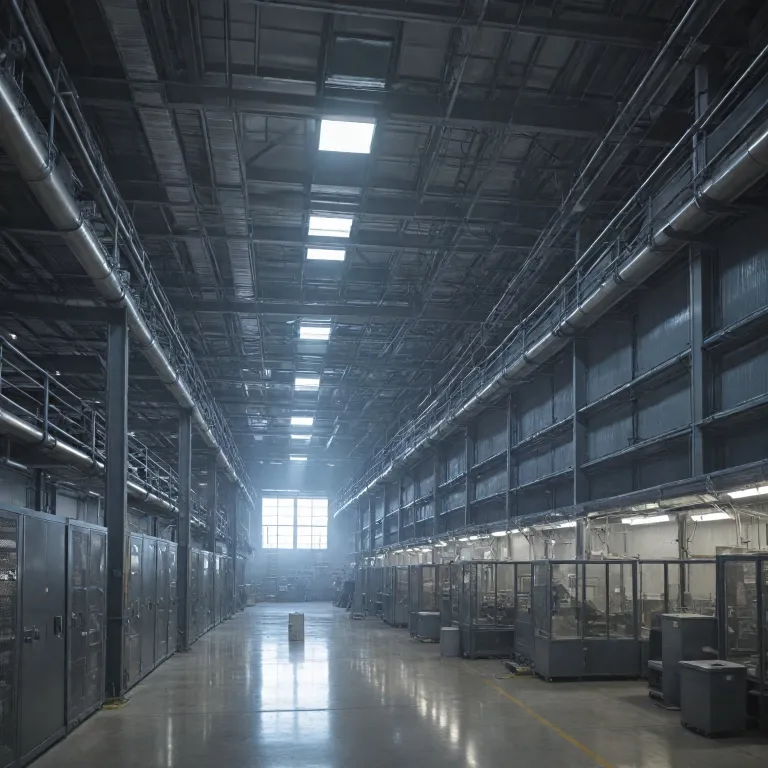
Why industrial air purifiers matter in demanding workplaces
Industrial air purifiers protect workers where air quality is chronically stressed. In factories, warehouses, and any commercial air environment, a robust air purifier and well designed air filtration system can significantly reduce exposure to particles and gases odors. A modern industrial air solution must handle both particulate pollution and complex gases odors from multiple sources.
In these spaces, a basic purifier with a single filter is rarely enough. Facilities typically need layered filtration technology that combines a hepa filter, additional hepa filters, and at least one activated carbon filter to capture fumes and persistent odors. This combination allows industrial air purifiers to capture fine particles, neutralize odors, and support consistently clean air for long shifts.
Many managers underestimate how far airborne contaminants travel from the original source. Welding bays, printing lines, or a nail salon inside a larger commercial building can all release particles, gases odors, and odors that spread through shared ducts. Industrial air systems therefore often mix source capture hoods with portable air purifiers to control both local emissions and background air quality.
Source capture is especially important where a fume extractor is required by safety rules. A source capture arm or fume extractor positioned near the emission point reduces the load on the wider air purification system. This layered approach keeps maintenance affordable while extending the life of each filter and carbon filter in the network.
For many businesses, the priority is to keep production running interruption free. Industrial air purifiers with stock ready replacement filters and robust hepa technology help avoid downtime linked to respiratory complaints or mold related shutdowns. Over time, this investment in air purification and clean air becomes a core part of occupational health strategy.
Key filtration technologies behind effective industrial air purifiers
At the heart of every serious air purifier is its filtration train. Industrial air purifiers usually combine mechanical filtration, electrostatic options, and gas phase media to handle both particles and gases odors from industrial air processes. The goal is to capture contaminants efficiently while keeping airflow strong enough for large commercial air volumes.
High efficiency hepa technology remains the reference for particle control. A certified hepa filter can capture very fine particles, including many bacteria viruses and fragments of mold spores, when correctly sized for the system. In plural configurations, multiple hepa filters are staged to protect the final filter and keep maintenance affordable over long operating hours.
Gas phase control relies heavily on activated carbon and other sorbents. An industrial carbon filter or bank of carbon filters can adsorb solvents, gases odors, and chemical by products that standard filters cannot trap. In sectors like printing, coating, or a busy nail salon, this carbon based air purification is essential to maintain acceptable air quality for staff and clients.
Some industrial air purifiers integrate a fume extractor module for direct source capture. This source capture design pulls contaminated air at the origin, then passes it through hepa filters and carbon filters before releasing cleaner air back into the workspace. For guidance on extending media life, many facility teams consult resources on how to reuse air filters responsibly without compromising safety.
Filtration technology must also consider ease of service and stock ready availability. When a filter or carbon filter is difficult to access, staff delay changes and air quality quietly deteriorates. Well designed industrial air systems therefore prioritize tool free access, clear filter status indicators, and standardized cartridges across multiple purifiers.
Managing biological risks: mold, bacteria, and viruses in industrial air
Biological contamination is a growing concern in many industrial air environments. Poorly controlled humidity, water leaks, or neglected air filtration systems can encourage mold growth inside ducts and around filters. Once established, mold releases spores that a basic air purifier may struggle to capture consistently.
Industrial air purifiers equipped with genuine hepa technology are particularly valuable against biological particles. A correctly sealed hepa filter can capture a large share of airborne mold spores, bacteria viruses, and other bioaerosols when airflow and dwell time are properly engineered. Multiple hepa filters in series further reduce bypass risks and help maintain clean air even during peak production.
However, filtration alone cannot solve every biological problem in commercial air systems. Facilities must address moisture at the source, remove contaminated insulation, and ensure that any portable air units are positioned to support, not replace, core ventilation. In sensitive zones such as food processing or a high traffic nail salon, combining source capture with background air purification offers stronger protection.
Odors often signal underlying microbial or chemical issues. Activated carbon and other carbon filters can reduce many odors, but persistent smells may indicate hidden mold or stagnant water near a filter housing. Maintenance teams should therefore pair routine filter changes with inspections and, when needed, the use of an appropriate air filter cleaner approach adapted to industrial scale systems.
Portable air purifiers can support targeted control in problem areas. A portable air unit with hepa filters and a robust carbon filter can be moved near temporary works, water damage repairs, or odor hotspots. This flexible air purification strategy keeps interventions maintenance affordable while protecting workers from bacteria viruses and mold related particles.
Source capture, fume extractors, and portable air strategies
Effective industrial air management rarely relies on a single technology. Instead, engineers combine central industrial air purifiers, local source capture, and portable air purifiers to match the specific risks of each process. This layered strategy improves air quality while keeping energy use and maintenance affordable for the operator.
Source capture is the first line of defense where emissions are concentrated. A well positioned fume extractor above a welding bench, soldering station, or nail salon table can capture fumes, particles, and gases odors before they spread into the wider commercial air volume. The extracted air then passes through hepa filters and carbon filters inside the air purifier or dedicated filtration module.
Central industrial air purifiers handle background loads that source capture cannot reach. These systems circulate large volumes of air through a combination of hepa technology and activated carbon, supporting clean air across warehouses, production halls, and logistics hubs. When designed correctly, the same air filtration system can also reduce odors from break rooms, storage areas, and light industrial processes.
Portable air purifiers add flexibility where layouts change frequently. A portable air unit with a robust hepa filter and carbon filter can be relocated near temporary workstations, short term projects, or seasonal operations. This approach is particularly useful when stock ready infrastructure upgrades are not yet possible but better air purification is urgently needed.
To refine these strategies, many safety teams monitor pollutants and adjust equipment placement. Using a TVOC meter and other sensors, as explained in this guide on the importance of a TVOC meter for air quality, helps identify where source capture or additional purifiers are required. Over time, data driven adjustments ensure that industrial air purifiers, fume extractors, and portable air devices work together efficiently.
Operational realities: maintenance, costs, and stock ready planning
Even the best industrial air purifiers fail without disciplined maintenance. Filters clog, carbon filters saturate, and neglected hepa filters can become sources of mold or trapped bacteria viruses. A clear maintenance schedule keeps air quality stable and helps avoid sudden failures in critical commercial air zones.
Maintenance affordable planning starts with understanding filter life under real conditions. A filter in a dusty warehouse or near a nail salon area will load faster than one in a light assembly room, even when using identical hepa technology. Tracking pressure drop, odors, and visual dust on filters helps teams adjust replacement intervals before air purification performance declines.
Stock ready strategies are essential for uninterrupted operation. Facilities should keep spare hepa filters, pre filters, and carbon filters on site, especially for industrial air systems that run around the clock. When supply chains tighten, this stock ready approach prevents compromises such as running purifiers with exhausted filters or bypassing a fume extractor due to missing parts.
Portable air purifiers and smaller purifiers also require consistent attention. Their compact design can tempt users to delay filter changes, yet a saturated carbon filter or overloaded hepa filter quickly reduces clean air delivery. Simple checklists, labeled dates on each filter, and centralized purchasing all support maintenance affordable routines.
Budget discussions should consider both direct and indirect costs. While industrial air purifiers, filters, and source capture systems require upfront investment, they can reduce absenteeism, complaints about odors, and long term exposure to gases odors. Over time, improved air quality supports productivity, protects equipment from dust, and strengthens compliance with occupational health expectations.
Matching industrial air purifiers to specific environments and risks
Selecting the right industrial air purifiers starts with a detailed risk assessment. Facilities must map where particles, gases odors, and odors originate, then decide which combination of air purifier types will address each source. This process ensures that air filtration resources are focused where they deliver the greatest improvement in air quality.
In heavy manufacturing, central industrial air systems with robust hepa technology and large carbon filters often form the backbone. These purifiers handle welding fumes, cutting dust, and oil mists, while local fume extractor units provide source capture at the most intense emission points. Portable air purifiers can then be deployed near inspection stations or offices that border the production floor.
Commercial air environments such as logistics centers, retail warehouses, or mixed use buildings have different needs. Here, industrial air purifiers may focus more on dust, diesel particles, and intermittent odors from cleaning products or a small nail salon corner. A mix of portable air units, ceiling mounted purifiers, and targeted source capture keeps air purification flexible as layouts evolve.
Special attention is required where mold or moisture problems have occurred. In these cases, a hepa filter and additional hepa filters are essential to capture spores, while activated carbon and other carbon filters help with residual odors. However, without fixing leaks and removing damaged materials, even the most advanced air purifier system cannot guarantee clean air over time.
Ultimately, the most effective industrial air strategies are those that integrate technology, training, and monitoring. Staff must understand why filters matter, how to position portable air purifiers, and when to report unusual odors or visible dust. With this culture in place, industrial air purifiers, fume extractors, and source capture systems become reliable allies in protecting health and productivity.
Key quantitative insights on industrial air purification
- High efficiency hepa filters in industrial air purifiers can capture the vast majority of fine particles when correctly sized and maintained.
- Layered air filtration that combines hepa technology with activated carbon significantly improves control of both particles and gases odors in commercial air environments.
- Source capture systems and fume extractor units can remove a large share of contaminants directly at the emission point, reducing the burden on central purifiers.
- Regular filter and carbon filter replacement schedules are strongly associated with more stable air quality and fewer complaints about odors or irritation.
- Facilities that maintain stock ready inventories of critical filters experience fewer interruptions in air purification performance during supply chain disruptions.
Common questions about industrial air purifiers
How do industrial air purifiers differ from residential models ?
Industrial air purifiers are engineered for higher airflow, longer runtimes, and more demanding contaminants than typical home units. They often combine multiple hepa filters, large carbon filters, and source capture or fume extractor modules to handle particles, gases odors, and odors simultaneously. Residential air purifiers, by contrast, usually focus on comfort level air quality in smaller rooms with lighter pollution loads.
Are hepa filters enough to manage chemical fumes and odors ?
Hepa filters excel at capturing solid and liquid particles but do not remove most gases odors or volatile chemicals. To manage fumes from solvents, adhesives, or a busy nail salon area, industrial air purifiers must pair hepa technology with activated carbon or other gas phase media. This combination of filters allows the air purifier to address both particulate and chemical aspects of air quality.
Where should portable air purifiers be placed in industrial spaces ?
Portable air purifiers work best when positioned close to occupants and pollution sources without obstructing airflow. In industrial air settings, they are often placed near workstations, quality control benches, or temporary processes that lack fixed source capture. The goal is to supplement central air filtration and provide localized clean air where people spend the most time.
How often should filters be replaced in industrial air systems ?
Filter life depends on pollutant levels, operating hours, and the type of filter used. Pre filters may require replacement every few weeks in dusty environments, while hepa filters and carbon filters in industrial air purifiers might last several months under moderate loads. Monitoring pressure drop, odors, and visible dirt helps tailor maintenance affordable schedules to each facility.
Can industrial air purifiers help control mold problems ?
Industrial air purifiers with genuine hepa filters can significantly reduce airborne mold spores and related particles. When combined with moisture control, removal of contaminated materials, and regular filter changes, they support cleaner air and fewer mold related complaints. However, without addressing the underlying moisture source, no air purification system can permanently resolve mold issues.