Key technologies behind air purifiers with washable filters
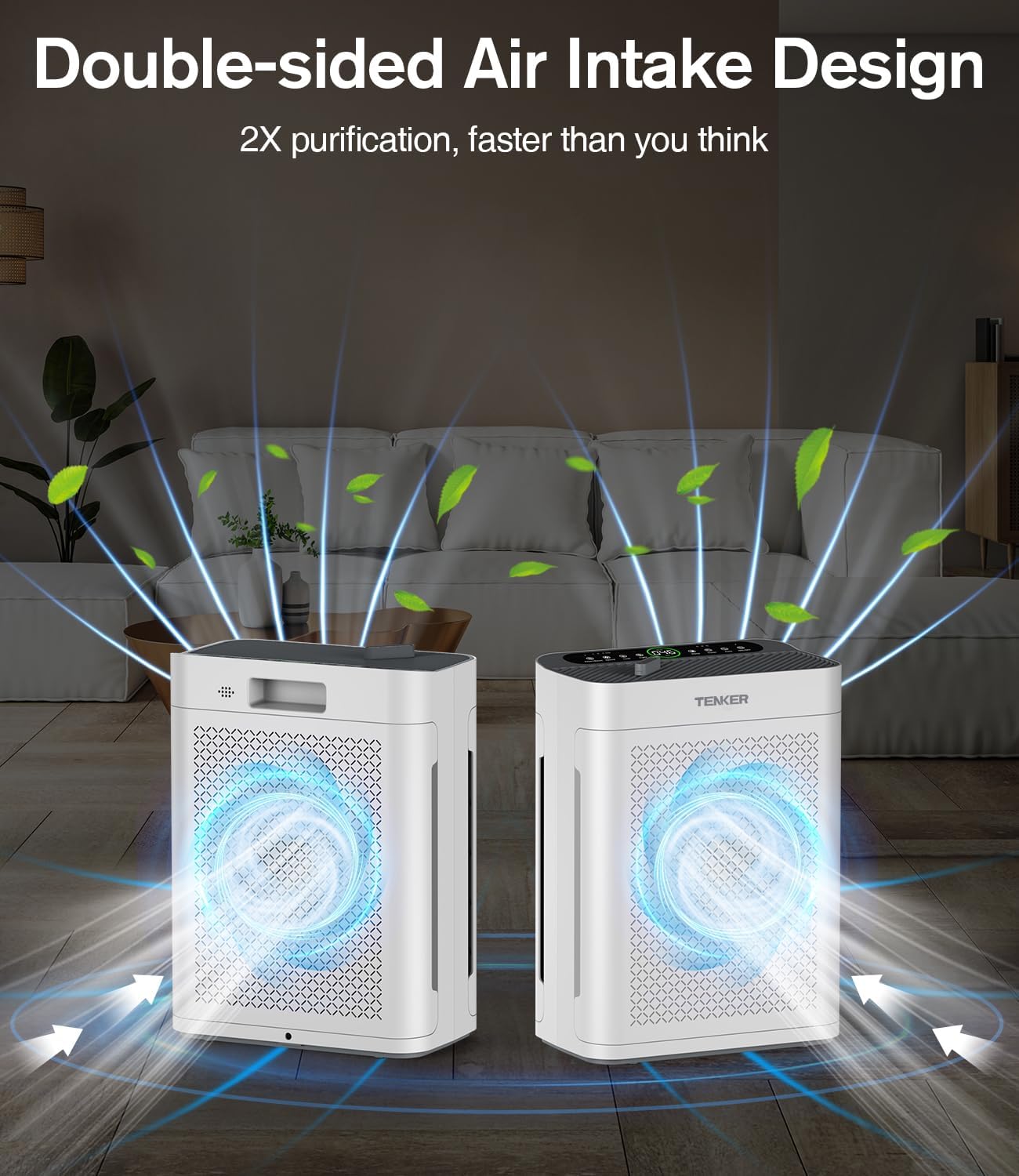
Understanding the technology inside air purifiers helps explain why some models outperform others. The best air purifiers with washable filters rely on a coordinated system of pre filter, HEPA filter, and carbon filter stages. Each filter stage targets different particle sizes and types, from coarse dust to fine smoke.
The pre filter or washable pre filter captures hair, lint, and larger dust, protecting the more delicate HEPA filter. A true HEPA filter then traps tiny particles in the air, including pollen and fine dust that aggravate allergies. Finally, a carbon filter adsorbs certain gases and odours, improving perceived air quality in kitchens or urban flats.
Performance is often summarised through CADR CFM values for smoke, dust, and pollen. A higher CADR CFM indicates the purifier with that rating can deliver more clean air at a given fan speed. When comparing air purifiers, it is wise to read the full list of CADR figures rather than a single headline number.
Noise level also depends on fan speed and overall design, especially in sleep mode or low mode. Many buyers on Amazon focus heavily on noise, because an air purifier in a bedroom must remain unobtrusive. Models that balance noise level, power draw, and performance in auto mode tend to receive stronger long term ratings.
Some brands now add a quality sensor and app support to track real time air quality. These sensors allow auto mode to adjust fan speed when dust or smoke suddenly increase. For readers interested in a detailed analysis of a high performance unit, this in depth review of a powerful Blueair purifier offers a useful benchmark.
How to interpret performance, CADR, and real world air quality gains
Numbers like CADR, power consumption, and noise level can feel abstract at first. Yet they are central to choosing the best air purifiers with washable filters for a specific room. Clean air delivery and stable air quality depend on matching these metrics to your living space.
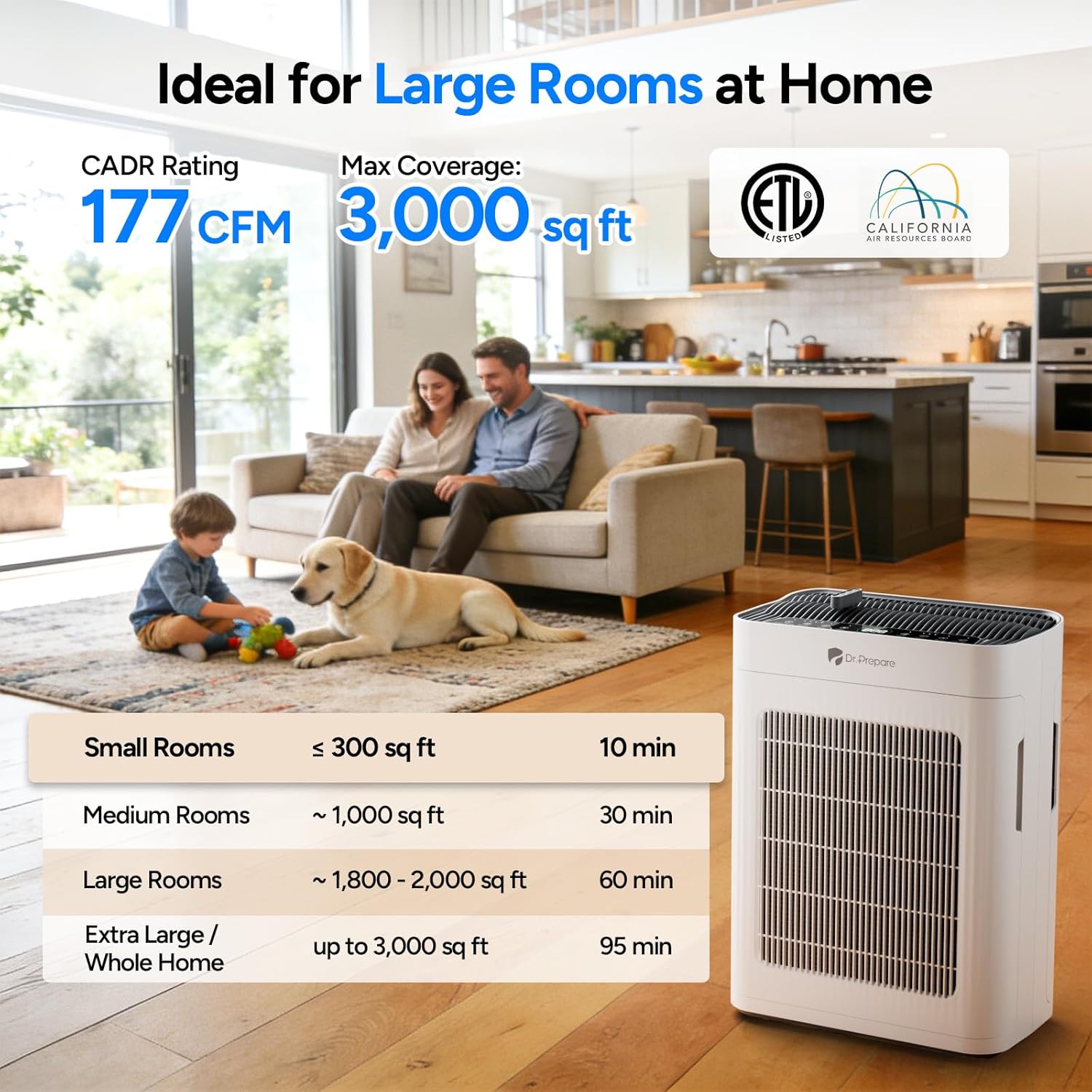
CADR CFM measures how much clean air a purifier can produce each minute. For example, a purifier with a CADR of 250 CFM can refresh the air in a medium sized room several times per hour. When multiple purifiers tested under similar conditions show similar CADR values, buyers can compare performance more confidently.
Energy use also matters, because an air purifier often runs for many hours. Some efficient models operate around 40 watts in standard mode, while others draw more power at higher fan speed. Over months of continuous use, the difference in power consumption can influence both running costs and environmental impact.
Noise level is another practical factor, especially in sleep mode or nursery settings. A purifier with a gentle airflow profile can maintain clean air while keeping noise low enough for rest. Reviews on Amazon frequently highlight whether auto mode and sleep mode truly remain quiet at night.
Real world air quality improvements are often seen in reduced dust on surfaces and fewer allergy symptoms. In one urban case study, installing air purifiers with washable filters cut indoor PM2.5 from 35 to 10 micrograms per cubic metre. For households dealing with dust, smoke, and pets, this review of a quiet workhorse purifier illustrates how performance metrics translate into daily comfort.
Washable filters, maintenance routines, and long term costs
Washable filters change the economics and sustainability profile of air purifiers in meaningful ways. Instead of buying a new HEPA filter or pre filter every few months, owners can rinse or vacuum washable filters. This reduces waste, lowers long term costs, and makes the best air purifiers with washable filters attractive to budget conscious families.
Most manufacturers recommend cleaning a washable pre filter about every three months. In dusty homes or spaces with pets, more frequent cleaning keeps airflow strong and supports better CADR performance. If a purifier with washable components seems to lose power, a clogged pre filter is often the first suspect.
However, not every filter in an air purifier is always washable. Many systems pair a washable pre filter with a non washable true HEPA filter and carbon filter, which still require periodic replacement. Reading the full filter list on Amazon or in manuals helps clarify which parts are washable filters and which are consumables.
Maintenance also affects noise level, because blocked filters force the fan to run at higher speed. When auto mode senses poor air quality, it may increase fan speed to compensate for restricted airflow. Regular cleaning keeps auto mode efficient, reduces unnecessary noise, and preserves clean air output.
From a sustainability perspective, washable filters and recyclable housings reduce environmental impact. Some brands participate in recycling programmes or take back schemes for used HEPA filter cartridges. For readers comparing humidification and purification strategies together, this analysis of a smart humidifier shows how moisture control can complement clean air efforts.
Smart features, sensors, and user experience in modern air purifiers
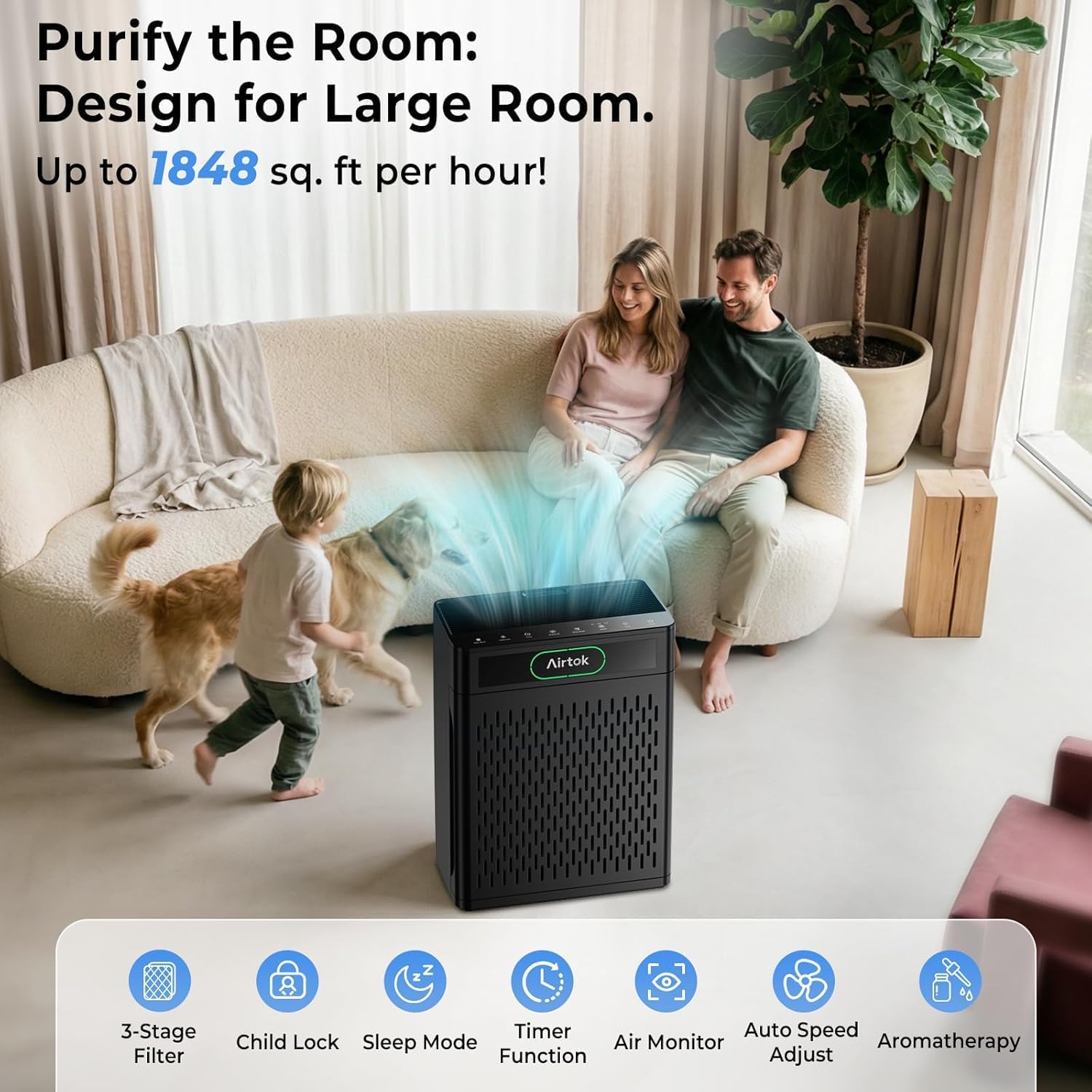
Beyond filters and CADR, user experience now shapes how people judge air purifiers. The best air purifiers with washable filters often include a quality sensor, app support, and refined control over fan speed. These features help owners understand invisible changes in air quality and adjust settings accordingly.
A built in quality sensor continuously samples air and estimates pollution levels. When linked to auto mode, the purifier with that sensor can raise or lower speed as dust or smoke fluctuate. This automation keeps clean air flowing without constant manual adjustments, which is especially helpful in busy households.
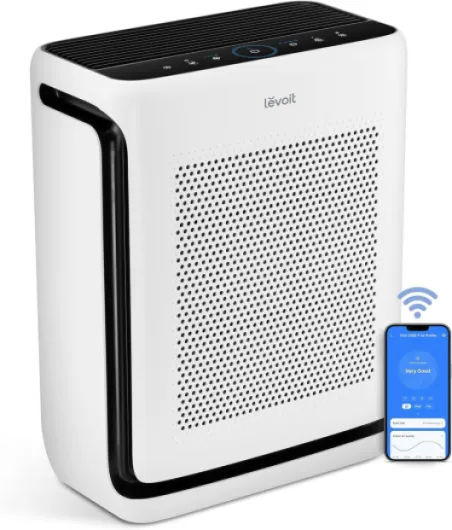
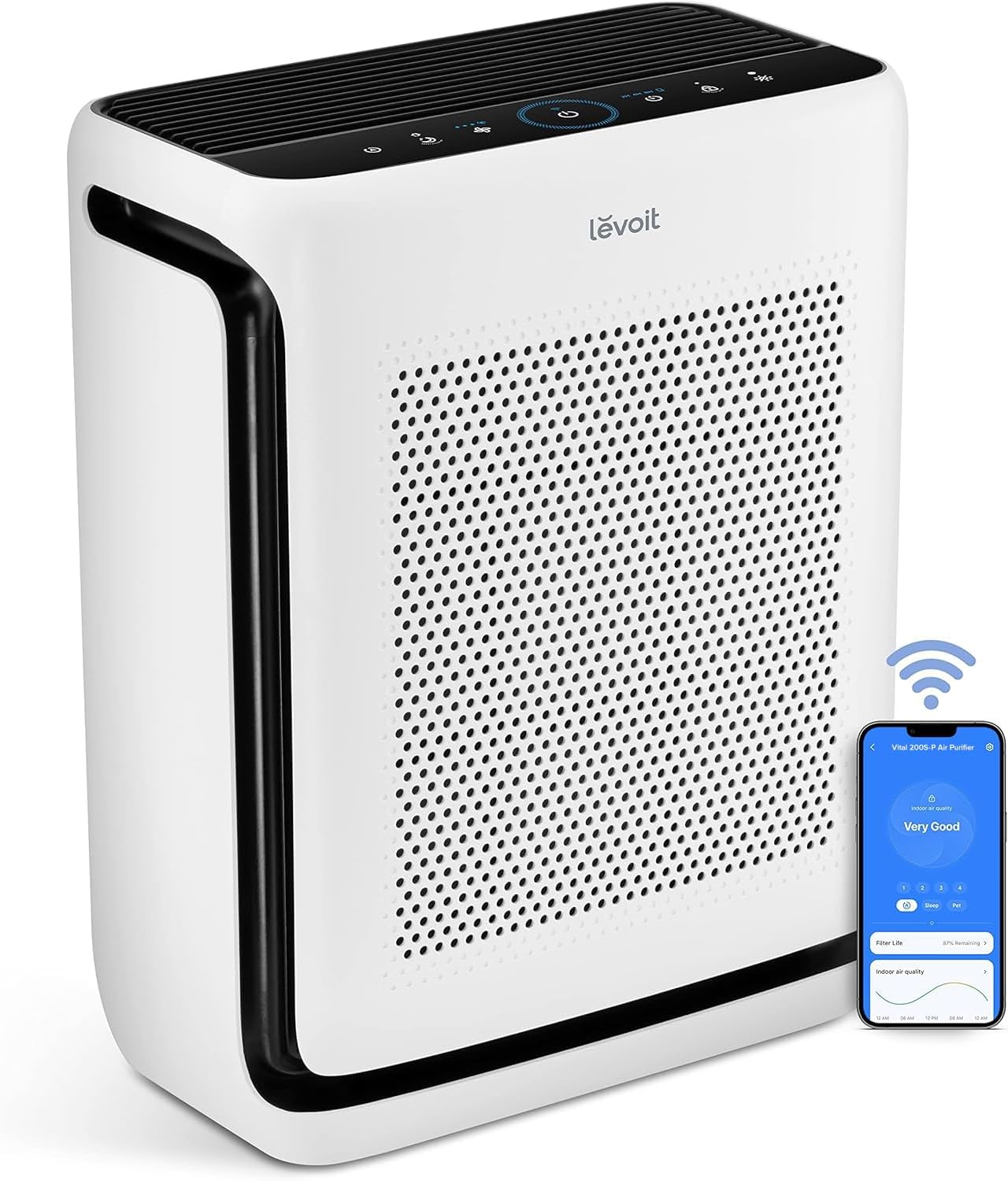
App support extends control beyond the physical buttons on the purifier. Many air purifiers now connect through Wi Fi, allowing users to check air quality, noise level, and filter status from a phone. Some apps even show historical air quality graphs, making it easier to link spikes in pollution to specific activities.
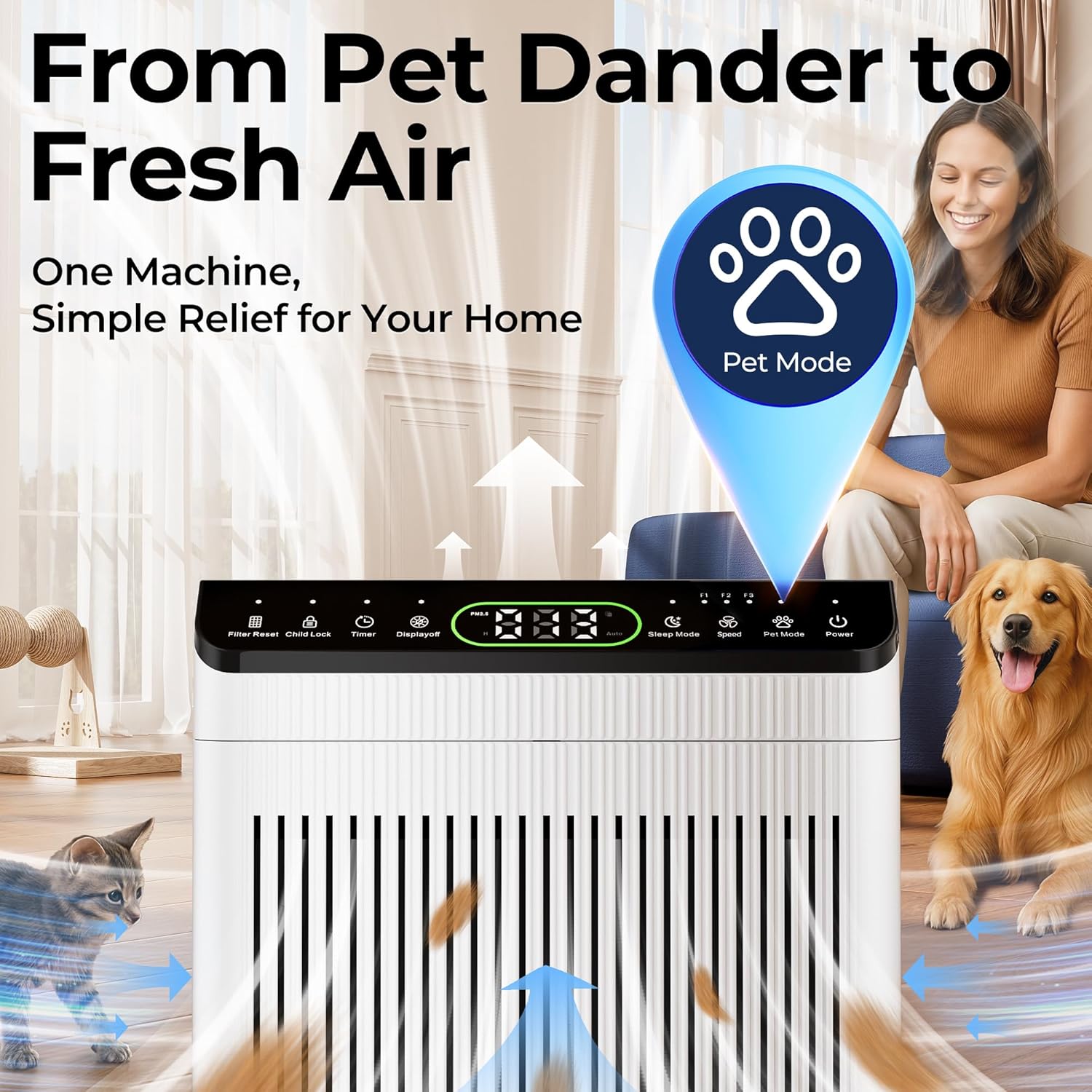
Sleep mode is another important feature for bedrooms and nurseries. In sleep mode, the purifier typically dims lights, reduces fan speed, and aims for the lowest possible noise. Buyers should still check reviews and specifications, because not every sleep mode is equally quiet in real homes.
For families with sensitive sleepers, comparing noise level figures at different fan speed settings is wise. Reading how purifiers tested in independent labs perform in both auto mode and manual mode can reveal hidden trade offs. Ultimately, a well designed interface, clear filter indicators, and stable app support make living with an air purifier far more intuitive.
Choosing the right air purifier for your room and health needs
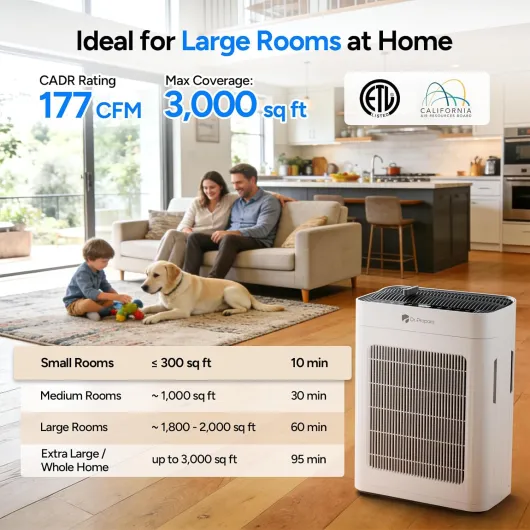
Selecting among the best air purifiers with washable filters starts with room size. A small purifier with modest CADR CFM may work well in a 15 square metre bedroom but struggle in a large open plan living area. Matching CADR, power, and typical air quality challenges prevents disappointment and ensures consistently clean air.
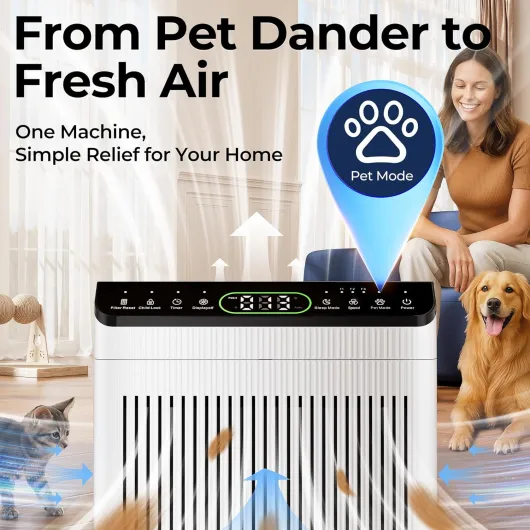
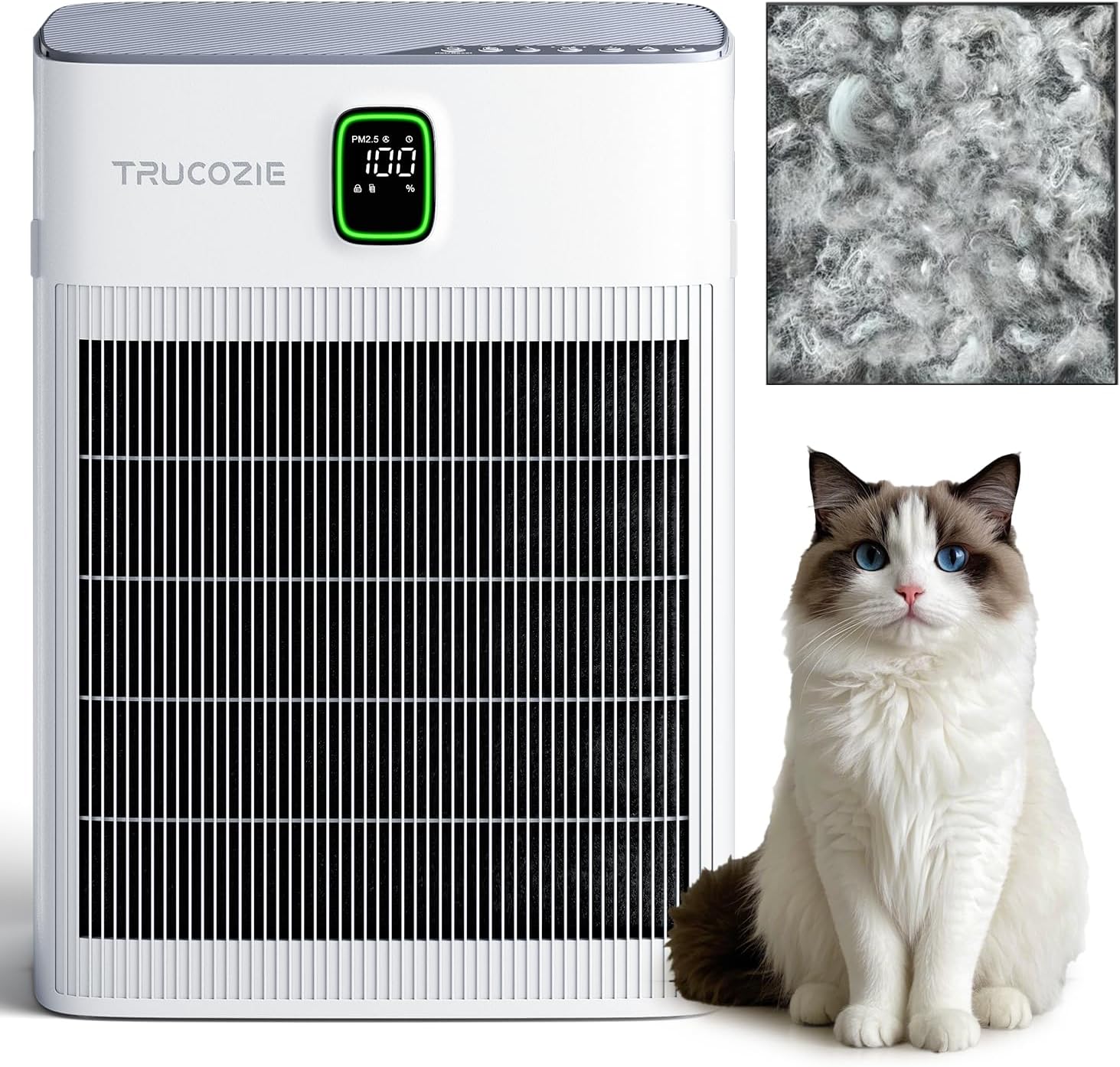
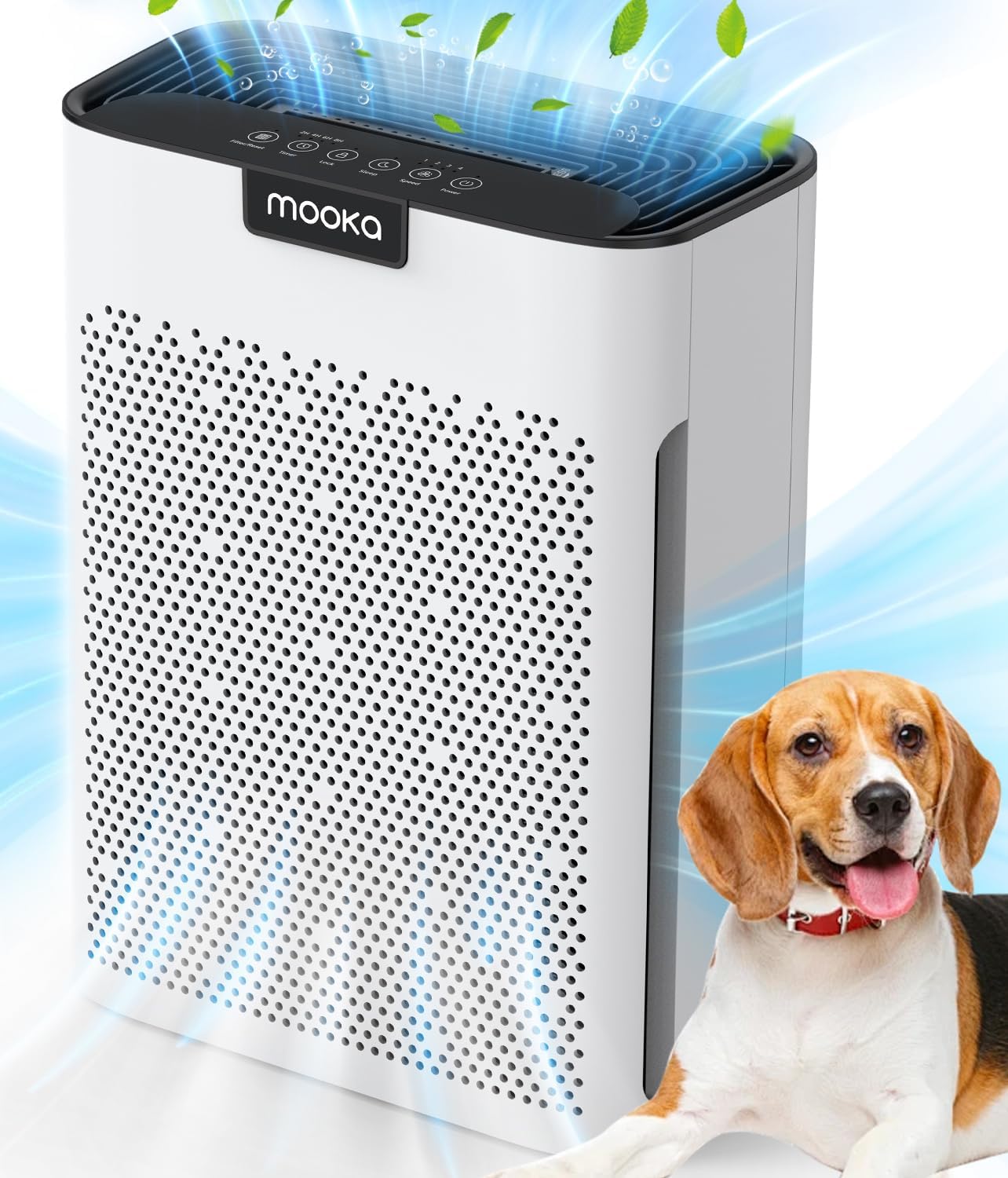
Allergy sufferers should prioritise a true HEPA filter and strong dust CADR ratings. In homes with pets, a robust pre filter or washable pre filter helps capture hair before it clogs the HEPA filter. Those dealing with cooking odours or traffic fumes benefit from a generous carbon filter stage alongside the main HEPA filter.
Noise level tolerance also varies between households, especially for light sleepers. If the purifier will run mainly in sleep mode, look for models whose purifiers tested well for quiet operation at low fan speed. Reading detailed Amazon reviews can reveal whether auto mode tends to ramp up noisily at night.
Budget planning should consider both purchase price and ongoing filter costs. While washable filters reduce replacement spending, some systems still require periodic HEPA filter or carbon filter changes to maintain performance. Checking the full filter list and recommended intervals avoids surprises and clarifies the real cost of clean air.
Finally, think about how you prefer to interact with technology in daily life. If you value automation and data, a purifier with a quality sensor, auto mode, and app support will feel natural. If you prefer simplicity, a reliable manual mode with clear stage indicators and straightforward washable filters may be the better fit.
Key statistics on air purifiers with washable filters
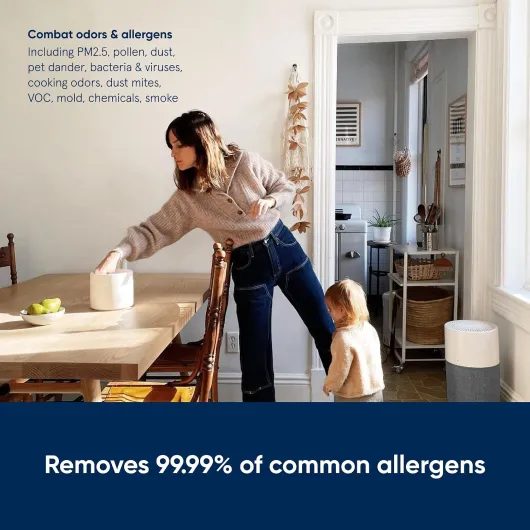
- Particle removal efficiency for some washable filter systems reaches 99.9 percent under standard test conditions.
- Certain air purifiers with washable filters can cover rooms up to approximately 130 square metres.
- Energy efficient purifiers tested for this category often operate from about 40 watts upward, depending on fan speed.
- In one documented case, indoor PM2.5 levels dropped from 35 to 10 micrograms per cubic metre after installing air purifiers with washable filters.
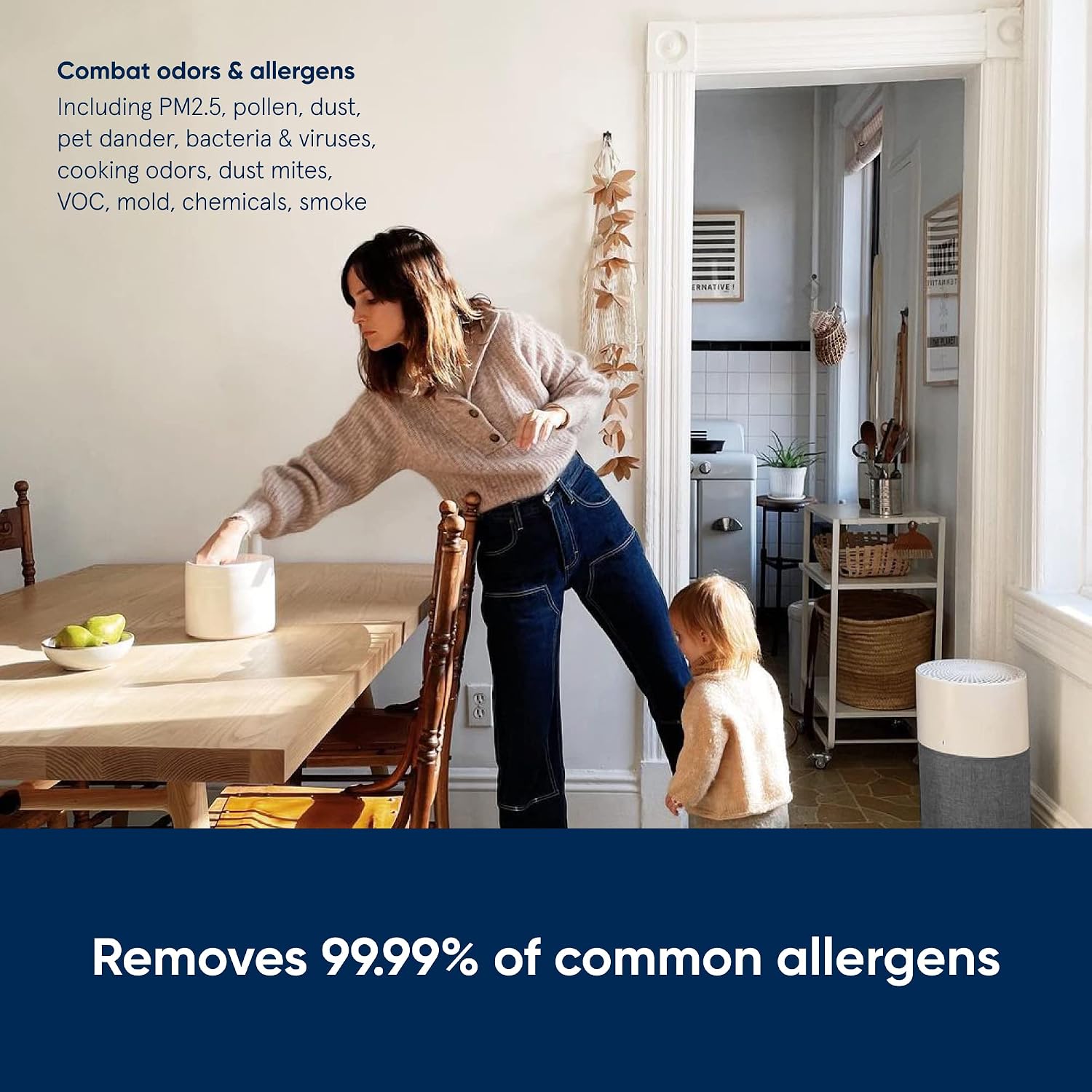
- Consumer surveys report that around 70 percent of users notice improved air quality and about 60 percent experience fewer allergy symptoms after regular purifier use.
Common questions about the best air purifiers with washable filters
How often should I clean a washable filter in an air purifier ?
Most manufacturers recommend cleaning a washable filter about every three months. In homes with heavy dust, pets, or nearby traffic, more frequent cleaning may be necessary. Always follow the specific guidance for your air purifier model to protect performance.
Are washable filters as effective as replaceable HEPA filters in air purifiers ?
Washable filters can be highly effective when maintained correctly and used as part of a multi stage system. Many designs pair a washable pre filter with a true HEPA filter to capture very fine particles. If you follow cleaning schedules and replacement intervals, overall air quality can match systems using only replaceable filters.
What CADR rating should I look for in the best air purifiers with washable filters ?
The ideal CADR rating depends on your room size and pollution level. For a typical bedroom, a CADR around 150 to 250 CFM often provides sufficient clean air exchanges. Larger living rooms or open spaces may require higher CADR values or multiple air purifiers.
Do smart features like auto mode and app support really improve air quality ?
Smart features do not change the underlying filter performance but they improve consistency. Auto mode, guided by a quality sensor, can react quickly to sudden increases in dust or smoke. App support helps you monitor air quality trends and adjust fan speed or mode without guesswork.
Can air purifiers with washable filters help reduce allergy and asthma symptoms ?
Many allergy sufferers report fewer symptoms when using air purifiers consistently. By removing dust, pollen, and other airborne particles, a purifier with a strong HEPA filter and pre filter can reduce triggers. Individual results vary, so air purification should complement, not replace, medical advice and treatment.