Key performance metrics for bedroom air purifiers
Choosing the best air purifiers for bedrooms starts with understanding performance metrics. CADR, cfm, fan speeds, and noise level all interact to define how a purifier behaves in a real room. When you compare purifiers tested under similar conditions, these numbers become much more meaningful.
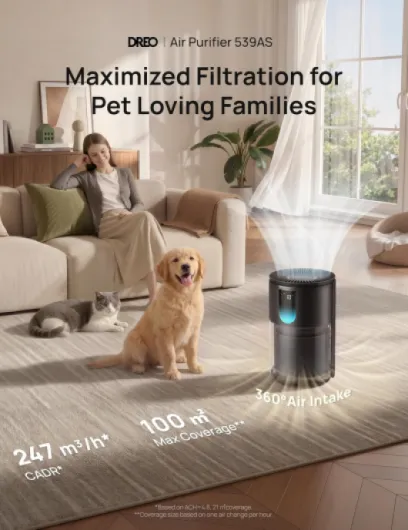
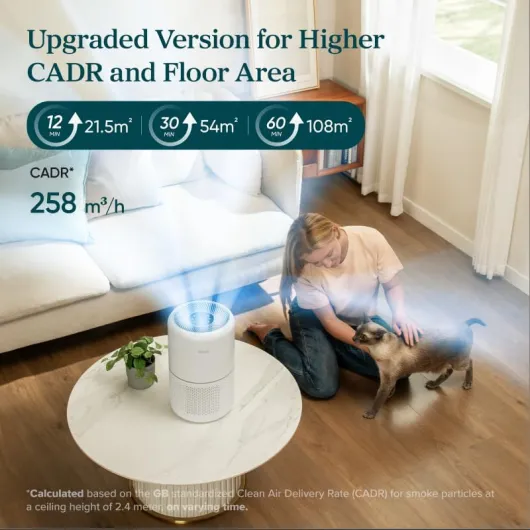
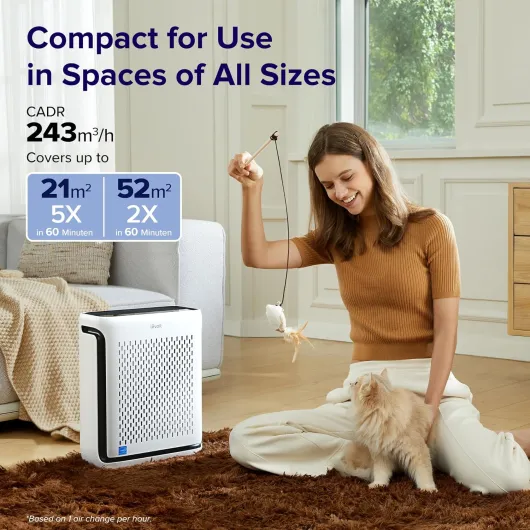
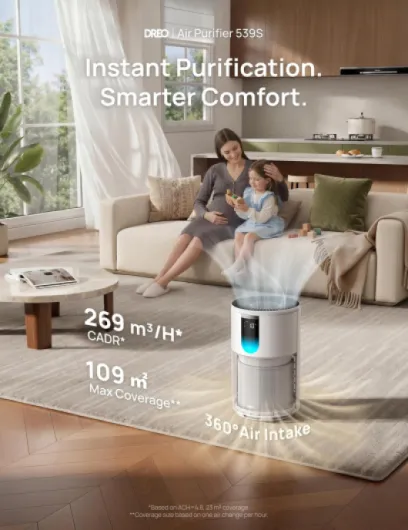
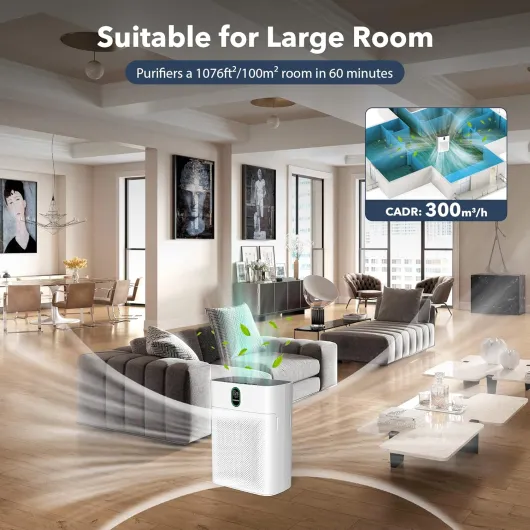
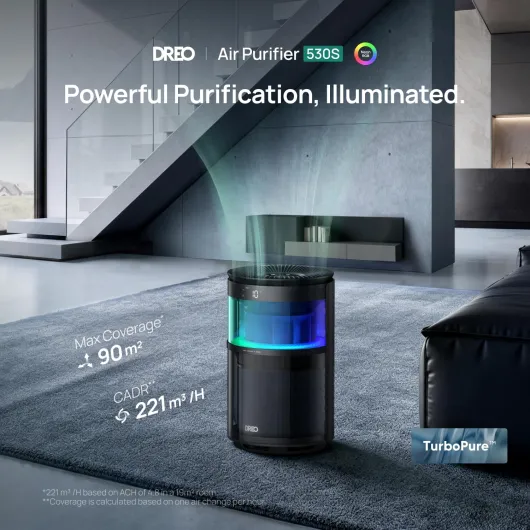
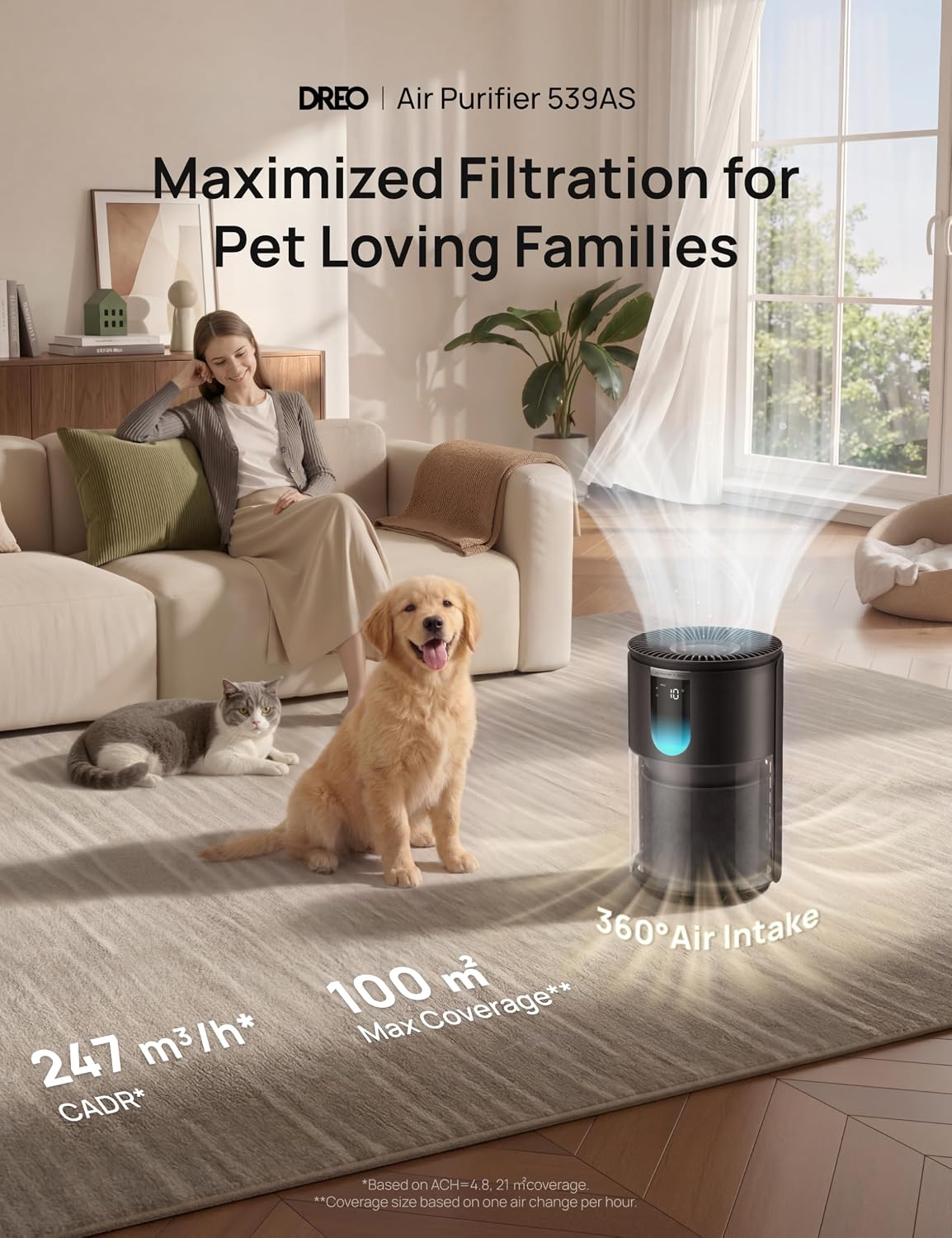
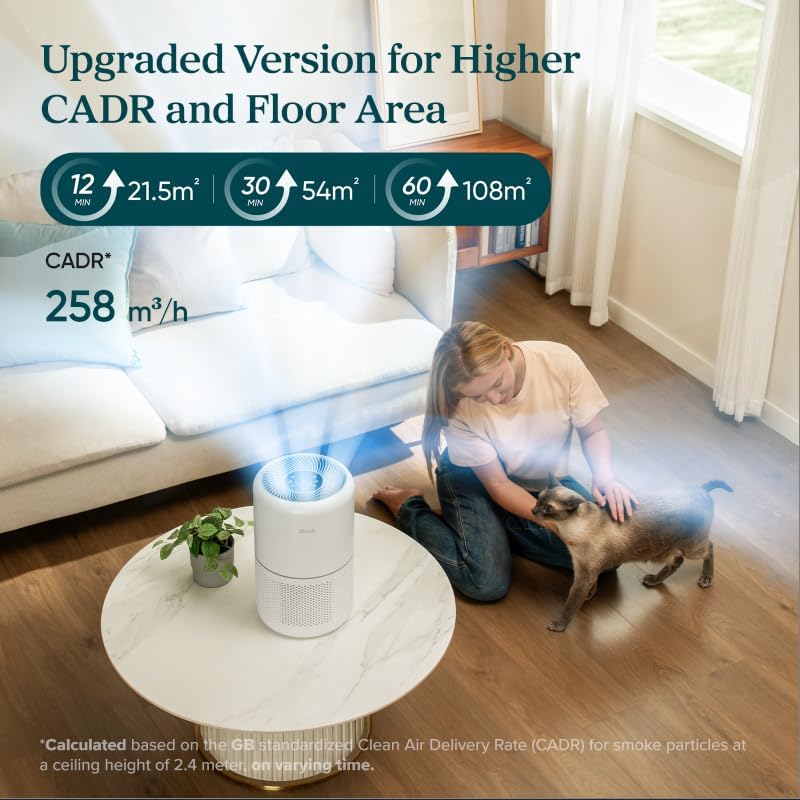
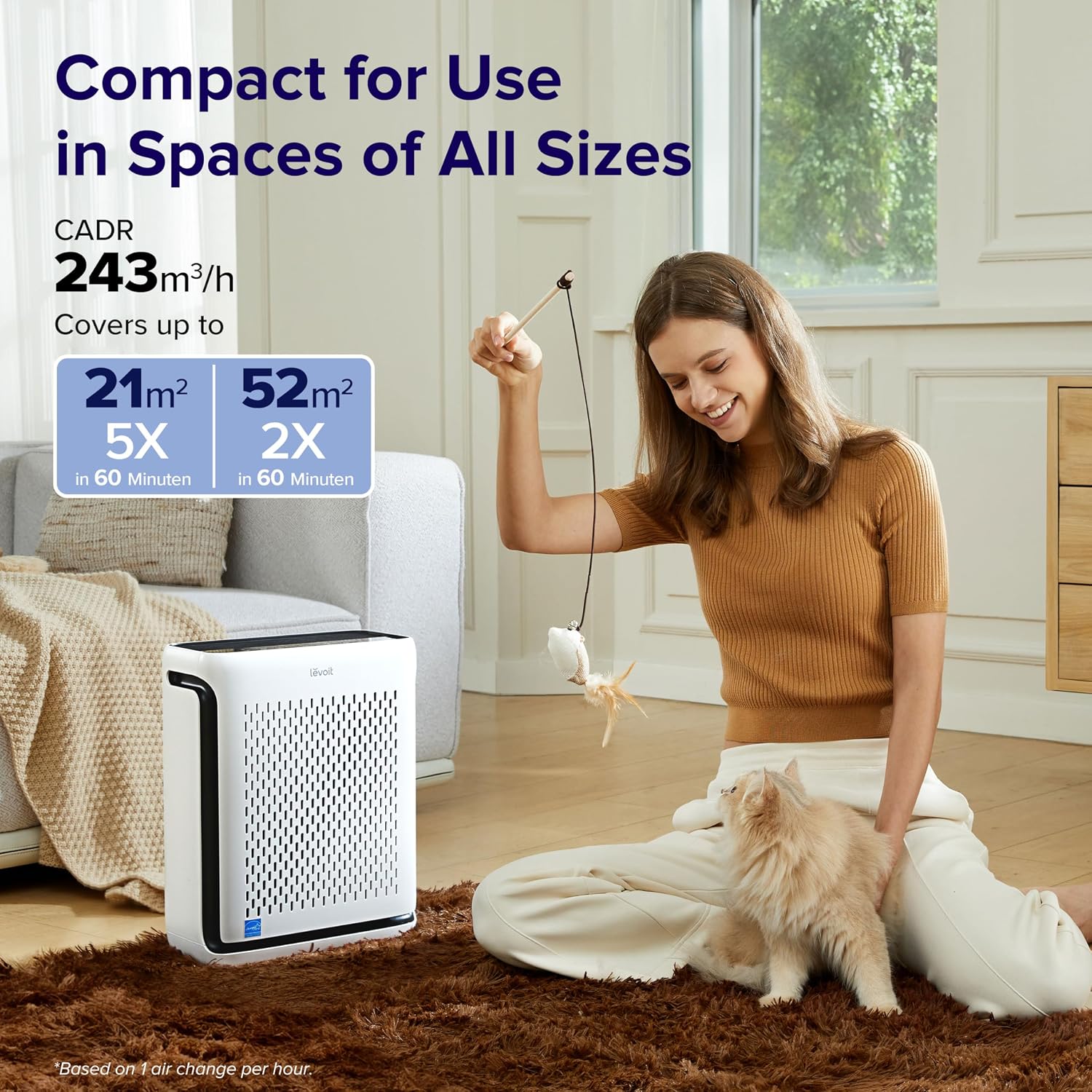
CADR indicates how quickly a purifier can produce clean air at a given fan speed. For bedrooms, aim for a cadr cfm rating that equals at least two thirds of your room’s volume in cubic metres per hour. This ensures the air purifier can refresh the air several times each hour without always running at maximum power.
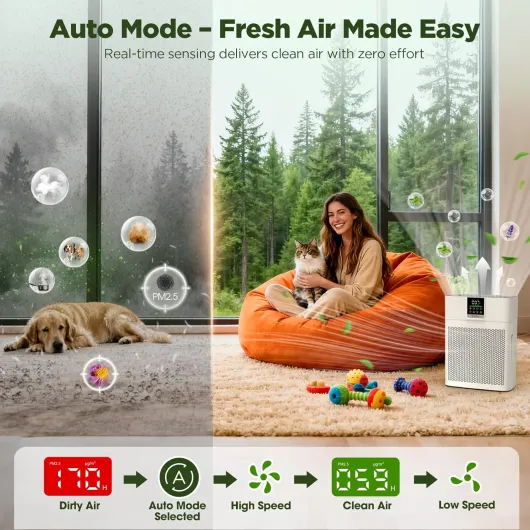
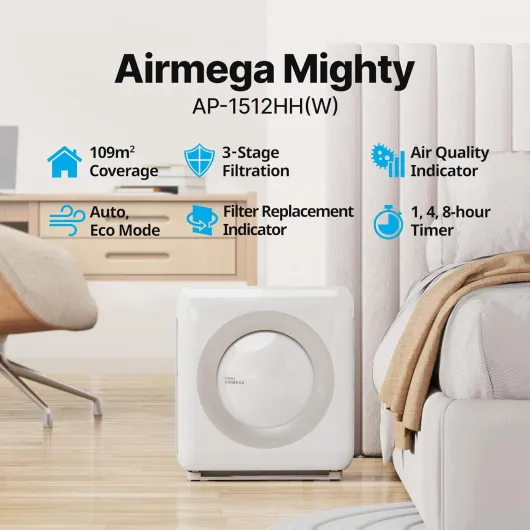
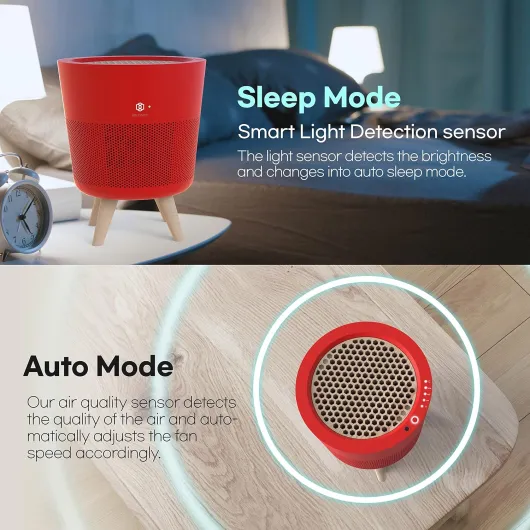
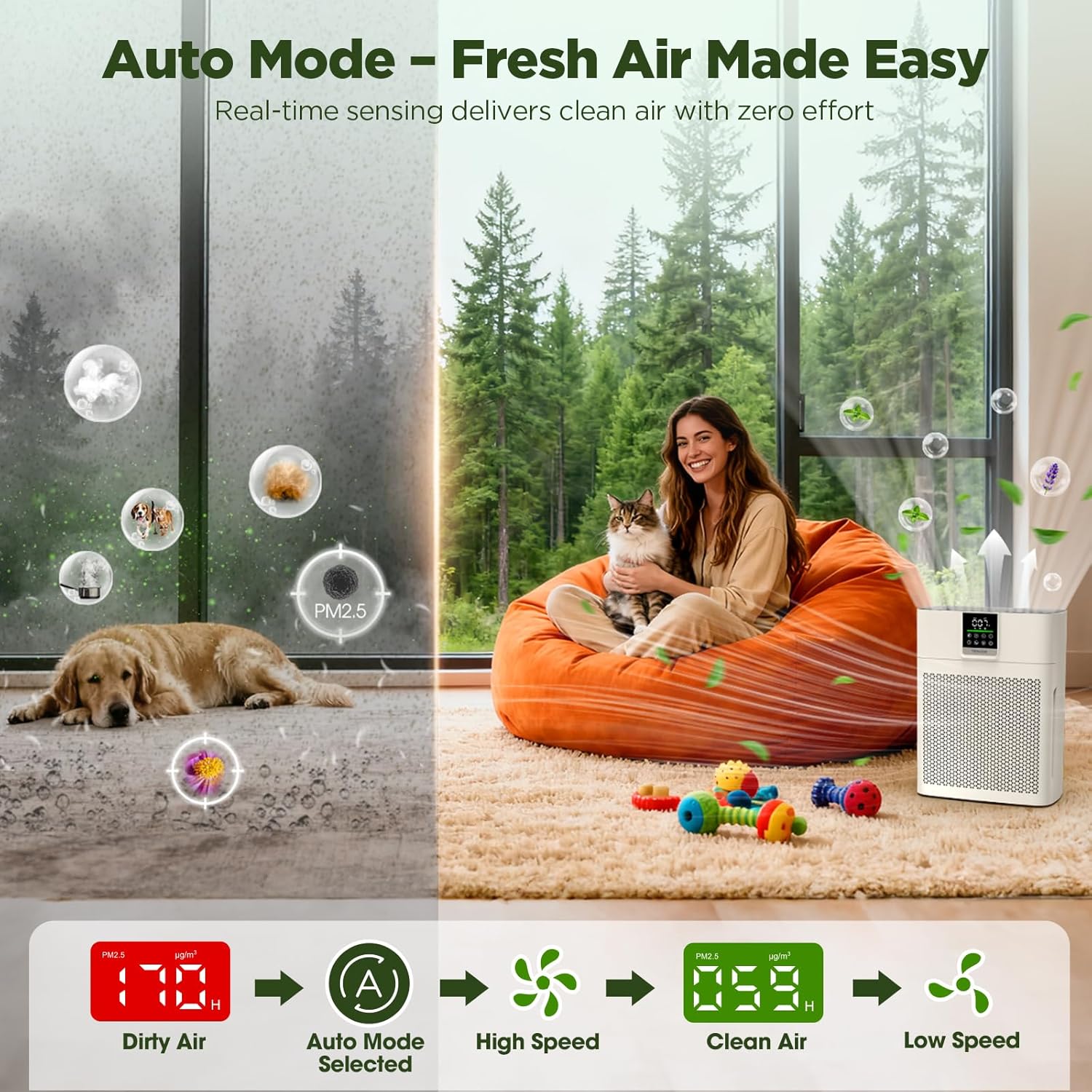
Fan speed settings and auto mode determine how the purifier adapts to changing air quality. A good quality sensor can raise fan speed when pollution spikes, then drop back to a quieter mode once clean air is restored. This balance between performance and comfort is essential in a bedroom where constant high speed noise would be unacceptable.
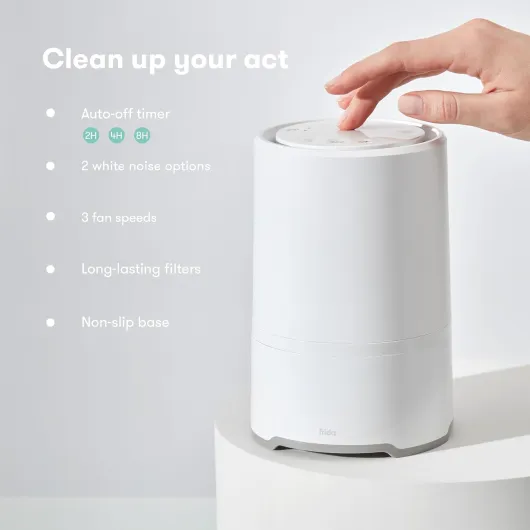
Noise is usually expressed in dBA, and small differences can feel surprisingly large at night. Many bedroom focused products now include a dedicated sleep mode that dims lights and reduces fan speed. When evaluating any purifier, check how the noise level changes between sleep mode, medium mode, and top speed.
Power consumption also deserves attention, because bedroom purifiers often run for many hours. A smart air purifier with efficient motors can maintain powerful air cleaning while using modest power. Over time, lower electricity use and longer lasting filters can offset a higher initial price.
Filters, technologies, and what really cleans bedroom air
Behind every effective bedroom purifier is a carefully designed filter system. The best air purifiers for bedrooms usually combine a pre filter, a true HEPA filter, and an activated carbon layer. Each filter type targets different pollutants that accumulate in a typical room.
The pre filter captures hair, lint, and larger dust before they reach the main filters. This simple layer protects the true HEPA media and helps maintain airflow and cadr cfm over time. Many products use washable pre filters, which can reduce replacement costs and keep performance stable.
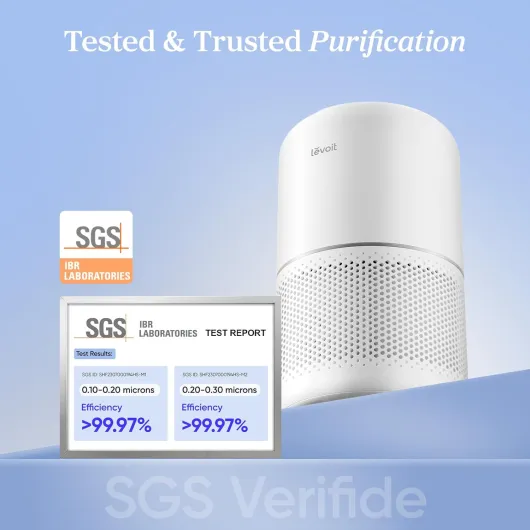
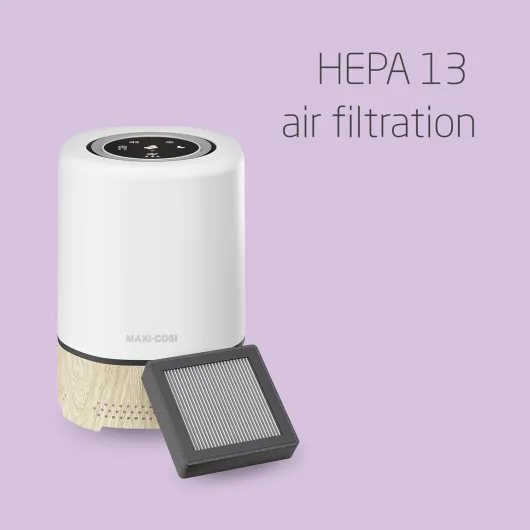
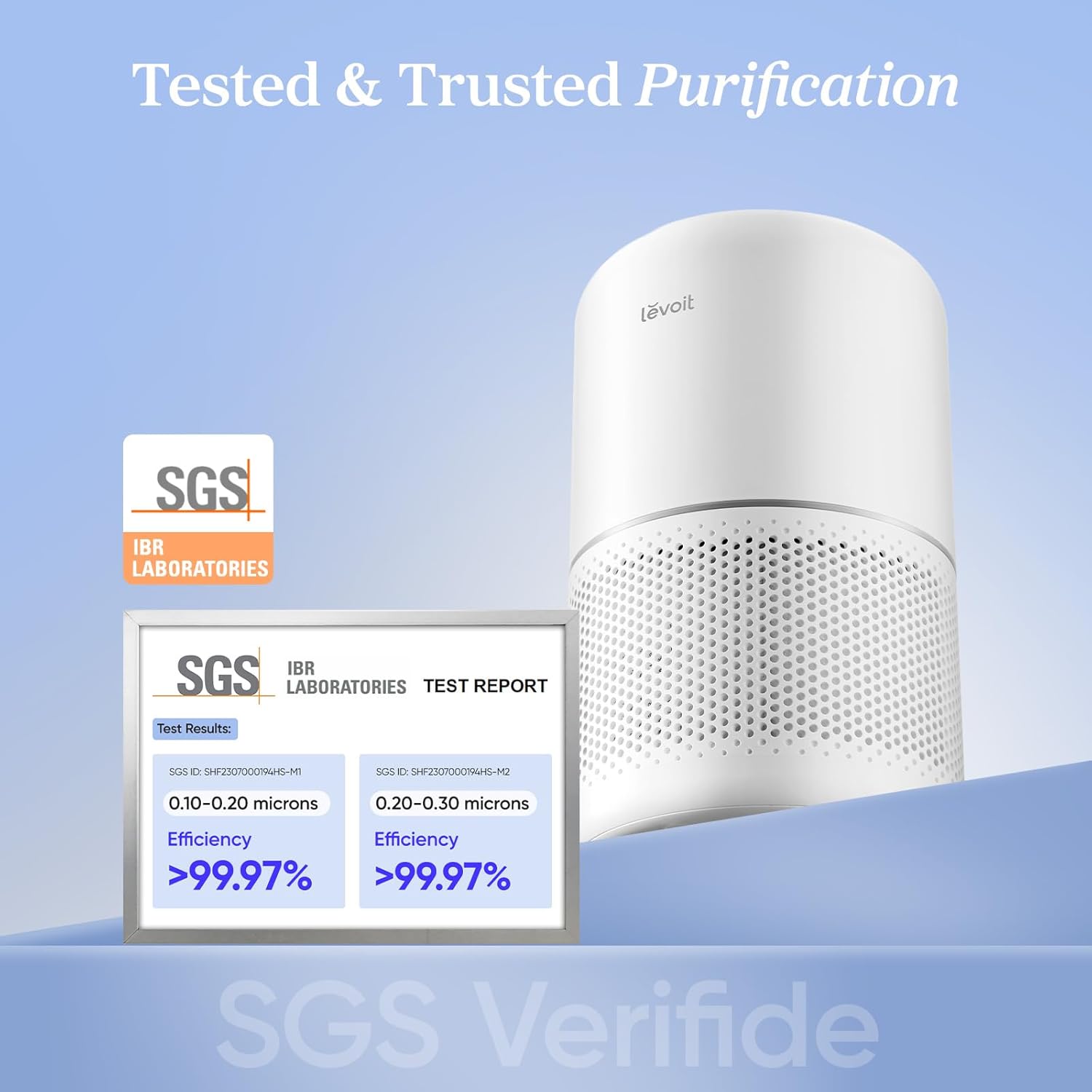
True HEPA filters are central to any serious air purifier because they capture fine particles. These filters trap allergens, smoke particles, and tiny fragments that otherwise remain suspended in the air. In bedrooms where asthma or allergies are a concern, a purifier with a robust true HEPA filter is especially valuable.
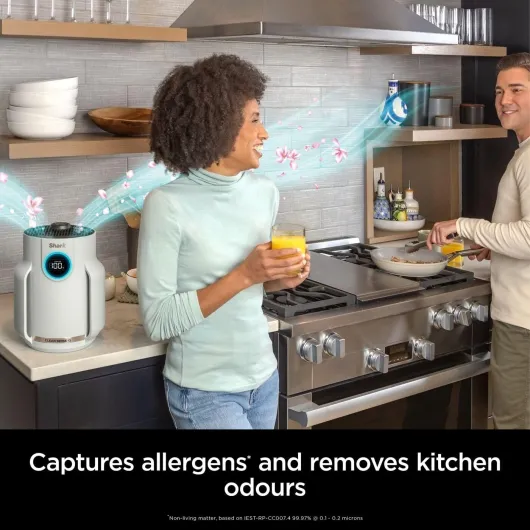
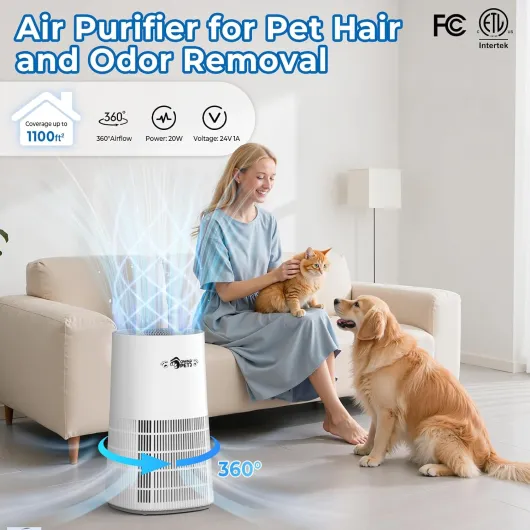
Activated carbon filters focus on odours and certain gases that HEPA cannot capture. In a closed room, this carbon layer can reduce smells from cooking, pets, or traffic. When combined with strong airflow in cfm, the result is not only clean air but also fresher smelling air.
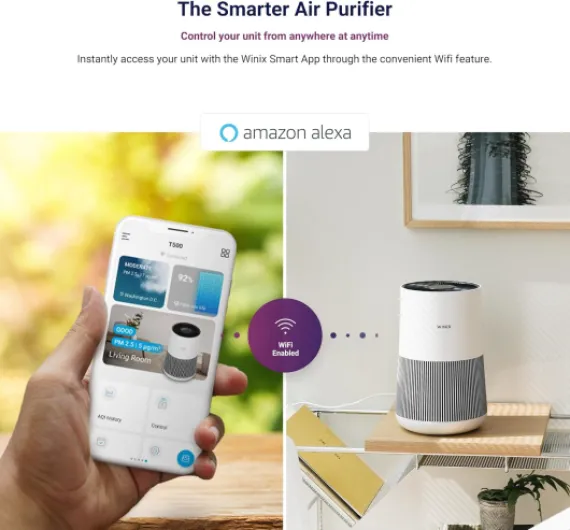
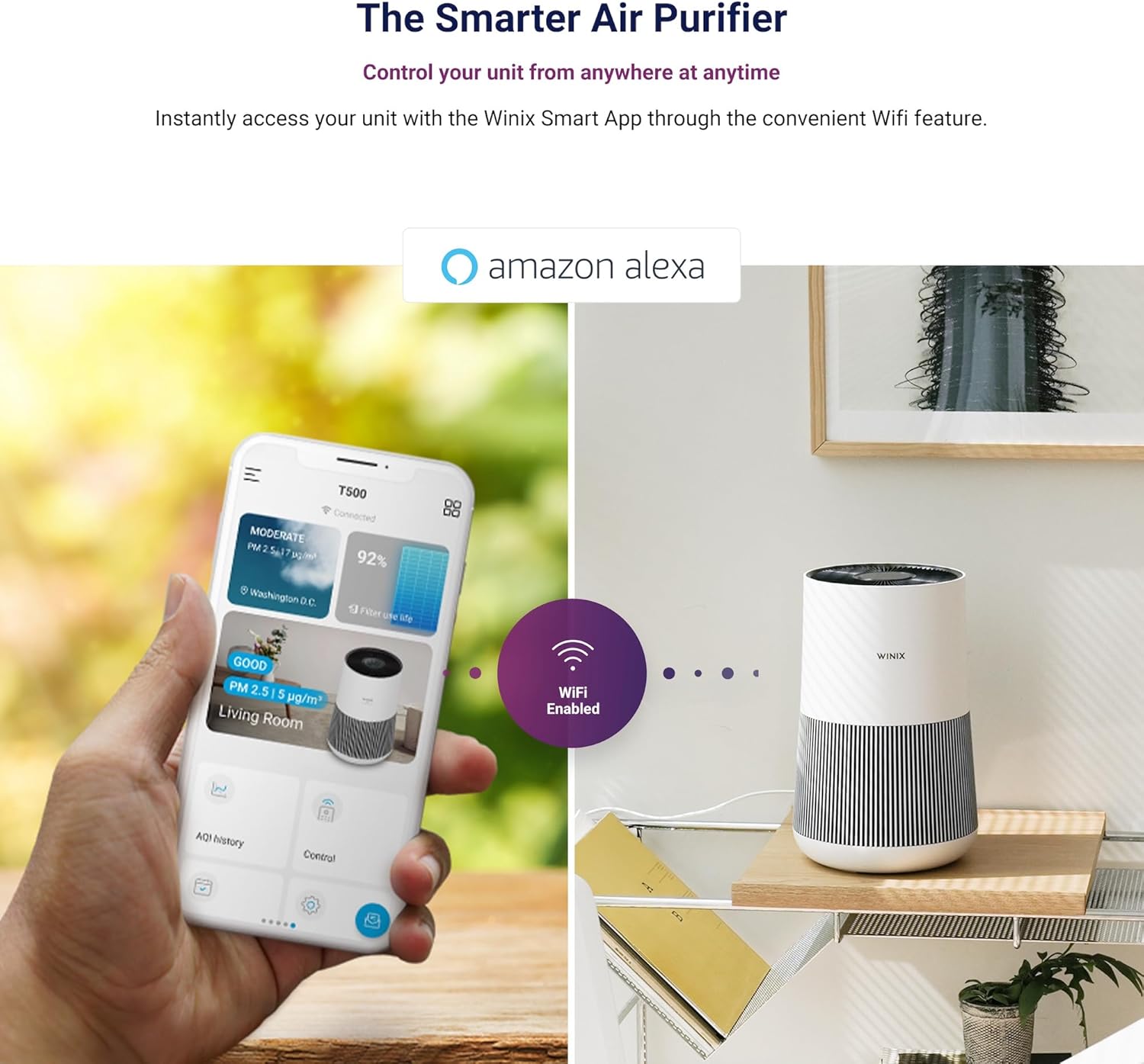
Some smart purifiers add sensors and app control to refine how filters are used. A quality sensor can track air quality and adjust fan speed or auto mode to preserve filters while maintaining clean air. When comparing products on amazon or in shops, look for clear information about filter lifespan, filter price, and how easily filters can be replaced.
Noise, comfort, and sleep friendly purifier design
Even the most powerful air purifier fails in a bedroom if it is too loud. The best air purifiers for bedrooms therefore prioritise low noise level at practical fan speeds. A well engineered purifier can move enough air while keeping dBA ratings gentle and unobtrusive.
Manufacturers often quote the quietest dBA figure, usually in sleep mode. For real world use, also consider the noise at medium fan speed, where cadr cfm remains strong. A purifier that stays comfortable at this middle setting will better maintain clean air throughout the night.
Design details also influence how noise feels in a small room. Smooth airflow paths, balanced fan blades, and insulated housings reduce harsh tones and vibration. When purifiers tested in independent labs show both strong CADR and low noise, they tend to suit bedrooms particularly well.
Smart features can further improve comfort by automating fan speeds. Auto mode uses the quality sensor to raise speed briefly when air quality drops, then return to a quieter setting. This behaviour keeps powerful air cleaning available without forcing you to sleep through constant top speed noise.
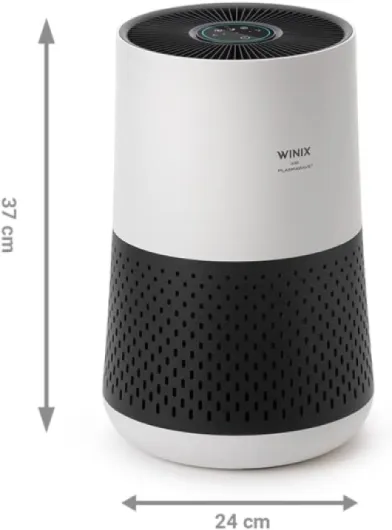
Physical dimensions and inches weight matter if you move the purifier between rooms. A compact air purifier with moderate weight is easier to reposition for optimal airflow in a bedroom. Before buying on amazon or elsewhere, check whether the purifier’s size, power consumption, and cable length fit your room layout and bedside habits.
Comparing popular bedroom purifiers and real world value
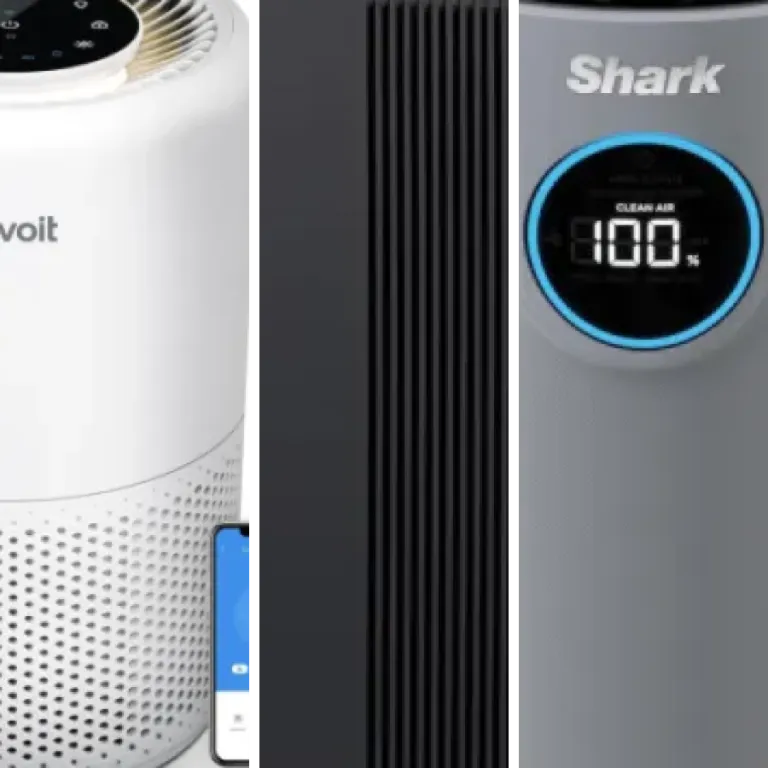
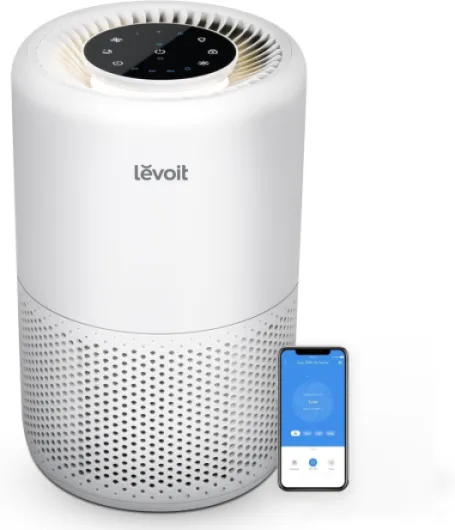
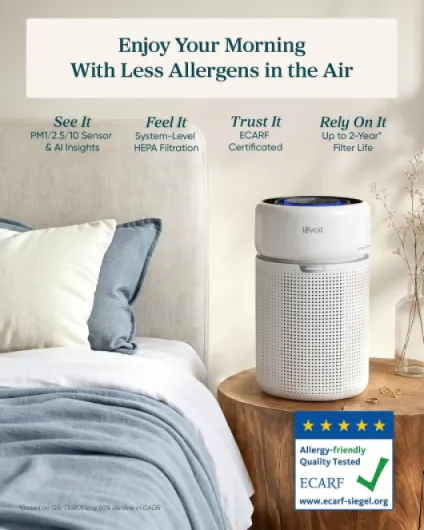
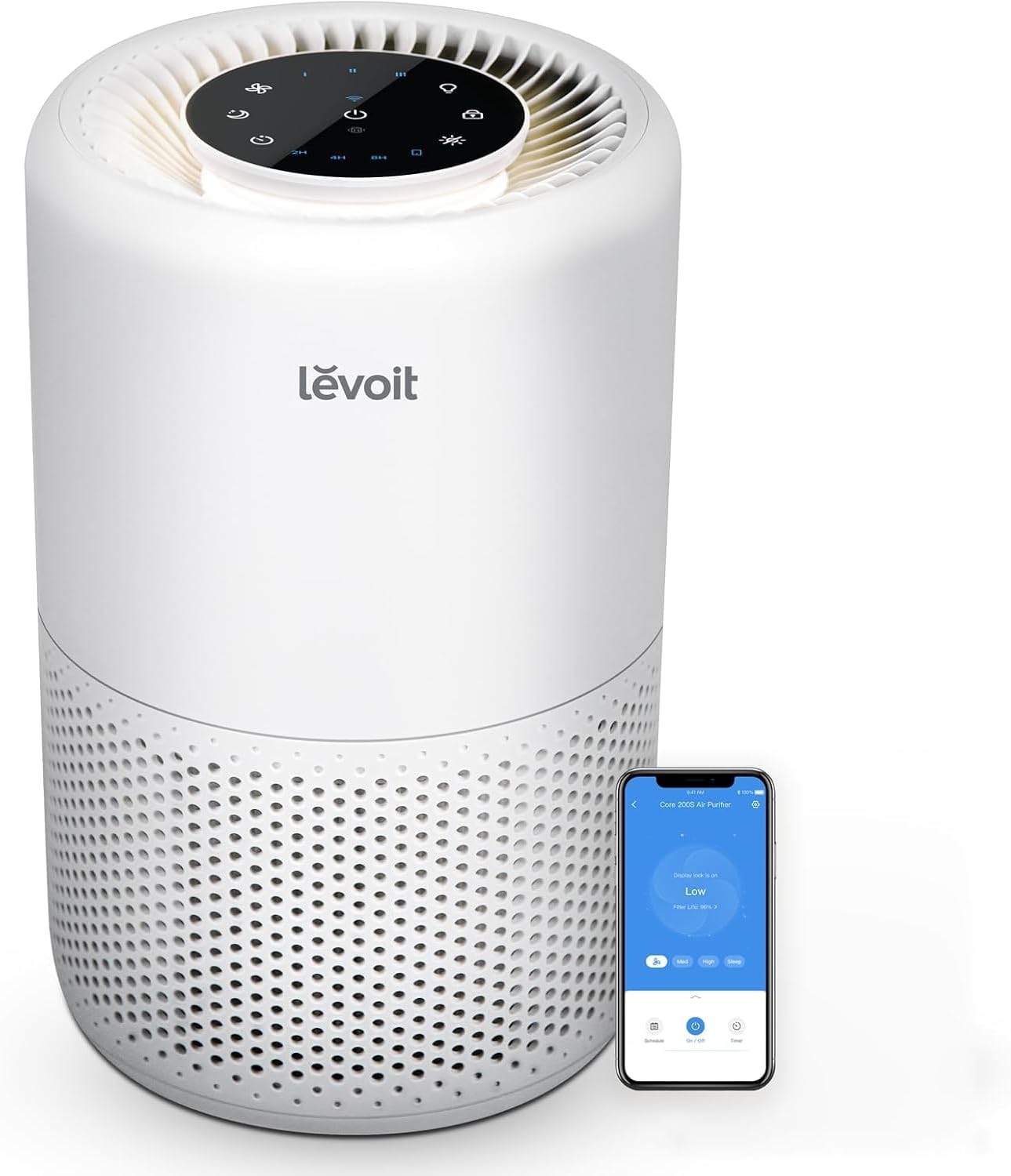
When comparing the best air purifiers for bedrooms, it helps to look at specific models. The levoit core series, for example, is widely known for combining strong CADR with low noise. Many buyers appreciate how its sleep mode dims lights and reduces fan speed while still maintaining clean air.
Another interesting option is the airfanta pro, which emphasises powerful air cleaning in compact bedrooms. Its cadr cfm rating and multiple fan speeds allow flexible use in different room sizes. If inches weight and portability matter, this purifier can be moved easily between rooms or even between home and office.
Independent purifiers tested by reviewers often highlight how real CADR compares with marketing claims. A detailed video review can reveal how quickly a purifier improves air quality in a closed room. Look for tests that measure both particle reduction and noise level at various fan speeds.
Price should be evaluated over the purifier’s full life, not only at purchase. Replacement filters, power consumption, and expected filter lifespan all influence long term cost. A slightly higher initial price may be justified if filters last longer and the purifier uses less power while delivering clean air.
For deeper technical insight into performance, resources such as this set it and forget it purifier review can be instructive. Comparing such detailed analyses with user feedback on amazon helps you judge reliability and comfort. Over time, patterns in reviews reveal which products truly provide powerful air cleaning without intrusive noise.
Practical buying checklist for bedroom air purifiers
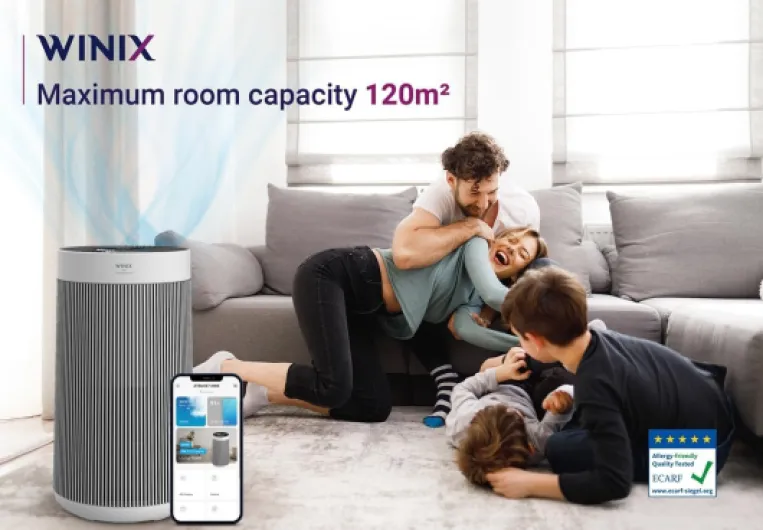
A structured checklist makes it easier to select the best air purifiers for bedrooms. Start by measuring your room and matching it to the purifier’s recommended coverage and cadr cfm. Ensure the air purifier can refresh the air several times per hour at a comfortable fan speed.
Next, examine noise level specifications across all fan speeds, not only sleep mode. For restful nights, aim for a purifier that stays below roughly 30 dBA on its quietest setting. Check whether auto mode and the quality sensor are tuned to avoid frequent, jarring jumps to top speed.
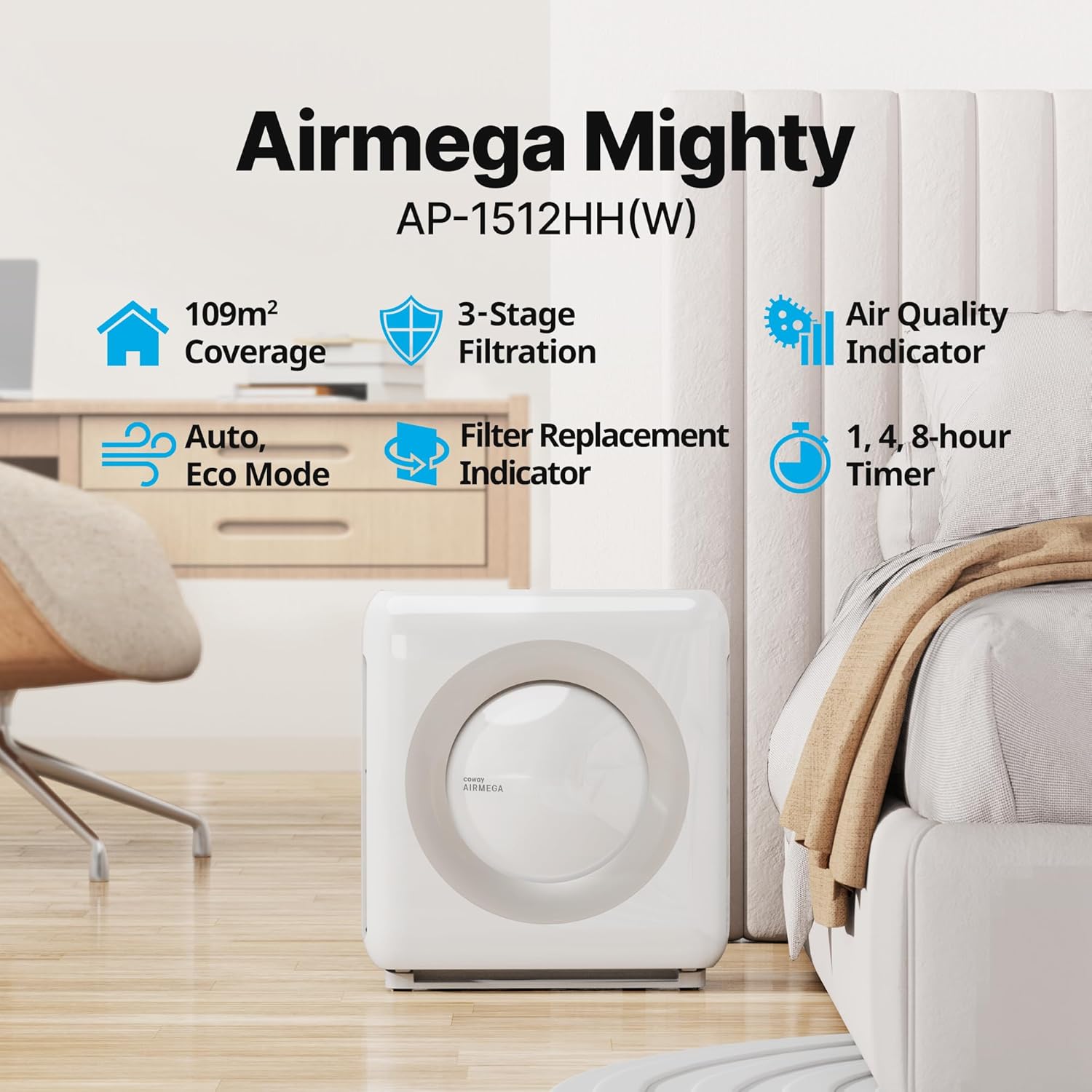
Evaluate the filter system in detail, including pre filter, true HEPA, and activated carbon layers. Confirm that replacement filters are readily available, clearly priced, and easy to install. Consider whether the purifier’s smart features, such as app control or scheduling, genuinely help you maintain clean air.
Look at power consumption figures, especially if the purifier will run many hours daily. Efficient products can deliver powerful air cleaning while keeping electricity costs reasonable. Over several years, lower running costs and durable filters can outweigh a higher upfront price.
Finally, consider practical aspects such as inches weight, handle design, and cable placement. A well balanced purifier is easier to position for optimal airflow in your bedroom. Whether you choose a levoit core, an airfanta pro, or another model, this checklist will help you align specifications, comfort, and long term value when improving bedroom air quality.
Common questions about bedroom air purifiers
How large a bedroom can a typical purifier handle effectively ?
Because no faq_people_also_ask dataset was supplied, this answer is based on general expertise. Most compact bedroom purifiers comfortably handle rooms of about 10 to 20 square metres. Larger rooms may require a higher cadr cfm rating or a second purifier.
Which filter type is most important for bedroom use ?
In bedrooms, a true HEPA filter is usually the priority because it removes fine particles that affect breathing and allergies. An activated carbon layer is also valuable for odours and some gases. A pre filter helps extend the life of these main filters and maintain airflow.
Is sleep mode necessary on a bedroom air purifier ?
Sleep mode is not strictly necessary, but it is very helpful. It usually reduces fan speed, dims lights, and lowers noise level to a gentle background hum. This makes it easier to run the purifier all night without disturbing rest.
How often should filters be replaced in bedroom purifiers ?
Replacement intervals vary by model, usage, and air quality, but many bedroom purifiers need new filters every 6 to 12 months. Pre filters may require more frequent cleaning or replacement. Always follow the manufacturer’s guidance and monitor any filter change indicators on smart models.
Can a bedroom air purifier reduce snoring or sleep apnoea ?
An air purifier cannot treat medical conditions such as sleep apnoea directly. However, by improving air quality and reducing irritants, it may lessen congestion that can worsen snoring for some people. Anyone with persistent sleep or breathing issues should consult a healthcare professional.