Understanding filters, HEPA standards, and what clean air really means
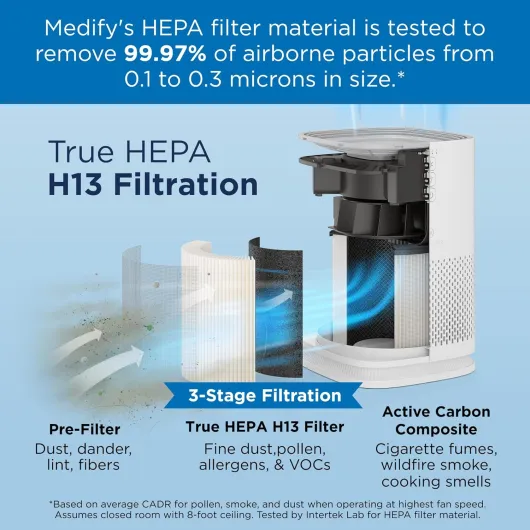
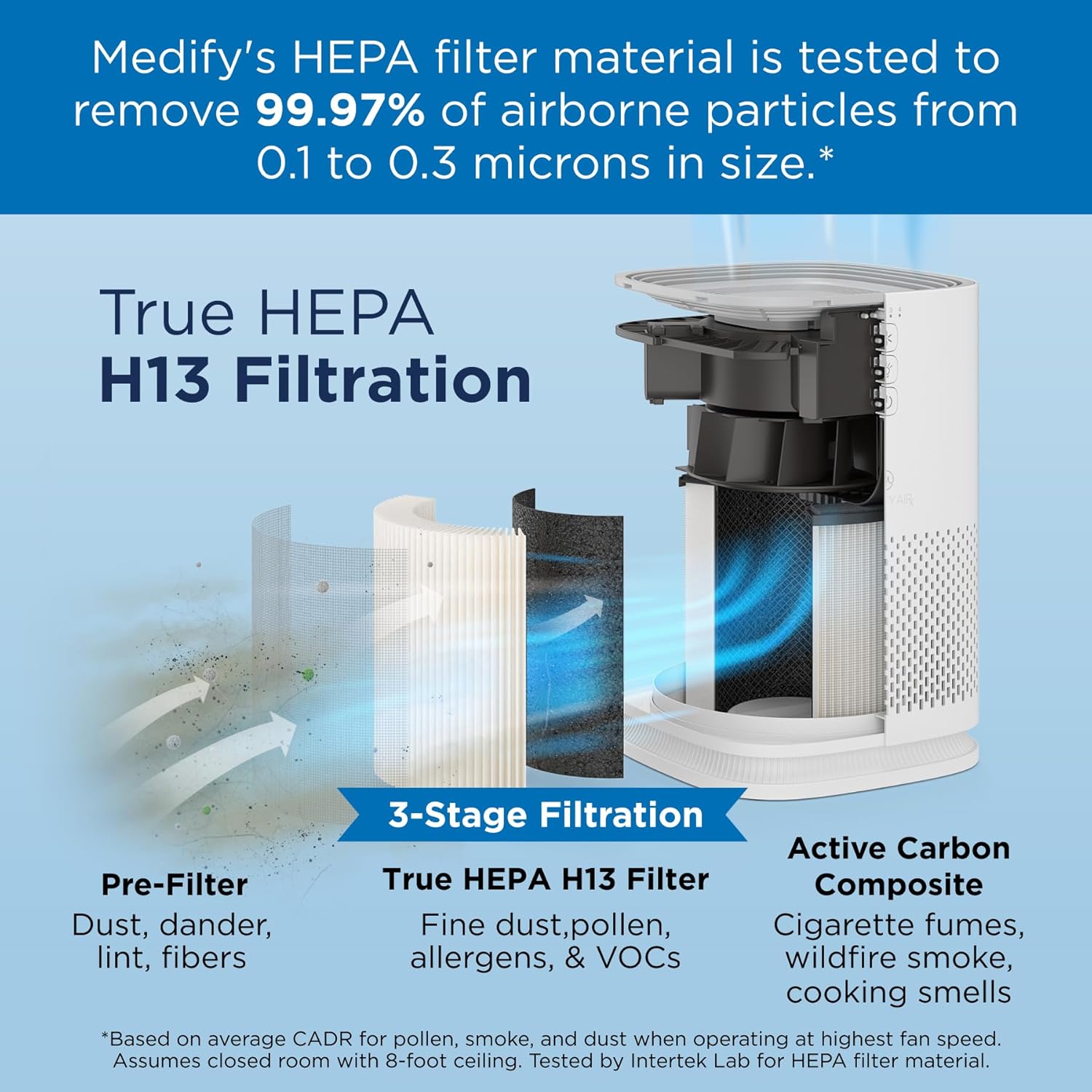
Behind every claim about the best whole room air purifiers lies a filtration system that either performs as promised or quietly underdelivers. A true HEPA filter captures at least 99.97 percent of very small particles, but the overall air purifier performance also depends on airflow, fan speed, and how well the pre filter and activated carbon filters are designed. When you compare air purifiers, look at both the HEPA filter specification and the CADR or air delivery rate to understand how quickly the system can refresh the air in your room.
Many people focus on HEPA filters alone, yet gases and odors from smoke or cooking require a robust activated carbon filter to achieve genuinely clean air. In a small space such as a bedroom, a compact air purifier with a layered filter system can provide several air changes per hour without excessive noise level or energy consumption. For deeper technical insight into how airflow devices influence indoor air quality, you can read about a fan with ioniser and its impact on indoor air quality, which complements but does not replace mechanical filters.
Filter maintenance is another critical factor when assessing the best whole room air purifiers for long term use. Clogged filters reduce air delivery, increase noise, and may strain the motor, so check how easily the pre filter and main air filter can be replaced or cleaned. A well designed air purifier system will balance high MERV or HEPA performance with accessible filters, clear replacement schedules, and an auto mode that adjusts fan speed to preserve both air quality and filter life.
Noise level, fan speed, and comfort in everyday living spaces
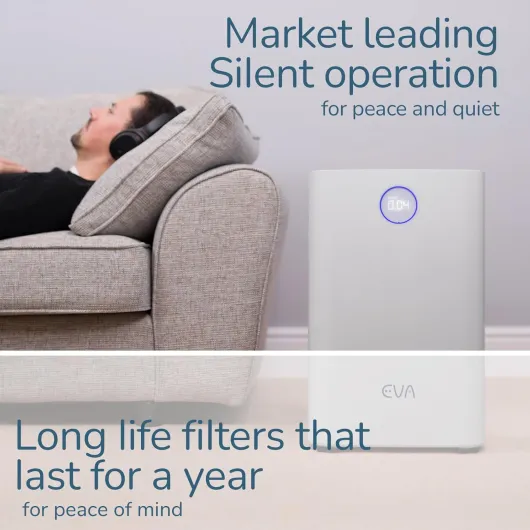
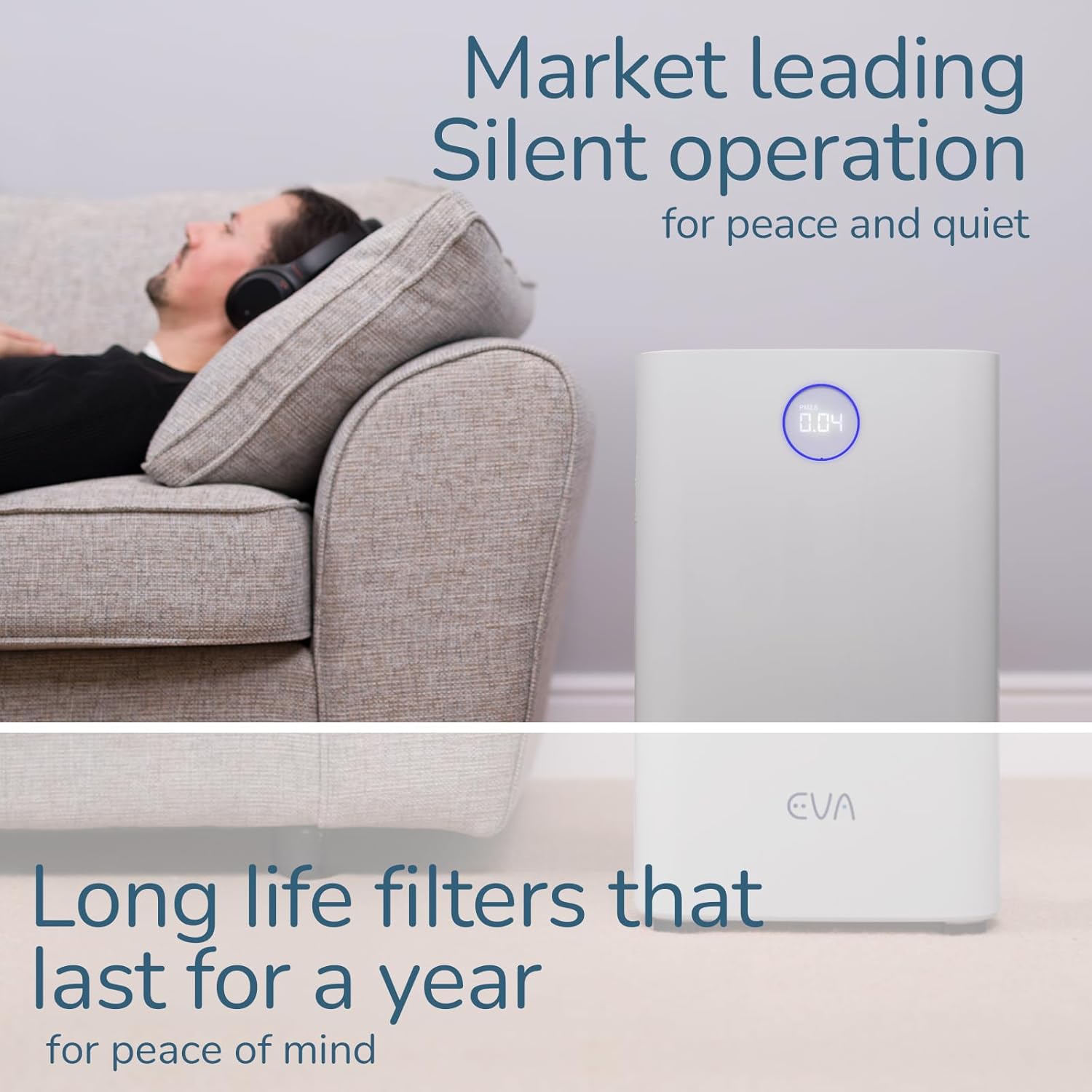
Even the best whole room air purifiers will fail in practice if their noise level makes them unbearable in a bedroom or living room. Manufacturers often list decibel ratings for each fan speed, but real comfort depends on how that sound blends with your normal indoor air background. A quiet air purifier running continuously at a moderate speed usually delivers more stable clean air than a louder unit that users switch off after an hour.
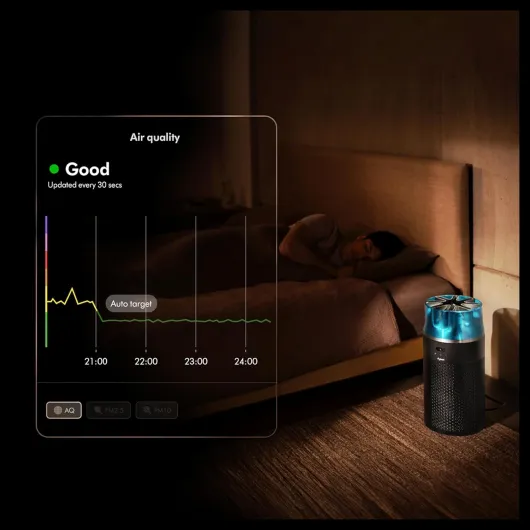
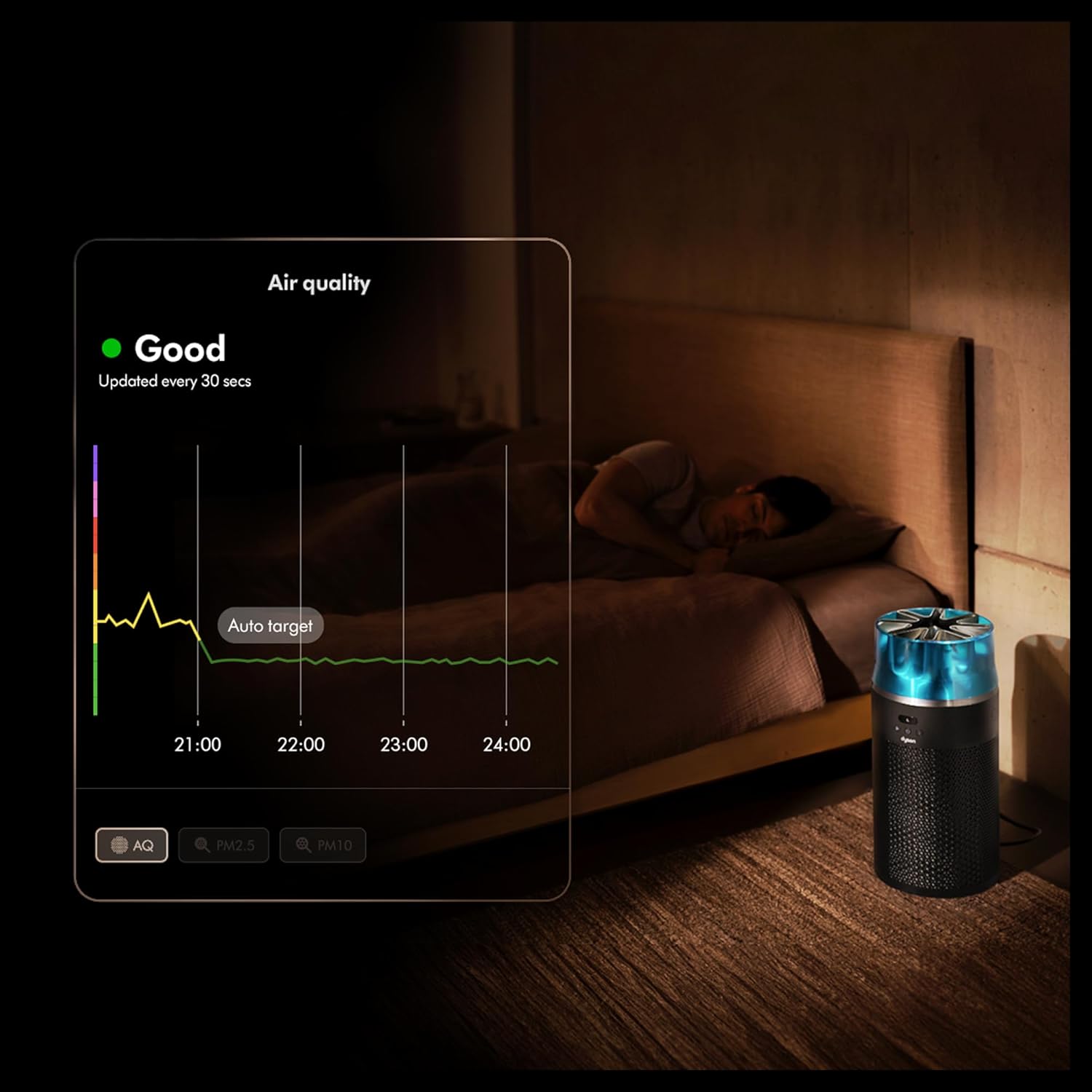
When evaluating noise, consider how close the air purifier will sit to your bed, desk, or sofa in a small space. Many air purifiers offer multiple fan speed settings and an auto mode that increases airflow only when air quality sensors detect more smoke, dust, or pollen. This type of intelligent system can maintain clean air delivery while keeping noise level low for most of the day, especially in rooms where people sleep or work.
Some advanced air purifiers integrate with an HVAC system, while others operate as standalone units with their own filters and controls. If you are curious about alternative technologies that complement traditional HEPA filter designs, you can explore the benefits of plasma air purifiers and how they interact with conventional air filters. Regardless of the technology, the best whole room air purifiers combine effective filtration, acceptable noise, and sufficient air changes per hour to keep indoor air consistently clean.
Comparing brands, models, and specifications in a crowded market
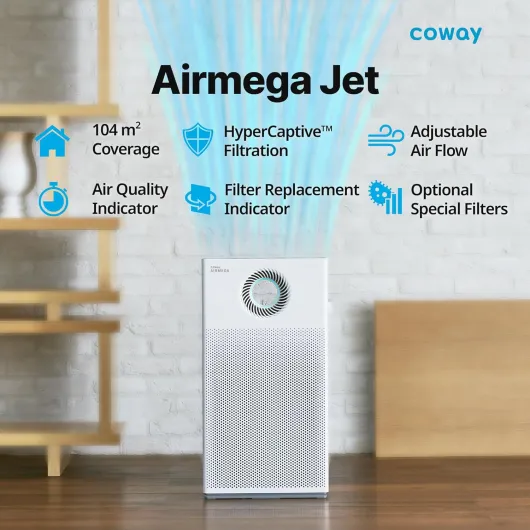
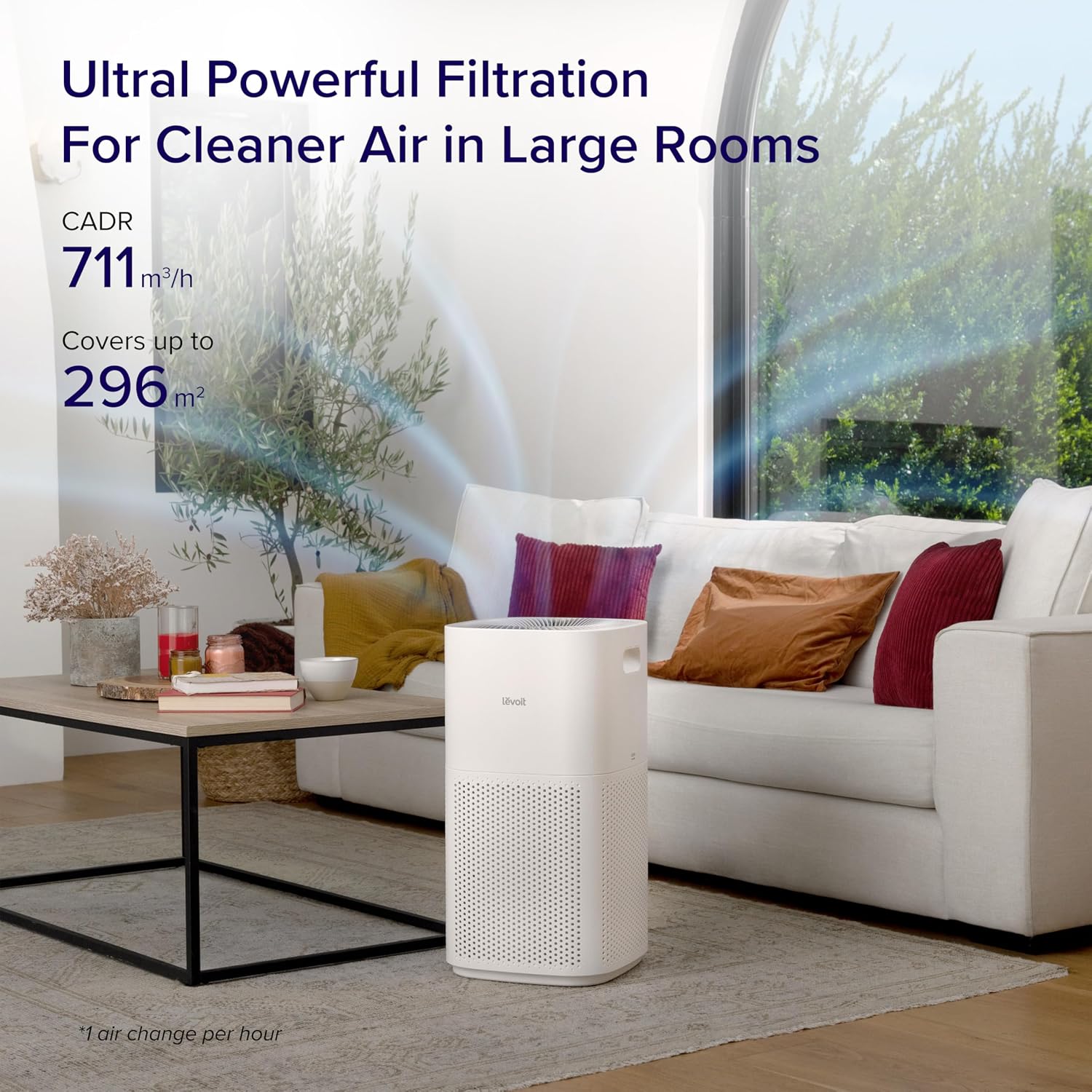
Brand reputation plays a significant role when people choose the best whole room air purifiers for their homes. Popular names such as Levoit and Coway Airmega have built trust by publishing clear CADR figures, transparent filter specifications, and realistic room size recommendations. A model like the Levoit Core series, for example, combines a compact footprint with a true HEPA filter, an activated carbon layer, and a pre filter that captures larger particles before they clog the main air filter.
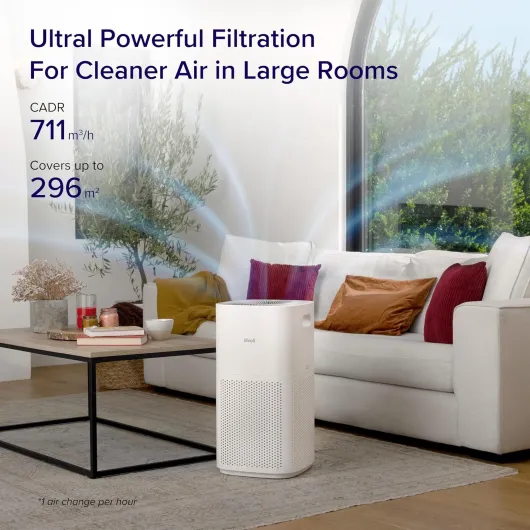
When browsing retailers such as Amazon, pay close attention to how each air purifier lists its clean air delivery rate and recommended room size. Some air purifiers advertise coverage for a large room but only achieve the stated air changes per hour at the highest fan speed, which may be too loud for everyday use. Look for detailed charts that show CADR, noise level, and energy consumption at different fan speeds, because the best whole room air purifiers remain practical at medium settings.
Independent tests can also help you understand how an air purifier performs in a real small space or open plan area. For instance, one detailed review of a test air purifier for a small room and bedroom shows how quickly it can clean air in a defined space while managing noise and energy use. By comparing such data across several air purifiers, you can identify which system offers the best balance of CADR, filter quality, and comfort for your specific room.
Integrating air purifiers with HVAC systems and whole home strategies
Whole room air purifiers work best when they complement, rather than replace, a well maintained HVAC system. Central air filters with appropriate MERV ratings capture a significant portion of airborne particles, but they may not provide enough clean air delivery rate for rooms with particular needs, such as nurseries or home offices. In these cases, a dedicated air purifier with a true HEPA filter and activated carbon stage can target local air quality issues like smoke, pet dander, or traffic pollution.
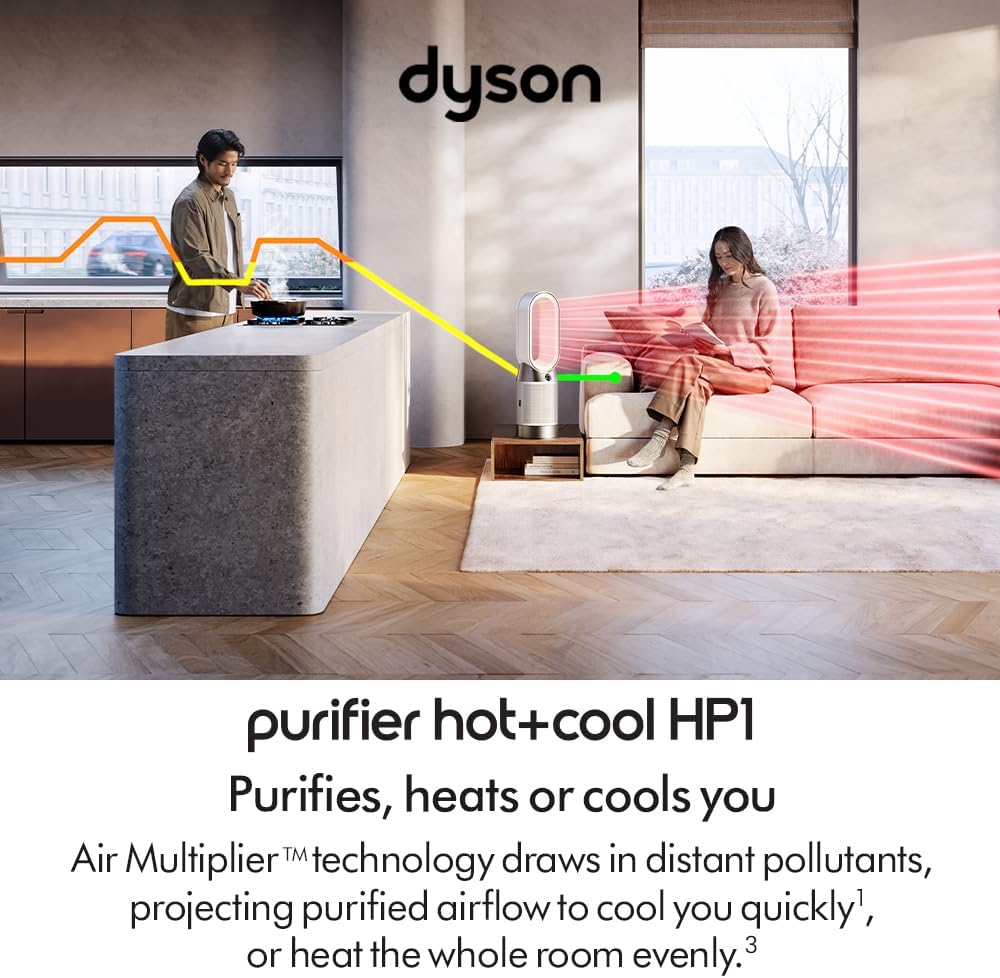
When you integrate an air purifier into a home that already has an HVAC system, think about airflow patterns and room size. Position the air purifier where it can circulate air freely, avoiding corners or tight furniture gaps that restrict air delivery and reduce effective air changes per hour. The best whole room air purifiers often include an auto mode that responds to indoor air sensors, adjusting fan speed to maintain clean air without constant manual control.
Filter coordination also matters, because both HVAC filters and standalone air filters contribute to overall indoor air quality. If your central system uses a high MERV air filter, you may choose an air purifier with slightly lower resistance filters to preserve airflow while still achieving excellent particle capture. Over time, this layered strategy can reduce noise, extend filter life, and maintain consistently clean air in every room where people spend the most time.
Health considerations, sensitive groups, and realistic expectations
For people with asthma, allergies, or other respiratory conditions, the best whole room air purifiers are more than comfort devices. A high quality air purifier with a true HEPA filter and activated carbon stage can significantly reduce exposure to airborne allergens, smoke particles, and some volatile compounds, especially in a bedroom or main living room. However, even the best air purifiers cannot eliminate all health risks, so they should be part of a broader strategy that includes ventilation, cleaning, and source control.
When evaluating health benefits, focus on how many air changes per hour the air purifier can deliver in your specific room size. A unit that provides four to five air changes per hour at a moderate fan speed will usually maintain cleaner indoor air than a larger model that users rarely run above its lowest setting due to noise level. Sensitive individuals may benefit from running the air purifier continuously, using auto mode to adjust fan speed when indoor air quality worsens due to cooking, cleaning, or outdoor pollution.
Parents, older adults, and people with chronic conditions should also consider filter replacement costs and availability. Consistent performance depends on timely replacement of the pre filter, HEPA filter, and activated carbon layer, which together maintain the system’s clean air delivery rate. By setting realistic expectations and maintaining both the air purifier and any existing HVAC system, households can achieve meaningful improvements in air quality without relying on unrealistic marketing promises.
Practical buying checklist for the best whole room air purifiers
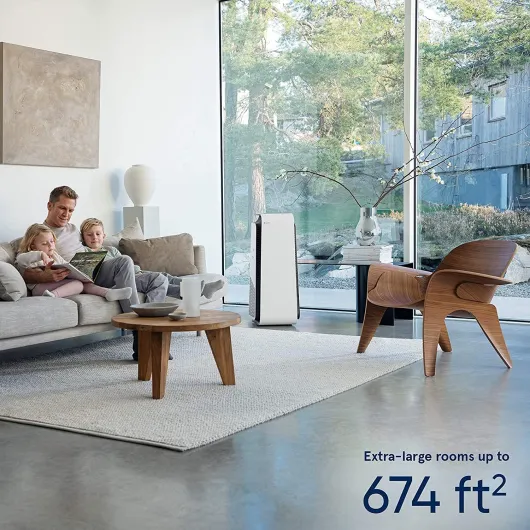
Before purchasing an air purifier, start by measuring the room where you plan to use it. Note the floor area in square metres and the ceiling height, then calculate the volume to estimate how much clean air delivery rate you need for at least four air changes per hour. This simple calculation helps you filter out air purifiers that cannot realistically handle your space, even if they claim to be suitable for a large room.
Next, examine the filtration system in detail, including the pre filter, HEPA filter, and activated carbon stage. Confirm whether the unit uses a true HEPA filter, check any MERV ratings if provided, and review how often each air filter or set of filters must be replaced. The best whole room air purifiers clearly state filter costs, expected lifespan in months or hours, and how performance changes as filters load with particles from smoke, dust, and everyday indoor air pollution.
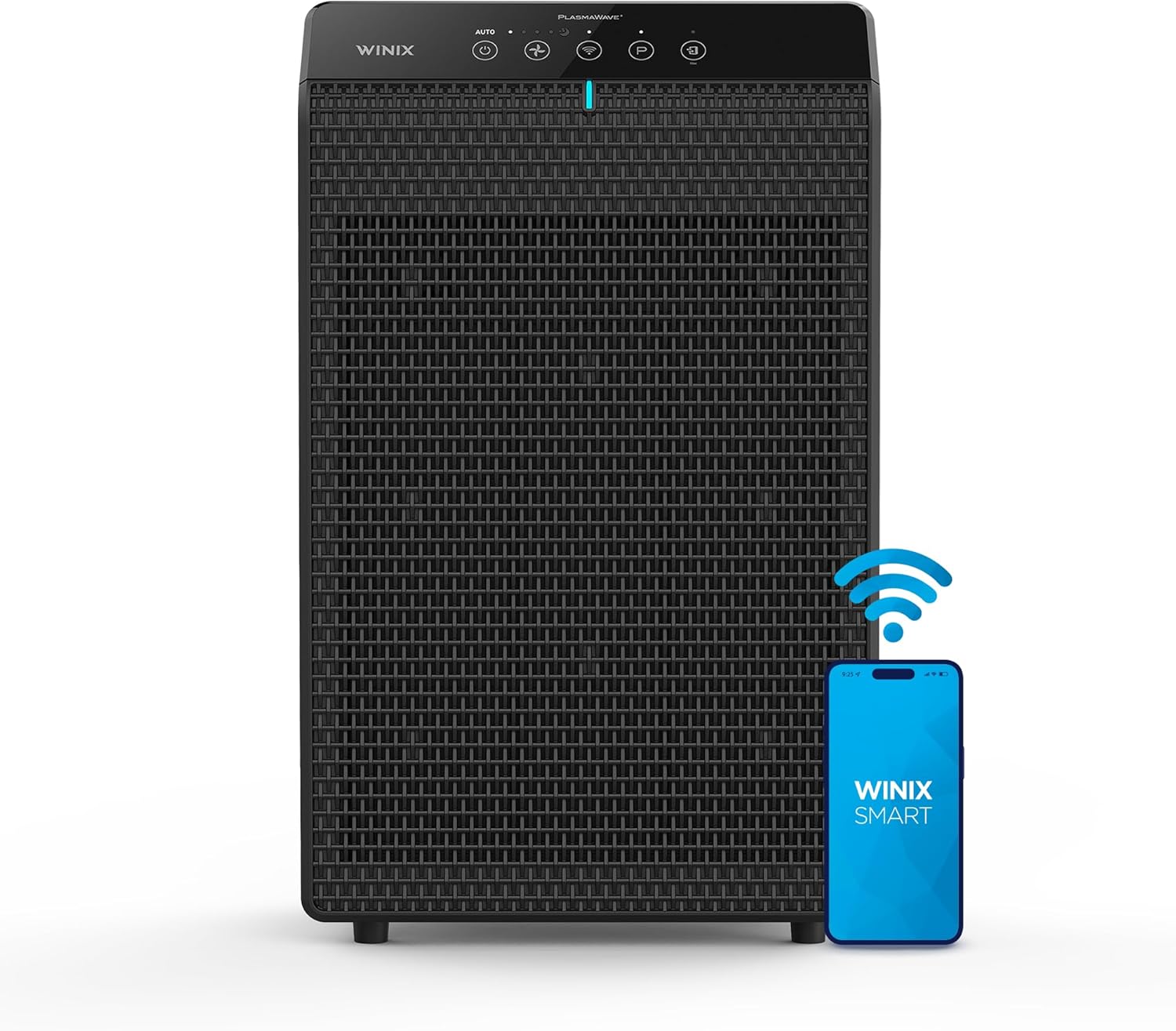
Finally, compare practical features such as noise level, fan speed options, auto mode, and smart connectivity. A model like a Levoit Core or a Coway Airmega often combines strong CADR with quiet operation and intuitive controls, making it easier to maintain clean air in both small spaces and larger rooms. By using this checklist and reading detailed product information from reputable retailers such as Amazon, you can select an air purifier that truly matches your needs and delivers reliable, long term improvements in indoor air quality.
Key statistics about whole room air purification
- Up to 4–5 air changes per hour are typically recommended for allergy relief in a standard bedroom sized room.
- True HEPA filters capture at least 99.97 percent of particles measuring 0.3 micrometres in diameter.
- Clean air delivery rate values are usually reported separately for smoke, dust, and pollen to reflect different particle behaviours.
- Noise levels below roughly 30 decibels are often considered suitable for overnight use in a quiet bedroom.
Common questions about the best whole room air purifiers
How do I size an air purifier for my room ?
Measure the length, width, and height of your room, then multiply them to obtain the volume in cubic metres. Choose an air purifier whose clean air delivery rate can provide at least four air changes per hour for that volume at a comfortable fan speed. This approach ensures that the unit can maintain clean air without running constantly at its loudest setting.
Are HEPA filters better than high MERV HVAC filters ?
True HEPA filters and high MERV HVAC filters both capture fine particles, but they serve different roles. A HEPA based air purifier targets a specific room and often includes activated carbon for odours, while an HVAC filter treats air circulating through the whole system. Many homes benefit from using both, combining central filtration with a dedicated room purifier where people spend the most time.
Can an air purifier remove all indoor pollutants ?
No air purifier can remove every type of indoor pollutant, especially gases that require specialised media or strong ventilation. Mechanical filters excel at capturing particles such as dust, pollen, and smoke, but they do not replace source control or fresh air exchange. For best results, combine an air purifier with good housekeeping, moisture control, and regular ventilation.
How often should I replace the filters in my air purifier ?
Filter replacement intervals vary by model, usage, and pollution levels, but many HEPA filters last six to twelve months under typical conditions. Pre filters may need cleaning or replacement more frequently, especially in homes with pets or heavy smoke exposure. Always follow the manufacturer’s guidance and monitor performance indicators or odours that suggest reduced airflow or saturation.
Is a higher CADR always better when choosing an air purifier ?
A higher clean air delivery rate usually means faster cleaning, but it is not the only factor to consider. You must also evaluate noise level, energy consumption, and how the purifier performs at the fan speeds you will actually use. The best choice balances CADR with comfort, cost, and the specific needs of your room and household.