Understanding HEPA filters, CADR, and room size before you buy
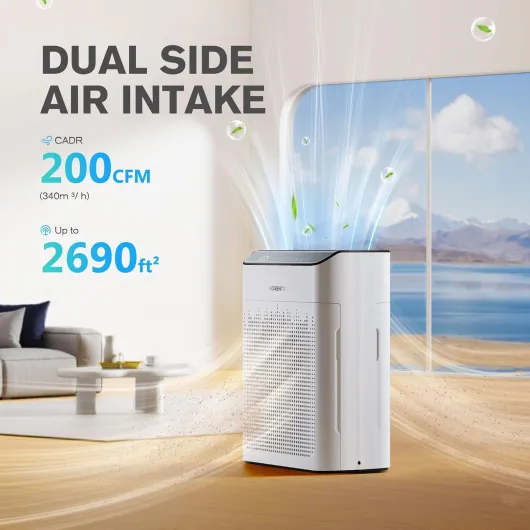
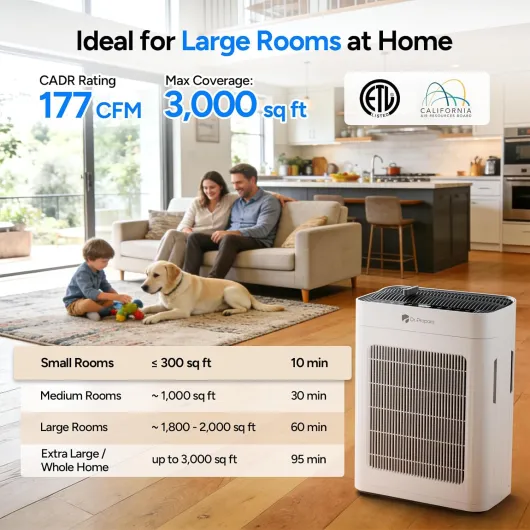
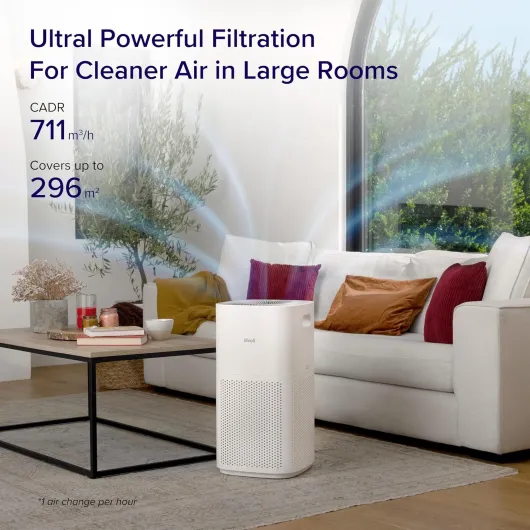
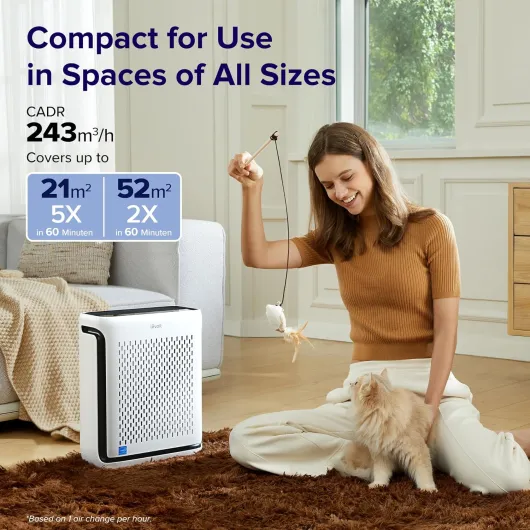
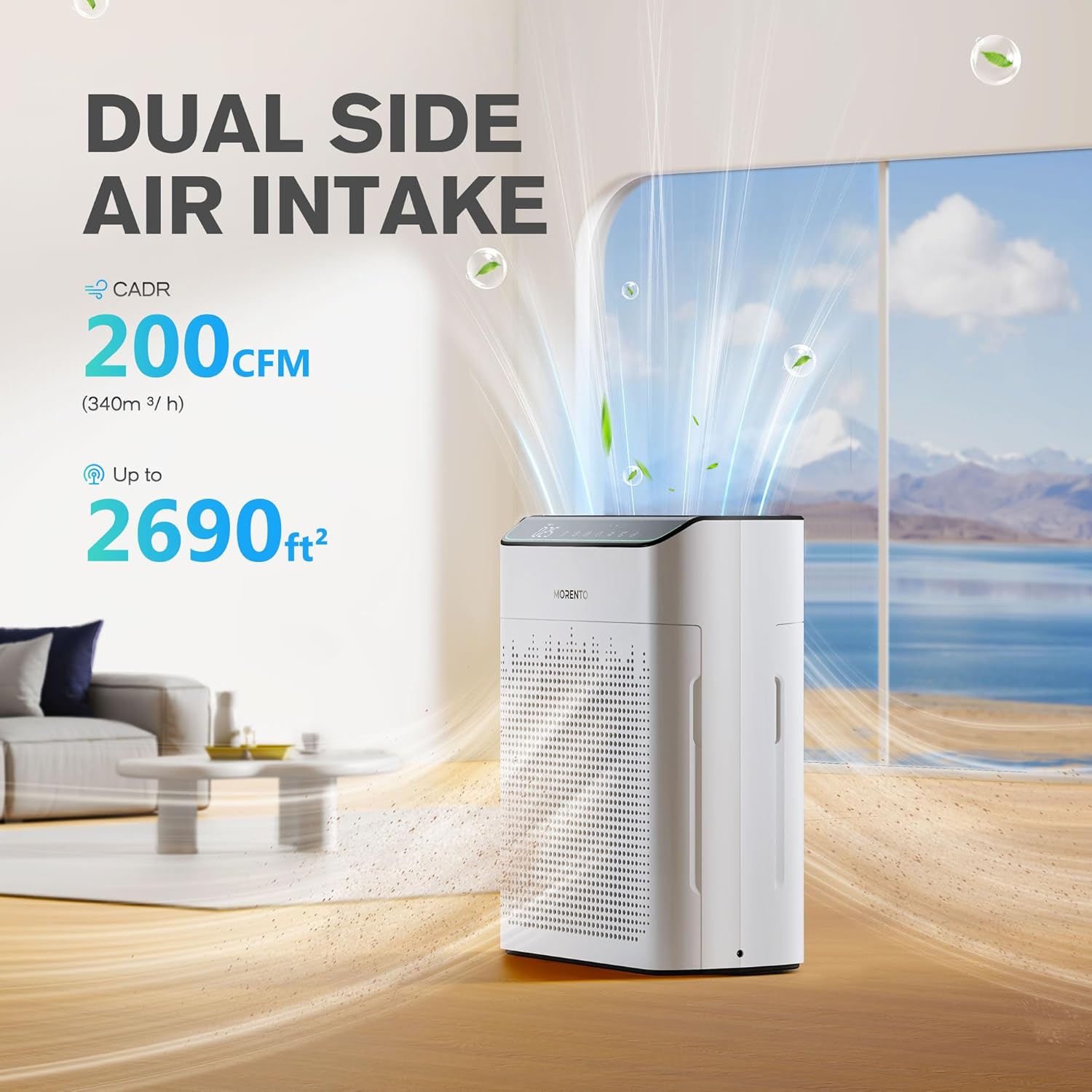
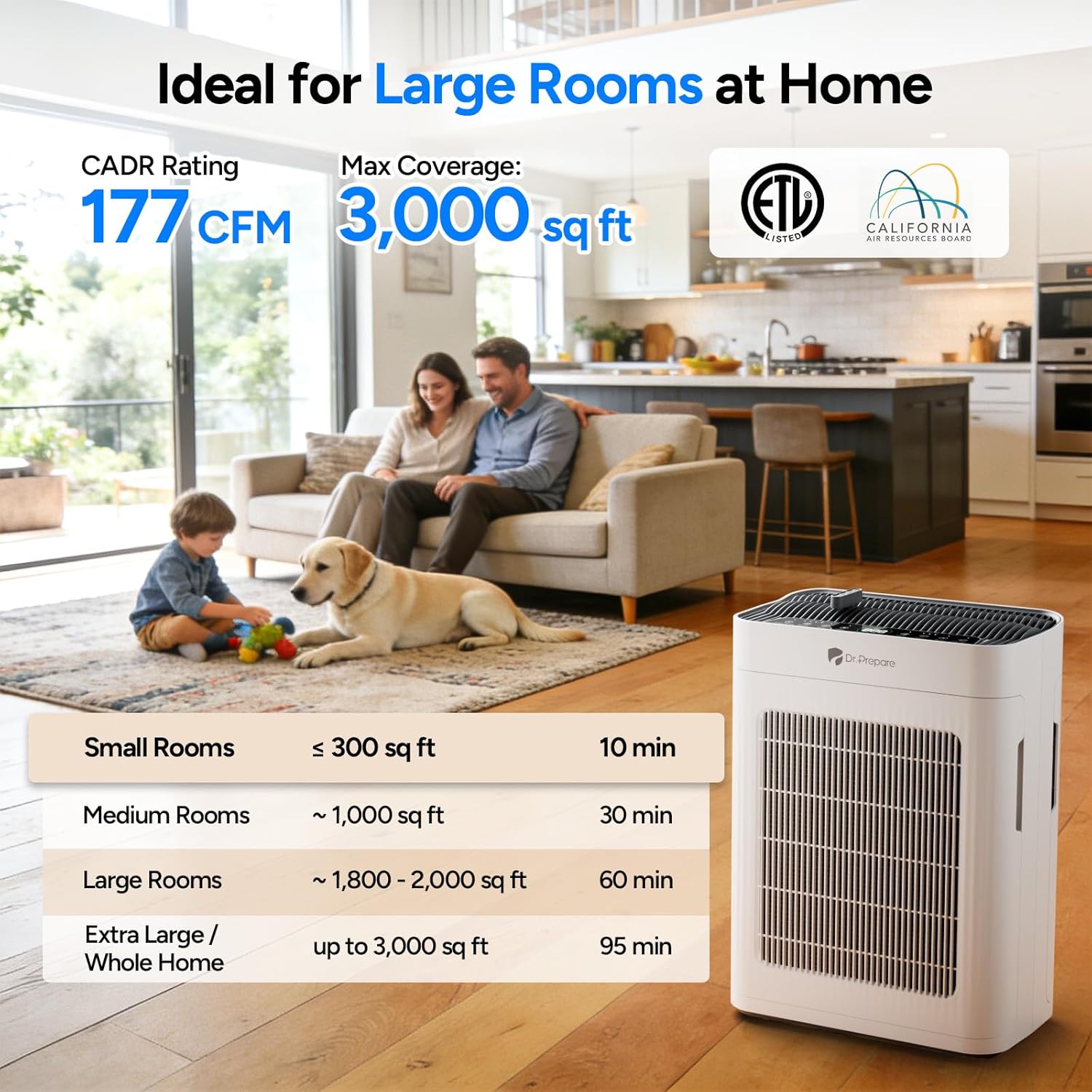
Before choosing among the best HEPA air purifiers, match the purifier to your room size. Manufacturers usually specify the maximum room area in square metres, but you should also check cadr and cadr cfm values for smoke, dust, and pollen. A higher cadr cfm means the air purifier can cycle more air per minute, which is crucial if you live with smoke, allergies, or urban pollution.
True HEPA filters are central to every serious air purifier, yet not all hepa filter claims are equal. Some purifiers use terms like HEPA type, which may not meet the strict capture efficiency of a certified true HEPA filter. When comparing air purifiers, always verify that the hepa filter is clearly rated and that replacement filters are available at a reasonable price regular, because you will need new filters every 6 to 12 months depending on air quality.
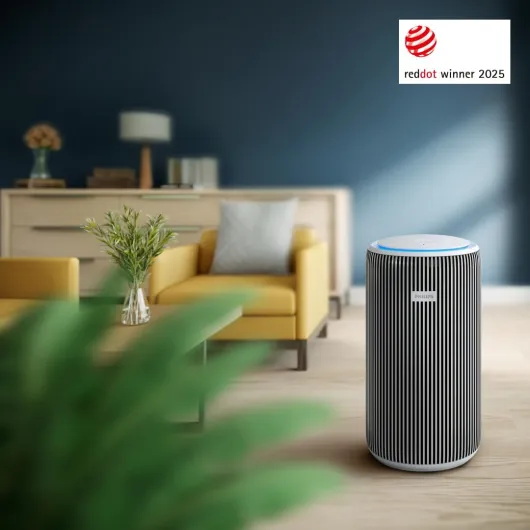
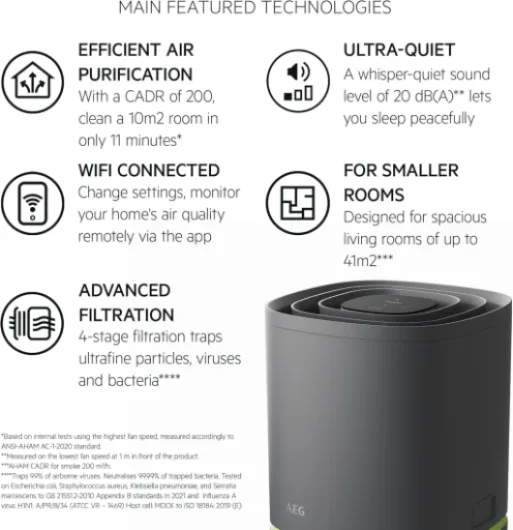
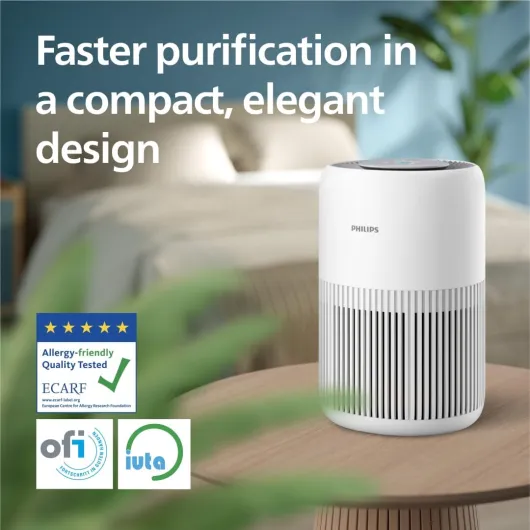
Noise is another decisive factor, especially in a bedroom or small room. Many purifiers tested in independent reviews show that low fan speed settings can be nearly silent, while maximum speed can be loud enough to mask conversation. If you want quiet clean air at night, look for a purifier with a low noise rating at the speed required for your room, and consider models like compact smart air purifiers designed for small spaces, as seen in this test of an air purifier for a small bedroom.
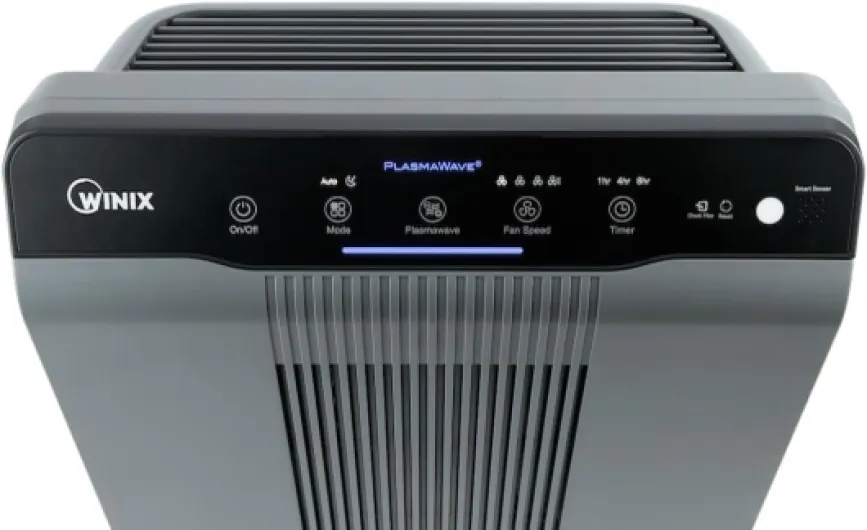
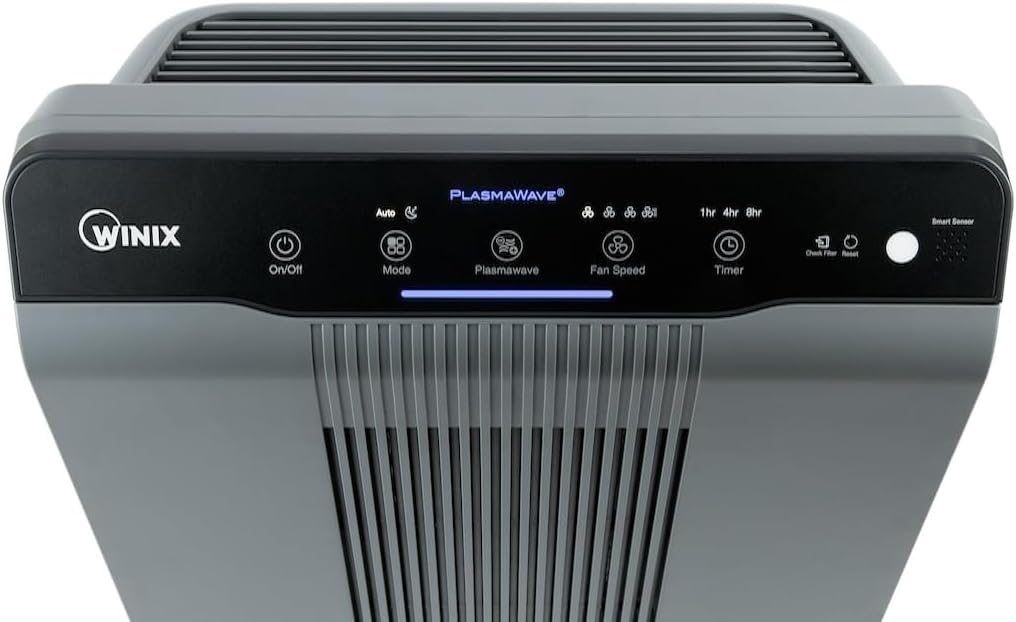
Smart features can genuinely improve daily use rather than simply raising the regular price. A connected app lets you monitor air quality, adjust fan speed, and check filter life from your phone, while a quality sensor enables auto mode to react instantly to smoke or cooking fumes. When several air purifiers offer similar cadr cfm and hepa filter performance, these smart details and the long term cost of filters often determine which air purifier is truly the best choice.
How smart sensors, apps, and auto mode change real world performance
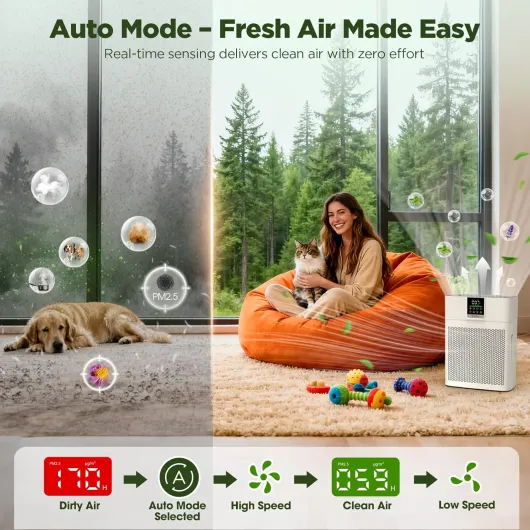
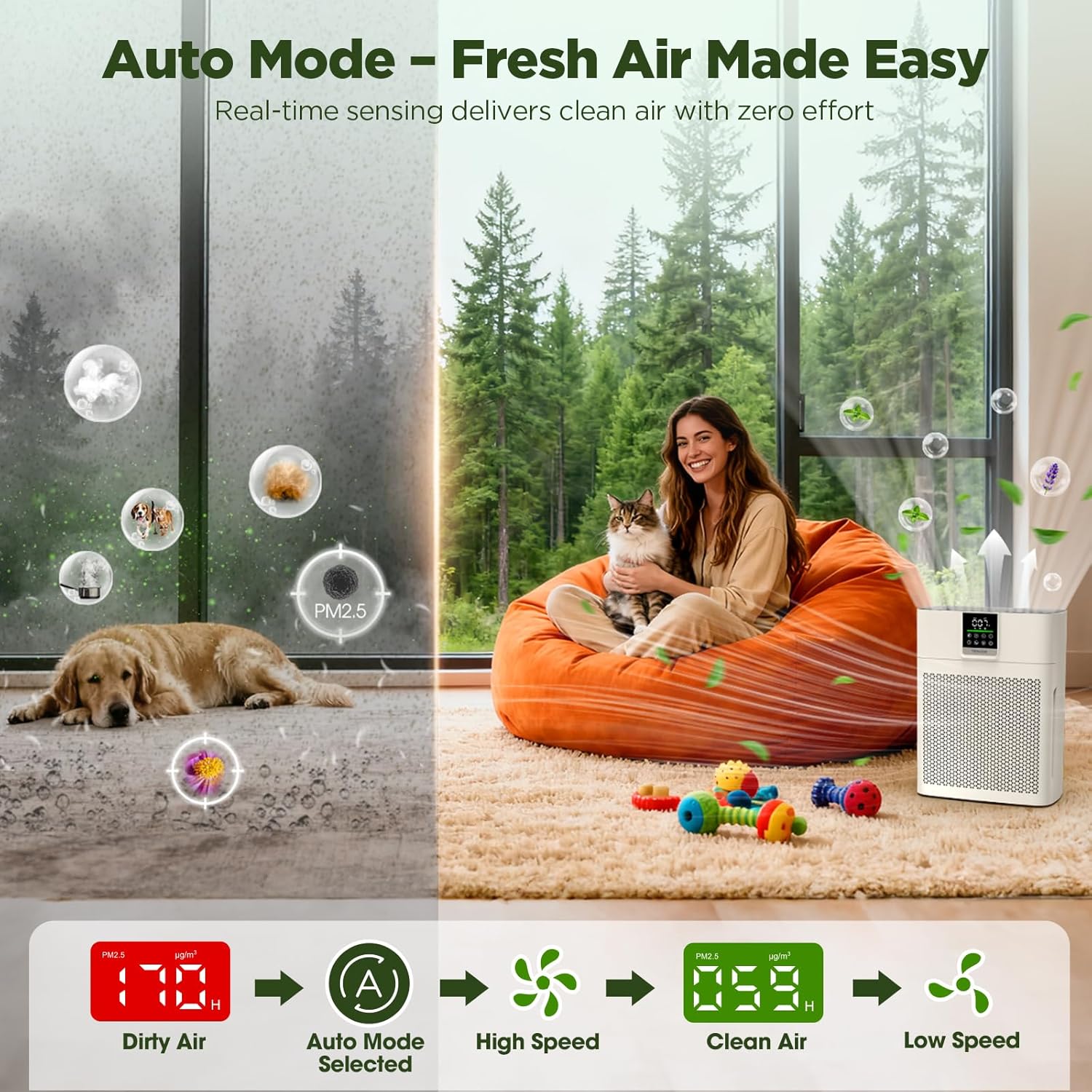
The best HEPA air purifiers now behave more like smart air guardians than passive machines. A built in quality sensor continuously samples particles in the air and feeds data to the purifier’s control board. When the sensor detects a spike in smoke, dust, or other pollutants, auto mode increases fan speed to restore clean air without your intervention.
This smart air behaviour matters because indoor air quality changes quickly during cooking, cleaning, or opening windows. Without a responsive quality sensor, an air purifier might run at low speed while smoke or fine particles accumulate unnoticed. With auto mode engaged, purifiers tested in realistic homes show faster recovery times, especially when cadr cfm and overall fan power are high enough for the room size.
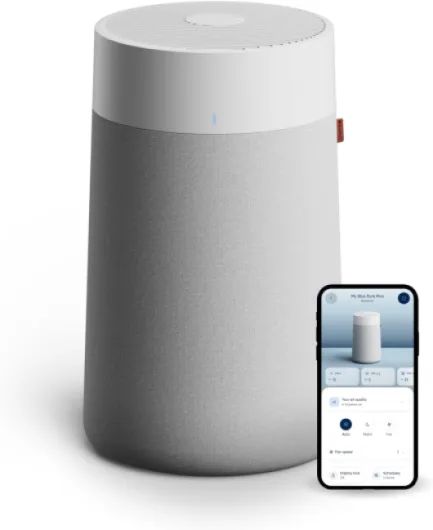
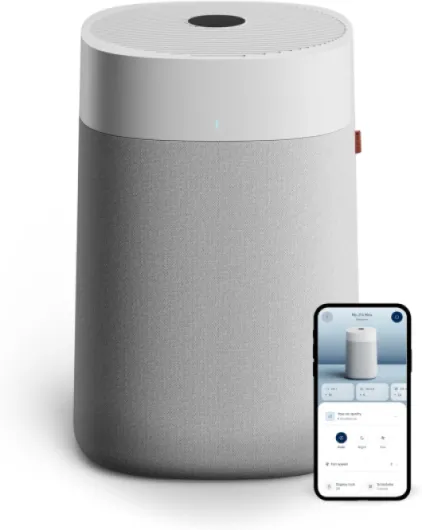
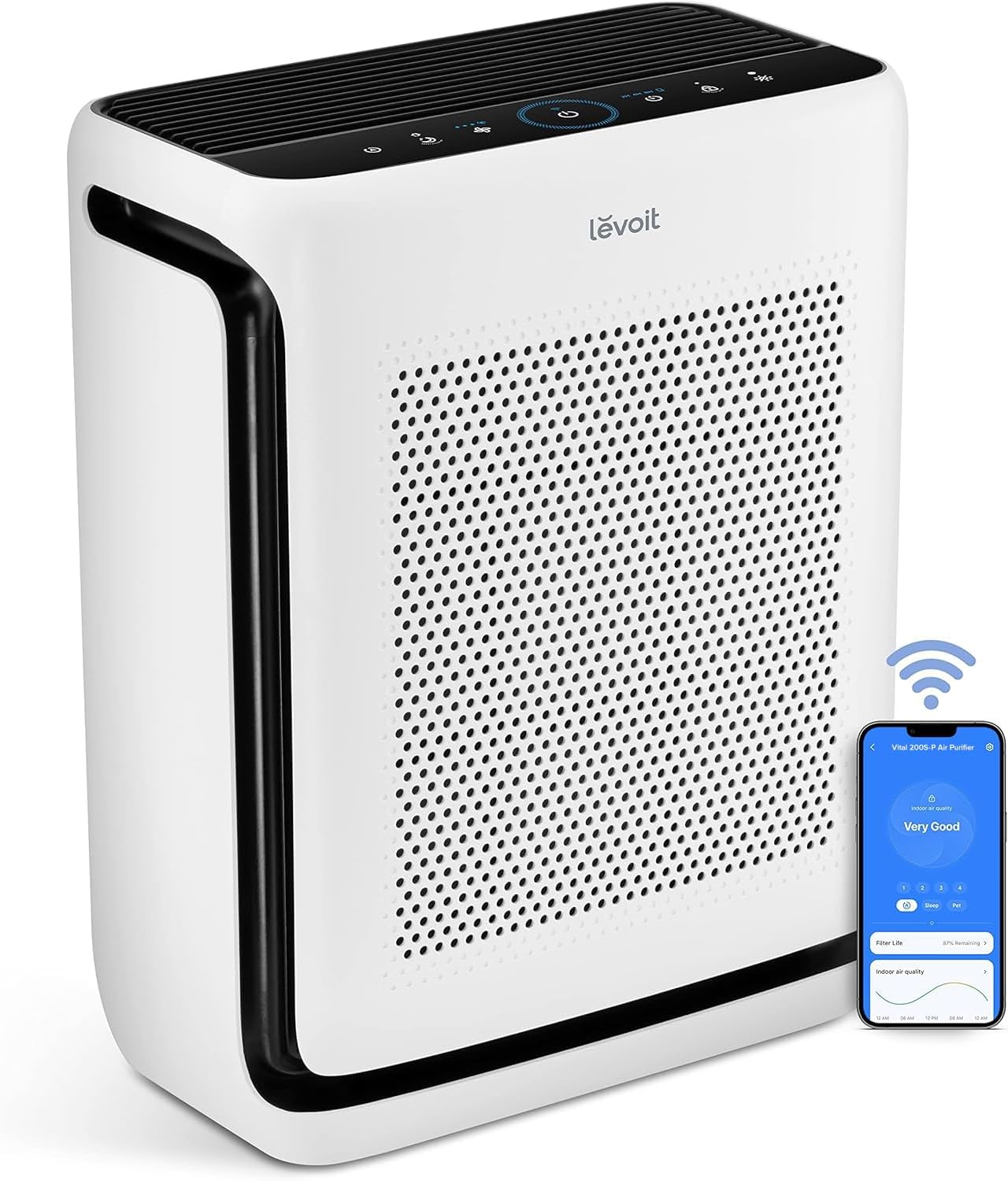
Many of the best HEPA air purifiers now include an app that visualises air quality trends over hours and months. Through the app, you can see when the hepa filter or pre filter needs cleaning or replacement, and you can compare how different fan speed settings affect noise and energy use. For households with children or pets, remote control through an app also prevents accidental changes to settings on the air purifier itself.
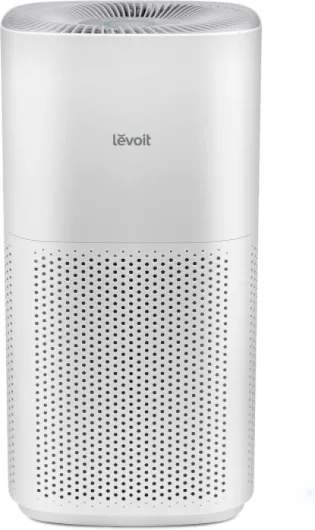
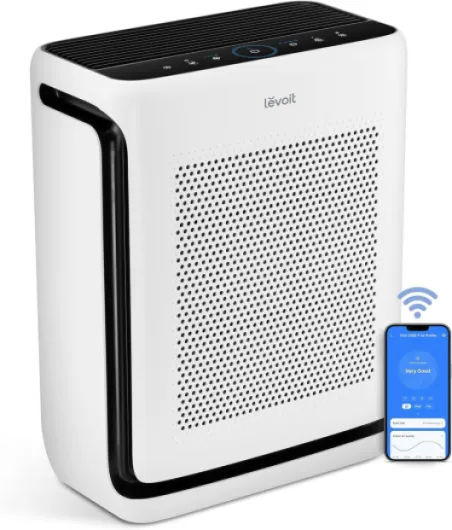
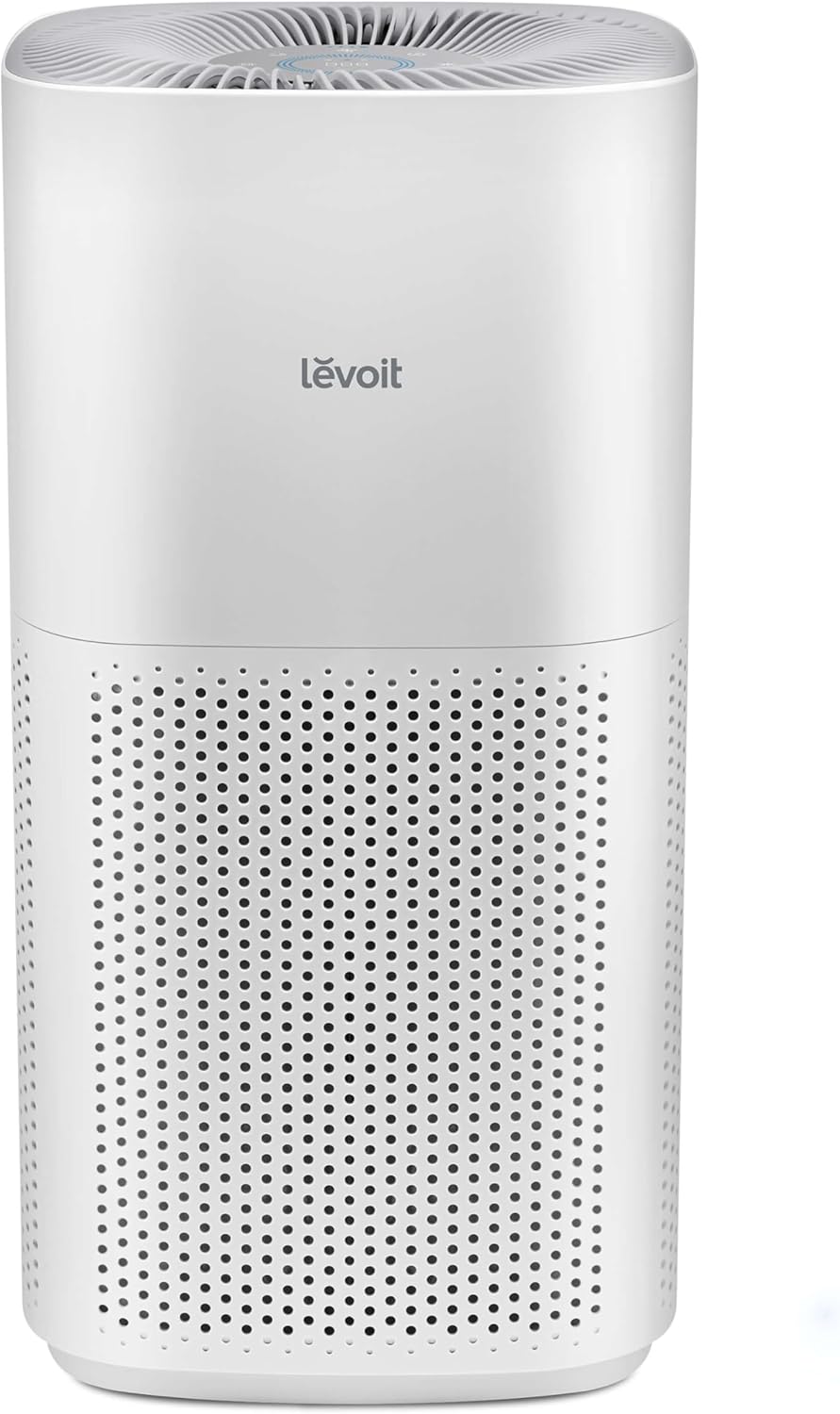
Some models, including several levoit air purifiers, combine true HEPA, activated carbon, and smart controls in compact designs. A levoit vital purifier, for instance, can use its quality sensor to switch fan speed automatically, while the app reports estimated filter life and indoor air quality scores. If you are considering a wall mounted solution, you can also explore how a wall mounted air purifier improves indoor air quality in rooms where floor space is limited.
Evaluating noise, energy use, and long term filter costs
When comparing the best HEPA air purifiers, many people focus on upfront price and overlook lifetime costs. A lower regular price on amazon may seem attractive, yet expensive replacement filters every few months can quickly exceed the original cost of the air purifier. To judge real value, consider filter prices, expected filter life in months, and how often you will run the purifier at higher fan speed.
Noise is equally important, especially if the air purifier will run in a bedroom, nursery, or study. Manufacturers usually list noise levels in decibels for each fan speed, but independent purifiers tested in controlled rooms often reveal higher real world noise. For restful sleep, aim for a purifier that maintains adequate cadr at a low or medium speed where noise remains comfortable, rather than relying on a powerful air blast that is too loud to use overnight.
Energy consumption also affects long term costs, particularly when air purifiers operate for many hours each day. Models with efficient motors and smart auto mode can reduce power use by lowering fan speed when the quality sensor detects clean air. Over many months, this balance between clean air, energy use, and noise can make one air purifier clearly the best choice for both health and budget.
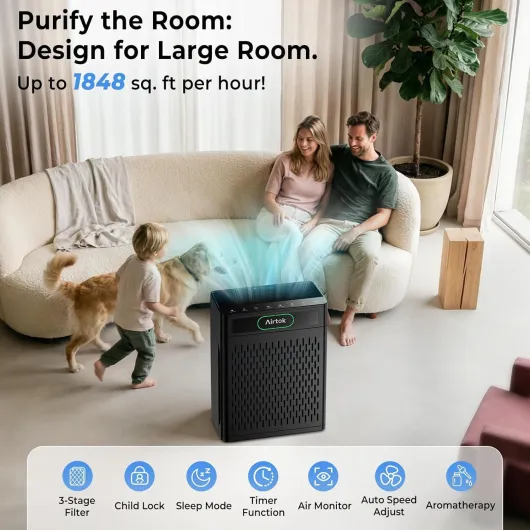
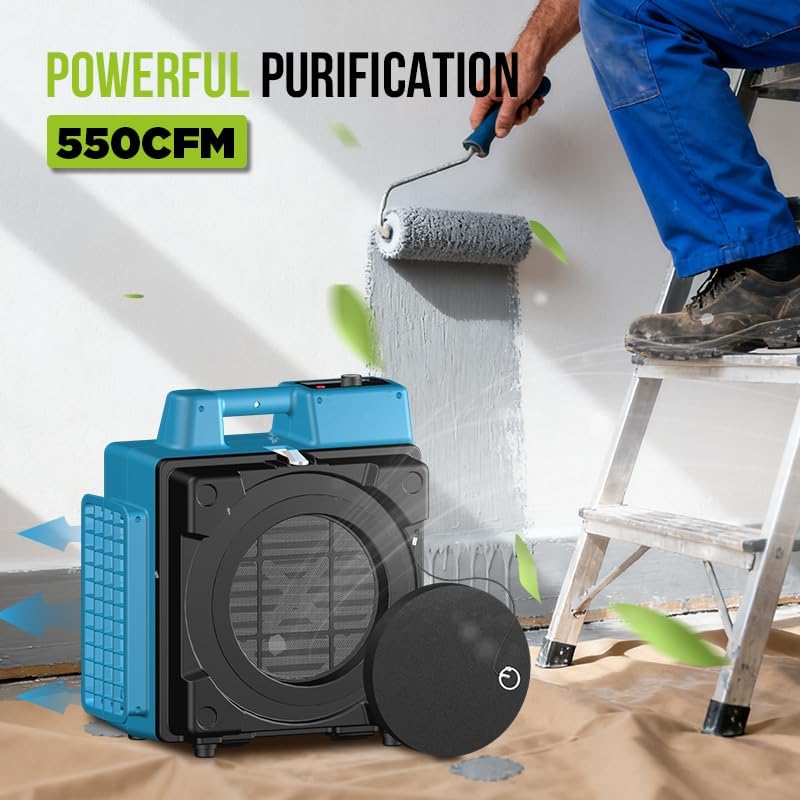
To deepen your evaluation, look for a detailed video review where reviewers measure cadr cfm, noise, and real time air quality changes. Some tests compare several air purifiers side by side, showing how quickly each purifier clears smoke from a closed room. For large living areas, you can study a test of a powerful air purifier for large rooms, which illustrates how cadr, fan speed, and filter design interact in demanding conditions.
What real world testing reveals about HEPA air purifiers
Laboratory specifications only tell part of the story about the best HEPA air purifiers. In real homes, doors open, people move, and smoke or cooking fumes appear unpredictably, so purifiers tested in these conditions provide more meaningful insights. When reviewers track air quality with independent sensors, they can see how quickly each air purifier reduces particle levels to a healthy range.
Purifiers tested with incense or controlled smoke show clear differences in clean air delivery. A model with a strong fan speed and high cadr cfm can clear a medium room in minutes, while a weaker purifier may need much longer even with a true HEPA filter. These tests also highlight how well the pre filter and activated carbon layers handle larger particles and odours before air reaches the main hepa filter.
Noise measurements during these tests help identify which air purifiers remain tolerable at higher speeds. Some of the best HEPA air purifiers maintain moderate noise while delivering strong clean air performance, making them suitable for living rooms where conversation continues. Others may only be comfortable at low speed, which limits their ability to handle sudden smoke or pollution spikes in a larger room.
Long term testing over several months reveals how filters age and how often they need replacement. Reviewers sometimes track the pressure drop across filters, which indicates how hard the fan must work to push air through clogged media. When you combine this information with price regular and replacement filter costs, you can estimate the total cost of ownership and decide which air purifier or which group of air purifiers truly offers the best balance of performance, noise, and value.
Matching the best HEPA air purifiers to your specific needs
Choosing among the best HEPA air purifiers starts with clarifying your primary concern. Allergy sufferers may prioritise a high efficiency true HEPA filter and strong cadr cfm for pollen and dust, while people affected by smoke need robust activated carbon filters and responsive auto mode. Families with infants or light sleepers often focus on low noise at useful fan speed settings, especially in a bedroom or nursery room.
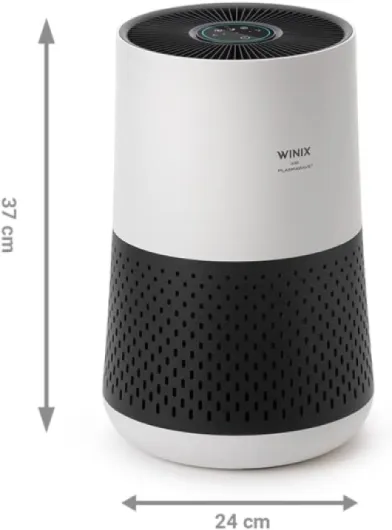
If you live in a small flat, a compact air purifier with smart air features and an app can manage multiple spaces. You might move the purifier from living room to bedroom, relying on the quality sensor to adjust fan speed as air quality changes. In larger homes, several air purifiers may be necessary, with one powerful air unit in the main living area and smaller purifiers in bedrooms, each sized correctly for its room.
Budget also shapes your decision, but price should be weighed against long term filter costs and performance. A levoit vital model, for example, often offers a competitive regular price on amazon, widely available hepa filter replacements, and a balanced mix of noise control and cadr. When comparing price regular across brands, calculate the annual cost of replacement filters and consider how many months each filter is likely to last in your air quality conditions.
Ultimately, the best HEPA air purifiers are those that fit your lifestyle and health priorities. Look for purifiers tested in independent reviews, with clear data on smoke removal, noise, and clean air delivery, rather than relying solely on marketing claims. By aligning cadr, room size, filter design, and smart controls with your daily habits, you can select an air purifier that quietly protects your indoor air quality every day.
Practical maintenance tips to keep HEPA air purifiers performing at their best
Even the best HEPA air purifiers lose effectiveness without regular maintenance. Dust and hair accumulate on the pre filter, restricting airflow and forcing the fan to work harder to deliver the same clean air. By vacuuming or rinsing the pre filter every few weeks, you preserve cadr cfm performance and reduce strain on the motor, which can extend the purifier’s useful life.
Most manufacturers recommend replacing the main hepa filter and activated carbon filters every 6 to 12 months, depending on air quality and usage. If you live with smoke, pets, or heavy traffic pollution, filters may saturate sooner, so monitor odours and air quality readings from the quality sensor or app. Some air purifiers include a filter change indicator based on fan speed and hours of operation, which helps you avoid running the purifier with an exhausted hepa filter.
Cleaning the exterior and air intake areas also supports consistent performance. Wipe dust from the housing and ensure that the air purifier has enough clearance around it, usually at least 20 to 30 centimetres from walls, so air can circulate freely into and out of the purifiers. For models like levoit or levoit vital, follow the manual carefully when removing filters, and always switch off the purifier and unplug it before maintenance.
Over many months, this simple care routine keeps noise levels stable and prevents the fan from becoming louder as it struggles against clogged filters. It also protects the value of your investment, since a well maintained air purifier continues to deliver powerful air cleaning at the cadr levels you paid for. With thoughtful maintenance and informed selection, the best HEPA air purifiers can remain reliable partners in safeguarding your indoor air quality for years.
Key statistics about HEPA air purifiers and indoor air quality
- Up to 90 percent of daily time is often spent indoors, where air quality can be significantly worse than outdoors.
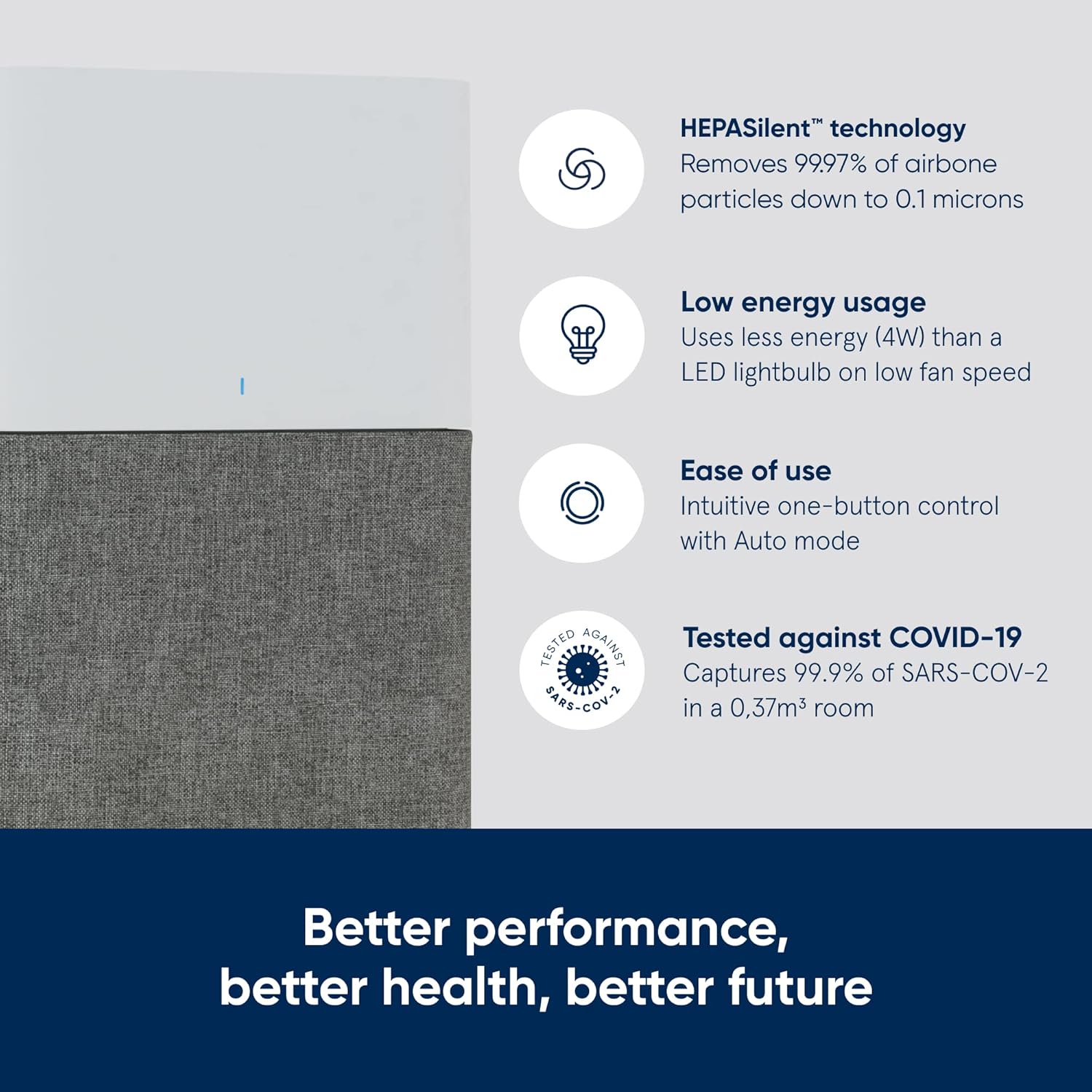
- True HEPA filters are designed to capture at least 99.97 percent of particles measuring 0.3 micrometres in diameter.
- Independent tests show that high cadr cfm purifiers can reduce fine particle concentrations in a medium room by more than half within 15 to 30 minutes.
- Regular filter replacement every 6 to 12 months maintains consistent clean air delivery and prevents excessive noise from overworked fans.
- Smart air purifiers with auto mode and quality sensors can reduce energy use by lowering fan speed when indoor air is already clean.
Common questions about the best HEPA air purifiers
Are HEPA air purifiers really effective for allergies ?
True HEPA air purifiers are highly effective at capturing common allergens such as pollen, dust mites, and pet dander. By continuously circulating room air through a dense hepa filter, they reduce the overall allergen load that reaches your nose and lungs. For best results, choose a purifier with adequate cadr cfm for your room size and run it consistently during allergy seasons.
How often should I replace HEPA filters in my air purifier ?
Most manufacturers recommend replacing HEPA filters every 6 to 12 months, but the exact interval depends on air quality and usage. If your home has smoke, pets, or heavy outdoor pollution, filters may saturate faster and need more frequent changes. Monitor any filter change indicator on your air purifier and watch for signs like persistent odours or reduced air flow.
What is the difference between HEPA and HEPA type filters ?
A certified true HEPA filter meets strict efficiency standards, capturing at least 99.97 percent of 0.3 micrometre particles. HEPA type or HEPA like filters may resemble HEPA media but do not necessarily meet the same performance criteria. When choosing among the best HEPA air purifiers, always verify that the filter is clearly labelled as true HEPA and supported by performance data.
Does CADR matter more than filter quality when choosing a purifier ?
CADR and filter quality work together, so neither should be considered in isolation. A high quality true HEPA filter with low cadr cfm may clean air too slowly for a large room, while a high cadr purifier with poor filters may let fine particles pass through. Aim for a balance where cadr matches your room size and the purifier uses certified HEPA and activated carbon filters.
Can one air purifier clean the air in my entire home ?
One air purifier can effectively clean a single open space if its cadr cfm and recommended room size match that area. However, walls and closed doors limit airflow, so separate purifiers are usually needed for bedrooms and other isolated rooms. For whole home coverage, many people combine a powerful air purifier in the main living area with smaller units in key rooms where they spend the most time.