Summary
Editor's rating
Value: can save money vs. pro installs, but factor in replacements
Design: simple metal box that lives in your ductwork
Durability & maintenance: solid housing, recurring bulb cost
Performance in daily use: depends a lot on your HVAC setup
What this thing actually is (and isn’t)
Effectiveness: cleaner smell and fewer allergy flare-ups, but not magic
Pros
- Noticeably reduces household odors and gives the air a cleaner, more neutral smell
- Ozone-free design, better suited for people with asthma or sensitive lungs
- Whole-home coverage through existing HVAC, no extra noisy fans in living spaces
Cons
- Bulb/catalyst assembly must be replaced about every two years, adding ongoing cost
- Requires ductwork cutting and proper 24V wiring with a dedicated transformer
- Effectiveness depends heavily on running the HVAC fan often and using a good filter

Specifications
View full product page →| Brand | Aerus |
A UV air scrubber that’s more “set it up and forget it… mostly”
I’ve had the Aerus Air Scrubber Ozone Free hooked up to my HVAC for a while now, and I’ll be straight: this is not a cute tabletop purifier you sit next to the couch. It hides in your ductwork, you barely see it, and you kind of judge it by how boring your air feels after a few days. My house is about 2,000 sq ft, one central system, pets, kids, and the usual cooking smells. I mainly wanted to cut down on dust, pet dander, and that stale smell when the house is shut tight.
Installation was doable, but it’s not like screwing in a lightbulb. You’re cutting a hole in the plenum, wiring into 24V power, and ideally adding a dedicated 40 VA transformer like one of the Amazon reviewers mentioned. If you’re not comfortable poking around your furnace or air handler, just pay an HVAC tech. I’m fine with basic wiring, but I still double-checked the manual and watched a couple of videos before I touched anything.
Once it was running, the first thing I noticed wasn’t some magical scent. It was actually the opposite: less “house smell.” After 2–3 days, walking in from outside, the air felt cleaner and less musty. Litter box odor dropped, and cooking smells didn’t hang around as long. No perfume smell, no ozone bite in the nose, just more neutral air. That’s basically what I was hoping for from an ozone-free system.
It’s not perfect, and it’s not cheap once you factor in bulb/catalyst replacements every two years. But compared to buying multiple room purifiers and dealing with noisy fans in every corner, having the whole system do the work is pretty nice. If you expect miracles, you’ll be disappointed. If you just want cleaner, less smelly air and you’re okay with some maintenance, it’s a pretty solid upgrade.
Value: can save money vs. pro installs, but factor in replacements
On value for money, it really depends on how you compare it. A lot of local HVAC companies will happily sell and install a similar Aerus unit for over $1,000, sometimes more. Buying it online and either installing it yourself or paying a tech just for labor can cut that cost down quite a bit. In my case, doing the install myself and adding a transformer meant I paid for the unit plus some parts, and saved a few hundred compared to a full dealer package.
But you do have to remember the ongoing cost of the bulb/catalyst assembly every two years. That’s not free, and it adds up over a decade. If you’re comparing this to a one-time purchase of a couple of room purifiers with washable filters, the Aerus looks more expensive long-term. On the other hand, you’re treating the whole house through the existing ductwork, and you’re not buying multiple units for every bedroom and living space.
For someone with allergies, asthma, or mold sensitivity, the value feels better. You’re paying for more consistent air quality throughout the entire home. If you’re just mildly annoyed by cooking smells and don’t care that much, a decent portable purifier in the main room might be enough and cheaper overall. This thing makes the most sense if you already care about indoor air quality and are willing to maintain it properly.
Overall, I’d call the value pretty solid but not cheap. It’s not a bargain gadget; it’s more like a mid- to long-term investment in your HVAC system. If you’re comfortable spending money on better filters, maybe a humidifier, and now this, it fits into that ecosystem nicely. If you hate the idea of recurring costs and maintenance, you’ll probably be annoyed by the replacement schedule and think it’s overpriced.
Design: simple metal box that lives in your ductwork
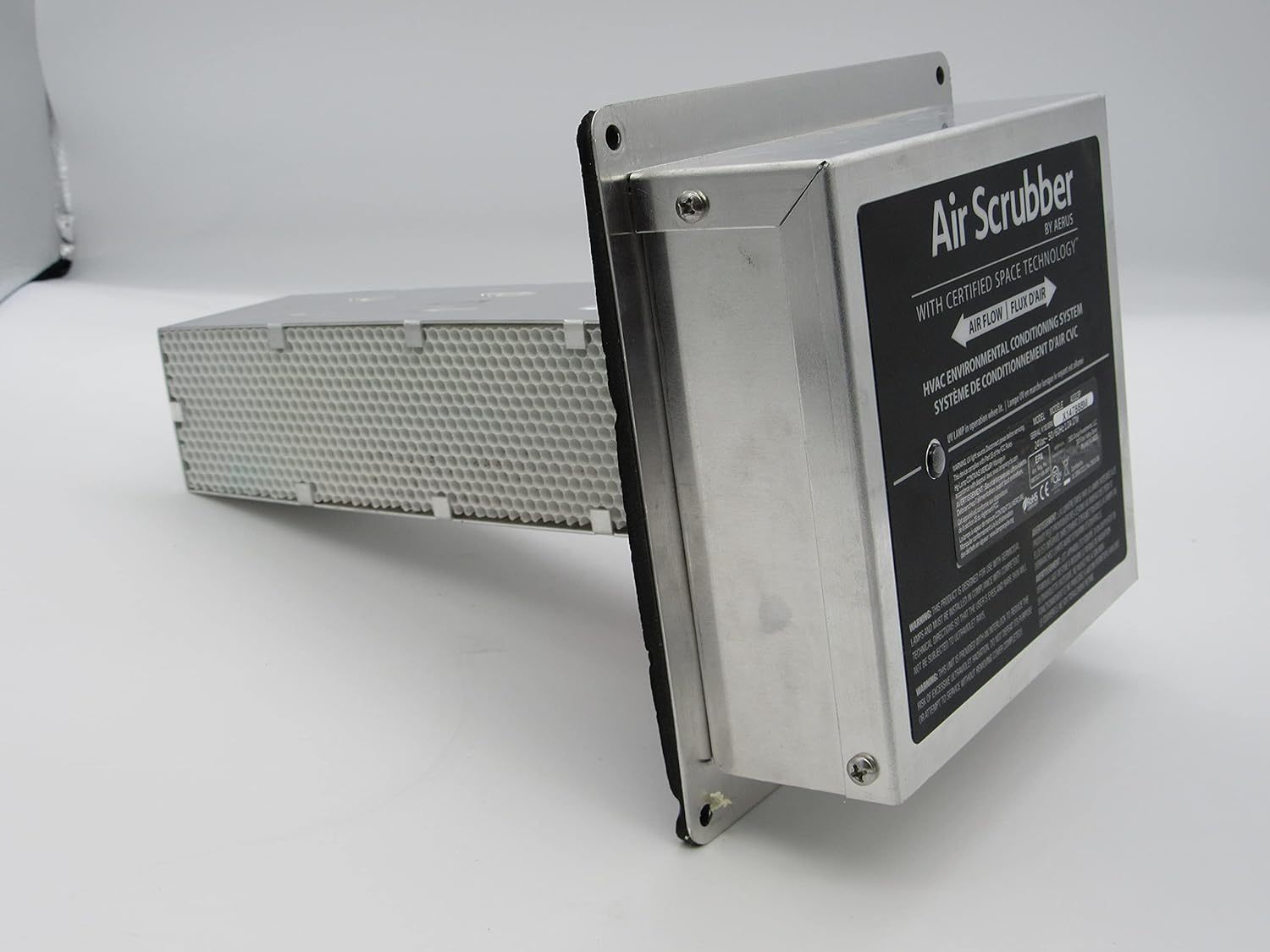
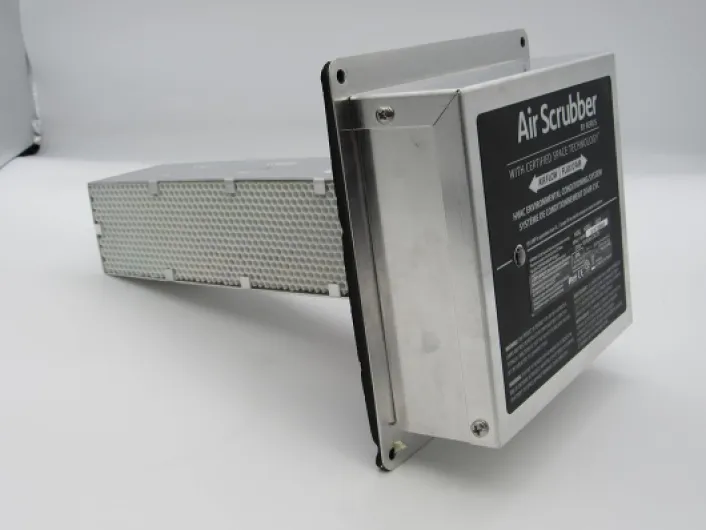
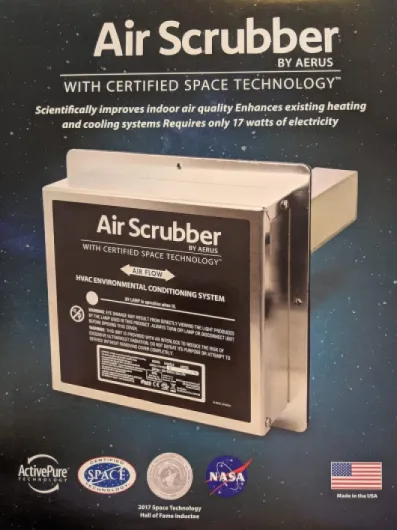
Design-wise, the Aerus Air Scrubber is pretty no-nonsense. It’s a metal housing with a UV bulb and catalyst assembly inside, plus a simple button/control area depending on the exact model revision. You cut a square hole, mount the box so the “business end” sticks into the air stream, and the rest sits on the outside of the duct. There’s no fancy display, no app, no Wi‑Fi. Honestly, I prefer that here. Once it’s in, you should barely think about it except for bulb changes.
The build quality feels decent. The housing is rigid, the mounting plate is straightforward, and the wiring harness isn’t flimsy. It’s not pretty, but it doesn’t need to be. The main thing I looked at was whether it sealed reasonably well against the duct so air has to pass by the active area. With some basic foil tape and screws, it felt solid and didn’t rattle when the blower kicked on. If you’re handy with sheet metal, this is all familiar territory.
One design detail to keep in mind is space around the plenum. On my system, I had to pick the side of the supply duct that wasn’t crowded with refrigerant lines and drain pipes. The unit sticks in a bit, so if your duct is jammed up against a wall or another appliance, placement can be tricky. Measure first, don’t just assume you can throw it anywhere. Also, the bulb/catalyst assembly needs to be accessible for replacement every two years, so don’t bury it behind storage shelves you’ll hate moving later.
Overall, the design is practical, not fancy. It’s clearly made to be installed by HVAC techs who just want it to work. As a homeowner, I had no issues with how it’s laid out, but if you want something you can interact with or tweak settings on every day, this isn’t that. It’s a hidden workhorse, not a gadget you show off.
Durability & maintenance: solid housing, recurring bulb cost
On durability, the metal housing and basic construction feel like they’ll outlast the HVAC system itself. It’s just a sturdy box with a few components inside. I don’t see the chassis failing unless someone physically smashes it or floods the area. The weak point, by design, is the bulb/catalyst assembly. Aerus recommends replacing it every two years because the UV output and catalytic effectiveness drop off sharply around that time. That lines up with what UV bulbs do in general, so it’s believable.
So you basically have two “layers” of durability: the housing, which is long-term, and the bulb assembly, which is a consumable. Think of it like a refrigerator with a water filter. The fridge lasts ages; the filter is an ongoing cost. From what I’ve seen and from other users’ comments, if you keep up with the recommended replacement interval, performance stays consistent. If you cheap out and stretch it to three or four years, you’re just running a light in a box and fooling yourself.
As for the electrical side, using a proper dedicated transformer should help with long-term reliability. Overloading an existing transformer is where you get into trouble with premature failures or damage to control boards. I followed the advice from that detailed Amazon review and wired up a separate 40 VA transformer just for the scrubber. After that, no issues: no tripped breakers, no weird smells, no flickering lights. The unit just runs when the system runs.
Cleaning-wise, there’s not much to do. It sits in the duct, so it’s not something you’re dusting every month. The main maintenance is remembering the two‑year replacement cycle. I’d honestly set a reminder in your phone or write the install date on the unit with a marker. If you’re the type who forgets this kind of thing, that’s a real downside, because the product’s value drops a lot if you don’t stick to the schedule.
Performance in daily use: depends a lot on your HVAC setup
Performance-wise, the Aerus Air Scrubber is heavily tied to how your HVAC system runs. If your system only kicks on a few times a day and the fan is off the rest of the time, you’re not getting constant purification. The best results I saw were when I set the fan to run continuously on low speed. That way, air is always passing the UV/catalyst assembly, and the whole house feels more evenly treated. It does mean a small bump in electricity use, but on my system it was manageable and worth it for the air quality.
There’s no noise directly from the unit itself; any sound is just normal HVAC blower noise. No extra hum, no fan whine, nothing like that. I checked near the plenum with the panel off and couldn’t hear anything unusual. From a performance comfort angle, it’s silent in normal use, which is nice compared to big room purifiers that sound like a box fan on medium all day.
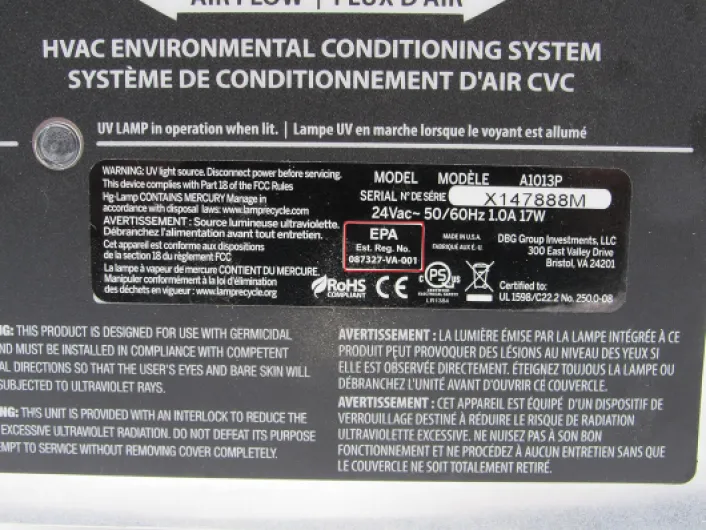
One performance caveat: power requirements. As that long review said, this unit wants a dedicated 40 VA transformer for the 24 VAC power. If you try to piggyback it onto an already loaded transformer that’s also feeding your furnace control board, thermostat, and outdoor unit, you risk shortening the life of the bulb/catalyst and maybe even stressing your control board. I went ahead and added a separate transformer, and so far everything’s been stable. No weird system lockouts, no random resets.
In day-to-day life, the performance is basically: fewer odors, slightly less dust floating in the air, and fewer allergy complaints, as long as the fan is on a lot and the filter is decent. It doesn’t clean couches, carpets, or surfaces by itself, so you still have to vacuum and dust like a normal person. But as a background system to keep the general air fresher, it does its job quietly and consistently.
What this thing actually is (and isn’t)
The Aerus Air Scrubber Ozone Free is basically a UV-based air treatment module that mounts in your HVAC ductwork. It uses a UV bulb and a “patented catalytic process” (their wording) plus ActivePure Technology to treat air as it passes by. There’s no HEPA filter in the unit itself; it’s not trapping dust like a Dyson or a big room purifier. It’s more about reducing airborne nasties and odors as your system runs. Size-wise, it’s roughly 11 x 6.5 x 6.5 inches and a bit over 3 pounds, so it’s small enough to fit on most plenums without a fight.
The important bit: this is the ozone-free version. Some older or different models from various brands use ozone to help with odor control, which can bother people with asthma or sensitive lungs. This one is marketed as people- and pet-safe, and in day-to-day use I never got that sharp, chemical smell you get from ozone generators. For my family (one kid with mild asthma, one person with allergies), that was non‑negotiable.
The product page and reviews push the idea that it can handle bacteria, mold spores, odors, and general air quality. In practice, it’s more of a supporting player in a full HVAC setup. You still need a good media filter (Aprilaire/Honeywell style) to catch dust, pet hair, and larger particles. The long Amazon review is spot on: this scrubber works best as part of a full indoor air quality setup, not as the only solution. If your filter is trash and your ducts are filthy, this won’t magically fix everything.
Also, this is meant for one system = one unit. If you have two furnaces or multiple zones with separate air handlers, you’ll need one per system. That’s something a lot of people forget when they compare the price to just buying a couple of standalone purifiers. So overall: it’s a whole‑home add‑on, not a gadget you move from room to room, and you should think of it like a semi‑permanent appliance that lives inside your HVAC.
Effectiveness: cleaner smell and fewer allergy flare-ups, but not magic
On the effectiveness side, this is where it actually impressed me the most, but in a quiet, boring way. After about three days of running the HVAC fan continuously with the Aerus installed, the overall smell in the house shifted. Pet odors (we have a dog and a cat) were noticeably lower, especially near the main living area. Cooking smells from things like bacon and stir‑fry still showed up, but they cleared out faster, usually within an hour or so instead of lingering half the day. The air just felt more neutral when walking in from outside.
Allergy-wise, we saw a moderate but real difference. My own dust allergies didn’t vanish, but morning congestion was lighter, especially on days when the furnace or AC had been running a lot and the fan stayed on. My partner, who gets hit hard by seasonal allergies and is sensitive to mold, had fewer eye and sinus flare-ups inside the house. It lines up with what that long Amazon review mentioned: if you keep the fan running so air is always passing through the system, the scrubber actually has time to do its job.
Important detail: this thing doesn’t replace a good filter. I upgraded to a decent media filter (Honeywell style) at the same time, and I’m sure that’s doing a lot of the heavy lifting on dust. The scrubber seems more targeted at microbes and odors. When I let the filter go too long, dust on surfaces creeps back, even with the scrubber still on. So if someone buys this and keeps a cheap 1-inch filter clogged for months, they’ll be disappointed and blame the scrubber when it’s actually a filter problem.
One more thing people overlook: the bulb/catalyst assembly loses potency after about two years. Aerus themselves say to replace it at that point. If you don’t, effectiveness drops hard, and you’re basically running a fancy nightlight in your duct, just like that reviewer joked. So yes, it works, but only if you treat it like a consumable system with a real maintenance schedule. Used properly, I’d say it delivers on the promise of cleaner-smelling, easier-to-breathe air, just not in a dramatic overnight way.
Pros
- Noticeably reduces household odors and gives the air a cleaner, more neutral smell
- Ozone-free design, better suited for people with asthma or sensitive lungs
- Whole-home coverage through existing HVAC, no extra noisy fans in living spaces
Cons
- Bulb/catalyst assembly must be replaced about every two years, adding ongoing cost
- Requires ductwork cutting and proper 24V wiring with a dedicated transformer
- Effectiveness depends heavily on running the HVAC fan often and using a good filter
Conclusion
Editor's rating
The Aerus Air Scrubber Ozone Free is a solid whole-home air helper if you understand what it does and what it doesn’t. It doesn’t suck up dust like a HEPA box in your living room, and it’s not plug-and-play. You’re cutting into ductwork, wiring a transformer, and committing to replacing the bulb/catalyst assembly every two years. In return, you get cleaner-smelling air, fewer lingering odors, and, in my experience, a modest but noticeable drop in allergy irritation when the system fan runs a lot.
This unit makes the most sense if you already have or plan to have a good HVAC setup: proper media filter, maybe a humidifier, and you’re okay with running the fan more often. For families with allergies, asthma, or sensitivity to mold, it’s a reasonable upgrade that works quietly in the background. If you’re expecting it to fix bad filters, filthy ducts, or poor ventilation by itself, you’ll be underwhelmed. It’s a strong supporting piece, not a miracle cure.
If you want clean air with minimal visual clutter and you’re fine with some DIY or paying a tech, it’s worth considering. If you prefer simple, portable purifiers you can plug in and forget, or you hate scheduled maintenance, you should probably skip it and look at standalone units instead.