Key performance metrics that separate average and excellent purifiers
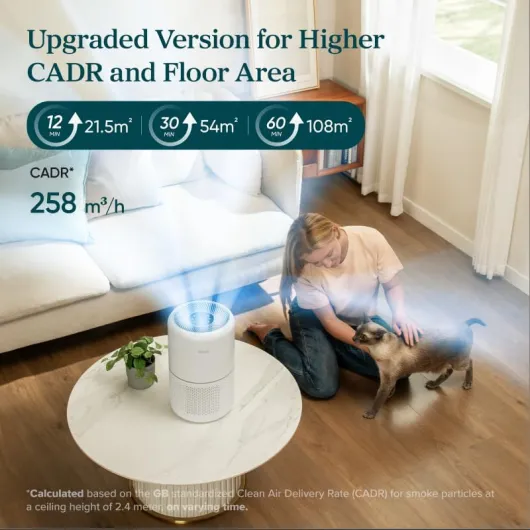
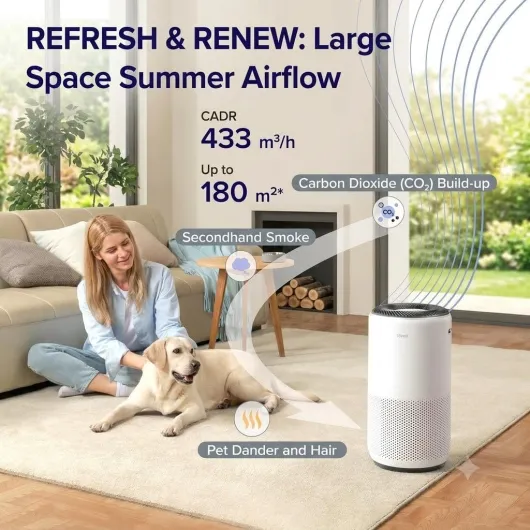
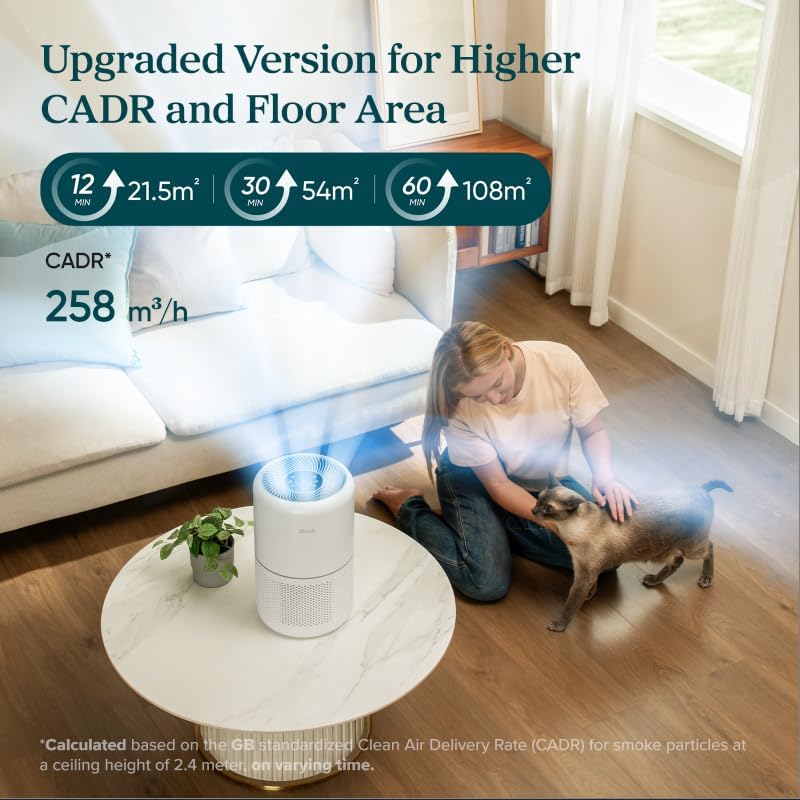
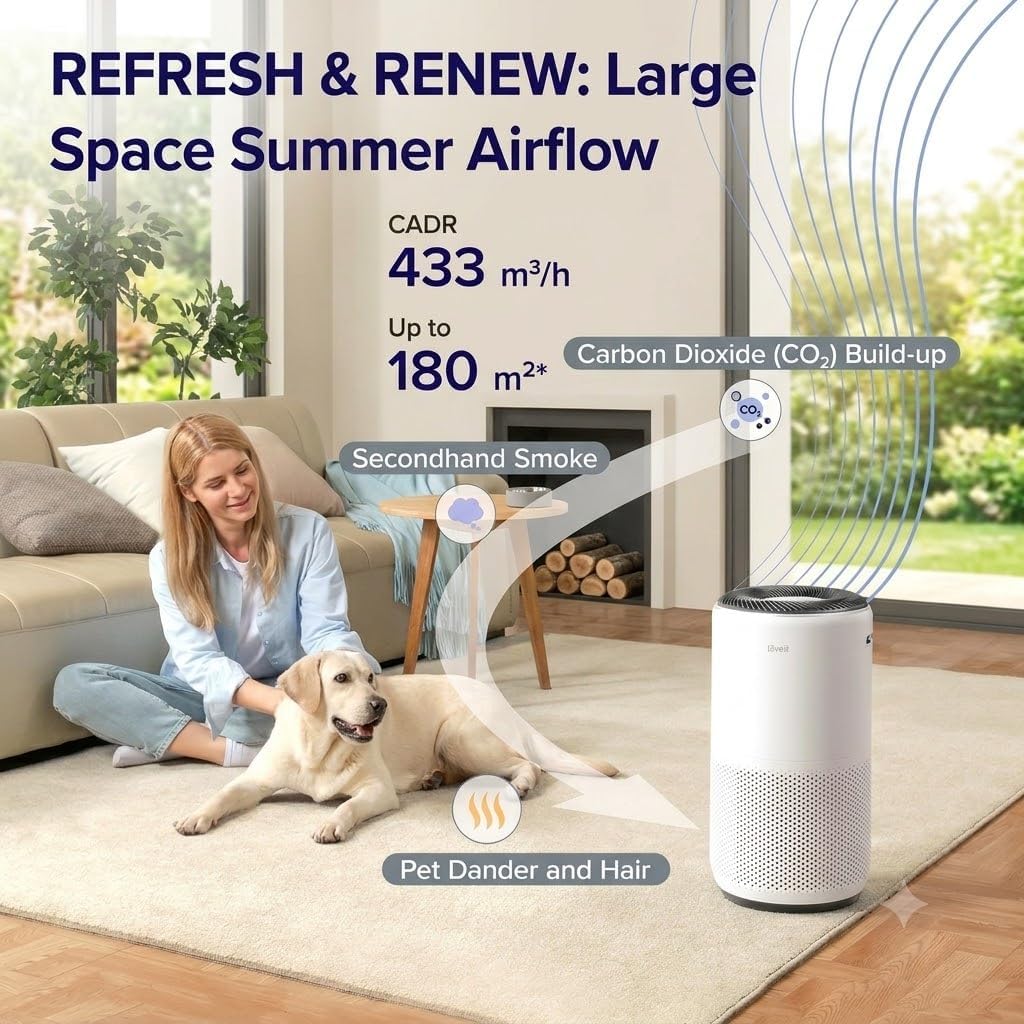
Performance numbers can feel abstract, yet they are central to finding the best air purifiers for home. CADR, CFM, and fan speed settings together show how quickly a purifier can reduce pollutants in a typical room. When you see CADR CFM values, you are essentially seeing how much clean air the purifier can push out after passing through its filters.
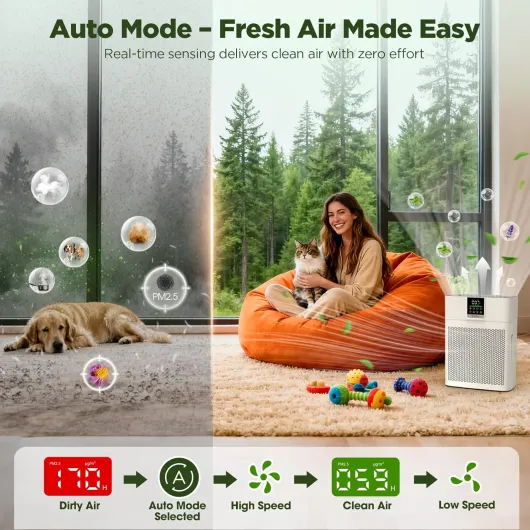
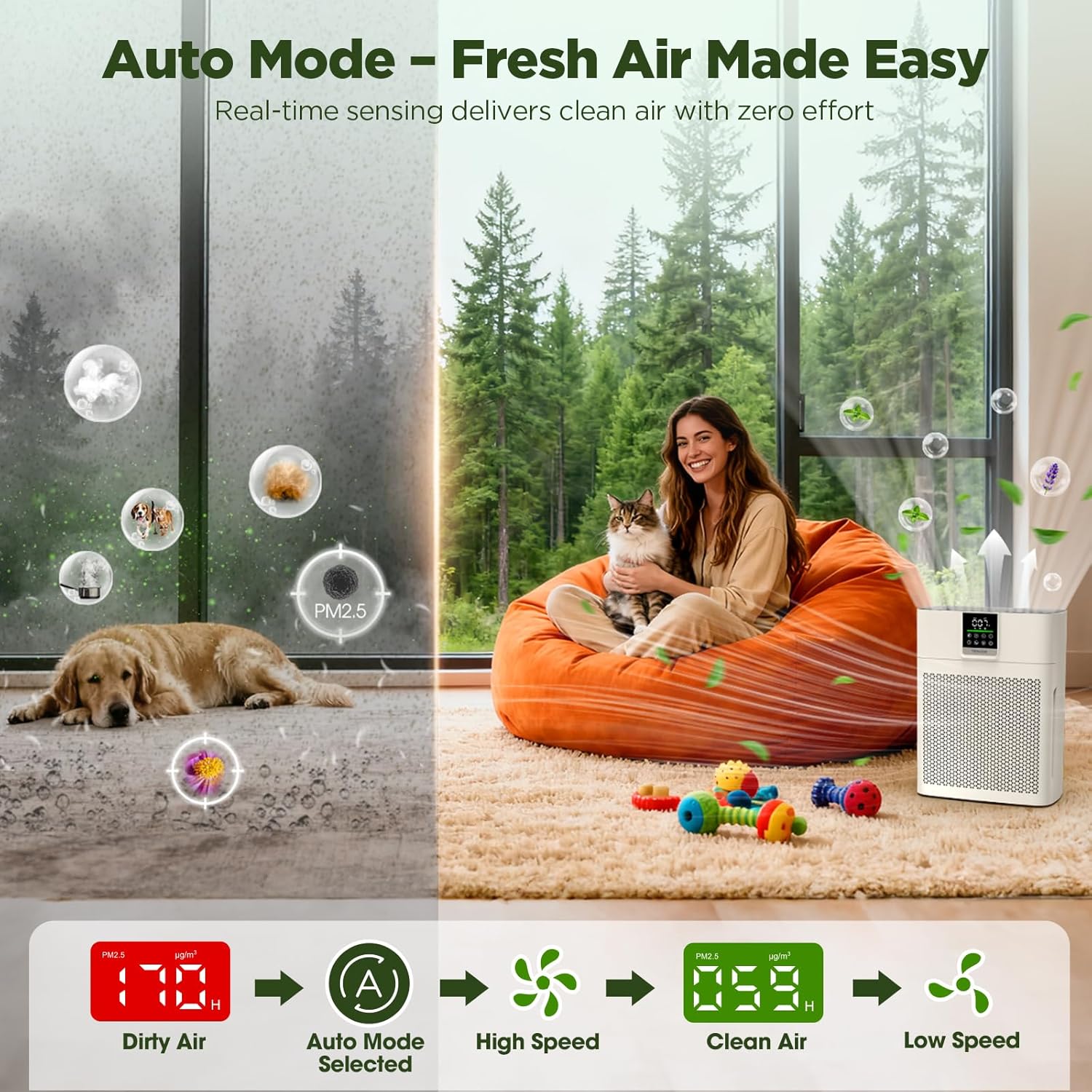
Noise levels in dBA matter because a purifier that sounds like a loud fan will rarely run at its highest speed. Many air purifiers now offer an auto mode that adjusts fan speed based on a quality sensor reading, which helps balance quiet operation with effective air cleaning. For bedrooms, look for products that publish dBA levels at low and medium speed, not only at maximum power.
Energy consumption is another key factor, especially if your air purifier will run for many hours each day. High power models can move more air, but efficient purifiers tested under standardized tests often deliver strong CADR with moderate consumption. Over time, the cost of running a purifier can rival the purchase price, so checking wattage and estimated yearly costs is essential.
Room size claims should always be read alongside CADR and CFM data, not just marketing labels. A compact air purifier might be perfect for a 15 m² room but inadequate for a large open plan living area. For deeper insight into how airflow is measured in real spaces, resources explaining how a balometer helps optimize air purifier performance can clarify why correct placement and airflow balancing matter so much.
Filter technologies and how they affect real world air quality
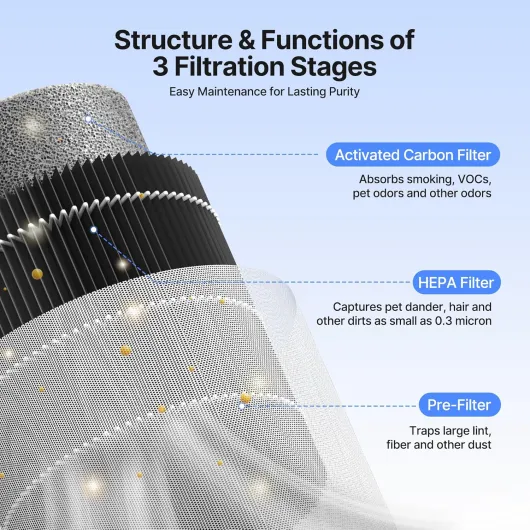
Filter design is at the heart of the best air purifiers for home, because even strong airflow is useless if the filter media is weak. A true HEPA filter captures a very high percentage of fine particles, while cheaper HEPA like materials may let more pollutants pass through. When comparing products, always check whether the manufacturer clearly states that the purifier uses a true HEPA filter and not just HEPA style marketing language.
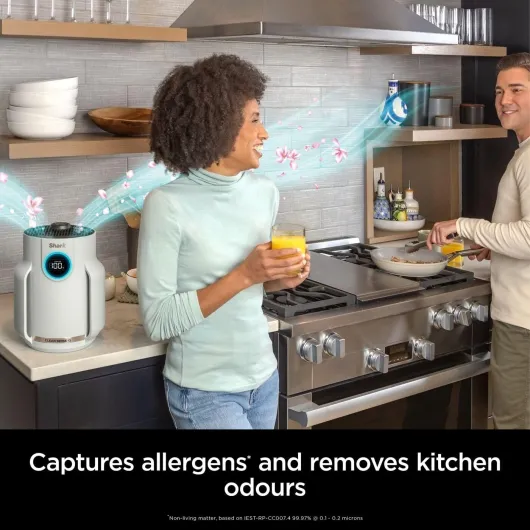
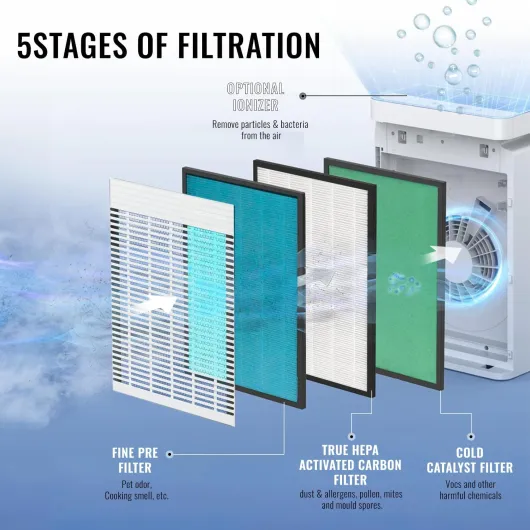
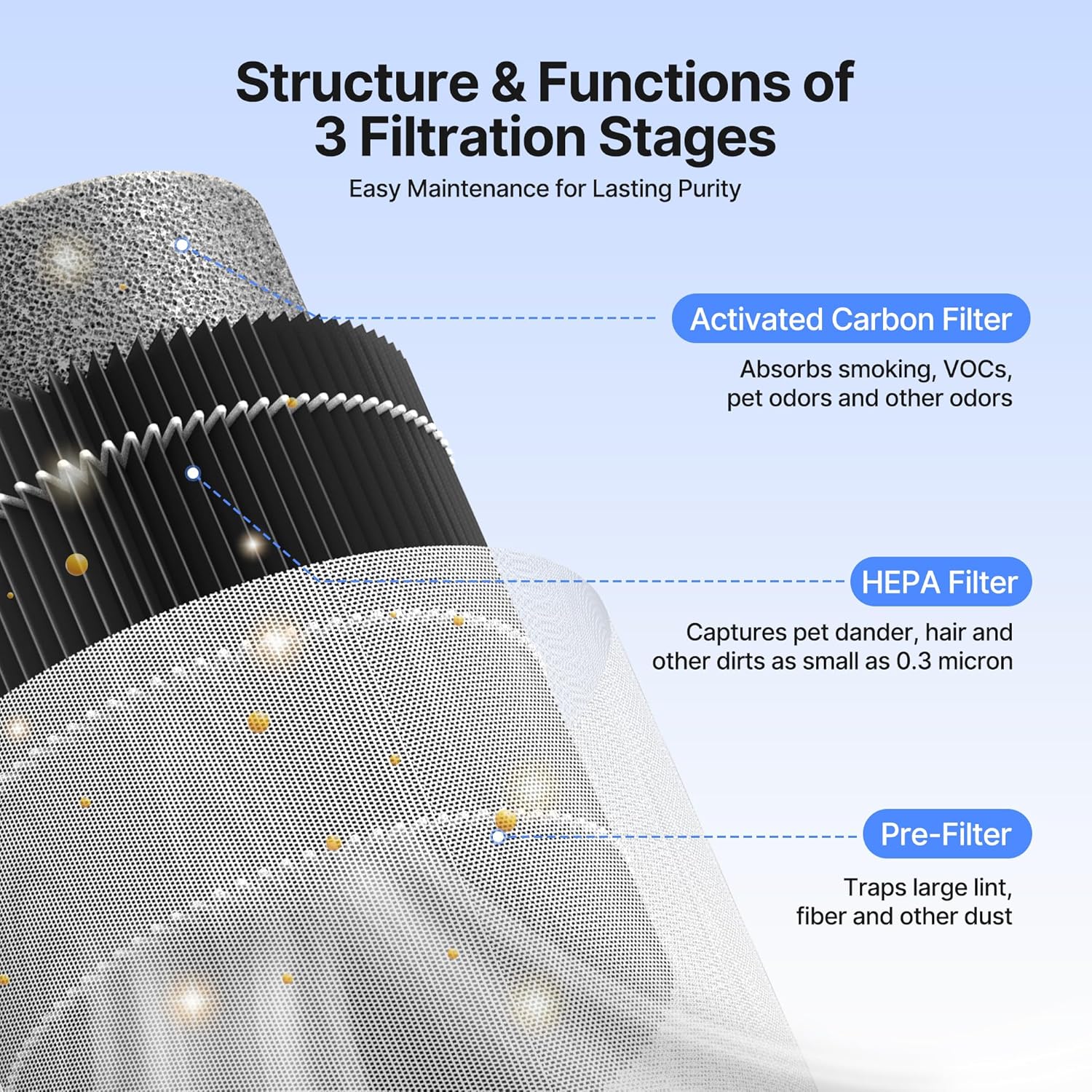
Many modern air purifiers combine true HEPA filters with activated carbon filters to tackle both particles and gases. Activated carbon works by adsorption, trapping volatile organic compounds and odours on its porous surface, which is especially useful in kitchens, urban apartments, or homes with smokers. The amount and quality of activated carbon inside the filter cartridge strongly influence how long the purifier will maintain effective gas removal.
A good pre filter extends the life of both HEPA and carbon layers by catching hair, dust, and larger debris. Some pre filters are washable, which reduces long term costs and keeps airflow high, while others must be replaced regularly to prevent pressure drop. When purifiers tested in independent labs show declining CADR over time, clogged pre filters are often the hidden cause.
To maintain consistent clean air, you need to track filter replacement intervals and monitor any quality sensor indicators on the device. Many of the best air purifiers for home now include reminders and simple access panels so that changing a filter takes only a few minutes. For practical guidance on daily operation, including how to set fan speed and auto mode correctly, detailed tutorials on mastering the use of your air purifier can be extremely helpful.
Matching purifier capacity to room size and layout
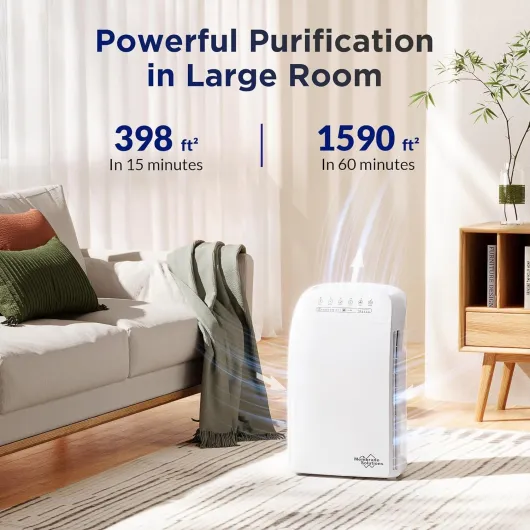
Even the best air purifiers for home can disappoint if they are mismatched to the room size or layout. A purifier with modest CADR and CFM might work well in a compact bedroom but struggle in a large living room with high ceilings. When you evaluate products, always compare the stated room size coverage with your actual floor area and ceiling height, not just the number printed on the box.
Manufacturers usually base room size recommendations on running the purifier at a relatively high fan speed. In reality, many people prefer lower fan speed settings to keep dBA noise levels comfortable, especially at night. This means that a purifier may need to be oversized for the room if you want quiet operation while still maintaining strong air cleaning performance.
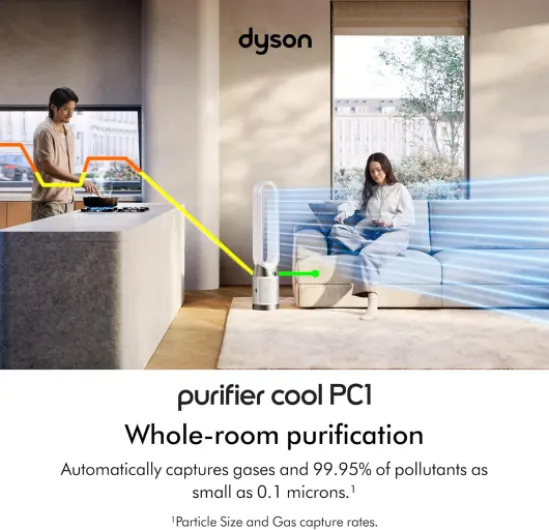
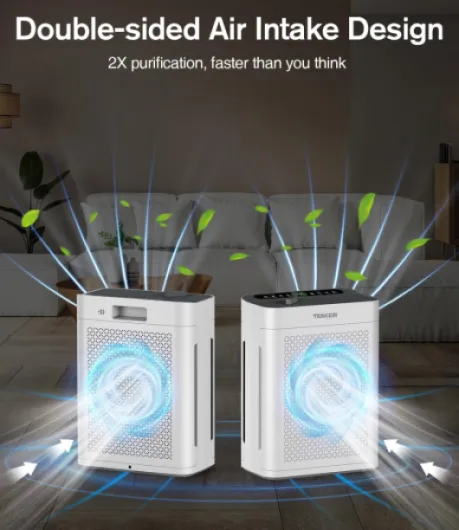
Placement also matters, because airflow can be blocked by furniture, walls, or curtains. For the best air purifiers for home, leave enough space around the air purifier so that powerful air can circulate freely and reach the entire room. Avoid placing the purifier in tight corners where the quality sensor might read only a small pocket of air rather than the overall room air quality.
When comparing purifiers tested by independent reviewers, pay attention to how they describe real apartment layouts rather than idealized test rooms. Some reviews even include a video review that shows how quickly the purifier reduces visible smoke or measured particles in a realistic room. These visual tests, combined with clear data on CADR, CFM, and room size, provide a more trustworthy picture than marketing claims alone.
Noise, design, and everyday usability in home environments
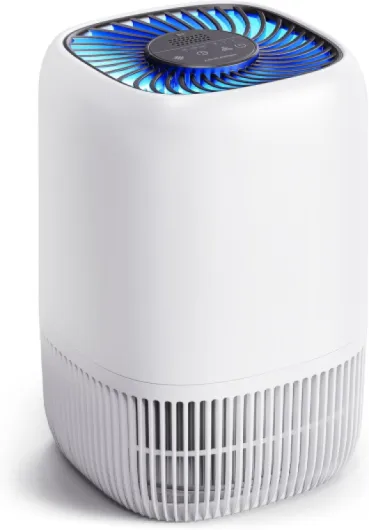
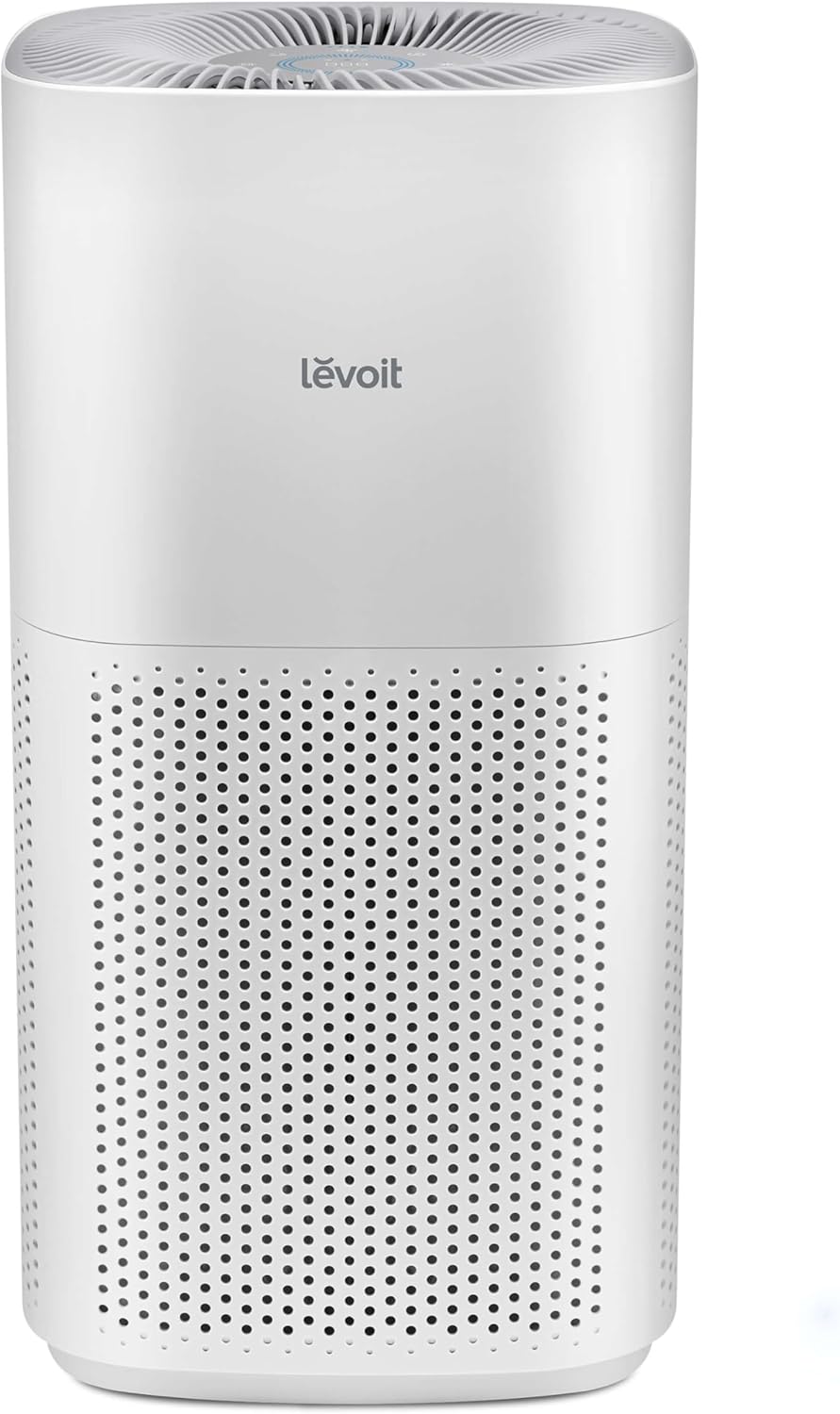
Living with the best air purifiers for home means paying attention to comfort factors that go beyond raw performance. Noise in dBA, physical dimensions in inches, and overall inches weight all influence whether a purifier feels discreet or intrusive in daily life. A compact air purifier with a slim profile can fit beside a sofa or bed, while a heavier model might be better suited to a fixed corner.
Most people use multiple fan speed settings throughout the day, switching from high power during cleaning bursts to low speed at night. Auto mode can simplify this by using a quality sensor to adjust speed automatically when air quality worsens, such as during cooking or outdoor pollution spikes. However, you should still check how responsive the sensor is and whether the purifier reacts quickly enough to protect sensitive individuals.
Design details like touch controls, clear filter indicators, and easy access panels make maintenance less of a chore. When filters are hard to reach, people delay replacements, which undermines the performance of even the best air purifiers for home. Transparent information about filter type, including pre filter, HEPA filter, and activated carbon filter, helps you plan future costs and avoid unpleasant surprises.
Some of the most reliable products share similar traits: stable bases, intuitive controls, and clear documentation about tests and purifiers tested in different conditions. If a brand provides a thorough video review that walks through noise levels, power consumption, and real room performance, that is a strong sign of transparency. Over time, these usability details matter as much as CADR and CFM, because a purifier you enjoy using is the one that will actually keep delivering clean air.
Evaluating long term value and making a confident choice
Assessing long term value is essential when selecting the best air purifiers for home, because the purchase price is only part of the story. Filter replacement costs, energy consumption, and expected lifespan together determine the real cost per year of clean air. A slightly more expensive air purifier with durable filters and lower power draw can end up cheaper than a budget model with frequent replacements.
Look closely at how often the manufacturer recommends changing the pre filter, HEPA filters, and activated carbon filters. If the purifier uses a true HEPA filter and a generous amount of activated carbon, it may maintain strong air cleaning performance for longer between changes. Transparent brands publish clear schedules and explain how their tests simulate real world usage rather than ideal laboratory conditions.
When comparing air purifiers, consider whether you need one purifier for a single room or several purifiers for multiple rooms. In some homes, a powerful air purifier in the main living area combined with a smaller unit in the bedroom offers a good balance of coverage and cost. Pay attention to dimensions in inches and inches weight if you plan to move the purifier between rooms, as portability can be a practical advantage.
Finally, trust is built when manufacturers share detailed specifications, independent purifiers tested data, and honest explanations of CADR CFM, dBA, and room size limits. Reading at least one in depth video review and consulting expert guidance on how an outdoor temperature sensor can enhance your air purifier experience can further refine your choice. By weighing performance, usability, and long term costs together, you can select products that genuinely improve air quality and support healthier living every day.