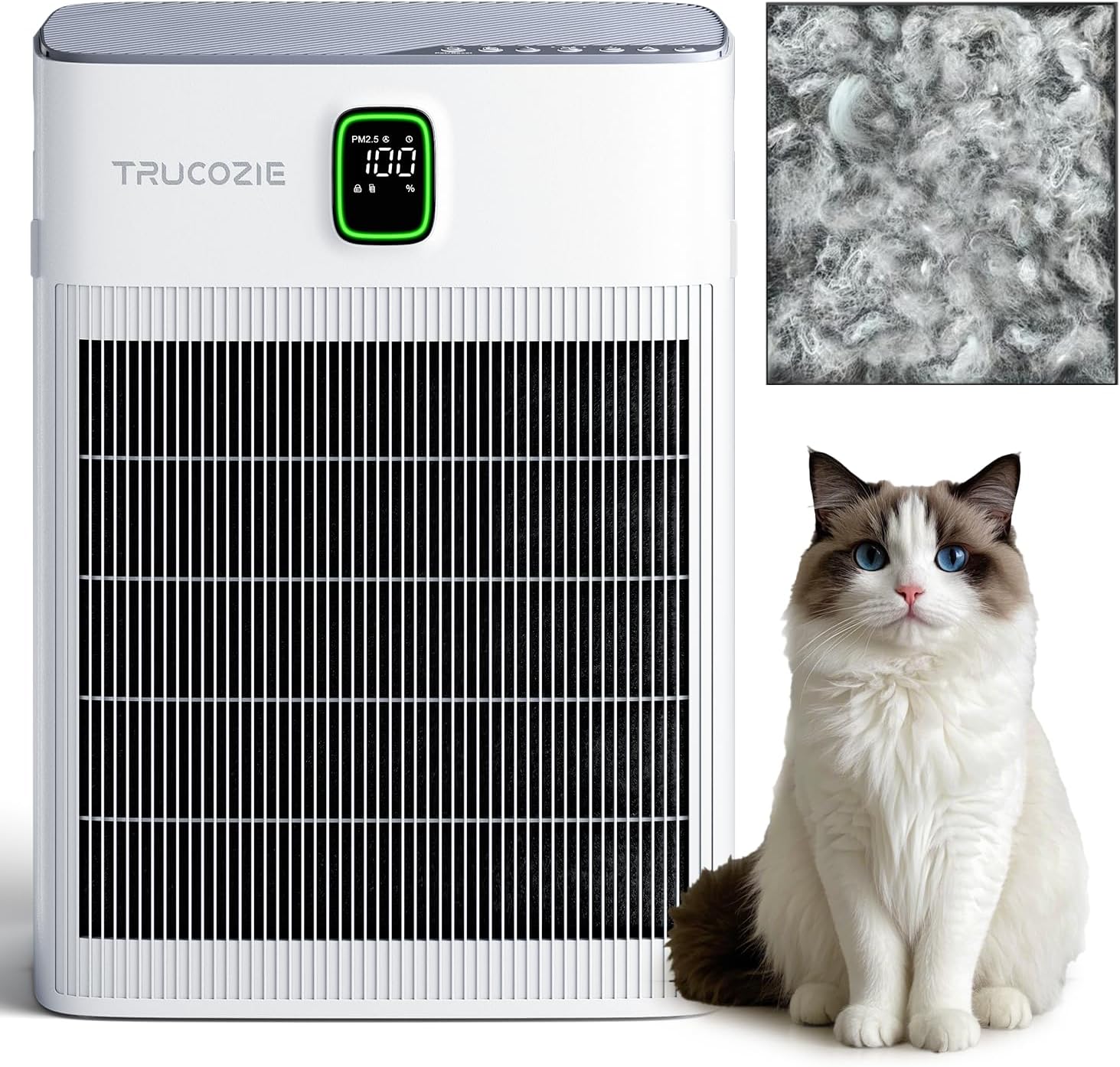
Key performance metrics for air cleaning in homes with pets
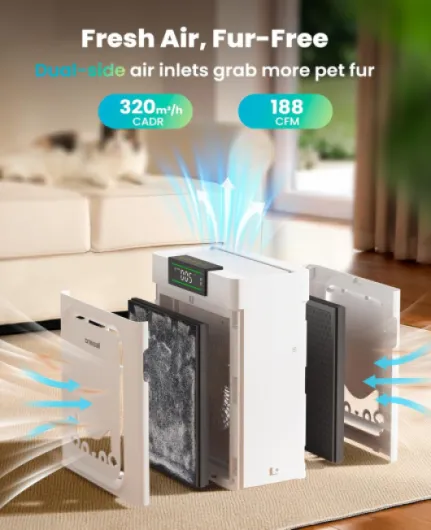
Understanding performance metrics helps you compare the best air purifiers for pets fairly. The first number to examine is CADR, which reflects how quickly a purifier delivers clean air into a defined room. A higher clean air delivery rate means the unit can cycle the air more often and remove pet dander more efficiently.
Next, look at the recommended room size and the stated CFM, or cubic feet per minute of air movement. When a purifier lists strong CFM but a modest CADR, its filters may be less efficient at real air cleaning. For large spaces, you need both robust CFM and a high CADR to maintain healthy air quality throughout the day.
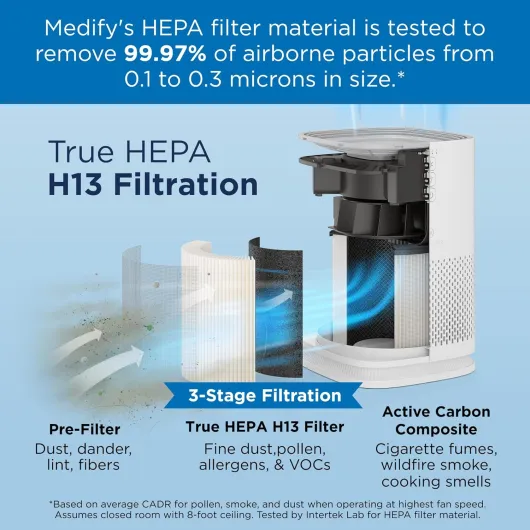
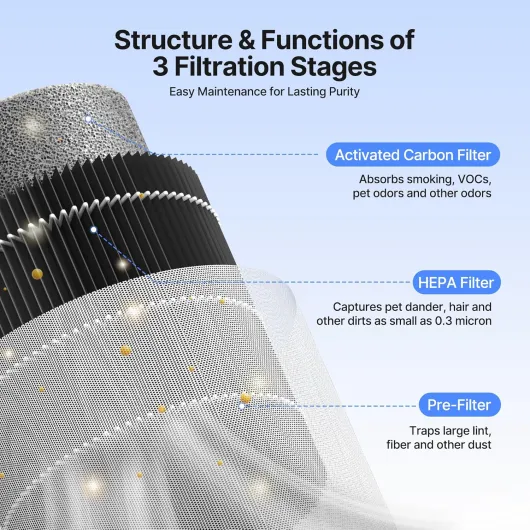
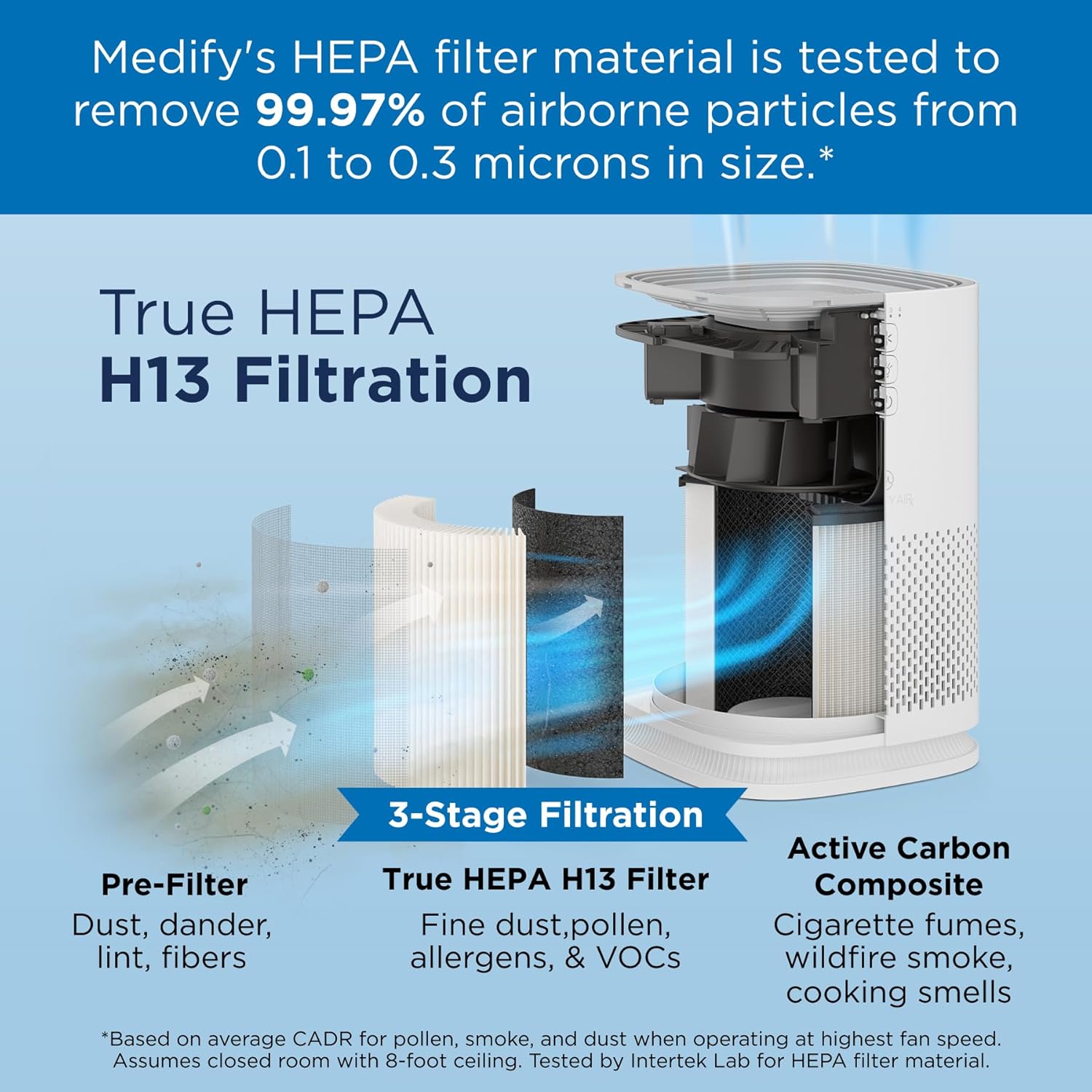
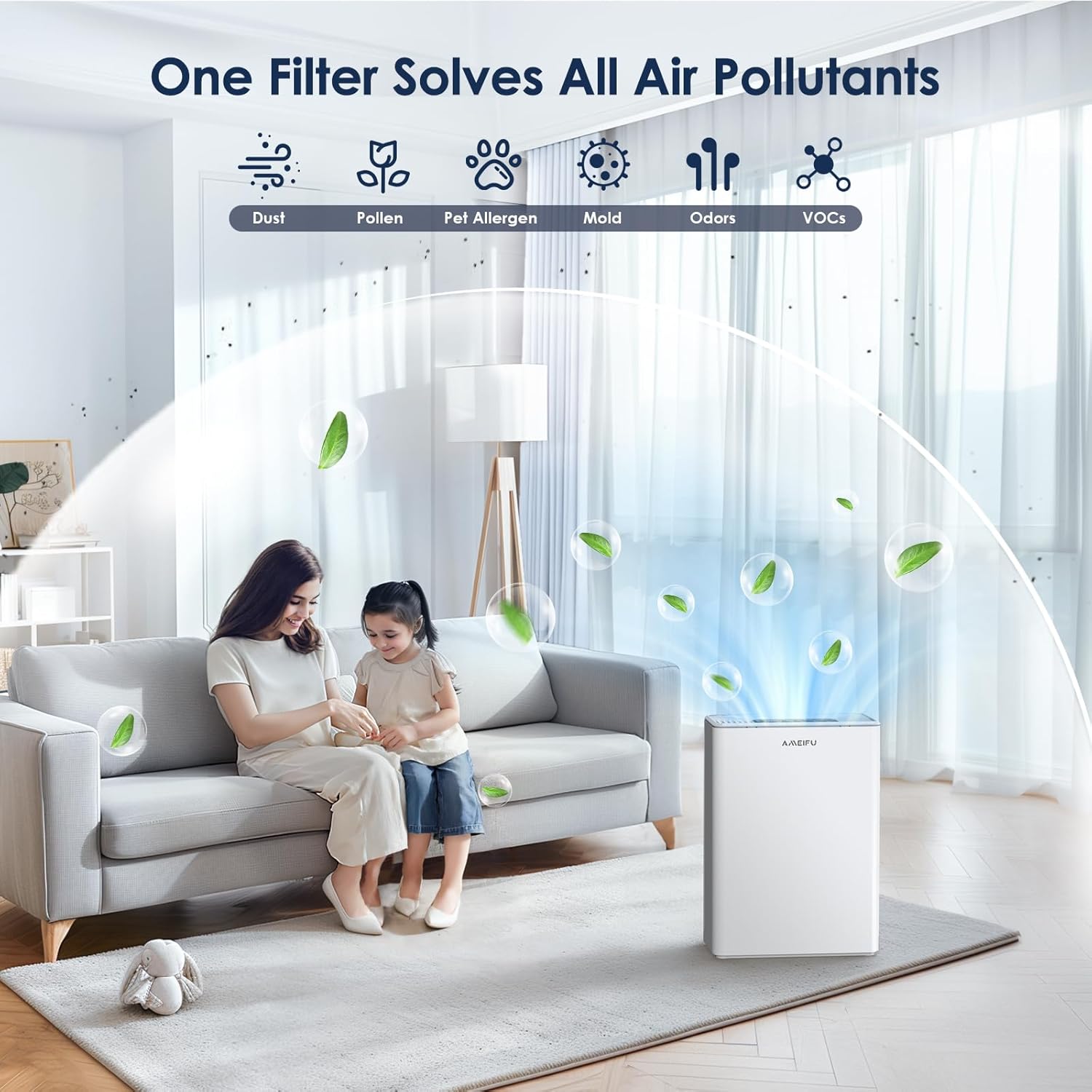
Filter design directly shapes cleaning performance and long term costs. A layered system with a washable pre filter, a dense HEPA filter, and a thick activated carbon block usually offers the best balance for pet households. This combination captures hair, pet dander, fine particles, and odours in a single compact unit.
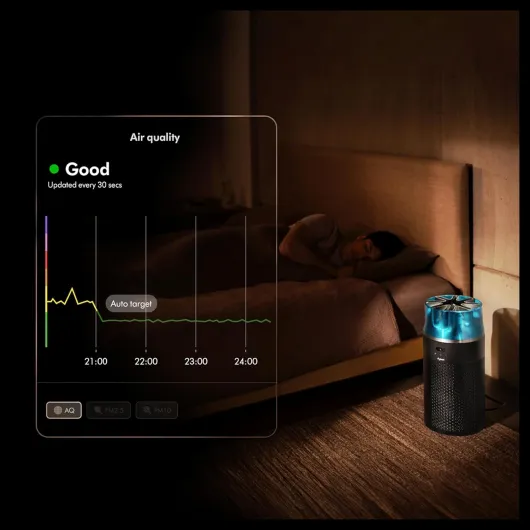
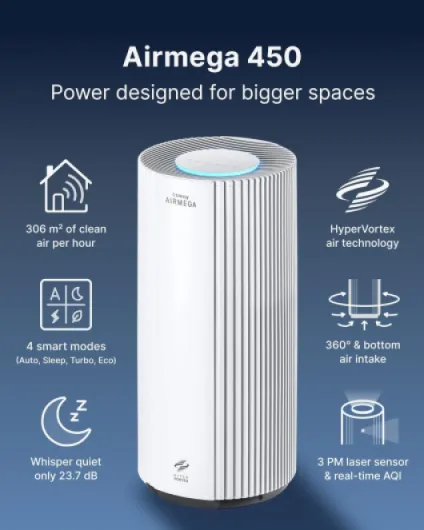
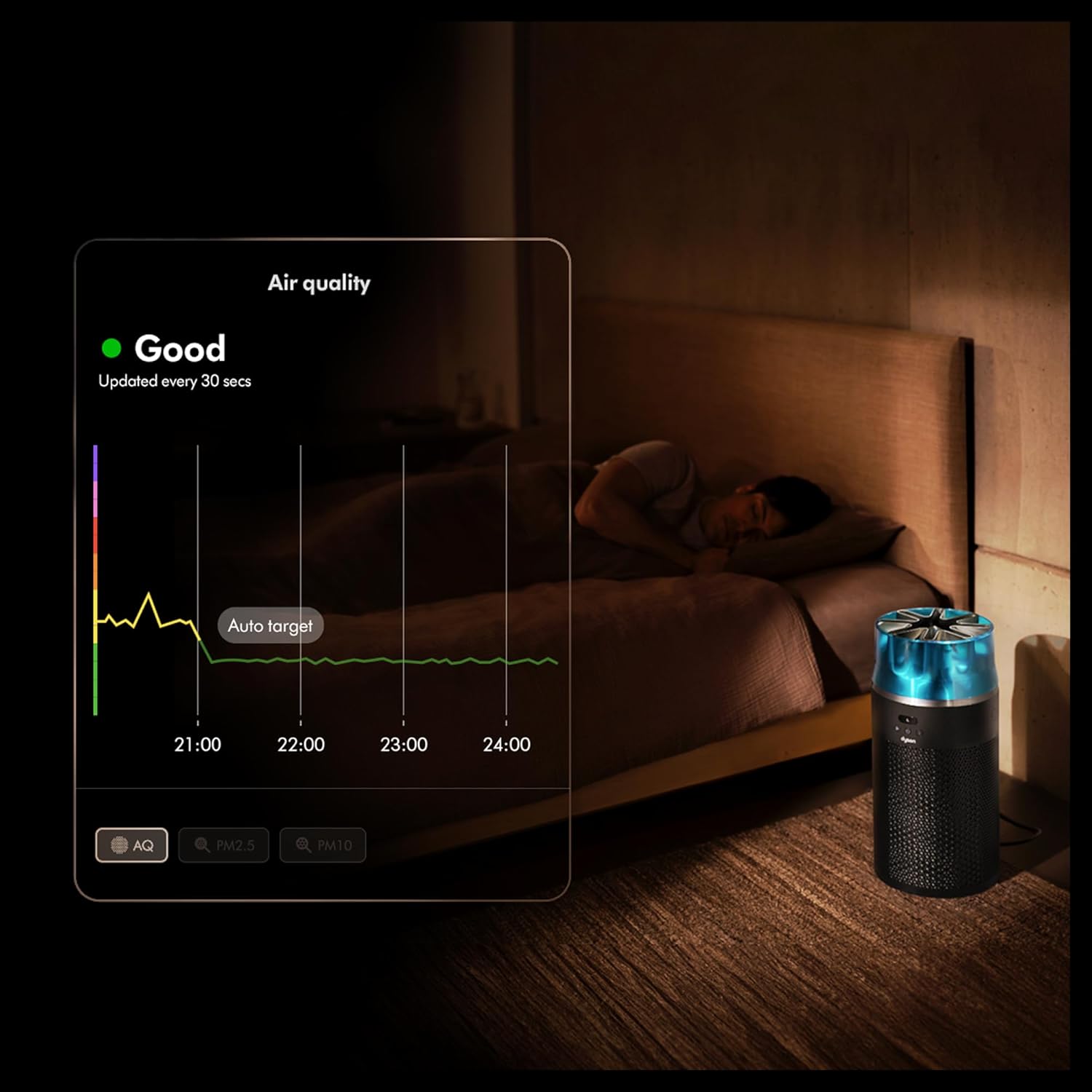
Many modern air purifiers add smart features to simplify daily use. An auto mode uses sensors to track air quality and adjust fan speed, which saves energy while preserving clean air. Some smart air purifiers also send alerts when filters need replacement, so you will not forget essential maintenance.
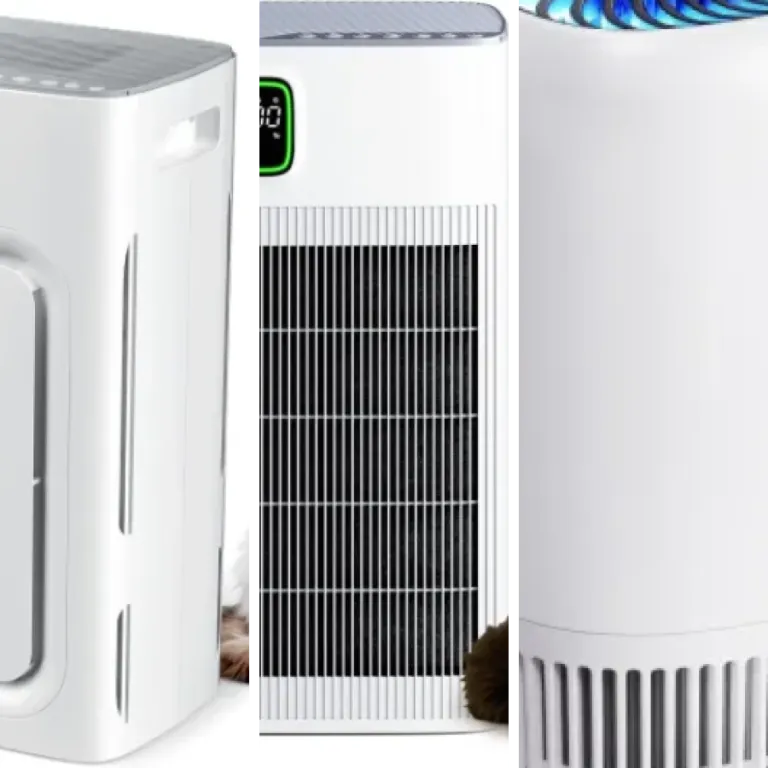
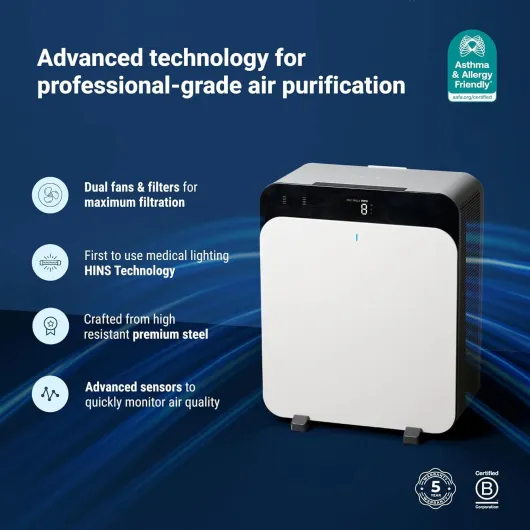
When comparing models, consider a dedicated large room air purifier that has been tested for pet allergies and smoke. For example, a high deodorization HEPA and carbon purifier for large rooms can handle both pet odours and fine particles. Matching the purifier to your room size, lifestyle, and budget ensures the best air cleaning performance over time.
How filters, HEPA technology, and carbon layers tackle pet dander
Every air purifier relies on its filters, and pet owners should understand each layer. The pre filter sits at the front of the unit and catches hair, lint, and larger dust before they reach the main HEPA filter. Regularly cleaning this pre filter maintains airflow, stabilizes CFM, and protects the more expensive filters behind it.
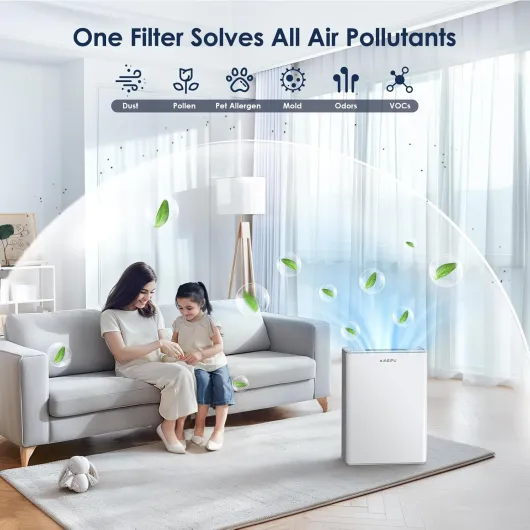
The HEPA filter is the core of most of the best air purifiers for pets. A true HEPA filter captures extremely small particles, including much of the pet dander that triggers sneezing and itchy eyes. When manufacturers refer to HEPA air performance, they highlight this ability to trap fine pollutants that ordinary filters miss.
Behind the HEPA filter, an activated carbon section handles odours and gases. This carbon layer absorbs pet smells, cooking fumes, and some chemical vapours, which improves overall air quality and comfort. For homes with multiple pets, a thicker activated carbon block or multiple carbon filters can significantly enhance air cleaning.
Some advanced purifiers use modular filters that you can buy and replace individually. This design lets you change only the saturated carbon filter or the clogged HEPA filter, which can reduce the long term price of ownership. Always check how many filters the unit uses, how often they must be replaced, and whether the weight lbs of each cartridge is manageable for you.
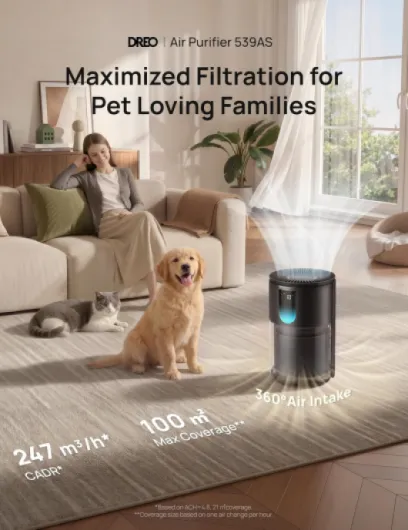
When evaluating smart air purifiers, examine how their auto mode interacts with filter life. A well tuned auto mode will increase fan speed when air quality drops, then return to a quieter mode to preserve filters and reduce noise level. For a detailed example of such a system, you can review this new generation HEPA and carbon purifier with app support designed for large spaces.
Smart features, modes, and everyday usability for pet households
Beyond raw air cleaning power, the best air purifiers for pets must fit smoothly into daily life. Smart features, thoughtful mode options, and practical design details determine whether a purifier feels like a helpful companion or a noisy burden. Pet owners should assess how each unit behaves in real rooms, not just on paper.
Auto mode remains one of the most valuable settings for busy households. By using built in sensors to monitor air quality, the purifier automatically adjusts fan speed and air delivery to match current pollution levels. This approach maintains clean air while limiting unnecessary noise level and energy use during quieter periods.
Many smart air purifiers connect to mobile apps or voice assistants. These smart features allow you to change mode, check filter status, and view historical air quality data without touching the unit. For people managing multiple rooms or large spaces, remote control can make it easier to coordinate several purifiers at once.
Physical design also affects usability, especially in homes with a pet that sheds heavily. A compact, small footprint unit with moderate weight lbs is easier to move between a bedroom and living room. Handles, smooth casters, and intuitive controls will encourage you to position the air purifier where it can deliver the best air cleaning performance.
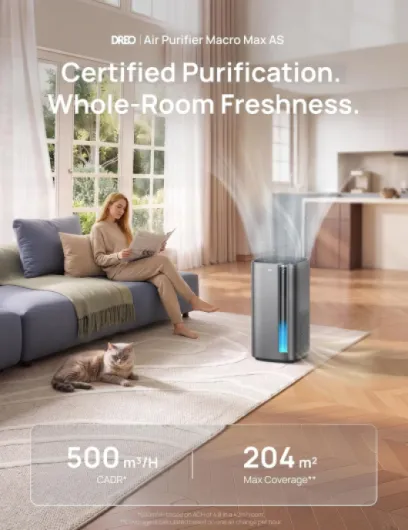
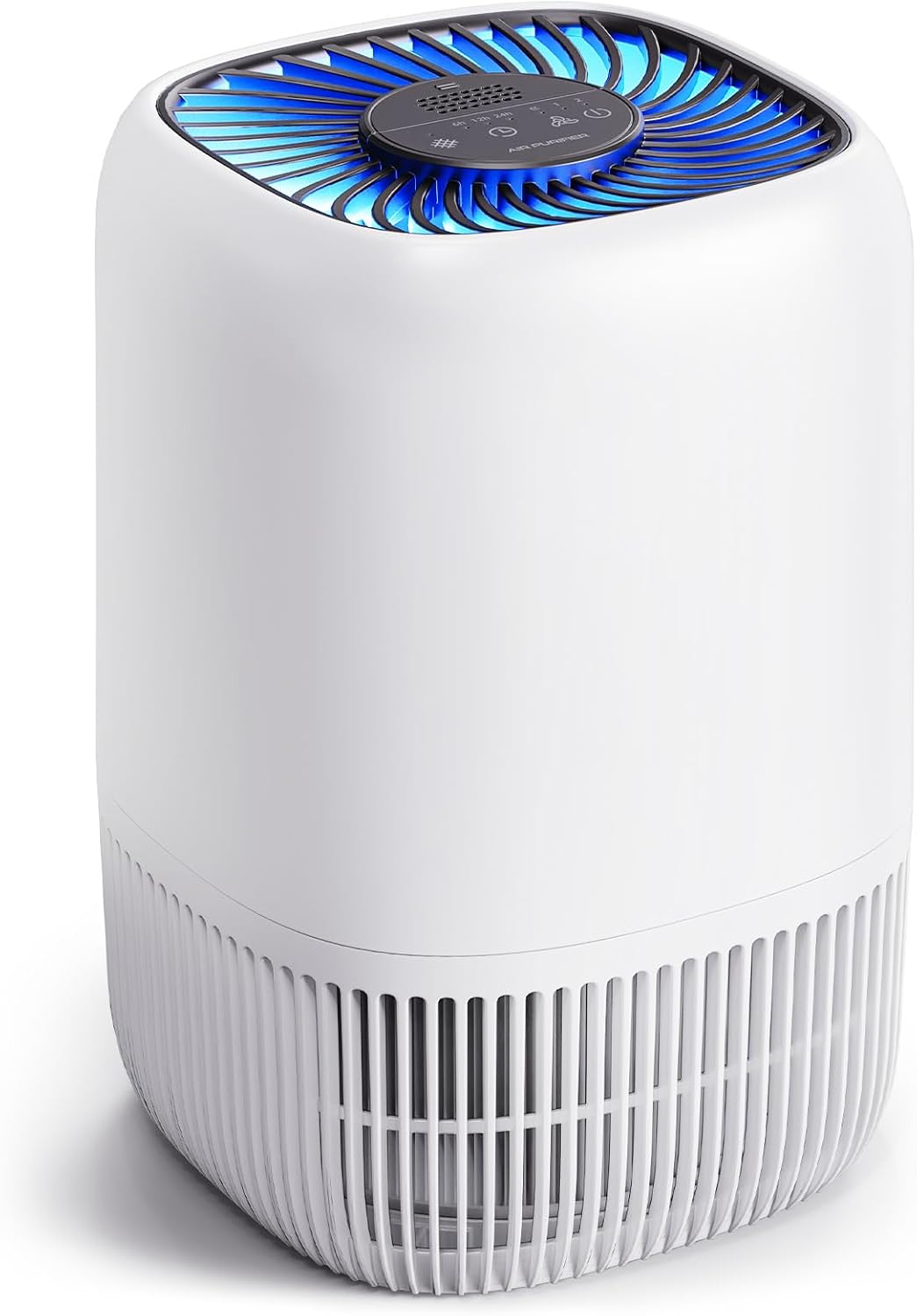
When reading any review, take time to read full assessments of cleaning performance, noise level, and long term price. A detailed analysis, such as this review of a compact cleaner that makes a difference at home, can reveal how a purifier behaves in both small and large spaces. Matching the right combination of smart features, mode options, and filter design will help your chosen air purifiers handle pet dander gracefully.
Choosing the right unit for small rooms and large spaces
Selecting the best air purifiers for pets starts with measuring your rooms. A purifier that excels in a small bedroom may struggle in a large open plan living area. Always compare the stated CADR, CFM, and recommended room size with your actual floor plan before you buy.
For small rooms, a compact unit with moderate CFM and a solid HEPA filter can provide excellent air cleaning. These smaller purifiers often have a lower price, lower weight lbs, and quieter noise level, which suits bedrooms and home offices. Ensure they still include a pre filter and activated carbon layer, because pet dander and odours appear even in confined spaces.
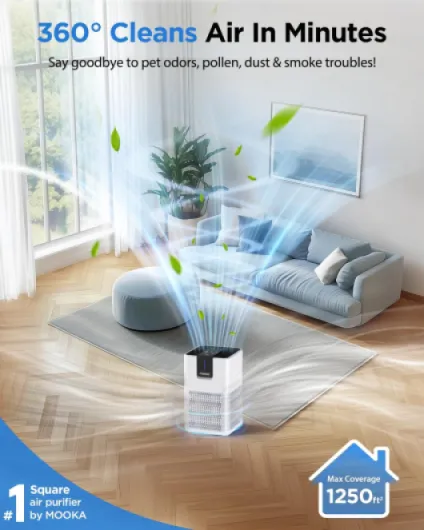
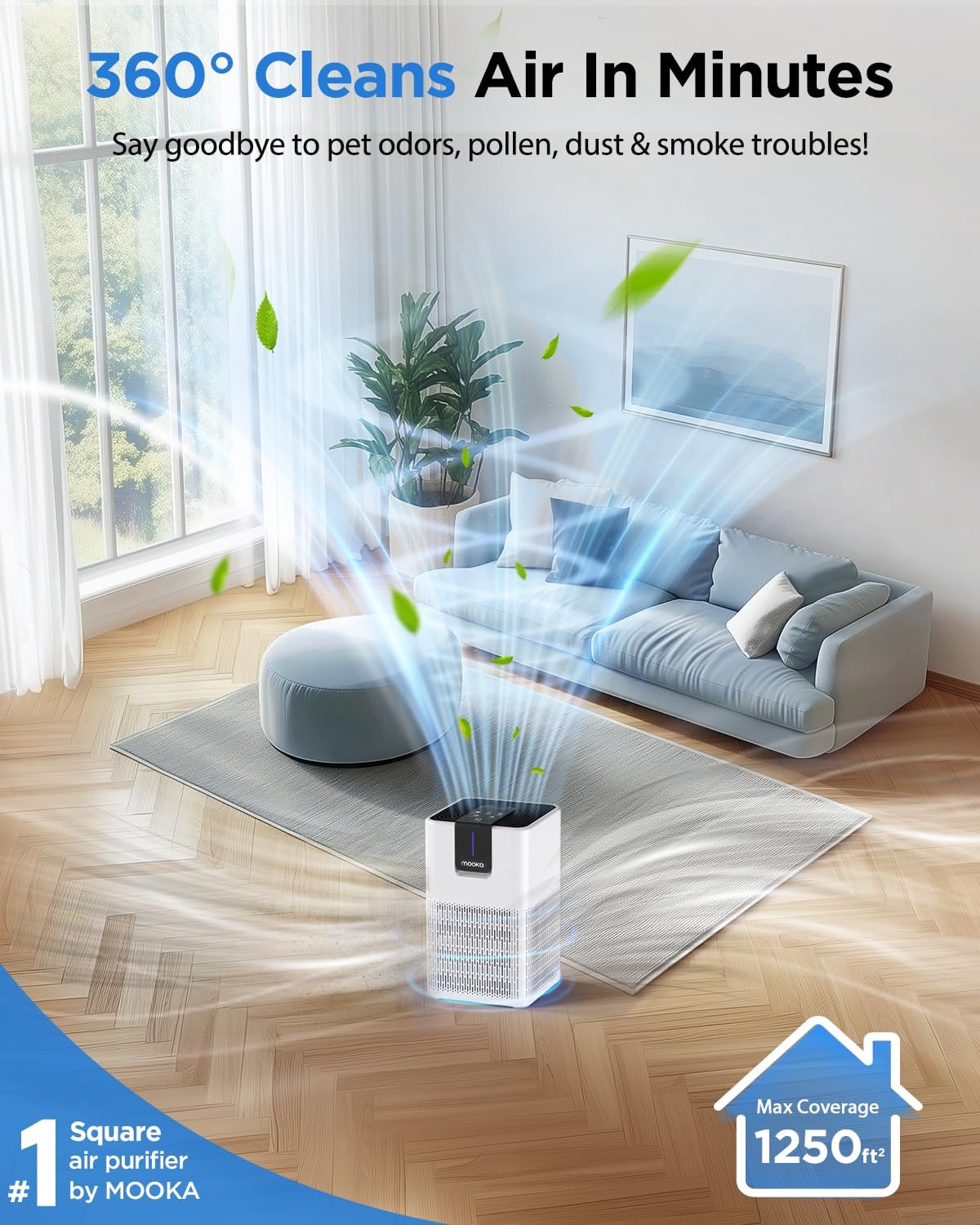
Large spaces demand a more powerful air purifier with a higher clean air delivery rate. Look for purifiers that clearly state their air delivery for smoke, dust, and pollen, as these figures reflect overall cleaning performance. In multi pet homes, a strong HEPA air system combined with generous activated carbon capacity will maintain stable air quality throughout the day.
When comparing units, consider how many filters each purifier uses and how often they must be replaced. A model with durable filters may have a higher initial price but lower lifetime costs, especially if you can wash the pre filter regularly. Transparent filter schedules and clear replacement indicators will help you plan maintenance and avoid sudden drops in air cleaning efficiency.
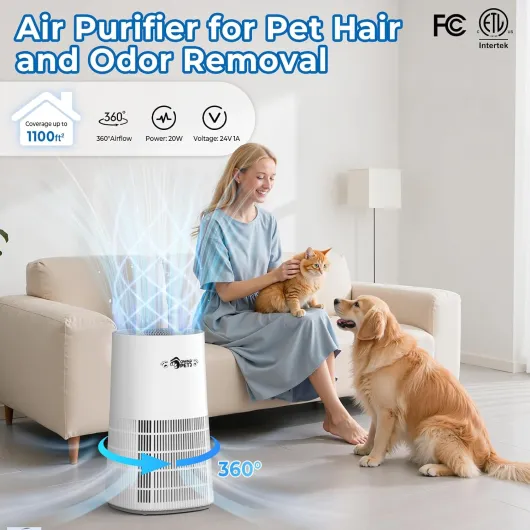
Finally, think about where you will place each air purifier in relation to your pet’s favourite spots. Positioning purifiers near litter boxes, dog beds, or high traffic corridors allows them to capture pet dander and odours before they spread. Balancing coverage, smart features, and practical placement ensures your air purifiers deliver consistently clean air in every room.
Budget, maintenance, and long term value for pet focused air purifiers
Price often shapes which air purifier a pet owner finally chooses. However, the best air purifiers for pets balance upfront cost with long term maintenance, filter expenses, and real world cleaning performance. Evaluating total cost of ownership helps you avoid false savings from underpowered or inefficient purifiers.
Start by comparing the base price of several air purifiers that match your room size and CADR needs. Then, calculate the yearly cost of replacement filters, including the pre filter, HEPA filter, and activated carbon sections. Some units use combined filters, while others separate each layer, which can change both price and convenience.
Maintenance routines also influence value, especially in homes with heavy shedding. Washing or vacuuming the pre filter every few weeks preserves airflow and stabilizes CFM, which keeps the purifier working efficiently. Regular care prevents the unit from overworking in higher mode settings, which can otherwise increase noise level and energy use.
Smart features can support maintenance by tracking filter life and air quality trends. A purifier that alerts you when filters approach saturation ensures you will not run the unit with exhausted filters that no longer provide clean air. Over several years, this combination of timely maintenance and efficient air delivery can justify a slightly higher initial price.
When assessing long term value, remember that a reliable HEPA air system protects both people and pets. Consistent removal of pet dander, fine particles, and odours supports respiratory comfort and a calmer indoor environment. Choosing air purifiers that integrate strong filters, thoughtful mode options, and manageable weight lbs will reward you with healthier air and fewer surprises.
Key statistics about air purifiers and pet related indoor air quality
- Household air can contain several times more pollutants than outdoor air in busy urban areas, especially in homes with pets and limited ventilation.
- High efficiency HEPA filter systems can capture up to 99.97 percent of particles at the most penetrating particle size, including much of the pet dander that aggravates allergies.
- In properly sized rooms, a purifier with an appropriate clean air delivery rate can complete four to five full air changes per hour, significantly reducing airborne allergens.
- Activated carbon filters can meaningfully reduce many common household odours, including pet related smells, when replaced according to manufacturer guidance.
- Regular maintenance of pre filters and main filters can extend purifier lifespan and maintain stable cleaning performance over several years of daily operation.
Common questions about the best air purifiers for pets
Do I really need a HEPA air purifier if my pet does not shed much?
Even low shedding pets release pet dander, saliva particles, and tracked in dust into the air. A HEPA air purifier captures these fine particles more effectively than standard filters, which helps protect sensitive lungs. For households with children, older adults, or asthma, the added protection from a true HEPA filter is usually worthwhile.
How often should I replace filters in an air purifier used for pets?
Filter life depends on the model, the number of pets, and overall air quality. Many manufacturers suggest replacing the main HEPA filter every six to twelve months and the activated carbon filter slightly more often. Washing or vacuuming the pre filter monthly helps maintain airflow and can extend the life of the other filters.
Can a single purifier handle both a small bedroom and a large living room?
A single unit can be moved between rooms, but performance will vary. In a small bedroom, a medium strength purifier may achieve several air changes per hour and maintain very clean air. In a large living room, the same unit might struggle to deliver enough clean air, so a second purifier or a more powerful model may be necessary.
Are smart features and auto mode essential for pet owners?
Smart features and auto mode are not essential, but they add convenience and consistency. Auto mode adjusts fan speed to current pollution levels, which is helpful when pet activity suddenly increases dander in the air. App control and air quality monitoring can also guide you to run the purifier more efficiently and schedule filter replacements on time.
Where should I place an air purifier to best capture pet dander?
Place the air purifier in the room where you and your pet spend the most time, ideally away from walls and large furniture that block airflow. Positioning it near pet beds, litter boxes, or favourite resting spots helps capture pet dander and odours at the source. Ensure the unit has clear space around its intake and outlet so it can circulate clean air effectively.