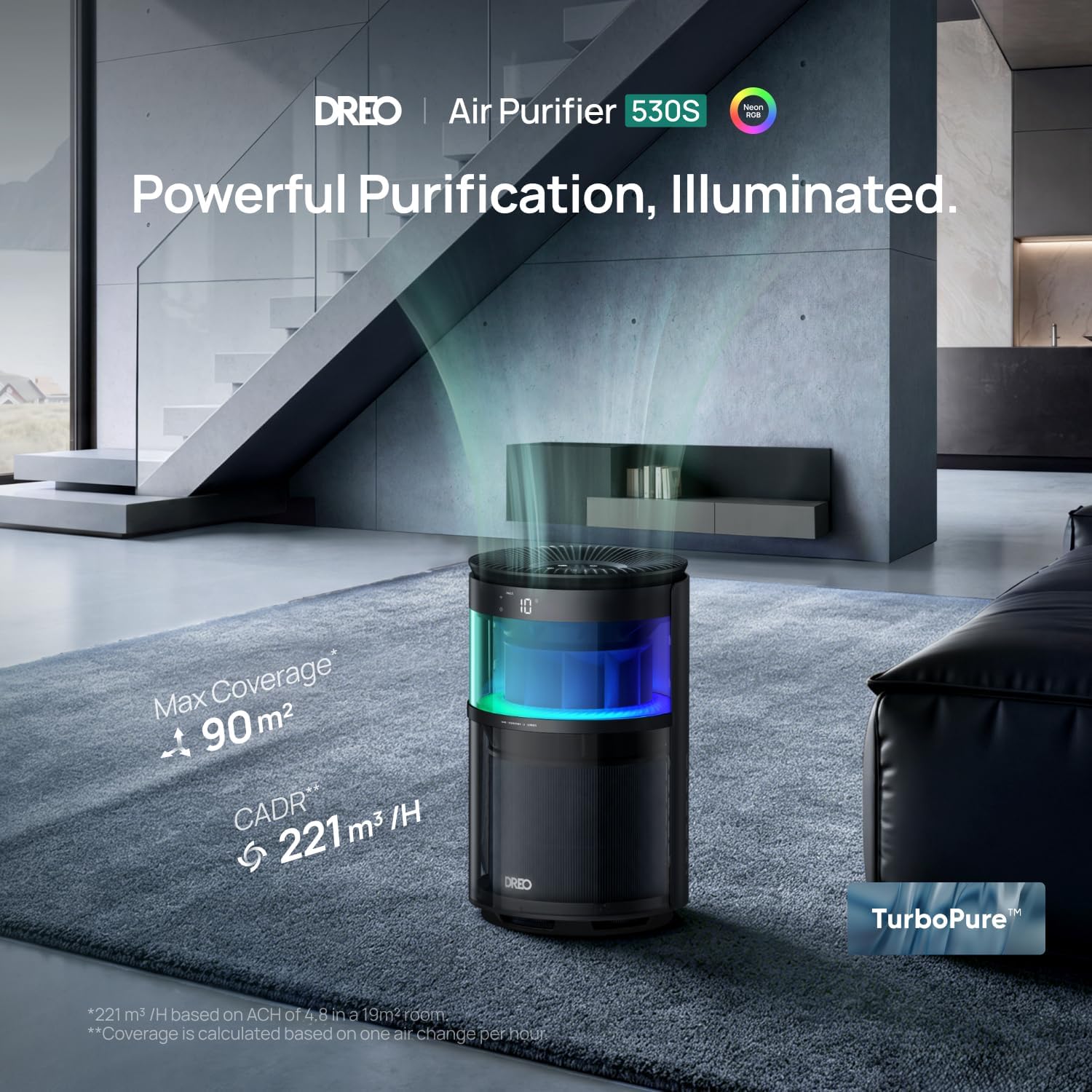
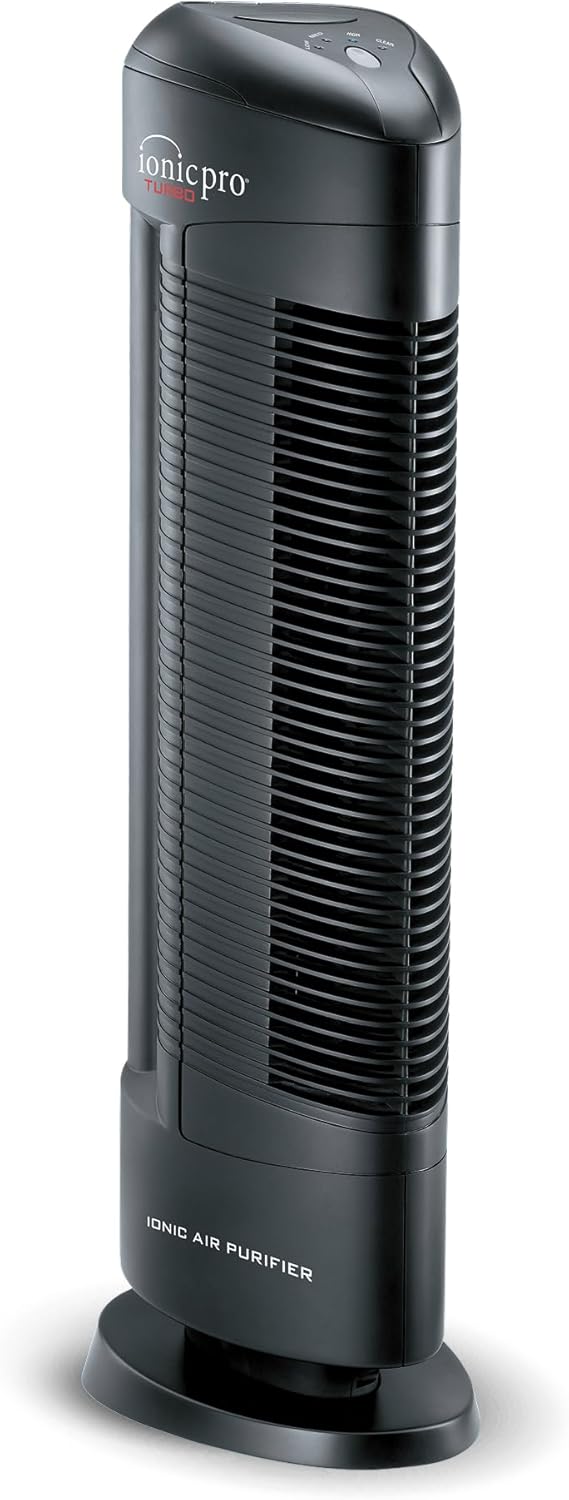
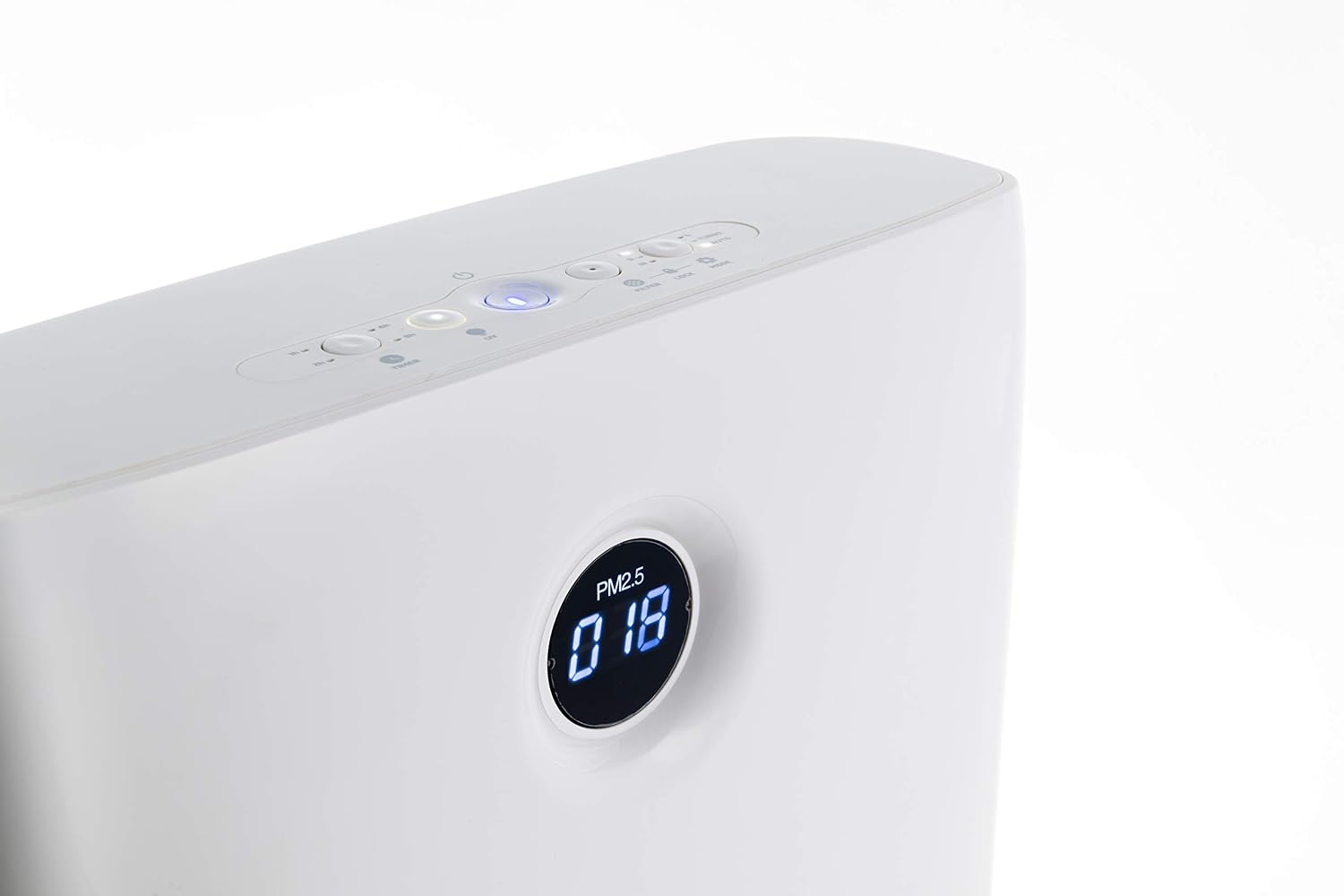
Balancing ionizer benefits with ozone and safety concerns
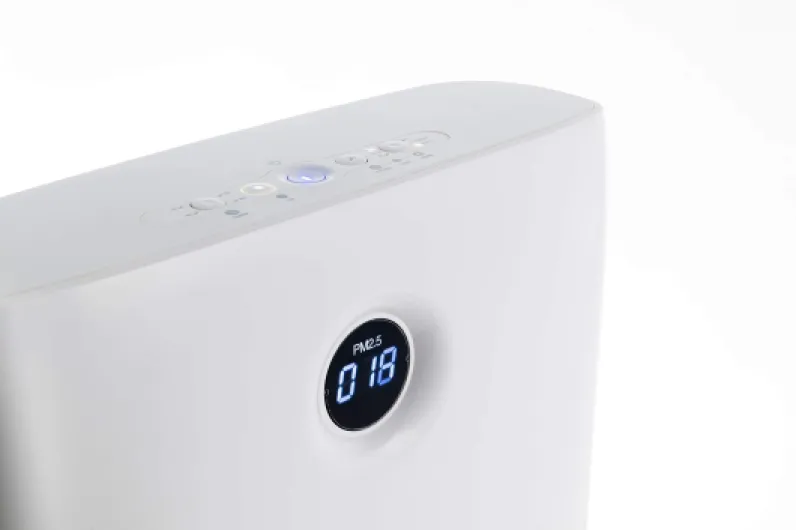
People attracted to ionizers often want stronger performance against ultrafine particles and smoke dust. Ionizer based air purifiers can indeed reduce airborne particles more quickly, especially when combined with a high grade hepa filter and efficient air filter layout. Yet the same ionization process can create small amounts of ozone, which must be carefully controlled.
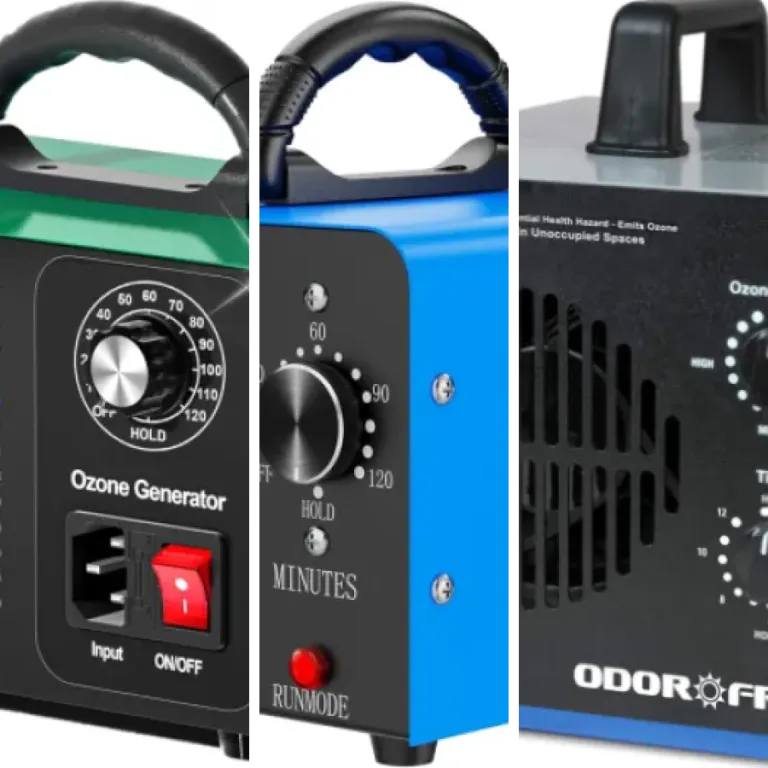
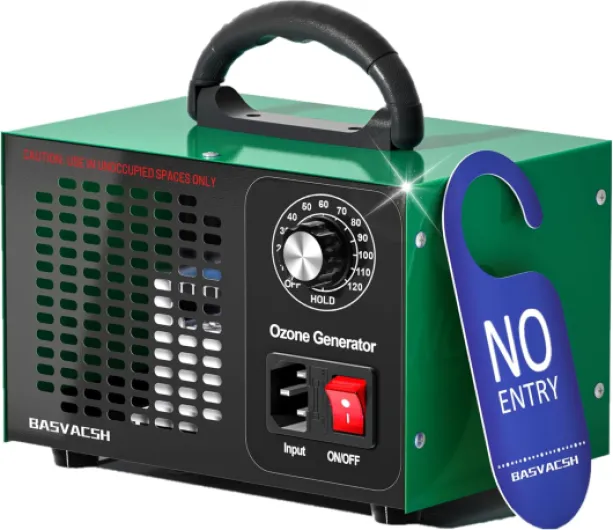
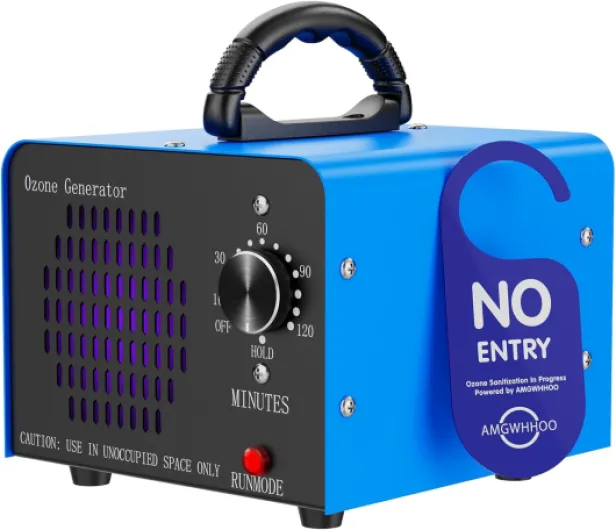
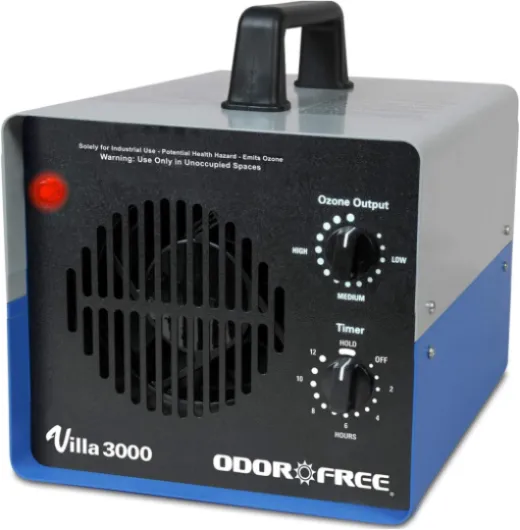
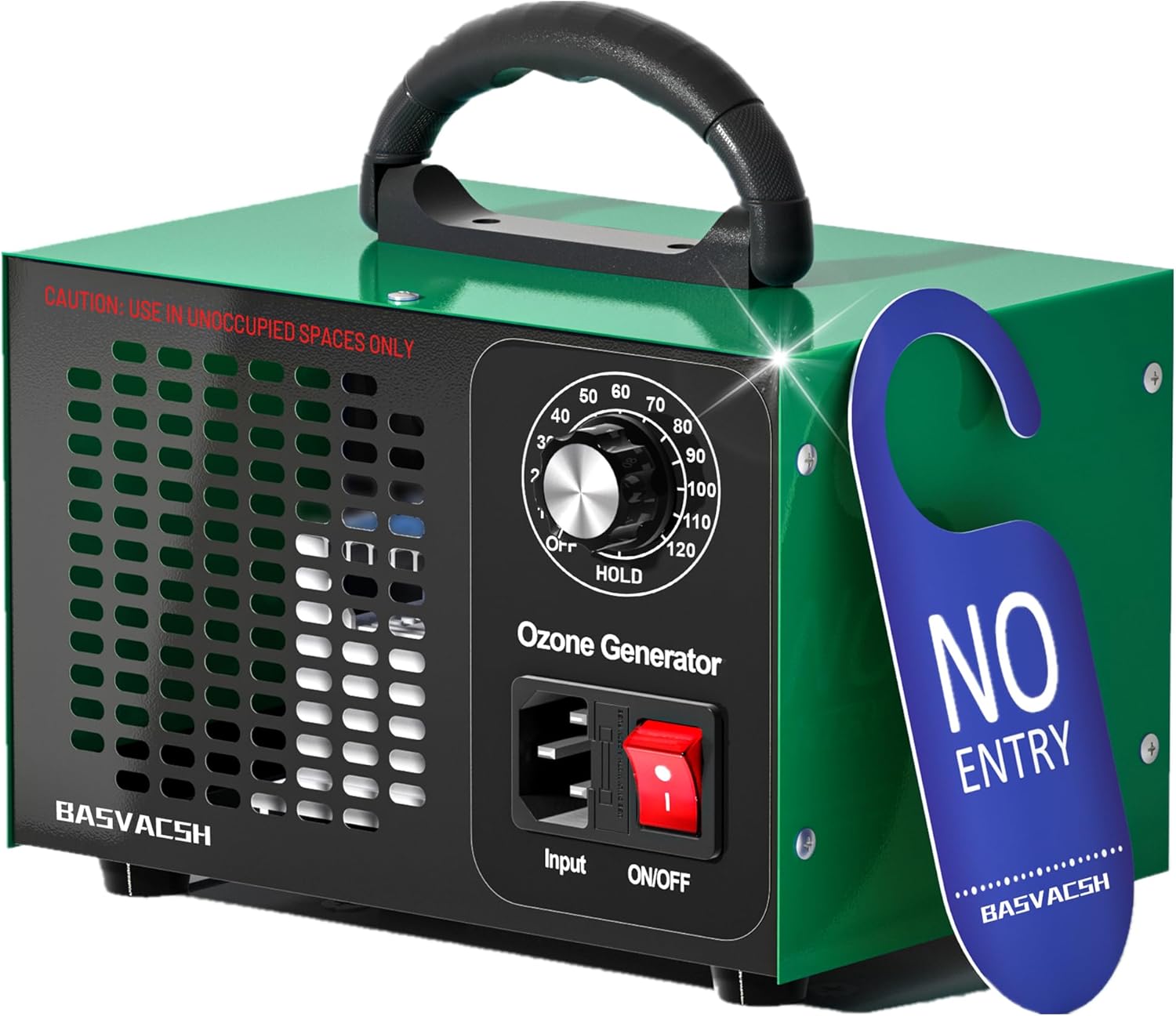
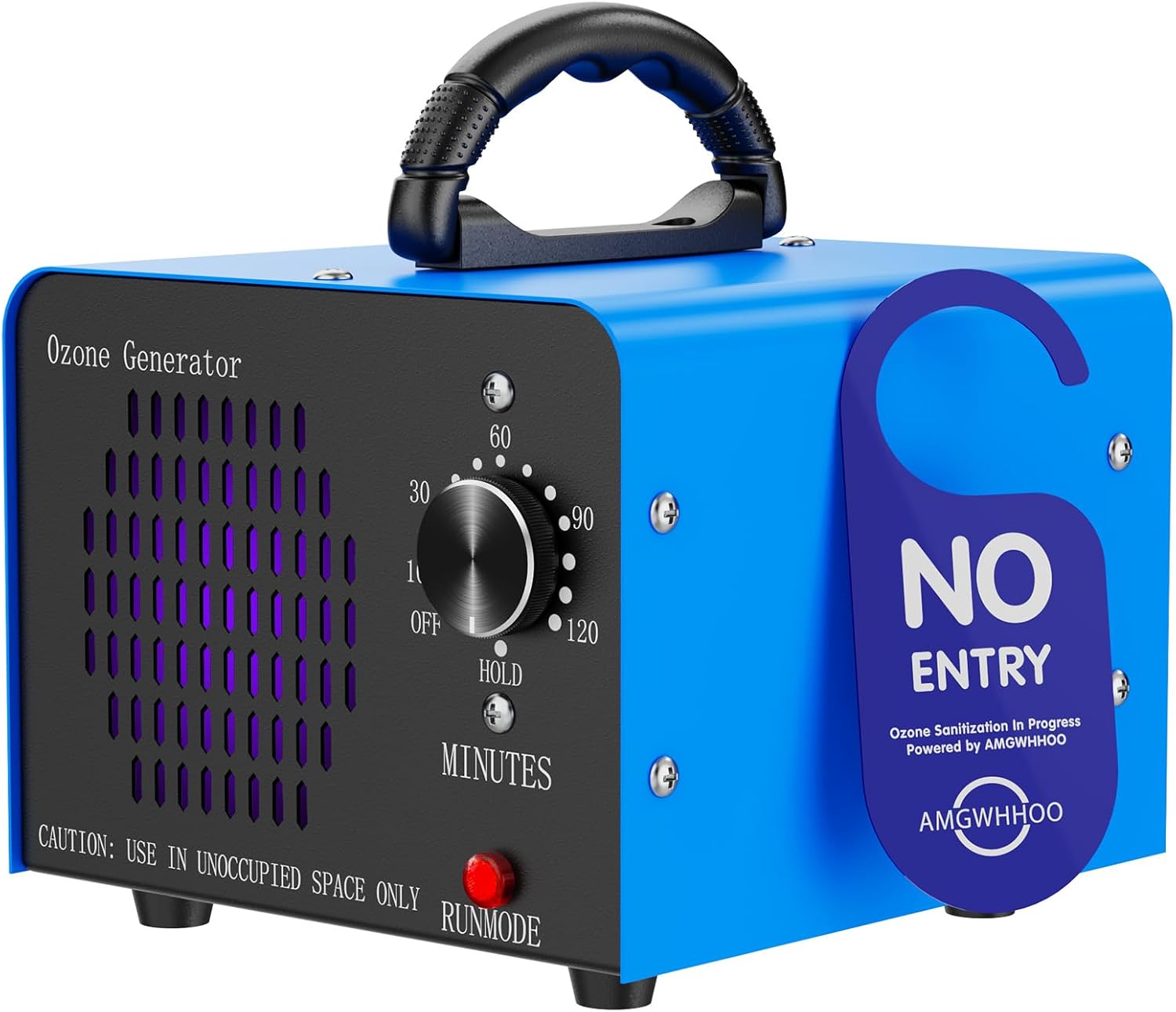
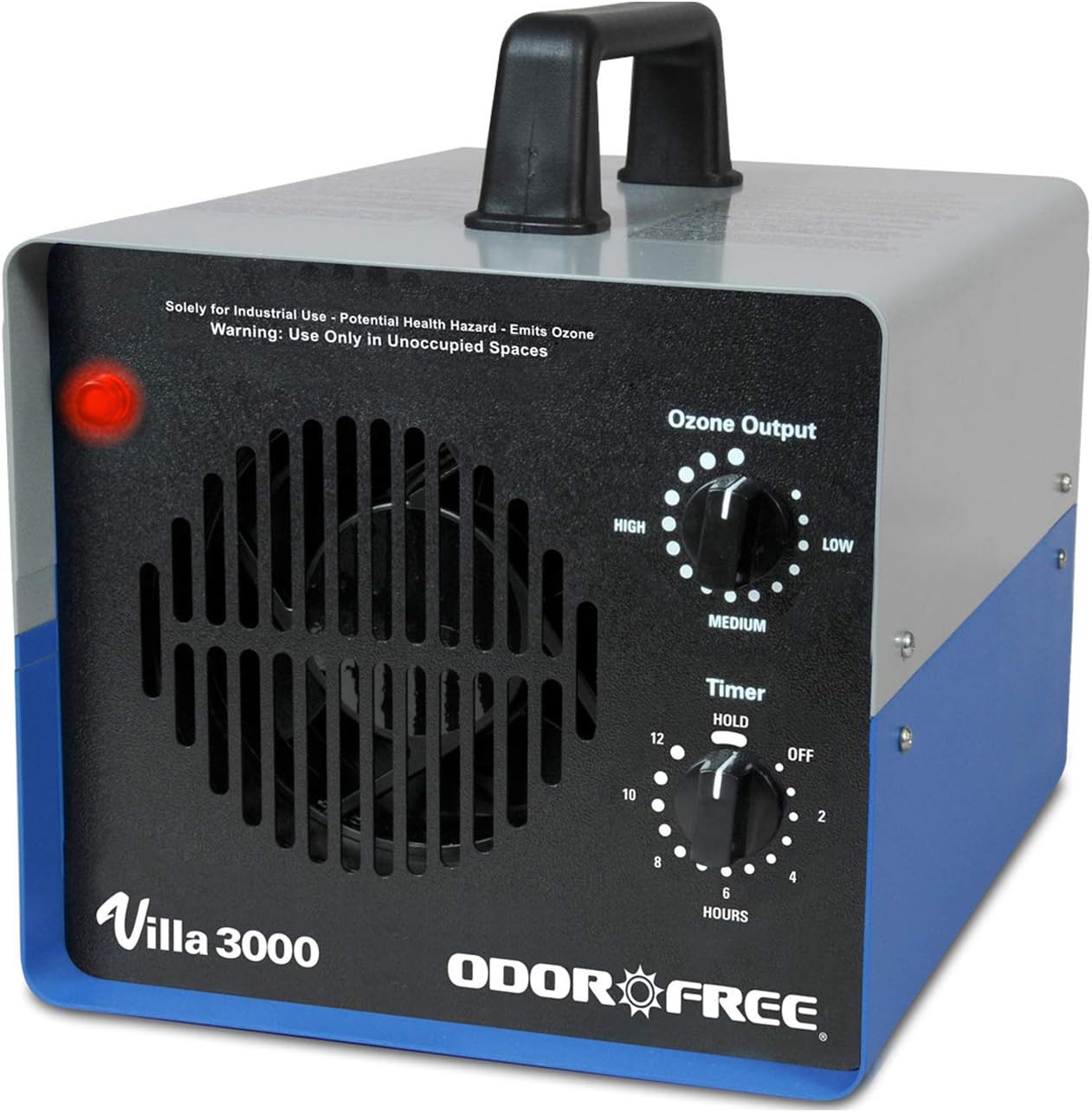
Ozone at high concentration is a lung irritant, so the best ionizer air purifiers are engineered to keep levels extremely low. Look for air purifiers that state compliance with strict ozone emission limits and avoid any device marketed primarily as an ozone generator for air cleaning. Responsible brands usually emphasize that their air ionizers are optional features and that the purifier still performs well using mechanical filters alone.
When reading product pages on amazon or brand websites, examine technical specifications rather than relying only on marketing claims. Check whether the air purifier lists clean air delivery rate, room size coverage, and power draw in watts alongside any mention of ionizers or blue pure style filtration. For deeper context on how advanced filtration compares with ionization, resources such as this guide on a dynamic air purifier with multi stage technology can be helpful.
Safety also depends on proper use, including correct speed settings and regular filter replacements to maintain airflow. Running an ionizer equipped air purifier on an appropriate high speed for the room can reduce particles quickly, then a lower quiet mode can maintain air quality with less energy in watts. Over the long term, choosing air purifiers that combine low ozone output, strong hepa filter performance, and robust activated carbon is more important than any single marketing term.
Key performance metrics that define the best ionizer air purifiers
To compare the best ionizer air purifiers fairly, you need clear performance metrics. The most important are clean air delivery rate for particles, effective room size coverage, noise levels at different speed settings, and energy use in watts. These indicators show how efficiently an air purifier can remove smoke, dust pollen, and other particles from real rooms.
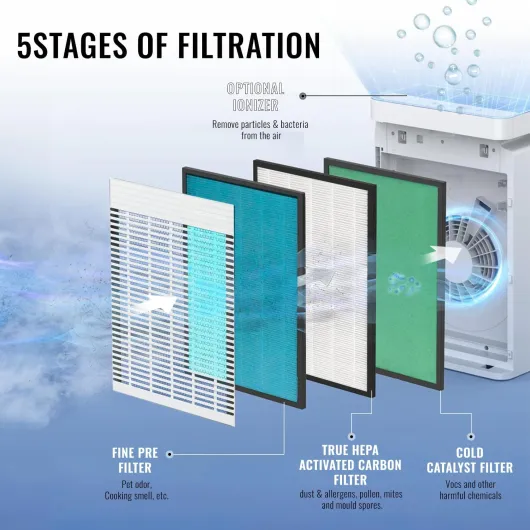
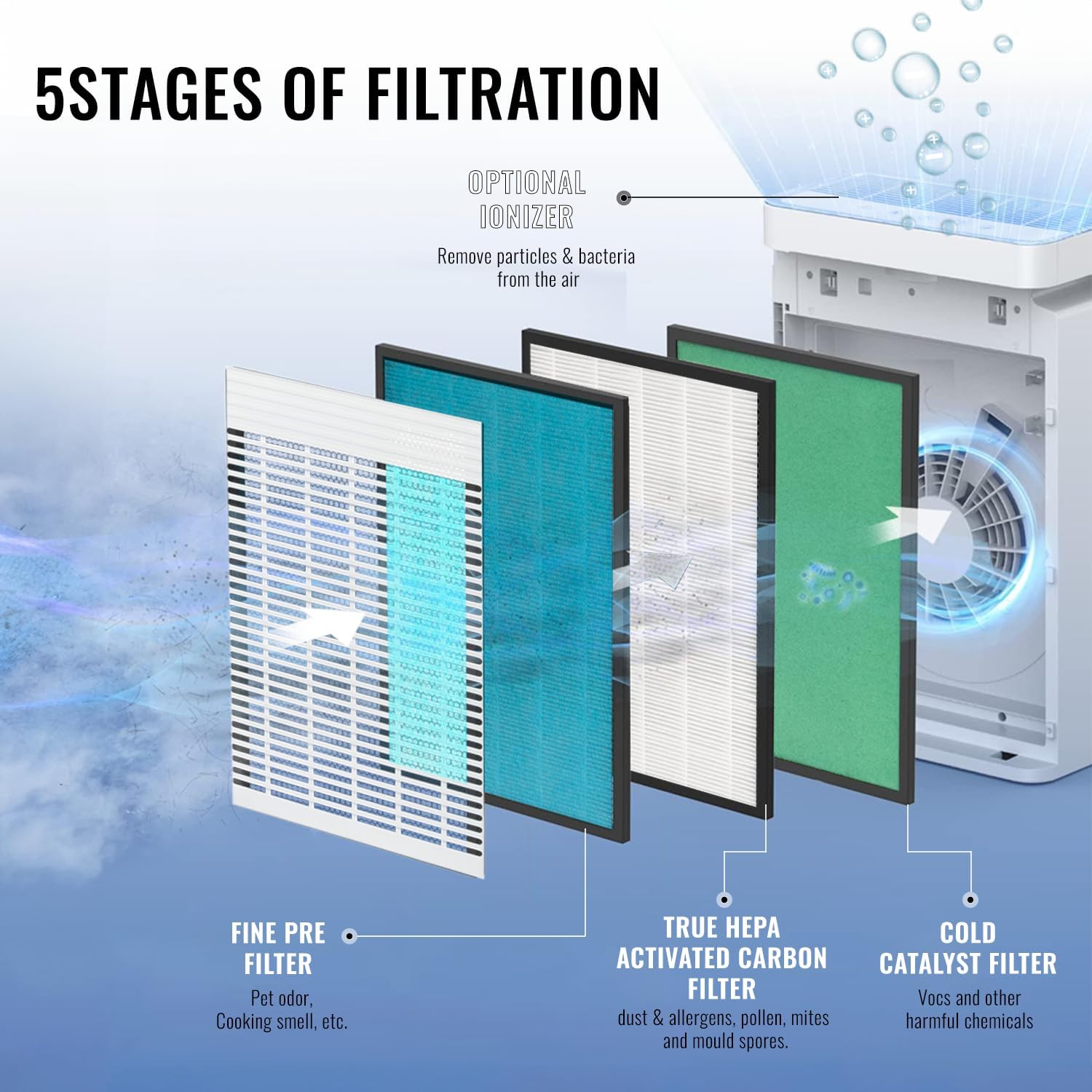
For particle removal, a true hepa filter rated to capture at least 99.97 percent of fine particles is still the benchmark, even when ionizers are present. Ionization can help clump particles so that filters capture them more easily, but the hepa filter and pre filters still do most of the mechanical work. Activated carbon filters then target gases and odors from smoke, cooking, or pets, complementing the particle focused air filter stages.
Room size claims should be matched to your actual space, whether a small bedroom or a large living room. If a manufacturer states that its air purifiers cover a certain square meter area at high speed, remember that quieter modes will usually clean more slowly. For large open rooms, some people even combine a wall mounted unit, such as those discussed in this article on a wall mounted air purifier for continuous filtration, with a floor standing ionizer model.
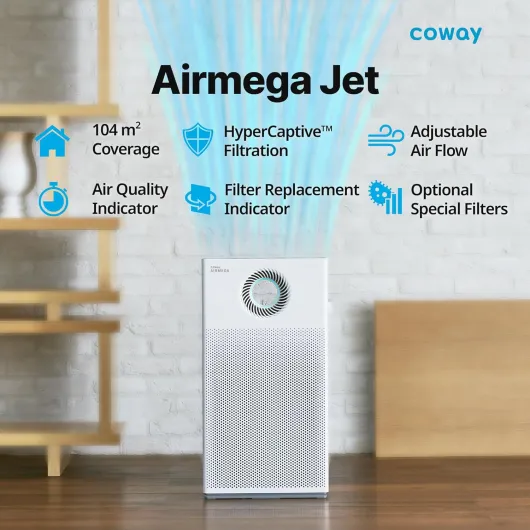
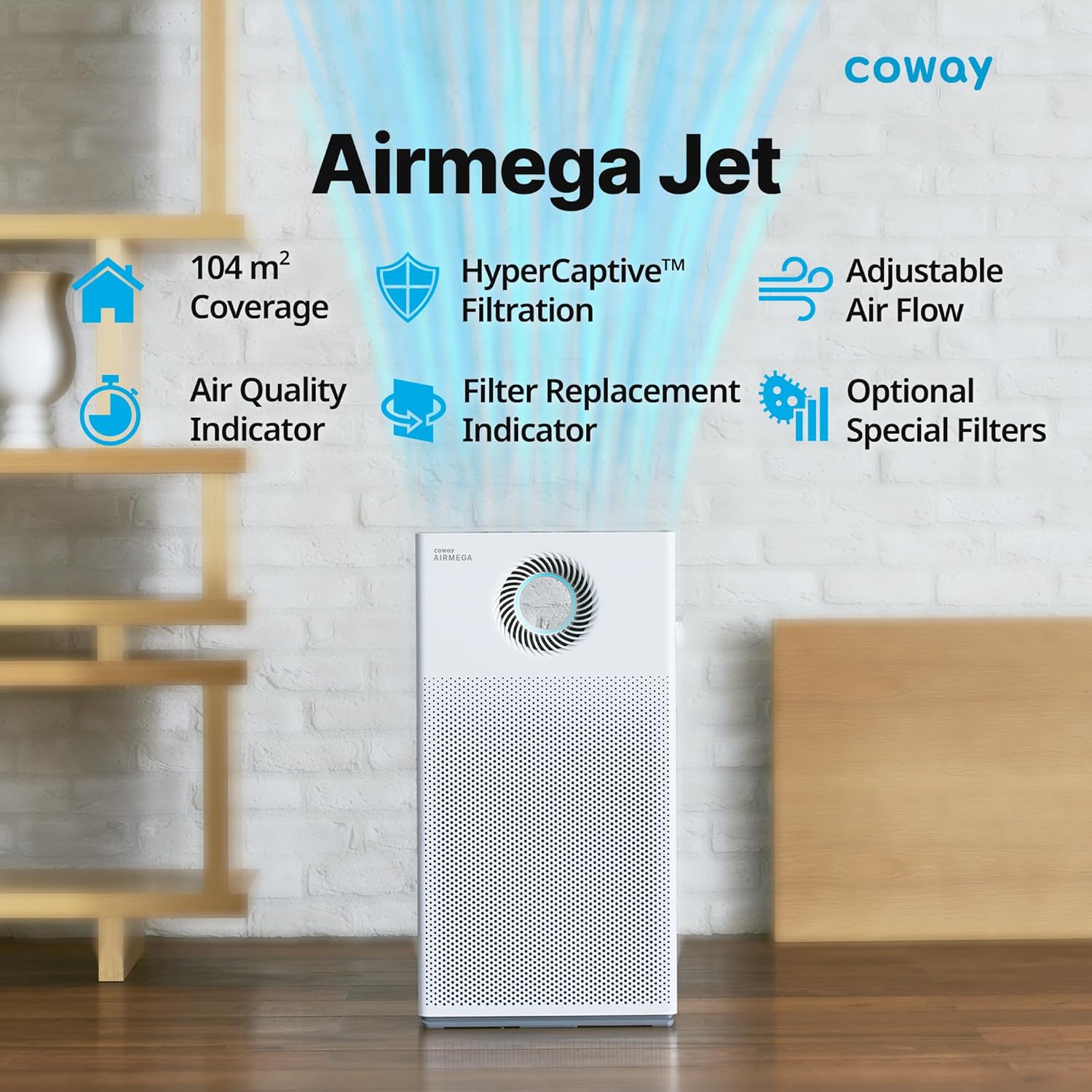
Brands like blueair, levoit, and coway airmega often publish detailed specifications, which helps build trust and supports informed decisions. Models such as blue pure or levoit vital series may emphasize quiet operation, while others highlight smart air sensors and automatic speed control. The best air choices combine strong air cleaning performance, efficient hepa filter and activated carbon filters, and carefully controlled air ionizers that enhance rather than replace filtration.
Real world use in homes: noise, placement, and energy use
In everyday life, the best ionizer air purifiers must fit comfortably into your routines. People want an air purifier that is quiet enough for sleep, powerful enough for daytime smoke or pollen events, and efficient enough in watts for continuous long term use. Balancing these needs requires attention to noise ratings, speed options, and smart air features.
Most users run their air purifiers on a higher speed initially to clean the room, then switch to a quiet or sleep mode. This pattern works well when the purifier combines a strong hepa filter, effective pre filters, and optional ionizers that boost particle capture without adding noticeable ozone. For bedrooms, look for air purifiers rated below about 30 decibels on their lowest speed, which usually feels like a soft background sound.
Placement also matters for performance, because air needs clear pathways to and from the air filter. Avoid pushing the air purifier into a corner or directly against walls, especially for models with 360 degree intakes like some blue pure or coway airmega units. For larger homes, this in depth review of a large room air purifier with true HEPA and quiet sleep mode illustrates how coverage and placement interact.
Energy use in watts is another practical factor, especially when running air purifiers for many hours daily. Efficient models can provide high performance air cleaning with modest power draw, which supports healthier air quality without excessive cost. Over the long term, choosing energy efficient ionizers and filters can make continuous operation more sustainable for both your budget and the environment.
Maintenance, filter replacements, and long term ownership costs
Even the best ionizer air purifiers will underperform if maintenance is neglected. Dust, hair, and smoke particles gradually clog pre filters and hepa filter media, forcing the air purifier to work harder at any given speed. This reduces air cleaning performance, increases noise, and can shorten the life of the fan motor.
Regular filter replacements are therefore central to maintaining high performance and safe air quality. Most manufacturers recommend changing the main hepa filter every six to twelve months, depending on usage, room size, and pollution levels from smoke dust or dust pollen. Activated carbon filters may need more frequent replacement if you rely on your air purifiers to control strong odors or chemical fumes.
Some brands, including blueair, levoit, and coway airmega, offer bundled filter packs that simplify long term planning. Smart air models may track usage and alert you when the air filter or pre filters need attention, which helps maintain consistent performance. When comparing prices on amazon or other retailers, factor in the recurring cost of filter replacements alongside the initial purchase price.
Ionizers themselves usually require little direct maintenance, but their benefits depend on clean downstream filters and unobstructed airflow. Wiping exterior grilles, vacuuming pre filters, and following the manual for safe cleaning will keep your air purifier operating quietly and efficiently. Over several years, a well maintained combination of hepa filter, activated carbon, and carefully designed air ionizers often proves to be the best air investment for reliable indoor air quality.
Choosing between leading brands and matching a purifier to your needs
Selecting among the best ionizer air purifiers ultimately means aligning technical features with your specific concerns. Allergy sufferers may prioritize a robust hepa filter and strong dust pollen control, while urban residents might focus on smoke, traffic particles, and activated carbon capacity. Families with children often value quiet operation, smart air sensors, and verified low ozone output from any integrated ionizers.
Blueair is known for high performance particle filtration and sleek designs, with some models combining blue pure style filters and optional air ionizers. Levoit offers accessible air purifiers such as the levoit vital series, which emphasize quiet modes, efficient hepa filter systems, and user friendly controls. Coway airmega models often integrate smart air monitoring, multiple speed settings, and layered filters that target both particles and gases.
When browsing amazon or specialist retailers, compare clean air delivery rate, recommended room size, noise levels, and energy use in watts across different purifiers. Pay attention to how clearly each brand explains its ionizer function, ozone control, and filter replacements schedule, because transparency signals engineering confidence. The best air options will present balanced information about mechanical filtration, ionic air features, and long term ownership costs.
For many households, a non ionizing hepa filter purifier may be sufficient, while others benefit from carefully designed air ionizers that enhance particle capture. In every case, the goal is consistent air cleaning that supports healthier air quality throughout your home. By weighing performance metrics, safety data, and practical factors such as noise and maintenance, you can select an air purifier or multiple purifiers that genuinely match your needs.
Key statistics about ionizer air purifiers
- Up to 99.97 percent of fine particles can be removed when ionizers are combined with a true HEPA filter in well designed air purifiers.
- Many residential air purifiers for a typical room size operate between 20 and 60 watts on standard speed settings.
- Noise levels for quiet bedroom focused air purifier models often range from about 20 to 30 decibels on their lowest speed.
- Filter replacements for HEPA and activated carbon stages are commonly required every 6 to 12 months under normal home air quality conditions.
- Independent testing frequently shows significantly higher performance in smoke and dust removal when mechanical filters and air ionizers are used together.
Common questions about the best ionizer air purifiers
Are ionizer air purifiers safe to use every day ?
Ionizer air purifiers can be safe for daily use when they are engineered to keep ozone emissions very low and are used according to the manufacturer’s instructions. Look for models that clearly state compliance with recognized ozone limits and that rely primarily on HEPA and activated carbon filters for air cleaning. If you have respiratory conditions, consider running the ionizer function only when needed and prioritizing strong mechanical filtration.
Do ionizers replace the need for a HEPA filter in an air purifier ?
Ionizers do not replace the need for a HEPA filter in an air purifier, because they mainly change how particles behave rather than physically trapping them. A true HEPA filter remains essential for reliably capturing fine particles such as smoke dust and dust pollen. The best ionizer air purifiers therefore combine ionization with HEPA and activated carbon filters to address both particles and gases.
How often should filters be changed in ionizer air purifiers ?
Filters in ionizer air purifiers typically need replacement every 6 to 12 months, depending on usage, pollution levels, and room size. HEPA filters and activated carbon filters may have different lifespans, so always follow the specific guidance for your air purifier model. Regular filter replacements maintain high performance, support good air quality, and help keep noise and energy use in watts under control.
Can ionizer air purifiers help with smoke and odors ?
Ionizer air purifiers can help with smoke by enhancing the capture of fine particles when used alongside a quality HEPA filter. To address odors and some gases from smoke, you also need a substantial activated carbon filter within the air purifier. Models that combine these elements and provide adequate airflow for your room size offer the best air cleaning results for smoky environments.
What should I check before buying an ionizer air purifier online ?
Before buying an ionizer air purifier online, review clean air delivery rate, recommended room size, noise levels, and power consumption in watts. Confirm that the manufacturer provides clear information about ozone emissions, filter replacements, and the role of any air ionizers in the overall design. Comparing detailed specifications and user reviews across several air purifiers will help you identify the best ionizer air purifiers for your specific needs.