Key technologies that separate average and best odor fighting purifiers
Not every air purifier marketed for smells truly qualifies among the best air purifiers for odor removal. The most effective purifiers combine generous amounts of activated carbon with advanced hepa filter design and carefully engineered airflow through the unit. When these elements work together, the purifier can remove both stubborn odor gases and fine dust or smoke particles that often carry smells.
Activated carbon and carbon zeolite blends are particularly important for capturing a wide spectrum of odors from cooking, pets, and chemical products. A thicker carbon filter with higher mass usually performs better, because more surface area is available to trap odor molecules as air passes through the filters. Some premium air purifiers also use pellet based carbon filters, which can handle stronger odors and maintain performance over more air changes before replacement is needed.
True hepa technology remains essential, even when the main goal is odor control rather than allergy relief. A high quality hepa filter removes smoke particles and dust that can absorb and transport odor, helping the air cleaner deliver fresher and more stable air quality. When comparing air purifiers, readers should verify that the hepa filters are properly sealed inside the unit, because any bypass leaks will reduce both particle and odor removal efficiency.
Smart features can further refine how the best air purifiers for odor removal behave in real homes. Auto mode, adjustable fan speed, and clear indicators of air changes per hour help users match performance to each room size and typical odor source. For deeper technical understanding of how sensors interpret pollutants, readers can consult this guide on the role of air return filters in air purifiers, which explains how airflow paths and filters interact to maintain clean air.
Matching purifier performance to room size, layout, and lifestyle
Choosing the best air purifiers for odor removal starts with an honest assessment of room size and typical odor sources. A compact air purifier may work well in a small bedroom, but an open plan living room with cooking odors and smoke will demand a higher cadr and stronger carbon filters. Under sizing the unit leads to too few air changes per hour, so odors linger even when the purifier runs at maximum fan speed.
Manufacturers usually specify recommended room size based on a certain number of air changes per hour, often around four to five. For heavy odors or smoke, experts often suggest targeting more air changes, which means selecting an air cleaner with a higher cadr rating than the minimum. In practice, this allows the air purifier to run at a lower speed for the same odor control, reducing noise level while still delivering clean air.
Household habits also influence which air purifiers perform best in real conditions. Homes with frequent frying, grilling, or strong spices benefit from purifiers that combine a robust carbon filter with a durable pre filter to catch greasy dust before it clogs the hepa filter. In kitchens, pairing a good air purifier with well maintained extraction, supported by guidance such as this article on the importance of kitchen hood filters, can significantly reduce lingering odor.
Pet owners often need air purifiers that handle both odors and airborne hair or dander. In these cases, the best air purifiers for odor removal combine strong activated carbon with washable pre filters and efficient hepa filters, ensuring that both smell and dust are controlled. Models like the coway airmega series illustrate how a well designed unit can balance cadr, noise level, and filter life to maintain pleasant air quality in busy family rooms.
Understanding filters, maintenance, and long term operating costs
Even the best air purifiers for odor removal will underperform if filters are neglected or replaced with low quality alternatives. Each filter in the system plays a distinct role, from the pre filter that captures larger dust to the hepa filter that traps fine particles and the carbon filter that absorbs odor gases. When these filters work together as intended, the air purifier maintains stable air quality and consistent odor reduction across many air changes.
Users should check how often each unit requires new filters and what those replacements cost annually. A purifier with inexpensive but frequently changed filters may end up costing more than a model whose hepa filters and carbon filters last longer between changes. Transparent filter life indicators, based on actual fan speed and operating hours, help households plan maintenance and avoid running the air cleaner with saturated filters that no longer remove odors effectively.
Cleaning the pre filter regularly is a simple step that protects the more delicate hepa filter and carbon filter. When dust and hair are removed from the pre filter, airflow through the unit improves, which supports the stated cadr and keeps noise level from rising as the fan speed compensates for blockages. This routine care is especially important in homes with pets, smokers, or heavy cooking, where the best air purifiers for odor removal face constant challenges.
Some advanced models, including certain coway airmega purifiers, provide clear alerts for filter changes and offer easy access to the filter compartment. These design details encourage proper maintenance, which in turn preserves air quality and ensures that each room receives enough clean air for noticeable odor reduction. Over the lifetime of an air purifier, disciplined filter management often matters as much as the initial choice of unit or advertised cadr rating.
Noise, modes, and real world comfort in odor focused air cleaning
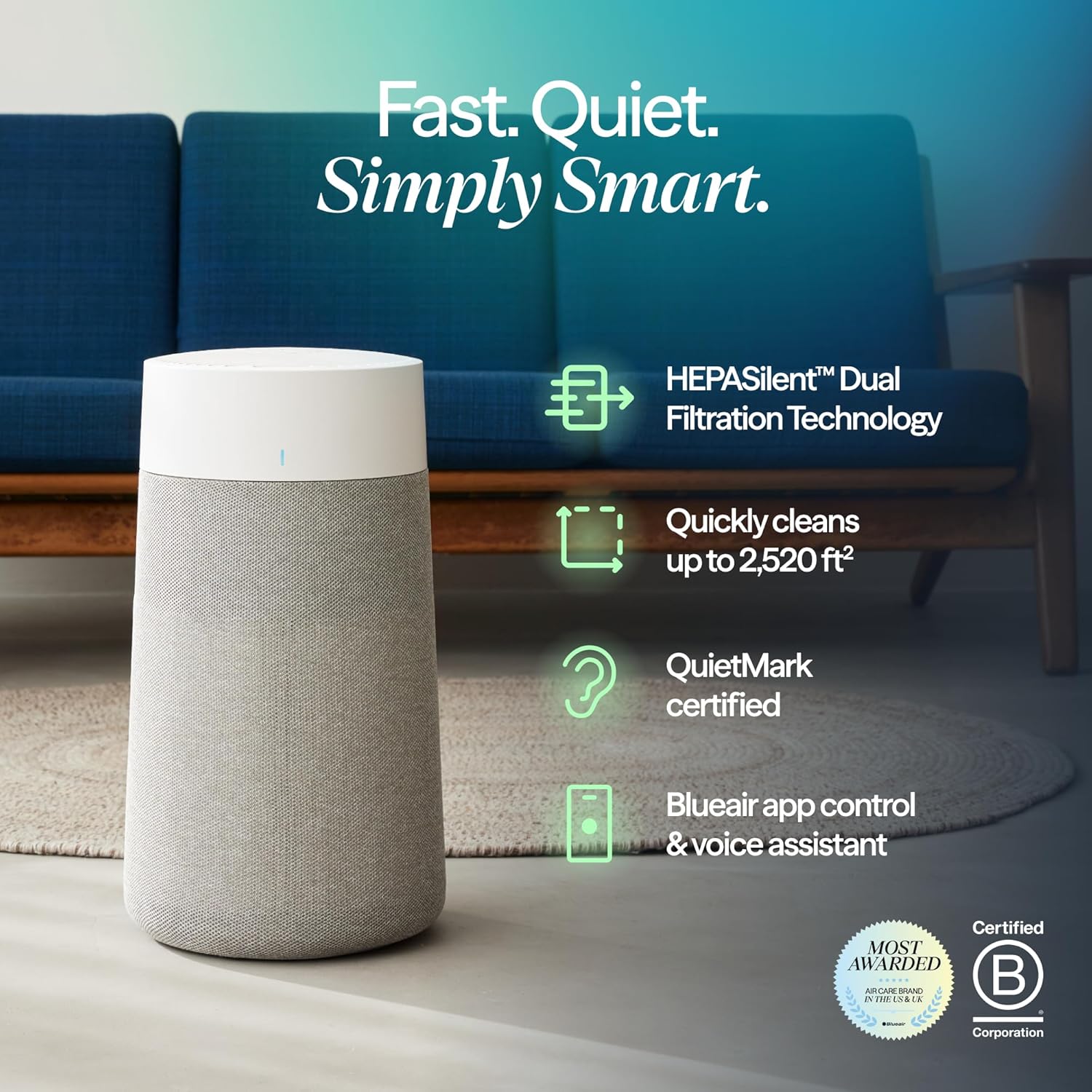
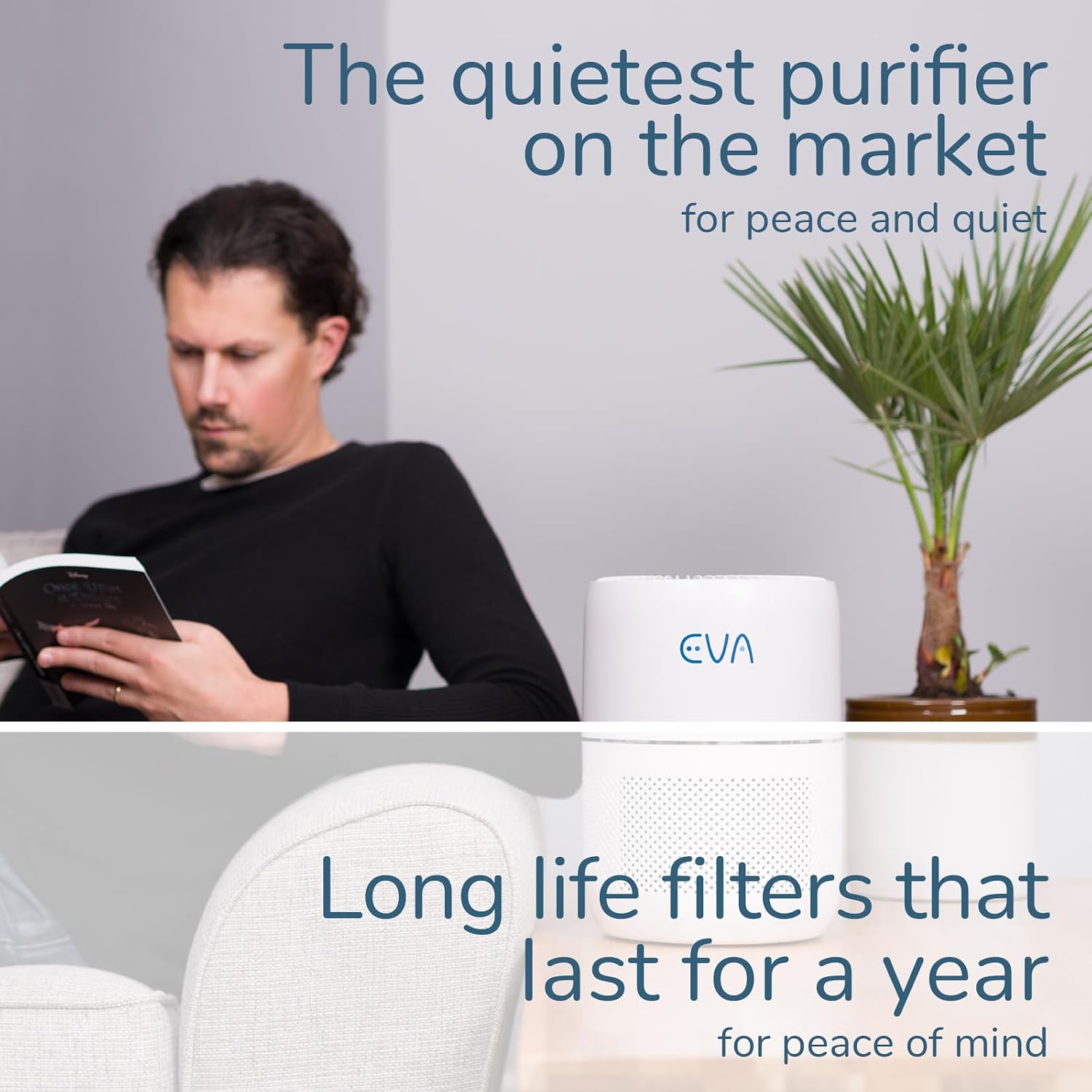
For many households, the best air purifiers for odor removal are those that people can actually tolerate running for long hours. Noise level becomes a decisive factor, because a purifier that sounds intrusive at higher fan speed will often be switched off, leaving odors and dust to accumulate again. Evaluating the decibel ratings at different speeds helps buyers understand how each unit will feel in a bedroom, office, or family room.
Most modern air purifiers offer several modes, including sleep mode, manual speed settings, and auto mode. Sleep mode usually reduces fan speed and dims lights, trading some cadr and air changes per hour for quieter operation and more comfortable rest. Auto mode, by contrast, allows the air cleaner to increase fan speed temporarily when air quality worsens, then return to a lower noise level once odors and smoke have been reduced.
Some of the best air purifiers for odor removal integrate sensors that track air quality and volatile compounds, sometimes supported by tools such as a TVOC meter for air quality assessment. These sensors inform the auto mode logic, helping the unit respond quickly when cooking starts or when smoke drifts into the room. In practice, this means the purifier can deliver clean air when it matters most, without running at maximum speed all day.
Comfort also depends on airflow direction and how the unit circulates air throughout the room. A well designed air purifier distributes clean air evenly, avoiding drafts while still achieving enough air changes to control odor in the entire room size. When combined with robust activated carbon, true hepa filtration, and thoughtful modes, these comfort features turn a technical air cleaner into a practical everyday companion.
Comparing standout models and interpreting specifications with confidence
When comparing specific air purifiers, readers should interpret specifications through the lens of their own rooms and odor problems. A unit with a very high cadr and large carbon filter may be ideal for open kitchens or living spaces, while a smaller air purifier with moderate cadr can still rank among the best air purifiers for odor removal in compact bedrooms. The key is to match room size, expected air changes per hour, and typical odor intensity.
Models in the coway airmega family illustrate how manufacturers combine design, filtration, and smart controls. These air purifiers typically pair a substantial activated carbon layer with a true hepa filter, supported by a durable pre filter to capture dust and hair. With multiple fan speed options and responsive auto mode, such a unit can maintain clean air while adapting to changing air quality throughout the day.
Shoppers should also pay attention to how clearly brands explain their filters and replacement schedules. Transparent information about hepa filters, carbon filters, and pre filter maintenance helps users understand long term costs and realistic performance. When a manufacturer provides detailed cadr values for smoke, dust, and pollen, it becomes easier to estimate how quickly the air cleaner will reduce odors and particles in a given room.
Ultimately, the best air purifiers for odor removal are those that combine strong filtration, appropriate cadr, manageable noise level, and honest documentation. By examining how each air purifier handles air changes, odor adsorption, and filter life, readers can select a unit that delivers genuinely clean air rather than short lived masking of smells. This careful evaluation supports healthier indoor air quality and more comfortable living spaces for years of daily use.
Key statistics on air purifiers and indoor odor control
- Homes using a properly sized air purifier with true hepa and activated carbon can achieve up to 4–6 air changes per hour in a typical 20 m² room, significantly reducing persistent cooking and pet odors.
- Independent laboratory tests often show that high quality hepa filters capture at least 99,97 % of fine particles, including smoke and dust that contribute to perceived indoor odor intensity.
- Noise level differences of just 5 dB between fan speed settings can determine whether users run their air purifiers continuously, directly influencing long term air quality and odor removal.
- Filter replacement and electricity together usually represent more than 70 % of the total cost of ownership of an air purifier over several years, making maintenance planning crucial for sustained odor control.
Common questions about the best air purifiers for odor removal
How do air purifiers remove odors rather than just masking them ?
Air purifiers remove odors by pulling polluted air through a sequence of filters that target both particles and gases. The pre filter and hepa filter capture dust and smoke, while the activated carbon filter adsorbs odor molecules onto its porous surface. This combination allows the unit to deliver genuinely clean air instead of simply covering smells with fragrances.
What room size should I consider when choosing an air purifier for odors ?
Room size determines how powerful the air purifier needs to be to achieve enough air changes per hour. Buyers should compare the cadr rating of each unit with the volume of their room, aiming for at least four air changes per hour for moderate odors and more for heavy smoke. Selecting a slightly stronger purifier allows lower fan speed and reduced noise level while still maintaining good air quality.
Are all hepa filters and carbon filters equally effective for odor removal ?
Hepa filters are standardized for particle capture, but they do not remove gases, so odor control depends heavily on the quality and quantity of activated carbon. Thicker carbon filters or those using pellet based media usually adsorb more odor molecules before saturation. When evaluating air purifiers, readers should look for clear descriptions of carbon mass and replacement intervals rather than relying only on generic labels.
How often should I replace filters in an odor focused air purifier ?
Filter replacement frequency depends on usage hours, fan speed, and the intensity of odors and dust in the room. Many manufacturers recommend changing hepa filters and carbon filters every 6 to 12 months, while cleaning or replacing the pre filter more frequently. Units with filter life indicators based on real operating conditions provide more accurate guidance than fixed calendar schedules.
Can a quiet air purifier still be effective at removing strong odors ?
A quiet air purifier can be effective if it is correctly sized for the room and offers sufficient cadr at its lower fan speed settings. Choosing a model with a higher maximum cadr allows users to run the unit at moderate speed for everyday odor control, reserving higher speeds for short bursts when smells intensify. This approach balances noise level, comfort, and consistent clean air throughout the day.