Why late summer is the critical window for bedroom air quality
Concerns about back to school bedroom air quality for children peak quietly in late summer. Ragweed pollen, mold spores and dust mite matter rise just as kids shift from outdoor play to longer indoor homework sessions. That overlap means children, especially those with asthma or allergy-related asthma, face higher exposure levels in the very room meant to protect their lung health.
Across many regions of the United States, fall allergens ramp up in late August and stay high through much of autumn. During this period, outdoor air pollution from traffic and ozone can combine with indoor air pollutants such as dust, pet dander and particulate matter in bedrooms. When poor indoor air quality builds up overnight, children and students wake with stuffy noses, coughs and sometimes wheezing that can follow them into school.
Focusing on the three week window before school starts lets parents shape a cleaner bedroom environment before symptoms flare. By then, school buildings are being prepared, and school indoor cleaning can stir up pollutants that students and school staff later carry home on clothes and backpacks. Treat your child’s bedroom as a clean air pocket, separate from the school environment, where indoor air is filtered, relative humidity is controlled and long term exposure to pollutants is kept as low as reasonably possible.
Many quality schools now monitor school air and broader school environment conditions, but bedroom air quality still depends on family choices. When parents align back to school routines with simple indoor air steps, they reduce the burden on sensitive lungs and support better sleep, focus and overall health. That is why planning for your child’s bedroom air should sit alongside buying notebooks, checking vaccines and labeling school supplies.
Building a clean air pocket in your child’s bedroom
Think of your child’s bedroom as a small indoor outdoor gateway where pollution travels in on shoes, hair and fabrics. Every afternoon, kids bring home particulate matter, pollen and other pollutants from classrooms, buses and the wider school environment. Creating a clean air pocket means controlling what enters, what settles and what your child actually breathes during homework and sleep.
Start with textiles, because they trap both visible dust and invisible matter that worsens asthma and allergies. Use tightly woven mattress and pillow encasements to reduce exposure to dust mite allergens, then wash bedding weekly at 60 °C (about 140 °F), a temperature shown in allergy studies and clinical guidelines to kill dust mites and remove allergens effectively. For back to school bedroom air quality goals, this simple textile routine often cuts night time coughing and sneezing more effectively than any scented spray.
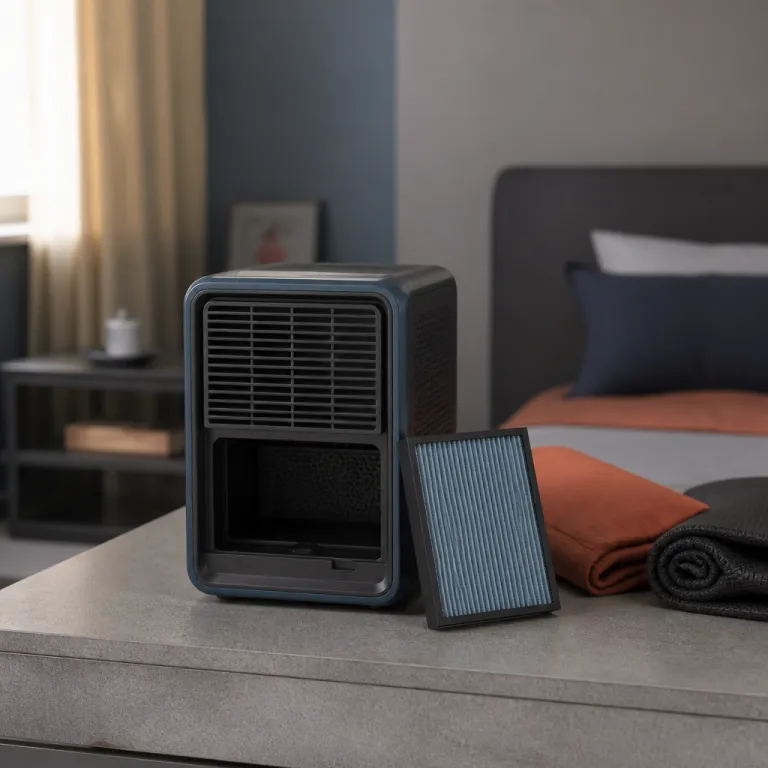
Next, choose a correctly sized purifier that uses a true HEPA filter for particulate matter and a carbon filter for gases, including some components of air pollution. A practical rule is to pick a clean air delivery rate (CADR) close to the bedroom’s square footage, or higher if ceilings are tall, so the unit can turn over the room air several times per hour as recommended in many indoor air quality guidelines. For example, a typical 150 square foot bedroom with standard ceilings often benefits from a purifier with a CADR of at least 150 cubic feet per minute, which can provide roughly four to five air changes per hour when doors and windows stay mostly closed. Place it near the bed but not where airflow blows directly onto your child’s face, which can dry airways and irritate the lung tissue.
To maintain clean air, keep bedroom doors mostly closed during high pollen hours, then open them briefly when outdoor levels drop and the rest of the home feels fresh. This strategy helps separate the bedroom from poor indoor air in busy living areas while still allowing some indoor outdoor air exchange when conditions are better. For many families, that closed door often makes the difference between a protected sleep zone and a room that simply mirrors the rest of the house.
One parent of a middle school student with asthma described the change after making these adjustments: within two weeks of adding encasements, washing bedding hot and running a HEPA purifier sized to the room, her child went from waking up coughing most nights to sleeping through until morning on nearly every school night.
Smart purifier schedules, humidity control and filter timing
Once the hardware is in place, timing becomes the quiet lever that shapes back to school bedroom air quality outcomes for children. A purifier that runs only occasionally will not keep indoor air levels consistently low when kids are shedding school pollutants onto carpets and bedding every afternoon. A simple schedule aligned with your child’s routine protects their lung health without wasting energy.
Run the purifier on high for 30 minutes before your child enters the bedroom after school, then switch to a medium or quiet mode during homework and reading. This short high speed burst clears much of the particulate matter and other pollutants that settled while the room was empty, especially when the door stayed closed. During sleep, a steady low setting maintains clean air and reduces exposure to allergens that trigger asthma, allergy symptoms and night time coughing.
Relative humidity is the second pillar, because dust mites and mold thrive when indoor air stays above about 50 percent. The U.S. Environmental Protection Agency and many building health experts generally recommend keeping indoor humidity between about 30 and 50 percent to limit mold growth and improve comfort, with some pediatric and allergy resources suggesting a target around the middle of that range. Use a small hygrometer to track humidity levels, then add a dehumidifier if the bedroom or nearby school building basement tends to feel damp. Keeping humidity between roughly 40 and 50 percent supports comfort, limits mold growth and helps maintain better air quality for children with sensitive lungs.
Filter timing matters more than many parents realize, especially heading into the school season when air pollution and ozone can be high outdoors. Laboratory and field studies summarized by agencies such as the Environmental Protection Agency show that certified HEPA filters can remove at least 99.97 percent of airborne particles at the most penetrating particle size when filters are intact and not overloaded, but performance drops as filters clog. Instead of waiting for the indicator light, plan to replace or at least inspect filters before the late summer allergen ramp up, following manufacturer guidance and any safety notices or recall information provided with your specific unit. For ongoing habits, public health officials often stress in seasonal air quality campaigns that parents should avoid bad purifier habits, because poor indoor air quality can persist when filters are neglected or devices are misused.
From school corridors to bedroom air: managing hidden pollutants
Back to school bedroom air quality planning must account for what happens beyond your front door. Many schools sit near busy roads where air pollution from traffic, carbon monoxide and ozone can seep into classrooms and then hitch a ride home on clothing and backpacks. Students and school staff share the same school indoor spaces, so the mix of pollutants and microbes they carry back into the home environment is complex.
Quality schools and the United States Environmental Protection Agency have long highlighted the importance of good school air and overall school environment management. When school building ventilation is poor, particulate matter and other pollutants accumulate, creating poor indoor air that follows kids home in hair, fabrics and shoes. Parents cannot control every classroom, but they can use bedroom clean air strategies to buffer long term exposure and protect children’s health.
Simple routines help break the chain between school corridors and the pillow your child sleeps on each night. Ask kids to leave shoes at the door, hang backpacks outside the bedroom and change into clean clothes before starting homework, which reduces the transfer of outdoor and school pollutants into indoor air. Vacuum bedroom floors and soft surfaces at least weekly with a vacuum that has a HEPA filter, because this removes settled matter that purifiers keep circulating otherwise.
Back to school bedroom air quality efforts also benefit from staying informed about broader environmental protection policies and local air quality alerts. When outdoor levels of air pollution spike, close windows, rely more on filtration and limit vigorous indoor activities that stir up dust in small rooms. Over the long term, these habits, combined with attention to clean air technology and guidance from agencies such as the Environmental Protection Agency, help families improve indoor conditions even when the wider environment feels beyond their control.
For busy parents, a short checklist can make these steps easier to remember during the back to school rush. Focus on a few core actions: wash bedding hot once a week, run the purifier on a schedule, keep humidity in the recommended range, park backpacks outside the bedroom and vacuum with a HEPA-equipped machine on a regular routine.
FAQ
How early should I start preparing my child’s bedroom air before school?
Begin your back to school bedroom air quality plan about three weeks before classes start. That timing lines up with rising ragweed, mold and dust mite allergen levels in many regions. It also gives you enough days to adjust purifier schedules, bedding routines and humidity control without rushing.
What type of air purifier is best for a child with asthma or allergies?
For asthma and allergy-related breathing problems, choose a purifier with a true HEPA filter for fine particulate matter and a carbon filter for some gases and odors. Make sure the clean air delivery rate matches the bedroom size, then run it continuously on a quiet setting at night. Avoid units that generate ozone, because added ozone is a lung irritant and does not improve indoor air quality for children.
Should I keep my child’s bedroom door open or closed when the purifier runs?
For most families, a mostly closed door works best to maintain a clean air pocket. The purifier can then focus on the smaller bedroom volume instead of trying to clean air from the entire home. Open the door briefly when outdoor air quality is good and the rest of the house feels fresh, then close it again during sleep.
How often should I change filters during the school year?
Follow the manufacturer’s schedule, but plan one proactive filter check or change before the late summer allergen season rather than waiting for a warning light. Homes with pets, smokers nearby or heavy traffic outside may need more frequent changes. If you notice more dust on surfaces, stronger odors or worsening symptoms in your child, inspect filters even sooner.
Can improving bedroom air quality really help my child at school?
Yes, cleaner indoor air at night supports better sleep, fewer asthma flares and less morning congestion, which all affect focus and mood in class. When back to school bedroom air quality strategies reduce overnight exposure to pollutants, many kids wake with clearer breathing and more energy. That small environmental change can translate into better participation, fewer nurse visits and a more comfortable school day.