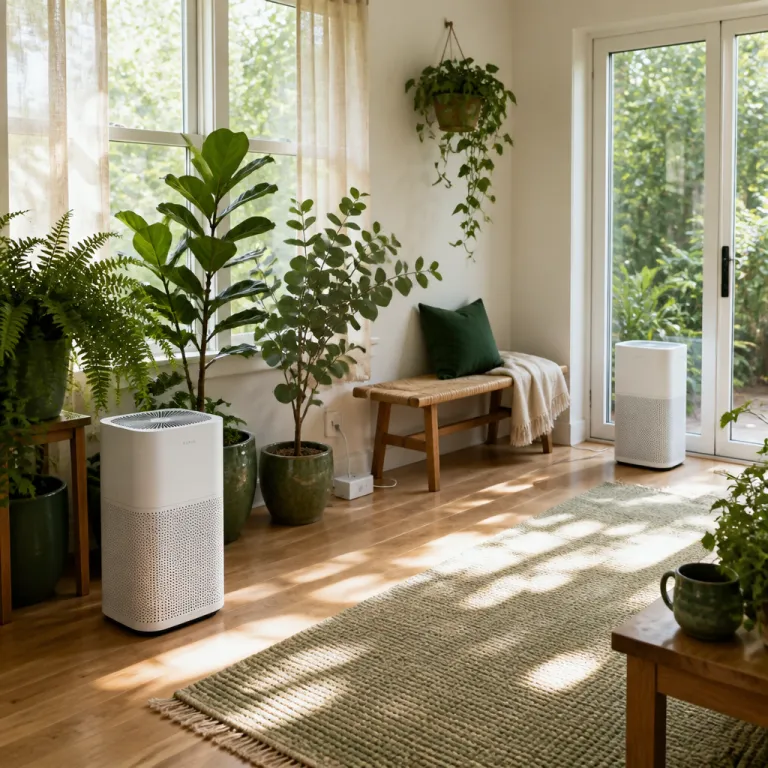
Two air purifiers one room effectiveness for pet owners
Running two air purifiers in one room sounds powerful at first. For a pet owner juggling fur, dander, and lingering smoke particles from nearby traffic or wildfires, the promise of extra clean air feels reassuring. Yet the real two air purifiers one room effectiveness depends on room size, airflow patterns, and how much indoor air pollution you actually face.
Engineers measure air purifier performance using clean air delivery rate, often written as CADR CFM, which combines filter efficiency with airflow in cubic feet per minute. To translate that into something useful for your rooms, you estimate the room volume in cubic feet by multiplying square feet by foot ceilings height, then decide how many air changes per hour you need. For allergy prone people and pet households, aiming for 4 to 5 air changes each hour in living rooms or bedrooms usually balances air quality with noise and electricity cost.
Two air purifiers in one space can raise that rate sharply, but the benefit curve is not linear. Moving from 1 to 2 air changes per hour often feels dramatic because dust pollen and pet dander settle less between cycles. Jumping from 4 to 8 changes per hour in small or medium rooms, however, may double electricity use while only slightly reducing already low particles levels.
For a typical 20 square foot by 20 square foot room with 2.4 metre ceilings, the volume is about 960 cubic feet. A single purifier rated around 240 CADR CFM can deliver roughly 4 air changes per hour in that space, which already handles most pet hair, dust pollen, and everyday smoke particles from cooking. Adding a second identical purifier in the same room pushes you toward 8 changes per hour, which matters mainly during heavy smoke or strong odour events.
Pet owners often buy two small purifiers because they are cheaper upfront or advertised with free shipping offers. In practice, one properly sized air purifier for the whole room usually beats two undersized purifiers that only clean the air near their intakes. Thinking in terms of square feet coverage, cubic feet volume, and realistic air changes per hour helps you decide whether a single purifier or multiple purifiers make more sense for your living spaces.
How airflow and placement shape real world performance
Two air purifiers one room effectiveness hinges less on raw CADR numbers and more on how air moves. When both purifiers sit side by side against one wall, they mostly recirculate the same already clean air and leave stagnant pockets in distant corners. Spread across the room with thoughtful placement, they can create a gentle loop that pulls dirty indoor air from pet zones and pushes clean air back into living areas.
Think of your room as a three dimensional space where particles float, settle, and get kicked up again by pets and people. In a rectangular living room of 30 square feet by 15 square feet with standard foot ceilings, placing one air purifier near the main seating area and another near the pet beds can reduce local dust pollen spikes. Opposing corners often work well because each purifier draws in dirty air from a different part of the cubic feet volume and sends out clean air that meets in the middle.
Rooms rarely behave like empty boxes, though, and furniture can block airflow. A sofa, bookcase, or large dog crate can create dead zones where smoke particles and pet dander linger despite high theoretical air changes per hour. To improve two air purifiers one room effectiveness, keep each unit at least 20 to 30 centimetres from walls, avoid tucking purifiers behind furniture, and angle the clean air outlet toward the centre of the space.
Placement matters even more in medium large or L shaped rooms where a single purifier struggles to pull air from distant nooks. In those layouts, two smaller purifiers in different zones can outperform one large purifier with the same combined CADR CFM because they shorten the distance dirty air must travel. For pet owners, that might mean one unit near litter boxes or dog beds and another closer to the main living area where people spend most of each hour.
Outdoor conditions also influence indoor air quality and how you run purifiers. During heat waves or cold snaps, you may close windows tightly, trapping both pet odours and cooking smoke in living rooms and bedrooms. If you want to understand how temperature swings affect filtration and ventilation choices, a guide on using an outdoor temperature sensor with your purifier can help you fine tune runtimes and fan speeds for different rooms and spaces.
When two small purifiers beat one large unit
There are situations where two air purifiers one room effectiveness genuinely surpasses a single purifier, especially in complex layouts. An L shaped living room with a dining nook, for example, often behaves like two connected spaces rather than one uniform space. In that case, one medium purifier in the main seating area and another small purifier in the dining corner can keep particles and smoke more evenly controlled.
Open plan homes with partial walls, stairwells, or tall foot ceilings create similar challenges. A single large purifier with impressive CADR CFM might technically cover the total square feet on paper, yet in practice it mainly cleans the air near the device while distant corners accumulate dust pollen and pet hair. Two medium large purifiers placed in different zones can deliver more consistent air changes per hour across the full cubic feet volume, especially when pets roam freely between rooms.
Pet owners also face seasonal spikes that strain a single purifier. During heavy pollen days or regional smoke events, indoor air can load up with both outdoor particles and indoor pet dander, overwhelming a single purifier that usually feels adequate. In those weeks, running a second purifier in the same room or in adjacent living rooms can temporarily raise air changes per hour enough to keep clean air levels comfortable for sensitive lungs.
Households that combine pets with other strong pollution sources benefit most from doubling up. A kitchen that opens directly into a living space with litter boxes or dog beds can generate cooking smoke particles and pet odours at the same time, especially in small or medium rooms. Two air purifiers positioned to capture both cooking plumes and pet zones can outperform one large purifier parked in a neutral corner far from either source.
Allergies to dust pollen and pet dander often flare in spring and autumn, when windows open and outdoor particles rush inside. Setting up your purifiers correctly for those high pollen periods matters as much as filter quality or CADR ratings. For practical step by step advice on configuring an air purifier during intense pollen surges, a detailed guide on handling regional pollen explosions can help you plan fan speeds, runtimes, and placement across different rooms and large spaces.
Electricity, noise, and the smarter single purifier strategy
Two air purifiers one room effectiveness must be weighed against electricity use, noise, and long term filter costs. Running two mid range purifiers continuously in a single room can add roughly 40 to 80 dollars per year to a typical United States power bill, depending on wattage and local tariffs. That extra cost may be justified during wildfire smoke events or renovations, but it often feels wasteful for everyday indoor air in already clean spaces.
From a comfort perspective, two fans on medium speed can create more background noise than one larger purifier on low. Pet owners who share bedrooms with animals often value quiet sleep as much as clean air, especially when dogs or cats already wake them at night. In many cases, a single purifier sized correctly for the bedroom’s square feet and cubic feet volume, running at a steady low speed, delivers enough air changes per hour for restful breathing without a constant hum.
A strategic alternative is to avoid stacking two purifiers in one room and instead split them by function. Place one single purifier permanently in the bedroom, where you spend about a third of each day and where consistent clean air has the biggest health impact. Use the second purifier as a shared unit that rotates between living rooms, home offices, and other rooms where pets spend most of their waking hours.
This approach respects the diminishing returns of very high air changes per hour in a single space. Moving from 2 to 4 changes per hour in a bedroom or living room can transform perceived air quality, especially for allergy sufferers and pet owners. Pushing from 4 to 8 changes per hour with two air purifiers in one room, however, mainly trims the last few percent of particles while doubling energy use and filter replacements.
Filter maintenance also shapes real world performance more than many buyers realise. A clogged filter reduces CADR CFM, meaning your purifier delivers fewer air changes per hour even if you run two units at full speed. For a practical way to judge when filters in single or multiple purifiers truly need replacing, a mid year filter check guide using a simple sniff test can be more reliable than indicator lights alone, especially in homes with pets and varying smoke exposure.
Practical sizing rules for pet friendly rooms and large spaces
To judge two air purifiers one room effectiveness, start with clear sizing rules based on your actual rooms. Measure the floor area in square feet, multiply by ceiling height in feet, and you have the cubic feet volume that needs cleaning. Then decide how many air changes per hour you want, remembering that 4 to 5 changes per hour usually suits allergy prone pet owners in bedrooms and living rooms.
For example, a 15 square foot by 15 square foot bedroom with 2.4 metre foot ceilings has a volume of about 600 cubic feet. To reach 5 air changes per hour, you need a combined CADR CFM of roughly 170, which a single medium purifier can often provide without help. In that scenario, buying two small purifiers for the same room rarely improves air quality enough to justify the extra noise, electricity, and filter costs.
Larger living rooms or open plan areas tell a different story. A 35 square foot by 20 square foot living space with standard ceilings holds around 1 680 cubic feet of indoor air, which demands a higher CADR to maintain clean air when pets shed and people cook. Here, one large purifier or two medium purifiers can both work, but two units placed in different zones may smooth out air quality across the full space, especially if furniture or partial walls break up airflow.
Pet heavy households should also think about where pollutants originate. Litter boxes, dog beds, and favourite pet couches act as local sources of particles, odours, and sometimes smoke from nearby kitchens or fireplaces. Positioning a single purifier close to each major source in different rooms often beats clustering two air purifiers in one room far from where dust pollen and dander actually enter the air.
Finally, remember that marketing claims about square foot coverage assume ideal conditions and often lower air changes per hour than allergy sufferers need. When comparing purifiers, focus on CADR CFM, realistic air changes per hour for your cubic feet volume, and how many hours per day you will actually run each unit. That framework lets you decide whether one well placed purifier per key room or a pair of purifiers in a single space gives you the best balance of clean air, comfort, and cost.
FAQ
Is it better to run two small purifiers or one large purifier in a bedroom?
In most bedrooms, one correctly sized air purifier is more efficient than two small purifiers. A single purifier with enough CADR to deliver 4 to 5 air changes per hour usually keeps particles and pet dander low without extra noise. Two small units rarely improve air quality enough to offset higher electricity use and double filter replacements.
When does running two air purifiers in one room make sense?
Using two purifiers in one room makes sense during short periods of heavy pollution, such as wildfire smoke, post renovation off gassing, or intense cooking odours in pet friendly living rooms. It can also help in L shaped or very large spaces where one purifier cannot circulate air effectively to distant corners. Outside those scenarios, a single well placed purifier is usually sufficient.
How should I place two purifiers in the same room for best effectiveness?
For better two air purifiers one room effectiveness, avoid placing both units side by side or hidden behind furniture. Put them in different zones, often near pollution sources like pet beds or kitchens, and angle their outlets toward the centre of the room. Keeping at least 20 to 30 centimetres of clearance around each purifier helps maintain strong airflow and consistent air changes per hour.
Will two purifiers remove pet odours and smoke particles completely?
Even with two purifiers, you will not remove every trace of pet odour or smoke particles, but you can significantly reduce them. High quality filters that combine HEPA style media for particles with activated carbon for gases work best in homes with pets and occasional smoke. Source control, such as ventilating while cooking and cleaning litter boxes frequently, remains essential alongside any number of purifiers.
How much extra electricity do two purifiers use compared with one?
Running two mid range purifiers 24 hours per day typically adds about 40 to 80 dollars per year to a household electricity bill in many United States regions. The exact cost depends on each purifier’s wattage, fan speed settings, and local energy prices. For many pet owners, that extra expense is only justified during high pollution periods rather than as a permanent setup in a single room.