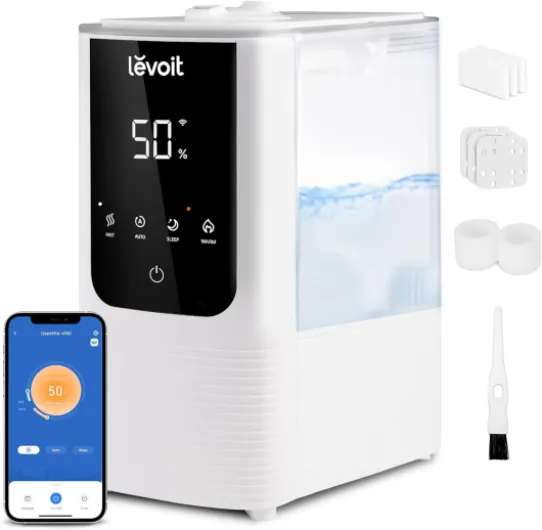
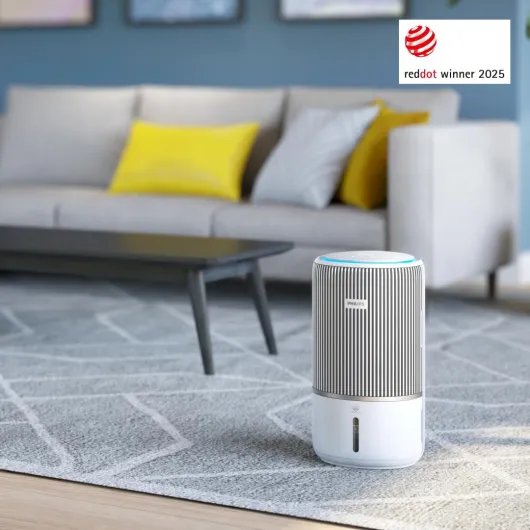
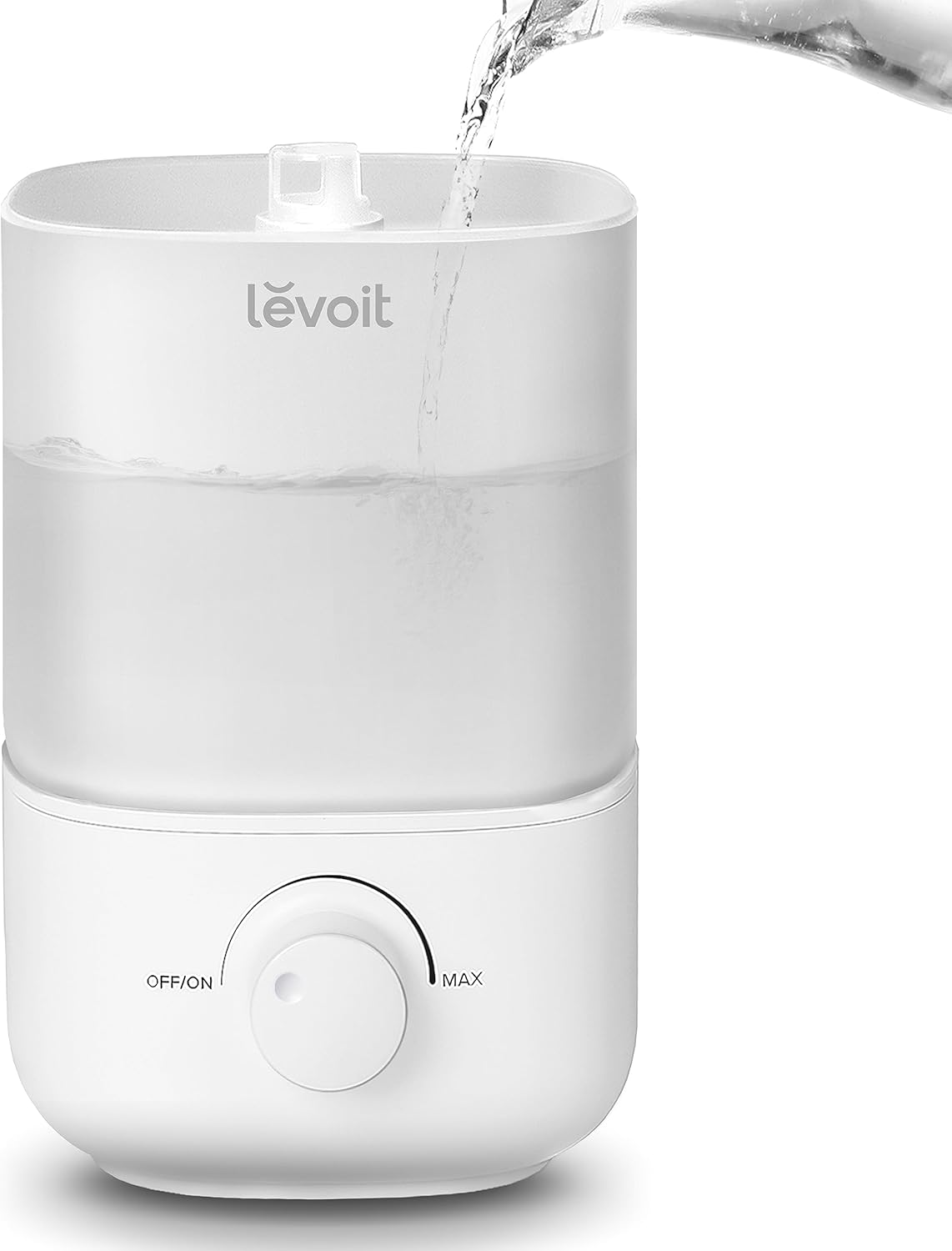
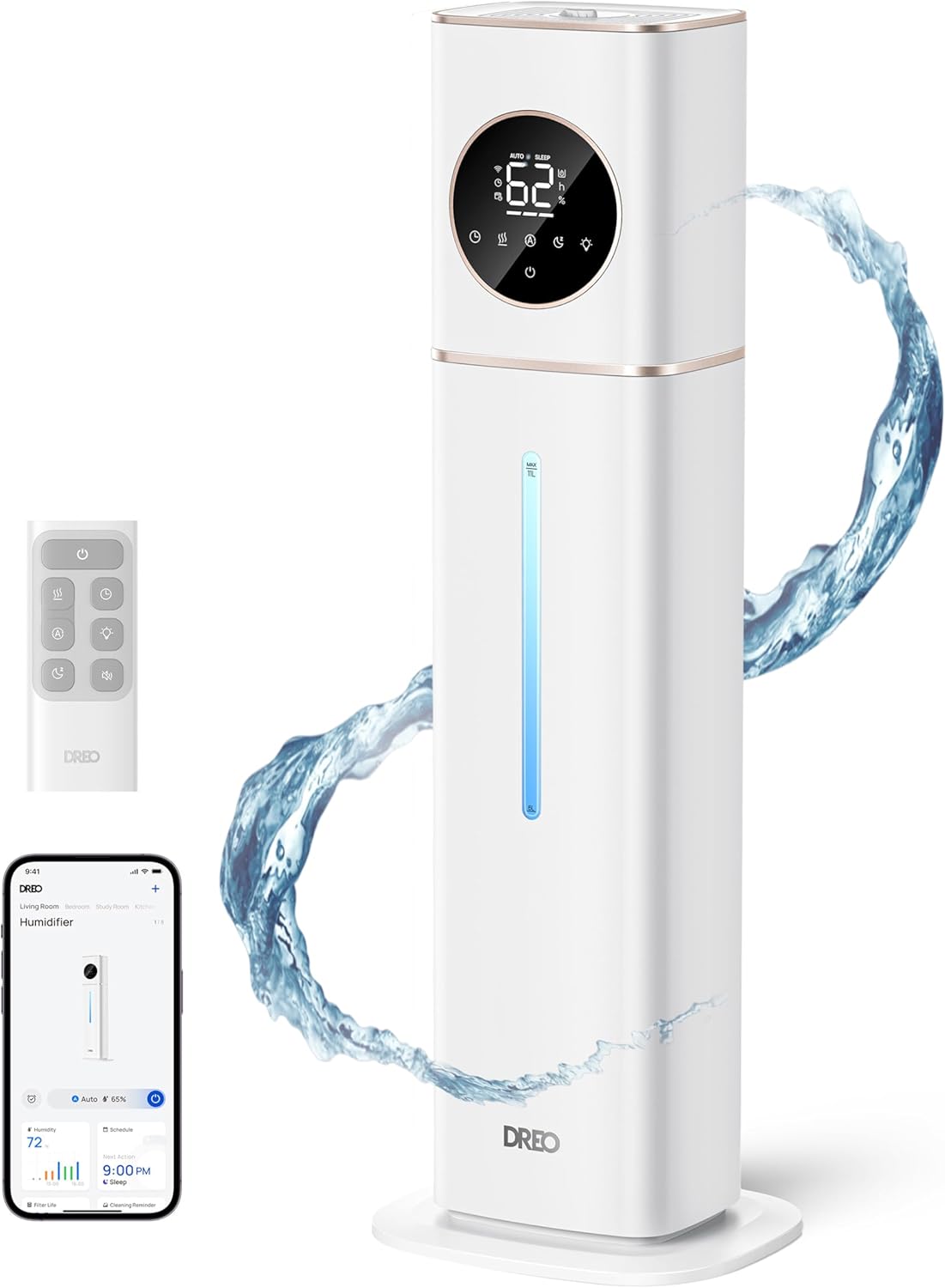
Room size, CADR, and air changes per hour explained clearly
Room size is the first hard number you should write down before buying any air purifier or purifier humidifier. Measure the length and width in metres, multiply them, and then consider the ceiling height to estimate the volume of air that needs to be cleaned each hour. Once you know this, you can compare air purifiers with humidifier models using their CADR (CFM) and recommended room size to see whether they can deliver enough air changes per hour for healthy air quality.
CADR, or Clean Air Delivery Rate, tells you how much clean air a purifier can produce each minute. Higher CADR (CFM) values mean the air purifier can handle larger rooms or provide more frequent air changes per hour, which is crucial if you live with smokers, pets, or severe allergies. For small rooms a compact air purifier with a modest CADR and a quiet fan may be the best choice, while a large open room needs a stronger motor in watts and a larger filter surface to keep the air clean.
When you compare models, always check whether the stated room size assumes two, four, or five air changes per hour. Allergy specialists usually recommend at least four to five air changes per hour in bedrooms to maintain clean air during sleep, especially if you share the room with pets or live near traffic. As a worked example, a 20 m² bedroom with a 2.5 m ceiling has a volume of 50 m³; aiming for five air changes per hour means cleaning 250 m³ of air each hour, so you would look for an air purifier with humidifier whose CADR (CFM) specification matches or exceeds that airflow at your preferred noise level.
Key technologies in modern air purifiers with humidifier
Modern air purifiers with humidifier functions combine several layers of technology to manage both clean air and comfortable humidity. At the heart of each air purifier sits a filtration stack that usually includes a pre filter, a true HEPA filter, and one or more activated carbon filters to trap gases and odours. Around this core, the manufacturer adds a water tank, a humidifier module, a quality sensor, and an auto mode that adjusts the fan and humidifier output according to real time air quality.
Brands such as Blueair and Coway have helped shape expectations for performance in this category. A Blueair air purifier, for example, often focuses on high CADR (CFM) and low noise, while Coway Airmega purifiers emphasise smart sensors, auto mode, and energy efficient watts per hour for continuous operation. When these brands or their competitors integrate a humidifier, they must balance water output with airflow so that the purifier humidifier does not create damp corners or compromise the HEPA filter and other filters inside the housing.
Shoppers researching the best air purifiers with humidifier should also pay attention to special product lines and naming. Blueair uses names such as Blue Pure or Blue Signature to signal different design priorities, while some manufacturers promote models like Pure Max to highlight maximum filtration capacity and clean air output. For a curated overview of several leading air purifiers with integrated humidifier functions, including comparisons of room size coverage, CADR, filter types, and manufacturer warranty terms, you can consult this independent guide to top air purifiers with humidifier which brings together multiple purifiers and humidifiers in one place.
Comparing leading brands and models for different room types
Not every air purifier with humidifier suits every type of room or lifestyle. A compact unit designed for small rooms may be perfect for a nursery or home office, but it will struggle to deliver enough clean air and air changes per hour in a large living room. Matching specific air purifiers with humidifier features to your bedroom, living area, or workspace ensures that the purifier, humidifier, and fan all operate within their optimal range.
In bedrooms, quiet operation and sleep friendly features matter as much as raw CADR. Look for purifiers and humidifiers with a dedicated sleep mode that dims lights, slows the fan, and still maintains clean air using a true HEPA filter and efficient filters that do not require high watts to run all night. Many people choose compact Blueair Blue Pure models or similar designs for these spaces, while others prefer a Coway Airmega purifier with a sensitive quality sensor and auto mode that can react to changes per hour in air quality without waking light sleepers.
For living rooms and open plan spaces, a larger air purifier with humidifier and a higher CADR (CFM) rating becomes essential. Here, models marketed as Pure Max or Blue Signature style devices often provide the best balance between strong airflow, large filter surface, and reasonable watts per hour consumption. When you read full product descriptions or an in depth review, always verify the stated room size, the number of air changes per hour at that room size, and the length of the manufacturer warranty on both the motor and the filters, because these details determine long term value.
Noise, energy use, and maintenance for long term ownership
Noise levels and energy consumption often decide whether an air purifier with humidifier stays on or ends up unplugged. A unit that sounds like a loud fan on higher speeds will rarely be used at the settings needed to maintain clean air and adequate air changes per hour. Choosing purifiers and humidifiers with a well designed airflow path, efficient motors in reasonable watts, and a dedicated sleep mode can make continuous operation realistic in both small rooms and large spaces.
Energy use is usually expressed in watts and sometimes in kilowatt hours per day or per month. When you compare air purifiers with humidifier models, check how many watts they draw at low, medium, and high fan speeds, and then estimate how many hours per day you will run them in auto mode or manual mode. A quality sensor that accurately tracks air quality can reduce unnecessary runtime, because the purifier humidifier will only ramp up when pollution spikes and then drop back to a low energy sleep setting once the air is clean.
Maintenance revolves around filters, water tanks, and general cleaning. True HEPA filter cartridges, carbon filters, and pre filters all have different lifespans, so you should read full maintenance schedules and calculate the yearly cost of keeping your air purifier in peak condition. For a practical example of how a multi stage HEPA filter, ioniser, and sleep mode work together in a five in one design aimed at allergies, asthma, pollen, dust, and pet dander, you can examine this hands on test of a 5 in 1 air purifier for home which illustrates how maintenance and filter changes affect long term performance.
Health benefits, limitations, and realistic expectations
Air purifiers with humidifier functions can significantly improve comfort for people with allergies, asthma, or dry air related irritation. A well chosen air purifier using a true HEPA filter and quality carbon filters can reduce airborne particles, pollen, and some odours, while the humidifier keeps mucous membranes from drying out during long sleep periods. However, even the best air purifiers with humidifier cannot replace proper ventilation, regular cleaning, or medical treatment for chronic respiratory conditions.
Health agencies and respiratory specialists consistently stress that clean air is a combination of source control, ventilation, and filtration. An air purifier with humidifier helps mainly with the filtration part, capturing particles and some gases as the fan circulates air through the filters several times per hour. The humidifier component adds comfort by preventing excessively dry air, but if you overuse it in small rooms or ignore cleaning schedules, it can introduce new air quality problems such as mould growth or mineral dust.
Setting realistic expectations means understanding both the strengths and limits of these devices. A Coway Airmega or Blueair Blue Pure model with a strong CADR (CFM), a responsive quality sensor, and a smart auto mode can maintain consistently clean air in a correctly sized room, yet it will not remove carbon monoxide, radon, or structural dampness. When you read full product information and any independent review, focus on verified performance metrics such as CADR, room size coverage, air changes per hour, and manufacturer warranty terms rather than marketing claims about curing every health issue.
How to choose the right purifier humidifier for your lifestyle
Choosing among the many air purifiers with humidifier options becomes easier when you start from your daily routines. Think about where you spend most hours at home, whether you share the space with children or pets, and how sensitive you are to noise during sleep. Then match each room to an air purifier and humidifier combination that offers the right balance of CADR, room size coverage, filter quality, and energy use in watts per hour.
For a bedroom, prioritise quiet operation, a reliable sleep mode, and a true HEPA filter that can handle allergens generated during the night. In a home office or study, you might value a compact purifier humidifier with a modest fan and lower CADR (CFM), as long as it still provides enough air changes per hour to keep the air clean during long work sessions. Large living rooms or combined kitchen and dining areas usually require a more powerful air purifier with a larger filter surface, a strong quality sensor, and an auto mode that can respond quickly to cooking fumes or gatherings.
Always check the manufacturer warranty, the cost and availability of replacement filters, and whether the design allows easy cleaning of the humidifier tank and internal surfaces. A Blueair Blue Signature style model or a Coway Airmega with smart sensors can be an excellent long term choice if the filters are affordable and the warranty covers the motor and electronics for several years. When you read full specifications, look for clear statements about CADR, room size, air changes per hour, and energy consumption, because these numbers help you compare purifiers and humidifiers objectively rather than relying on vague marketing language.
Key figures about air purifiers with humidifier
- In controlled laboratory tests reported by the Association of Home Appliance Manufacturers (AHAM), certified air purifiers with a true HEPA filter removed at least 99.97 percent of 0.3 micrometre particles after multiple air changes per hour, demonstrating the effectiveness of HEPA filtration for fine particulate matter.
- Field measurements from indoor air quality studies and guidance from the US Environmental Protection Agency (EPA) indicate that using an appropriately sized air purifier in a bedroom can reduce fine particle concentrations by roughly 50 to 80 percent within one hour, depending on the initial pollution level and the CADR (CFM) of the device.
- Energy efficiency data from consumer testing organisations indicate that many modern air purifiers consume between 5 and 70 watts in typical operation, meaning that running a medium sized unit continuously on a low setting can cost only a few euros per month in electricity.
- Humidity research from respiratory health institutes suggests that maintaining indoor relative humidity between roughly 40 and 60 percent can reduce the survival of some airborne viruses and improve perceived comfort, which is why integrating a humidifier with an air purifier can be beneficial in dry climates or heated homes.
- Long term surveys of allergy and asthma patients using HEPA based air purifiers have reported noticeable symptom relief in a significant proportion of users, particularly when the devices are correctly matched to room size and used in combination with regular cleaning and medical treatment.