Comparing Coway Airmega and Levoit Core models for baby rooms
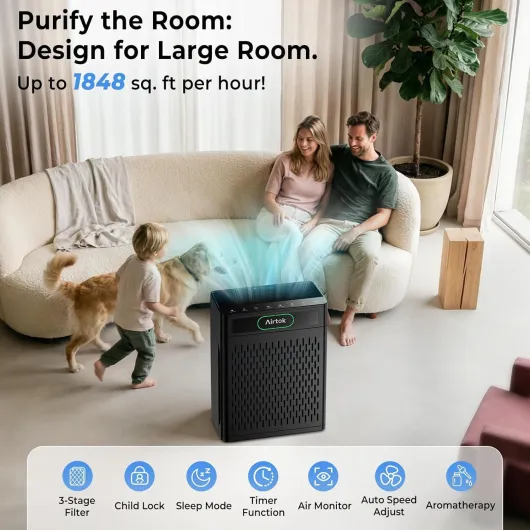
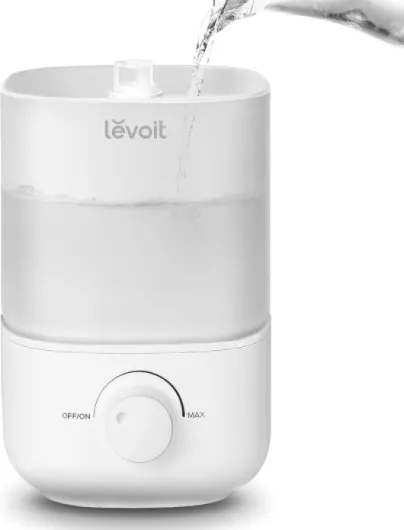
Among premium brands, the Coway Airmega series and the Levoit Core series often appear on shortlists of the best air purifiers for babies. A typical Coway Airmega purifier combines a strong HEPA filter with a thick activated carbon layer, which improves performance against smoke and household odors. In contrast, a Levoit Core air purifier usually focuses on compact dimensions inches and lower price, making it attractive for parents on a tighter budget.
When you compare a Coway Airmega unit with a Levoit Core model, start with CADR CFM figures for smoke and dust, because these numbers show how quickly each purifier can clean air in real rooms. For example, a Coway Airmega with a smoke CADR of around 250 CFM can refresh the air delivery in a 20 square meter nursery several times per hour, while a smaller Levoit Core with 140 CFM suits a baby room closer to 10 square meters. Both purifiers tested well in many independent reviews, but the larger Coway purifier usually wins on raw performance while the Levoit purifier wins on compact size and lower noise level at low fan speed.
Filter replacement cost and schedule also matter over the lifetime price of an air purifier, especially when you run it continuously for a baby. Coway filter packs for the Airmega series tend to be more expensive but last longer, while Levoit Core filters are cheaper yet may need more frequent replacement in homes with heavy smoke or pet hair. If you want a detailed look at a HEPA air purifier with auto mode, washable pre filter, and strong performance for baby safe air quality, you can read this test of a home and bedroom HEPA air cleaner that focuses on CADR, noise, and filter design.
What to expect from HEPA, pre filters, and activated carbon in baby spaces
Every serious contender among the best air purifiers for babies uses some form of stage filtration, usually starting with a pre filter that traps larger dust and hair. This pre filter protects the main HEPA filter from clogging too quickly, which keeps CADR CFM closer to the original test values over time. Parents should clean or vacuum the pre filter regularly, because a dirty pre filter reduces air delivery and forces the fan speed higher, which increases noise level.
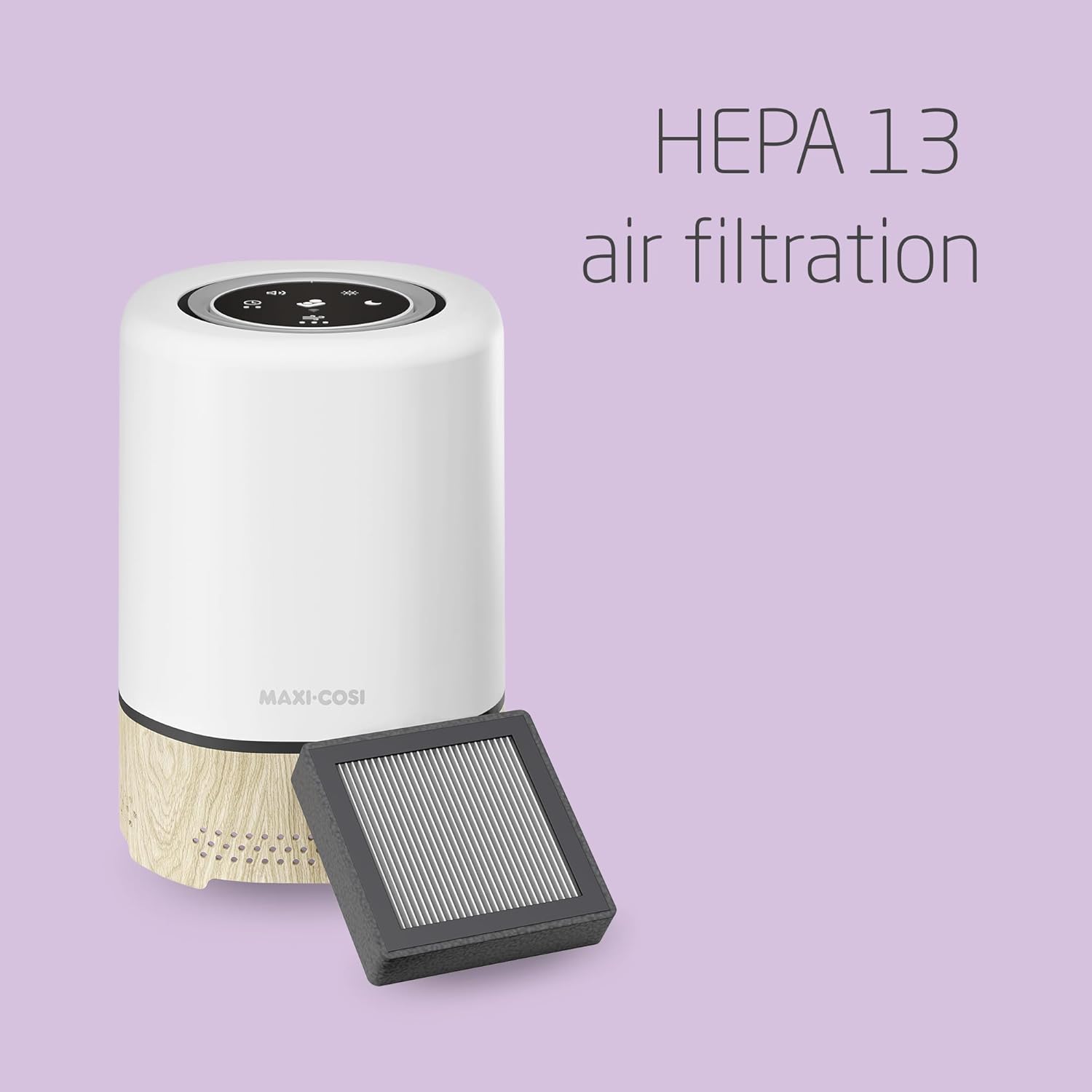
The core of most baby room purifiers is the HEPA filter, and when manufacturers specify a true HEPA filter, they commit to the strict 99.97 percent capture standard. Some cheaper purifiers only mention HEPA type filters, which may not meet the same performance, so always check the wording carefully on the box and on the product page. Activated carbon layers sit behind the HEPA filter and absorb volatile organic compounds and smoke odors, which is particularly useful if you live near busy roads or in buildings where neighbors smoke.
Parents who buy air purifiers on Amazon should read both the technical specifications and the long term user reviews, especially for baby related use. Look for comments that mention real world performance in small rooms, ease of filter changes, and whether auto mode behaves sensibly during nighttime. When you see purifiers tested by many families, patterns about reliability, filter availability, and realistic noise level at different fan speed settings become much clearer.
Sizing, placement, and noise: making an air purifier work for your baby
Choosing the right size of air purifier for a baby room starts with measuring the floor area and ceiling height. Once you know the volume of air, you can match it to the CADR CFM rating of different air purifiers and estimate how many air changes per hour each purifier can deliver. For a baby nursery, aim for at least four to five air changes per hour, which usually requires a higher CADR than a living room of the same size.
Placement also shapes real world performance, because even the best air purifiers for babies cannot clean air effectively if they are hidden behind furniture. Keep at least 20 to 30 centimeters of clearance on all sides, and avoid pushing the purifier directly against walls, curtains, or the crib. Many manufacturers specify minimum clearance in dimensions inches in their manuals, and following these guidelines helps maintain consistent air delivery and clean air circulation across the room.
Noise level is often the deciding factor for parents who already worry about every small sound near a sleeping baby. Look for detailed noise specifications at each fan speed, not just a single minimum figure that only applies to sleep mode. If you want to compare a compact bedroom purifier with a CADR around 250 cubic meters per hour and a balanced noise profile, this test of a compact bedroom air purifier offers a useful benchmark for baby friendly operation.
Medium rooms, shared spaces, and when one purifier is not enough
Some families keep the crib in a medium sized room that doubles as an office or play area, which complicates the choice of air purifier. In such cases, a small desktop purifier will not provide enough clean air, and you may need a larger unit with higher CADR CFM and stronger stage filtration. A guide to top air purifiers for medium rooms can help you understand which models balance performance, noise level, and price for these shared spaces.
When a baby spends time in several rooms during the day, parents sometimes move a single purifier around the home, but this approach has limits. Each time you relocate the purifier, the new room starts with unfiltered air, and it may take an hour or more to reach optimal air quality, especially if the CADR is modest. For homes with heavy smoke exposure or strong outdoor pollution, two smaller air purifiers placed in different rooms can maintain more stable air quality than one oversized purifier dragged from place to place.
Always remember that the inches weight and overall dimensions inches of a purifier affect how easy it is to move safely while holding a baby. A tall, heavy Coway Airmega may offer excellent performance but feel awkward to shift between floors, whereas a lighter Levoit Core purifier is easier to carry with one hand. When you evaluate the best air purifiers for babies, consider not only technical specifications but also how the purifier fits into daily routines, from night feeds to daytime naps.
Budget, running costs, and what the price really buys your baby
Headline price often dominates purchase decisions, yet the real cost of an air purifier for a baby includes electricity, filters, and maintenance over several years. A cheaper purifier with expensive filters that need frequent replacement can end up costing more than a premium Coway Airmega with longer lasting filter sets. Parents should calculate annual filter costs and estimated energy use at typical fan speed settings, rather than focusing only on the initial price tag.
Electricity consumption usually scales with fan speed and CADR CFM, so a powerful purifier running on low or auto mode may use less energy than a weak purifier forced to run on high. Many of the best air purifiers for babies now include energy efficient motors and smart sensors that adjust air delivery based on real time air quality readings. When auto mode works well, it can keep clean air levels high while reducing both noise level and electricity bills during quiet periods.
Filter availability is another hidden cost, especially for parents who rely on Amazon or local retailers for quick replacements. Before buying, check whether HEPA filter and activated carbon filter packs are widely stocked, and whether compatible pre filters are washable or disposable. A purifier that uses a standard size true HEPA filter and a simple pre filter design will be easier to maintain than a model that requires proprietary cartridges with unpredictable price changes.
Balancing premium features and essential baby safety needs
Premium air purifiers often advertise extra features such as Wi Fi control, detailed air quality displays, and multiple stage filtration modes, but not all of these matter for a baby. The essentials remain a reliable true HEPA filter, sufficient CADR for the room size, low noise level at night, and a trustworthy safety record with purifiers tested by independent labs. Parents should treat color changing air quality lights and smartphone apps as bonuses, not as substitutes for strong core performance.
Some models, including higher end Coway Airmega purifiers and advanced Levoit Core units, offer child lock functions and sealed filter compartments, which are genuinely useful in homes with curious toddlers. These safety features prevent accidental changes to fan speed or auto mode settings and keep the baby away from internal wiring. When comparing the best air purifiers for babies, prioritize such practical protections over cosmetic design elements or oversized displays.
Finally, remember that no air purifier can compensate for smoking indoors or for severe mold problems, and parents should address these sources directly. An air purifier is a powerful tool for improving air quality, but it works best alongside good ventilation, regular cleaning, and careful control of household chemicals. When used thoughtfully, a well chosen purifier becomes part of a broader strategy to give your baby consistently clean air in every room.
How to read specifications and marketing claims with a critical eye
Product pages for air purifiers often highlight impressive sounding numbers, yet not all claims carry equal weight for a baby focused purchase. When a manufacturer lists a very large maximum room size, check whether that figure assumes only two air changes per hour, which is too low for sensitive baby lungs. For the best air purifiers for babies, look for transparent explanations of CADR CFM, noise level ranges, and filter types, rather than vague promises about advanced technology.
Independent laboratory reports and standardized purifiers tested under recognized protocols provide stronger evidence than internal company tests. If a brand mentions that its air purifiers were tested for smoke, pollen, and dust, try to find whether those tests used recognized methods such as AHAM or similar regional standards. Clear documentation of test conditions, including room size, initial pollution levels, and fan speed, helps parents judge whether the reported performance will translate to their own rooms.
Marketing language sometimes blurs the line between HEPA type and true HEPA filter claims, which can mislead buyers who are not familiar with filtration terminology. Always verify that the purifier uses a certified true HEPA filter if you want the highest particle capture for a baby nursery, and confirm that a pre filter and activated carbon layer are present when you need extra protection against smoke or odors. When in doubt, contacting customer support to ask specific questions about filter composition, stage filtration design, and expected filter life can reveal how confident a company is in its own product.
Practical checklist before placing an air purifier in a baby nursery
Before you switch on a new air purifier in your baby room, run through a short safety and performance checklist. Confirm that the purifier sits on a stable surface, with enough clearance for proper air delivery and no risk of tipping if a toddler pulls on the cord. Check that the power cable is routed away from the crib and that any bright air quality indicator lights can be dimmed or turned off during sleep.
Next, set the purifier to a moderate fan speed or dedicated sleep mode, and listen to the noise level from the position of the crib. If the sound seems intrusive, move the purifier slightly farther away or reduce fan speed, then monitor air quality readings if the unit includes sensors. Over the first few days, pay attention to how auto mode behaves during cooking, cleaning, or opening windows, and adjust settings if sudden jumps in fan speed disturb the baby.
Finally, mark filter replacement dates on a calendar or in a smartphone reminder, using the manufacturer’s recommended intervals as a starting point. Homes with frequent smoke exposure, heavy traffic pollution, or multiple pets may need more frequent HEPA filter and activated carbon changes to maintain clean air and stable CADR CFM. By combining careful setup with regular maintenance, parents can ensure that their chosen air purifier continues to deliver the best possible air quality for their baby over the long term.
Key figures on baby health and indoor air purifiers
- According to the World Health Organization, more than 90 percent of children worldwide breathe air that exceeds guideline limits for fine particulate matter, which underscores why parents increasingly turn to air purifiers for babies in urban areas.
- Studies from the United States Environmental Protection Agency show that indoor air can be two to five times more polluted than outdoor air, meaning that a baby may face higher exposure at home than outside without effective filtration.
- Research on HEPA based air purifiers in homes with asthmatic children has reported reductions of up to 50 percent in indoor particulate levels, which correlates with fewer respiratory symptoms and nighttime awakenings.
- Noise experts generally recommend keeping continuous background sound in baby bedrooms below 40 decibels, so parents should target air purifiers whose low fan speed or sleep mode stays under this threshold.
- Energy efficiency data from various national agencies indicate that running a modern medium sized air purifier on low or auto mode typically costs only a few euros per month, making continuous operation in a baby nursery financially manageable for most households.