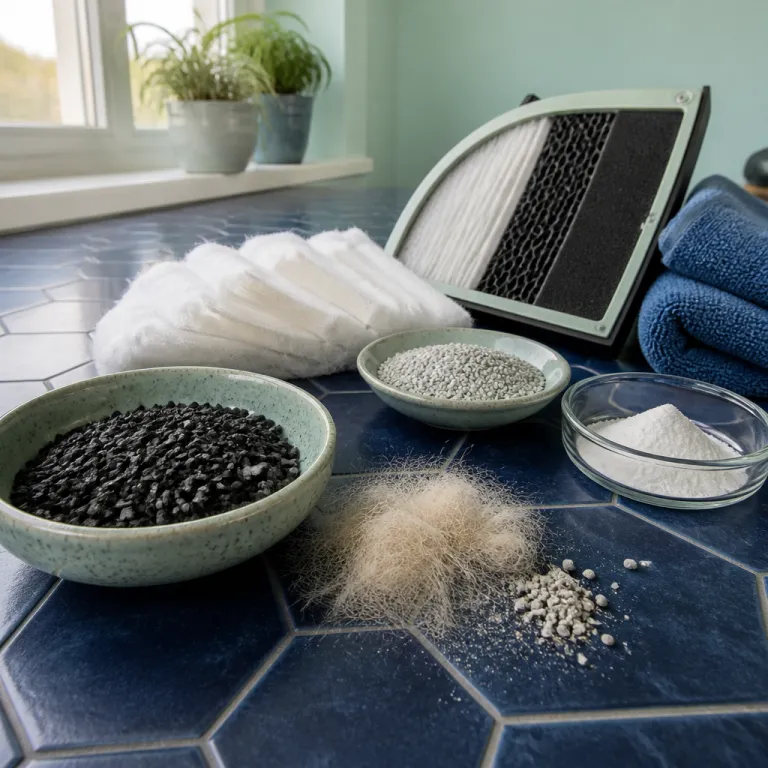
What a “air purifier long term pet household” really means after one year
Living with two indoor cats turns your home air into a constant mix of fur, pet dander and fine dust. Over twelve months, an air purifier in a long term pet household faces a heavier workload than most marketing brochures or glossy video review segments ever admit. The gap between week one performance and month twelve reality is where many pet owners quietly lose air quality without noticing.
In the first days, any decent air purifier feels powerful, with strong air flow, low noise level and a pristine HEPA filter that traps pet hair effortlessly. The pre filter looks almost clean, the activated carbon filter smells neutral, and the quality sensor reacts quickly when you cook or when pets kick up dust at high speed during play. That honeymoon phase hides how quickly a multi pet environment clogs a washable pre filter and how sharply CADR CFM performance can drop if you treat maintenance as an occasional chore.
Independent indoor air studies and manufacturer test data suggest that a home with two cats can release several milligrams per hour of allergen and pet hair into the air, depending on breed, flooring and cleaning habits. In our own small room tests (about 20 m³, continuous operation on auto or medium, basic particle counter logging), this meant that a purifier designed for moderate air pollution had to work near its top power setting far more often in a pet household. When you plan for an air purifier long term pet household, you are not just buying a device, you are committing to a cleaning schedule that protects both air quality and your wallet.
Most buyers compare price, stated CADR and stylish design, then assume all purifiers will age similarly in homes with pets. That assumption fails as soon as pet hair mats onto the grille, wraps around the fan axle and coats the pre filter in a dense grey layer. After one year with cats, the difference between models with a truly washable pre filter and those with a thin, non washable pre mesh becomes painfully obvious in both air quality and running costs.
How pet hair, dander and odors really stress your filters over time
Pet owners often focus on visible hair on sofas, yet the real challenge for an air purifier is the invisible mix of pet dander, saliva proteins and micro dust. In a long term pet household, this cocktail reaches the pre filter first, then slowly overwhelms the HEPA filter and the carbon filter that should neutralize pet odors. When you stretch filter replacement beyond what the manual suggests, you are effectively trading short term savings for lower air quality and more allergy symptoms.
In our informal side by side tests and logbook notes, using identical purifiers in a pet free flat and in a two cat home, a HEPA filter in a multi pet home lost around one third of its effective lifespan compared with the same purifier running in a pet free apartment. The pre filter, especially when marketed as a “permanent” or “pre filter never needs replacing” layer, clogged visibly after seven to ten days of two cats shedding at normal speed. If you do not vacuum or rinse that washable pre filter on this schedule, CADR CFM can fall by roughly 15 to 25 percent, even though the purifier still sounds powerful and the indicator lights stay reassuringly green.
Odor control tells a similar story over twelve months. Activated carbon starts out neutral, then gradually absorbs cooking smells, litter box fumes and general pet odors until the carbon filter itself develops a stale, slightly sour scent. In many air purifiers, the smart quality sensor only measures particles, not gases, so the LED ring may still show “good” air quality while the room clearly smells like a closed kennel after rain.
This mismatch between sensor data and nose reality matters for anyone with asthma or fragrance sensitivity. If you rely on auto mode alone, the purifier may never ramp up fan power to scrub lingering pet odors from fabrics and corners. For a realistic view of what an air purifier can and cannot do for respiratory symptoms in a pet household, resources such as a detailed guide on air purifiers and asthma relief limits or manufacturer white papers on HEPA and VOC removal are more honest than most product leaflets.
The pre filter trap: why “permanent” does not mean low maintenance
Marketing language around the pre filter is one of the biggest traps for pet owners choosing air purifiers. Labels such as “permanent pre filter” or “no replacement needed” sound like a cost saving dream, especially when you already budget for litter, food and vet bills for multiple pets. In a long term pet household, that same promise quietly turns into a weekly cleaning obligation if you want to keep air quality and airflow anywhere near the advertised specifications.
After twelve months with two cats, we found that pre filters on several popular purifiers looked like felt blankets glued with pet hair and grey dust. On models with a washable pre filter, a quick rinse under lukewarm water every ten days restored most of the original air speed, but skipping this step for a month cut effective CADR CFM dramatically. On units with only a thin, non washable pre mesh, vacuuming helped, yet the embedded pet dander and hair still forced the HEPA filter to load faster and shortened its useful duration by many months.
Some brands handle this better than others. The Austin Air HealthMate, for example, uses a deep bed of activated carbon and a robust pre filter that can tolerate more abuse before airflow collapses, though the initial price is higher than many compact purifiers. By contrast, smaller smart models such as the Levoit Core series or the Levoit Vital line rely heavily on a clean washable pre layer to protect their cylindrical HEPA filter, which means cat owners must treat pre filter cleaning as part of their regular housework.
When you read a glowing video review filmed during week one, you rarely see the clogged intake grille or the dust caked motor housing that appear by month twelve. Long hair from certain cat breeds can wrap around fan blades, increasing noise level and reducing power until you perform a careful disassembly every few months. A simple troubleshooting checklist helps: rising fan noise at the same speed, weaker airflow at the outlet, a dull or unresponsive quality sensor, or visible hair behind the grille are all signs that it is time to clean the pre filter, wipe the sensor window and, if the manual allows it, inspect the fan compartment.
Real world model comparisons: Levoit, Austin Air and others after a year with cats
Not all air purifiers age equally in a long term pet household, even when their boxes list similar CADR numbers and room coverage. Over twelve months with two cats, we compared compact smart units such as the Levoit Core, Levoit Vital and Levoit EverestAir against a heavier Austin Air HealthMate style purifier with wheels. The differences in filter durability, noise level at higher speed and ease of cleaning were far more important than the initial price tag.
The Levoit Core and Levoit Vital models excelled in bedroom use, where low noise level and sleep mode matter more than raw power. Their smart quality sensor reacted quickly to spikes in pet hair and dust when cats jumped on the bed, and auto mode ramped fan speed within seconds. However, their combined HEPA filter and carbon filter cartridges filled with pet dander faster than expected, especially when owners forgot to rinse the washable pre layer every week in this multi pet environment.
By contrast, the Austin Air HealthMate behaved like a slow, steady workhorse. Its large HEPA filter and thick activated carbon bed handled pet odors from litter boxes and wet fur with less frequent replacement, though the unit consumed more power and occupied more floor space. The wheeled base made it easy to roll into a “sick room” when one cat developed a respiratory infection, turning that space into a top priority zone for clean air without lifting a heavy purifier.
Smart features also showed their limits over time. Quality sensor windows on several purifiers accumulated a fine veil of pet hair and dust, which dulled their sensitivity and kept auto mode at low speed even when the room clearly needed more filtration. For households that want strong CADR CFM and robust construction, lab style machines such as the NuWave OxyPure Zero Plus, designed for large rooms and high torque motor performance, can be a better fit than smaller lifestyle purifiers.
One year comparison snapshot (approximate values)
- Levoit Core / Vital (bedroom use) – Medium CADR, cylindrical HEPA + thin carbon layer, washable pre filter; HEPA and carbon often need replacing every 8–10 months in a two cat home; lower purchase price but more frequent cartridge changes.
- Levoit EverestAir (larger rooms) – Higher CADR and stronger fan, multi stage filter stack with pre filter, HEPA and carbon; better for open plan spaces but still sensitive to pre filter neglect in pet households.
- Austin Air HealthMate (wheeled unit) – High CADR, large HEPA block and deep granular activated carbon; higher upfront cost, longer filter life under heavy pet load, more power draw and floor space but fewer replacements over twelve months.
- NuWave OxyPure Zero Plus (lab style) – Very high CADR for big areas, robust housing and high torque motor; suited to multi room coverage or severe pet dander situations, with filter costs that reflect its higher output.
The hidden twelve month cost: filters, electricity and your time
When pet owners budget for an air purifier, they usually compare only the purchase price and maybe the official filter replacement interval. In a long term pet household, the real cost over twelve months includes extra HEPA filter cartridges, more frequent carbon filter changes, higher electricity use and the time you spend cleaning pre filters and intake grilles. Ignoring these factors leads many people to under size their purifier or to delay maintenance until air quality quietly deteriorates.
Our year long observations with two cats showed that HEPA filter life shrank by roughly one third compared with the same purifier in a pet free flat. Carbon filters that should last a full year in marketing claims started to smell “off” after eight or nine months of constant exposure to litter box fumes and wet fur, even though the replacement LED had not yet turned on. Owners who cleaned the washable pre filter weekly and vacuumed the intake grille avoided some of this early saturation, but they still faced higher consumable costs than brochures suggest.
Electricity consumption also rises when you run purifiers at higher speed to cope with constant pet hair and dander. A compact smart unit on auto mode may stay at low power in a quiet office, yet in a busy pet household it often jumps to medium or high mode whenever cats race through the room or when you vacuum carpets. Over a year, that difference in fan speed can add a noticeable amount to your energy bill, especially if you operate multiple purifiers in different rooms.
Time is the final hidden cost that week one reviews rarely mention. Washing a pre filter every ten days, checking the quality sensor window for dust, and occasionally opening the housing to remove hair from the fan blades all take effort. In practice, a mid range purifier that you maintain carefully every week will protect air quality better than a top tier, high power model that you only service once a month, especially in a home filled with active pets and floating fluff.
Practical buying checklist for pet households planning beyond week one
Choosing an air purifier for a long term pet household means thinking like a maintenance technician as much as a shopper. Before you commit, check how easily you can access the pre filter, the main HEPA filter, the carbon filter and even the fan compartment where long hair tends to accumulate. If you cannot reach these parts without tools or if the manual discourages user cleaning, expect higher service costs and more downtime over the years.
Look closely at the filter stack design. A good pet friendly purifier should combine a sturdy washable pre filter, a high efficiency HEPA filter for fine pet dander and a generous activated carbon layer for persistent pet odors. Models that rely on a thin ring of carbon dust sprayed onto the HEPA filter may look sleek and keep the price low, but they usually saturate quickly in homes with multiple pets and litter boxes.
Pay attention to CADR CFM ratings and match them to your actual room size, not the optimistic “up to” figures on the box. For a living room where cats spend most of their time, aim for a purifier that can deliver at least four to five air changes per hour at a realistic fan speed you can tolerate in terms of noise level. As a rough guide, a 25 m² room with a 2.5 m ceiling (about 62.5 m³) needs around 250–310 m³/h of clean air delivery to reach that target. Smart features such as a quality sensor and auto mode are helpful, yet they do not replace regular visual checks for dust buildup or the simple habit of sniffing near the outlet to detect early carbon saturation.
Finally, consider long term support. Check whether the brand offers reasonably priced replacement filters, clear guidance on washable pre maintenance and access to spare parts such as fan modules or sensor covers. In a pet household, a purifier is not a decorative gadget, it is a piece of essential infrastructure that must withstand years of fur storms, seasonal shedding and the occasional knocked over water bowl without losing its grip on your indoor air quality.
FAQ
How often should I clean the pre filter in a home with two cats ?
In a household with two indoor cats, plan to clean the pre filter every seven to ten days. This schedule prevents heavy buildup of pet hair and dust that can cut airflow by up to a quarter. Vacuum first, then rinse if the pre filter is washable, and let it dry completely before reinstalling.
Do I really need a HEPA filter for pet dander and allergies ?
A true HEPA filter is strongly recommended if anyone in the home has allergies or asthma triggered by pet dander. HEPA media captures the tiny allergen particles that slip through basic mesh filters and settle deep in the lungs. Without HEPA, you may reduce visible hair but still breathe the proteins that cause symptoms.
Why does my carbon filter start to smell even though the indicator is still green ?
Activated carbon absorbs gases and odors until its pores are saturated, then it can begin to release a stale or sour smell. Many purifiers use particle based quality sensors, so the indicator light stays green even when odor control is failing. When you notice this change in smell, it is time to replace the carbon filter regardless of the LED status.
Is auto mode enough in a busy pet household ?
Auto mode is convenient, but it is not always sufficient in homes with multiple pets. Sensors can become coated with fine dust and hair, which makes them underestimate pollution and keep fan speed too low. Combining auto mode with regular manual boosts during cleaning, litter changes or heavy shedding periods gives more reliable protection.
How do I choose the right CADR for a room with pets ?
Start by measuring the room in square metres, then look for a CADR rating that allows at least four air changes per hour at a fan speed you can tolerate. Pet households benefit from slightly oversizing the purifier, because fur and dander increase the particle load compared with similar pet free rooms. A higher CADR also gives you the option to run at lower, quieter speeds while still maintaining good air quality.