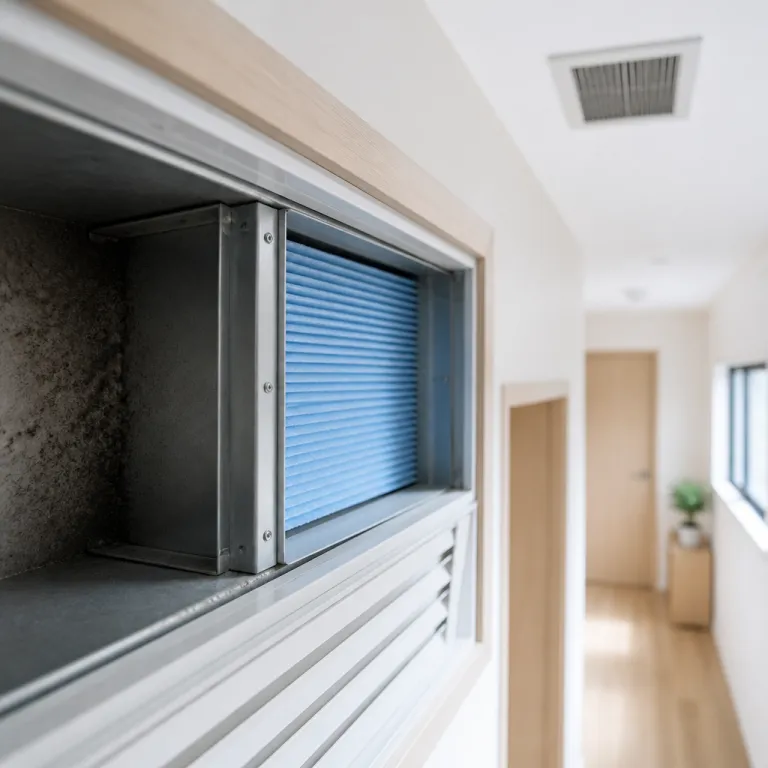

How an in-duct air purifier works inside your HVAC system
An in-duct air purifier sits directly inside the supply duct of your central HVAC system. This type of whole-house air cleaner treats the air as it passes through the duct, turning your existing heating or air conditioning equipment into a home-wide air purification system. Because the purifier is installed in the duct air path, every room connected to the HVAC system benefits from the same level of air treatment.
The core of an in-duct air purifier is usually a combination of light-based technology and mechanical filters. Many products use ultraviolet light or UV-C lamps to neutralize microorganisms, while high-efficiency filters capture dust, pet dander, and mold spores before they circulate back into your indoor air. When the HVAC fan runs, the system continuously pulls house air through the duct, across the purifier, and then distributes cleaner air throughout the building.
Unlike portable air purifiers, an in-duct air purifier is hidden inside the duct and does not take up floor space. This design allows the purifier to handle large volumes of indoor air, which is especially valuable in bigger homes in the United States with complex duct layouts. Because the purifier is integrated into the HVAC system, it can improve air quality in every conditioned room rather than only in a single space.
Quick selection checklist
- Best for allergies and dust: in-duct purifier with a MERV 11–13 filter and low pressure drop.
- Best for mold and microbes: high-efficiency filter plus UV-C lamp aimed at the coil or supply duct.
- Lowest ozone risk: systems explicitly listed as ozone-free and independently tested to meet recognised indoor air limits.
- Maintenance baseline: check filters every 1–3 months; replace UV lamps or cells every 1–2 years.
Key components of duct-based air purification
Most in-duct air purifiers combine a pre-filter, a main filter, and an active purification system. The pre-filter protects the more expensive filter from large particles, while the main filter improves air quality by trapping fine dust and pollen that would otherwise stay in the house air. The active purification system, which may use UV light or other technologies, targets airborne microbes and volatile compounds that filters alone cannot easily capture.
Some in-duct air purifier products also include photocatalytic surfaces that react when exposed to UV light, breaking down certain pollutants into simpler compounds. This type of air purification system aims to reduce odours and some gases, complementing the work of mechanical filters that focus on particles. When you read product specifications, you will often see separate ratings for particle removal, microbial reduction, and chemical reduction, which reflect these different purification mechanisms.
Because the purifier is installed in the duct, airflow resistance matters for both comfort and energy use. A poorly chosen filter can strain the HVAC system fan, reduce air conditioning performance, and create uneven climate control in the house. High-quality filters designed for in-duct air purifiers balance filtration efficiency with low pressure drop, helping maintain a healthy climate without overworking the HVAC system.
Safety considerations around ozone and UV light
Any in-duct air purifier that uses UV light must be designed so that no light leaks into occupied spaces. The UV lamp is enclosed inside the duct, and the metal housing of the purifier blocks light while still allowing air to pass freely. This design protects your eyes and skin while still exposing indoor air and duct surfaces to germicidal light.
Ozone is another critical safety topic when evaluating in-duct air purifiers and other air cleaners. Some older ionic purifiers and certain UV-based products can generate ozone as a by-product, which can irritate lungs and worsen asthma when levels rise above health-based thresholds. The United States Environmental Protection Agency (EPA) notes that even relatively low indoor ozone concentrations can aggravate respiratory symptoms, so before buying any purification system, carefully read the technical sheet to confirm that the purifier is either certified as ozone-free or that its ozone emissions are well below recognised limits for indoor air.
People who are sensitive to respiratory irritants often prefer an in-duct air purifier that is explicitly marketed as ozone-free. These purifiers rely on filters, UV light contained inside the duct, or other non-ozone-generating technologies to improve air quality. When combined with a well maintained HVAC system and regular filter changes, such a purifier can significantly reduce airborne particles and microbes without adding new chemical concerns.
UV-C and ionic in-duct air purifiers: benefits and risks
UV-C in-duct air purifiers use short-wavelength ultraviolet light to inactivate bacteria, viruses, and mold spores as they pass through the duct. Because the UV lamp is installed inside the duct air stream, microorganisms receive a controlled dose of light while the house air continues to flow. This approach is especially useful in humid climates where mold spores and biofilm can grow on cooling coils and inside the HVAC system.
Ionic in-duct air purifiers work differently, charging particles in the air so they clump together and either fall out of the air or stick to filters more easily. Some ionic purifiers are combined with traditional filters to create a hybrid purification system that improves capture of fine particles. However, certain ionic technologies can generate ozone, so you should always read independent test data before installing such a product in your house.
For people comparing UV-C and ionic in-duct air purifiers, the main trade-off is between germicidal effectiveness and potential ozone production. UV-C systems that are properly designed and installed inside the duct can deliver strong microbial control without releasing ozone into indoor air. Ionic purifiers can enhance particle removal but must be carefully selected to ensure they are either ozone-free or produce only negligible amounts of ozone under normal HVAC operation.
| Technology | Primary target | Typical ozone risk | Maintenance focus |
|---|---|---|---|
| High-efficiency filter only | Dust, pollen, pet dander, mold spores | None (mechanical process) | Filter changes every 1–3 months |
| UV-C in-duct system | Bacteria, viruses, biofilm on coils | Low when lamp and housing are properly designed | Lamp replacement about every 1–2 years |
| Ionic in-duct purifier | Fine particles, some odours | Varies; some models emit measurable ozone | Cleaning electrodes, verifying ozone test data |
| Halo-style oxidiser system | Odours, microbes on surfaces and in air | Depends on chemistry; check ozone and by-product reports | Cell or cartridge replacement every 1–2 years |
Where UV-C shines inside an HVAC system
One of the most effective uses of UV-C in an in-duct air purifier is coil irradiation. By mounting UV lamps near the evaporator coil and drain pan, the purifier prevents mold spores and bacteria from colonising these constantly damp surfaces. Cleaner coils improve air quality and also help the HVAC system maintain its designed efficiency and airflow.
Another application is in-duct air sterilisation, where UV lamps are placed in the supply duct to treat moving air. In this configuration, the in-duct air purifier exposes airborne microbes to UV light as they travel through the duct, reducing their ability to reproduce once they re-enter the house air. The effectiveness of this air purification approach depends on lamp intensity, exposure time, and how well the purifier is matched to the airflow of the HVAC system.
Because UV-C lamps gradually lose intensity over time, maintenance is essential for sustained air quality benefits. Most manufacturers recommend replacing UV lamps every one to two years, even if the light still appears to be on. When you read maintenance instructions for UV-based air purifiers, pay attention to both lamp replacement intervals and cleaning requirements for any protective sleeves or filters.
Ionic technology, ozone thresholds, and health
Some ionic in-duct air purifiers intentionally generate small amounts of ozone as part of their purification process. While ozone can react with certain odours, it is also a respiratory irritant, especially for children, older adults, and people with asthma. Health agencies in the United States and other regions have set strict indoor air guidelines for ozone, and these limits should guide your product choices.
Before installing an ionic in-duct air purifier, review independent laboratory tests that measure ozone levels in realistic room or house conditions. A useful reference on this topic is a detailed analysis of ionic air purifier dangers and what the ozone threshold looks like in a small bedroom, which explains how even modest emissions can accumulate in poorly ventilated spaces. If you want cleaner air without added chemical risks, prioritise ionic purifiers that are certified as ozone-free or that use ionisation only inside the duct with effective downstream filters.
For many households, a UV-C-based in-duct air purifier combined with high-quality filters offers a strong balance of effectiveness and safety. This combination targets both particles and microbes while keeping ozone concerns to a minimum, especially when the purification system is installed and maintained by a qualified HVAC professional. Whatever technology you choose, remember that no single purifier can compensate for poor ventilation, uncontrolled moisture, or neglected filters in the overall HVAC system.
Reme Halo and similar in-duct systems for whole house air
The Reme Halo in-duct air purifier is one of the most widely discussed whole-house air purifiers in the United States. This product is installed directly into the supply duct of an HVAC system, where it uses a combination of UV light and proprietary catalysts to generate low levels of airborne oxidisers. These oxidisers circulate through the duct air and into rooms, where they react with certain pollutants and microorganisms in the indoor air.
Supporters of the Reme Halo purifier highlight its ability to reduce odours, bacteria, and some viruses throughout the house air, not just near the duct. Because the Reme Halo system treats both the air inside the duct and surfaces in occupied rooms, it is marketed as a comprehensive air purification solution. The manufacturer positions the Reme Halo product as a way to create cleaner air in homes with pets, smokers, or recurring mold spores problems.
Critics of the Reme Halo and similar purifiers raise questions about by-products, long-term exposure, and the balance between benefits and risks. While the company provides test data on air quality improvements, independent researchers emphasise the need to understand exactly which oxidisers are produced and at what concentrations. Anyone considering a Reme Halo in-duct air purifier should read both manufacturer documentation and third-party assessments before deciding whether this purification system fits their risk tolerance and indoor air priorities.
How Reme Halo compares with other in-duct air purifiers
Compared with a purely filter-based in-duct air purifier, the Reme Halo adds an active purification component that extends beyond the duct. Traditional filters and UV lamps mainly treat air as it passes through the HVAC system, while the Reme Halo aims to continue air purification in the living space itself. This difference can be attractive for people who want more aggressive treatment of odours and microbes on surfaces and in hard-to-reach corners of the house.
However, the same feature that makes the Reme Halo appealing also introduces complexity, because airborne oxidisers interact with a wide range of indoor air chemicals. Some experts recommend pairing such a purifier with careful monitoring of air quality and ventilation, especially in tightly sealed homes. A detailed review of Reme Halo air purification systems for healthier conditioned air at home can help you weigh these trade-offs in a structured way.
When comparing Reme Halo products with other in-duct air purifiers, pay attention to whether the system is marketed as ozone-free and what specific certifications it holds. Some halo-style purifiers, including newer halo LED models, emphasise reduced ozone generation and more targeted chemistry. Always confirm that any halo duct installation is compatible with your HVAC system and that the installer understands both the electrical and air quality aspects of the product.
Installation and maintenance realities for halo-style systems
Installing a Reme Halo or halo LED in-duct air purifier usually requires cutting a hole in the supply duct and mounting the device so that its probe extends into the airflow. For many HVAC technicians, this is an easy install that can be completed in less than an hour, especially in accessible basements or utility rooms. The electrical connection is typically tied into the HVAC system so that the purifier operates whenever the fan runs.
Maintenance for halo-style purifiers involves periodic replacement of the cell or cartridge that contains the UV lamp and catalyst. The recommended replacement interval varies by product, but many halo and halo LED systems suggest changing the cell every one to two years to maintain consistent air purification performance. During routine HVAC service, technicians should also inspect the duct opening, electrical connections, and any nearby filters to ensure the purification system continues to operate safely.
Homeowners should understand that even an advanced halo duct purifier does not eliminate the need for regular filter changes and coil cleaning. The overall air quality in a house still depends on basic HVAC system hygiene, including keeping return grilles clean and ensuring that ducts are properly sealed. When these fundamentals are in place, a well maintained in-duct air purifier can be a powerful addition to a broader healthy climate strategy.
Filters, airflow, and the mechanics of cleaner indoor air
Every in-duct air purifier relies on filters and airflow to deliver cleaner air throughout the house. The filter captures particles such as dust, pollen, pet dander, and mold spores, preventing them from recirculating through the duct air. When filters are correctly sized and regularly replaced, they support both good air quality and efficient operation of the HVAC system.
Filter ratings, often expressed as MERV values, indicate how effectively a filter removes particles of different sizes. Higher MERV filters can capture finer particles, but they also create more resistance to airflow, which can strain the HVAC fan if the system was not designed for them. Choosing the right filter for an in-duct air purifier means balancing particle removal with the airflow needs of your specific air conditioning and heating equipment.
In many homes, upgrading from a basic fibreglass filter to a pleated high-efficiency filter significantly improves indoor air quality without major modifications to the HVAC system. Some in-duct air purifiers include dedicated filter cabinets that accept deeper filters, which offer more surface area and lower resistance for the same level of purification. When you read product literature, look for clear guidance on compatible filters, expected pressure drop, and recommended replacement intervals.
How filters interact with UV, ionic, and halo technologies
Filters and active purification technologies work best as partners rather than competitors inside an in-duct air purifier. Mechanical filters handle the bulk of particle removal, while UV lamps, ionic systems, or halo-style oxidisers target microbes and certain gases that filters cannot easily trap. This layered approach to air purification helps maintain cleaner air even when outdoor air quality fluctuates due to pollen, smoke, or urban pollution.
For UV-based in-duct air purifiers, filters protect the coil and duct surfaces from heavy dust buildup, allowing UV light to reach microorganisms more effectively. In ionic or halo systems, filters capture charged or transformed particles before they can settle on walls, furniture, or inside the duct. Without adequate filtration, active purification products may simply move contaminants from the air onto surfaces, which does little to improve long-term indoor air quality.
Some advanced in-duct air purifiers integrate sensors that monitor filter status and airflow, alerting homeowners when a filter change is needed. These features support a more consistent healthy climate by preventing the gradual decline in performance that occurs when filters are neglected. Whether your purifier uses UV, ionic, halo, or hybrid technologies, disciplined filter maintenance remains the simplest and most cost-effective step toward cleaner air.
Practical maintenance schedule for whole-house purifiers
A realistic maintenance plan for an in-duct air purifier starts with checking the filter every one to three months. In homes with pets, smokers, or high outdoor dust, filters may need replacement more often to maintain airflow and air quality. Marking filter changes on a calendar or using reminders from a smart thermostat can prevent the common problem of forgotten filters.
UV lamps in in-duct air purifiers typically require replacement every one to two years, even if they still emit visible light. Their germicidal output declines over time, so following the manufacturer’s schedule is essential for reliable air purification. For halo, halo LED, or similar products, replacing the entire cell or cartridge on schedule ensures that both the light source and catalyst remain effective.
During annual HVAC service visits, ask technicians to inspect the in-duct air purifier housing, wiring, and any seals around the duct opening. This quick check helps prevent air leaks, electrical issues, or misaligned components that could reduce purification performance. A well maintained purification system, combined with clean filters and properly tuned HVAC equipment, supports consistently cleaner indoor air throughout the house.
Smart controls, user experience, and when premium features pay off
Modern in-duct air purifiers increasingly integrate with smart thermostats and home automation platforms. These systems can adjust purification levels based on indoor air quality sensors, occupancy patterns, or outdoor pollution alerts. For homeowners, this means the purifier and HVAC system can work together to deliver cleaner air when it is needed most while conserving energy at other times.
Some air purifiers and air cleaners now support voice control through smart speakers, allowing users to change fan speeds or purification modes without touching a thermostat. A detailed guide to smart air purifier voice control explains the two use cases that justify the premium and the five that do not, helping buyers avoid paying for features they will rarely use. When evaluating an in-duct air purifier, consider whether smart controls will genuinely improve your daily experience or simply add complexity.
In many cases, the most valuable premium features are not flashy but practical, such as clear filter change alerts, lamp life indicators, and integration with HVAC system diagnostics. These tools make it easier to maintain a healthy climate and consistent air quality without constant manual checks. For households with allergies, asthma, or concerns about mold spores, such reliability can matter more than remote control or app-based visualisations.
Balancing cost, performance, and real-world benefits
When comparing in-duct air purifiers, focus on measurable outcomes rather than marketing language. Look for data on particle reduction, microbial inactivation, and any changes in ozone or other by-products under realistic operating conditions. Products that provide transparent test results and clear maintenance requirements are more likely to deliver predictable improvements in indoor air quality.
Cost comparisons should include not only the purchase price of the purifier but also filters, replacement lamps or cells, and any impact on HVAC energy use. A slightly more expensive purification system with low-resistance filters and efficient lamps may cost less to operate over several years than a cheaper unit that strains the fan or requires frequent replacements. When you read reviews, pay attention to long-term user feedback about reliability, noise, and ease of maintenance.
For many homes, a mid-range in-duct air purifier with high-quality filters, a proven UV component, and straightforward controls offers the best balance of cleaner air and manageable upkeep. Premium halo or halo LED systems may be justified in specific situations, such as homes with severe odour problems or high microbial loads, but they are not always necessary for general air quality improvement. The key is to match the purifier’s capabilities to your actual indoor air challenges rather than to the most impressive-sounding feature list.
Who benefits most from whole-house in-duct purification
Households with central HVAC systems, especially in regions with extreme climate conditions, stand to gain the most from in-duct air purifiers. These systems treat all the indoor air that passes through the duct network, providing consistent purification to bedrooms, living areas, and workspaces. People with allergies, asthma, or sensitivities to dust and mold spores often notice the greatest improvements in comfort.
Homes with pets, smokers, or frequent cooking can also benefit from a well designed purification system that targets both particles and odours. In such environments, combining a high-efficiency filter with UV or halo-style purification can help maintain cleaner air between regular cleaning and ventilation. For multi-storey houses or large floor plans, an in-duct air purifier offers a more uniform solution than relying on multiple portable air purifiers scattered around the house.
Renters or owners without central HVAC may find that portable air purifiers remain the more practical option, since in-duct systems require access to the ductwork and control over the HVAC system. However, for most detached houses and many townhomes in the United States, the existing duct infrastructure makes an in-duct air purifier a logical upgrade. When properly selected and maintained, such a system becomes a quiet, always-on partner in protecting indoor air quality.
Choosing the right in-duct air purifier for your home
Selecting an in-duct air purifier starts with understanding your specific indoor air problems. If allergies and dust are your main concerns, prioritise purifiers with strong filter performance and low resistance to airflow. For issues related to mold spores, bacteria, or viruses, look for systems that combine filters with UV light or other proven germicidal technologies.
Next, evaluate how any candidate purifier will integrate with your existing HVAC system. Check whether the duct layout provides enough straight duct air space for installation and whether the system’s fan can handle any added resistance from filters or purification components. A qualified HVAC contractor can measure airflow, inspect duct conditions, and recommend products that match both your air quality goals and your equipment’s capabilities.
Finally, consider long-term ownership factors such as replacement part availability, warranty support, and the reputation of the manufacturer in the United States market. Products with clear documentation, accessible filters, and straightforward lamp or cell replacement procedures are easier to maintain over time. When you read user reviews, focus on comments about reliability, noise, and real-world changes in house air freshness rather than only on initial impressions.
Questions to ask before installation
Before approving any in-duct air purifier installation, ask the contractor to explain exactly where in the duct the purifier will be mounted. Placement relative to coils, bends, and branch ducts can significantly affect how evenly the purification system treats indoor air. You should also confirm how the purifier will be powered and whether it will run only with the HVAC fan or also in continuous circulation modes.
Request written information on whether the purifier is ozone-free, what certifications it holds, and what by-products it may generate under normal operation. For halo, halo LED, or ionic systems, ask specifically about any oxidisers released into the house air and how their levels compare with recognised indoor air guidelines. Clear answers to these questions build trust and help you make an informed decision about the trade-offs involved in each technology.
Finally, agree on a maintenance plan that covers filter changes, lamp or cell replacements, and periodic inspections of the duct opening and electrical connections. A well documented schedule ensures that the in-duct air purifier continues to deliver cleaner air rather than becoming a neglected component inside the HVAC system. With the right questions and a thoughtful selection process, you can align your purification system with both your health priorities and your home’s technical realities.
Key statistics on in-duct air purifiers and indoor air quality
- According to the World Health Organization, household air pollution contributes to millions of premature deaths globally each year, underscoring the importance of effective indoor air purification strategies; WHO estimates that exposure to fine particulate matter and other pollutants is a major driver of respiratory and cardiovascular disease.
- Studies from the United States Environmental Protection Agency show that indoor air can be two to five times more polluted than outdoor air, which highlights the potential value of whole-house in-duct air purifiers for homes with limited natural ventilation.
- Research on high-efficiency filters in residential HVAC systems has found particle reductions of 50 to 80 percent for fine dust and allergens when filters are properly selected and maintained, especially when MERV ratings are in the 11–13 range.
- Field evaluations of UV-C systems installed in HVAC ducts have reported significant reductions in microbial contamination on cooling coils, improving both air quality and system efficiency by reducing coil fouling and airflow resistance.
- Industry market reports over the past decade show steady growth in demand for whole-house air purification products, driven by increased awareness of air quality, climate-related smoke events, and respiratory health concerns among homeowners.
FAQ about in-duct air purifiers
Are in-duct air purifiers more effective than portable units
In-duct air purifiers treat all the air that passes through the central HVAC system, which can provide more uniform coverage than a single portable unit. For whole-house applications, especially in larger homes, an in-duct system often delivers more consistent air quality improvements. Portable air purifiers remain useful for targeted rooms or for homes without ducted HVAC.
Do in-duct air purifiers increase energy consumption significantly
The main energy impact of an in-duct air purifier comes from added airflow resistance and any electrical load from UV lamps or fans. When filters and components are properly matched to the HVAC system, the increase in energy use is usually modest. Poorly chosen filters or oversized purifiers can strain the fan and raise energy bills, so professional sizing is important.
Can an in-duct air purifier remove all viruses and bacteria
No air purification system can guarantee removal of all viruses and bacteria, but well designed in-duct systems can significantly reduce airborne concentrations. UV-C lamps, high-efficiency filters, and certain advanced technologies have demonstrated strong reductions in controlled tests. These systems should be viewed as part of a broader health strategy that also includes ventilation, hygiene, and medical guidance.
How often should filters and UV lamps be replaced
Most residential filters in in-duct air purifiers need replacement every one to three months, depending on dust levels and usage. UV lamps typically require replacement every one to two years, even if they still appear to be working. Following the manufacturer’s schedule and having annual HVAC inspections helps maintain consistent air quality performance.
Is professional installation necessary for an in-duct air purifier
Professional installation is strongly recommended because the purifier must be correctly integrated into the ductwork and electrical system. Improper placement or wiring can reduce effectiveness, create safety risks, or void warranties. Qualified HVAC technicians ensure that the purification system works harmoniously with the existing HVAC equipment and complies with local codes.