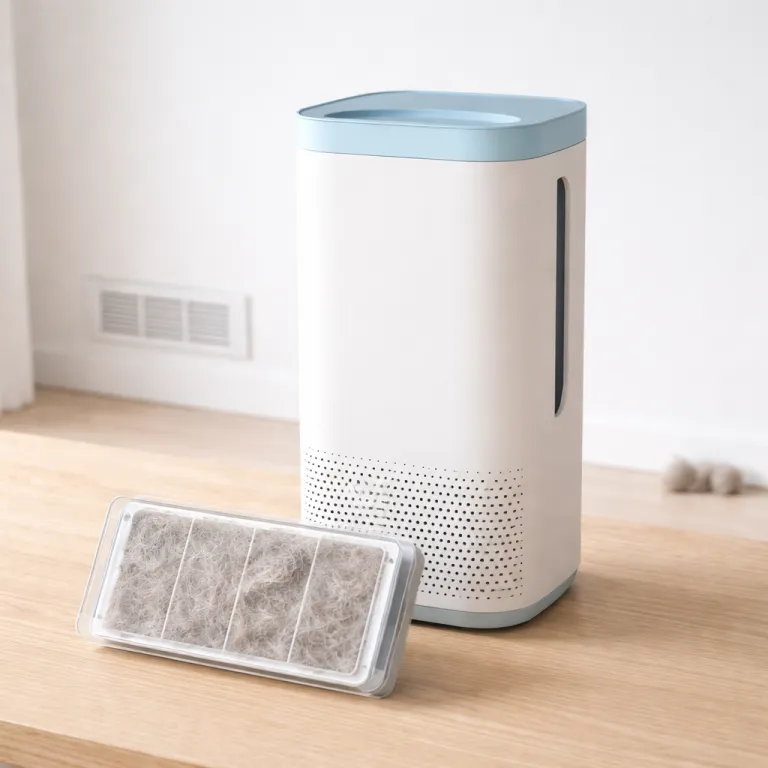
Air purifier vs HVAC for pet dander in real homes
Pet owners often ask whether an upgraded HVAC system can fully replace a dedicated air purifier. The real comparison between an air purifier vs HVAC for pet dander depends on how your air moves, how long your systems run, and how sensitive your lungs are to allergens. To make a smart choice, you need to look at air quality, costs, and comfort together.
Central HVAC systems circulate air through a single air filter, while portable purifiers clean the room air where you actually sit, sleep, and breathe. A typical HVAC system in a house only runs four to eight hours a day, which means no central air filtration is happening for the rest of the time. During those long off cycles, pet hair, dust, and other allergens settle on surfaces and then re-enter the indoor air whenever you move around.
When you compare air purifiers and HVAC systems, you are really comparing how much air each option can filter and how often it does so. A portable air cleaner with a high-efficiency HEPA filter can run twenty-four hours a day in a single room, constantly stripping allergens from the room air. Your whole-home HVAC system, even with a strong furnace filter, usually cycles on and off based on temperature, not on indoor air quality or allergy–asthma symptoms.
For pet households, the main particles of concern are pet dander, pet hair, and the fine dust that sticks to them. These tiny allergens can trigger allergy and asthma symptoms even when the air looks clean, especially in bedrooms where doors stay closed. That is why many allergy specialists and public health agencies recommend combining a central air filter upgrade with at least one room air purifier in the spaces where you spend the most time, because multiple reviews of indoor air interventions show that layered filtration and source control reduce airborne allergen levels more reliably than a single measure (for example, EPA residential IAQ guidance and summaries of controlled trials in allergy journals).
How MERV and HEPA really compare for pet dander
When people weigh an air purifier vs HVAC for pet dander, they often focus on the rating printed on the filter. MERV and HEPA describe very different levels of filtration, and understanding them helps you judge what your system can realistically do. Without that context, it is easy to overestimate what a single HVAC system upgrade can deliver for indoor air.
MERV, or Minimum Efficiency Reporting Value, is used for furnace filters and air filters in most residential HVAC systems. A MERV 13 air filter typically captures around half of particles between 0.3 and 1 micron, while a true H13 HEPA filter in many air purifiers captures 99.97 percent of particles in that same size range. That gap matters because pet dander, wildfire smoke particles, and many asthma-triggering allergens sit right in this fine particle band, and both ASHRAE Standard 52.2 test data and manufacturer performance curves highlight that higher-efficiency filters in this range are associated with lower indoor particle concentrations.
HEPA filters are designed for high-efficiency air filtration in a smaller stream of air, which is why they are used in portable purifiers rather than in most central systems. If you tried to push your entire HVAC system airflow through a HEPA filter, the restriction would usually be too high and the system could struggle. This is also why you must be careful when jumping from a basic filter to a MERV 13 or a so-called MERV furnace upgrade without checking whether your fan and ductwork can handle the extra resistance, a point repeatedly emphasised in HVAC manufacturer specifications and ASHRAE residential design notes.
For someone with allergy–asthma, the difference between MERV and HEPA is not just a technical detail. A MERV 13 filter in the HVAC system can reduce the overall background level of dust and allergens, but a HEPA purifier in the bedroom can sharply cut the peaks that trigger symptoms at night. If you want a deeper dive into what an air purifier can and cannot do for asthma, a detailed guide on honest answers about asthma and air purifiers is a useful complement to this comparison.
When a MERV 13 HVAC upgrade is enough for a pet home
Some households genuinely can rely on a strong HVAC system upgrade instead of buying multiple purifiers. This tends to be the case when the home layout, the way you use the system, and the number of pets all work in your favour. In these situations, the math of air filtration and running costs can support investing first in better central air filters.
Imagine a relatively open-plan flat or house where doors stay open and the HVAC system fan is set to run in continuous "fan on" mode. In that scenario, a MERV 13 furnace filter can filter air from all rooms several times per hour, keeping indoor air quality fairly even throughout the space. If you only have one pet and no one in the household has severe allergy–asthma, the combination of steady circulation and decent filtration can keep dust and pet dander at manageable levels.
Cost also matters when you compare air purifier vs HVAC for pet dander in this kind of home. A quality MERV 13 air filter might cost between 30 and 60 dollars, and if you change it four times a year, your annual spend sits roughly between 120 and 240 dollars. That can be cheaper than buying several air purifiers plus replacement filters, especially if you would need one purifier for each major room.
However, even in this favourable case, you still need to think about specific rooms and activities. Bedrooms where doors close at night or a home office where a pet spends hours at your feet can develop pockets of poorer air quality despite a strong central system and continuous fan operation. For people who are sensitive to allergens, adding a compact purifier with HEPA and activated carbon in those rooms can provide a noticeable comfort boost at a modest extra cost, and you can compare models using a specialised guide to top air purifiers for allergies.
When a dedicated pet focused purifier clearly wins
Many pet households sit in a very different situation, where a central HVAC system upgrade alone does not solve the problem. Closed doors, short HVAC cycles, and multiple animals all work against even air filtration and clean air in the rooms that matter most. In these cases, a dedicated air purifier in key rooms is not a luxury but a practical necessity.
Consider a bedroom where the door stays closed for eight hours at night while a cat sleeps on the bed and the HVAC system only runs in short bursts to maintain temperature. The air filter in the ductwork barely touches the concentrated pet dander and allergens in that room air, so the effective air changes per hour for filtration are low. A portable purifier with a HEPA filter and activated carbon can run continuously, pulling in dust, pet hair, and odours and pushing out cleaner indoor air right where you breathe.
Households with several pets face an even steeper challenge, because every extra animal adds more allergens and more fine dust to the indoor air. Even if you upgrade to a MERV 13 furnace filter, the central HVAC system often cannot keep up with the constant shedding in rooms where pets spend most of their time. A pet-focused purifier in the living room and another in the main bedroom can dramatically reduce allergy and asthma symptoms, especially when combined with regular cleaning and good air filters in the central system.
Short cycling is another hidden enemy in the air purifier vs HVAC for pet dander debate. When an HVAC system is oversized or the climate is mild, the system may run for only a few minutes at a time, which limits how much air filtration actually happens through the central filter. In that context, a well-sized purifier that delivers several air changes per hour in a single room gives you predictable, measurable air quality improvements that you can feel in your nose and lungs.
The power and risks of combining HVAC upgrades with purifiers
The most effective strategy for many pet owners is not choosing between an air purifier vs HVAC for pet dander, but combining both. A balanced approach lets the HVAC system handle whole-home air circulation while targeted purifiers tackle the worst rooms and the toughest allergens. This combination often delivers better air quality and comfort per euro or dollar spent than either option alone.
In a combined setup, you might install a MERV 11 or MERV 13 air filter in the central HVAC system to reduce overall dust and allergens throughout the house. Then you place one or two high-efficiency air purifiers with HEPA filters and activated carbon in the bedroom and main living area, where pet hair and dander accumulate most. The central system keeps the baseline indoor air reasonably clean, while the purifiers smooth out the peaks that trigger allergy–asthma symptoms.
There is a real risk, though, in pushing the central system too far with an aggressive MERV furnace upgrade. A filter that is too restrictive can reduce airflow, which may lower heating and cooling performance and even stress the fan motor over time. Before jumping to a very high MERV level, it is wise to check the manufacturer guidance for your HVAC system or consult a qualified technician who can measure pressure drop across the filter air path, because both ASHRAE and equipment makers warn that excessive resistance can impair comfort and efficiency.
For people living in areas affected by wildfire smoke, the combined approach becomes even more compelling. Central air filtration with a good furnace filter can cut the worst of the smoke particles, while portable purifiers with activated carbon help remove odours and gases in specific rooms. If you want examples of strong performers for challenging spaces like basements, a curated list of top air purifiers for basements can also guide you toward models that handle both particles and smells effectively.
Running the numbers: costs, ACH, and room by room strategy
To decide between an air purifier vs HVAC for pet dander, you need to run some simple numbers. The key ideas are air changes per hour, or ACH, and the annual cost of filters and electricity for each system. Once you translate your rooms and habits into these metrics, the better option usually becomes clear.
Start with a single room, such as a 20 square metre bedroom with a standard 2.5 metre ceiling, which gives a volume of 50 cubic metres. If you aim for five air changes per hour to control pet allergens and dust, you need a purifier that can filter 250 cubic metres of air per hour in that room air. A mid-range purifier with a HEPA filter and activated carbon might cost 300 to 400 dollars upfront and 80 to 150 dollars per year in filters, while using roughly the same electricity as a small fan.
Now compare that with upgrading the central HVAC system to use MERV 13 air filters that cost 30 to 60 dollars each, changed four times per year. Your annual filter cost lands between 120 and 240 dollars, but the actual air filtration you get depends heavily on how many hours per day the system runs. If the system only runs four hours a day, your effective ACH in each room may be far lower than what a dedicated purifier can deliver, especially in closed rooms where air does not mix well.
A practical rule of thumb is to prioritise a purifier in any room where a sensitive person spends more than eight hours a day with a pet. Then use a moderate MERV upgrade in the central system to improve overall indoor air quality and reduce dust throughout the home. This layered approach usually gives the best balance between clean air, manageable costs, and reasonable maintenance for both the purifier filters and the central air filter.
Who benefits most from adding a portable purifier
Once you understand the trade-offs, the final question is whether you personally should add a portable purifier on top of any HVAC system upgrades. The answer depends on your health, your pets, and the way your home is laid out. For many pet owners, a single well-chosen purifier is the marginal investment that delivers the biggest comfort gain.
People with diagnosed allergy–asthma or frequent respiratory symptoms almost always benefit from targeted room air cleaning. A purifier with a sealed HEPA filter, solid air filtration performance, and a decent layer of activated carbon can reduce exposure to pet dander, dust, and odours during the hours when you are most vulnerable. Placing that purifier in the bedroom or main sitting area ensures that the clean air benefit lines up with your actual daily routine.
Households with multiple pets, carpets, and soft furnishings also see strong returns from adding purifiers, even if they already use good air filters in their HVAC systems. In these homes, pet hair and fine allergens embed in fabrics and get constantly re-released into the indoor air, which makes central filtration alone less effective. A portable purifier running continuously in the worst affected rooms can capture these particles as they become airborne, keeping overall air quality more stable between cleaning sessions.
If your budget is tight, start by upgrading to a reasonable MERV level that your system can handle safely, then add one purifier in the room where symptoms are worst. Over time, you can expand to other rooms if needed, always balancing the cost of filters, the noise level, and the measurable improvement in how you feel. For detailed model comparisons focused on allergies and pets, a specialised guide to air purifiers for allergies can help you match purifier capacity to your room size and sensitivity.
Key figures and statistics for pet dander and filtration
- HEPA H13 filters are rated to capture 99.97 percent of particles at 0.3 microns, while a typical MERV 13 filter captures around 50 percent in the 0.3 to 1 micron range, which explains why HEPA purifiers are more effective for the finest pet dander and smoke particles; these values come from standardised laboratory tests such as EN 1822 for HEPA and ASHRAE 52.2 for MERV filters.
- Residential HVAC systems in many temperate climates operate roughly four to eight hours per day on average, meaning central air filtration is inactive for up to two thirds of each day when allergens can accumulate in indoor air, a pattern reflected in utility load profiles and HVAC runtime studies.
- Upgrading to MERV 13 filters usually costs about 30 to 60 dollars per filter, and with four changes per year, the annual cost ranges from 120 to 240 dollars, which is comparable to or lower than the yearly filter cost for one large room air purifier.
- Portable purifiers sized for a 20 square metre bedroom often deliver four to six air changes per hour, while central HVAC systems may provide fewer effective air changes in closed rooms, especially when doors are shut and the fan does not run continuously, which is why many indoor air quality guidelines suggest higher local ACH targets for allergy control.
- Studies on indoor air quality consistently show that combining source control, such as cleaning and grooming pets, with mechanical air filtration reduces airborne allergen levels more effectively than either strategy alone, particularly in homes with multiple animals, and this layered approach is echoed in recommendations from agencies such as the EPA and professional allergy societies.
FAQ about HVAC upgrades and pet focused air purifiers
Is a MERV 13 HVAC filter enough if I have one pet and mild allergies ?
For a single pet and mild allergy symptoms, a MERV 13 filter in a well-designed HVAC system can be sufficient, especially in an open-plan home where doors stay open. The key is to run the fan often enough to keep air moving through the filter and to change the filter regularly so filtration performance stays high. If you still notice symptoms in the bedroom or office, adding a small purifier in that specific room is usually the next logical step.
Can upgrading my HVAC filter damage the system or reduce comfort ?
Jumping to a very high MERV level without checking system compatibility can restrict airflow and strain the fan, which may reduce heating and cooling performance. Most residential systems are designed for a certain pressure drop across the air filter, and exceeding that range can cause problems over time. Before installing a much denser filter, consult the HVAC manufacturer guidance or a technician who can measure airflow and ensure the system remains within safe limits.
Where should I place a pet focused air purifier for best results ?
The most effective location is usually the room where you spend the most continuous time with your pet, often the bedroom or main living area. Position the purifier so that its intake and outlet are not blocked by furniture, and avoid tucking it behind sofas or curtains where air circulation is poor. Running the purifier on a medium setting continuously rather than on maximum only occasionally tends to deliver more stable air quality improvements.
Do I still need to clean and vacuum if I use HEPA purifiers and good HVAC filters ?
Yes, mechanical filtration does not replace regular cleaning, because pet hair and dander also accumulate on floors, fabrics, and furniture. Vacuuming with a machine that has a sealed HEPA filter, washing bedding, and grooming pets reduce the amount of material that can become airborne again. When you combine these habits with good HVAC filters and room air purifiers, you get a much more consistent reduction in allergens.
Are carbon filters important if my main concern is pet dander rather than odour ?
Activated carbon filters are primarily designed to adsorb gases and odours, so they are most valuable if you are sensitive to pet smells or cooking fumes. For strictly particle-based issues like dander and dust, the HEPA or high-efficiency particle filter does the heavy lifting. That said, many pet owners appreciate the added comfort of reduced odours, so a purifier that combines HEPA and carbon can still be a worthwhile choice.