Key technologies that define the best air purifiers for smoke
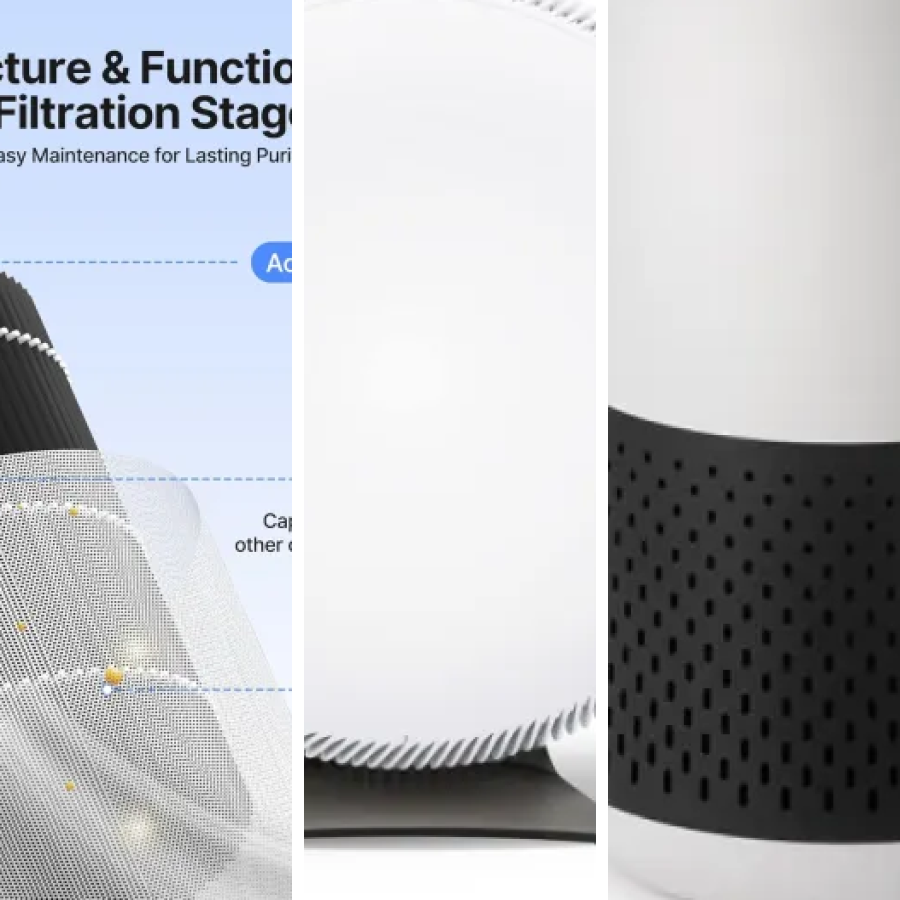
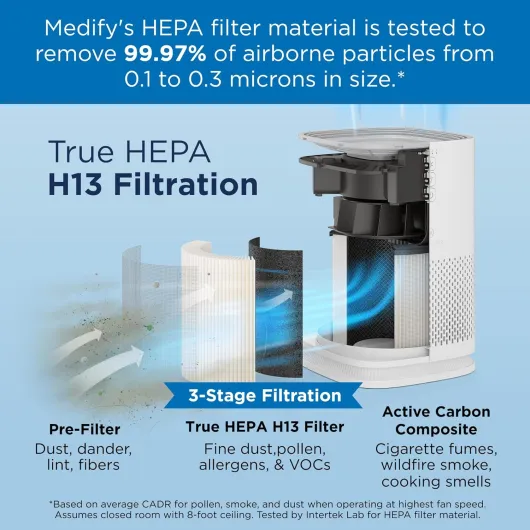
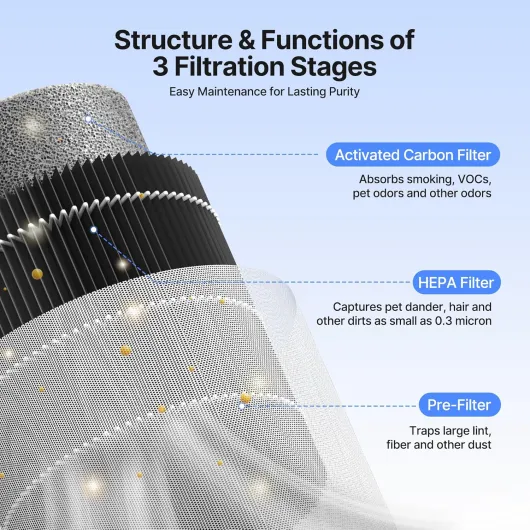
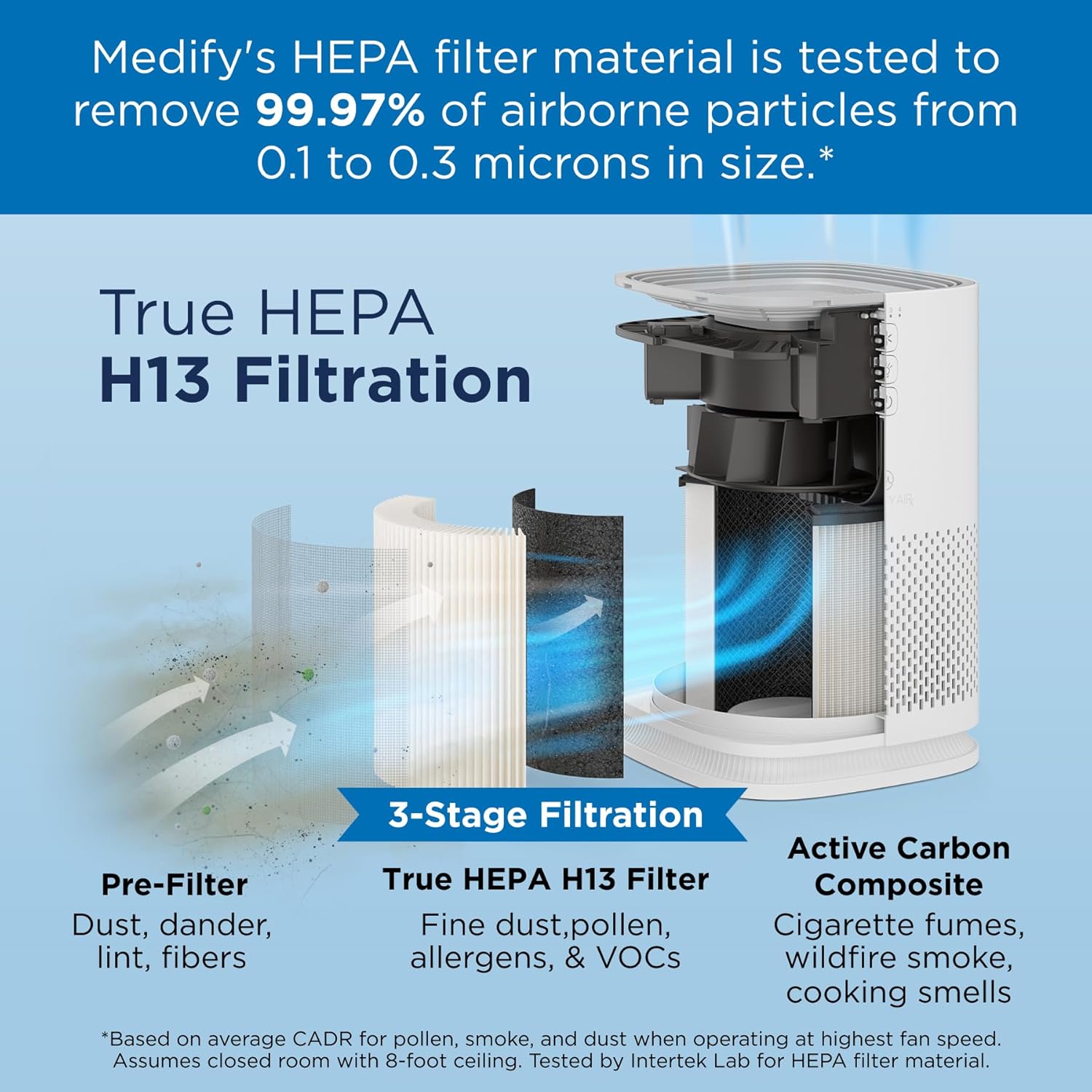
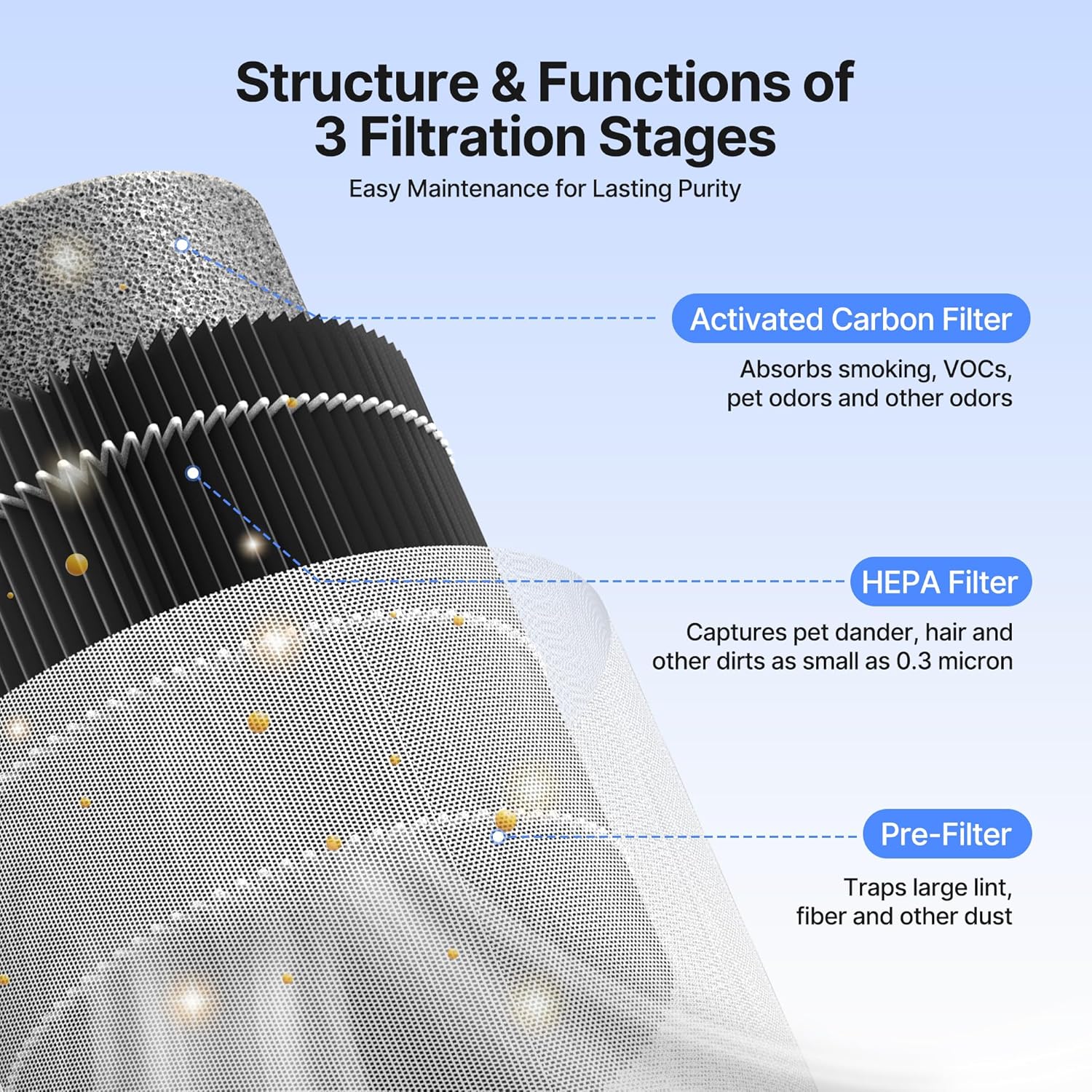
When you evaluate air purifiers for smoke, start with the filter stack and the fan power rather than the marketing slogans. A serious smoke focused air purifier will use a multi stage system that includes a pre filter, a true HEPA filter, and a dense activated carbon filter sized to the unit’s clean air delivery rate. This combination allows the product to trap visible ash, microscopic particles, and the gaseous by products that cause poor air quality and persistent odours.
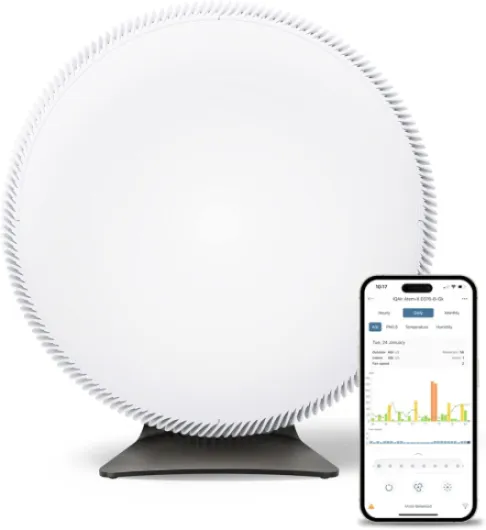
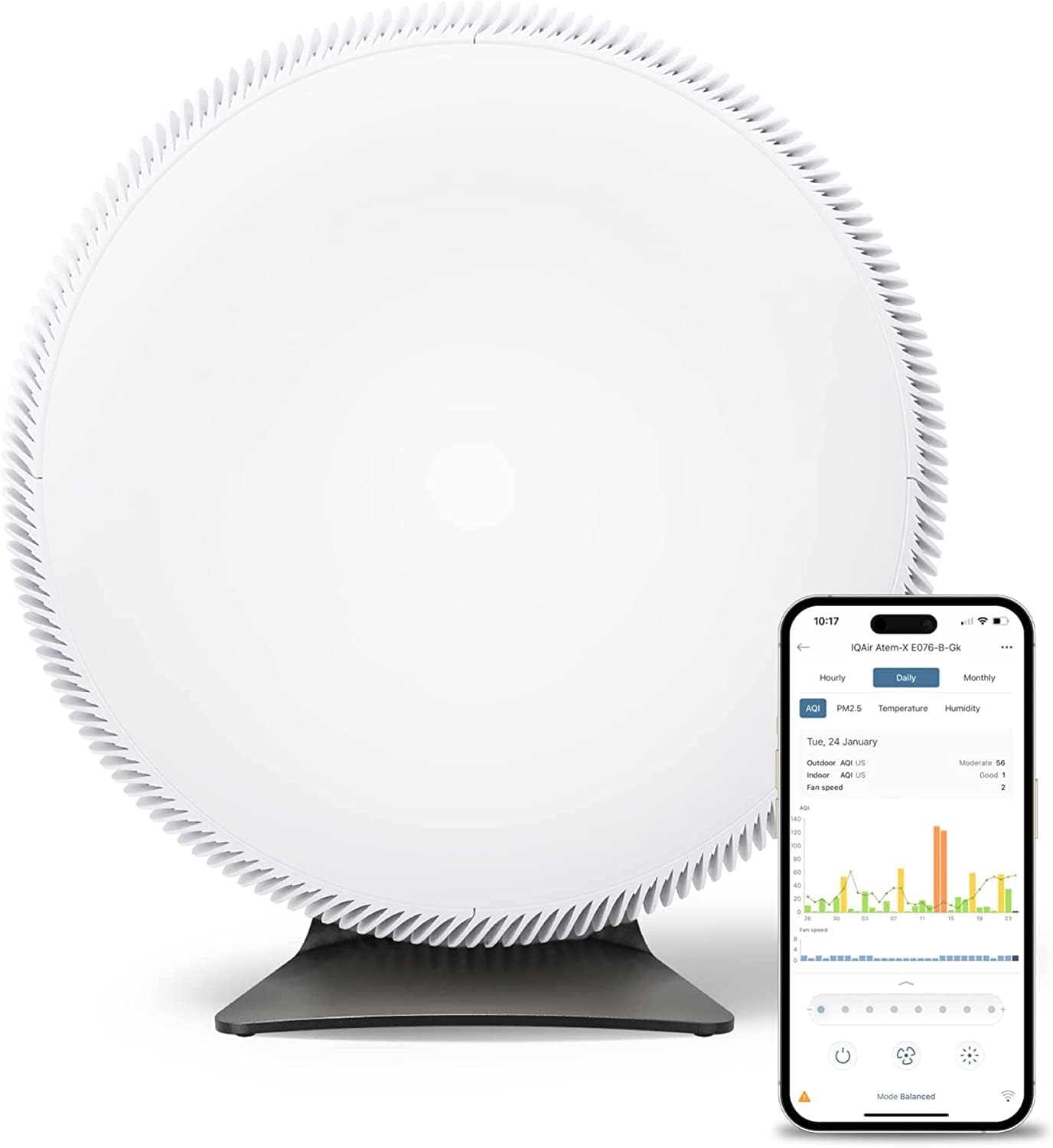
Many of the best purifiers now include a quality sensor that continuously measures particle levels and sometimes gases, then adjusts fan speed automatically. This type of sensor driven auto mode is especially valuable for smoke because pollution levels can spike suddenly when a neighbour smokes, when you open a balcony door, or when wildfire plumes shift direction. If you live in a wildfire zone or share walls with smokers, prioritise a responsive sensor and a robust carbon filter, and look for a detailed video review or lab test that measures particle removal and gas reduction separately, since some products excel at one but not the other.
For homes where cooking smells and pet odours are also a concern, a purifier that ranks highly among the top air purifiers for odour removal will usually perform well against smoke gases too. Look for products whose specifications list separate CADR values for smoke, dust, and pollen, because a high smoke rating confirms that the fan, filter, and housing design work together efficiently. When you compare price and ongoing filter consumption, remember that a thicker carbon filter and a larger HEPA filter cost more to purchase but usually deliver better long term performance against smoke and fewer replacement cycles under intense use.
How to size an air purifier for smoke in real rooms
Choosing the right size air purifier for smoke matters more than choosing the flashiest product. A compact purifier with excellent filters but weak power will struggle to clean the air in a large living room before the next wave of smoke arrives. To match a purifier to your space, calculate the room volume in cubic metres and compare it with the smoke CADR listed in CFM or m³/h on the specification sheet, remembering that 1 CFM is roughly equal to 1.7 m³/h.
For heavy smoke exposure, aim for at least four to five air changes per hour, which means the purifier’s effective airflow should be four to five times the room volume. Many manufacturers now publish both the CADR and a recommended room size, but these figures often assume standard pollution levels rather than intense smoke from wildfires or indoor smoking. When in doubt, choose a more powerful air purifier and run it in auto mode so the quality sensor can reduce fan speed when the air is already clean.
If you are also concerned about electricity consumption, consider models that appear in independent rankings of top air purifiers with auto mode and energy efficient designs. These products often combine a high smoke CADR with smart controls that lower fan speed at night, which reduces both noise level and power draw without sacrificing clean air when you need it most. In multi room homes, several smaller air purifiers can sometimes outperform one large unit by placing powerful air cleaning closer to the actual smoke sources and allowing you to run each device only when that room is occupied.
Noise, comfort, and real world performance metrics
Living with an air purifier for smoke is a daily experience, so comfort factors like noise level and airflow pattern matter as much as raw performance. Manufacturers usually express sound levels in decibels, written as dBA, and the quietest purifiers on low speed can reach the mid twenties while still maintaining some air delivery. On higher speed settings, expect noise levels between 45 and 60 dBA, which is similar to a normal conversation and may be acceptable in a living room but intrusive in a bedroom.
When you compare products, pay attention to how many fan speed options each purifier offers and whether the highest speed is realistically usable in your space. A model that only reaches its advertised CADR on a very loud turbo setting may not deliver that performance in practice, because most people will drop back to a quieter mode after a few minutes. Units with a well tuned auto mode and a sensitive quality sensor can ramp up briefly during smoke events, then settle into a low noise level once the air quality improves.
Independent lab tests and long term user reports often reveal whether a product maintains its clean air delivery rate as the filters load with smoke particles. Some air purifiers lose performance quickly if the pre filter is too small or if the carbon filter saturates after a few weeks of heavy use. Before you purchase, look for transparent data on CADR, dBA, and power consumption at each fan speed, because this information shows how the purifier will behave in real homes rather than only in marketing claims and helps you compare models on a like for like basis.
Comparing brands, prices, and long term costs
Price tags on the best air purifiers for smoke can vary widely, but the purchase cost is only part of the story. You also need to factor in replacement filter prices, expected filter life under smoky conditions, and the power consumption of the motor at typical fan speeds. A cheaper product with expensive filters and high electricity use can cost more over three to five years than a premium purifier with efficient design and reasonably priced HEPA filter and carbon filter sets.
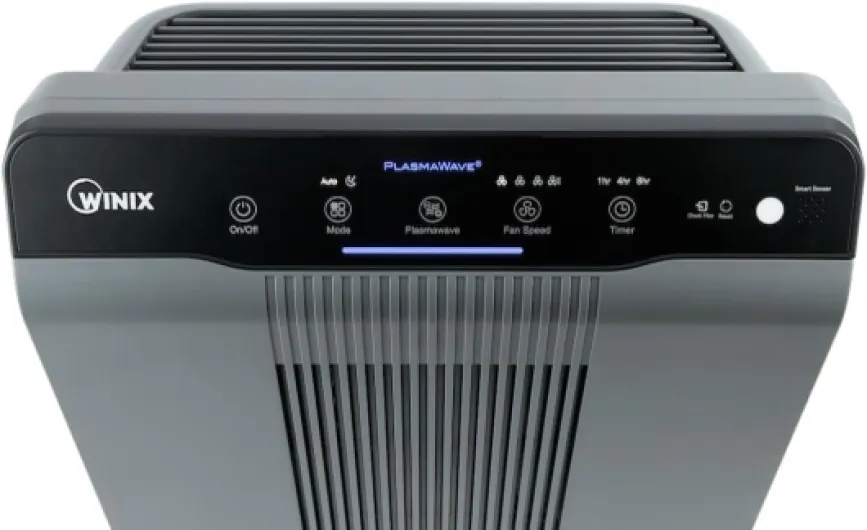
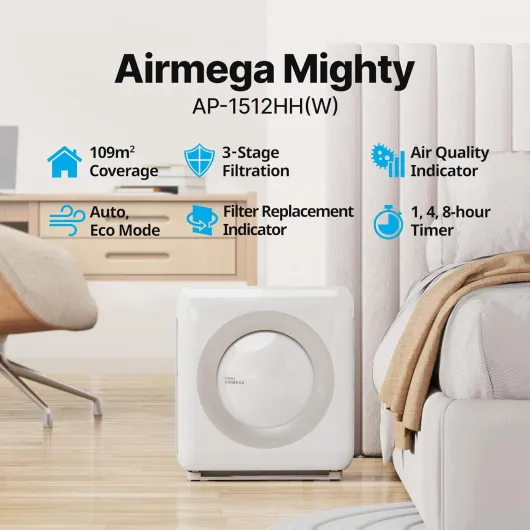
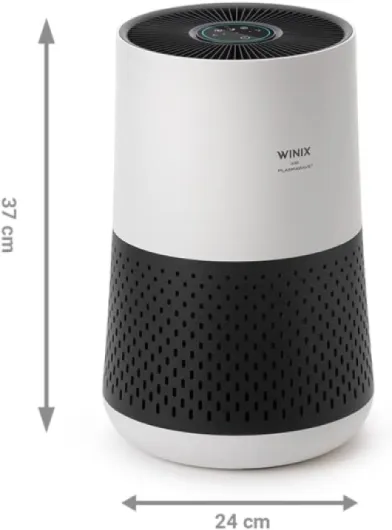
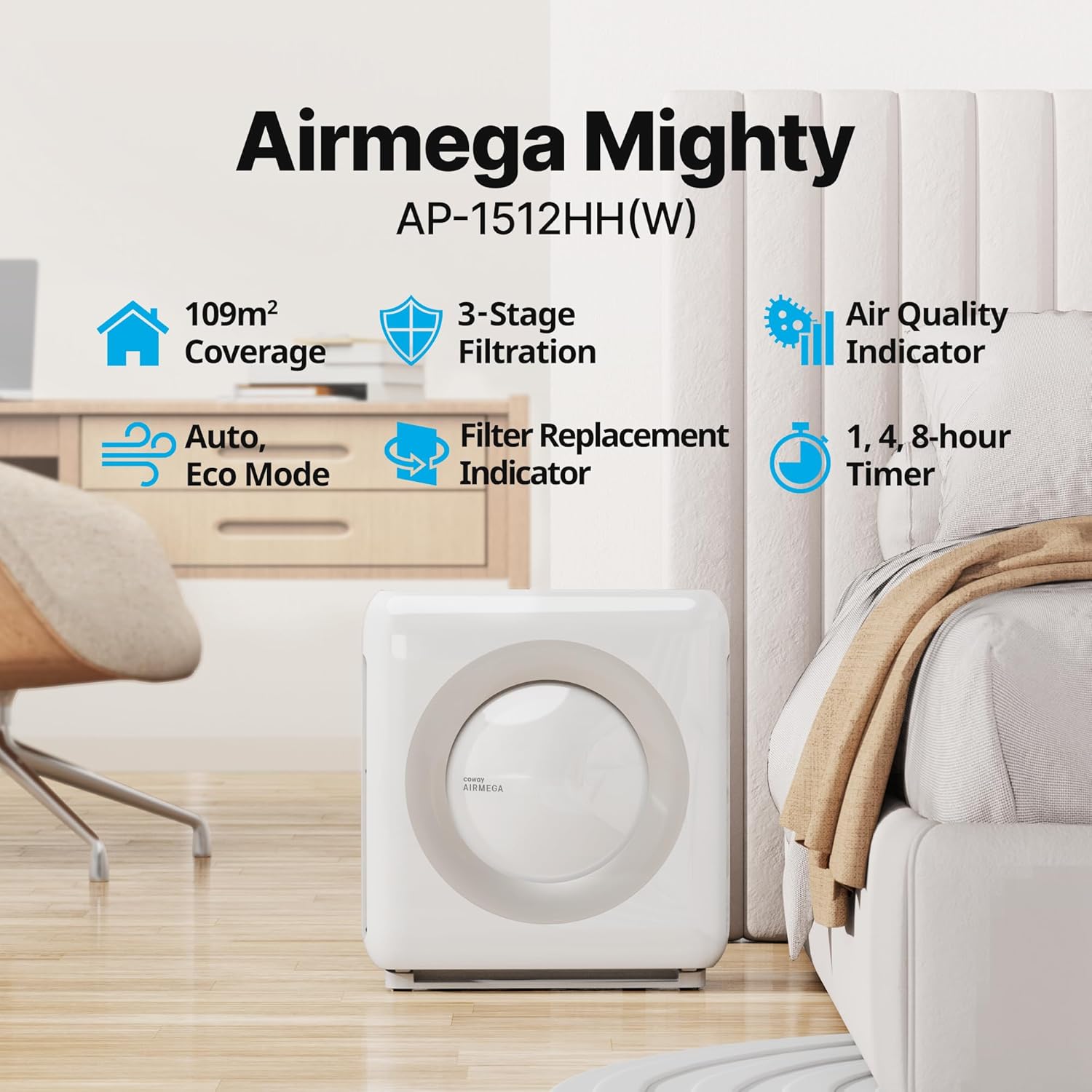
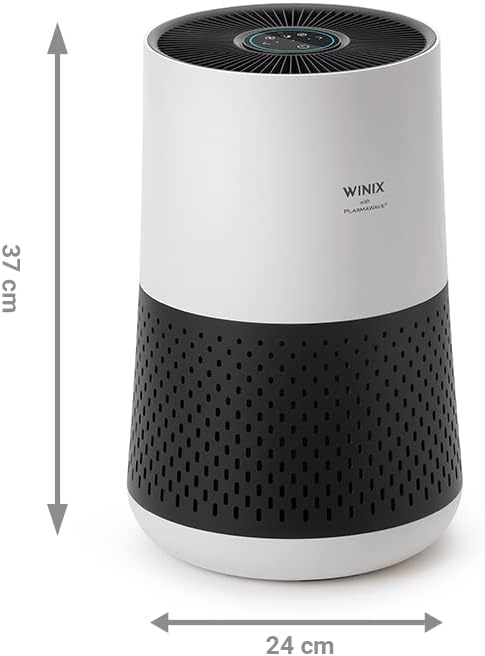
Brands like Winix, Coway, and Blueair have built reputations on solid performance, but even within a single brand, individual products differ in quality and value. For example, the Coway Airmega 250 lists a smoke CADR of around 230 CFM with noise levels of roughly 22 to 54 dBA across its fan range and a combined HEPA and carbon filter that typically lasts 12 months in average homes, while a comparable Blueair Classic model may offer a similar CADR with a thinner carbon filter, shorter recommended replacement interval, and different running costs. When you compare purifiers, calculate an approximate annual cost that includes filters, estimated electricity use based on power ratings, and any extended warranty you might purchase.
For buyers who prioritise energy efficiency, specialised guides to top energy efficient air purifiers can help identify models that balance strong air delivery with low wattage. These products often use variable speed motors and smart controls to maintain clean air while reducing unnecessary consumption during cleaner periods. Over time, the combination of a fair initial price, durable construction, predictable filter costs, and a smoke CADR that remains stable as filters age usually defines which air purifiers truly qualify as the best products for smoke sensitive households.
Practical buying guide for smoke sensitive households
Turning research into a confident purchase means translating technical specifications into everyday benefits for your home. Start by listing your main concerns, such as wildfire smoke, indoor smoking, or cooking fumes, then match them to features like a high smoke CADR, a thick activated carbon filter, and a responsive quality sensor. The best air purifiers for smoke will clearly state their clean air delivery rate for smoke, their filter composition, and their expected coverage area in square metres.
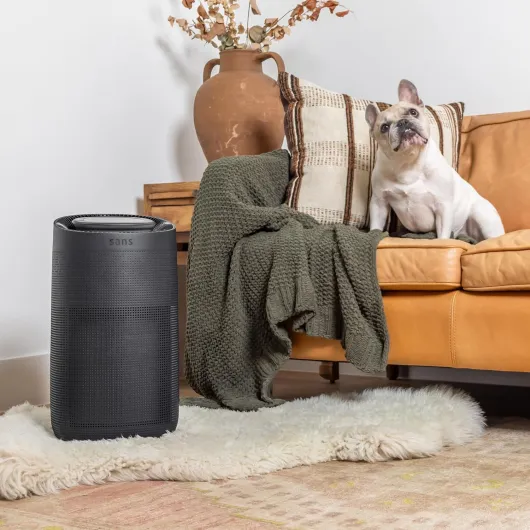
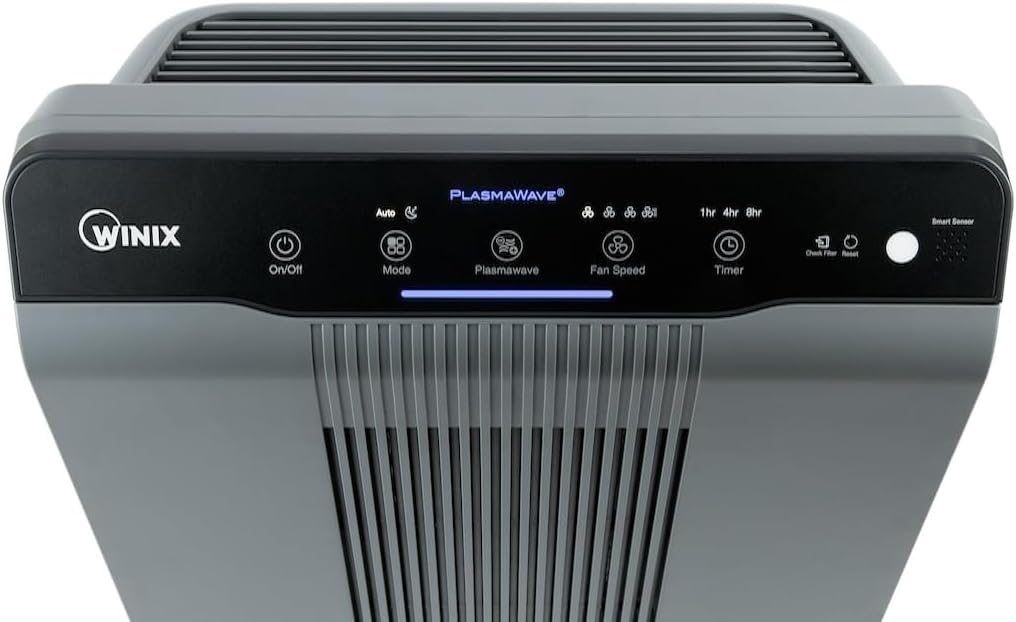
Next, consider where you will place each air purifier and how it will fit into your daily routine. Bedroom units should prioritise low noise level on sleep mode, while living room purifiers can run at higher speed for faster particle removal when windows are open or guests are smoking. Look for products with intuitive controls, a reliable auto mode, and clear filter replacement indicators, because these details make it easier to maintain consistent air quality without constant manual adjustments.
Finally, use a compact comparison checklist before you buy: confirm the smoke CADR is sized for at least four to five air changes per hour in your room, check dBA ratings on both low and high speed, note the thickness and type of carbon filter, estimate annual filter and electricity costs, and review at least one independent video review or lab based comparison that measures real world performance. By combining technical data with practical observations, you can select the best air purifiers for smoke that deliver powerful air cleaning, reasonable power consumption, and trustworthy performance in the specific rooms where you live and breathe.
Key figures on smoke, air purifiers, and indoor air quality
- In controlled tests by the Association of Home Appliance Manufacturers (AHAM), a smoke CADR of 170 CFM typically corresponds to effective cleaning of a 25 square metre room with 2.4 metre ceilings, assuming around five air changes per hour, which AHAM uses as a practical benchmark for room air cleaners.
- Studies from the United States Environmental Protection Agency (EPA) have shown that true HEPA filtration can reduce fine particle concentrations from wildfire smoke indoors by roughly 60 to 80 percent when the purifier is correctly sized for the room and run continuously.
- Independent measurements of popular room air purifiers indicate that noise levels on low speed often range between 20 and 30 dBA, while maximum speed settings commonly reach 50 to 60 dBA, which strongly influences how often users run the highest performance mode.
- Energy Star certified air purifiers typically use about 40 percent less electricity than standard models, which can translate into annual savings of several kilowatt hours per square metre of living space when units run continuously during smoke season.
- Field surveys in homes affected by seasonal wildfires have found that using a properly sized air purifier in the main living area can reduce indoor PM2.5 levels by around half compared with similar homes that rely only on closed windows and central ventilation.