What UV C ionizer air purifier effectiveness really means at home
UV C ionizer air purifier effectiveness sounds impressive when you read the box. Marketing promises that these purifiers will neutralize viruses, kill mold and supercharge indoor air quality can be seductive for any smart home enthusiast. In practice, the heavy lifting still comes from a good mechanical filter and a solid airflow design.
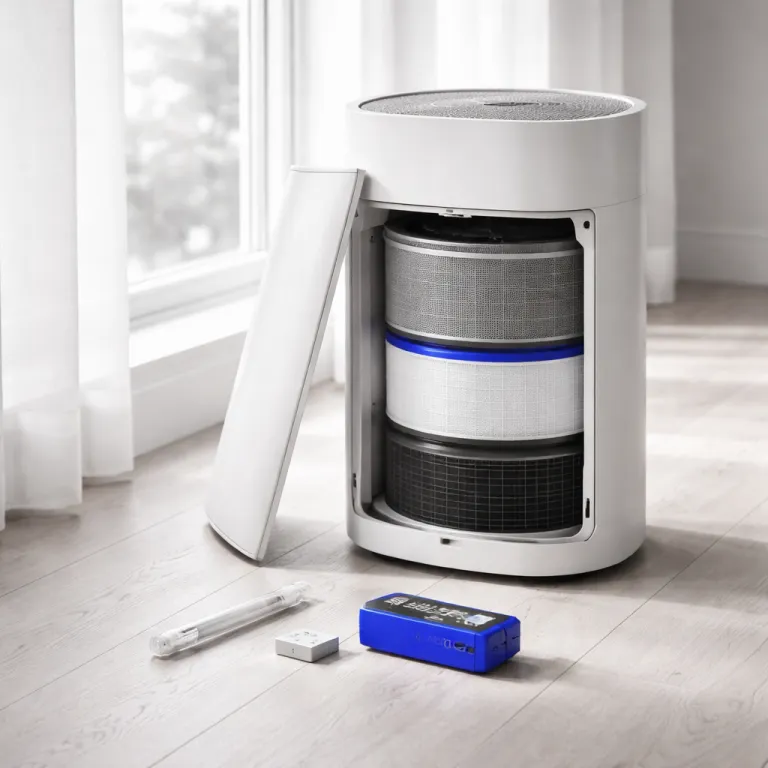
In a typical air purifier, the fan pulls air through a pre filter, then through HEPA filtration and sometimes through an activated carbon stage. Only after this mechanical filtration do some purifiers expose the remaining air to UV C light or an ionizer air module that releases negative ions. The UV lamp or ionization chamber usually sits in a narrow duct where contact time with particles and microbes is measured in fractions of a second.
That short exposure limits UV C ionizer air purifier effectiveness against airborne pathogens that are actually moving. UV C light can inactivate bacteria and mold spores on surfaces or in slow moving air, but fast fan speeds reduce the dose each microbe receives. This is why hospital grade systems use much higher UV intensities, longer ducts and carefully controlled air speeds.
Ionizer modules work differently, charging particles with negative ions so they clump together or stick to nearby surfaces. That ionization process can help some particles drop out of the air, but it does not remove them from the room and sometimes leaves a fine dust film on walls and furniture. Worse, certain ionizer designs that rely on corona discharge can generate ozone as a by product, which is a direct irritant for lungs and overall health.
When you compare features, HEPA filters and activated carbon filters directly capture particles and gases, while UV C and ionizers only modify them. A true HEPA air purifier with a sealed body and strong fan can remove more than 99 percent of fine particulate matter, including pollen, pet dander and many mold spores. Activated carbon and other carbon media then adsorb volatile organic compounds that affect both air quality and mental health through headaches, fatigue or irritation.
For a connected home user, the most reliable gains in air purification come from pairing HEPA filtration with enough clean air delivery rate for the room size. Smart sensors that track indoor air quality and adjust fan speed automatically will improve comfort more than a small UV lamp hidden in the housing. UV C ionizer air purifier effectiveness should therefore be seen as a marginal add on, not the core of your air purifiers strategy.
HEPA and carbon versus UV C and ionization in real conditions
To judge UV C ionizer air purifier effectiveness fairly, you need to compare it with what HEPA and carbon already achieve. A modern HEPA air purifier with a well sealed chassis and strong fan can remove at least 99 percent of airborne particles down to 0.3 micrometres. That level of filtration already covers most particulate matter that affects respiratory health, from smoke to fine dust.
True HEPA filters are tested to capture tiny particles that carry viruses, bacteria and mold spores, even if they do not kill them outright. When air passes repeatedly through the purifier, the concentration of these particles in indoor air drops dramatically, which lowers infection risk and allergy symptoms. In this context, UV C light mostly targets what slips through the filter or lands on internal surfaces, which is a much smaller fraction of the total load.
Activated carbon and other carbon based sorbents handle gases and odours that HEPA filtration cannot trap. They adsorb volatile organic compounds from cleaning products, cooking and building materials, improving both perceived air quality and long term health. For many households, this combination of true HEPA and activated carbon already addresses the main indoor air pollutants without any need for ionization or UV C.
Electrostatic and ionizer technologies sit in a different category, closer to the systems discussed in detailed guides about electrostatic air filters. These devices use high voltage to charge particles, sometimes through corona discharge, which can create small amounts of ozone as a side effect. While some ionizer air purifiers keep ozone below regulatory limits, others have been measured above recommended levels, which undermines any claimed air purification benefit.
Ozone is not a harmless by product, because it reacts with lung tissue and can worsen asthma, cough and overall air health. Even low levels that meet legal standards may still irritate sensitive users, especially children or people with chronic respiratory disease. For a buyer focused on health and comfort, any purifier that intentionally generates ozone to boost UV C ionizer air purifier effectiveness should raise a red flag.
When you look at independent tests, the biggest step change in air quality always comes from upgrading to a properly sized HEPA purifier. Moving from a basic filter to a high CADR model often cuts indoor particulate matter by more than half, while adding UV C or negative ions usually produces only marginal extra gains. This is why many experts argue that UV C and ionization are optional extras rather than essential features in air purifiers for homes.
When UV C and ionizers help, when they hurt and how to choose
There are situations where UV C ionizer air purifier effectiveness can add a small but real benefit. In damp homes with recurring mold problems, a UV lamp placed near the HEPA filter can slow mold growth on the filter surface. This does not replace regular filter changes, yet it can extend filter life slightly and reduce the chance of mold spores multiplying inside the purifier.
Some ionizer modules are carefully engineered to release negative ions while keeping ozone formation extremely low. These designs can improve the capture of ultrafine particles by making them clump together, which helps the main filter grab them more easily. In such systems, ionization acts as a pre treatment step that supports mechanical filtration rather than trying to replace it.
However, many cheap ionizer air purifiers rely on simple corona discharge emitters that are difficult to control. These units may generate more ozone than advertised, especially as the electrodes age and accumulate dust or other particles. Over time, that extra ozone can degrade rubber seals, react with indoor air chemicals and create secondary pollutants that undermine health.
For a smart home enthusiast, the safest path is to treat UV C and ionizer features as optional extras layered on top of a strong HEPA and carbon core. When you compare top ionizer air purifiers, focus first on CADR, filter quality and noise levels, then check whether the ionization module can be switched off. A model that allows you to run the purifier with HEPA filtration and activated carbon only gives you flexibility if ozone or side effects become a concern.
Many connected purifiers now integrate app control, voice assistants and detailed indoor air quality graphs. These features can genuinely support mental health by giving you a sense of control and clear feedback about pollution peaks during cooking, cleaning or traffic rush hours. If you want to evaluate UV C ionizer air purifier effectiveness in your own home, use those sensors to compare particle levels with the ionizer on and off over several days.
One practical example is a smart HEPA purifier with UV C and ionizer options that has been tested for large rooms and app control. In such a device, the HEPA filters and activated carbon stages still handle the bulk of air purification, while the UV C light and ions remain secondary tools. You can read a detailed test of a smart HEPA air purifier with UV C ionizer features to see how this balance plays out in real world use and how much each stage contributes to cleaner indoor air.
How to read specifications, avoid ozone traps and pick the right model
Choosing a purifier with UV C and ionization starts with understanding the specification sheet. Look first at the clean air delivery rate for particulate matter and gases, because this number reflects the combined effect of the fan and the main filter. A higher CADR usually means faster reduction of indoor air pollution, which matters more than any small boost from UV C ionizer air purifier effectiveness.
Next, examine the filter stack and maintenance schedule, paying attention to whether the unit uses true HEPA or a lower grade hepa style media. True HEPA filters capture the smallest particles more reliably, while a thick activated carbon bed handles odours and chemical vapours. Some premium models, such as those in the Austin Air HealthMate family, combine deep carbon with robust hepa filtration to tackle both particles and gases in one purifier.
Check whether the manufacturer publishes ozone emission data for any ionizer or corona discharge component. If the documentation is vague or only mentions fresh air or negative ions without numbers, treat that as a warning sign. A trustworthy brand will state that the purifier is ozone free or provide measured values well below recognised safety thresholds for indoor air.
Smart buyers also look at running costs, including replacement filters, energy use and expected shipping day for spare parts. A purifier that needs frequent filter changes or expensive proprietary cartridges may cost more over time than a simpler model with standard HEPA filters and carbon blocks. Some brands offer free shipping on filters, which can soften the impact but does not change the underlying maintenance schedule or overall health benefits.
For connected homes, integration with voice assistants and detailed air quality graphs can be more valuable than UV C or ionization. These features let you automate fan speeds based on particulate matter levels, schedule quiet modes at night and track how cooking or cleaning affects indoor air. Over months, that data driven approach supports both physical health and mental health by making invisible pollution patterns visible and manageable.
When you compare options, remember that the core job of any air purifier is to move air and filter particles efficiently. UV C light and ionization can play a supporting role, but they should never compensate for a weak fan, a leaky housing or undersized filters. If you prioritise a strong HEPA and carbon base, verify low ozone emissions and treat UV C ionizer air purifier effectiveness as a bonus rather than a promise, you will end up with cleaner air and fewer regrets.
Key figures on UV C ionizer air purifier performance
- High efficiency particulate air filters rated as true HEPA capture at least 99.97 percent of particles with a diameter of 0.3 micrometres, which means most airborne particulate matter is removed before any UV C or ionizer stage can act.
- Independent laboratory tests on residential UV C air purifiers have shown that short contact times inside compact housings often reduce airborne bacteria and viruses by less than 1 log unit per pass, far below the multi log reductions achieved in specialised medical ventilation systems.
- Studies on ionizer air purifiers using corona discharge have measured ozone generation ranging from a few parts per billion up to levels exceeding 50 parts per billion, which can approach or surpass some indoor air quality guidelines for sensitive individuals.
- Field measurements in occupied homes indicate that upgrading from a basic filter to a high CADR HEPA purifier can reduce indoor fine particulate matter by 50 to 80 percent, while enabling or disabling UV C and ionization usually changes particle counts only marginally.
- Research on indoor air and mental health has linked chronic exposure to elevated particulate matter and volatile organic compounds with increased reports of headaches, fatigue and reduced cognitive performance, highlighting the primary importance of strong mechanical filtration and carbon adsorption.
References
- United States Environmental Protection Agency – guidance on residential air cleaners and ozone generating devices.
- World Health Organization – reports on indoor air quality, particulate matter and health impacts.
- ASHRAE – standards and position documents on filtration, UV germicidal irradiation and ventilation.