How UV technology works alongside HEPA and activated carbon filters
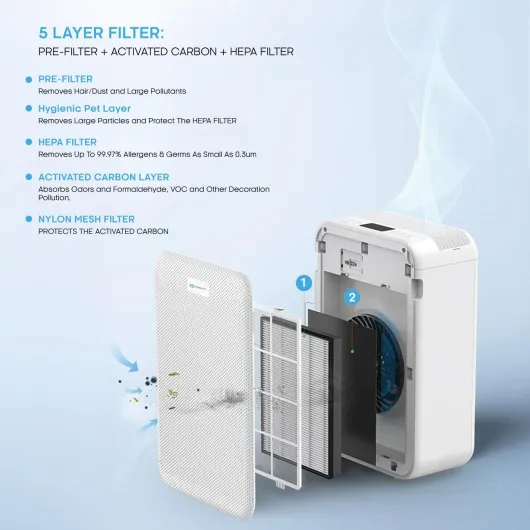
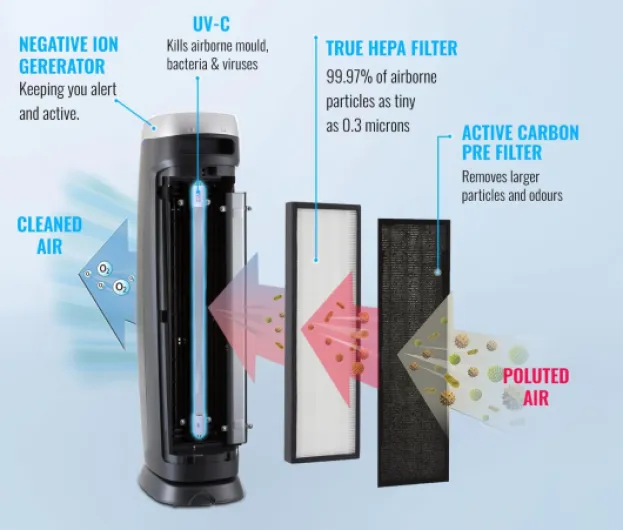
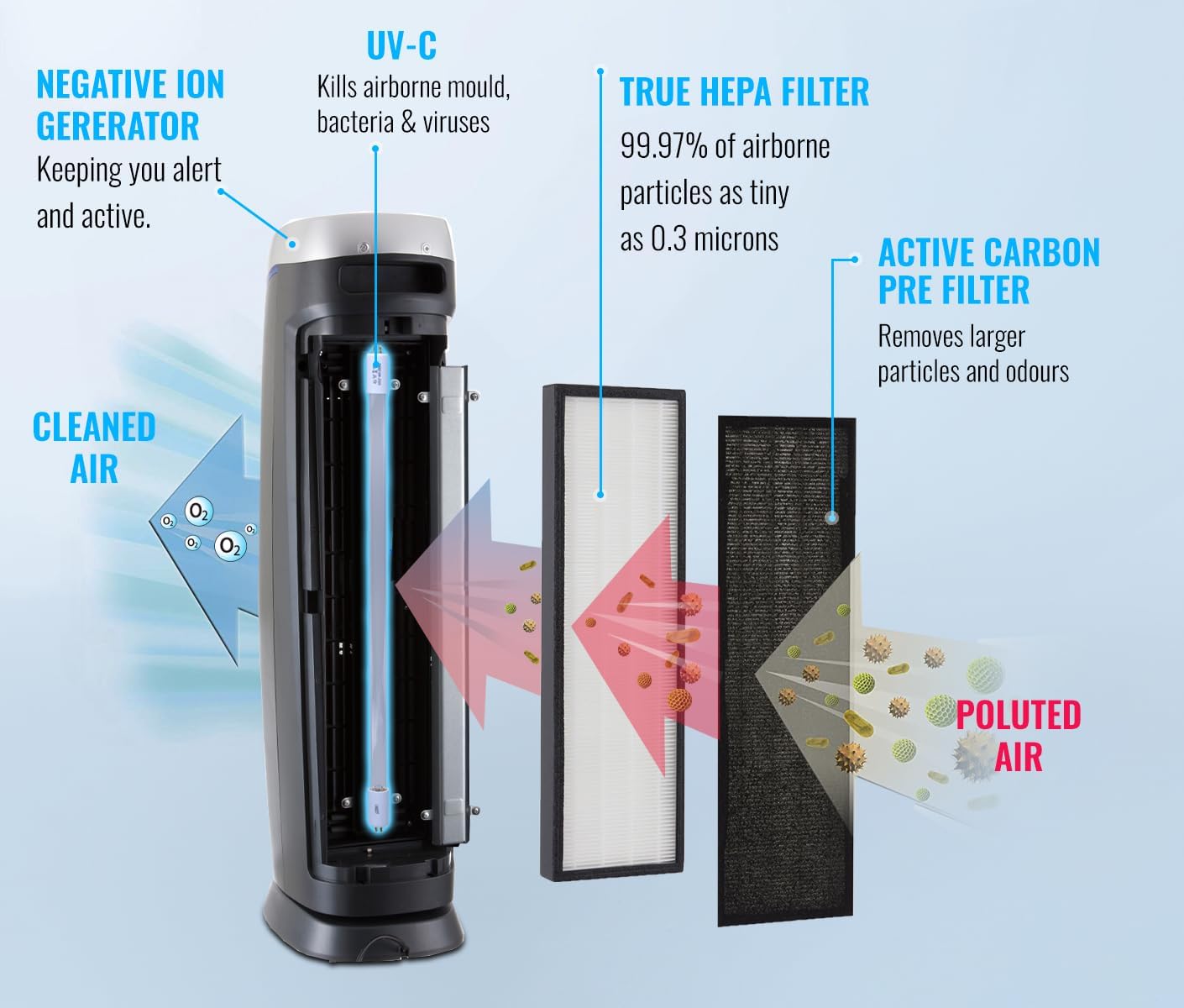
In the best UV air purifiers, ultraviolet lamps sit after the main air filter stages. First, a true HEPA filter or high grade hepa filter removes most particles, so the UV light can focus on airborne microbes instead of dust blocking the beam. This layered approach allows the air purifier to maintain strong performance while keeping energy use in reasonable watts.
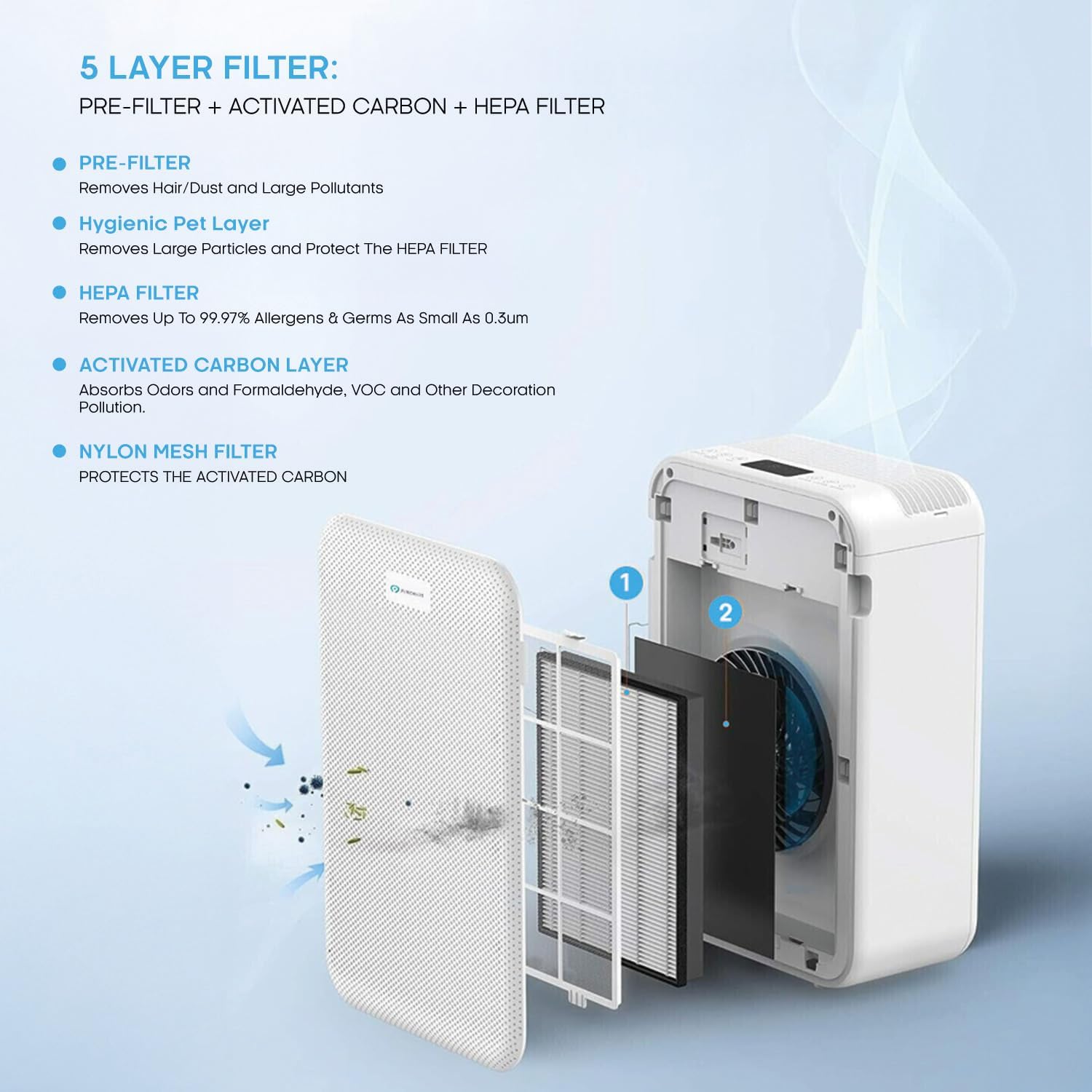
Activated carbon plays a different but complementary role in these air purifiers. While UV light does not remove gases, a well sized activated carbon air filter can adsorb volatile organic compounds and odours before the air reaches the UV chamber. Together, HEPA, carbon, and UV help deliver cleaner air quality across a wide range of room size categories, from small bedrooms to large living rooms.
When comparing UV air purifiers on amazon or in specialist shops, examine how the airflow passes through each stage. A thoughtful design keeps fan speed, exposure time, and CADR CFM in balance, so the air changes per hour remain high enough for the stated room. For people who want extra certainty, using a home air quality test kit can verify that the purifier actually improves clean air levels.
UV systems also require periodic lamp replacement to maintain pure performance. Over the long term, a drop in UV intensity can reduce the effectiveness of the air purifier against microbes, even if the HEPA air and carbon stages still work well. Checking maintenance schedules, spare part price, and availability on amazon helps you plan realistic running costs for both single units and multiple purifiers in different rooms.
Evaluating performance metrics: CADR, room size, and air changes per hour
Choosing among the best UV air purifiers means reading technical specifications with a critical eye. CADR ratings, expressed in CFM, indicate how quickly a purifier can deliver clean air for particles and sometimes smoke or pollen. When CADR CFM is matched correctly to your room size, you can achieve four to five air changes per hour, which many experts consider a strong target for health focused air quality.
Room dimensions matter more than many buyers realise. A compact air purifier with modest watts and fan speed might work well in a small office, yet struggle badly in large open plan rooms. To avoid this mismatch, calculate the volume of each room and compare it with the recommended coverage of the air purifiers you are considering, including models with UV, true HEPA, and activated carbon stages.
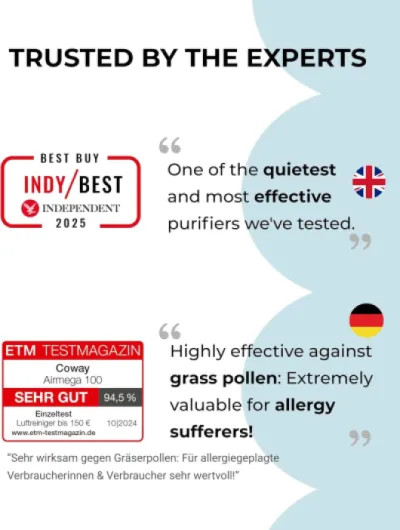
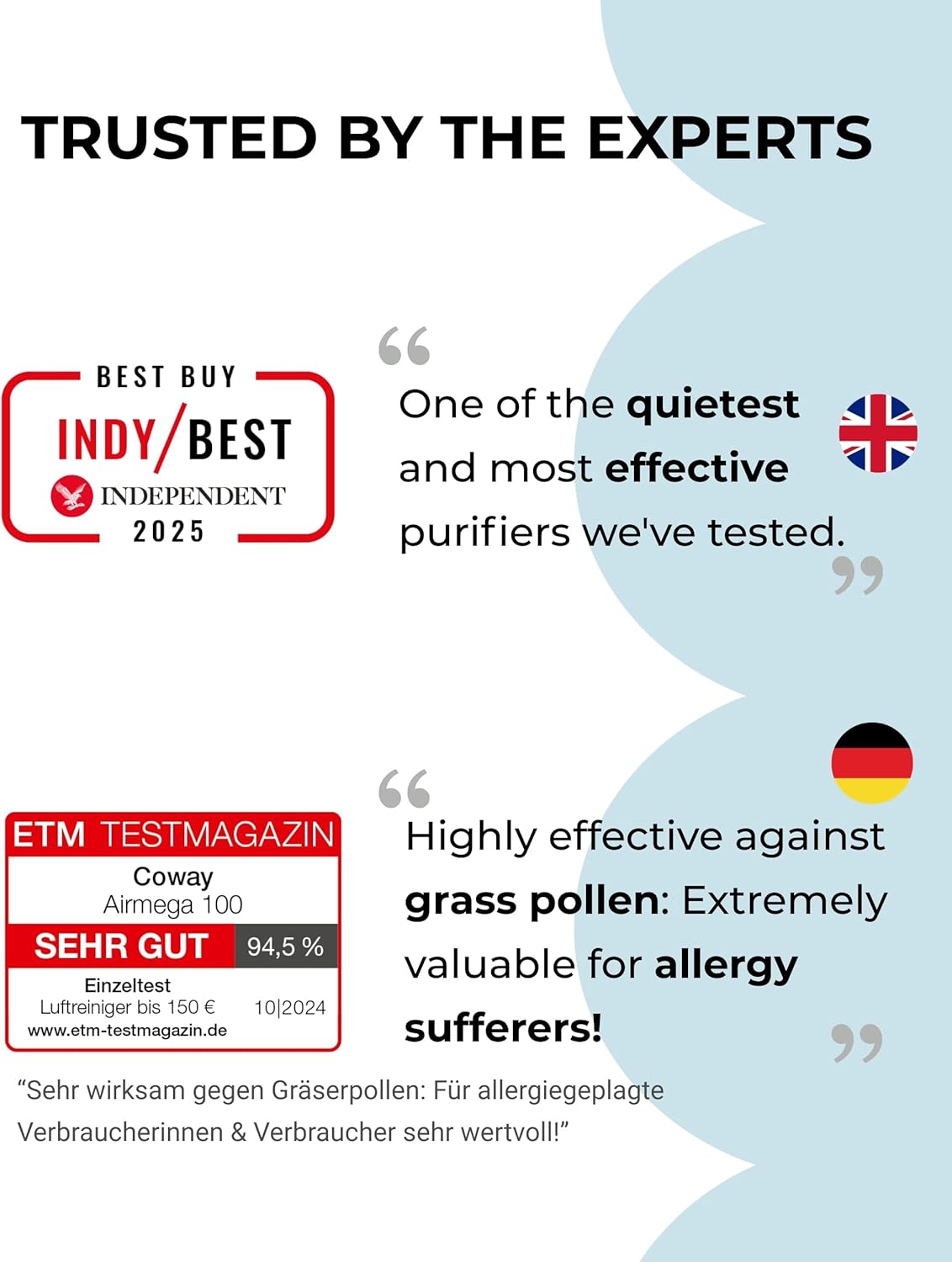
Some brands, such as Coway and its coway airmega series, publish detailed CADR and room size guidance. A coway airmega air purifier typically combines a HEPA filter, activated carbon, and sometimes optional light air features, while maintaining clear information about air changes per hour. Understanding these metrics allows you to compare coway airmega units with other purifiers like blue pure or pure max models on a fair, performance based basis.
For people monitoring broader environmental factors, accessories such as a CO₂ meter case can complement UV air purifiers. While CO₂ meters do not measure particles directly, they help you understand ventilation, which works alongside any air purifier to maintain healthy indoor air. Combining strong CADR, appropriate fan speed, and adequate fresh air exchange leads to more reliable long term air quality improvements.
Comparing leading UV air purifier brands, from Coway Airmega to Blue Pure
Brand reputation plays a significant role when selecting the best UV air purifiers for home or office use. Coway, particularly the coway airmega line, has built trust by publishing transparent CADR CFM data and emphasising true HEPA and activated carbon filtration. Many coway airmega air purifier models focus on quiet operation and efficient watts consumption, which matters for long term running costs in frequently used rooms.
Other manufacturers, including blue pure and pure max ranges, also compete strongly in the UV and HEPA air segment. A blue pure air purifier often highlights simple controls, multiple fan speed settings, and straightforward air filter replacement, making it easier for non technical users to maintain clean air. Pure max purifiers, by contrast, may emphasise higher CADR, larger room size coverage, and advanced smart air features such as app control or air quality sensors.
When browsing on amazon, it is tempting to focus mainly on stars ratings and headline price. However, a careful comparison should also include filter replacement intervals, availability of genuine HEPA filter and activated carbon cartridges, and clear statements about UV safety and ozone free operation. Reading detailed reviews that mention real room performance, air changes per hour, and noise at each fan speed can reveal how these air purifiers behave in everyday use.
Some premium UV air purifiers integrate smart air monitoring that automatically adjusts speed based on detected air quality. This automation can maintain consistently clean air while optimising watts usage, especially in large rooms with variable pollution sources. Over the long term, such intelligent control can improve both perceived air quality and overall value, even if the initial price is higher than simpler purifiers.
Practical buying guide: matching UV air purifiers to your space and budget
A structured approach helps you choose the best UV air purifiers without overspending. Start by defining the main room where the air purifier will operate, noting room size, ceiling height, and whether doors usually stay open to adjacent rooms. This information guides your target CADR CFM, expected air changes per hour, and the minimum fan speed needed for effective clean air delivery.
Next, compare models from brands such as coway airmega, blue pure, and pure max, paying attention to both upfront price and long term filter costs. A unit with a higher initial price but durable HEPA filter and activated carbon cartridges may prove more economical over several years of continuous use. Check whether the air filter is easy to access, whether UV lamps are user replaceable, and how often each component needs changing to maintain pure performance.
Online retailers like amazon provide a wide range of UV air purifiers, but specifications can vary in clarity. Look for detailed listings that specify true HEPA, explicit CADR values, room size coverage for both small and large rooms, and precise watts consumption at each fan speed. Midway through your research, it can be helpful to review guidance on choosing the right air filters, especially if you plan to run multiple purifiers in different rooms.
Finally, consider qualitative aspects such as noise, design, and smart air features. A quiet UV air purifier with adjustable light air indicators and clear stars feedback from users may integrate better into bedrooms or study spaces. Balancing measurable performance, subjective comfort, and realistic maintenance commitments leads to a more satisfying long term relationship with your chosen air purifiers.
Safety, maintenance, and long term performance of UV air purifiers
Safety is a central concern when evaluating the best UV air purifiers for homes with children, older adults, or pets. Responsible manufacturers design the UV chamber so that no direct light air escapes and ensure that the air purifier does not generate harmful ozone. Before purchase, verify that the product documentation clearly states ozone free operation and provides independent testing or certification where available.
Regular maintenance is essential to preserve both air quality and device performance. HEPA filter and activated carbon cartridges gradually load with particles and gases, reducing airflow and effective CADR CFM if not replaced on schedule. Many modern air purifiers, including coway airmega, blue pure, and pure max models, include filter change indicators that track usage hours and fan speed to suggest timely replacement.
UV lamps also degrade over time, even if they still appear to emit light. To maintain strong microbial control, follow the manufacturer’s recommended replacement interval, which might be every one or two years depending on watts rating and operating hours. Planning for these recurring costs alongside the initial price helps you understand the true long term investment in clean air for your rooms.
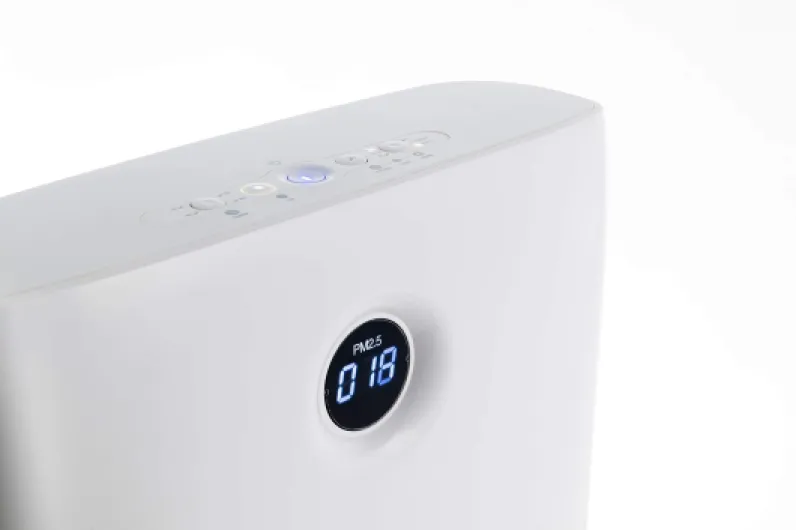
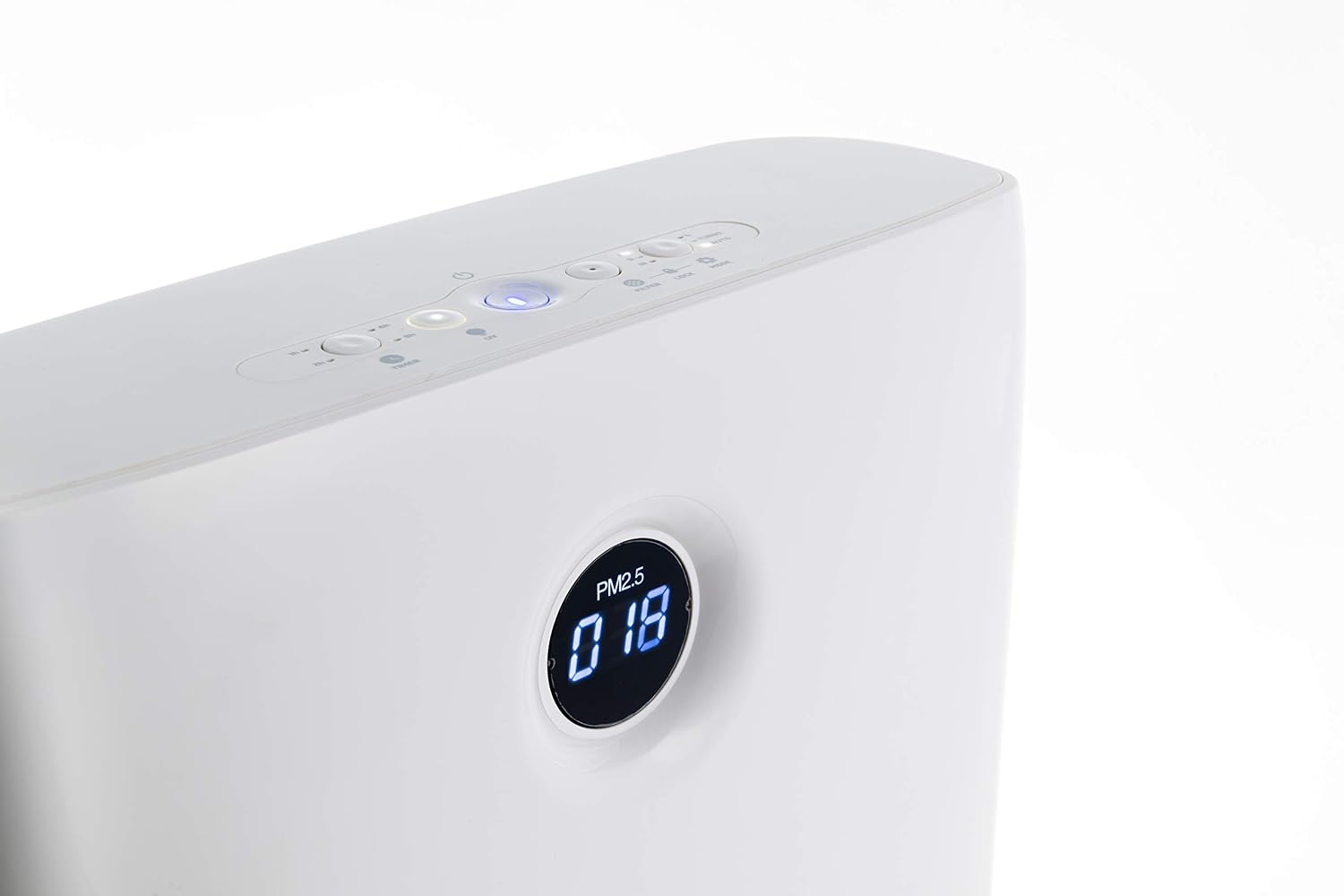
Monitoring tools can further support safe and effective use of UV air purifiers. Simple particle counters, smart air quality sensors, or integrated displays on the air purifier itself can show trends in clean air delivery and highlight when filters are nearing the end of their useful life. By combining careful maintenance, realistic expectations about room size, and attention to air changes per hour, you can rely on your UV equipped air purifiers as a stable part of a broader indoor air quality strategy.
Key statistics about UV air purifiers and indoor air quality
- Include here quantitative statistics from trusted public health or engineering sources about indoor air pollution levels and the impact of HEPA and UV based air purifiers on particle and microbial reduction.
- Highlight typical CADR ranges for small and large room purifiers, explaining how these values translate into air changes per hour in real homes.
- Summarise data on long term filter and UV lamp replacement intervals, showing how maintenance schedules affect overall performance and running costs.
- Mention measured differences in air quality between rooms using only mechanical filtration and those combining HEPA, activated carbon, and UV stages.
Common questions about the best UV air purifiers
Are UV air purifiers safe to use every day in occupied rooms ?
Well designed UV air purifiers are generally safe for continuous use in occupied rooms, provided they are certified as ozone free and the UV light is fully contained within the unit. Safety depends on proper engineering that prevents direct exposure to UV and avoids chemical by products. Always follow manufacturer instructions on placement, maintenance, and filter replacement to maintain both safety and air quality.
Do UV air purifiers replace the need for a HEPA filter ?
UV technology does not replace a HEPA filter, because each stage targets different pollutants. A true HEPA or high grade hepa filter captures particles such as dust, pollen, and many aerosols, while UV focuses on microbes that pass through the light chamber. The best UV air purifiers therefore combine HEPA, activated carbon, and UV to deliver more comprehensive clean air performance.
How do I choose the right size UV air purifier for my room ?
Start by measuring your room size in square metres and estimating ceiling height to calculate volume. Then compare this volume with the CADR CFM and recommended coverage listed for each air purifier, aiming for at least four air changes per hour. If your rooms are connected or doors stay open, consider a higher CADR or multiple purifiers to maintain consistent air quality.
What maintenance do UV air purifiers require over the long term ?
UV air purifiers need regular HEPA filter and activated carbon replacement, as well as periodic UV lamp changes according to the manufacturer’s schedule. Neglecting maintenance reduces CADR, increases noise at higher fan speed, and weakens microbial control in the UV chamber. Planning for these recurring costs and tasks ensures that your investment in clean air continues to deliver reliable performance.
Are UV air purifiers effective against odours and chemical pollutants ?
UV light alone does not remove odours or most chemical gases, so effectiveness in this area depends on the activated carbon stage. A purifier with a substantial activated carbon air filter can reduce many household smells and some volatile organic compounds before air reaches the UV section. When evaluating the best UV air purifiers, check both the quality of the carbon media and the overall airflow design to judge real world odour control.