Key performance metrics that define the best tower air purifiers
To judge the best tower air purifiers, you need to look beyond marketing claims and focus on measurable performance. The most important metric is how many air changes per hour the purifier can deliver in your specific room size. A tower air purifier that achieves four to five air changes in a 25 m² room will usually provide noticeably cleaner air than a weaker model that only manages two changes.
Another critical factor is the hepa filter design and how it works with the pre filter and activated carbon layer. The pre filter captures larger dust and hair, protecting the main HEPA filter and extending its life, while the carbon section targets odours and gases that mechanical filters cannot trap. When comparing air purifiers, check whether the manufacturer offers clear guidance on filter replacements and how long term costs will affect your budget.
Energy use also matters, especially when a smart air purifier runs all day in auto mode or sleep mode. Look at the watts rating at different fan speed settings, because a high performance tower that uses modest power at low speed can still maintain good air quality. Some models on Amazon highlight low energy consumption and quiet operation, but you should always relate these claims to real room performance and air changes per hour.
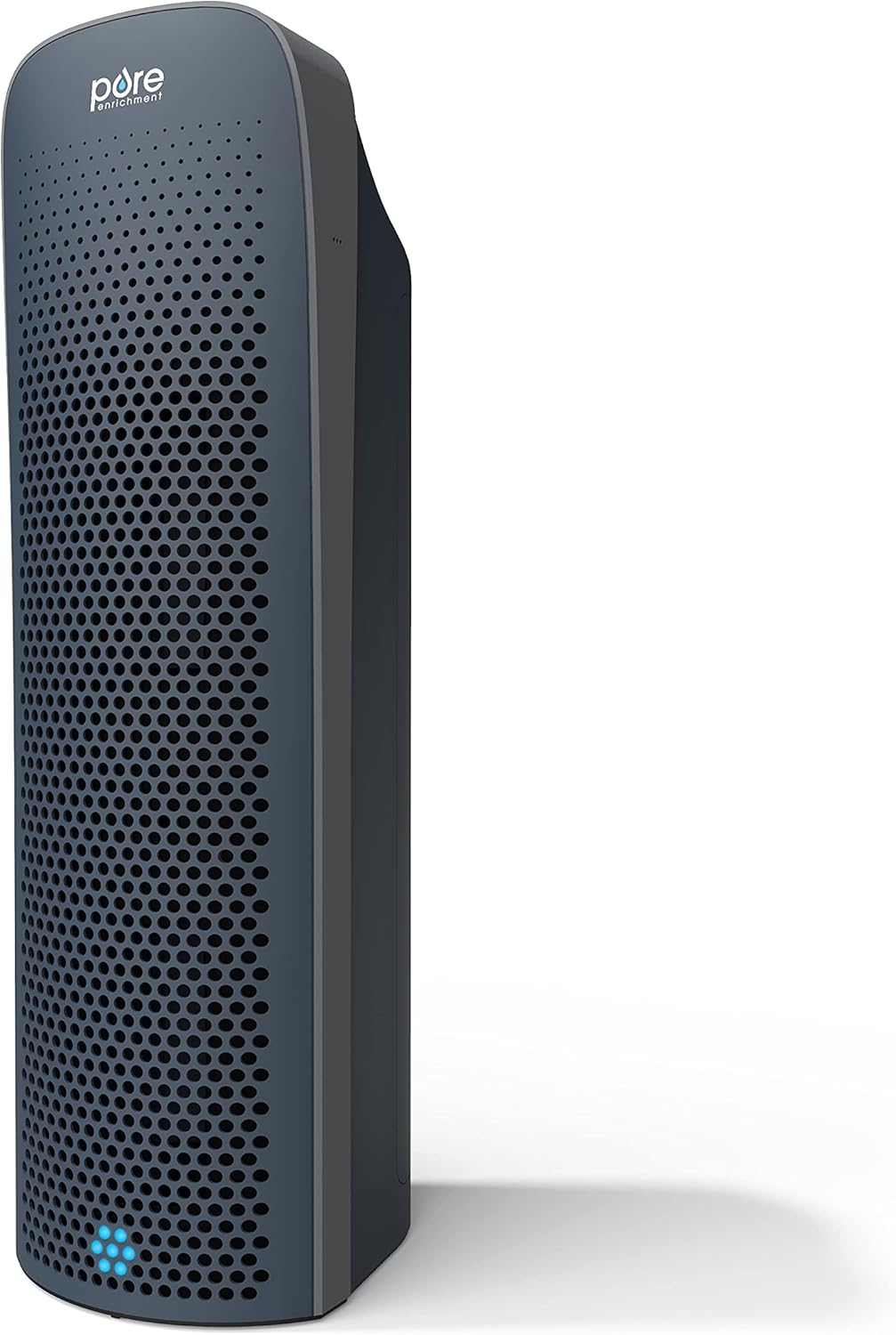
Noise and comfort features complete the picture of best air performance in daily life. A well designed tower air purifier offers a gentle sleep mode with reduced fan speed and dimmed lights, yet still maintains clean air through efficient airflow. For a deeper look at how a compact tower style device handles HEPA and carbon filtration in small rooms, you can review this detailed test of a smart WiFi air purifier with HEPA and activated carbon.
Understanding filters, HEPA technology, and long term maintenance
Every air purifier, whether tower shaped or compact, depends on its filter system to deliver clean air. The best tower air purifiers use a layered approach with a pre filter, a true HEPA filter, and an activated carbon section to address different pollutant types. This structure ensures that air quality improves across particles, allergens, and odours rather than only one category.
The HEPA filter is the core of most high performance air purifiers, capturing tiny particles that would otherwise remain suspended in the air. When you see the term hepa filter on packaging, verify that it meets a recognised efficiency standard and is not just a marketing label. A genuine HEPA filter in both singular and multiple filters form can trap most fine particles, which is essential for people with allergies or asthma who need consistently clean air.
Activated carbon plays a different but equally important role in tower air purifiers. This carbon material adsorbs gases and smells from cooking, pets, or traffic, which a mechanical filter alone cannot remove from the room. For best results, choose air purifiers with a substantial activated carbon layer rather than a thin coating, because this improves both performance and long term effectiveness.
Maintenance is often overlooked when people compare the best tower air purifiers on Amazon or in shops. You should check how easy it is to access the pre filter and main filters, how often filter replacements are needed, and what they cost over several years. For more context on how a brand like Blueair balances HEPA style filtration, carbon, and smart air features, see this analysis of the benefits of Blueair air purifiers, which explains why models such as Blue Pure and other blue series devices have become popular.
Comparing leading brands and models in the tower segment
When evaluating the best tower air purifiers, certain brands appear repeatedly because of their track record in air quality technology. Blueair, for example, offers the Blue Pure and other blue series models that combine high performance filtration with relatively low watts consumption. These air purifiers often use a cylindrical filter design that wraps HEPA and activated carbon into a single cartridge for efficient airflow.
Another respected name in tower air purifiers is Coway, particularly with the coway airmega line that includes both compact and larger room solutions. A coway airmega tower air purifier typically integrates smart air sensors, auto mode, and multiple fan speed settings to maintain clean air with minimal user input. Many users appreciate how these air purifiers balance best air cleaning performance with quiet sleep mode operation for bedrooms.
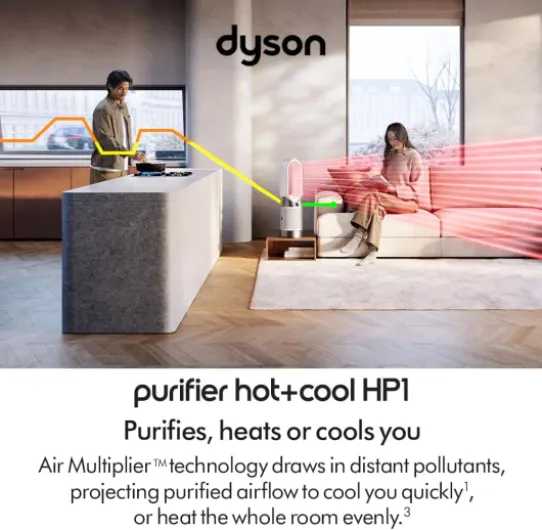
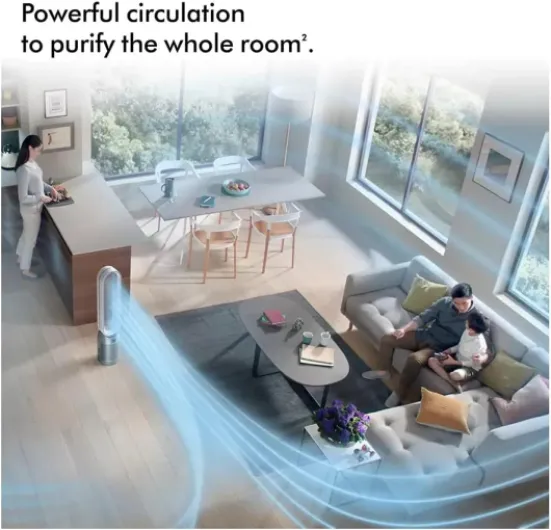
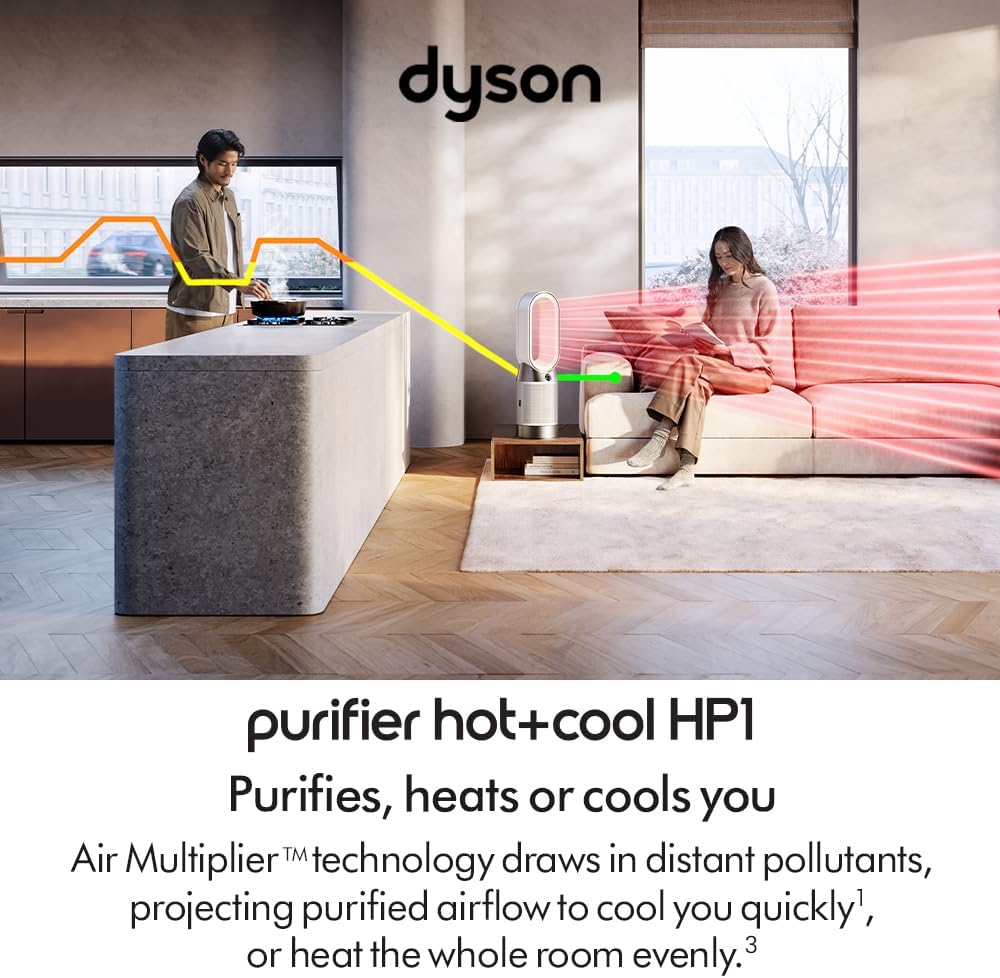
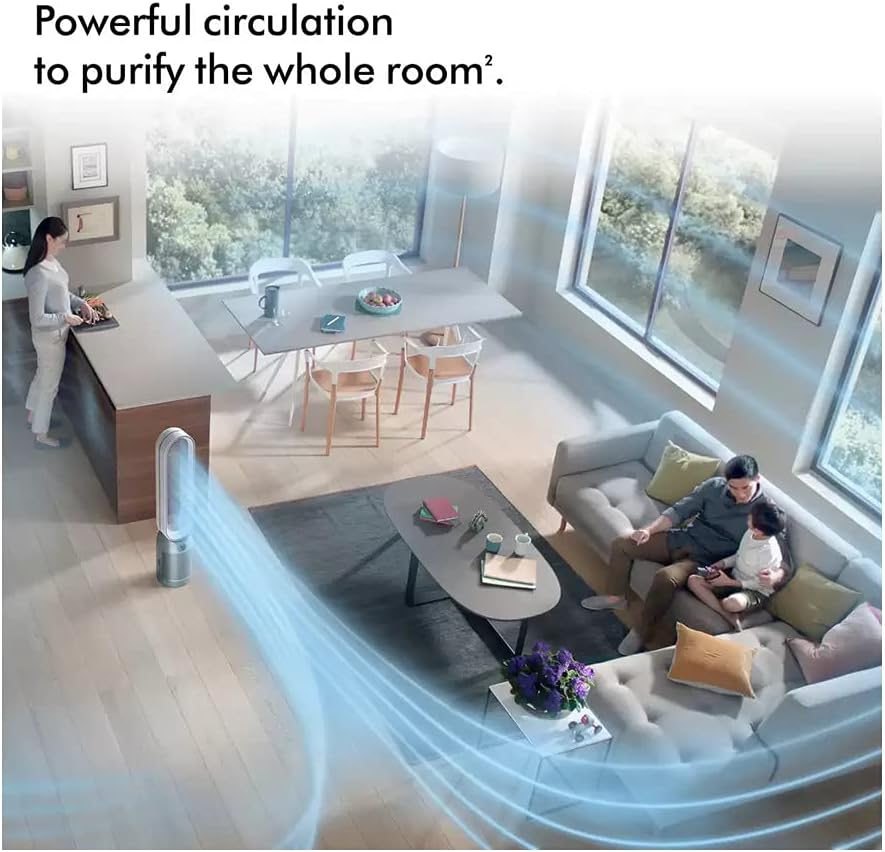
Some premium tower models add cooling or fan functions, which can be attractive in warm climates. For instance, a purifying tower fan that combines air purifier features with adjustable fan speed can circulate clean air more evenly across the room. A detailed review of a tower fan with integrated air purification shows how such devices manage HEPA filtration, activated carbon, and smart controls in a single tall unit.
Weight and portability also influence how you use tower air purifiers in daily life. Many models list weight lbs in their specifications, which helps you judge whether moving the air purifier between rooms will be practical. If you plan to shift the purifier from living room to bedroom, look for a balance between high performance, reasonable weight lbs, and a stable base that keeps the tower secure on different floor surfaces.
Smart features, energy use, and real world comfort
The best tower air purifiers increasingly rely on smart air technology to adapt to changing indoor conditions. Built in sensors monitor air quality and automatically adjust fan speed through auto mode, which keeps clean air levels stable without constant manual changes. This approach not only improves comfort but also reduces unnecessary watts consumption when the room air is already relatively clean.
Many smart air purifiers connect to mobile apps, allowing you to track air quality trends and control settings remotely. You can view how often the purifier increases fan speed, how many air changes per hour it achieves, and when filter replacements are due. This data driven view of performance helps you understand whether your chosen tower air purifier is truly delivering best air results in your specific room.
Comfort features such as sleep mode and quiet operation are essential for bedroom use. In sleep mode, the air purifier reduces fan speed, dims display lights, and still maintains enough air changes to keep the room fresh overnight. People who are sensitive to noise should compare decibel ratings at low and medium speed, because a high quality tower air purifier can remain unobtrusive even while delivering clean air.
Energy efficiency also affects long term ownership costs and environmental impact. A tower air purifier that uses modest watts at typical fan speed settings can run for many hours each day without a large electricity bill. When reading Amazon listings or manufacturer brochures, always relate claims about low power use and smart features to independent tests or trusted reviews that measure real world performance.
Room sizing, placement, and practical buying advice
Choosing the best tower air purifiers starts with matching the device to your room size and layout. Manufacturers usually specify a recommended room area and an estimated number of air changes per hour, which you should compare carefully. For example, a tower air purifier rated for 35 m² may still perform well in a slightly larger room, but air changes will drop and clean air benefits may feel less pronounced.
Placement within the room also influences air quality and performance. A tower air purifier works best when it has space around it, allowing the fan speed and airflow design to pull in polluted air from multiple directions. Avoid pushing air purifiers into tight corners or behind furniture, because this restricts intake and reduces the effective air changes per hour.
When comparing models, pay attention to weight lbs, handle design, and cable length, especially if you plan to move the air purifier between rooms. A lighter tower with a solid base and integrated handle can be relocated easily without compromising stability or safety. Check whether the purifier offers clear indicators for filter replacements, because timely maintenance is essential for sustaining best air performance over the long term.
Finally, consider how features such as auto mode, sleep mode, and multiple fan speed settings fit your lifestyle. A person who spends most time at home may value continuous smart air monitoring, while someone who travels often might prioritise simple controls and robust filters that tolerate intermittent use. By weighing these practical factors alongside technical specifications like HEPA filter quality, activated carbon capacity, and watts consumption, you can select a tower air purifier that genuinely improves your indoor air quality.
Evaluating long term costs, durability, and health benefits
Beyond initial price, the best tower air purifiers distinguish themselves through long term value and reliability. Filter replacements represent the main ongoing cost, so you should check both the price of each HEPA filter and carbon filter set and the recommended replacement interval. A tower air purifier that uses durable filters and a washable pre filter can reduce waste and keep long term expenses predictable.
Durability also depends on motor quality, fan design, and how efficiently the purifier handles continuous operation. High performance models are built to run for many hours each day, maintaining clean air without overheating or excessive noise at higher fan speed settings. When reading Amazon reviews or expert tests, look for comments about reliability over several years rather than only first impressions.
The health benefits of using air purifiers with true HEPA and activated carbon filtration can be significant for sensitive individuals. By improving air quality and increasing air changes per hour, these devices reduce exposure to allergens, fine particles, and some indoor gases. People often report better sleep, fewer allergy symptoms, and a general sense of fresher room air when a well chosen tower air purifier operates in auto mode or sleep mode throughout the day and night.
Ultimately, the best air purifiers combine technical excellence with user friendly design and transparent information about performance. When a manufacturer clearly states clean air delivery, watts consumption, weight lbs, and realistic room coverage, it becomes easier to make an informed choice. As you compare different tower air purifiers, keep your specific room, health needs, and maintenance habits in mind so that the purifier you select continues to deliver clean air and reliable performance for many years.
Key statistics about tower air purifiers and indoor air quality
- Global surveys indicate that people spend more than 80 % of their time indoors, making indoor air quality a critical health factor.
- Independent laboratory tests often show that true HEPA filters can capture at least 99,97 % of particles with a diameter of 0,3 micrometres.
- Studies on air changes per hour suggest that achieving four to five complete air changes in a room can significantly reduce airborne particle concentrations.
- Energy efficient tower air purifiers typically consume between 20 and 60 watts at medium fan speed, depending on room size and filter resistance.
- Field measurements in homes with pets and smokers have documented noticeable reductions in odour and particulate levels after continuous use of HEPA and activated carbon based air purifiers.