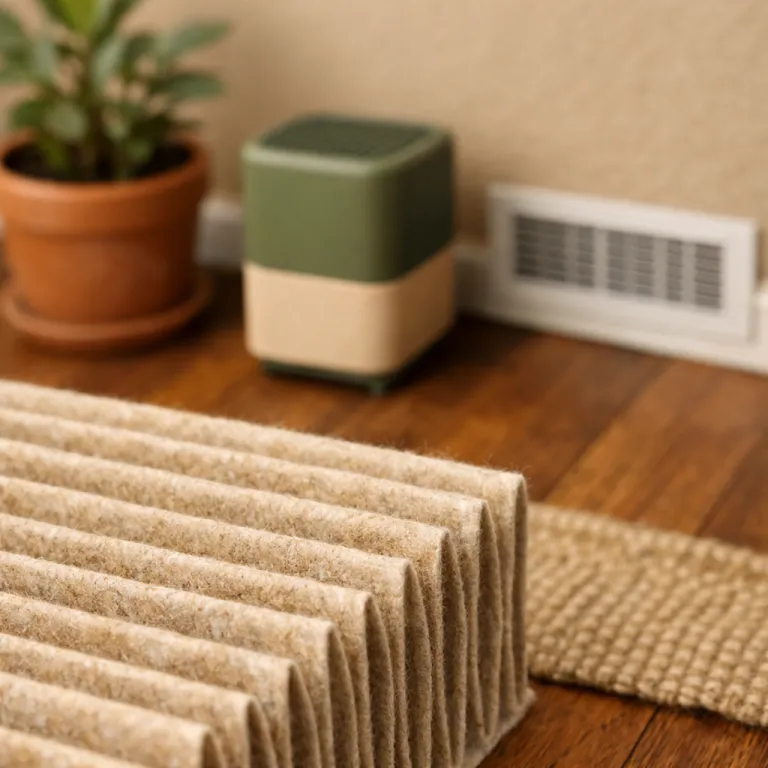

Why pairing an air purifier with your AC unit matters
An air purifier for AC unit setups transforms basic cooling into genuine health protection. When an air purifier works with an HVAC system, it treats every stream of air that passes through the duct network, not just the air in one room. This whole house approach to indoor air means the purifier and the AC unit cooperate to stabilize temperature and air quality together.
Most people think of an HVAC air system as only a comfort tool, yet the same duct work that moves cool air can also circulate mold spores and pet dander. By adding a dedicated air cleaner or compatible air purifiers to the HVAC system, you turn existing duct air into a powerful air purification pathway. This strategy improves indoor air quality without adding noisy portable purifiers in every room, and it uses the filtration system already present in your house air circulation.
In a typical house, the AC unit pulls indoor air through a basic filter, then pushes it back through the duct system. When you install a higher grade air purifier for AC unit integration, you upgrade that simple filter into a more advanced filtration system that captures fine particles and odors. This upgrade can reduce allergy symptoms, limit dust on surfaces, and create cleaner indoor air that feels lighter and easier to breathe.
Key technologies inside an air purifier for AC unit
Understanding the technology inside an air purifier for AC unit decisions helps you avoid marketing hype. The heart of most air purifiers is the filter, which may include a dense particulate layer for dust and mold spores plus an activated carbon stage for odors. When these filters are sized correctly for the HVAC system, they maintain airflow while still delivering strong air purification performance.
Some whole house air cleaner designs add light based disinfection, usually with UV bulbs installed inside the duct. These bulbs shine on passing air and internal surfaces to limit microbial growth, but they must be engineered as ozone free to protect indoor air quality. Always read the technical sheet carefully and confirm that any light based purifier or bulbs are certified as ozone free, especially when they sit inside the main HVAC air stream.
Modern air purifiers also focus on easy install features, such as slide in filter cassettes and clear access panels on the unit. A well designed filtration system should allow a homeowner or technician to install new filters without tools, keeping maintenance simple and price predictable. When you compare purifiers, look at the rated clean air delivery, the expected filter life, and whether the system integrates smoothly with your existing air conditioning controls.
How filtration, ducts, and airflow shape real indoor air quality
The path that air takes through your house matters as much as the purifier itself. In a central HVAC system, the AC unit pulls house air through return grilles, moves it across the filter or air cleaner, then sends it back through supply ducts. If the duct work leaks or is poorly insulated, even the best air purifiers will struggle to maintain consistent indoor air quality across every room.
For households with pets, combining a strong air purifier for AC unit use with targeted room purifiers can be especially effective against pet dander. A central filtration system captures the bulk of airborne pet dander and odors, while a dedicated device near sleeping areas adds extra air purification where you spend the most time. For detailed guidance on this topic, many readers benefit from a specialized resource such as this guide to choosing an air purifier for pet dander.
Airflow balance is another critical factor, because restricted ducts or a clogged filter can strain the HVAC system. When you install a higher efficiency filtration system, verify that the pressure drop stays within the AC unit specifications to protect the motor and maintain clean air delivery. Regularly scheduled inspections of duct air pathways, filter condition, and overall system performance will help improve indoor comfort while preserving energy efficiency.
Choosing the right purifier house solution and understanding costs
Selecting an air purifier for AC unit integration starts with sizing and layout. A purifier house strategy should match the total floor area, the number of occupants, and the existing HVAC system capacity. Oversized purifiers can add unnecessary price and pressure drop, while undersized units fail to deliver the clean air levels you expect.
When comparing air purifiers, look beyond the purchase price and calculate ongoing filtration costs. High quality filters may seem expensive, yet they often last longer and maintain better air quality, which can reduce medical visits and cleaning time in the house. Many homeowners appreciate models that emphasize easy install and easy filter access, because this reduces labor fees and encourages consistent maintenance.
Some readers prefer to start with portable air purifiers before committing to a whole house air cleaner. In that case, it is helpful to consult in depth product analyses such as this review of quiet purifiers for dust and allergies. Once you understand how different purifiers handle odors, mold spores, and pet dander, you can better evaluate whether a central filtration system or a combination of units offers the best balance of performance and price.
Installation, maintenance, and avoiding common air purification mistakes
Proper installation determines whether an air purifier for AC unit setups will perform as advertised. A professional HVAC technician can assess duct work, confirm that the filtration system matches the AC unit, and position any light based components where they will treat the most air. Many modern units are marketed as easy install, yet expert oversight still helps protect both the HVAC system and indoor air quality.
Maintenance routines should include regular filter changes, inspection of bulbs in any light based purifier, and cleaning of return grilles. If bulbs dim or fail, the disinfection stage weakens, even though airflow and filtration may appear normal to the house occupants. Keeping a written schedule near the HVAC system encourages you to read service notes, track filter dates, and budget for replacement parts at a predictable price.
One frequent mistake is choosing air purifiers that are not clearly labeled as ozone free, especially when they sit inside the main duct air stream. Another is neglecting to seal gaps in duct work, which allows unfiltered air and dust to bypass the air cleaner and reenter the house air. By pairing careful product selection with disciplined maintenance, you can steadily improve indoor comfort, reduce odors, and maintain clean air throughout the seasons.
Whole house strategies and when to upgrade your HVAC system
As families become more aware of indoor air risks, many consider a broader purifier house strategy. This may involve upgrading the HVAC system blower, adding a dedicated filtration system cabinet, and installing smart controls that track air quality in real time. In some cases, the existing AC unit cannot handle the resistance of advanced filters, so a modest HVAC air upgrade becomes the safest path to reliable air purification.
Homeowners who want a comprehensive approach often evaluate several whole house air cleaner options before making a decision. Resources such as this curated list of top air purifiers for whole house applications can clarify which unit types work best with different duct layouts. When you read these comparisons, pay attention to clean air delivery, noise levels, filter availability, and whether the purifiers are explicitly ozone free.
Upgrading an HVAC system for better air purification can also address chronic issues like mold spores in damp ducts or persistent pet dander in carpets. By combining sealed duct work, a high performance air purifier for AC unit integration, and disciplined maintenance, you can significantly improve indoor comfort. Over time, this investment supports healthier house air, more stable temperatures, and a quieter, more efficient air conditioning experience for everyone inside.
Key statistics about indoor air and filtration performance
- Up to 90 % of time is typically spent indoors, making indoor air quality a major health factor.
- High efficiency filters can capture more than 99 % of fine particles when correctly matched to the HVAC system.
- Leaky duct work may waste between 20 % and 30 % of conditioned air, reducing the effectiveness of any air cleaner.
- Regular filter replacement can cut airborne dust levels in a house by more than half over several months.
Common questions about using an air purifier for an AC unit
Can I add an air purifier to any existing AC unit ?
In many homes, you can integrate an air purifier for AC unit setups without replacing the entire HVAC system. A technician will check available space, duct configuration, and blower capacity before recommending a compatible filtration system. If the existing unit is very old or undersized, a modest HVAC upgrade may be necessary to maintain airflow and clean air delivery.
Will a whole house air cleaner remove all odors and allergens ?
A well designed air cleaner significantly reduces odors, dust, mold spores, and pet dander, but it rarely eliminates every trace. Performance depends on filter quality, airflow, and how often you run the HVAC system fan. Combining central air purification with good housekeeping and moisture control offers the best overall improvement in indoor air quality.
Are UV light bulbs in ducts safe for indoor air ?
UV bulbs used inside duct work can be safe when they are engineered as ozone free and installed correctly. The light should remain confined within the HVAC system, where it treats surfaces and passing air without leaking into occupied rooms. Always verify certifications and follow manufacturer guidance on replacement intervals to maintain both safety and effectiveness.
How often should I replace filters in an HVAC air purifier ?
Most whole house air purifiers require filter changes every three to twelve months, depending on usage and local pollution levels. Homes with pets, smokers, or high dust may need more frequent replacement to maintain clean air and protect the AC unit. Checking filters monthly at first helps you establish a realistic schedule tailored to your house air conditions.
Is an air purifier for AC unit better than portable air purifiers ?
A central air purifier for AC unit integration treats all duct air and can improve indoor comfort across the entire house. Portable air purifiers focus on specific rooms and offer flexibility, but they may leave other areas less protected. Many households use a combination of both approaches, relying on the HVAC system for baseline filtration and adding room units where extra clean air is most needed.