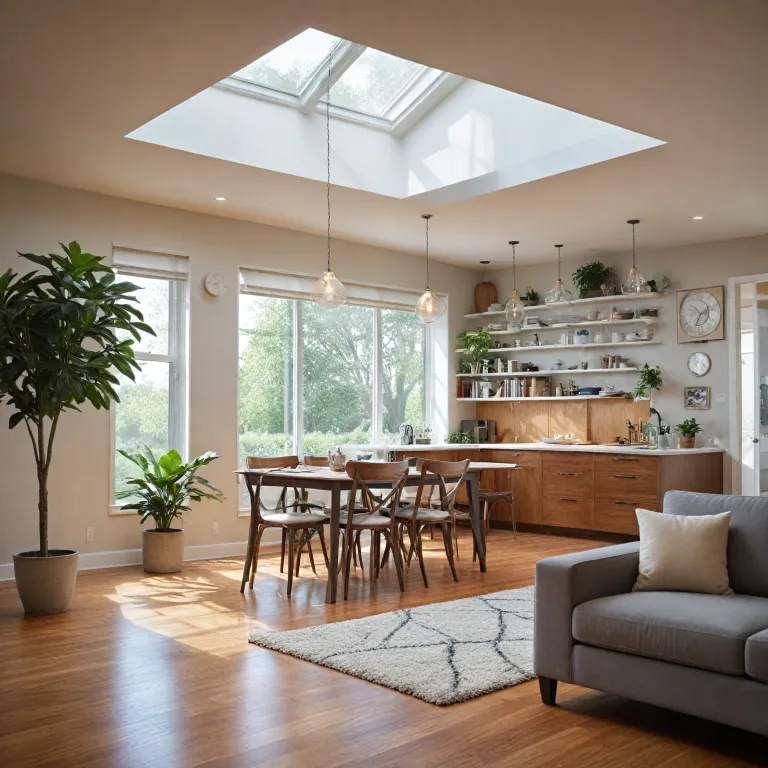

Why whole house air purification matters more than a single room
Whole house air purification addresses the air you breathe in every room. Instead of relying on a single portable air purifier, a whole house system connects to the existing HVAC system and treats indoor air continuously across the entire house. This approach helps maintain consistently clean air, even in rooms far from standalone units.
When air purifiers work only in one room, contaminants drift through duct air and settle elsewhere. A central purification system captures particles as the hvac air circulates, using an air filter or media filters sized for the whole house air volume. This improves overall air quality and reduces the need for multiple units and noisy devices.
Many homeowners compare the price of several portable air purifiers with the price of one whole house air purification system. While the initial price guide for a central purifier can seem higher, the long term cost per room size often becomes more reasonable. You also avoid juggling different filters, fan speed settings, and cfm ratings for separate units.
Central hepa filters or high efficiency media filters can trap fine particles that aggravate asthma and allergies. A well designed purification system captures dust, pollen, pet dander, and smoke particles before they recirculate into each room. This helps keep indoor air cleaner and reduces visible dust on surfaces throughout the house.
Because the purifier integrates with the hvac system, maintenance focuses on one main filter instead of many. You still need to monitor air quality and replace filters on schedule to maintain clean air. However, the routine becomes simpler, more predictable, and easier to track over time.
How a whole house system works with your existing HVAC
A whole house air purification system usually sits near the furnace or air handler. As the hvac system pulls indoor air through the return ducts, the purifier forces that air through advanced filters before sending it back into each room. This process repeats whenever the blower runs, steadily improving air quality throughout the house.
Most systems use layered filters to capture different contaminants at different stages. A pre filter traps larger particles and protects the finer hepa filters or media filters behind it. Downstream, a high efficiency air filter removes smaller particles that standard hvac air filters often miss.
Some whole house air purifiers add activated carbon to reduce odours and certain gaseous contaminants. Others focus on high cfm airflow to ensure the system can handle the full size air volume of the building. Matching purifier capacity to room size and total house air volume is essential for effective air purification.
Because the purifier depends on the hvac system, fan speed and runtime strongly influence performance. Many homeowners adjust thermostat settings so the blower circulates indoor air more frequently at a moderate speed. This keeps clean air moving without excessive noise or energy use from the units.
If you want to compare central systems with advanced portable air options, a detailed Honeywell AirGenius 5 guide at this in depth air purifier review offers useful benchmarks. It explains how different filters, cfm ratings, and control features affect real world air quality. Those same principles apply when evaluating a whole house purification system for your own hvac system.
Comparing whole house purifiers with portable air units
Many people start with a portable air purifier in a bedroom or living room. These units can deliver very clean air in a single room size, especially when equipped with true hepa filters and strong cfm airflow. However, they leave other rooms and shared house air less protected from contaminants.
A whole house air purification system treats indoor air as a single connected environment. Instead of moving one purifier from room to room, the hvac air circulation carries particles to a central air filter or media filters. This approach reduces overall contaminants and helps stabilise air quality across the whole house.
Portable air purifiers still have a role, especially in spaces with specific problems. For example, a hepa air purifier can supplement a central purification system in a nursery or home office. You can compare performance and price using resources such as this comprehensive Honeywell air purifier guide, which explains how different filters and fan speed settings influence clean air delivery.
When you evaluate price, remember to include replacement filters and energy use. A price guide that lists only the initial purifier cost can be misleading for both portable air units and whole house systems. Consider how often you will replace hepa filters, carbon filters, or other media filters over several years.
Noise and convenience also matter for many households. Central purification systems operate out of sight, using the existing hvac system to move air quietly through duct air pathways. Portable air purifiers sit in the room, where fan speed and cfm settings can affect comfort, conversation, and sleep quality.
Understanding filters, HEPA performance, and clean air metrics
The heart of any whole house air purification system is its filter technology. High quality hepa filters can capture very small particles, including fine dust, smoke, and many allergens suspended in indoor air. When combined with pre filters and optional carbon filters, they help deliver consistently clean air throughout the house.
Not every air filter marketed for hvac air use meets true HEPA standards. Some filters prioritise airflow and cfm over particle capture efficiency, which can leave more contaminants in the house air. A balanced purification system matches filter resistance with blower capacity so the hvac system maintains both airflow and air quality.
Clean air delivery often depends on both filter efficiency and fan speed. A highly efficient purifier that moves too little air may not clean the whole house effectively. Conversely, a high cfm system with weak filters can circulate indoor air quickly without removing enough particles.
When comparing air purifiers, look for clear information about particle removal rates and recommended room size or whole house coverage. These metrics help you match a purifier or multiple units to your actual size air needs. For central systems, professionals can calculate how much purification your hvac system can support without compromising comfort.
Some homeowners pair a central purification system with a carefully chosen portable air purifier in key rooms. Reviews of models like the Coway Airmega AP 1512HH at this set it and forget it purifier analysis illustrate how strong filters and smart controls maintain clean air. The same principles of filter quality, cfm, and noise apply when you evaluate whole house air purification options.
Assessing contaminants, room size, and real world air quality
Before investing in whole house air purification, it helps to map your specific contaminants. Common indoor air pollutants include dust, pollen, pet dander, mould spores, smoke particles, and volatile compounds from cleaning products. Each type of particle or gas interacts differently with filters, hepa media, and carbon based purification system designs.
Room size and overall house air volume determine how powerful your purifier must be. A small apartment may need only one strong portable air purifier with high cfm and true hepa filters. Larger homes often benefit from a central hvac system upgrade that adds a dedicated air filter cabinet or media filters for whole house coverage.
Air quality monitors can reveal patterns that guide your choices. For example, you might see higher particle counts near busy roads, fireplaces, or certain rooms where activities stir up indoor air. These insights help you decide whether to rely mainly on a whole house system or to add extra units in specific rooms.
Allergy and asthma symptoms also provide practical feedback about air purification effectiveness. If symptoms improve when a purifier runs at higher fan speed, that suggests contaminants are a significant trigger. Over time, a well matched purification system should reduce both visible dust and health complaints across the whole house.
When you review any price guide, consider the cost of addressing your actual contaminants rather than generic averages. A home with heavy smoke exposure may require more frequent filter changes and stronger hepa air performance. In contrast, a relatively clean environment might achieve excellent air quality with modest filters and lower cfm settings.
Costs, maintenance, and choosing the right purification system
The price of whole house air purification varies widely depending on technology and installation. A basic media filters cabinet added to an existing hvac system usually costs less than an advanced electronic purifier with multiple stages. However, long term maintenance, filter replacement, and energy use can narrow the gap between different systems.
When you compare price, look beyond the initial purifier purchase. Calculate how often you will replace hepa filters, pre filters, and any carbon filters, based on your indoor air conditions. A realistic price guide includes these recurring costs and the expected lifespan of the purification system components.
Maintenance routines should be simple enough that you will actually follow them. Many homeowners prefer systems where the main air filter or media filters slide out easily from a cabinet near the furnace. Clear labelling of filter size, recommended replacement intervals, and airflow direction helps prevent mistakes that could reduce air quality.
Professional servicing of the hvac system remains important, even with a high quality purifier. Technicians can check blower performance, duct air integrity, and overall cfm to ensure the system delivers clean air efficiently. They can also confirm that the purifier does not create excessive pressure drop that strains the units.
Ultimately, the best whole house air purification choice balances performance, price, and practicality. A slightly less complex purifier that you maintain consistently often outperforms a sophisticated system neglected over time. By aligning filter technology, hvac air capacity, and your household habits, you can achieve reliably clean air in every room.
Practical tips for healthier indoor air in every room
Even the most advanced whole house air purification system works best alongside good habits. Regular cleaning, source control, and ventilation reduce contaminants before they reach the air filter or hepa filters. Simple steps like removing shoes, grooming pets, and using exhaust fans can significantly lower indoor air pollution.
Think of your hvac system and purifier as the backbone of a broader clean air strategy. Keep supply and return vents unblocked so hvac air can circulate freely through duct air pathways. Check that doors undercut enough to allow room to room airflow, especially in tightly sealed homes.
Use a portable air purifier strategically in spaces with higher pollutant loads. For example, a compact hepa air unit in a bedroom can supplement the whole house system at night. Choose models with clear cfm ratings and filters sized appropriately for the room size and size air volume.
Monitor air quality with a reliable sensor to see how changes affect indoor air. You may notice that running the fan at a moderate speed for longer periods keeps house air fresher than short bursts at high speed. Over time, these observations help you fine tune purifier settings, filter replacement schedules, and ventilation habits.
When evaluating any air purifiers or central purification system, remember that comfort, noise, and ease of use matter as much as technical specifications. A quiet, well integrated purifier that maintains clean air without constant adjustment supports long term health and wellbeing. With thoughtful choices, your whole house can become a consistently healthier place to breathe.
Questions people also ask about whole house air purification
How does a whole house air purification system differ from a standard HVAC filter ?
A standard HVAC filter mainly protects equipment from dust and large debris. A whole house air purification system uses higher efficiency filters, often including HEPA or advanced media, to remove much finer particles and more contaminants from indoor air. It is designed to improve air quality for occupants, not just safeguard the furnace or air conditioner.
Can a whole house air purifier remove all indoor air pollutants ?
No single purifier can remove every type of indoor air pollutant. Whole house systems are very effective against particles like dust, pollen, and many allergens, and some models also reduce odours and certain gases. However, they work best when combined with source control, ventilation, and good cleaning habits.
Is a whole house air purification system worth the price for allergy sufferers ?
For many allergy sufferers, a well designed whole house air purification system can significantly reduce symptoms. By filtering all recirculated air through high efficiency filters, it lowers overall allergen levels throughout the home. The investment often becomes worthwhile when compared with ongoing discomfort, medication costs, and lost productivity.
How often should filters be replaced in a whole house air purifier ?
Replacement frequency depends on filter type, indoor air conditions, and system usage. Many media filters last several months, while some high capacity whole house filters can last longer under moderate conditions. It is important to follow manufacturer guidelines and adjust based on visible dirt, odours, or declining air quality.
Can I install a whole house air purification system on any existing HVAC system ?
Most modern HVAC systems can accommodate some form of whole house air purification, but compatibility and performance vary. A professional assessment ensures the blower can handle added filter resistance and that ductwork supports adequate airflow. Proper sizing and installation are essential to avoid reduced comfort or equipment strain.
Trusted references for further reading
- U.S. Environmental Protection Agency (EPA) – Indoor Air Quality
- American Society of Heating, Refrigerating and Air-Conditioning Engineers (ASHRAE)
- Asthma and Allergy Foundation of America (AAFA)