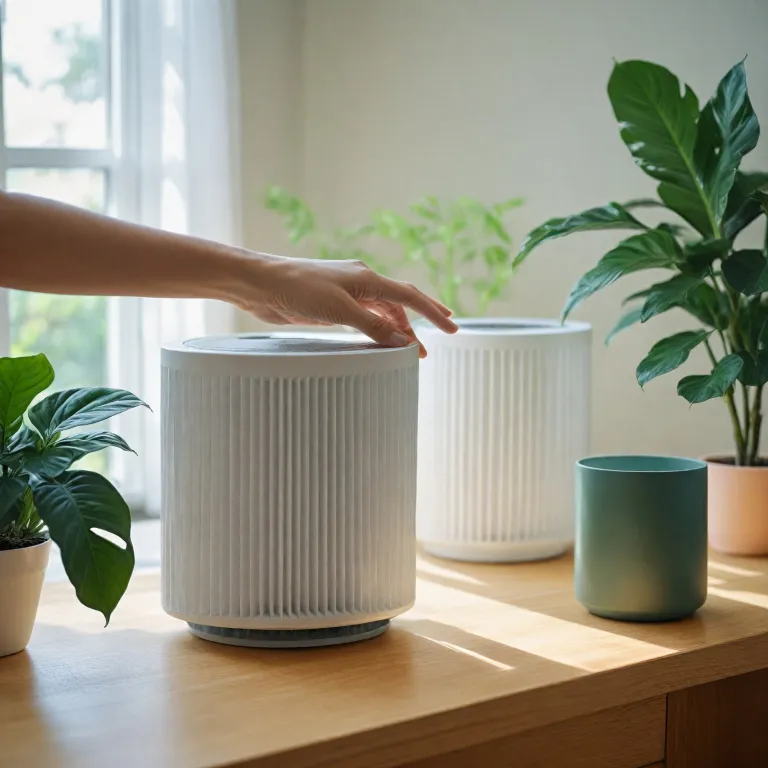

Why HEPA air purifier filters replacement matters for your health
When you plan HEPA air purifier filters replacement, you protect your lungs. A clean filter in an air purifier quietly removes particles that your eyes never see, yet your body constantly inhales. Timely replacement keeps the purifier efficient and helps you breathe easier every single day.
A true HEPA filter is engineered to trap particles small enough to reach deep into the lungs, including dust, smoke, and microscopic allergens. These particles are often measured in small microns, and a certified true HEPA filter captures at least 99.97 percent of particles at 0.3 microns, which is a critical benchmark for health focused filtration. When you delay replacement, the purifier filter clogs, airflow drops, and the device can no longer maintain clean air in your room.
Most air purifiers combine a HEPA filter with a pre filter and a carbon filter to address different pollutants. The pre filter catches larger dust and pet hair, the HEPA filter traps fine particles, and the carbon filter uses activated carbon to reduce odours and some gases, so each layer has its own filter life and maintenance schedule. A thoughtful HEPA replacement plan respects this layered design and ensures that every filter activated surface continues capturing particles effectively.
Manufacturers usually recommend HEPA air purifier filters replacement every 6 to 12 months, depending on usage and pollution levels. Heavy smokers, pet owners, or people living near traffic may need a replacement filter more often, because their filters face a higher load of particles and allergens. Reading your manual and monitoring performance indicators is essential, so always read the guidance that includes specific months based recommendations.
Understanding HEPA, carbon, and pre filters in modern air purifiers
To manage HEPA air purifier filters replacement intelligently, you need to understand each filter type. A true HEPA filter focuses on capturing particles small enough to trigger asthma, allergies, and other respiratory issues. In contrast, a carbon filter targets gases and odours, while the pre filter shields the main filters from coarse dust and pet hair.
In many air purifiers, the pre filter is washable or vacuum friendly, which extends the filter life of the more expensive HEPA and carbon components. Regularly cleaning this pre filter every few weeks prevents dust from clogging the system, and it keeps the purifier filter operating at its designed airflow and noise level. When the pre filter is neglected, the device works harder, energy use rises, and HEPA replacement may be needed sooner than the stated months in the manual.
The carbon filter, often called an activated carbon filter, contains a porous material that adsorbs volatile organic compounds and smells. Over time, this filter activated surface becomes saturated, so even if the HEPA filter still captures particles, odour control declines noticeably in everyday air. Many replacement filter pack options therefore include both HEPA and carbon filters, ensuring balanced performance when you carry out a full filter replacement.
Direction of airflow also matters when you install a new replacement filter in an air purifier. If you are unsure, you can read detailed guidance about understanding the direction of airflow filter in air purifiers on a specialised resource, which helps you avoid installing filters backwards and losing efficiency. Correct orientation ensures that particles small and large meet the right filter layer at the right time.
How to read specifications, price, and filter life claims
When comparing HEPA air purifier filters replacement options, do not focus only on price. A cheaper replacement filter that lasts fewer months or captures fewer particles small in size may cost more over time than a premium option. Instead, read the specifications carefully and calculate the annual cost per purifier filter, including shipping and any taxes.
Look for clear statements about true HEPA performance, such as efficiency at 0.3 microns and airflow at different fan speeds. Some brands use vague terms like HEPA type, which may not meet the strict standard for capturing particles, so always read the fine print before adding a filter pack to your cart. If the documentation includes independent testing or certification, that usually signals a more trustworthy hepa filter and a more reliable filter life estimate.
Many manufacturers specify a range of months for HEPA replacement, often assuming average air quality and daily usage. If your home has multiple pets, frequent cooking, or nearby traffic, your HEPA air may be more polluted, and you should shorten the replacement interval accordingly. You can also monitor visible dust on the pre filter, changes in odour despite a carbon filter, or increased noise as the purifier works harder to pull air through clogged filters.
Some advanced air purifiers include sensors and filter replacement indicators that track runtime and fan speed. These systems estimate remaining filter life and alert you when a replacement filter is due, which helps you plan purchases and avoid sudden lapses in protection. For deeper insight into performance measurement, you can read about how a balometer helps optimize air purifier performance and understand how airflow testing supports realistic filter life claims.
Practical steps for HEPA air purifier filters replacement at home
Replacing filters in an air purifier is usually straightforward, yet small mistakes can reduce performance. Before handling any replacement filter, always unplug the device and place it on a stable surface to avoid accidents. Then open the access panel carefully, noting how the existing HEPA filter, carbon filter, and pre filter are arranged inside the housing.
Take a moment to read the manual again, even if you feel confident, because some air purifiers include clips, arrows, or seals that must align correctly. Gently remove the old filters, trying not to shake loose dust and allergens back into the air, and place them directly into a rubbish bag that you can seal. If the pre filter is reusable, clean it according to instructions, then let it dry completely before reinstalling to protect the new HEPA replacement filter from moisture.
When you insert the new HEPA filter and carbon filter, check that any arrows match the airflow direction and that the frame sits flush without gaps. Many filter pack designs include gaskets or foam edges that improve sealing, and these must not be twisted or compressed unevenly, otherwise particles small enough to matter can bypass the filter media. Once everything includes the correct components in the right order, close the panel securely and reset any filter replacement indicator according to the manual.
After replacement, run the air purifier on a higher speed for an hour to purge any loose fibres or manufacturing odours from the new filters. During this time, you may notice a faint smell from the activated carbon, which usually fades quickly as air passes through the filter activated surfaces. Within a short period, the room should feel fresher, and many people report that they breathe easier and notice less dust settling on surfaces.
Balancing performance, price, and environmental impact
Thoughtful HEPA air purifier filters replacement requires balancing performance, price, and environmental concerns. High quality true HEPA filters and dense activated carbon filters often cost more, yet they usually capture more particles small in size and last longer, which can justify the higher initial price. When you calculate cost, consider not only the filter pack itself but also any free shipping offers and the expected months of effective use.
Some brands sell multi pack options that include several HEPA and carbon filters, reducing the price per replacement filter and simplifying planning. If you have multiple air purifiers in your home, buying a larger filter pack can ensure you always have a purifier filter ready when a filter replacement indicator lights up. Just remember to store spare filters in a cool, dry place, because humidity can damage the HEPA filter media and reduce its ability to keep your indoor air clean.
Environmental impact is another important factor, since frequent HEPA replacement creates waste. Choosing models with washable pre filters extends the life of the main filters by catching dust and pet hair early, which means fewer HEPA and carbon cartridges end up in the bin each year. Some manufacturers also experiment with recyclable housings or take back schemes, so it is worth reading product details that includes sustainability information before you add items to your cart.
For households concerned about ozone or by products, it is wise to read independent guidance on ozone air filtration for healthier indoor air, especially when comparing different air purifiers. Mechanical filtration with true HEPA and activated carbon does not generate ozone, which makes it a safer choice for sensitive individuals who want to breathe easier. By weighing performance, price, and environmental aspects together, you can build a replacement strategy that respects both your health and the planet.
Advanced tips to extend filter life and protect sensitive individuals
Once you understand HEPA air purifier filters replacement basics, you can adopt advanced habits that extend filter life. Simple actions like closing windows during high pollution events and vacuuming regularly with a HEPA equipped cleaner reduce the load of particles small enough to stress your purifier filter. This means your true HEPA and carbon filter can focus on the most stubborn airborne contaminants instead of ordinary dust.
Positioning your air purifiers wisely also matters, because poor placement can reduce airflow and increase noise. Keep units away from walls and large furniture, and avoid corners where air circulation is weak, so the device can draw in dirty air and expel clean air efficiently. In homes with pets, consider placing an air purifier near litter boxes or favourite resting spots, where pet dander and odours concentrate and where a robust replacement filter schedule will make a noticeable difference.
For people with asthma, allergies, or other respiratory conditions, consistent HEPA replacement is not just a maintenance task but a health strategy. Neglected filters can release trapped dust and allergens when airflow reverses slightly at startup or shutdown, undermining the goal of capturing particles and helping occupants breathe easier. Setting calendar reminders for expected months of filter life, and keeping one spare filter pack on hand, reduces the risk of running the purifier with an exhausted hepa filter.
Online retailers often highlight which replacement filter includes free shipping, subscription discounts, or bundle pricing. While these offers can lower the effective price, always read the details carefully to ensure you receive genuine true hepa replacement filter models compatible with your specific air purifier. By combining careful product selection, smart home habits, and timely filter replacement, you create a cleaner indoor environment where even the most sensitive individuals can inhale with greater confidence.
Key statistics on HEPA air purification and filter replacement
- True HEPA filters are designed to capture at least 99.97 percent of particles measuring 0.3 microns in diameter.
- Many residential air purifiers recommend HEPA filter replacement every 6 to 12 months under typical indoor pollution levels.
- Pre filters can intercept a large share of coarse dust and pet hair, significantly extending the service life of downstream HEPA and carbon filters.
- Indoor air can contain several times more fine particles and allergens than outdoor air in poorly ventilated spaces.
- Activated carbon filters are widely used to reduce volatile organic compounds and odours that HEPA media alone cannot remove.
Frequently asked questions about HEPA air purifier filters replacement
How often should I replace a HEPA filter in my air purifier ?
Most manufacturers advise replacing a HEPA filter every 6 to 12 months, depending on usage and indoor pollution. Homes with pets, smokers, or heavy traffic nearby may need more frequent HEPA replacement to maintain clean air. Always follow the guidance in your manual and pay attention to any filter replacement indicators.
What is the difference between HEPA and true HEPA filters ?
The term true HEPA refers to filters that meet a strict efficiency standard, typically capturing 99.97 percent of 0.3 micron particles. Some products labelled simply HEPA or HEPA type may not meet this benchmark, so they can allow more particles small enough to affect health to pass through. Reading specifications carefully helps you choose a purifier filter that delivers reliable performance.
Do I need to replace the carbon filter as often as the HEPA filter ?
Carbon filters that use activated carbon to control odours and gases often saturate at a different rate than HEPA media. In many air purifiers, the carbon filter should be replaced at the same time as the HEPA filter, especially if both are part of a combined filter pack. If odours return before the expected months of use, consider an earlier carbon filter replacement.
Can I wash and reuse a HEPA filter to save money ?
Most residential HEPA filters are not designed to be washed, because water and detergents can damage the fibres and reduce efficiency. Washing may also release trapped dust and allergens back into the air, undermining the goal of capturing particles. Instead, rely on a washable pre filter to intercept coarse dust and replace the HEPA filter according to the recommended schedule.
How can I tell if my air purifier filter is no longer effective ?
Signs of an exhausted filter include reduced airflow, increased noise, persistent odours, and more visible dust settling on surfaces. If your air purifier has a filter replacement indicator, it will signal when estimated filter life is over based on runtime and fan speed. When in doubt, replacing the filter is safer than continuing to operate with compromised filtration.