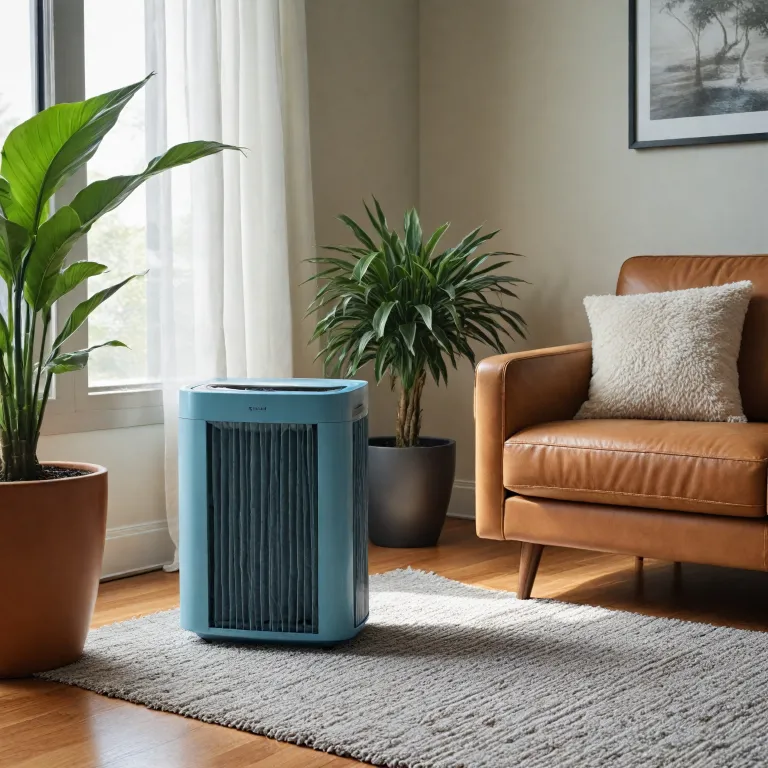

Why pet owners need the best air filter for pet hair
Pet owners quickly realize that fur travels everywhere in the air. In many homes, the combination of pet hair, pet dander, dust and smoke creates a persistent haze that affects air quality and comfort. Choosing the best air filter for pet hair therefore becomes a health decision as much as a cleaning shortcut.
When a dog or cat moves through a room, it sheds microscopic particles that float for a long time. These particles mix with dust pollen, smoke dust and other airborne particles, then circulate through the heating or cooling system. Without an efficient air purifier and properly matched filters, this mixture keeps recirculating instead of turning into truly clean air.
Modern air purifiers designed for pet owners combine a mechanical filter with activated carbon and sometimes additional features. A high efficiency HEPA filter captures tiny particles, while activated carbon helps reduce odours from pet air and smoke. When the whole system is correctly sized for the room, the purifier can significantly improve indoor air and reduce the visible layer of dust and pet hair on surfaces.
For people with pet allergies, the right air purifier is more than a comfort upgrade. A purifier with a strong HEPA filter and a suitable MERV rating can reduce exposure to pet dander and other irritants over time. This does not replace cleaning or veterinary care, but it supports a healthier environment for both pets and humans.
Understanding HEPA, MERV rating and filter quality for pet hair
To choose the best air filter for pet hair, it helps to understand HEPA and MERV. A true HEPA filter is engineered to capture very fine particles, including many forms of pet dander and dust pollen. When combined with a thoughtful system design, HEPA technology allows an air purifier to trap particles that ordinary filters simply push back into the air.
MERV rating describes how effectively a filter captures particles of different sizes. For homes with pets, a mid to high MERV rating often balances airflow, filtration quality and noise. Extremely high MERV filters can strain some systems, so matching the filter to the purifier or HVAC specifications is essential for long term performance.
Dedicated air purifiers for pet owners usually combine a HEPA filter with activated carbon and pre filters. The pre filters catch larger particles such as pet hair and visible dust, which helps extend the life of the finer HEPA filter. Activated carbon then helps manage smoke, pet air odours and other gases that standard filters cannot capture.
When comparing one air purifier to another, look beyond marketing claims and focus on measurable features. Check the recommended room size, the clean air delivery rate, the type of filters used and the rated stars from verified buyers. Also consider the total price over time, including replacement filters and electricity, rather than only the initial purifier price.
For ceiling mounted or wall mounted devices, similar principles apply regarding HEPA, MERV and airflow. A ceiling mounted smart air purifier can be helpful in open plan spaces where floor units are impractical, especially when pet hair tends to accumulate under furniture. You can learn more about this type of solution by reviewing a detailed guide to a ceiling mounted smart air purifier for home or office.
Matching purifier size, room size and pet lifestyle
The best air filter for pet hair in a small flat may fail in a large room. Every air purifier is designed for a specific room size, and exceeding that limit reduces its ability to maintain clean air. Pet owners should therefore match the purifier capacity to the largest room where pets spend most of their time.
For a large room with multiple animals, consider a purifier with a higher clean air delivery rate. This ensures that the system can cycle the indoor air several times per hour, even when fur, dust and smoke dust levels are high. In smaller rooms, a compact purifier with quiet operation may be enough, especially if combined with regular vacuuming and grooming.
Open plan homes often benefit from more than one purifier rather than a single oversized unit. A wall mounted air purifier can complement a floor standing purifier by targeting specific zones where pet hair and dust accumulate. For example, a hallway or bedroom can benefit from a discreet wall unit that continuously improves indoor air quality without taking floor space, as explained in this overview of a wall mounted air purifier for better indoor air quality.
Pet lifestyle also matters when choosing filters and purifiers. Long haired breeds, frequent shedding seasons and outdoor access all increase the amount of particles entering the air. In such homes, a purifier with robust filters, a strong HEPA filter and a suitable MERV rating will usually provide better long term value than a cheaper, weaker system.
Key features that matter for pet owners and sensitive airways
When evaluating the best air filter for pet hair, focus on features that genuinely affect health and comfort. A multi stage filtration system combining pre filters, a HEPA filter and activated carbon usually offers the most balanced performance. This structure allows the purifier to handle pet hair, pet dander, dust pollen and smoke dust without clogging too quickly.
Quiet operation is particularly important in bedrooms and living rooms where pets and people rest. Many modern air purifiers include night modes, variable fan speeds and smart sensors that adjust airflow based on real time air quality. These features help maintain clean air while keeping noise low enough for sleep and daily conversation.
Smart monitoring can also support better decisions about filter air maintenance and replacement filters. Some purifiers track usage time and particle levels, then alert pet owners when filters approach the end of their effective life. This avoids running a purifier with clogged filters that no longer capture particles efficiently.
For households affected by pet allergies or smoke, look for purifiers that clearly state their performance against fine particles. Independent tests, transparent rated stars and detailed specifications about HEPA and MERV rating are more reliable than vague marketing terms. In some cases, combining a room purifier with other tools, such as a mask with nebulizer support for cleaner breathing at home, can further support sensitive airways, as explained in this guide to cleaner breathing with a mask and nebulizer.
Costs, replacement filters and long term value
Initial price often attracts attention, but long term costs define real value. The best air filter for pet hair balances purchase price, filter lifespan, electricity use and performance over time. A slightly higher price for a durable purifier with affordable replacement filters can be more economical than a cheap unit with expensive consumables.
When comparing purifiers, calculate the expected yearly cost of replacement filters. Consider how often the manufacturer recommends changing the HEPA filter, pre filters and activated carbon components under typical pet air conditions. Homes with heavy shedding or smoke exposure may need more frequent replacement, which increases the total cost of ownership.
Energy efficiency also influences long term price, especially when the purifier runs for many hours each day. Look for models that maintain strong air quality performance at lower fan speeds, supported by good system design and effective filters. Over time, this combination of efficient filters and smart airflow can reduce both electricity use and noise.
User feedback and rated stars provide additional insight into durability and maintenance. Reviews that mention stable performance over time, easy access to filters and clear maintenance instructions suggest better long term reliability. For pet owners, a purifier that continues to handle pet hair, dust and particles effectively after years of use is usually worth a slightly higher initial price.
Practical strategies to keep indoor air clean in homes with pets
Even the best air filter for pet hair works best as part of a broader strategy. Regular grooming, vacuuming with a HEPA equipped machine and washing pet bedding all reduce the load of particles entering the air. This allows the air purifier to focus on finer particles, improving overall air quality and comfort.
Position the purifier where it can circulate indoor air freely, away from walls and heavy furniture. In a large room, placing the purifier near the centre or close to the main seating area often improves performance. Avoid hiding the purifier in a corner, because restricted airflow reduces its ability to filter air and maintain clean air.
For households with pet allergies, consider creating at least one low allergen room. In that room, use a high quality air purifier with a strong HEPA filter, maintain strict cleaning routines and keep pets out as much as possible. Over time, this space can provide relief from pet dander, dust pollen and other particles that trigger symptoms.
Finally, track how your air purifiers perform over time using built in indicators or simple observation. If you notice more dust, pet hair or odours despite regular use, it may be time to change filters or reassess the purifier capacity. By combining thoughtful product choices with consistent habits, pet owners can maintain healthier indoor air without sacrificing the joy of living with animals.
Common questions about choosing the best air filter for pet hair
No faq_people_also_ask data was provided in the dataset, so additional verified FAQs from that source cannot be included.