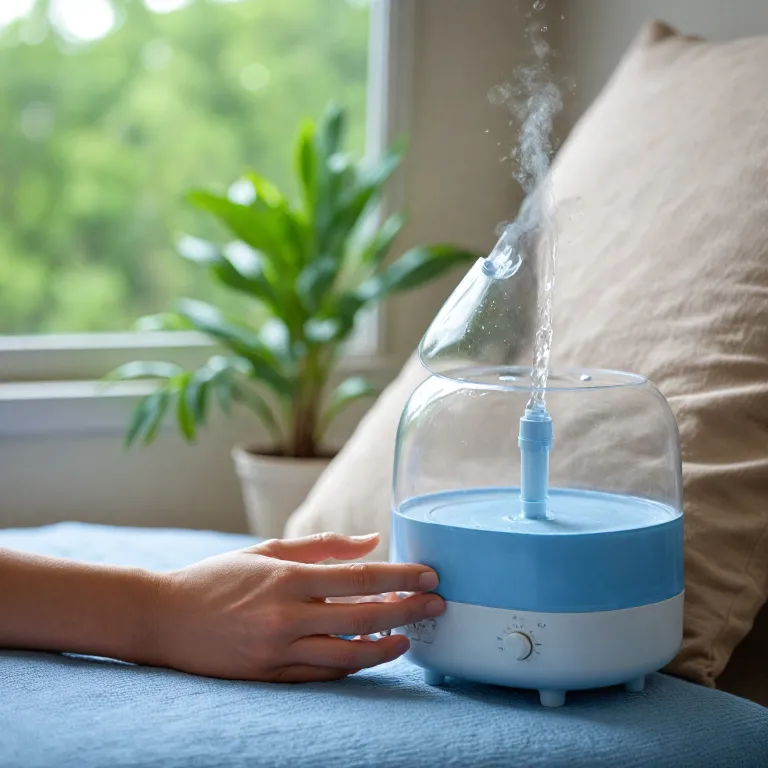
Why a humidifier bottle for oxygen concentrator matters for your lungs
A humidifier bottle for oxygen concentrator may look like a simple accessory, yet it plays a crucial role in daily respiratory comfort. When dry oxygen flows continuously through a tube and mask, it can irritate nasal passages, throat, and even the upper airways, especially for people using stationary oxygen for many hours. By adding a carefully controlled bubble of moisture to the oxygen stream, the humidifier bottle reduces dryness, supports mucous membrane health, and makes long term therapy more tolerable. In clinical practice, this small bottle is considered part of essential medical supplies rather than a decorative add on.
The basic design of a bubble humidifier is straightforward, but every detail matters for safety and performance. Oxygen from the concentrator enters the bottle through an adapter oxygen connector, passes down a diffuser, and exits as small bubbles rising through sterile or distilled water. As the bubbles travel, they pick up moisture before moving into the oxygen tubing and then to the nasal cannula, full face mask, or other interface. This controlled bubbling action explains why the device is often called a bubble humidifier in both home and hospital settings.
Patients and caregivers sometimes confuse a humidifier bottle with a regular water bottle, yet their functions are very different. The humidifier bottle is a regulated medical product with defined water capacity, pressure limits, and materials designed to withstand continuous oxygen flow. Using an improvised bottle oxygen setup or non medical container can compromise health care quality and increase infection risk. For anyone relying on portable oxygen or stationary oxygen, understanding this distinction is essential for safe long term therapy.
Key components of a concentrator humidifier system at home
A complete concentrator humidifier system includes more than just the humidifier bottle itself. At minimum, you need a compatible oxygen concentrator, a certified bubble humidifier bottle, appropriate oxygen tubing, and a patient interface such as a nasal cannula or full face mask. Each product in this chain must be designed for medical oxygen, because ordinary plastic bottles or generic tubing may not tolerate pressure or maintain cleanliness. When health is fragile, every weak link in the system can translate into real risk.
The water used inside humidifier bottles must always be sterile or distilled water, never tap water from the kitchen sink. Distilled water reduces mineral deposits, supports better hygiene, and helps the bubble humidifier maintain consistent performance over time. Many health care providers give patients a written list of instructions that explain how often to change the water, how to clean the bottle, and when to replace the entire set of medical supplies. Patients who carefully read and follow these guidelines usually report fewer problems with dryness, irritation, or infection.
Modern oxygen humidifiers are designed to work with both stationary oxygen concentrators and some portable oxygen devices, although compatibility varies by brand. Manufacturers such as Drive Medical and Salter Labs publish detailed charts that match each concentrator humidifier bottle to specific concentrator models and flow ranges. Before purchasing, it is wise to check the list price, confirm the recommended water capacity, and verify that the adapter oxygen fittings match your existing oxygen tubing. For readers interested in broader indoor air quality, a separate resource on the role of UV lamp light bulbs in air purifiers can help clarify how filtration and oxygen therapy complement each other.
How humidification changes the feel of oxygen therapy
People often notice the difference the first time they add a humidifier bottle for oxygen concentrator to their setup. Without a concentrator humidifier, high flow oxygen can feel harsh, leading to crusting, nosebleeds, and a burning sensation in the nasal passages. Once a bubble humidifier is installed and filled with distilled water, the oxygen feels softer and more natural, which encourages better adherence to prescribed therapy. This comfort benefit is especially important for long term users of stationary oxygen who may wear oxygen tubing for many hours each day.
Humidification also interacts with other respiratory devices, including CPAP machines used for sleep apnea. While a CPAP system has its own integrated humidifier, some patients use both CPAP and oxygen concentrator therapy, sometimes with a full face mask and additional oxygen tubing. In these cases, the health care team must coordinate the water capacity and humidifier settings across devices to avoid excessive condensation or dryness. A carefully planned product set that includes the right humidifier bottles, mask type, and tubing length can significantly improve overall health outcomes.
Visual cues help many patients manage their equipment more confidently, especially when an image on the packaging clearly shows how the bottle connects to the concentrator. Some manufacturers print a simple list of steps directly on the humidifier bottle, including fill lines for the water bottle section and warnings about maximum pressure. Users should regularly read these instructions, check for cracks in the bottle oxygen chamber, and inspect the bubble pattern while the concentrator runs. A steady stream of small bubbles indicates that the oxygen humidifiers and tubing are functioning correctly and that moisture is being added as intended.
Safety, hygiene, and maintenance of oxygen humidifiers
Safe use of a humidifier bottle for oxygen concentrator depends on strict hygiene and regular maintenance. Because warm, moist environments can support microbial growth, the water bottle chamber must be emptied, rinsed, and refilled with fresh distilled water according to the schedule recommended by your health care provider. Many clinicians advise daily water changes and weekly disinfection, although exact guidance may vary with local medical supplies protocols. Neglecting these routines can undermine the health benefits of oxygen therapy and introduce avoidable risks.
Cleaning instructions usually specify mild detergent, thorough rinsing, and complete air drying before reassembly of the bubble humidifier. Users should never top up old water or mix different water sources inside humidifier bottles, because this practice can concentrate contaminants. When cracks, discoloration, or stubborn deposits appear on the bottle oxygen surface, it is time to replace the product rather than attempt aggressive cleaning. Drive Medical, Salter Labs, and other manufacturers often publish a clear list of replacement intervals for each concentrator humidifier model.
Another safety consideration involves the pressure limits of oxygen humidifiers and the integrity of oxygen tubing connections. If the tubing becomes kinked or the adapter oxygen fitting loosens, the bubble pattern may change or stop entirely, signaling a problem with oxygen flow. Patients and caregivers should regularly read the flow meter on the oxygen concentrator, watch the bubble activity in the water bottle, and listen for unusual sounds. For those also concerned about airborne particles and allergens, an in depth test of an advanced MERV air filter shows how filtration and oxygen therapy can work together to support respiratory health.
Comparing products, list price, and customer reviews
Choosing the right humidifier bottle for oxygen concentrator involves more than selecting the lowest list price. Patients and caregivers should compare water capacity, pressure rating, connector type, and compatibility with their specific oxygen concentrator model. A well designed bubble humidifier that matches your stationary oxygen or portable oxygen device can justify a slightly higher price by offering better durability and fewer leaks. In respiratory care, value is measured in comfort, safety, and long term reliability rather than in short term savings alone.
Customer reviews provide practical insights that complement technical specifications from Drive Medical, Salter Labs, and other manufacturers. When you read these customer reviews, pay attention to comments about ease of cleaning, clarity of the fill line image, and how securely the adapter oxygen fittings attach to common oxygen tubing. Many reviewers also mention whether the humidifier bottles maintain a consistent bubble pattern at different flow rates, which directly affects perceived comfort. Over time, patterns in these reviews can help you build a personal list of trusted brands and product families.
Some retailers display rating stars next to each product, summarizing overall satisfaction at a glance. While these stars are helpful, they should not replace a careful read of the detailed feedback, especially for medical supplies that influence daily health. Look for mentions of CPAP compatibility, full face mask use, and performance with both portable oxygen and stationary oxygen concentrators. By combining objective data such as list price and water capacity with subjective experiences from customer reviews, you can make a more informed and confident choice.
Integrating humidifier bottles into broader respiratory care
A humidifier bottle for oxygen concentrator is only one element in a broader respiratory care strategy. Clinicians consider the patient’s underlying lung condition, oxygen flow requirements, and tolerance of interfaces such as nasal cannula or full face mask. They then select an appropriate concentrator humidifier, oxygen tubing length, and mask style to balance comfort with therapeutic effectiveness. This integrated approach recognizes that health outcomes depend on how well each product in the set works together.
For patients who also use CPAP therapy, coordination between oxygen humidifiers and CPAP humidifiers is essential. Excessive moisture can lead to condensation in the tube, while insufficient humidity can worsen dryness and discomfort. Health care teams may adjust the water capacity in each water bottle chamber, modify tubing routes, or change mask types to achieve a stable, comfortable environment. In some cases, they may recommend specific brands such as Drive Medical or Salter Labs because their medical supplies are known to interface reliably.
Education remains a cornerstone of safe oxygen therapy, especially when patients manage portable oxygen outside clinical settings. Clear written instructions, labeled images, and a concise list of maintenance steps help users remember when to change distilled water, how to inspect the bubble humidifier, and when to replace aging humidifier bottles. As patients gain confidence, they become more attentive to subtle changes in bubble patterns, tubing resistance, or mask comfort, allowing earlier intervention. Over time, this vigilance supports better respiratory health and a more stable quality of life.
Common questions about humidifier bottles for oxygen concentrators
Why is distilled water recommended for a humidifier bottle
Distilled water is recommended because it contains minimal minerals and impurities, which helps prevent deposits inside the humidifier bottle and oxygen tubing. Using distilled water also reduces the risk of bacterial growth compared with standing tap water, especially when combined with regular cleaning. Health care providers therefore list distilled water as the safest option for both stationary oxygen and portable oxygen humidification.
How often should I clean or replace my bubble humidifier
Cleaning frequency depends on local guidance, but many health care teams advise daily water changes and at least weekly disinfection of the bubble humidifier. The bottle oxygen chamber should be replaced according to the manufacturer’s instructions, which may range from several weeks to a few months of use. Always read the product insert and follow the list of maintenance steps provided with your medical supplies.
Can I use the same humidifier bottle for different oxygen concentrators
Some humidifier bottles are compatible with multiple oxygen concentrator models, while others require specific adapter oxygen fittings. Before switching, check the connector type, pressure rating, and recommended flow range in the product documentation. When in doubt, consult your health care provider or equipment supplier to confirm that the concentrator humidifier is safe for your particular setup.
Do I need a humidifier bottle if I use low flow oxygen
Not every patient on low flow oxygen requires a humidifier bottle, but many still benefit from added comfort. If you experience dryness, nosebleeds, or irritation while using oxygen tubing and a nasal cannula, discuss humidification with your clinician. They can evaluate your health status, review your current product set, and decide whether a bubble humidifier is appropriate.
Are humidifier bottles necessary when using CPAP with oxygen
When CPAP and oxygen concentrator therapies are combined, humidification must be carefully balanced. Some patients rely on the CPAP humidifier alone, while others need an additional concentrator humidifier to maintain comfort. Your health care team will assess mask type, water capacity, and overall respiratory health to design a safe and effective configuration.