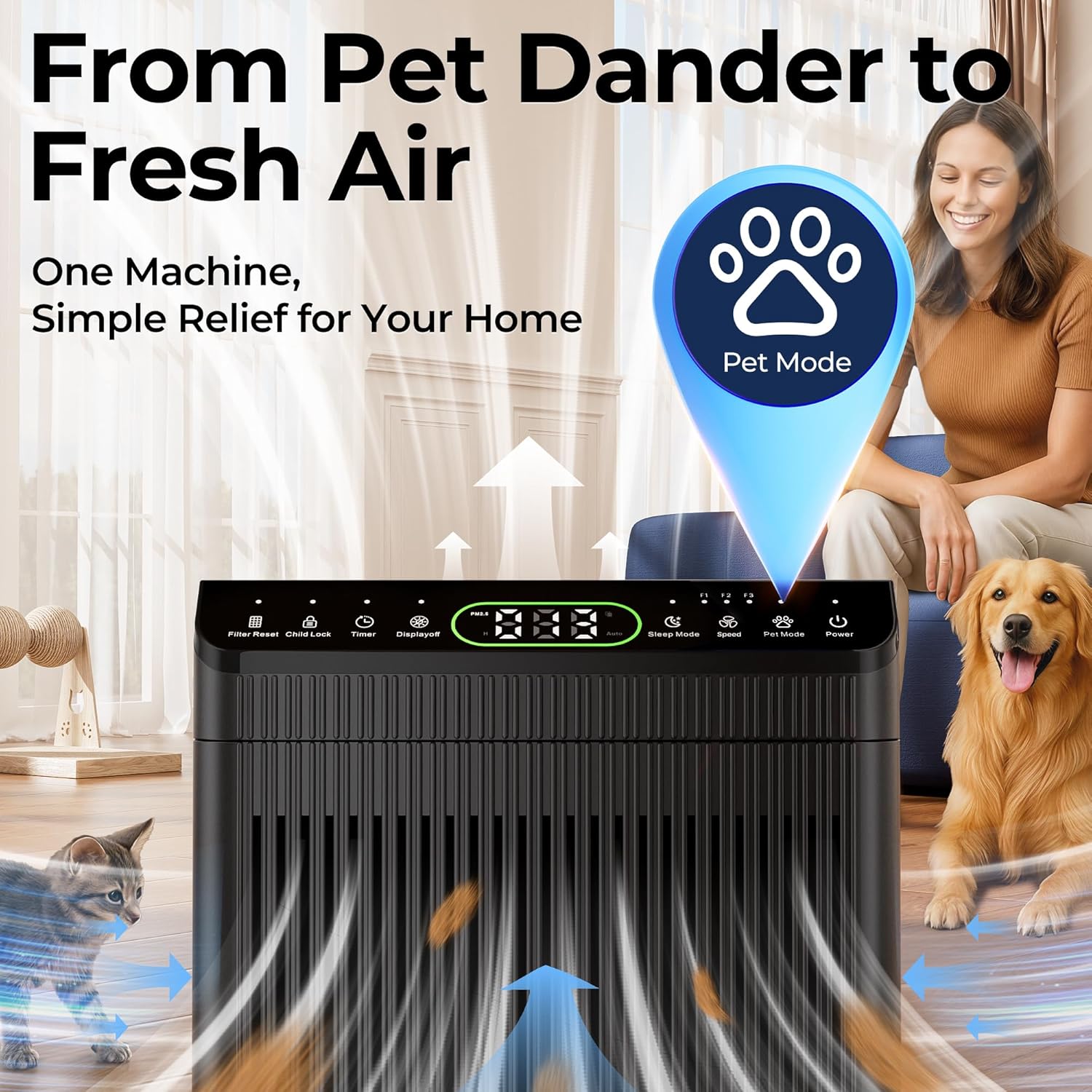
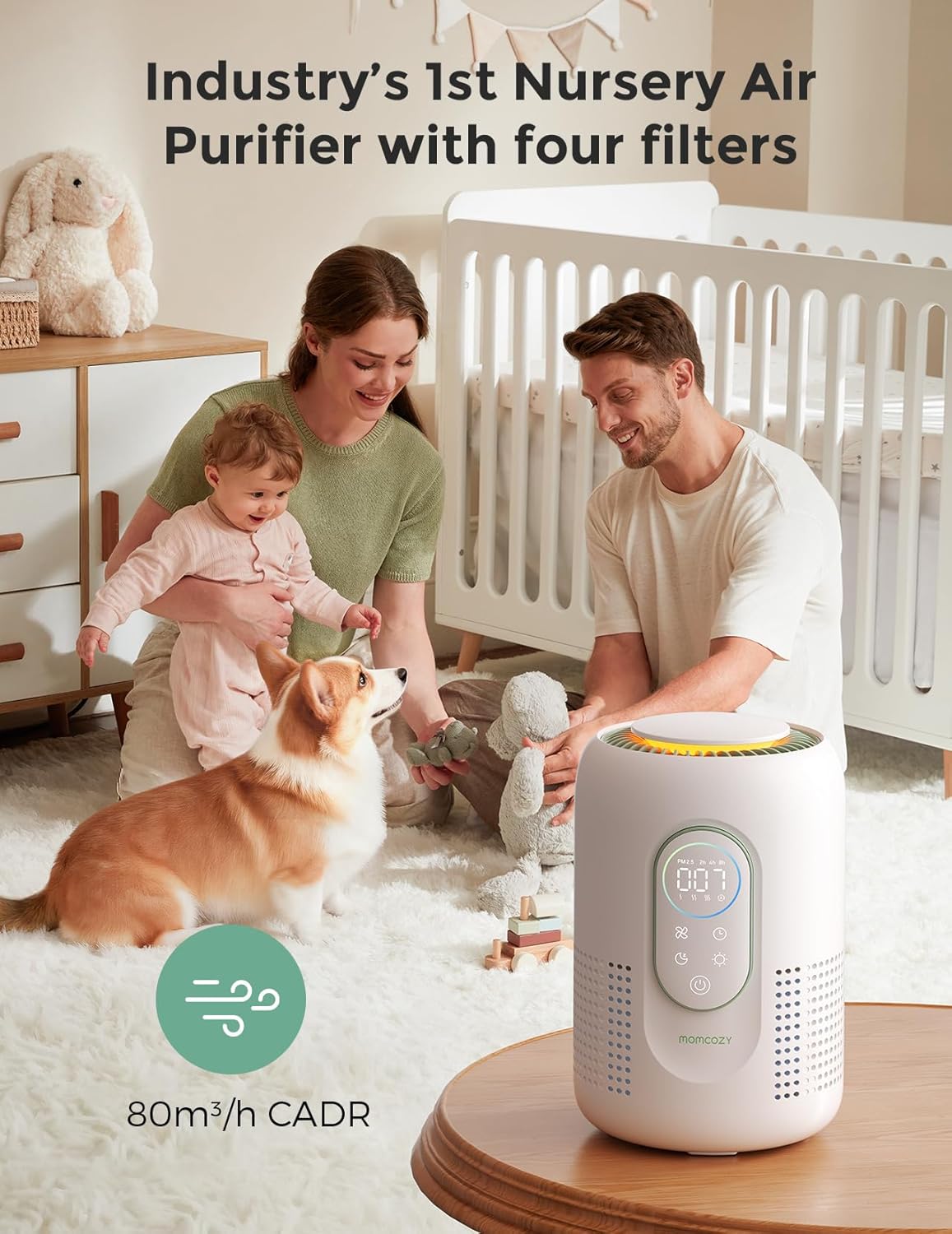
Key features that define the best air purifiers with air quality sensors
Several core features separate an average air purifier from the best air purifiers with air quality sensors. First, look for a true HEPA filter combined with a robust pre filter, because this pairing captures both larger particles and microscopic pollutants. A purifier that relies only on basic filters may show good air quality on its monitor while still leaving harmful particles in the room.
Next, examine the range of fan speed settings and how they interact with the quality sensor. In auto mode, the purifier should increase speed quickly when air quality worsens, then reduce speed once clean air is restored to minimize noise and energy use. A model that offers several fan speed levels gives you more control when you want extra quiet operation at night or rapid cleaning after cooking.
Noise is another critical factor, especially in a small room or bedroom where constant humming can disturb sleep. The best air purifiers balance noise level with performance, often using larger filters and optimized airflow paths to reduce turbulence. When comparing products on Amazon or in stores, check the decibel ratings at different fan speed settings, not just the lowest one.
Smart features also influence overall value, particularly for connected homes where the purifier works with voice assistants or apps. Some models, including popular air purifiers for pets and allergies described in this guide to top air purifiers for pet owners, integrate scheduling, filter life tracking, and remote quality monitoring. These capabilities help you maintain standard filter replacement intervals and ensure the quality monitor remains accurate over time.
How sensors, filters, and airflow work together to clean air
Inside every advanced air purifier, three elements must work together harmoniously. The quality sensor measures particles and sometimes gases, the filters capture contaminants, and the fan moves air through the system at the right speed. If any of these components underperforms, the overall air quality in the room will suffer.
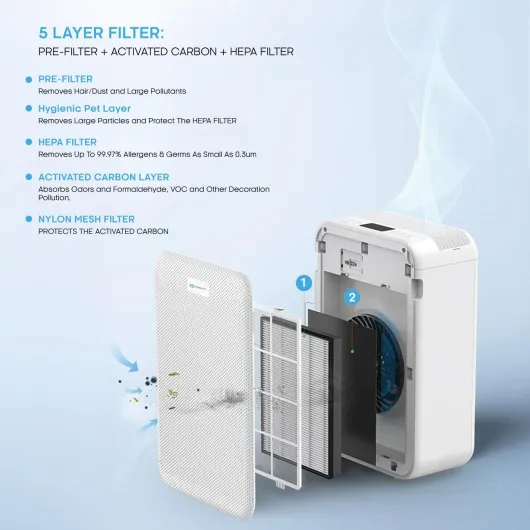
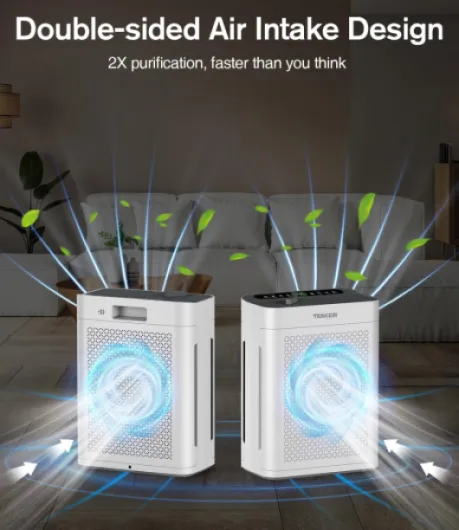
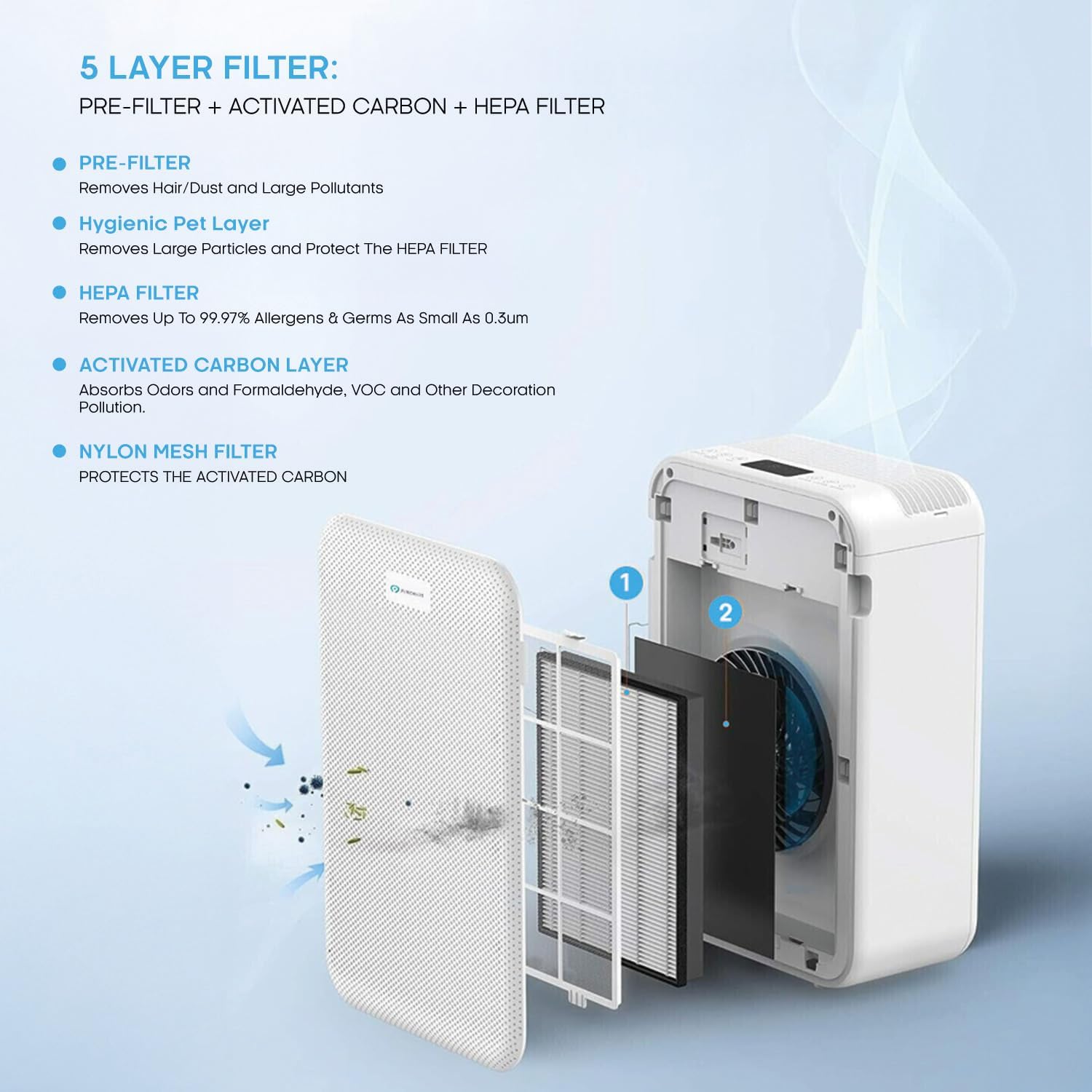
The pre filter is the first line of defense, trapping hair, dust, and larger particles before they reach the main hepa filter. This step protects the more delicate filters, extending their life and preserving energy efficiency by preventing airflow blockages. Behind it, the true HEPA filter captures fine particles such as pollen, smoke, and some bacteria, which is essential for maintaining consistently clean air.
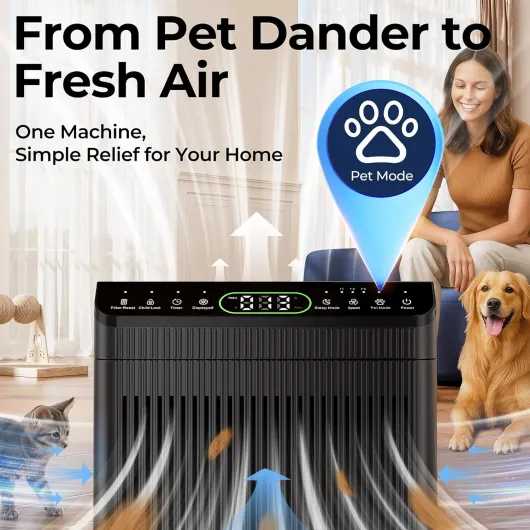
Air purifiers with a responsive quality monitor adjust fan speed based on sensor readings. When the quality sensor detects a rise in particles, the purifier increases airflow, pushing more air through the filters until the monitor shows improved air quality. This dynamic process is particularly valuable for allergy sufferers and pet owners, who can benefit from guidance such as this resource on finding the ideal air purifier for allergies and pets.
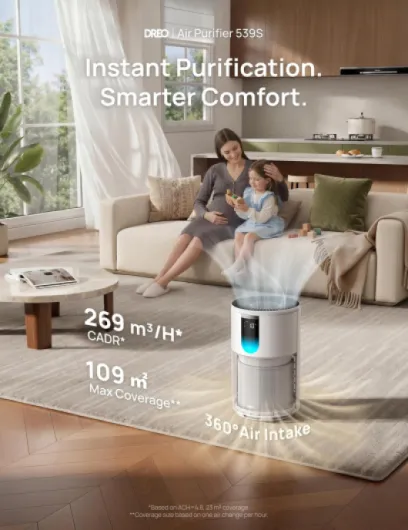
To evaluate how well a purifier handles airflow, examine its clean air delivery rate and recommended room size. A model designed for a large room will usually have a stronger fan and larger filters, which can maintain low noise levels at moderate speed. When comparing the best air purifiers with air quality sensors, consider how the purifier, filters, and quality monitor interact to maintain healthy air without excessive noise or energy use.
Comparing leading models like coway Airmega and Blue Pure
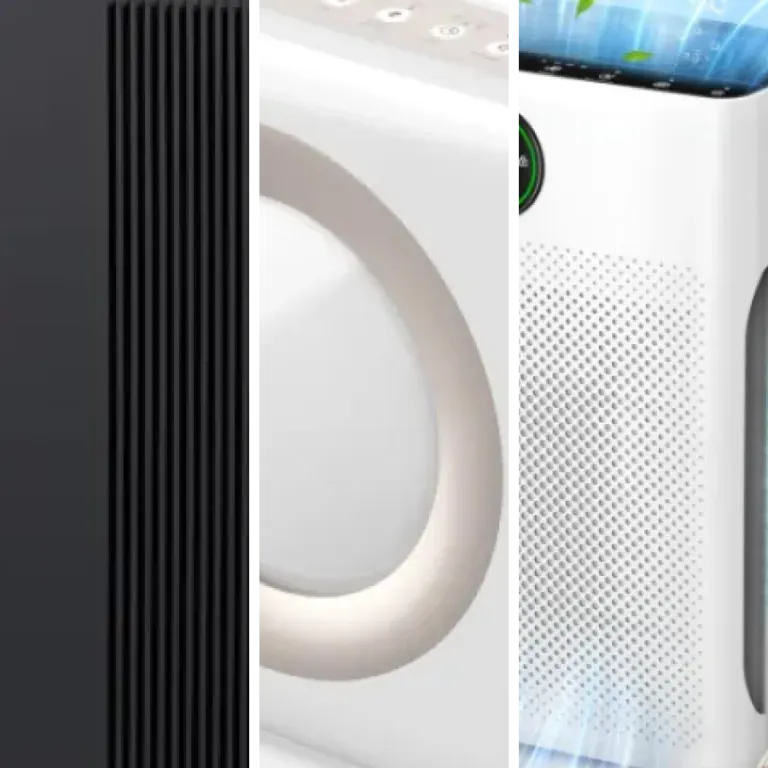
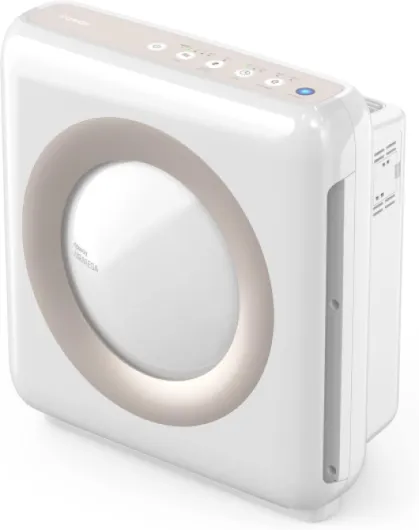
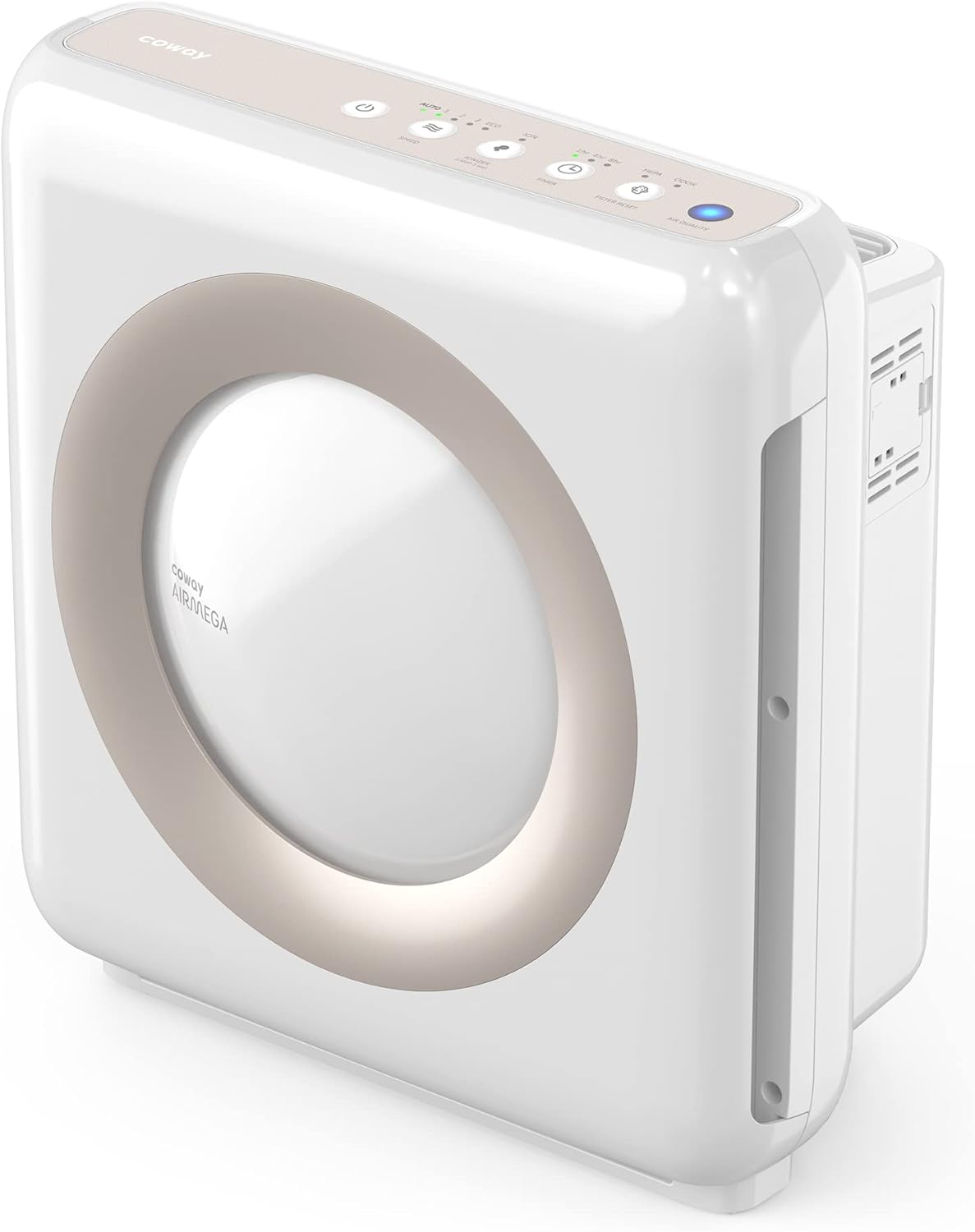
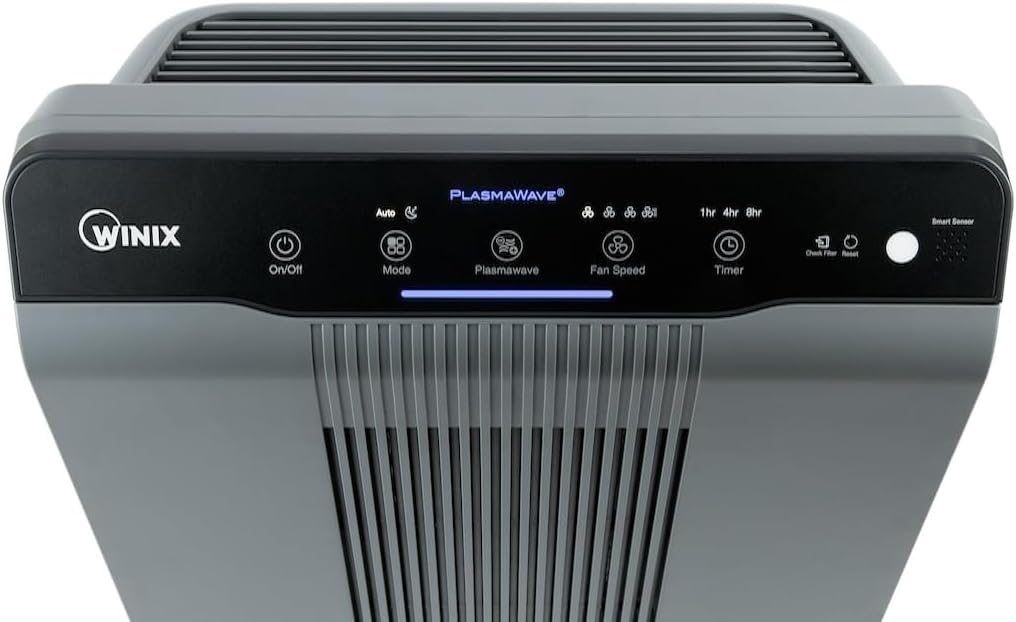
Among the best air purifiers with air quality sensors, certain models stand out for consistent performance. The coway Airmega series, for example, combines a powerful fan, multi stage filters, and a responsive quality sensor that continuously tracks particles. Its quality monitor uses a color coded ring to show current air quality, while auto mode adjusts fan speed to maintain clean air efficiently.
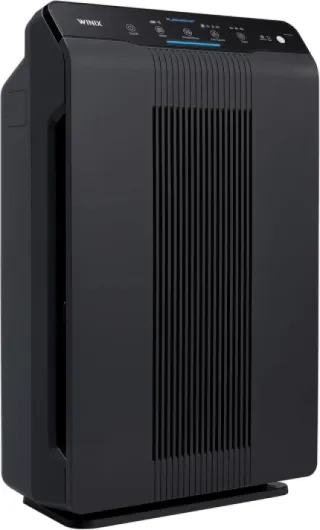
Blue Pure purifiers take a slightly different approach, emphasizing simple controls and large surface area filters. Many Blue Pure models use a combination of pre filter fabric and high efficiency filters to capture particles while keeping noise low at moderate speed. Although some versions rely more on airflow and filter size than complex electronics, newer Blue Pure units increasingly integrate a quality sensor and quality monitor for smarter operation.
When comparing coway Airmega and Blue Pure products on Amazon or in specialist shops, pay attention to dimensions inches and inches weight. Larger purifiers often handle a large room more effectively, but they require more floor space and may produce higher noise levels at maximum fan speed. Evaluating these physical details alongside price, energy efficiency, and filter replacement costs will help you choose the right purifier for your home.
Some premium models also carry a friendly certification from independent organizations that test air purifiers for safety and performance. These certifications, combined with transparent specifications for filters, particles removal, and noise level, support more informed decisions. For readers interested in whole home coverage, this guide to top whole room air purifiers explains how larger systems compare with compact units that focus on a single room.
Understanding specifications, price, and real world performance
Technical specifications can feel overwhelming, yet they are essential when choosing the best air purifiers with air quality sensors. Start by matching the purifier clean air delivery and recommended coverage to your room size, whether it is a small room office or a large room living area. A purifier that is too weak will run at high fan speed constantly, increasing noise and reducing filter life without achieving the desired air quality.
Next, examine the type and number of filters, including any pre filter and true HEPA filter stages. Multiple filters can capture a wider range of particles, but they also add to long term price through replacement costs. Check how often filters need changing, whether the quality monitor or app tracks filter life, and if replacement filters are easy to find on Amazon or through official channels.
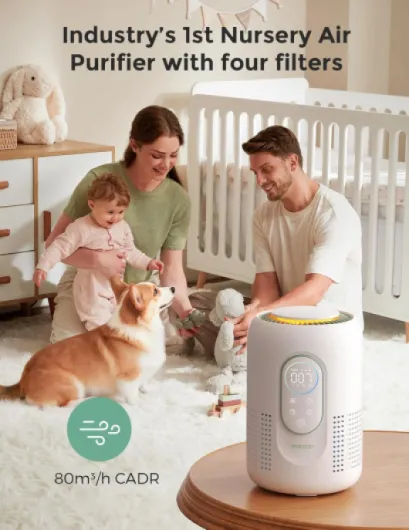
Noise level and energy efficiency are equally important for daily comfort and operating costs. Look for models that publish clear decibel ratings at each fan speed and carry energy saving certifications, which indicate lower power consumption during continuous use. A purifier that balances low noise with strong airflow will feel more comfortable in bedrooms, nurseries, and shared living spaces.
Finally, consider build quality, dimensions inches, and inches weight, because these factors influence placement and ease of moving the purifier between rooms. Some products, such as compact pure max style purifiers, prioritize portability and simple controls, while others focus on advanced features and robust quality sensors. By weighing specifications, price, and real world performance together, you can select an air purifier that truly works with your lifestyle and health priorities.
Practical tips for using and maintaining sensor equipped air purifiers
Owning one of the best air purifiers with air quality sensors is only the first step. To maintain consistently clean air, you must position the purifier correctly, use appropriate fan speed settings, and care for the filters. Place the air purifier where airflow is unobstructed, ideally away from walls and corners, so the quality sensor receives representative readings from the entire room.
Regular maintenance of the pre filter and main filters is crucial for both air quality and energy efficiency. Wash or vacuum the pre filter as recommended, because accumulated dust can restrict airflow and force the fan to run at higher speed. Replace the hepa filter and any additional filters on schedule, using the quality monitor or app reminders to avoid running the purifier with saturated media.
Noise management is another practical consideration, especially in bedrooms or home offices. Many air purifiers offer a sleep mode that reduces fan speed and dims the quality monitor lights, lowering noise level while still maintaining acceptable air quality. During the day, you can run the purifier at higher speed to clear particles quickly, then rely on auto mode or lower settings once the room reaches a healthy standard.
When evaluating different purifiers, remember that the best products combine thoughtful design, reliable quality sensors, and user friendly controls. Some models branded as pure max or similar emphasize straightforward operation, while others integrate advanced connectivity that works with smart home systems. Whatever you choose, consistent use and proper maintenance will ensure your air purifiers deliver the clean air performance promised on the box.
Deep dive: how air quality sensors change behavior and health awareness
One of the most powerful aspects of the best air purifiers with air quality sensors is their ability to change how people think about indoor air. A visible quality monitor that shifts color or displays numbers makes the invisible world of particles suddenly tangible. This feedback loop encourages users to adjust habits, such as opening windows less during heavy traffic or using the purifier at higher speed while cooking.
Over time, the constant presence of a responsive quality sensor can build a deeper understanding of how everyday actions affect air quality. Users notice that vacuuming without a HEPA filter, burning candles, or using certain cleaning products quickly worsens the readings. In response, many people adopt cleaner routines, rely more on their air purifiers, and pay closer attention to filter maintenance and noise level trade offs.
For families living in polluted cities or with respiratory conditions, this awareness can be particularly valuable. Seeing how quickly a purifier restores clean air after a pollution spike reinforces trust in the device and justifies the price of high quality filters and energy efficient models. It also highlights the importance of choosing air purifiers with accurate sensors, robust filters, and enough capacity for each room size.
Although models like coway Airmega, Blue Pure, and various pure max designs differ in features, they share a common goal of making indoor air quality more transparent. By combining smart monitoring, efficient filters, and manageable noise levels, these purifiers help users align daily behavior with long term health goals. In this way, air quality sensors transform purifiers from passive appliances into active partners in creating healthier homes.