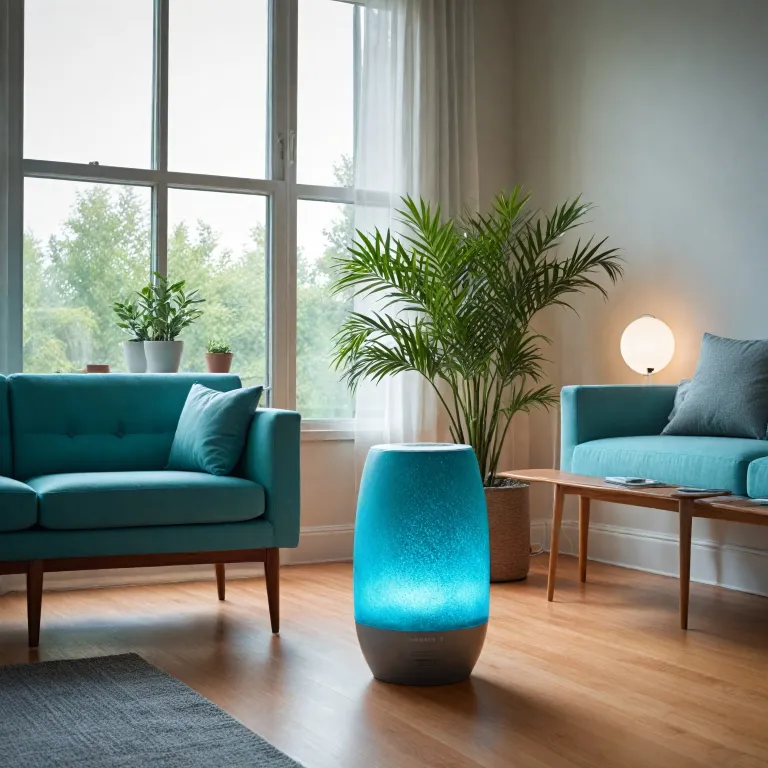
Understanding ozone air filtration and its promises
Ozone air filtration is often marketed as a fast way to clean air. Many air purifiers and ozone generators claim to remove particles, smoke, and odors from indoor air very quickly. Behind these promises, however, lies a complex interaction between ozone, particulate matter, and human health.
In a typical room, an air purifier relies on mechanical filters and sometimes activated carbon to trap particles and gases. When manufacturers add an ozone generator or systems that emit ozone, they change the filtration system from purely physical capture to chemical reactions in room air. These reactions can affect air quality in ways that are not always aligned with health standards or with what buyers expect at a given price.
Consumers searching on Amazon or in physical shops will see many air purifiers advertised as high performance devices. Some of these purifiers emphasize HEPA filters and clean air delivery, while others highlight ozone air features or high concentrations of ozone for disinfection. Understanding which air cleaners have been independently tested, and which simply emit ozone without robust data, is essential for protecting health in every room.
Experts generally recommend HEPA filters as the core of any serious air filtration system. True HEPA filters are designed to capture fine particles, including particulate matter such as dust, smoke, and mold spores. When combined with activated carbon and an appropriate fan speed setting, a HEPA based air purifier can improve indoor air without relying on ozone generators or risky concentrations ozone.
How ozone behaves in indoor air and why it matters
Ozone is a reactive gas that can interact with particles and surfaces in indoor air. In theory, ozone air technologies can break down certain pollutants, but they may also create new by products that are not captured by standard filters. This dual nature makes ozone generators controversial in the context of home air purifiers and room air cleaning.
When an ozone generator operates in a closed room, high concentrations can build up quickly. These high concentrations may exceed health standards, especially if the air purifier is used at maximum speed for long periods. Sensitive individuals can experience respiratory irritation even when the device has been marketed as a top solution for clean air and better air quality.
Unlike HEPA filters, which physically trap particles and particulate matter, ozone does not remove pollutants from the air in a straightforward way. Instead, it reacts with indoor air components, including smoke, volatile compounds, and even the materials of furniture. This is why many experts advise choosing air purifiers that rely on HEPA filters and activated carbon rather than devices that emit ozone as a primary mechanism.
Placement and airflow also influence how ozone air filtration behaves in a home. Ceiling vents, drafts, and the size of the room can all affect concentrations ozone around an air purifier. For a deeper look at how airflow interacts with filtration performance, you can read this analysis of how ceiling vents impact air purifier performance and why it matters for indoor air management.
Comparing ozone based devices with HEPA air purifiers
When comparing an ozone generator with a HEPA based air purifier, the first difference is how each handles particles. HEPA filters are engineered to capture particulate matter, including fine particles from smoke, dust, and mold spores, while ozone generators attempt to neutralize pollutants chemically. In practice, air purifiers that combine HEPA filters and activated carbon usually provide more predictable improvements in indoor air quality.
Many consumers look at price and marketing claims on Amazon or other retailers when choosing air purifiers. Ozone air filtration devices sometimes advertise low maintenance because they lack a traditional filter, but they may not have been rigorously tested for safety at different speed settings. By contrast, a well designed air purifier with HEPA filters, a sealed filtration system, and clear clean air delivery data offers transparent performance for each room size.
Some brands, such as Blue Pure models, focus on mechanical filtration with high airflow and large filters. These air purifiers do not emit ozone intentionally and instead rely on filter surface area and fan speed to clean room air. For households concerned about health standards, especially where children or people with asthma live, such purifiers are often preferable to ozone generators that can create high concentrations of ozone.
Performance also depends on where the air purifier is placed in the room. Poor placement can reduce the effective clean air flow, regardless of whether the device uses HEPA filters or ozone air technologies. Guidance on optimal placement of air purifiers high or low can help ensure that indoor air is filtered efficiently without relying on risky concentrations ozone.
Health impacts of ozone air filtration and regulatory standards
Health authorities have long warned that high concentrations of ozone can irritate the lungs. When an air purifier or ozone generator emits ozone into indoor air, it can undermine the very goal of improving air quality. This is especially concerning in small room air environments where ventilation is limited and particles already challenge respiratory health.
Regulatory health standards typically set limits on acceptable concentrations ozone for occupied spaces. However, not all ozone generators or ozone air filtration devices are tested under realistic indoor conditions. Some air purifiers may comply in laboratory settings but emit ozone at higher levels when used at top speed or in a different setting at home.
People with asthma, allergies, or chronic respiratory disease are particularly vulnerable to ozone exposure. For them, a HEPA based air purifier with robust filters and activated carbon is usually safer than any device that emit ozone as part of its filtration system. These purifiers can remove particles, smoke, and mold spores from indoor air without adding a reactive gas that might trigger symptoms.
Independent testing of air cleaners often focuses on particulate matter removal and clean air delivery rates. When evaluating products on Amazon or in shops, look for clear statements about whether the air purifier emits ozone and whether it has been tested against recognized health standards. Devices like Blue Pure models that emphasize mechanical filtration and avoid ozone generators tend to align better with current guidance on safe indoor air management.
Practical guidance for choosing safer air purifiers
Choosing an air purifier for a specific room starts with defining your main concern. If smoke, particulate matter, and mold spores are the primary issues, then HEPA filters and activated carbon should be at the center of your filtration system. Ozone air features or standalone ozone generators are rarely necessary for typical indoor air problems and can introduce avoidable health risks.
When comparing air purifiers, examine the filter design, the stated clean air delivery, and the recommended room air coverage. A quality air purifier will specify its HEPA filters, pre filter, and carbon filter, along with the fan speed settings needed to reach top performance. Pay attention to whether the device has been independently tested and whether it clearly states that it does not emit ozone at harmful concentrations.
Price is another factor, but it should be weighed against long term health and maintenance. Some low price ozone generators on Amazon may seem attractive, yet they often lack robust data on air quality improvements and may produce high concentrations of ozone. In contrast, a slightly higher price for a tested HEPA based air purifier, possibly from a brand like Blue Pure, can provide more reliable clean air for every room.
For households dealing with smoke or complex indoor air challenges, combining mechanical filtration with good ventilation and thoughtful placement is crucial. A detailed guide on how a smoke focused purifier transforms indoor air illustrates how filters, airflow, and room layout interact. This approach reduces reliance on ozone generators and supports healthier air quality without breaching health standards.
Optimizing room air, maintenance, and long term performance
Once you have selected an air purifier, proper use and maintenance determine how well it protects indoor air. Regularly replacing filters, including HEPA filters and activated carbon elements, ensures that particles and smoke continue to be captured effectively. Ignoring filter changes can reduce clean air delivery and allow particulate matter and mold spores to circulate in room air again.
Most air purifiers offer several speed settings to balance noise, energy use, and performance. Running the air purifier at a moderate to high speed during peak pollution periods, then lowering the setting at night, can maintain good air quality without excessive noise. Unlike ozone generators, which rely on high concentrations of ozone, HEPA based purifiers improve air quality through consistent airflow and filtration.
Monitoring air quality with simple sensors can help you understand how well your filtration system is working. If particulate matter levels remain high, you may need a larger air purifier, a different placement, or additional filters. Always verify that the device does not emit ozone beyond health standards, especially if you are tempted by multifunctional purifiers that combine ionization, ozone air features, and other technologies.
Over time, investing in a reliable air purifier with tested performance often yields better health outcomes than experimenting with unregulated ozone generators. Devices that prioritize HEPA filters, activated carbon, and strong mechanical design, such as some Blue Pure models, offer predictable reductions in particles and smoke. This strategy keeps indoor air cleaner while avoiding the risks associated with high concentrations of ozone in occupied rooms.
Questions people also ask about ozone air filtration
Is ozone air filtration safe for everyday use in homes ?
Ozone air filtration is generally not recommended for continuous use in occupied homes. Devices that emit ozone can create high concentrations that exceed health standards, especially in small rooms with limited ventilation. Safer options rely on HEPA filters and activated carbon to clean indoor air without adding reactive gases.
Do ozone generators remove particles like dust and smoke from indoor air ?
Ozone generators do not physically capture particles such as dust and smoke. Instead, they attempt to neutralize pollutants through chemical reactions in room air, which can create new by products. HEPA based air purifiers with proper filters are more effective for removing particulate matter and visible smoke.
How do HEPA filters compare with ozone air technologies for allergies ?
HEPA filters are usually superior to ozone air technologies for allergy relief. They trap airborne particles, including pollen, pet dander, and mold spores, which are common allergy triggers. Ozone generators do not reliably remove these particles and may irritate airways, worsening symptoms for sensitive individuals.
Can an air purifier that emit ozone meet current health standards ?
Some air purifiers that emit ozone may meet health standards under controlled test conditions. However, real homes vary in size, ventilation, and usage patterns, which can lead to higher concentrations ozone than expected. For this reason, many experts advise choosing air cleaners that do not intentionally emit ozone.
What should I look for when buying an air purifier on Amazon ?
When buying an air purifier on Amazon, focus on verified performance data and clear specifications. Look for HEPA filters, activated carbon, tested clean air delivery, and explicit statements that the device does not emit ozone at harmful levels. Avoid relying solely on price or marketing claims and prioritize models designed to meet recognized health standards for indoor air.