What the LA wildfire data shows about lingering indoor particles
Post wildfire indoor PM2.5 cleanup now looks very different after new Los Angeles data. A 2023 field study led by researchers at the University of California, Los Angeles (UCLA) and partner public health agencies monitored 40 occupied homes across multiple wildfire smoke episodes, using low-cost optical particle counters indoors and at nearby outdoor reference stations for several weeks before, during and after major fire plumes. The team, including authors such as S. E. Wong and colleagues in a 2023 Environmental Science & Technology paper on wildfire smoke infiltration in LA residences, found that indoor particulate matter, the fine particles known as PM2.5, stayed elevated long after the visible smoke plume moved on and outdoor air readings returned toward pre-fire conditions. For residents who thought closing windows and running small air cleaners indoors was enough, the numbers tell a harsher story.
During intense wildfire smoke events in LA, indoor air in monitored homes reached PM2.5 levels about 90 to 100 percent above each home’s pre-fire baseline while wildfires were actively burning, even when people tried to reduce smoke indoors with portable devices and closed windows. In the weeks that followed, the study reported average indoor air concentrations around 13 to 14 micrograms per cubic metre, roughly double the typical pre-fire indoor baseline of about 7 micrograms per cubic metre, with several houses showing an indoor to outdoor air ratio above one, meaning wildfire indoor pollution sometimes exceeded what was outside once the main plume had passed. For context, the U.S. EPA’s annual health-based guideline for fine particulate matter is 12 micrograms per cubic metre, so even modest-sounding numbers can represent a meaningful increase in long-term exposure. That pattern points to trapped particles, ash and residual particulate matter in indoor environments, slowly recirculating through HVAC systems and every air intake instead of leaving with the passing weather conditions.
Scientists highlight that these fine particles from wildfire smoke and fire smoke are small enough to reach deep into the cardiopulmonary system, raising long term health risks from repeated smoke exposure and chronic inhalation of PM2.5. Even when the sky looks clear post fire, residual smoke indoor pollution can persist in carpets, soft furnishings and inside the HVAC system, then be pushed back into a supposedly clean room whenever the fan runs or the system cycles on. For households in recurring wildfire hotspots, the message is blunt: post wildfire indoor PM2.5 cleanup must be planned as a multi week process, not a single day airing out once the wildfires are declared contained or the local Air Quality Index drops back into the “moderate” range.
Why a single portable purifier is underpowered after wildfires
The LA wildfire research also challenges marketing claims about air cleaners that promise rapid post wildfire indoor PM2.5 cleanup with one compact device. In real homes, even good HEPA air cleaners delivered only modest reductions of roughly 30 to 50 percent in PM2.5, far below the 80 percent or more often advertised for ideal laboratory conditions with sealed test chambers and controlled smoke injections. Those laboratory clean air delivery rate (CADR) tests assume uniform mixing, no new smoke entering and perfectly sealed rooms, while real homes have leaky envelopes, open doors and complex airflow patterns that dilute the apparent efficiency of any single unit.
When wildfire smoke and fine particles infiltrate indoors through cracks, vents and every air intake, a single purifier in the corner cannot capture all particles before they spread through the house and settle on surfaces. Many residents also run their HVAC systems on low fan settings or intermittent cycles, which recirculates particulate matter and ash through partially loaded filters, reducing overall efficiency and leaving smoke indoor hotspots in bedrooms, hallways or home offices that sit far from the device. In multi room homes, this underpowered setup means that post fire indoor air quality can remain poor for weeks, even while one clean room near the device looks acceptable on a consumer PM2.5 sensor or feels less smoky to occupants.
Experts now recommend treating the HVAC system and portable cleaners as a coordinated defence rather than relying on one gadget. That means upgrading the central HVAC filter to at least a high efficiency MERV 13 model where the system allows it, then using two or more portable air cleaners in the most occupied indoor environments during and after wildfires to boost effective air changes per hour. As a practical target, specialists suggest aiming for 4 to 6 air changes per hour in bedrooms and main living spaces, which for a 300 square foot room with an 8 foot ceiling means choosing HEPA units with a combined CADR of roughly 160 to 240 cubic feet per minute, often requiring two medium sized purifiers rather than one small unit. For residents following new smoke alert systems such as those described in detailed guidance on translating each AQI code into a purifier setting, matching purifier fan speed to outdoor air and wildfire smoke intensity becomes as important as choosing the right filter in the first place, especially when PM2.5 readings move from the “moderate” into the “unhealthy for sensitive groups” range.
A practical multi week protocol for post wildfire indoor PM2.5 cleanup
Public health analyses now estimate that effective indoor air purification could prevent tens of millions of disability adjusted life years linked to wildfire smoke, yet the LA data show that most homes still miss key steps in post wildfire indoor PM2.5 cleanup. The emerging protocol starts once the main fire is out and outdoor air quality has improved enough to open windows safely for a few hours without pushing indoor PM2.5 into the unhealthy range. Residents are urged to run forced ventilation for 24 to 48 hours, then switch focus to deep cleaning of surfaces, textiles and the entire HVAC system path to remove accumulated wildfire indoor residues. A simple checklist includes: verify indoor PM2.5 with a reliable sensor, ventilate when outdoor air is cleaner than indoors, run central fans on continuous mode with upgraded filters, operate portable purifiers on high in occupied rooms and schedule a professional inspection if levels stay high.
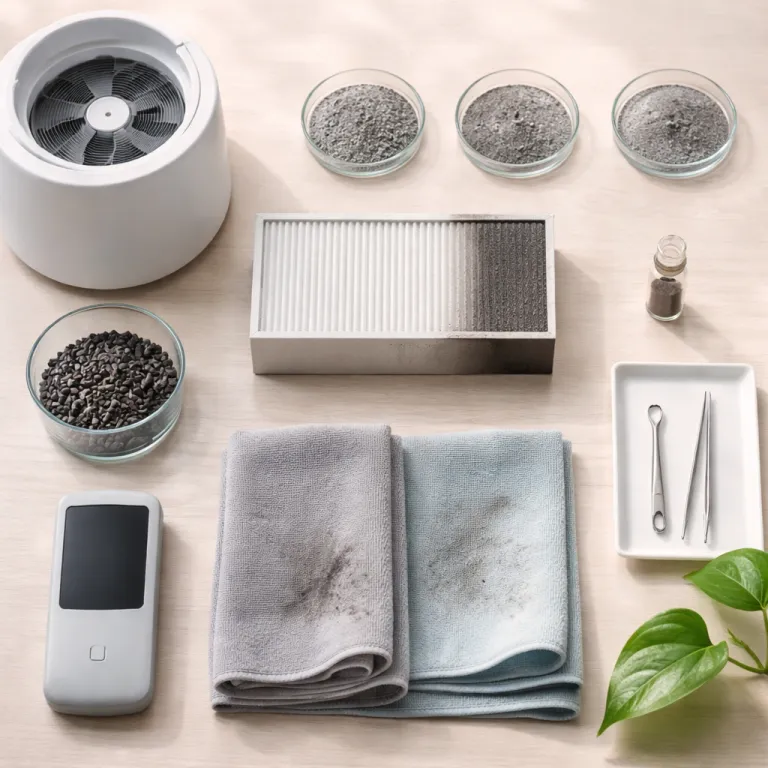
Wet wiping hard surfaces removes settled particles and ash more effectively than dry dusting, which can re suspend particulate matter and fine particles back into indoor air and undo earlier filtration gains. Washing curtains, bedding and soft furnishings helps reduce smoke exposure from embedded wildfire indoor residues that slowly off gas and shed particles indoors over time, particularly in rooms where windows or doors were opened during the fire. When indoor PM2.5 readings stay above about 12 micrograms per cubic metre for more than a week after the post fire phase, specialists advise calling a professional team to inspect ducts, HVAC systems and filters, because clogged filters, dirty coils and leaky return paths can quietly undermine overall air quality and keep indoor to outdoor ratios elevated.
For households on tight budgets, researchers highlight the Corsi Rosenthal box, a do it yourself cube built from several high efficiency filters and a box fan, as a temporary way to reduce smoke and improve indoor conditions during and after wildfires without purchasing multiple commercial units. These improvised air cleaners will not handle volatile organic compounds, so pairing them with a purifier that uses a thick activated carbon filter remains important for removing gases from fire smoke and wildfire smoke indoors and limiting odour. Readers who want sensor based guidance on when to change filters and how long to run cleaners can consult independent analyses of misleading filter replacement schedules, as well as detailed reporting on why indoor PM2.5 often stays elevated for weeks after wildfires and what a serious post wildfire indoor PM2.5 cleanup plan should include from the first clear day through the end of the multi week recovery period.