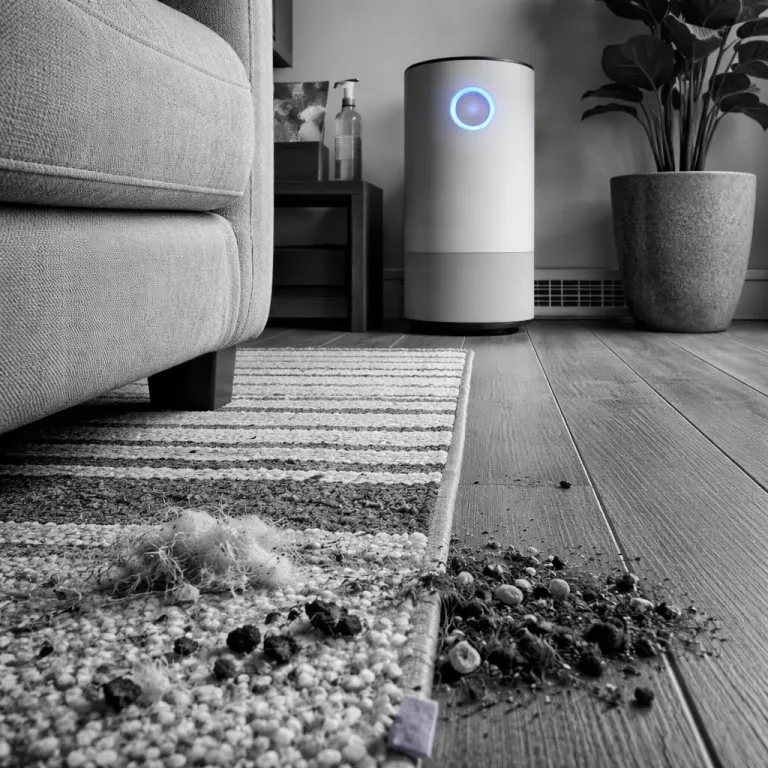

Why hidden indoor air pollutants at home matter for your baby
Most parents worry about traffic air pollution outside, not the invisible indoor air in a quiet nursery. Yet the hidden indoor air pollutants at home often create higher air pollution indoors than the outdoor air on a busy street, especially in a tightly sealed modern home. For a new parent, understanding these sources indoor and how to reduce them is one of the most effective health protections you can offer.
Indoor air quality, often shortened to IAQ, is shaped by building materials, cleaning products, cooking habits, and even the water you use for humidifiers. These indoor air pollutants include volatile organic compounds, microscopic dust, mold spores, biological pollutants such as bacteria, and gases like carbon monoxide or radon that have serious health effects over time. Because babies breathe more air per kilogram of body weight and sleep many hours in the same bedroom, their health risks from poor quality IAQ are higher than for most adults.
Hidden indoor air pollutants at home are especially tricky because they rarely smell strong or look dirty, so the air can seem clean while pollution levels are high. Dust and dust mites accumulate in soft materials such as carpets, mattresses, and curtains, then become airborne whenever you change the bed or walk across the floor. A practical strategy is to think of every room, especially the baby bedroom, as a small ecosystem where air pollutants, humidity levels, and ventilation all interact, and where simple changes can sharply reduce long term health risks.
Six overlooked sources of indoor air pollution in family homes
The hidden indoor air pollutants at home usually start with the building materials and furniture that shape your living space. Pressed wood furniture, laminate flooring, and some decorative fabrics can emit formaldehyde, a volatile organic compound classified as a human carcinogen, which slowly leaks into the indoor air for months. When you furnish a nursery with new wardrobes, shelving, and a changing table, these organic compounds can raise indoor air pollution even when the room smells pleasantly new.
Gas cooking adds another layer of air pollutants, especially nitrogen dioxide, which peaks during meal preparation and lingers indoors for hours. If your baby’s bedroom is near the kitchen, this indoor air pollution can drift through the home, combining with dust and biological pollutants such as mold spores from damp bathrooms. Using an exhaust fan that vents outdoor air, running it during and after cooking, and keeping a window slightly open can significantly reduce these health risks without major renovation work.
Other hidden sources indoor include scented cleaning products, candles, and incense, which release VOCs and fine particles smaller than 2.5 micrometres known as PM2.5. Microplastic fibers from synthetic carpets and textiles add to the dust load, while mold growth in bathrooms or HVAC systems thrives when humidity levels stay above about 60 percent. A detailed overview of these six hidden pollutants, including PM2.5 from candles and microplastics from textiles, is available in this guide to the six hidden pollutants in your living room, which explains why a room that looks clean can still contain surprisingly high levels of indoor air pollutants.
From formaldehyde to mold spores: what harms your child’s lungs
For a new parent, the most worrying hidden indoor air pollutants at home are the ones that quietly affect lung development and long term health. Formaldehyde from new furniture and certain building materials irritates the eyes and airways, while long exposure in indoor air is linked with increased cancer risk. Volatile organic compounds from cleaning products, air fresheners, and paints can trigger headaches, asthma symptoms, and other health effects even at relatively low air quality levels.
Biological pollutants such as mold, bacteria, and dust mites thrive in warm, damp areas indoors, especially bathrooms, kitchens, and poorly ventilated bedrooms. Mold growth often starts where water condenses on cold surfaces, then spreads through spores that float in the air and settle on soft materials in the baby bedroom. When humidity levels stay between about 40 and 50 percent, you reduce both mold growth and dust mites, which makes the indoor air cleaner and more comfortable for sensitive lungs.
Gases are another category of air pollutants that deserve attention in any family home. Carbon monoxide from faulty heaters or blocked flues can be deadly, while radon seeping through foundations increases lung cancer risk even in non smokers who avoid secondhand smoke. Outdoor air pollution from nearby traffic or wildfires can also infiltrate indoors, which is why regional air alerts about wildfire smoke, such as those used in Michigan, are a useful reminder to close windows, run filtration, and protect indoor air quality when outdoor air suddenly worsens.
How HEPA purifiers, ventilation, and cleaning work together
Once you understand the hidden indoor air pollutants at home, the next step is to build a simple, reliable defence system around your child. A high efficiency particulate air, or HEPA, purifier with an activated carbon filter can capture fine particles such as PM2.5, dust, and mold spores while also adsorbing many volatile organic compounds from cleaning products and cooking. This HEPA plus carbon combination directly addresses at least four of the six key pollutants in a typical home, especially particles, VOCs, and some combustion by products from gas cooking.
Ventilation is the second pillar of healthy indoor air quality, because fresh outdoor air dilutes indoor air pollutants that filters cannot fully remove. Using an exhaust fan in the bathroom and kitchen, and checking that it actually vents to outdoor air rather than recirculating indoors, helps remove moisture, VOCs, and combustion gases before they spread through the home. When outdoor air pollution is low, opening windows for short periods creates cross ventilation that improves quality IAQ without major energy loss.
Cleaning habits form the third pillar, because even the best purifier cannot compensate for heavy sources indoor such as constant burning candles or unchecked mold growth. Regularly vacuuming with a HEPA equipped vacuum, damp dusting hard surfaces, and washing bedding at high enough water temperatures all help reduce dust, dust mites, and biological pollutants in the bedroom. If you are choosing a new purifier, this detailed guide to selecting the right HEPA filter for your air purifier explains how different filter grades, carbon amounts, and clean air delivery rates affect real world air quality in a family home.
Room by room checklist for a safer nursery and living space
Turning knowledge about hidden indoor air pollutants at home into daily habits is easier when you think room by room. In the baby bedroom, focus on low emission materials, such as solid wood furniture with certified low formaldehyde content, and avoid strong scented cleaning products or air fresheners that release VOCs into the indoor air. Place a correctly sized HEPA and carbon purifier near the sleeping area, keep humidity levels moderate, and wash soft toys regularly to reduce dust and dust mites.
In the kitchen, treat gas cooking as a controllable source of indoor air pollution rather than an unavoidable fact of life. Always run the exhaust fan on a high setting while cooking, keep it running for at least fifteen minutes afterwards, and open a window when outdoor air quality is acceptable to dilute nitrogen dioxide and other air pollutants. If your range hood does not vent to outdoor air, consider upgrading to a ducted model or using a portable purifier near the stove to reduce exposure indoors during meal preparation.
Bathrooms and utility rooms often hide mold growth, asbestos in older building materials, and moisture problems that quietly damage IAQ. Fix water leaks quickly, squeegee shower walls, and run the exhaust fan long enough to dry surfaces, which reduces biological pollutants and protects both the building materials and your family’s health. In older homes where asbestos containing materials might be present, never sand or drill without professional advice, because disturbing these fibers can create serious long term health risks that no ordinary purifier can safely manage.
Monitoring, maintenance, and when to seek professional help
Because hidden indoor air pollutants at home are invisible, simple monitoring tools help you make smarter decisions without guesswork. A basic PM2.5 sensor shows how quickly a purifier cleans the indoor air after cooking or vacuuming, while a humidity meter alerts you before mold growth becomes visible on walls or window frames. Quality testing for radon and carbon monoxide, using certified detectors, adds another layer of protection against serious but silent health risks.
Regular maintenance keeps your defences against indoor air pollution working as intended, especially in a busy family home. Replace HEPA and carbon filters on schedule, clean pre filters to maintain airflow, and wash or replace humidifier components frequently to prevent biological pollutants from growing in standing water. When you notice persistent musty smells, visible mold, or unexplained respiratory health effects, it is wise to consult an indoor air quality professional who can identify sources indoor that simple cleaning and ventilation have not resolved.
For many families, the goal is not perfect air but consistently better air quality that supports everyday health. Combining a well chosen purifier, good ventilation, careful selection of low emission products, and regular cleaning will steadily reduce the burden of air pollutants indoors. Over time, these habits turn your home into a safer environment where your child can sleep, play, and grow with cleaner indoor air and fewer hidden threats.
FAQ: hidden indoor air pollutants at home
How can I tell if my indoor air quality is poor ?
Poor indoor air quality often shows through frequent headaches, irritated eyes, or worsening asthma symptoms, especially after cleaning or cooking. A PM2.5 sensor, humidity meter, and carbon monoxide alarm provide objective data about particles, moisture, and dangerous gases in the indoor air. If readings stay high or symptoms improve when you leave the home, your IAQ likely needs attention.
Are air purifiers safe to use in a baby’s bedroom ?
Yes, a HEPA purifier with an activated carbon filter and no ozone generation is generally safe and helpful in a baby bedroom. Choose a model sized correctly for the room, run it on a quiet setting, and place it away from the cot to avoid drafts. Regular filter changes ensure the purifier continues to reduce dust, mold spores, and other air pollutants effectively.
Do houseplants meaningfully improve indoor air quality ?
Houseplants can slightly absorb some volatile organic compounds, but their effect on overall indoor air pollution is usually small. Ventilation, filtration, and controlling sources indoor such as cleaning products or gas cooking have a much larger impact on IAQ. You can still enjoy plants for comfort and aesthetics, but do not rely on them as your main air quality strategy.
When should I worry about mold in my home ?
You should take mold seriously whenever you see visible spots, smell a persistent musty odour, or notice allergy symptoms that worsen indoors. Mold growth indicates excess moisture, so check for leaks, condensation, or poor ventilation in bathrooms, kitchens, and around windows. If the affected area is large or keeps returning, professional assessment and remediation are recommended.
Is it worth testing for radon and asbestos in a family home ?
Testing for radon is worthwhile in many regions because it is a leading cause of lung cancer among non smokers and cannot be detected by smell or sight. Asbestos testing matters mainly in older homes where original building materials may still be present and could be disturbed during renovation. In both cases, certified professionals can perform quality testing and advise on safe mitigation if levels are elevated.