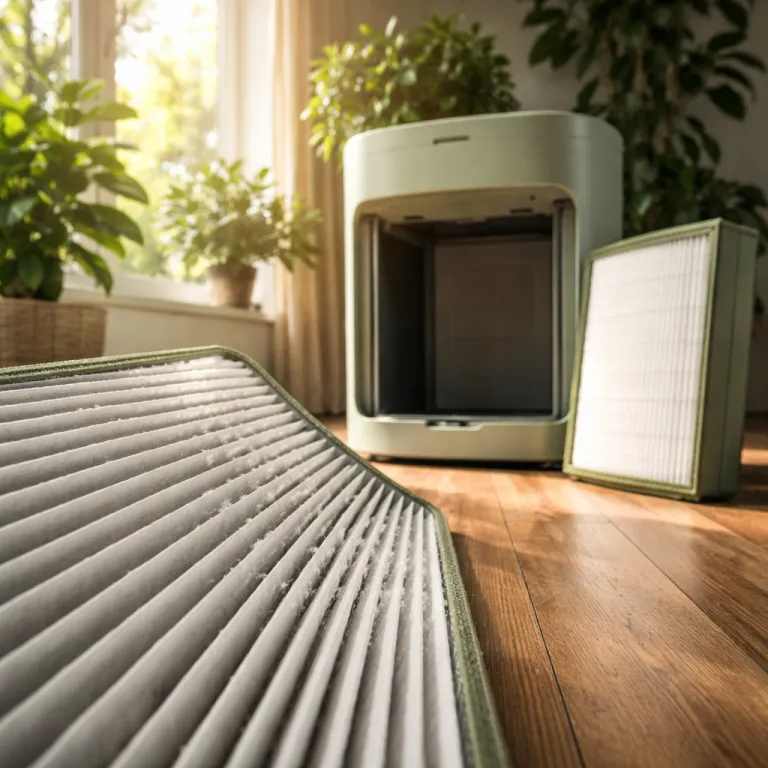

Why the right HEPA filter for your air purifier matters
A HEPA filter for air purifier systems is more than a technical accessory. It is a health tool that quietly protects lungs, sleep, and long term comfort. When you evaluate any air purifier, the quality of its purifier filter and the way it handles air flow should be your first concern.
A true HEPA filter captures at least 99.97 percent of particles measuring 0.3 micrometres, which includes fine dust, pet dander, and a large share of wildfire smoke aerosols. Many products use the word hepa loosely, so you must look for clearly certified performance data and not rely only on marketing language. Serious air purifiers combine HEPA filters with pre filters and activated carbon stages to manage both particles and gases in a balanced way.
In a small bedroom, a compact air purifier with a correctly sized hepa air filter can quietly reduce allergens and smoke odours within hours. Larger living rooms or open spaces usually require more powerful air purifiers, often with a thicker air filter and a higher clean air delivery rate. Matching the purifier hepa capacity to the room volume ensures that the air cleaner does not simply recirculate partially treated air.
Consumers often focus on the initial price of the product and overlook the long term cost of every replacement filter pack. A low cost air purifier with expensive purifier filters can become more costly than a premium product with affordable replacement air filters over several years. Evaluating the total cost of ownership, including each filter replacement and expected delivery fees, leads to a more rational purchase decision.
How HEPA technology works and why materials matter
Inside a HEPA filter for air purifier devices, the filtration material is a dense mat of randomly arranged fibres. These fibres trap particles through interception, impaction, and diffusion, which together allow the hepa filter to capture both larger dust and ultrafine aerosols. The quality and thickness of this material strongly influence resistance to airflow and overall air cleaner efficiency.
Most HEPA filters use glass microfibres or advanced synthetic materials that balance filtration performance with durability. When you compare one product to another, examine whether the manufacturer specifies the filter material and any certified testing standards. A certified hepa air filter gives more confidence than a generic filter that simply claims high efficiency without data.
Many modern air purifiers add activated carbon and sometimes hepa carbon composite layers to address odours and volatile organic compounds. These purifier filters are especially useful for households affected by smoke from cooking, traffic, or wildfire smoke events. However, carbon materials saturate over time, so a replacement filter schedule is essential to maintain real world performance.
Some brands, including Dyson air purifiers and other premium products, integrate multiple stages into a single replacement filter pack. This design simplifies filter replacement but can increase the price of each pack compared with separate pre filters and HEPA filters. Before you purchase any air purifier, review the recommended filter replacement interval and compare it with your expected air quality challenges and usage patterns.
To better understand how filtration performance translates into cleaner indoor air, it helps to follow objective measurements from an air quality monitor; a detailed guide is available on how to interpret readings from an air quality monitor. Linking the behaviour of your purifier filter to real time particle levels allows you to judge whether your current filters and materials are adequate. Over time, this data driven approach supports more informed choices about products, replacement air filters, and overall room coverage.
Choosing between different HEPA filters, packs, and certified products
When selecting a HEPA filter for air purifier use, you face a crowded market of products and claims. Some filters are sold as a single replacement filter, while others come as a multi piece filter pack with pre filters and carbon layers. Understanding these formats helps you avoid overpaying for materials you may not need in every situation.
For allergy sufferers, a high quality hepa filter with robust particle capture is usually the priority, while activated carbon becomes more important for smoke or chemical odours. Many air purifiers, including Dyson purifiers and other premium air cleaner models, combine HEPA filters and carbon in one certified cartridge. In such designs, every filter replacement renews both particle and gas filtration, which simplifies maintenance but can raise the price per pack.
Online platforms such as Amazon list a vast range of purifier filters and replacement air products, but not all are equal. Look for clearly certified HEPA filters that match your specific air purifier model, and avoid generic filters that only approximate the dimensions. A non certified replacement filter may fit physically yet fail to deliver the same air quality performance as the original product.
Room size also influences whether you should choose a single large air purifier or several small air purifiers with individual hepa filters. Multiple small units can target bedrooms and workspaces more precisely, especially where pet dander or localised smoke is a concern. However, each additional purifier hepa cartridge adds to your ongoing filter replacement costs and delivery logistics.
To evaluate long term value, compare not only the purchase price but also the expected lifespan of each air filter and the cost of every filter pack. Independent guidance on sizing and selecting filters, including larger 20x20x5 formats, can be found in resources such as this overview of understanding an advanced air quality monitor. By combining certified specifications, real room needs, and transparent product data, you can align your choice of purifier filters with both budget and health priorities.
Managing smoke, pet dander, and wildfire pollution with HEPA air purifiers
A HEPA filter for air purifier systems becomes especially valuable when indoor air is affected by smoke, pet dander, or wildfire smoke. Fine particles from these sources penetrate deep into the lungs and can aggravate asthma, allergies, and cardiovascular conditions. A well designed air purifier with a strong hepa air filter and effective pre filters can significantly reduce these risks in daily life.
During wildfire smoke episodes, experts recommend running air purifiers continuously on higher settings in the rooms where you spend the most time. In such conditions, the hepa filter and activated carbon layers load quickly, so you may need a more frequent filter replacement schedule. Monitoring visible dust on pre filters and tracking air quality readings helps you decide when a replacement air filter or full filter pack is necessary.
Households with pets face a different but equally persistent challenge, as pet dander and hair constantly enter the air. A small air purifier placed near sleeping areas or litter boxes can capture much of this material before it spreads through the home. Over time, this reduces allergens on surfaces and supports more stable indoor air quality for sensitive occupants.
Smoke from cooking, candles, or nearby traffic also benefits from targeted filtration using purifier hepa cartridges combined with hepa carbon or separate activated carbon filters. Some products, including Dyson air purifiers and other advanced air cleaner designs, use sensors to adjust fan speed automatically when smoke levels rise. Even with smart features, you still need to plan for regular purifier filter replacement and timely delivery of new filters to maintain performance.
For larger homes, combining central ventilation with portable air purifiers and certified HEPA filters can create layered protection. Guidance on choosing the right filter dimensions and materials, including options like a 20x20x5 air filter for your air purifier, is available in specialised resources such as this article on choosing the right 20x20x5 air filters for your air purifier. This integrated approach ensures that both localised smoke sources and regional wildfire smoke are addressed with appropriate products and replacement strategies.
Understanding costs, replacement schedules, and buying HEPA filters online
Owning an air purifier with a HEPA filter for air purifier use involves ongoing costs that extend beyond the initial purchase. Each purifier filter has a finite lifespan, influenced by air quality, fan speed, and total operating hours. Planning a realistic filter replacement schedule prevents performance from quietly degrading while the device still appears to function.
Manufacturers usually recommend replacing HEPA filters every six to twelve months, but heavy smoke, pet dander, or urban pollution can shorten this interval. Pre filters capture larger materials and protect the main hepa filter, so cleaning or replacing these pre filters on time can extend the life of the primary air filter. Activated carbon and hepa carbon layers that handle odours and gases often saturate faster than the particle filter, especially in homes affected by wildfire smoke or frequent cooking.
When buying replacement filter packs online, platforms such as Amazon offer convenience, competitive price options, and fast delivery. However, you must verify that each replacement filter is a certified match for your specific air purifier model, including Dyson purifiers and other branded air purifiers. Reading product details carefully helps you avoid incompatible products that might fit but compromise air quality or strain the fan motor.
Some brands sell official filter packs directly, while third party manufacturers offer alternative purifier filters at a lower price. These alternative products can be attractive, but they may use different materials or thinner HEPA filters that reduce overall purifier hepa performance. Checking independent tests or user reviews focused on air cleaner effectiveness, rather than only on cost, provides a more balanced view.
To manage expenses, calculate the annual cost of all expected filter replacement items, including HEPA filters, pre filters, and any activated carbon cartridges. Dividing this total by twelve gives a realistic monthly cost of ownership for your air purifier, which you can compare across products before you purchase. This disciplined approach ensures that the long term economics of replacement air filters align with your health goals and household budget.
Practical tips for installation, maintenance, and monitoring air quality
Installing a HEPA filter for air purifier devices correctly is essential for achieving the promised performance. Always power off and unplug the air purifier before opening the housing, then check that the purifier filter arrows align with the airflow direction. A misaligned hepa filter or loosely seated air filter can allow unfiltered air to bypass the materials entirely.
After each filter replacement, reset any filter change indicators according to the product manual so that future alerts remain accurate. Regularly inspect pre filters for visible dust, hair, and pet dander, cleaning or replacing them as recommended to protect the main HEPA filters. In homes exposed to wildfire smoke or heavy urban pollution, these simple steps can significantly extend the useful life of each filter pack.
Placement of air purifiers also influences how effectively the purifier hepa system cleans the room. Avoid pushing the air cleaner into tight corners or behind large furniture, because restricted airflow reduces the volume of air passing through the filters. A small clearance around the device allows the hepa air filter and activated carbon layers to work at their full capacity.
To verify that your efforts are paying off, use an air quality monitor to track particle and gas levels before and after filter changes. Detailed guidance on interpreting these readings is available in specialised resources, which help you connect objective data with subjective comfort. Over time, this monitoring allows you to fine tune replacement air schedules, adjust fan speeds, and evaluate whether your current products and materials remain adequate.
When purchasing new purifier filters or a complete replacement filter pack, keep a record of model numbers, certified ratings, and purchase dates. This simple documentation helps you compare different products, track price changes, and plan delivery in advance so that you never run a purifier with an exhausted hepa filter. By combining careful installation, routine maintenance, and data driven monitoring, you maintain the full protective potential of your air purifiers throughout their service life.
Key statistics about HEPA filters and indoor air purification
Reliable quantitative data on HEPA filters, air purifiers, and indoor air quality is essential for informed decisions. Although specific statistics vary by region and study, several consistent findings highlight the importance of effective filtration. The following points summarise widely reported trends and performance benchmarks.
- True HEPA filters are typically rated to capture at least 99.97 percent of particles with a diameter of 0.3 micrometres, a size considered among the most penetrating for mechanical filters.
- Portable air purifiers equipped with certified HEPA filters can reduce indoor concentrations of fine particulate matter (PM2.5) by 50 to 80 percent in properly sized rooms when operated continuously on appropriate fan settings.
- During severe wildfire smoke events, indoor PM2.5 levels in homes without air cleaners have been measured at several times higher than recommended health guidelines, while homes using HEPA based air purifiers often maintain levels closer to or below these guidelines.
- Studies in households with pets have shown that HEPA equipped air purifiers can significantly lower airborne allergen concentrations, which is associated with fewer reported respiratory symptoms among sensitive occupants.
- Filter replacement intervals recommended by manufacturers are usually based on an assumed daily operating time and average pollution load, meaning that heavy smoke or urban pollution can shorten effective HEPA filter life by several months.
Frequently asked questions about HEPA filters for air purifiers
How often should I replace a HEPA filter in my air purifier ?
Most manufacturers suggest replacing a HEPA filter every six to twelve months, depending on usage and air quality. Homes exposed to wildfire smoke, heavy traffic pollution, or high levels of pet dander may require more frequent filter replacement. Monitoring air quality and inspecting pre filters for heavy loading can help you adjust the schedule realistically.
Are third party replacement filters as effective as original manufacturer filters ?
Some third party purifier filters perform well, but effectiveness varies widely between products and brands. Always check that the replacement filter is certified for your specific air purifier model and that it lists clear performance data. When in doubt, original manufacturer HEPA filters usually offer more predictable air cleaner performance and warranty compatibility.
Do I need activated carbon in addition to a HEPA filter ?
A HEPA filter captures particles such as dust, smoke, and pet dander, but it does not remove most gases or odours. Activated carbon or hepa carbon layers are recommended if you face cooking smells, traffic fumes, or wildfire smoke odours. Many modern air purifiers combine HEPA filters and carbon in a single filter pack for convenience.
Can a small air purifier with a HEPA filter clean a large room ?
A small air purifier can improve air quality locally, but it may not fully clean a large room or open plan space. For best results, match the clean air delivery rate of the purifier hepa system to the room volume specified by the manufacturer. In larger homes, using multiple air purifiers or a combination of central filtration and portable units often provides more uniform coverage.
How can I tell if my HEPA filter is still working effectively ?
Visible dust on pre filters and a reduction in airflow can indicate that a HEPA filter is approaching the end of its useful life. Using an air quality monitor before and after filter replacement provides objective evidence of changes in particle levels. If air quality does not improve after installing a new certified HEPA filter, you may need to reassess room size, purifier placement, or the suitability of the product itself.