Key technologies behind the best smart air purifiers
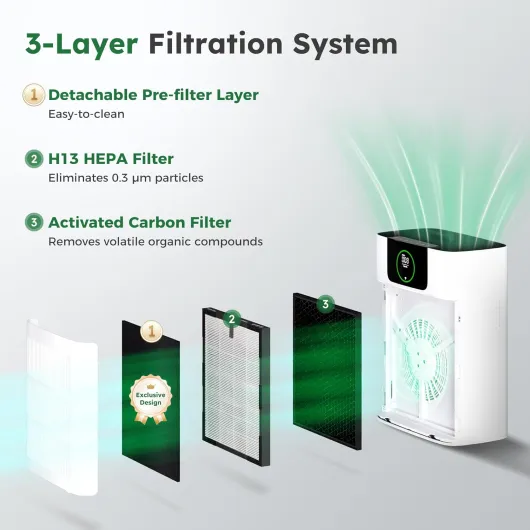
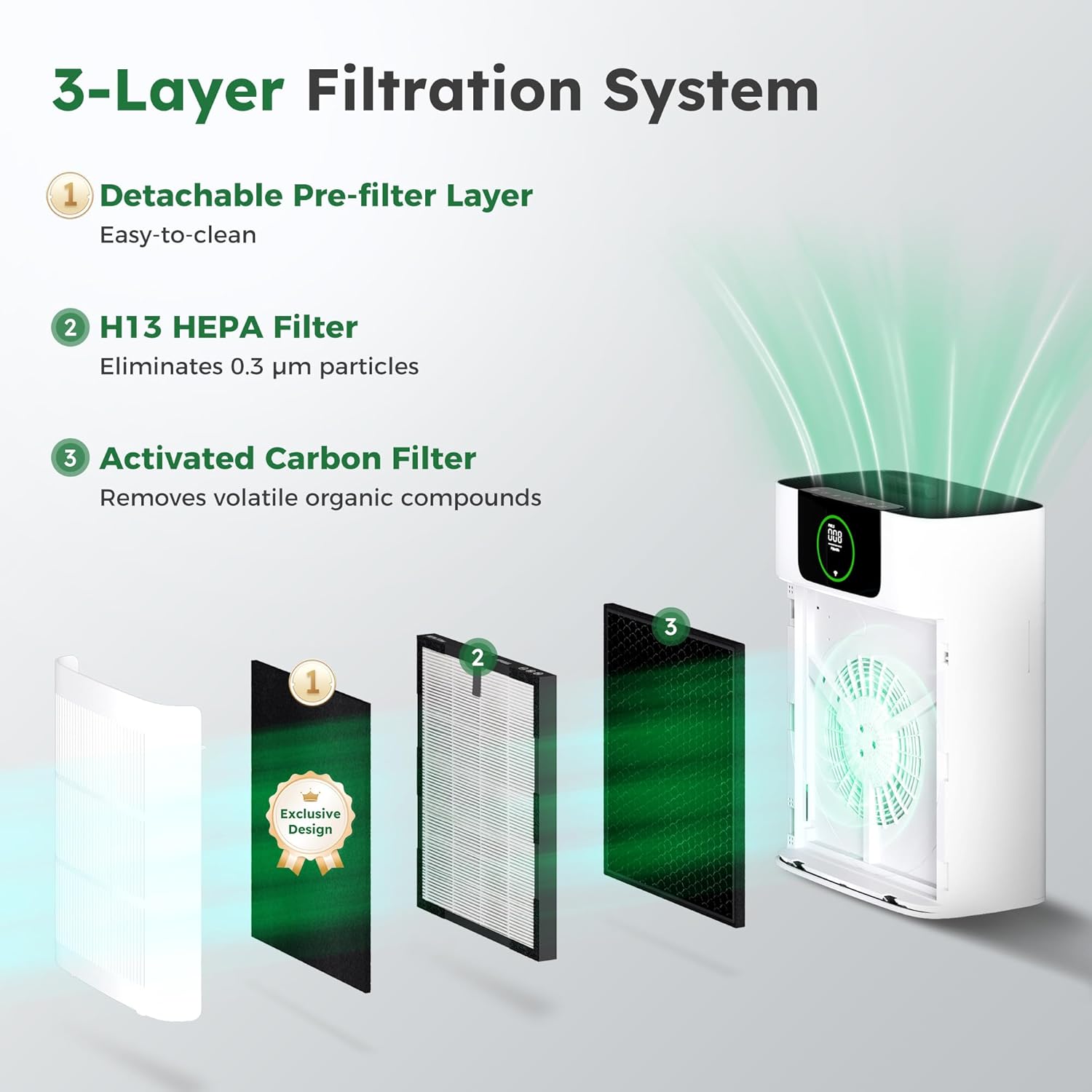
Behind every effective smart air purifier is a filtration system built around a true HEPA filter. This type of filter captures at least 99,97 percent of fine particle pollution, which is essential for meaningful particle removal in allergy prone homes. When combined with a thick layer of activated carbon, the purifier can also reduce certain gases and odours, improving perceived air quality significantly.
Many of the best air purifiers with app control, including premium models like Coway Airmega and Levoit Vital series, use multiple filters in sequence. Air first passes through a pre filter that catches hair and dust, then through the HEPA filter for fine particles, and finally through activated carbon for gases. This staged approach protects the main filter, maintains performance, and supports better energy efficiency over time.
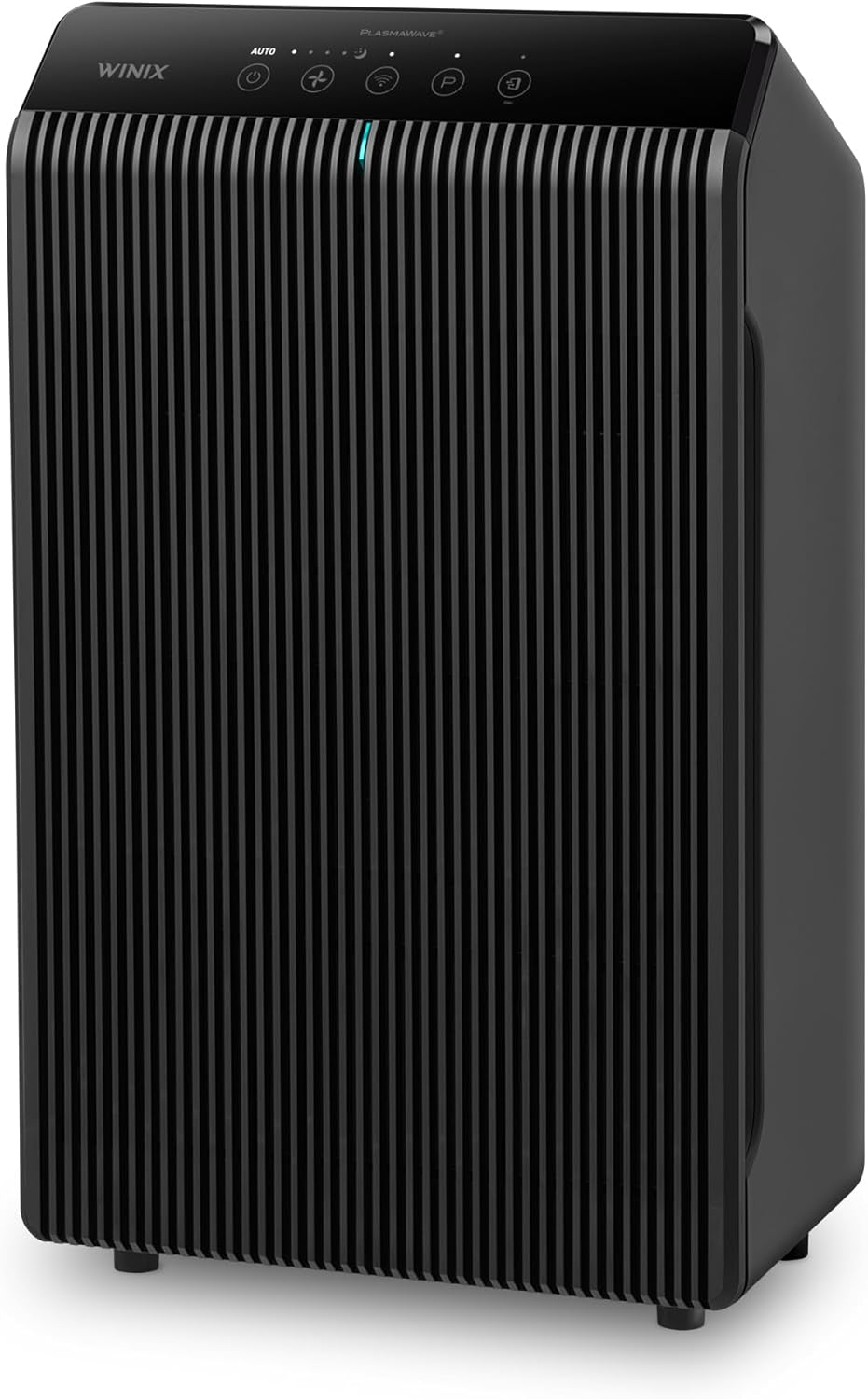
Smart air purifiers rely on a quality sensor to guide auto mode and app insights. Optical particle sensors estimate particle concentration, while some advanced purifiers tested in laboratories also include gas sensors for volatile compounds. The app then translates this testing data into simple colour codes or numerical air quality indexes, helping users understand when the fan should run at higher speed.
Connectivity is another pillar of the best smart designs, especially when a purifier works with Alexa or Google Assistant. Voice commands can complement app control, while integrations with other smart air devices allow automation based on real time air quality. For readers comparing multifunction devices, this detailed test of a Dyson fan and air purifier shows how combined fan, purifier, and humidifier performance can vary by mode and room size.
How to match purifier performance to your room size
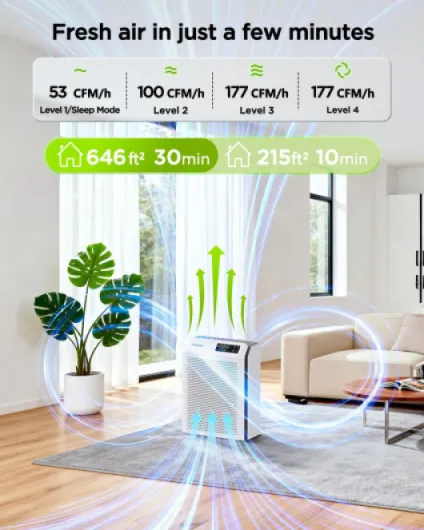
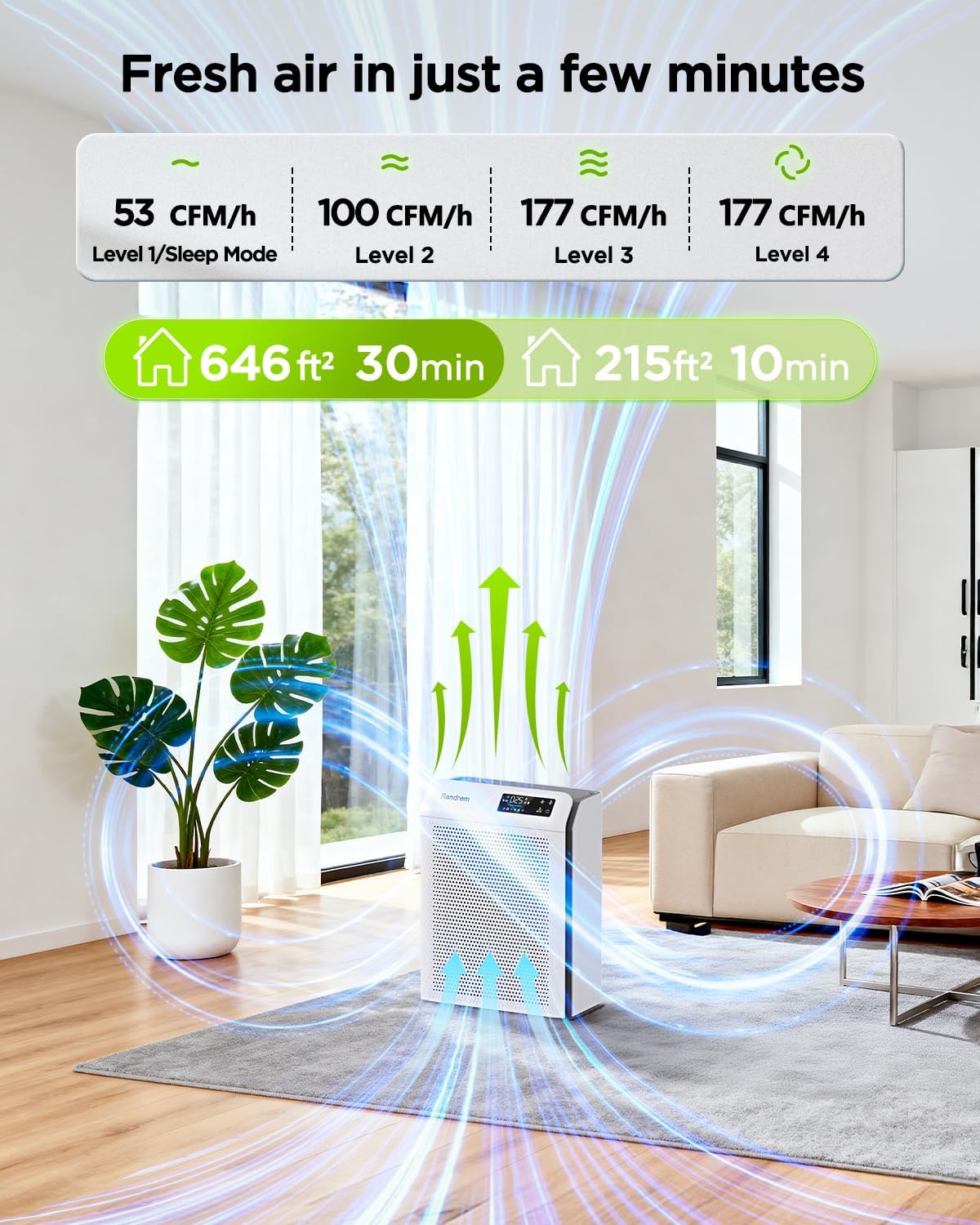
Choosing the best air purifiers with app control starts with matching cadr cfm to your room size. Clean air delivery rate, or CADR, indicates how much clean air a purifier can produce each minute, which directly affects how quickly particle levels drop. For a bedroom or living room, experts often recommend at least four to five air changes per hour to maintain healthy air quality.
To translate this into practice, measure the length, width, and height of your room, then calculate the volume in cubic metres. A smart air purifier with sufficient cadr cfm can cycle this volume several times per hour, and the app will show how quickly particle removal occurs after you start the fan. When comparing air purifiers, look for models that clearly state tested coverage areas and purifiers tested in independent laboratories.
Noise level is another critical factor, especially for night use in smaller rooms. Many of the best smart air purifiers offer a quiet sleep mode with reduced fan speed, while still maintaining enough performance for clean air overnight. App control lets you schedule higher speed before bedtime, then switch to low speed or auto mode while you sleep to balance comfort and energy efficiency.
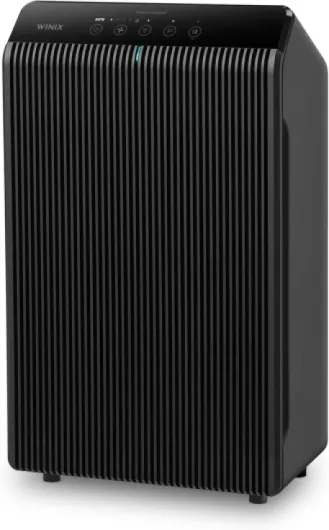
For homes with pets or allergies, whole room air purification becomes even more important. Compact devices can still be powerful, as shown in this independent test of a whisper quiet compact purifier designed for sealed filtration. When evaluating such air purifiers on Amazon or in stores, always confirm that the HEPA filter and activated carbon stages are appropriately sized for your specific room size and air quality challenges.
Energy efficiency, noise level, and real world testing
Many people run their air purifier for long hours, so energy efficiency is not a minor detail. The best air purifiers with app control use efficient motors and smart algorithms to adjust fan speed based on real time air quality. When auto mode is tuned correctly, the purifier can maintain clean air while keeping electricity consumption and noise level as low as possible.
Independent test results are valuable because marketing claims about performance can be optimistic. Look for purifiers tested by reputable laboratories that measure cadr cfm, particle removal rates, and noise level at different fan settings. Real world testing in furnished rooms, rather than empty chambers, also reveals how furniture and airflow patterns affect smart air purifier performance.
Noise is especially important in bedrooms, nurseries, and home offices where concentration matters. A purifier with a strong fan can still be acceptable if low speed modes remain quiet enough for sleep, while higher speeds are reserved for short bursts when air quality drops. App control helps you schedule these higher performance periods when you are away from the room, so you return to clean air without enduring extra noise.
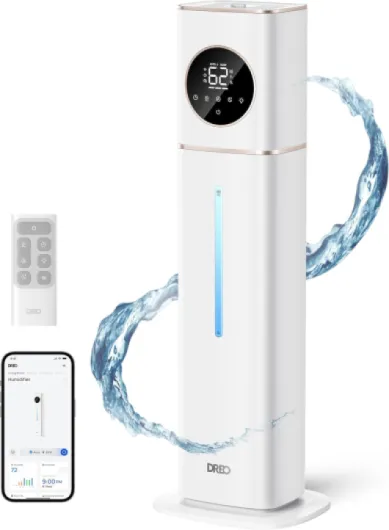
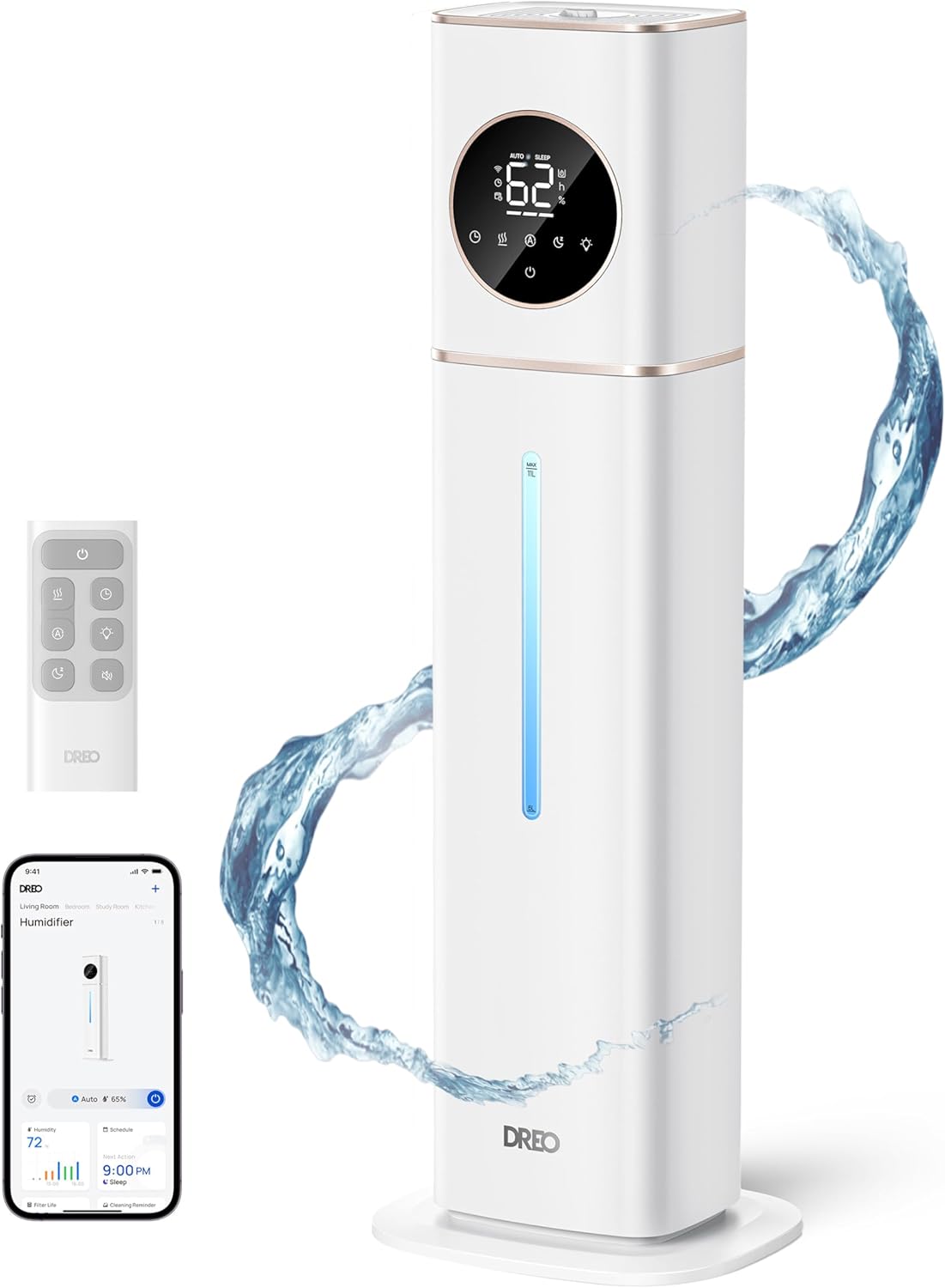
Energy labels and manufacturer data can guide your expectations, but user reviews on Amazon and other platforms often highlight long term experiences. When many owners report that an air purifier works with Alexa reliably, maintains stable performance, and keeps energy use modest, this builds trust. For a broader view of indoor comfort strategies, you can also consult this detailed test of top fill humidifiers for bedrooms and large rooms, which complements air purifiers by managing humidity alongside air quality.
App features that genuinely improve air quality management
Not every smart air purifier app is equally useful, so it helps to focus on features that truly support better air quality. A clear dashboard showing current air quality, historical trends, and particle removal progress makes it easier to understand how your purifier behaves. When the app links these graphs to specific fan speed changes or auto mode events, you gain insight into real performance.
Filter management is another area where the best air purifiers with app control stand out. Instead of relying on simple timers, advanced air purifiers use a quality sensor and usage data to estimate remaining HEPA filter and activated carbon life. The app can then send alerts when the filter is genuinely saturated, helping you avoid both premature replacement and overdue changes that reduce clean air output.
Smart scheduling tools allow you to adapt purifier operation to your lifestyle and room size. For example, you might program higher fan speed in the kitchen during cooking hours, then lower speed in the bedroom at night to limit noise level. When a purifier works with Alexa or Google Assistant, you can also trigger scenes that combine lighting, heating, and smart air settings with a single voice command.
Some ecosystems integrate multiple air purifiers across different rooms, all visible in one app. This whole home view lets you compare air quality between rooms, identify pollution hotspots, and adjust performance accordingly. For many households, this level of control transforms an ordinary air purifier into a central tool for managing indoor air quality and energy efficiency throughout the home.
Comparing popular models like Coway Airmega and Levoit Vital
Among the best air purifiers with app control, Coway Airmega and Levoit Vital series frequently appear in expert rankings. These air purifiers combine strong HEPA filter performance, substantial activated carbon stages, and smart air monitoring with user friendly apps. When comparing such purifiers, pay close attention to cadr cfm, room size ratings, and independent purifiers tested data.
Coway Airmega models are known for robust particle removal and thoughtful auto mode behaviour. Their quality sensor readings feed into algorithms that adjust fan speed smoothly, avoiding constant noise level changes while still protecting air quality. Many users appreciate that these air purifiers work with Alexa and sometimes Google Assistant, making them easy to integrate into existing smart homes.
Levoit Vital air purifiers, often popular on Amazon, focus on a balance between affordability, energy efficiency, and quiet operation. While their cadr cfm may be lower than some premium competitors, they still provide effective clean air delivery for small to medium room size categories. The companion app typically offers real time air quality data, filter status, and scheduling, which are essential features for any best smart purifier candidate.
When evaluating both Coway Airmega and Levoit Vital options, consider your specific air quality challenges, such as allergies, smoke, or urban pollution. Check whether the HEPA filter grade, activated carbon quantity, and fan performance have been thoroughly tested by independent labs. By aligning these technical details with your room size and comfort expectations, you can select the air purifier that truly works with your lifestyle rather than just looking impressive on paper.
Practical buying checklist for app controlled air purifiers
Before purchasing, create a simple checklist that reflects how you actually live with air purifiers. Start with room size, then confirm that the purifier’s cadr cfm and tested coverage match your needs for at least four air changes per hour. Next, examine the filtration system to ensure it includes a true HEPA filter and sufficient activated carbon for your air quality concerns.
Evaluate smart features by asking whether the app and connectivity will genuinely help you manage air quality. Check that the air purifier works with Alexa or Google Assistant if you already use these platforms, and confirm that the app provides clear air quality readings, fan speed control, and filter alerts. Look for purifiers tested for stable performance, low noise level at night, and reasonable energy efficiency when running in auto mode.
Cost of ownership matters as much as the initial price, especially for the best air purifiers with app control that run daily. Investigate replacement filter prices, expected lifespan, and whether the quality sensor and app base their reminders on real testing rather than fixed timers. On Amazon and other retailers, read reviews that mention long term performance, particle removal effectiveness, and how well the purifier maintains clean air in real homes.
Finally, remember that even the best smart air purifier is only one part of a broader indoor air strategy. Ventilation, humidity control, and source reduction all influence overall air quality and comfort. By combining a carefully chosen air purifier, informed by independent testing and smart app data, with these complementary measures, you can create a healthier environment in every room you occupy.
Key statistics about smart air purifiers and indoor air quality
- Up to 90 percent of our time is typically spent indoors, where air quality can be significantly worse than outside.
- High efficiency HEPA filter systems can remove more than 99 percent of fine particles when correctly sized for the room.
- Independent purifiers tested in standardized chambers often show that CADR values can drop if filters are not replaced on schedule.
- Noise level differences of just 5 dB can strongly influence whether users run their air purifier at night.
- Energy efficiency improvements in modern motors can reduce electricity use by more than 30 percent compared with older purifiers.
Common questions about the best air purifiers with app control
How important is CADR when choosing a smart air purifier ?
CADR is crucial because it tells you how quickly a purifier can deliver clean air in a given room size. A higher cadr cfm means faster particle removal and more effective protection during pollution peaks. Always match CADR to your room volume and aim for several air changes per hour for reliable air quality improvement.
Do I really need app control if the purifier has auto mode ?
Auto mode is helpful, but app control adds transparency and flexibility to how you manage air purifiers. With a smart air app, you can see air quality trends, adjust fan speed remotely, and receive filter alerts based on real usage. This extra information often leads to better habits, more consistent use, and ultimately cleaner air.
Are HEPA filters and activated carbon both necessary ?
HEPA filters target particles such as dust, pollen, and smoke, while activated carbon focuses on certain gases and odours. For most homes, a combination of both technologies in an air purifier offers the best overall air quality improvement. If you face smoke, cooking fumes, or urban pollution, this dual approach becomes especially important.
How can I reduce noise level without losing performance ?
Choose a purifier with a strong fan and run it at higher speed before you enter the room, then switch to lower speed or sleep mode while you are present. App scheduling and auto mode can automate these changes based on air quality readings. This strategy maintains clean air while keeping noise level comfortable, particularly at night.
What maintenance does a smart air purifier require ?
Regularly vacuum or rinse the pre filter if the manufacturer allows it, and replace the HEPA filter and activated carbon cartridges according to app alerts or tested lifespans. Keep the quality sensor window clean so that auto mode and air quality readings remain accurate. Following these steps helps preserve performance, energy efficiency, and reliable clean air delivery over the long term.