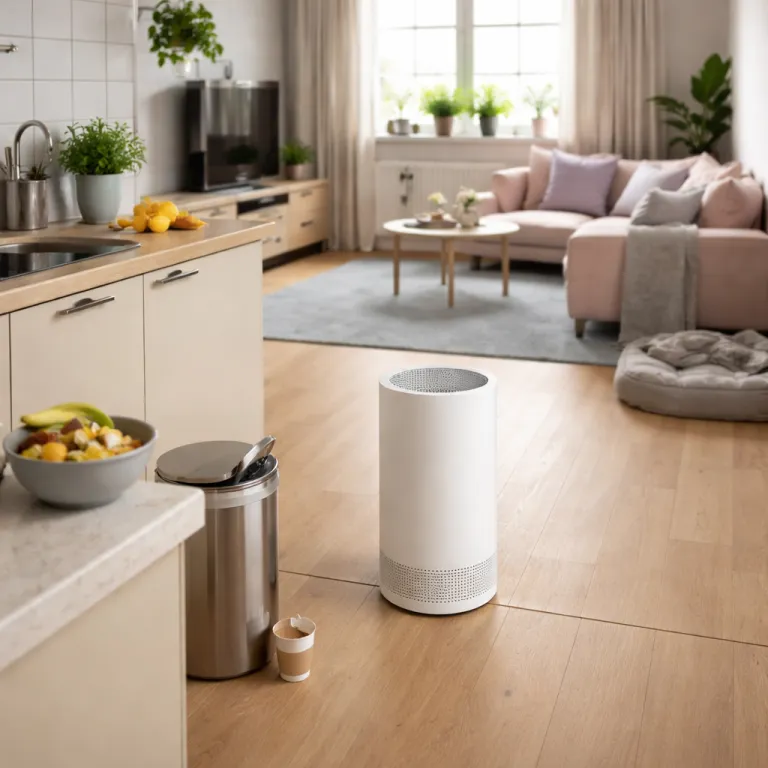
How air purifiers interact with odors and indoor air quality
Many people ask whether an air purifier will help with smell in everyday living spaces. The honest answer is that an air purifier can help with unpleasant odors and improve indoor air quality, but only when its technology matches the specific odors air problem. A basic air purifier with only mechanical filters will not fully remove volatile organic compounds that create stubborn smells.
To understand how an air purifier will help with smell, it helps to separate particles from gases. A HEPA filter captures airborne particles such as dust, pollen, smoke particles and pet dander, yet gases and many odor causing molecules slip straight through. That is why modern air purifiers often combine HEPA filters with activated carbon filters to target both particles and odors.
When you place an air purifier with a substantial activated carbon filter in a room, the porous carbon adsorbs many organic compounds responsible for unpleasant smells. This process can be very effective against cooking odors, light smoke smells and some pet related odor issues. However, no purifier help strategy will work if strong sources of smell remain and regular cleaning is ignored.
Indoor air is also influenced by humidity, ventilation and building materials, which can emit volatile organic compounds over time. An air purifier with HEPA filters and activated carbon filters improves indoor air quality, but it cannot fix structural moisture problems or heavy mold growth. For the best help with odors air issues, experts recommend combining source control, ventilation and a well specified air purifier.
What makes an air purifier effective against smell and odors
When evaluating whether an air purifier will help with smell, the filter design matters more than the outer shell. A high quality HEPA filter removes airborne particles, while a thick activated carbon layer tackles odor causing gases and many volatile organic compounds. Together, these filters allow air purifiers to reduce both visible dust and invisible smells in indoor air.
Activated carbon works by trapping molecules on its vast internal surface, which is created by heating carbon in a controlled way. The more activated carbon a carbon filter contains, the more effective it will be at capturing unpleasant odors from cooking, pets or light smoke. Small token carbon filters with only a thin dusting of carbon powder usually saturate quickly and provide limited help with persistent smell problems.
Many people also worry about ozone when they consider devices that promise to help with odors air issues. Ozone generators can react with organic compounds, but they may create harmful byproducts and worsen indoor air quality rather than help with it. For this reason, specialists recommend choosing air purifiers that do not intentionally produce ozone and instead rely on HEPA filters and activated carbon filters.
To complement purification, some households add a humidifier to manage dry indoor air and comfort. Resources such as this guide to a hot mist humidifier explain how moisture control interacts with air quality and perceived smells. While humidity control does not replace an air purifier with a strong carbon filter, it can influence how strongly unpleasant smells are perceived.
How HEPA filters, carbon filters and other technologies handle smells
To judge whether an air purifier will help with smell, you need to understand each component’s role. HEPA filters are designed to capture at least 99.97 percent of very fine airborne particles, including smoke particles, pollen and some bacteria. These HEPA filters are excellent for health related air quality goals, but they do not directly neutralize most odor causing gases.
Activated carbon filters, by contrast, are optimized for odors air challenges rather than visible dust. A robust activated carbon filter contains many tiny pores that attract and hold organic compounds, including some volatile organic molecules from cooking, pets and household products. When air passes repeatedly through such carbon filters, unpleasant odors gradually weaken as more smell molecules are adsorbed.
Some air purifiers add extra stages, such as pre filters for larger particles or specialized media for certain organic compounds. These additions can help with specific unpleasant smells, yet they still rely on good airflow and regular cleaning of clogged filters. If a filter becomes saturated with particles or odor causing gases, the purifier help effect declines and smells may slowly return.
Consumers sometimes encounter marketing claims about ionizers or plasma technologies that work with air to neutralize smell. While these can reduce some airborne particles, they may also generate small amounts of ozone and secondary byproducts. Independent evaluations, such as this comprehensive guide to a branded air purifier range, emphasize the importance of proven HEPA filters and activated carbon over unverified gimmicks.
Realistic expectations for removing unpleasant smells in everyday rooms
People often hope that one air purifier will help with smell in every corner of a large home. In reality, air purifiers are rated for specific room sizes, and performance drops when they are placed in spaces larger than their design. To reduce unpleasant odors effectively, the purifier must circulate indoor air several times per hour within its rated area.
For a kitchen with strong cooking smells, an air purifier with a deep activated carbon filter and strong fan can significantly reduce lingering odor. However, if frying oil, garbage or organic compounds from spoiled food remain in the room, even the best air purifiers will struggle. Source control, such as removing trash promptly and cleaning surfaces, must work with air purification to manage unpleasant smells.
In homes with pets, hair and pet dander contribute both airborne particles and odor causing residues on fabrics. A purifier help strategy should therefore combine HEPA filters for particles with activated carbon filters for odors air issues. Regular cleaning of floors, bedding and upholstery is essential, because airborne particles eventually settle and continue to emit smell even after the air looks clear.
Some devices, like the powerful models reviewed in this in depth test of a 3 in 1 smart air purifier, combine heating, cooling and filtration. These multifunction units can improve indoor air comfort while also targeting airborne particles and unpleasant odors. Even then, users should expect gradual improvement in smell over hours rather than instant elimination.
Health, safety and the role of ozone in odor control
When asking whether an air purifier will help with smell, safety should be considered alongside performance. Some older or specialized devices intentionally generate ozone, which reacts with organic compounds and can change certain odors air profiles. However, ozone is a respiratory irritant, and health agencies advise against using ozone generators in occupied indoor air environments.
Modern air purifiers designed for homes typically focus on HEPA filters and activated carbon filters instead of ozone. These technologies remove airborne particles and many odor causing gases without adding new pollutants to the air. When a manufacturer claims that a purifier help system “oxidizes” smells, it is wise to check whether any ozone is produced as a byproduct.
Volatile organic compounds from paints, cleaning products and furnishings can contribute to both smell and long term health concerns. While an air purifier with a strong carbon filter can reduce some of these organic compounds, ventilation and product choice remain crucial. Opening windows when outdoor air quality allows, and selecting low VOC materials, will help with reducing both unpleasant smells and exposure.
Regular cleaning also plays a central role in any strategy to manage indoor air and odor. Dust, pet dander and other airborne particles settle on surfaces, where they can continue to emit smell even after filtration. By combining vacuuming, laundering fabrics and wiping hard surfaces with the use of air purifiers, households can maintain fresher air without relying on ozone based shortcuts.
Practical strategies to get the most from an air purifier
To ensure that an air purifier will help with smell, placement and maintenance are as important as specifications. The unit should be positioned where airflow is not blocked, allowing indoor air to circulate freely through the filters. Avoid tucking air purifiers behind furniture or heavy curtains, because restricted airflow reduces contact between odors air and the activated carbon filter.
Filter care is another decisive factor in how effective a purifier help strategy becomes over time. HEPA filters gradually load with airborne particles, while activated carbon filters slowly fill with odor causing molecules and volatile organic compounds. Manufacturers usually provide guidance on replacement intervals, but homes with pets, smoke or strong cooking smells may need more frequent changes.
Regular cleaning of pre filters, grilles and nearby surfaces prevents dust and pet dander from re entering indoor air immediately after filtration. This routine, combined with prompt removal of garbage and attention to moisture, helps with controlling unpleasant odors at their source. When surfaces stay clean, the air purifier can focus on airborne particles and smells rather than constantly battling re contamination.
Households should also match the purifier’s capacity to the room size and specific smell challenges. A compact air purifier may freshen a small bedroom, yet it will struggle with heavy kitchen odors or multiple pets in a large living area. By aligning room volume, filter type and realistic expectations, users can achieve noticeable reductions in unpleasant smells without over relying on any single device.
Common questions about air purifiers and smells
Will an air purifier help with smell from cooking
An air purifier with both HEPA filters and a substantial activated carbon filter can reduce many cooking related smells. It works best when used during and after cooking, while ventilation removes steam and smoke. Removing food waste quickly and cleaning surfaces will help with preventing unpleasant odors from returning.
Can air purifiers remove pet odors and pet dander
Air purifiers equipped with HEPA filters capture pet dander and other airborne particles that contribute to allergy symptoms. When combined with activated carbon filters, they can also reduce many pet related smells in indoor air. Regular cleaning of pet bedding, floors and fabrics remains essential to control odor causing residues.
Do air purifiers eliminate all unpleasant smells in a room
No air purifier can remove every smell, especially if strong sources remain in place. Devices with activated carbon filters are effective for many everyday odors air problems, but they have limits. Source control, ventilation and regular cleaning must work with air purification for the best results.
Are ozone based devices safe for improving air quality and smell
Ozone is a lung irritant, and health authorities advise against using ozone generators in occupied spaces. While ozone can react with some organic compounds, it may create harmful byproducts and worsen indoor air quality. Choosing air purifiers that rely on HEPA filters and activated carbon filters is generally safer and more predictable.
How often should I replace filters in an air purifier
Most manufacturers recommend replacing HEPA filters and carbon filters every several months to maintain performance. Homes with heavy smoke, strong cooking smells or multiple pets may need more frequent changes. Monitoring odor levels and airflow can help with deciding when a filter has become saturated and less effective.