Key performance metrics for the best air purifiers for whole house coverage
When evaluating the best air purifiers for whole house coverage, focus first on CADR and CFM. A purifier with a high clean air delivery rate can process more indoor air in less time, which is crucial for large floor plans and open concept living areas. For example, a model like the Coway Airmega series combines strong CADR ratings with multiple fan speeds to match different room size requirements.
Manufacturers often specify recommended room size based on a target number of air changes per hour. For allergy relief, many experts suggest at least four to five air changes each hour, meaning the purifier completely cycles the room air several times. If your home has multiple connected rooms, you may need either several purifiers tested for large spaces or a central air purifier integrated with the HVAC system to maintain consistent particle removal.
Noise levels, measured in dBA, should be checked at each fan speed, not only at the quietest setting. A purifier that is nearly silent on low may become intrusive on high, especially in smaller rooms where hard surfaces reflect sound. For detailed performance insights, a big room air purifier lab test can show how CADR, noise, and energy efficiency interact in real homes.
Filters, particles, and real world air quality challenges
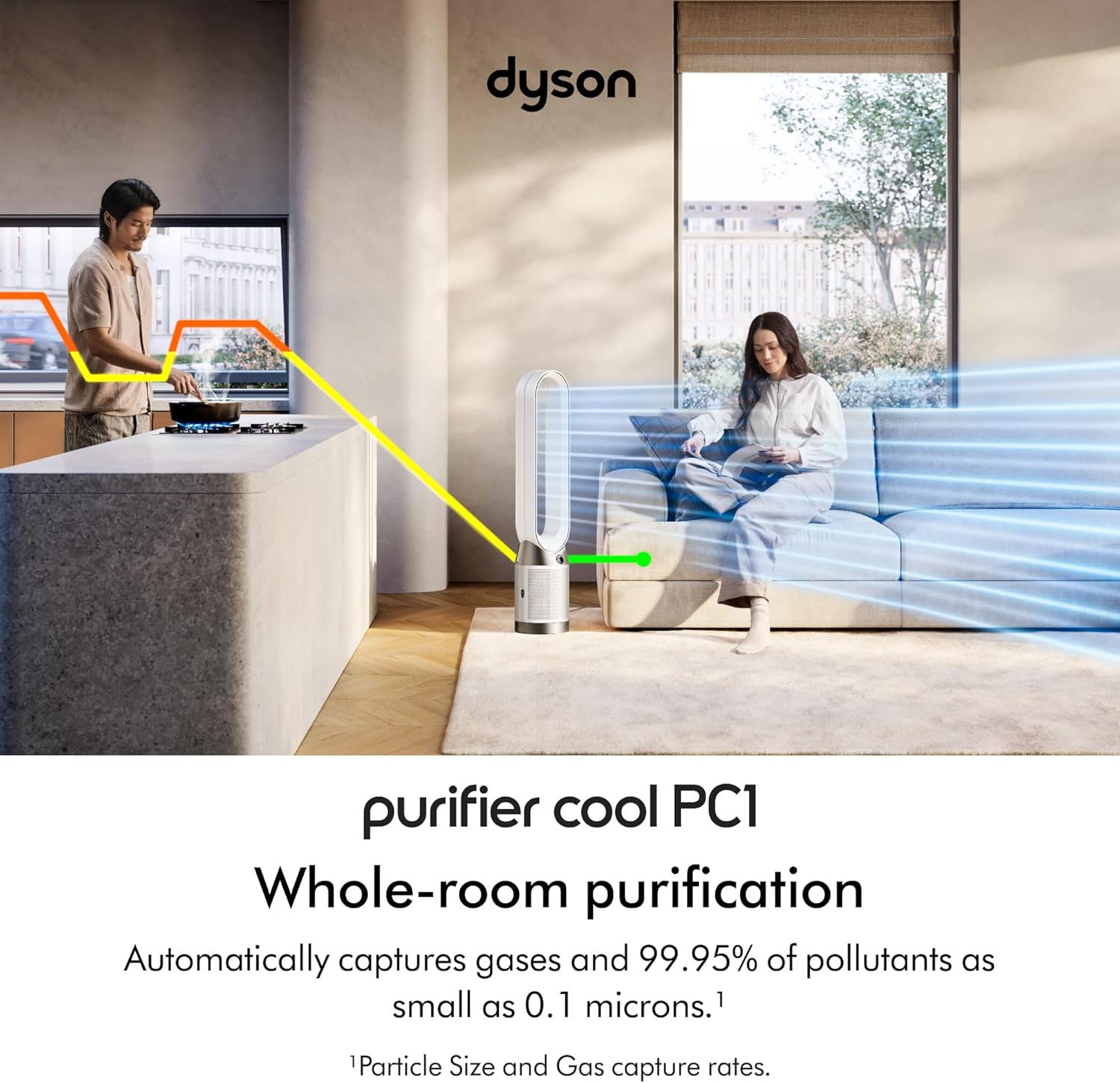
The heart of any air purifier is its filter system, which must capture a wide range of particles. High efficiency particulate filters trap fine particle pollution such as smoke, dust, and allergens, while activated carbon filters adsorb gases and odours from cooking or traffic. In the context of the best air purifiers for whole house use, both particle filters and activated carbon filters should be generously sized to match the air delivery rate.
Filter quality directly affects particle removal, especially for the smallest particles that penetrate deep into the lungs. When comparing purifiers, look for independent test data that shows performance against smoke particles, which are typically the hardest to capture. Many purifiers tested in laboratories reveal that real world CADR can differ from marketing claims, so a full review with measured CFM, dBA, and energy consumption is more reliable than simple packaging labels.
Maintenance also matters, because clogged filters reduce air delivery and increase noise as the fan speed rises to compensate. Check how often filters must be replaced, their cost, and whether pre filters can be vacuumed to extend life. For homes with persistent dust issues, a model like the Levoit Vital 100S, evaluated in a quiet dust catching purifier review, shows how thoughtful filter design can keep indoor air consistently clean.
Noise, energy efficiency, and comfort in a whole house setup
Whole house air purification only works if the system is comfortable enough to run all day. Noise is a primary comfort factor, and dBA ratings help you compare how loud different air purifiers sound at various fan speeds. For bedrooms and home offices, aim for an air purifier that maintains adequate air changes per hour at a noise level below typical conversation.
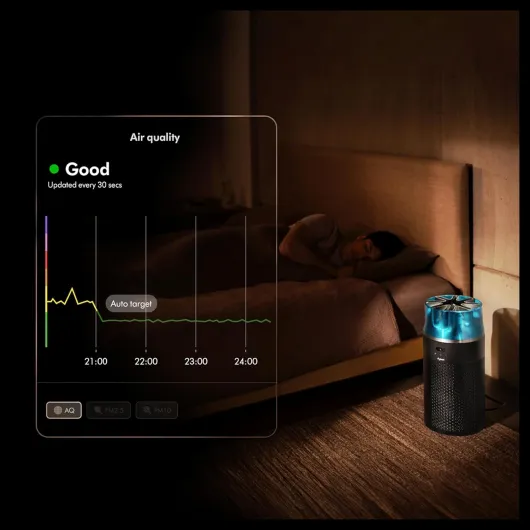
Energy efficiency is the second pillar of comfort, especially when multiple purifiers operate across a whole house. Models with efficient motors can deliver high CFM and strong clean air delivery rate performance while drawing modest power, which keeps long term operating costs reasonable. Some advanced purifiers tested in independent labs show that smart auto modes can reduce energy use by lowering fan speed when particle sensors detect clean air.
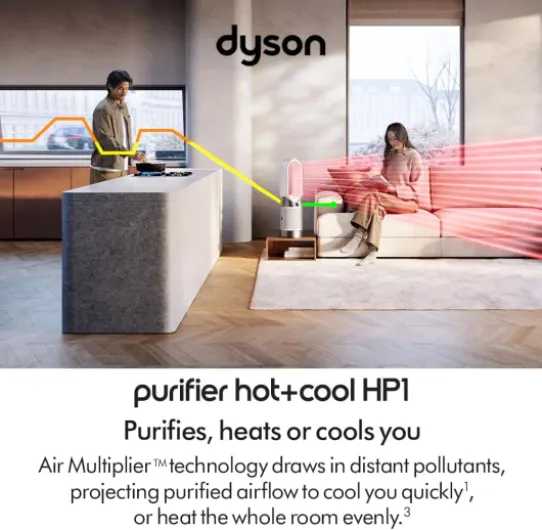
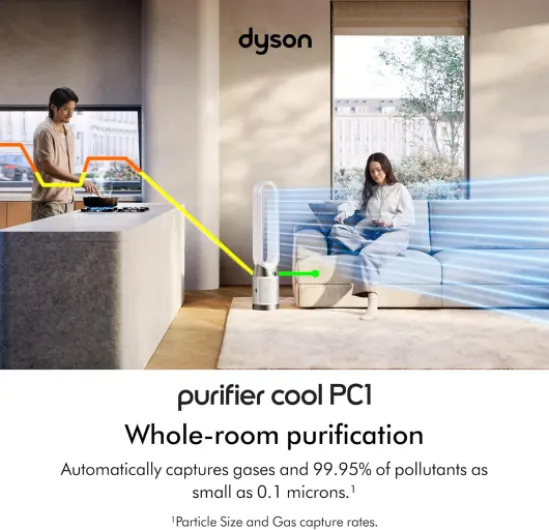
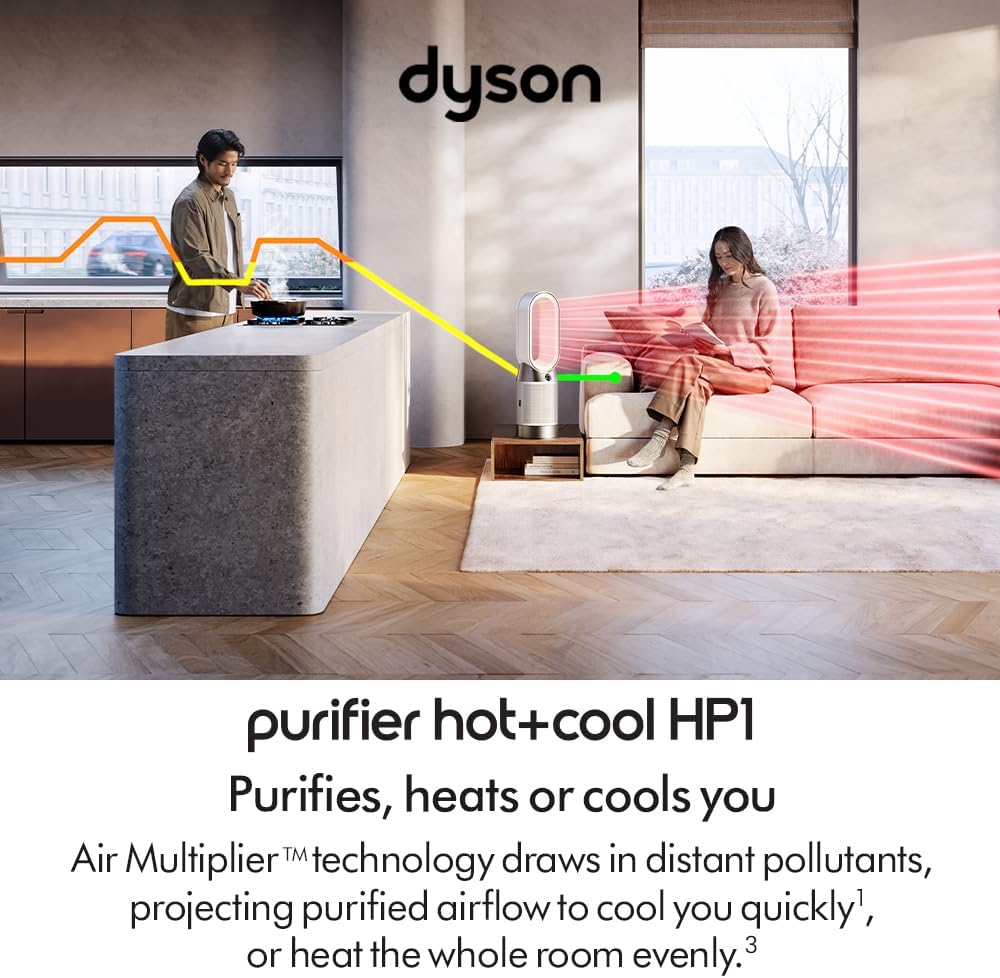
Comfort also depends on airflow patterns and where each air purifier is placed in the room. Avoid pushing the unit into a corner, because restricted air intake reduces effective air delivery and can leave pockets of stagnant indoor air. In larger homes, a central purifier combined with a powerful cooling purifier such as the model evaluated in this test of a powerful cooling purifier can help move clean air more evenly between spaces.
Matching air purifiers to room size and whole house layouts
To choose the best air purifiers for whole house layouts, start by mapping your rooms and measuring their size. Calculate the volume of each room by multiplying floor area by ceiling height, then compare this with the purifier’s CFM and CADR ratings. This allows you to estimate how many air changes per hour each air purifier can deliver in real conditions.
Open plan homes may benefit from one high capacity purifier in the main living area, supported by smaller purifiers in bedrooms or high use rooms. In contrast, compartmentalised layouts often require several purifiers tested for medium rooms, each tuned to the local room size and typical particle sources. For example, a kitchen adjacent to a living room may need stronger smoke and odour control through larger activated carbon filters and higher fan speeds during cooking.
Remember that doors, staircases, and furniture influence how clean air moves between rooms. Placing a purifier near central circulation paths can improve air delivery to multiple spaces, while still maintaining acceptable noise levels. When reading any full review, pay attention to how the tester describes real world placement, fan speed choices, and measured particle removal, because these details often matter more than headline CADR numbers.
Practical buying checklist for the best air purifiers for whole house use
A structured checklist helps you compare the best air purifiers for whole house applications with confidence. First, confirm that each air purifier offers sufficient CADR and CFM for your combined room size, targeting at least four air changes per hour in main living spaces. Next, examine the filter system, ensuring that high efficiency particle filters and substantial activated carbon filters are included for both particles and gases.
Then, review independent test data where purifiers tested under controlled conditions reveal true performance. Look for measurements of particle removal over time, clean air delivery rate, and noise in dBA at different fan speeds, along with comments on energy efficiency. A transparent full review that includes both strengths and weaknesses is more trustworthy than marketing claims alone, especially when planning a whole house strategy.
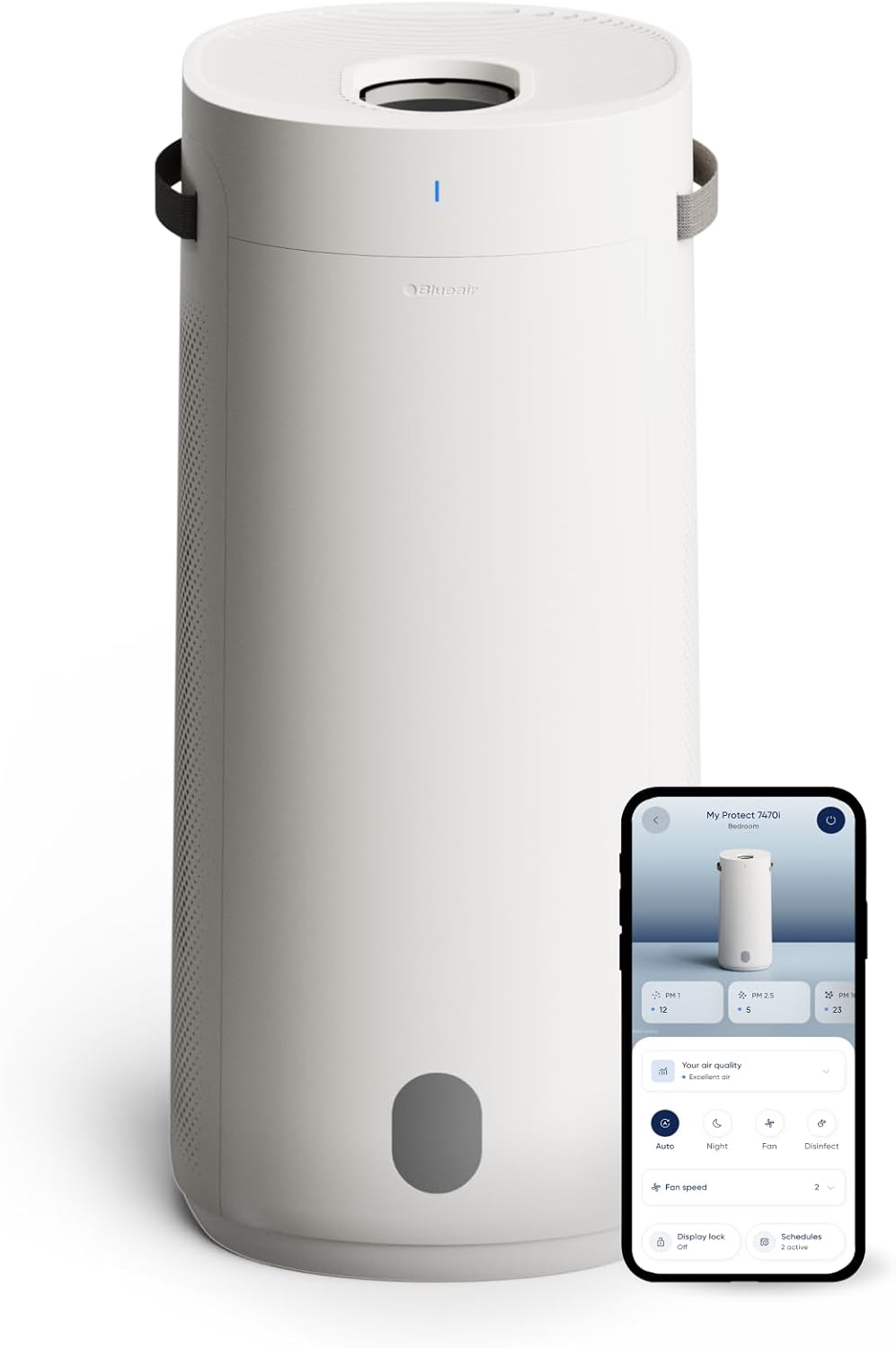
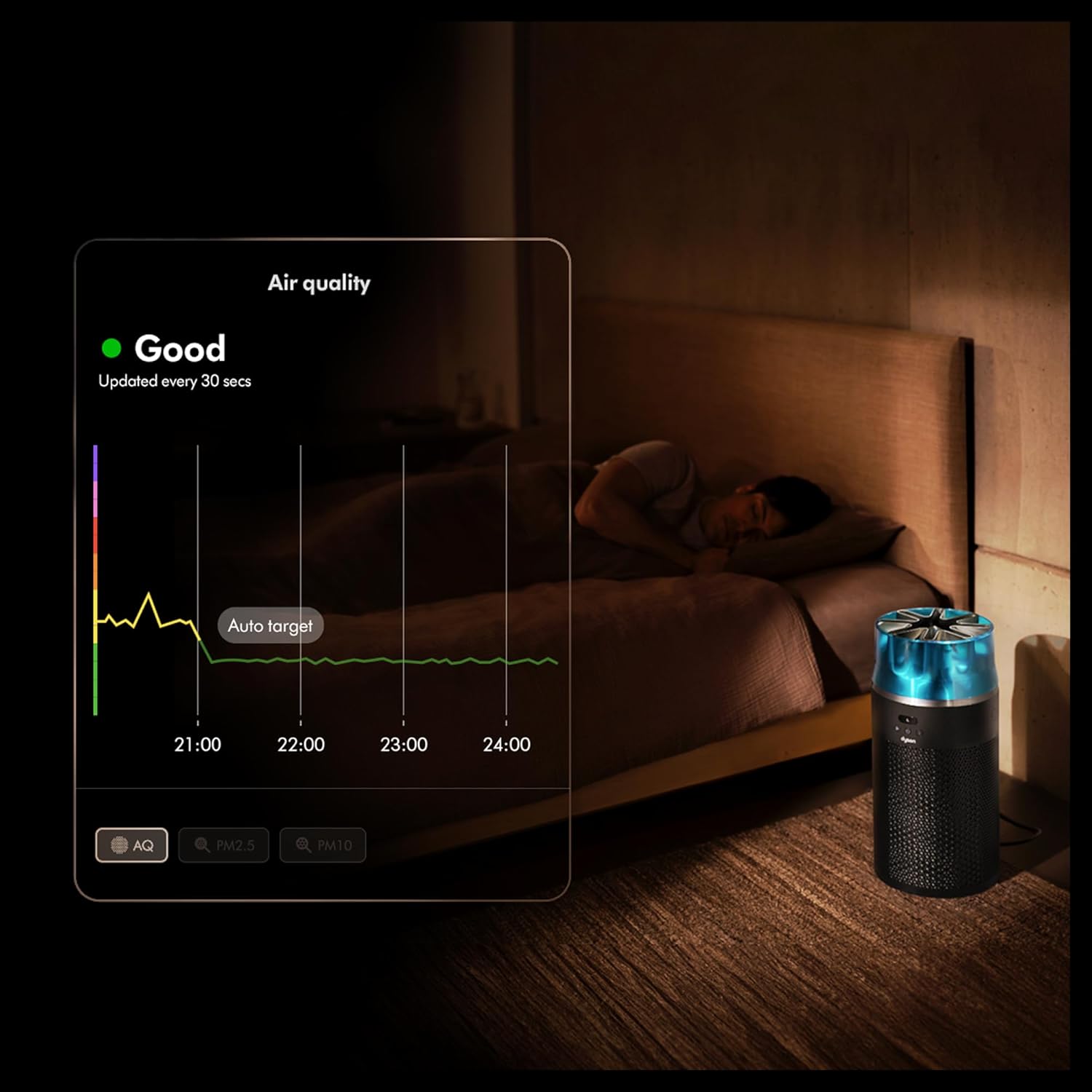
Finally, consider usability factors such as interface clarity, filter replacement indicators, and smart features that adjust fan speed based on real time air quality. These details influence whether you will actually run the purifier long enough to maintain clean air throughout the home. By aligning technical specifications with your room layout, comfort preferences, and maintenance habits, you can select air purifiers that quietly support healthier indoor air every hour of the day.
Key statistics about whole house air purification
- Homes with correctly sized purifiers achieving at least four air changes per hour can significantly reduce fine particle concentrations in main living areas.
- High efficiency filters combined with activated carbon filters can remove a substantial share of smoke particles and odours when matched to appropriate CADR ratings.
- Noise levels below typical conversation, often under 50 dBA on medium fan speed, are generally acceptable for continuous use in bedrooms and living rooms.
- Energy efficient air purifiers with smart auto modes can lower electricity consumption by reducing fan speeds once clean air conditions are reached.
- Independent purifiers tested in realistic room size scenarios often show performance differences of more than 20 % compared with optimistic marketing claims.
Common questions about the best air purifiers for whole house use
How many air purifiers do I need for a whole house ?
The number of air purifiers depends on your total floor area, ceiling height, and layout. Large open spaces may be served by one high capacity air purifier, while multi room layouts often require several purifiers sized to each room. Aim for enough combined CADR and CFM to achieve at least four air changes per hour in frequently occupied areas.
What CADR rating is suitable for whole house air purification ?
For whole house strategies, choose purifiers with CADR ratings that match the largest connected spaces where you spend time. Higher CADR values for smoke and dust indicate stronger particle removal, which is especially important for allergy sufferers and homes affected by outdoor pollution. When in doubt, select a slightly higher clean air delivery rate and run the purifier at a moderate fan speed to balance noise and performance.
Are whole house air purifiers noisy when used continuously ?
Modern air purifiers can maintain continuous operation at relatively low dBA levels, especially on medium fan speeds. Look for models where independent tests report both noise and CADR at each speed, not just at the quietest setting. In many homes, a well chosen purifier can run all day without exceeding the background noise of normal conversation.
How often should filters be replaced in a whole house setup ?
Filter replacement frequency depends on indoor air quality, particle load, and daily operating hours. Most manufacturers recommend changing main filters every six to twelve months, but dusty or smoky environments may require more frequent changes. Regularly checking pre filters and following the purifier’s filter indicator helps maintain strong air delivery and efficient particle removal.
Can a single central purifier replace multiple smaller units ?
A single central purifier with very high CADR and CFM can sometimes serve open plan homes, especially when integrated with an HVAC system. However, closed doors, long corridors, and complex layouts often limit how well clean air spreads from one device. Many households achieve better overall air quality by combining a central unit with smaller room specific purifiers in bedrooms or high use areas.