
Air purifier for asthma evidence during awareness month
Asthma awareness month is a good moment to ask what an air purifier can realistically do for your asthma. Clinical evidence shows that high efficiency particulate air filtration can cut airborne particulate matter such as dust, pet dander and mold spores in room air by roughly 80 to 95 percent, which directly improves indoor air quality for many people with allergy asthma. That level of air filtration does not cure asthma, but it can ease asthma symptoms and support better asthma control when combined with proper medication and broader asthma management.
Several randomized controlled trials have placed air purifiers with true HEPA filters in the bedrooms of participants who had persistent asthma and documented allergy asthma triggers. In these studies, the intervention group using a HEPA air cleaner often reported fewer night time asthma symptoms, used less rescue medication and showed modest gains in measured asthma quality of life scores compared with a control group using sham air cleaners. One frequently cited study also found lower exhaled nitric oxide, a marker of airway inflammation, in the HEPA group, which suggests that cleaner indoor air can translate into measurable respiratory health benefits.
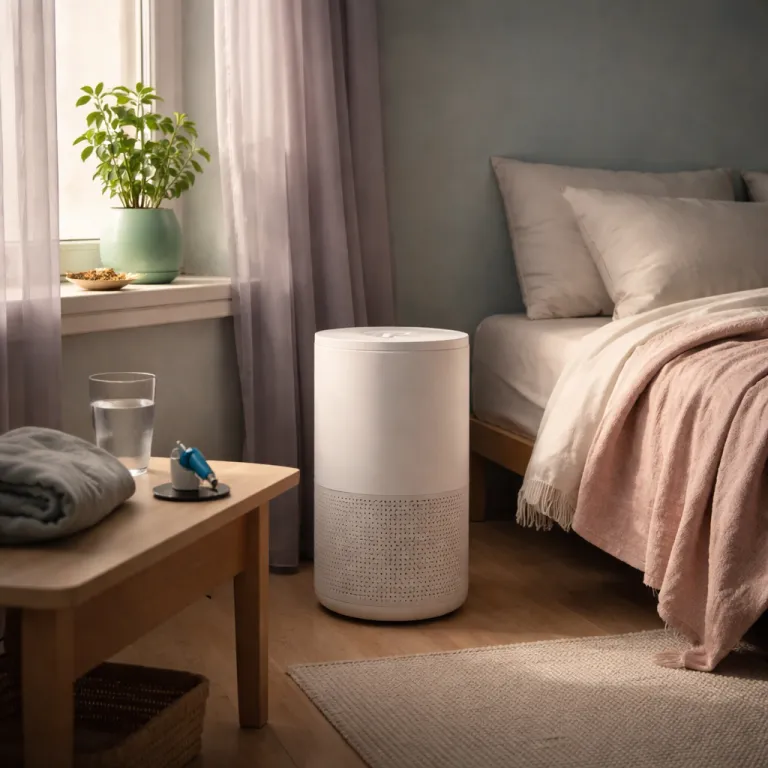
Evidence is strongest when the air purifier runs continuously in the bedroom, where you breathe the same indoor air for many hours while sleeping. Nocturnal asthma is common, so reducing airborne dust, smoke and other asthma triggers in that single room often has more impact than placing several purifiers in larger living spaces with open doors. For whole home needs, some households pair portable air purifiers with central air cleaners or high grade air filters in their heating and cooling systems, but the bedroom remains the priority zone for protecting both asthma control and overall quality of life.
What HEPA air cleaners can and cannot fix for asthma
High efficiency particulate air filters excel at capturing fine particulate matter that stays suspended in room air, including pet dander, dust mite fragments, mold spores and wildfire smoke particles. When a HEPA air filter is correctly sized for the room and run on a suitable speed, it can significantly reduce airborne asthma triggers and improve perceived air quality in that space. For a person with allergy asthma, that often means fewer coughing fits, less wheeze and a small but meaningful improvement in day to day asthma symptoms.
Limits matter though, and this article aims to be honest about them rather than promise a trigger free home. A HEPA purifier does not remove gases or volatile organic compounds from indoor air unless it also includes a substantial activated carbon filter, so it will not fully address asthma symptoms driven by strong cleaning products, paints or traffic related air pollution. It also cannot touch allergens that are embedded in bedding, carpets, curtains or pet beds, which is why settled dust mites and cockroach residues remain important asthma triggers even in homes with excellent air filtration.
For that reason, specialists usually recommend pairing a bedroom air purifier with other environmental control tools rather than relying on purifiers alone. A vacuum cleaner with a sealed body and HEPA filters helps remove dust and allergens from floors, while zippered allergen proof covers on mattresses and pillows reduce direct exposure to mites that no purifier can pull through the air. If you live with pets, combining a purifier with regular grooming and targeted cleaning strategies for allergy sufferers and pet owners, such as those described in this guide on finding the ideal air purifier for allergy sufferers and pet owners, will usually deliver more noticeable gains in asthma management.
Bedroom placement, pets and practical setup for better asthma control
Where you place an air purifier matters almost as much as which model you buy. For asthma control, the priority is the bedroom, because you spend long, unbroken hours breathing the same indoor air while your body is more vulnerable to asthma triggers at night. Position the purifier so that clean air flows freely toward the bed, keep doors and windows mostly closed during high pollen or smoke events and run the unit on a continuous low or medium setting rather than cycling it on and off.
Pet owners face extra challenges, since cat and dog dander particles are light and remain in room air for long periods, constantly feeding allergy asthma symptoms. A purifier with a strong clean air delivery rate and a sealed HEPA air filter can reduce airborne pet allergens, but it will not remove hair and dander that are already stuck to sofas, rugs and blankets. For homes with multiple animals, it often makes sense to combine a bedroom purifier with a second unit in the main living area and to choose models specifically tested as top air purifiers for pets, such as those reviewed in this overview of leading pet focused air purifiers.
Humidity control is another overlooked piece of asthma management that interacts with air filtration. Keeping indoor humidity around 30 to 50 percent helps limit dust mite growth and mold, which in turn reduces the particulate matter load that air purifiers must capture to maintain good air quality. In practical terms, that means using a dehumidifier in damp rooms, fixing leaks promptly and avoiding humidifiers that are not cleaned properly, because contaminated devices can add mold spores to room air faster than any air cleaner can remove them.
Setting realistic expectations and knowing when to seek medical advice
For many adults with mild to moderate asthma, a well chosen air purifier is a helpful tool rather than a stand alone solution. The best evidence suggests that HEPA based air cleaners can reduce airborne particulate matter, ease day to day asthma symptoms and slightly improve asthma quality of life scores, especially when used in bedrooms with poor baseline air quality. Those gains are meaningful, but they do not replace inhaled corticosteroids, action plans or regular follow up with a clinician who understands your specific pattern of asthma triggers.
Anyone who needs their reliever inhaler several times a week, wakes at night with tightness or has had an emergency visit for asthma should speak with an allergist or pulmonologist before treating an air purifier as their primary defense. A specialist can help identify which environmental factors, such as pet dander, mold, smoke or traffic related air pollution, are actually driving your asthma symptoms and whether a focus on air filtration will address the main problem. They may also recommend allergy testing, lung function measurements and monitoring of exhaled nitric oxide to track how changes in indoor air and medication affect airway inflammation over time.
From a practical buying guide perspective, look for clear specifications rather than marketing language when comparing air purifiers and air filters. Check the clean air delivery rate for smoke and dust, confirm that the purifier uses a sealed HEPA filter and consider models with substantial activated carbon if gases or odors are important in your home. For larger dwellings, you may want to combine several room air cleaners with upgraded central air filters, and resources such as this guide to top air purifiers for whole house coverage can help you match devices to floor area and layout.
FAQ
Can an air purifier cure asthma or replace my inhaler ?
An air purifier cannot cure asthma and should never replace prescribed inhalers or other medical treatments. What a purifier can do is reduce airborne dust, smoke, pollen and pet dander, which may lower the frequency and intensity of asthma symptoms for some people. Always adjust medication only in consultation with your doctor, even if your indoor air feels cleaner.
How do I choose the right size air purifier for my bedroom ?
Start by measuring the floor area of your bedroom in square metres and checking the clean air delivery rate of each purifier you consider. A suitable model should be rated to filter the full volume of room air at least four to five times per hour on a realistic fan speed. If your home has high ceilings, heavy smoke exposure or many pets, consider stepping up to a more powerful unit than the minimum recommendation.
Do I need both HEPA and activated carbon filters for asthma ?
For most people with allergy driven asthma, a true HEPA filter is the priority because it captures fine particulate matter such as dust mites, dander and mold spores. If your asthma is worsened by strong odors, traffic fumes or cleaning products, adding activated carbon filtration can help remove some of those gases from indoor air. Many higher end purifiers combine both types of filters, but you should still ventilate with outdoor air when pollution levels are low.
How often should I replace air filters in my purifier ?
Manufacturers usually recommend changing HEPA filters every 6 to 12 months and pre filters every 1 to 3 months, but real intervals depend on air quality and usage. Homes with smokers, multiple pets or frequent dust generating activities will clog filters faster, reducing both airflow and filtration efficiency. Check the filter status indicator if your purifier has one and inspect filters visually for discoloration or odour, then replace them promptly to maintain performance.
Is a quiet mode enough to protect me while I sleep ?
Many purifiers offer a night or quiet mode that reduces fan noise, but the key question is whether that setting still delivers enough clean air per hour for your room size. If the quiet mode drastically lowers the clean air delivery rate, you may not get the full asthma related benefits of air filtration overnight. A practical compromise is to run the purifier on a higher speed before bedtime to clear the air, then switch to the quietest setting that still meets the recommended air changes per hour while you sleep.