
Why indoor air quality after wildfire stays hazardous for weeks
When a wildfire or series of fires moves through a region, the visible smoke outside eventually thins but the indoor air often remains polluted. Fine particles and ash settle on floors, fabrics, and furniture, then re enter the indoor air whenever people walk, clean, or open a window. That is why recent research on homes in the United States after fire events, including the Los Angeles fire zone and earlier disasters such as the Marshall fire and Eaton fire, shows indoor concentrations of PM2.5 and PM10 staying elevated long after outdoor air quality improves.
The fresh PMC study on homes affected by the LA fires reported average indoor PM2.5 levels of 3.45 micrograms per cubic metre and PM10 concentrations of 31.66 micrograms per cubic metre several weeks after the flames were out. In several homes, indoor air quality was actually worse than outdoor air, with indoor to outdoor ratios above one, meaning residents faced higher exposure to fine particles and wildfire smoke while they stayed inside their homes. For people with asthma, heart disease, or other health vulnerabilities, these hidden indoor concentrations translate into serious health impacts that persist well after the last visible smoke plume.
Experts from the United States Environmental Protection Agency, through programmes such as WF ASPIRE, now stress that indoor air quality after wildfire must be treated as a separate, longer emergency. Even when outdoor air readings and public air quality alerts show safe levels, indoor air in fire affected homes can still contain trapped smoke, ash, and volatile compounds released from charred materials. That gap between outdoor air recovery and indoor cleaning means residents who switch off every air purifier or portable air cleaner as soon as the sky clears may be breathing a concentrated mix of particles and gases for days or weeks after fire season.
The two to three week post fire purification protocol for homes
Public health agencies and building scientists now recommend a structured two to three week protocol to restore indoor air quality after wildfire events. The core advice is simple but often ignored, because many residents assume that once the fire is out and the outdoor air looks clear, the danger has passed. In reality, the safest approach is to keep every high efficiency air purifier and other air cleaners running on high speed while windows doors remain tightly closed, then gradually adjust settings only after real time sensors show sustained low levels of indoor particles.
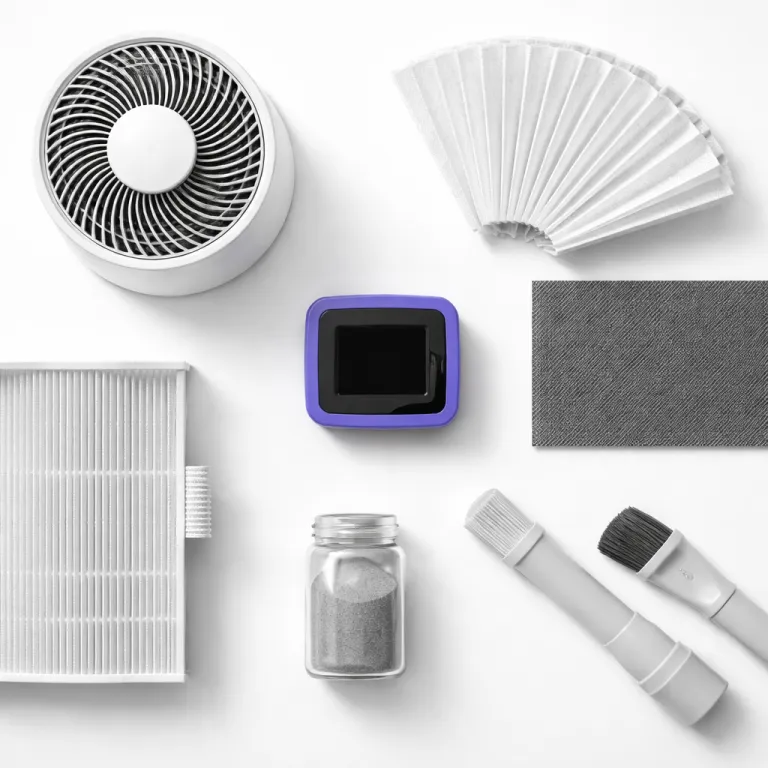
During this post fire period, residents should treat their homes almost like sealed clean rooms, limiting the opening of any window and using the mechanical ventilation of the existing HVAC system with upgraded filters where possible. Portable air purifiers with true HEPA filter media are particularly effective at capturing fine particles from wildfire smoke, while units with substantial activated carbon filters help reduce odours and gases released from burned building materials and furnishings. Daily inspection of each filter and pre filter is essential, because heavy ash loading can clog an air cleaner quickly and reduce both airflow and overall air quality gains.
Visual checks for grey or blackened filter surfaces, rising readings on a PM2.5 monitor, or persistent smoke odours are all strong signals to replace a filter earlier than the manufacturer schedule. For families managing respiratory conditions in both humans and pets, combining rigorous indoor air cleaning with medical support tools such as a home nebulizer for vulnerable animals can reduce health impacts from lingering indoor concentrations. Real time particle sensors, either built into an air purifier or as stand alone monitors, are now considered the only reliable way to judge when indoor air has truly recovered after fire exposure, because smell alone cannot detect many harmful particles and gases.
Filters, sensors and funding: what residents need after wildfire smoke
Technical details matter when choosing air purifiers and air cleaners to handle indoor air quality after wildfire smoke events. Models that use high efficiency particulate air filters, often labelled HEPA, are designed to capture at least 99.97 percent of fine particles down to 0.3 micrometres, which includes most combustion particles from fires. For homes in a fire zone or areas repeatedly affected by wildfire smoke, experts recommend combining these particle filters with deep bed carbon filters, as explained in guides on carbon air filtration for demanding indoor environments, because charred plastics, paints, and furnishings can release volatile organic compounds long after fire crews leave.
Residents should also understand how their HVAC system interacts with portable air cleaners, since running a central fan with a low grade filter can simply redistribute particles rather than remove them. In many United States homes, upgrading the central filter to a higher MERV rating, while still respecting equipment limits, and running several portable air units in bedrooms and living areas gives the best balance between coverage and energy use. For larger or heavily contaminated buildings, industrial devices such as air scrubbers, described in detail in resources on how an air scrubber transforms indoor air quality, can provide aggressive particle and gas removal after fire damage.
Insurance policies and public programmes have started to recognise the long tail of health risks from indoor air contamination after wildfire smoke events across the United States. Some home insurance plans now reimburse the cost of replacement filters, professional cleaning, and even multiple portable air purifiers when claims document heavy smoke and ash exposure, while certain state and federal grants linked to Environmental Protection Agency initiatives support remediation in low income communities. For residents, the key message is clear, because indoor air quality after wildfire depends less on what the sky looks like outside and more on sustained, methodical use of air cleaner technology, careful management of windows doors, and ongoing monitoring of indoor particle levels for at least several weeks after fire season.
Key statistics on indoor air quality after wildfire
- In a recent Los Angeles study of homes affected by major fires, average indoor PM2.5 levels remained around 3.45 micrograms per cubic metre several weeks after the flames were extinguished.
- The same study measured average indoor PM10 concentrations of 31.66 micrograms per cubic metre, showing that larger particles from ash and dust also persisted indoors.
- Several homes recorded indoor to outdoor particle ratios above one, meaning indoor air was more polluted than outdoor air even after regional air quality alerts had ended.
- Environmental Protection Agency research programmes such as WF ASPIRE now focus specifically on understanding and reducing health risks from wildfire smoke exposure in indoor environments.
Questions people also ask about indoor air quality after wildfire
How long does indoor air stay polluted after a wildfire?
Indoor air can remain polluted for several weeks after a wildfire, because fine particles and ash settle on surfaces and then re suspend whenever people move, clean, or adjust ventilation. Studies of homes in major fire zones have found elevated indoor particle levels long after outdoor air quality readings returned to normal. The actual duration depends on cleaning practices, use of air purifiers, and how often windows doors are opened to outdoor air that may still carry residual smoke.
Are air purifiers effective against wildfire smoke indoors?
Air purifiers that use true HEPA filters are highly effective at removing fine particles from wildfire smoke in indoor air, especially when sized correctly for the room and run continuously on higher fan speeds. Units that also include substantial activated carbon filters can reduce some of the gases and odours released from burned materials, which standard particle filters cannot capture. For best results, experts recommend using multiple portable air cleaners in key rooms and keeping doors and windows closed while outdoor air quality remains poor.
When should I replace filters after fire related smoke exposure?
Filters in both portable air purifiers and central HVAC systems often need replacement much earlier than usual after heavy wildfire smoke exposure, because ash and fine particles quickly clog the media. Signs that a filter should be changed include visible darkening, reduced airflow, louder fan noise, or rising readings on a PM2.5 sensor despite constant operation. Many specialists advise checking filters daily during and after fire events and replacing them as soon as performance drops, rather than waiting for the standard schedule.
Is it safe to open windows once the outdoor smoke looks gone?
Relying on appearance alone is risky, because harmful particles can remain in outdoor air even when smoke is no longer visible. Public air quality indexes and local monitoring data provide a better guide, and many experts suggest keeping windows closed until PM2.5 levels are consistently low for several days. Even then, people in fire affected homes should ventilate in short, controlled periods while running indoor air cleaners to prevent re contamination.
What role do sensors play in managing indoor air after wildfire?
Real time particle sensors that measure PM2.5 and sometimes PM10 give residents objective data on indoor concentrations, which is crucial because smell and visibility are unreliable indicators. These sensors can be built into air purifiers or used as stand alone devices, and they help households decide when to adjust fan speeds, replace filters, or safely reduce purification efforts. In many expert protocols, sensor readings, rather than calendar dates, now determine when indoor air quality after wildfire has truly returned to safer levels.