Understanding filters, HEPA technology, and what really removes allergens
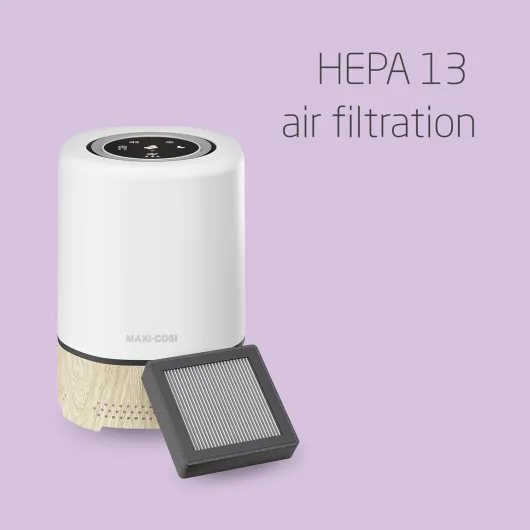
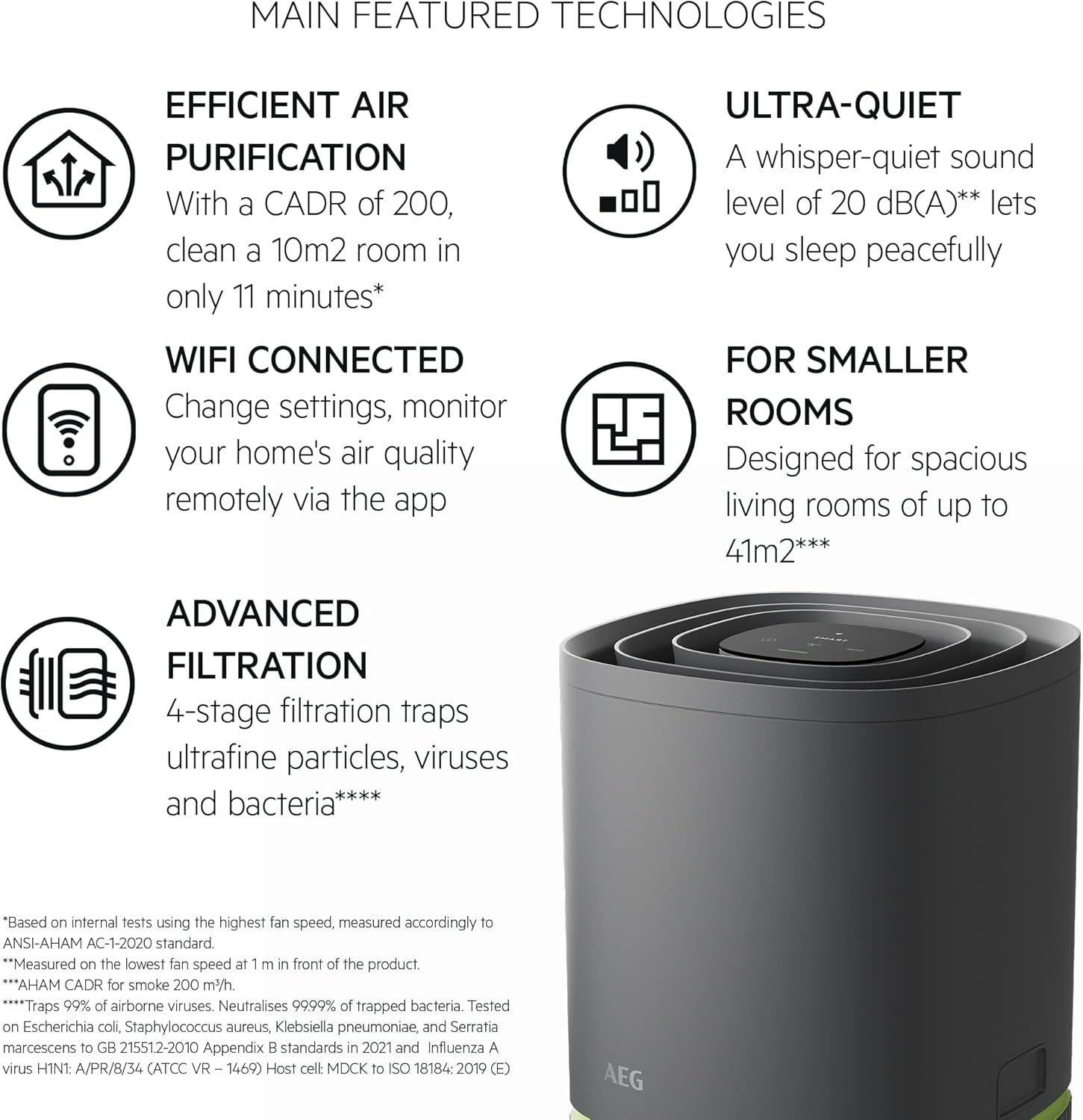
Every air purifier relies on a combination of filters to trap pollutants that float through indoor air. For allergy sufferers, the most important component is the HEPA filter, because it captures microscopic particle matter such as pollen, mould spores, and pet dander. A true hepa air system is tested to strict standards, while some cheaper purifiers only use “HEPA type” filters that may miss the smallest particles.
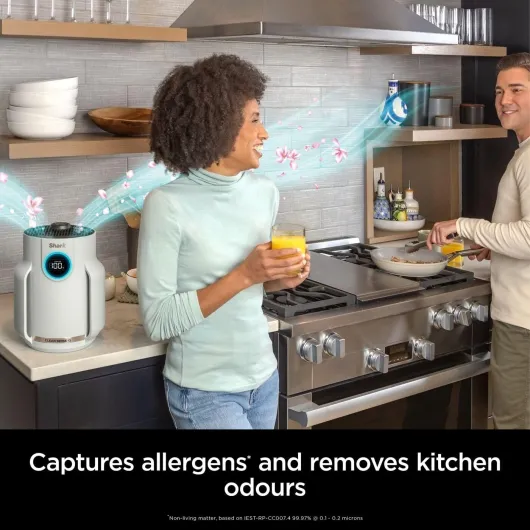
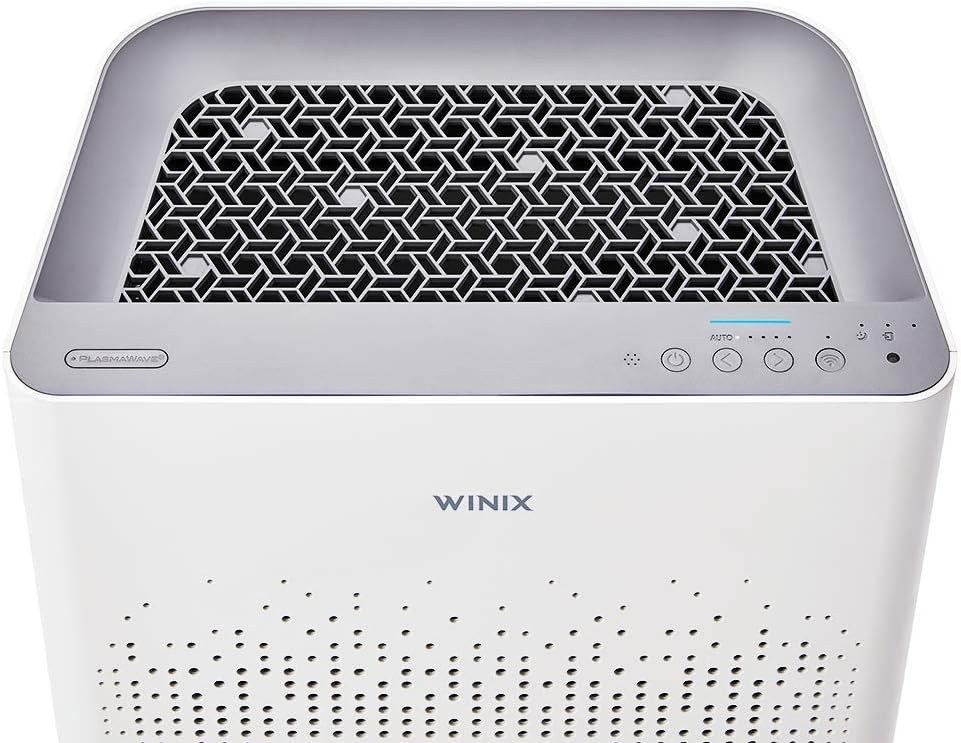
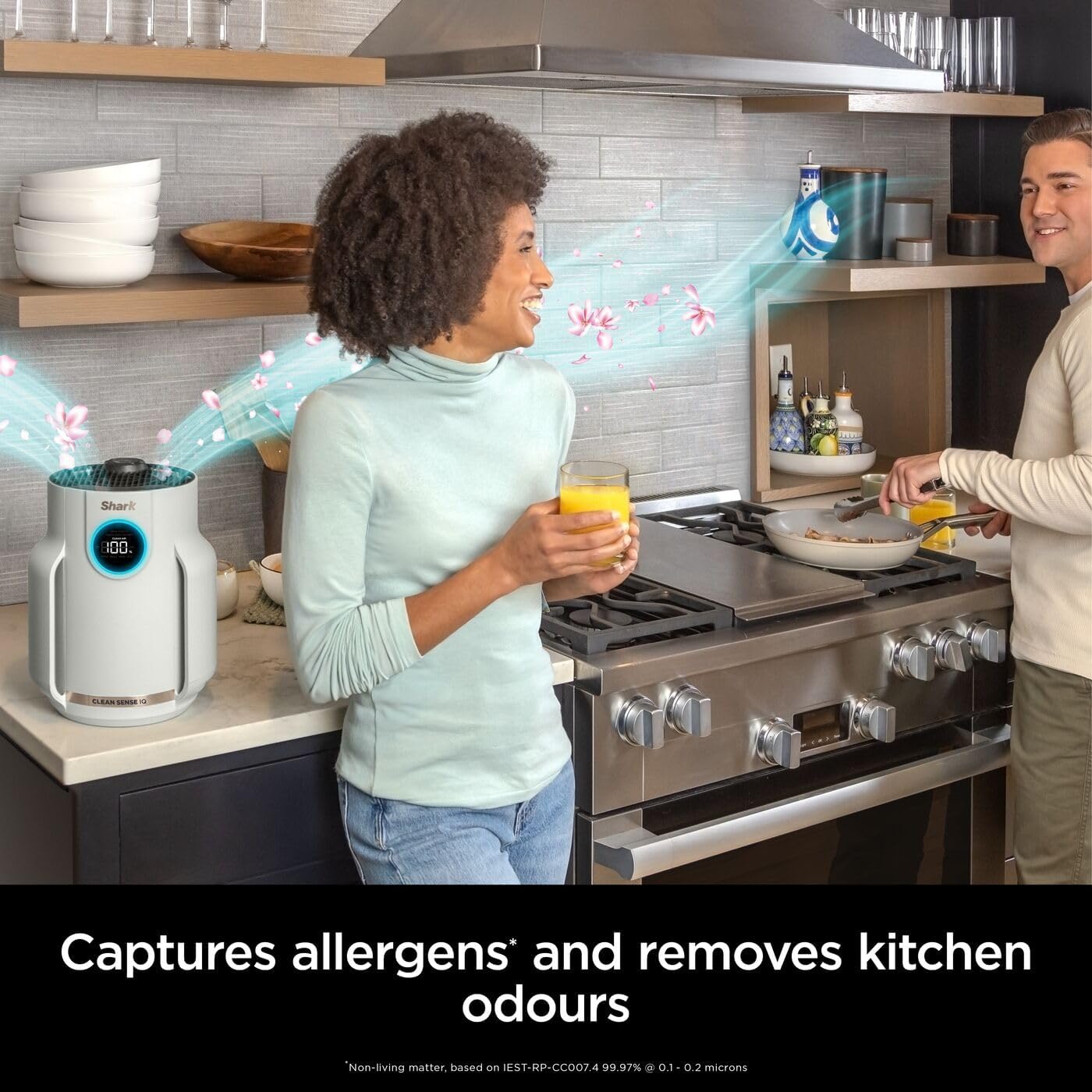
When you compare air purifiers, check whether the device uses a multilayer filter core that includes both mechanical and carbon filters. The mechanical layer, usually the true hepa filter, traps solid dust and smoke dust, while the activated carbon layer absorbs some volatile compounds and smoke odours. This combination is particularly valuable if your room air is affected by traffic pollution, cooking smoke, or cigarette smoke.
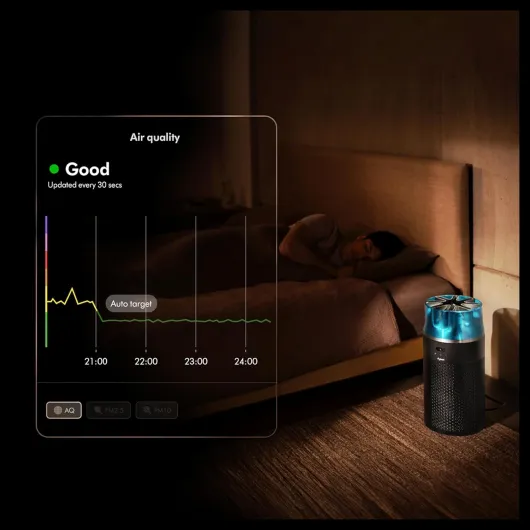
Many of the best air purifiers for allergies now include smart air sensors that monitor air quality and automatically adjust fan speed. In auto mode, the purifier increases speed when it detects more particle pollution, then returns to a quieter mode once the air is cleaner. This smart air approach helps maintain clean air without constant manual adjustments, which is convenient in a busy household.
Some allergy focused models also integrate UV or ioniser functions, but these should never replace a robust hepa filter and strong cadr. If you are considering a large room purifier with advanced filtration, a true HEPA and activated carbon system for large rooms can be a useful benchmark. Always confirm that replacement filters are easy to buy and that the manufacturer clearly states how many months each filter should last under normal use.
Matching room size, CADR, and models to your allergy profile
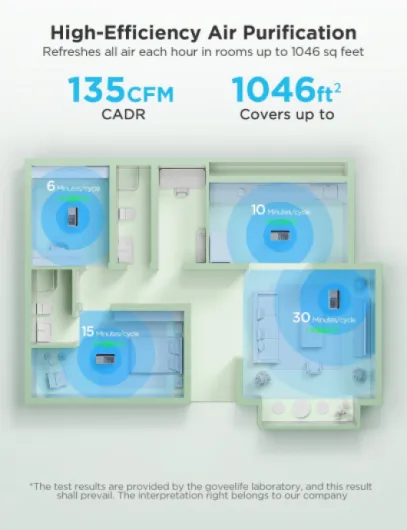
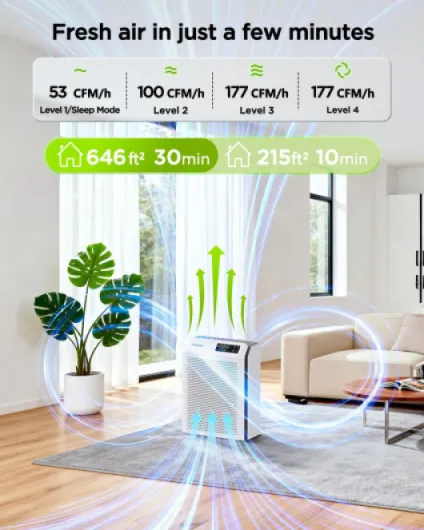
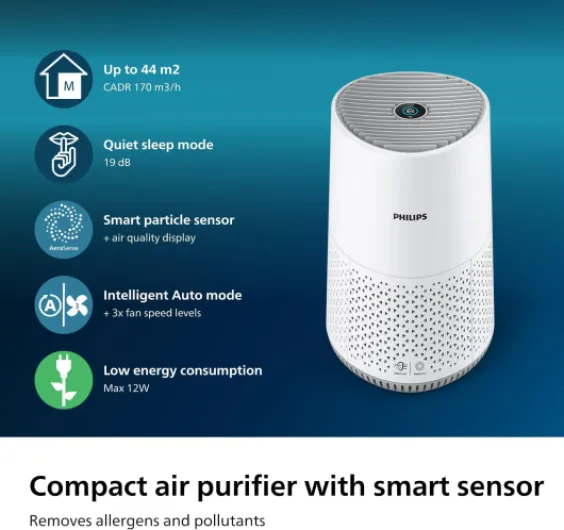
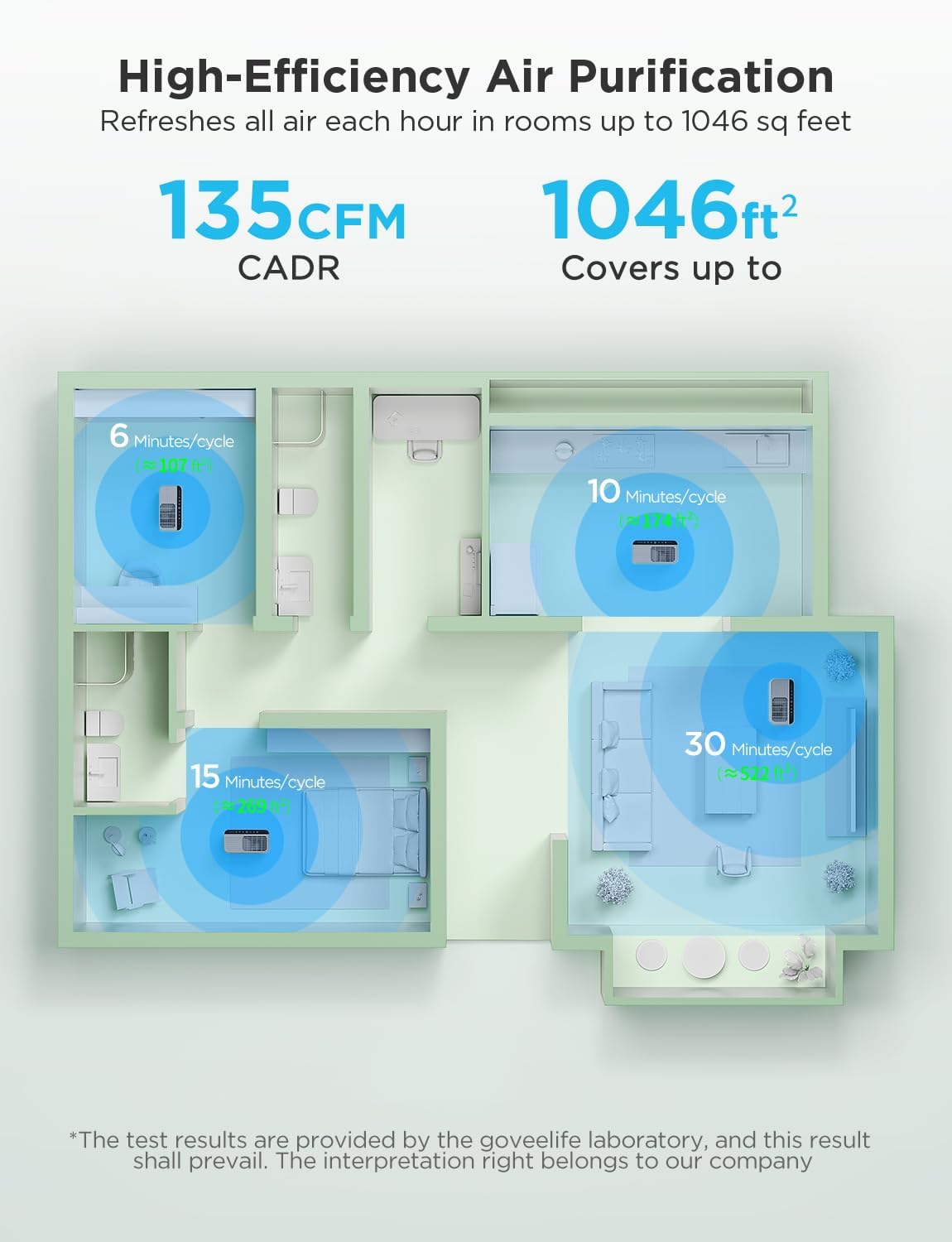
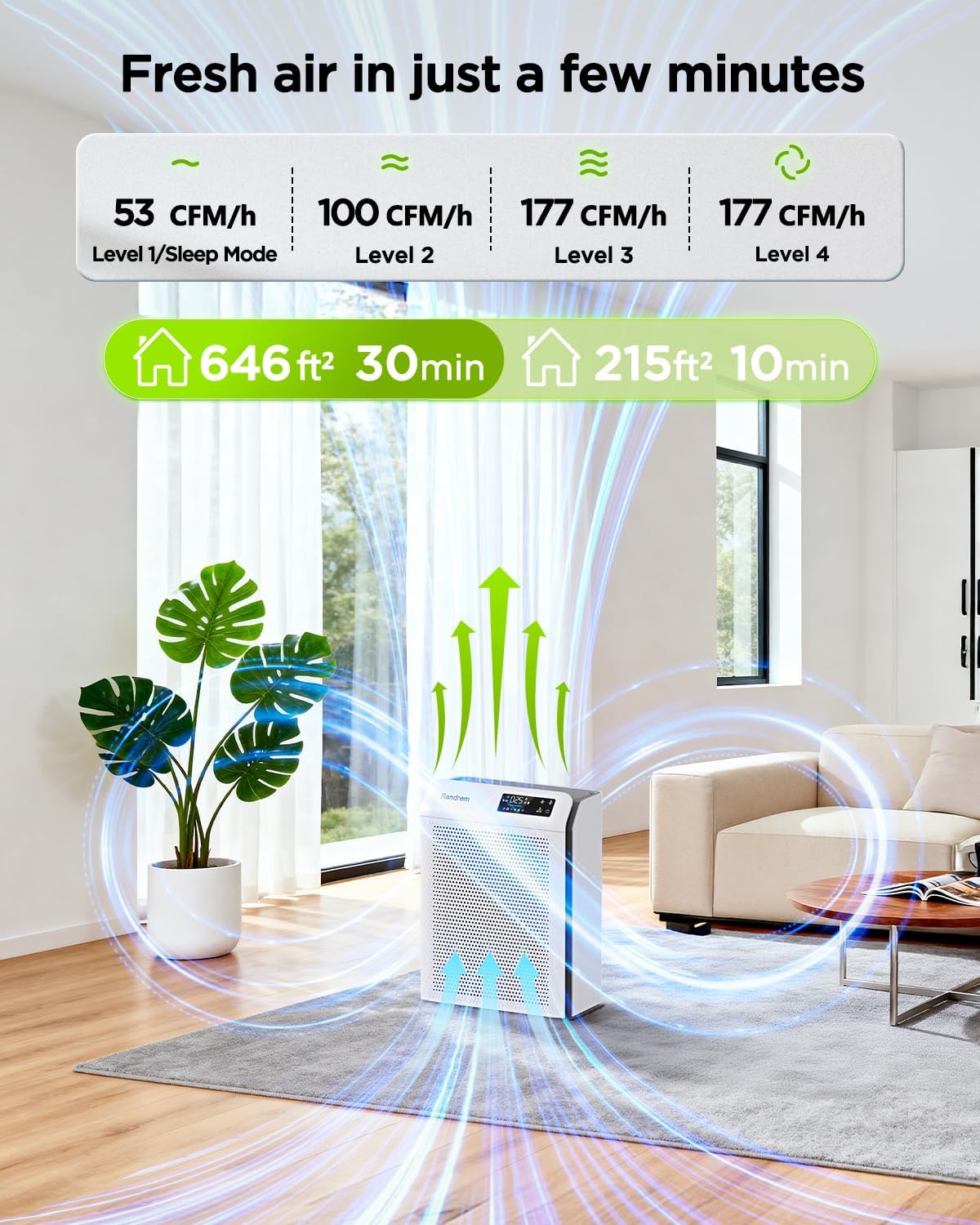
Choosing the best air purifiers for allergies starts with matching the purifier to your room size. A compact air purifier may work well in a 12 m² bedroom, but the same device will struggle in a 30 m² living room with open doors. Manufacturers usually list a recommended room size and cadr rating, and both should align with your actual floor area for effective filter air performance.
For people with severe allergies to pet dander or dust, it is often better to choose purifiers with slightly higher cadr than the minimum. A stronger air purifier can cycle indoor air more frequently, which reduces the time allergens remain suspended and inhaled. This is especially important in homes where pets move between rooms, spreading hair and fine particle matter across carpets and furniture.
Different models also offer various speed settings and operating modes, which influence both noise and energy use. During the day, you might run the purifier at medium speed in the main room air zone, then switch to sleep mode in the bedroom at night. Some smart air purifiers can even schedule mode changes automatically, which helps maintain clean air without constant attention.
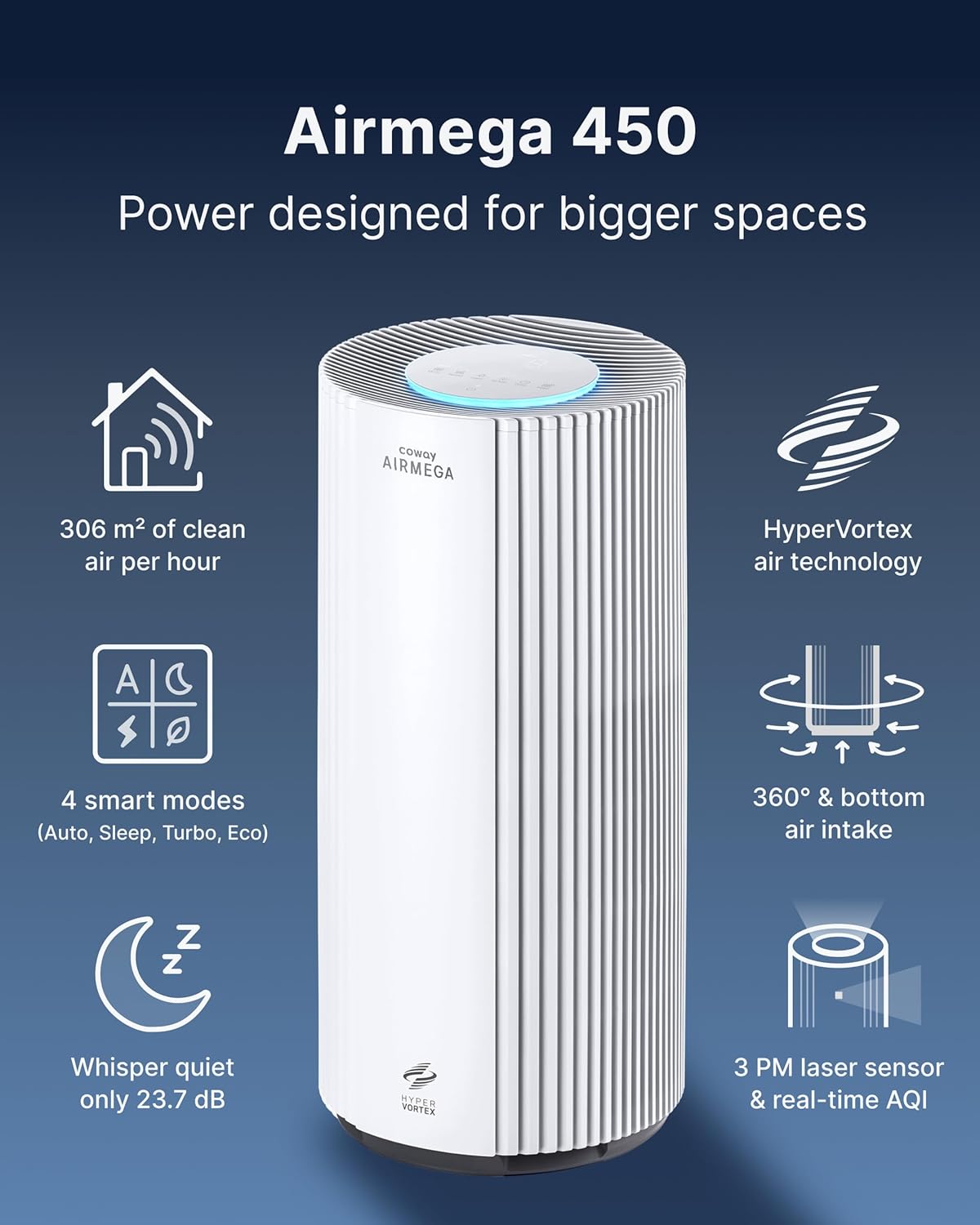
When comparing models, look at the total cost over several months, including replacement filters and electricity. A device with washable pre filters and long lasting hepa filter cartridges can offer better value than a cheaper unit with frequent filter changes. For a detailed example of how a high coverage purifier handles large spaces, you can review this test of a high capacity home air purifier for allergies and smoke, which illustrates how cadr and room size interact in real homes.
Levoit core and other popular models for allergy relief
Among mainstream brands, the levoit range is frequently mentioned when people search for the best air purifiers for allergies. The levoit core series, in particular, combines compact design with a cylindrical hepa filter that draws air from all sides of the room. This design helps maintain even air quality, especially in small to medium rooms where space is limited.
Many levoit purifiers use a three stage filter core that includes a pre filter, a true hepa layer, and activated carbon. The pre filter captures larger dust and pet hair, which protects the main hepa filter and extends its life by several months. The carbon filters then help reduce smoke odours and some household smells, which is useful if you are sensitive to both particle and gas based irritants.
When you compare levoit models with other air purifiers, pay attention to cadr, noise levels, and smart air features. Some levoit core devices include sleep mode, timers, and app control, while others focus on simple manual speed settings. If you mainly need clean air in a bedroom, a quieter model with strong hepa air performance at low speed may be the best buy for your situation.
It is also important to check how easy it is to buy replacement filters and how clearly the brand explains filter maintenance. Many users set reminders every few months to inspect the filter and vacuum the pre filter, which helps maintain consistent filter air flow. For households with pets or frequent smoke exposure, choosing models with affordable filters and robust pet dander performance can make ongoing ownership more practical and sustainable.
Noise, sleep mode, and living comfortably with an air purifier
For many allergy sufferers, the best air purifiers for allergies are the ones they can run all night without disturbance. Noise levels depend on fan speed, motor design, and how efficiently the purifier moves air through its filters. A well engineered air purifier can deliver strong cadr at medium speed while still allowing restful sleep in a quiet room.
Sleep mode is a key feature to examine when you buy a purifier for the bedroom. In this mode, the device usually reduces fan speed, dims lights, and maintains a gentle filter air flow that still improves air quality. Some smart air purifiers also adjust automatically based on particle readings, increasing speed briefly if smoke dust or other pollutants rise during the night.
Placement within the room also affects both noise and performance, because blocked vents can force the purifier to work harder. Ideally, position the air purifier at least a few centimetres from walls, with a clear path for air intake and clean air output. Avoid placing purifiers directly behind furniture, because this can trap dust and reduce the effective cadr in the occupied part of the room.
When comparing models, look for detailed noise specifications at each speed, not just the minimum value. A purifier that is quiet only at the lowest speed may not deliver enough clean air for severe allergies, especially in larger rooms. Balanced models that combine efficient filters, thoughtful mode options, and moderate noise at useful speeds tend to provide the best air experience for long term daily use.
Maintenance, filter changes, and long term allergy protection
Even the best air purifiers for allergies will lose effectiveness if their filters are neglected. Over time, dust, smoke particles, and pet dander accumulate in the hepa filter and carbon filters, reducing airflow and lowering cadr. Regular maintenance ensures that your air purifier continues to deliver clean air and reliable allergy relief.
Most manufacturers recommend checking the filter every few months, although the exact interval depends on indoor air conditions and usage. Homes with smokers, multiple pets, or frequent cooking may clog filters faster than quieter households with less pollution. Many smart air purifiers now include filter change indicators, which estimate remaining filter life based on speed settings and total operating hours.
When you buy replacement filters, choose genuine parts that match the purifier’s core design and hepa air specifications. Using non approved filters can compromise both particle capture and airflow, which undermines the best air performance you originally paid for. For households managing allergies, it is wise to keep at least one spare hepa filter on hand, so you can swap it immediately when the indicator light appears.
Some advanced models also offer reusable pre filters that can be washed or vacuumed, reducing waste and extending the life of the main filter. A good example is this bedroom air purifier with reusable pre filter and quiet sleep mode, which shows how thoughtful design can simplify maintenance. By combining regular cleaning, timely filter changes, and appropriate speed settings, you can keep your air purifiers working at their best for many months and maintain consistently healthier indoor air.
How to compare prices, features, and where to buy the best models
When you evaluate the best air purifiers for allergies, price is only one part of the decision. A low upfront cost can be misleading if replacement filters are expensive or need changing every few months. Calculating the total cost of ownership, including electricity, filters, and expected lifespan, gives a clearer picture of which purifiers truly offer the best air value.
Retailers such as specialist online shops and large chains like Best Buy often highlight cadr, room size, and filter type in their product listings. Use these details to compare how different models handle smoke, dust, and pet dander in rooms similar to yours. Pay attention to whether each air purifier uses true hepa and activated carbon filters, because these features strongly influence real world air quality improvements.
Smart air features, such as app control, voice integration, and automatic mode, can add convenience but are not essential for effective filter air performance. If your budget is limited, prioritise a strong hepa filter, adequate cadr for your room air volume, and a reliable sleep mode. For some buyers, a simple three speed purifier with robust filters may be a better buy than a complex connected device with weaker core filtration.
Finally, consider warranty terms, customer support, and the availability of replacement filters when choosing where to buy. Established brands like levoit and other reputable manufacturers usually maintain consistent supply of filters and clear guidance on maintenance. By weighing all these factors carefully, you can select air purifiers that fit your allergy profile, your rooms, and your finances while still delivering consistently clean air.
Key statistics about air purifiers and allergies
- Up to 90 % of time is typically spent indoors, where indoor air can contain significantly higher concentrations of dust and smoke particles than outdoor air.
- True HEPA filters are designed to capture at least 99.97 % of particles as small as 0.3 micrometres, including many common allergens such as pollen and pet dander.
- Clean Air Delivery Rate (CADR) values are often based on removing smoke, dust, and pollen, and higher cadr ratings indicate faster filtration of these pollutants in a defined room size.
- Regular filter maintenance, usually every 6 to 12 months depending on usage and pollution levels, is essential to maintain both airflow and particle removal efficiency.
- Multi stage filtration systems that combine HEPA and activated carbon filters can reduce both particulate allergens and some gaseous pollutants, improving overall perceived air quality.
Common questions about the best air purifiers for allergies
Do air purifiers really help with allergies
Air purifiers with true HEPA filters can significantly reduce airborne allergens such as pollen, dust, and pet dander. By continuously circulating and cleaning room air, they lower the concentration of particles that trigger symptoms. While they do not cure allergies, they can meaningfully ease daily discomfort when used correctly and combined with other avoidance strategies.
What type of filter is best for allergy sufferers
For most allergy sufferers, a true HEPA filter is considered the most effective option. This type of filter captures very small particles that standard filters may miss, including fine dust and many allergenic fragments. When paired with activated carbon filters, a purifier can also reduce some odours and gases, which further improves comfort for sensitive individuals.
How do I choose the right size air purifier for my room
Start by measuring the room size in square metres and checking the manufacturer’s recommended coverage area. Then compare the CADR rating, which indicates how quickly the purifier can filter air in that space. For people with strong allergies, it is often wise to choose a model with slightly higher cadr than the minimum recommendation.
How often should I change the filters in an air purifier
Most manufacturers suggest changing HEPA filters every 6 to 12 months, depending on usage and indoor pollution levels. Homes with smokers, pets, or heavy dust may require more frequent replacement to maintain airflow and filtration efficiency. Always follow the specific guidance for your model and pay attention to any filter change indicators.
Where should I place an air purifier for the best results
Place the air purifier in the room where you spend the most time, such as the bedroom or main living area. Ensure there is enough space around the unit for unobstructed air intake and clean air output. Avoid hiding the purifier behind furniture or curtains, because this can reduce both cadr and overall effectiveness.