Summary
Editor's rating
Is it worth the money?
Big white box that blends in… sort of
Noise, lights and everyday use
Build quality, filters and long-term feel
Sensor, modes and real-life behaviour
What you actually get with the Zero-S
Does it actually clean the air?
Pros
- Strong airflow and HEPA H13 filtration that genuinely reduce dust, pollen and smells in medium to large rooms
- Very quiet on low and sleep mode, suitable for running at night in a bedroom
- Simple, effective auto mode with a sensitive sensor and an easy-to-clean pre-filter that extends filter life
Cons
- Bulky and a bit heavy, takes up noticeable space in smaller rooms
- No app, Wi‑Fi or detailed PM2.5 readout – smart features are very basic
- Auto mode is tied to light-based sleep detection, which can be annoying in dark rooms during the day
Specifications
View full product page →| Brand | Winix |
| Colour | White |
| Product dimensions | 26D x 43W x 65H centimetres |
| Power source | Corded Electric |
| Item weight | 8.8 Kilograms |
| Control Method | Touch |
| Filter Type | HEPA, Activated Carbon |
| Floor Area | 100 Square Meters |
Big box, less sneezing
I’ve been running the Winix Zero-S in my flat for a few weeks now, mainly because my hay fever is brutal and we have a cat that seems to shed for fun. I’m not an engineer, I just wanted something that would quietly clean the air without me babysitting it all day. This model kept popping up in forums and on Amazon, so I decided to give it a proper try in my bedroom and living area.
First impression: it’s not small. When you unbox it, you realise quickly this is meant for serious airflow, not just a cute gadget in the corner. But once I plugged it in and left it on auto, it basically disappeared into the background. The fan noise on low and sleep mode is very low, and I mostly forget it’s running unless it suddenly ramps up because something set it off.
My main goal was simple: less sneezing in the morning, less dust on furniture, and less lingering cooking and pet smells. After a few days, I did notice I woke up with a less blocked nose and the room didn’t smell like cat litter and stale food as much. It’s not magic, but there’s a clear “air feels cleaner” effect, especially when coming back into the room after being out.
It’s not perfect though. It’s bulky, the "smart" side is pretty basic (no app, no Wi‑Fi), and the auto/night behaviour can be a bit dumb if the room is dark during the day. But in terms of just cleaning a lot of air quite quietly, it gets the job done and feels like a solid workhorse rather than a fancy toy.
Is it worth the money?
Price-wise, the Winix Zero-S sits in the mid to upper range of home air purifiers, especially compared to smaller units from random brands. You’re paying for higher CADR, proper HEPA H13 filtration, a real pellet carbon filter, and the Winix name with certifications from Allergy UK and AHAM. If you just want something tiny for a small office, this is probably overkill. But if you want one unit that can realistically handle a big bedroom or living room, the price starts to make sense.
Running costs are something to factor in. It uses up to 62 W on max, but in auto mode it spends most of its time on low, so the electricity use is modest. The real ongoing cost is filters. Replacements aren’t cheap, especially if you stick with original Winix ones (which I would, personally). On the other hand, the good pre-filter and proper sequence mean you should get decent life out of each set if you clean regularly. So overall it’s not dirt cheap to own, but not outrageous either, more or less standard for a serious purifier.
Compared to cheaper brands with “HEPA-like” filters and thin carbon sheets, the Zero-S feels like better value if you actually care about performance. You get strong airflow, better filtration, and a brand that at least publishes real numbers and has third-party testing. The downside is the lack of smart features: at a similar price, some competitors offer app control and PM2.5 readouts. If that data matters to you, you might feel short-changed here.
For me, the value is decent: it’s not a bargain, but it’s not overpriced for what it does. If your main priorities are quieter nights, less dust, and help with allergies in a medium to large room, the money feels well spent. If you mainly want flashy features or something very compact, then it’s probably not the best match for your budget.
Big white box that blends in… sort of
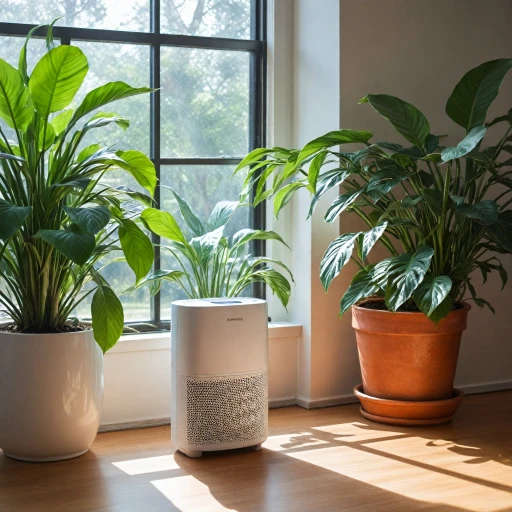
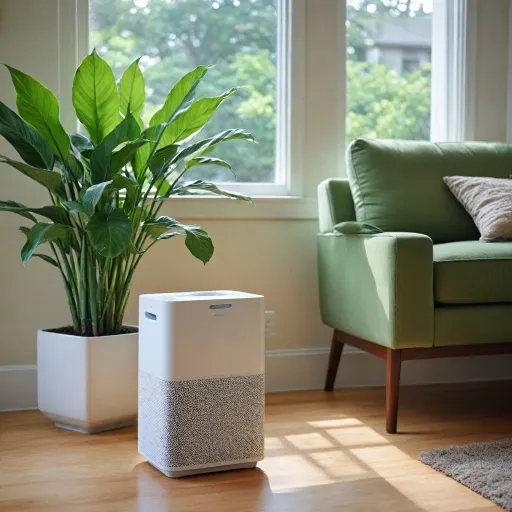
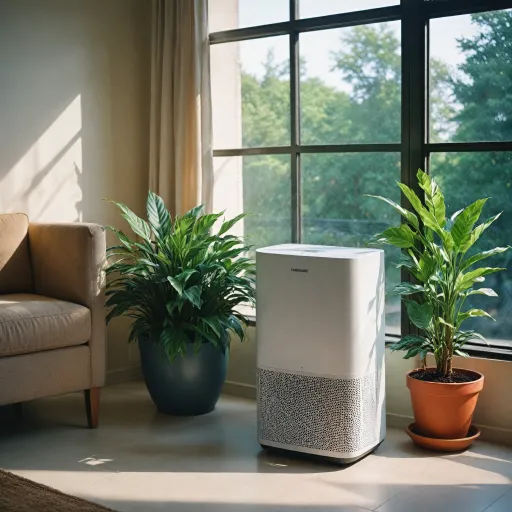
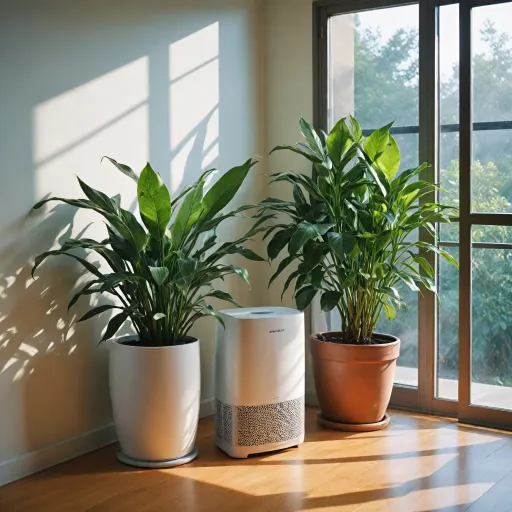
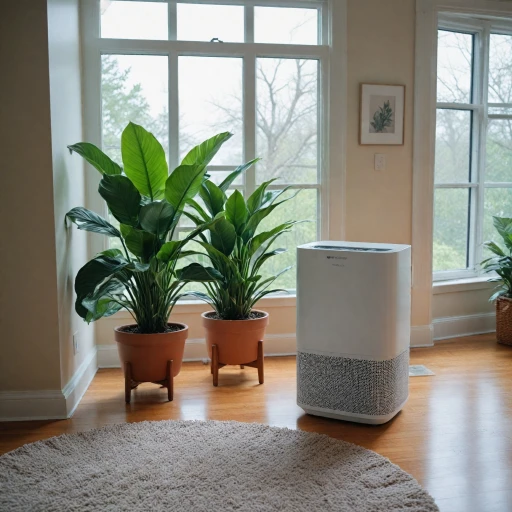
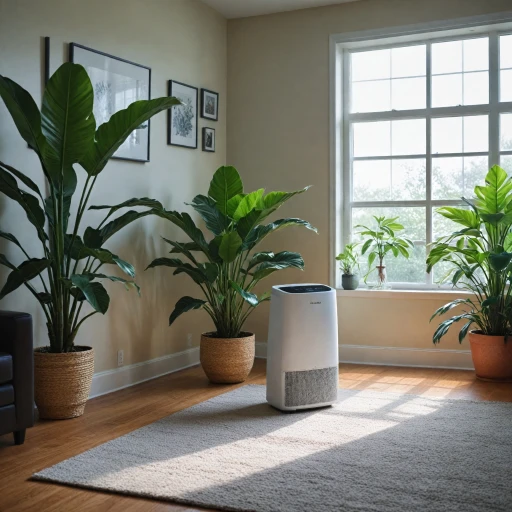
Design-wise, the Zero-S is basically a big white rectangle: 26 cm deep, 43 cm wide, 65 cm high. It looks like typical air purifier furniture, nothing stylish, nothing ugly. In a corner of the room it just looks like another white appliance, somewhere between a dehumidifier and a small tower fan. If you’re after something that doubles as decor, this isn’t it, but at least it doesn’t scream for attention.
The air intake is on the front, and the cleaned air blows out the top. That means you need to leave some space in front and above it, which is easy enough against a wall but not great if you’re tight on space. The top panel is slightly angled and holds the touch controls and the air quality light. The buttons respond fine, even with slightly dusty fingers, and you don’t have to press hard or tap multiple times, which is nice.
At night, the design choice that matters most is the lighting. In sleep mode the lights dim heavily and most of them switch off, so it doesn’t turn your bedroom into a disco. I’m pretty picky about light when I sleep, and I found it acceptable. You can still see a faint glow, but it’s not aggressive. During the day, the coloured LED ring for air quality is bright enough to see across the room without being annoying.
My only real complaint on design is just the size. In a small bedroom it dominates one wall and you will notice it when you walk in. Also, there are no handles built into the sides, so moving it while plugging/unplugging is a bit awkward for an 8.8 kg unit. But overall, it’s a practical, no-nonsense design that focuses more on function than looks, which fits the product’s purpose.
Noise, lights and everyday use
For comfort, the two big questions are: how loud is it and can you sleep next to it? On the lowest setting and in sleep mode, it’s very quiet. The spec says around 27 dB, and subjectively it matches that: basically a soft airflow noise that disappears into background if you have any other noise in the house. I had it about 2–3 metres from the bed and had no trouble sleeping. If you’re extremely sensitive to any noise, you’ll still hear a faint whoosh, but it’s one of the quieter units I’ve tried.
On higher speeds, you obviously hear it more. Medium is still fine for watching TV or working; you’ll notice it but you don’t have to crank the volume. On max, it’s loud enough that you won’t want it running like that all night, but it’s okay for short bursts when you’ve burnt something in the kitchen or someone’s been smoking near a window. The good thing is, auto mode usually keeps it on low unless it detects a spike.
The automatic night mode is both handy and slightly annoying. Handy because when you switch off the room light, it goes into sleep mode: fan drops to the lowest setting and the lights dim. You don’t have to remember to press anything. Annoying because if you close the curtains or the room gets dark during the day, it can jump into sleep mode when you actually want it to still react strongly to pollutants. There’s no way to have “auto without night detection”, which would have been useful in summer or for darker rooms.
Daily use is otherwise very simple. I basically leave it in auto 90% of the time. It ramps up when we cook, when I vacuum, or even when someone walks in from outside covered in pollen. Then it calms down again. From a comfort point of view, that’s exactly what I want: I don’t spend my day fiddling with buttons, and the thing mostly stays quiet and unobtrusive.
Build quality, filters and long-term feel
In terms of build, the Zero-S feels like a solid appliance, not a flimsy gadget. The plastic shell is fairly thick, there’s no creaking when you move it, and the front panel clips on firmly over the filters. The unit is made in Korea and comes with a 3‑year warranty, plus Winix say they’ll keep spare parts available in the EU for 5 years. That doesn’t guarantee it will last forever, but it’s better than many no‑name brands that vanish after a year.
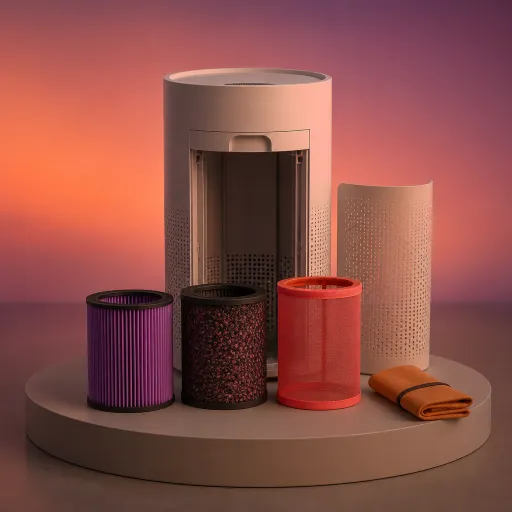
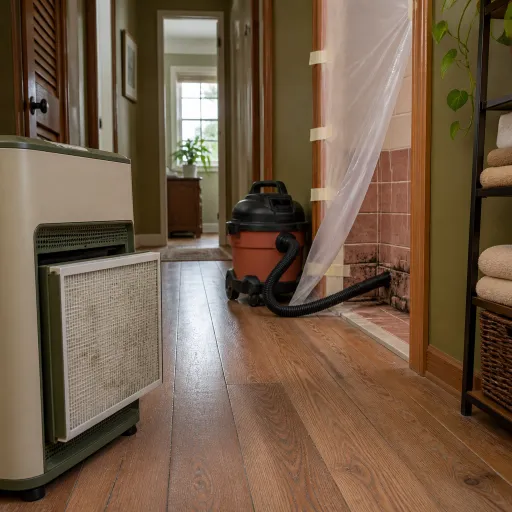
The filter system is well thought out: there’s a washable pre-filter (like a mesh that catches hair and big dust), then the carbon pellet filter, then the HEPA. The order matters because it protects the expensive HEPA from getting clogged too quickly. Cleaning the pre-filter is literally like cleaning a tumble dryer lint filter: pop off the front, pull it out, vacuum or rinse, dry, and put it back. That’s easy and should be done every few weeks depending on dust and pets.
Filter lifespan will depend on your air quality, but generally you’re looking at replacing the main filters roughly once a year with normal use. They aren’t cheap, so that’s part of the long-term cost. On the plus side, keeping the pre-filter clean really helps extend that life. After a few weeks of use, the pre-filter already showed a fair amount of collected fluff and dust, which means it’s doing its job and not all of that is going into the HEPA.
From a durability point of view, my only minor concern is the touch panel over many years of use, but that’s just guessing. So far it responds well and doesn’t feel fragile. Given Winix’s track record and the certifications, I’d expect this to outlast a lot of cheaper purifiers, as long as you actually clean and change the filters when needed. It feels more like a mid‑range appliance you keep for years, not a disposable gadget.
Sensor, modes and real-life behaviour
On paper, the specs are strong: CADR 410 m³/h, coverage up to 100 m², HEPA H13 filter down to 0.1 microns, and 62 W max power. In practice, the airflow feels powerful when you put your hand above the outlet on high speed, and you can feel the air in the room mix quite fast. In my roughly 30 m² living room, if I set it to max after cooking, the cooking smell drops a lot within 10–15 minutes, which lines up with the numbers.
The particle sensor and auto mode are where the day-to-day "performance" lives. The sensor is pretty sensitive: vacuuming, spraying deodorant, opening a window on a high-pollen day, or even just someone walking in from outside can trigger it. The light ring changes colour and the fan ramps up for a short time. Most of the time, it reacts within seconds, which is reassuring. That said, it’s not a lab instrument. Sometimes it seems a bit inconsistent: it’ll show “good” air when I can still smell something faint, or it will stay on a higher speed a bit longer than seems necessary.
The PlasmaWave feature is turned on by default. You can switch it off if you’re paranoid about ion-type tech, but I left it on. I can’t honestly say I feel a huge difference with it on or off, but I also haven’t had any irritation or weird smell from it, so I just let it run. It’s one of those features that’s hard to judge without lab tools, so I treat it as a bonus rather than the main reason to buy the unit.
One thing to note: there’s no app, no numerical PM2.5 readout, no integration with Alexa or Google. If you care about data graphs and remote control, this will feel limited. You get colours and basic modes, that’s it. Personally, I’m fine with that. I wanted something I could forget about, and in that sense the performance is strong: air gets cleaned, the fan mostly stays quiet, and it only goes loud when something actually happens in the room.
What you actually get with the Zero-S
The Winix Zero-S is sold as an air purifier for rooms up to 100 m² with a CADR of 410 m³/h, which on paper is more than enough for a normal bedroom or living room. In practice, I’ve used it in a 20–25 m² bedroom and a roughly 30 m² living/dining area, and it doesn’t struggle. Air cycles feel quick, especially if you bump the fan up manually when cooking or after vacuuming. It weighs about 8.8 kg, so you can move it between rooms, but it’s not something you’ll be carrying up and down stairs all day.
Out of the box you get the unit, the full filter pack (pre-filter, carbon, HEPA) already installed, and a basic manual. No remote, no app, no extras. The control panel on top is touch-based: power, fan speed, auto mode, sleep mode, and PlasmaWave. There’s also a coloured light indicator for air quality that shifts based on what the sensor picks up. It’s simple enough that you don’t really need the manual beyond the first filter check.
Feature-wise, the key things are: auto mode using the particle sensor, sleep mode that kicks in when the room is dark, HEPA H13 filtration rated to 0.1 microns, a proper pellet carbon filter, and Winix’s PlasmaWave tech that’s supposed to help with finer pollutants and viruses. There’s no fancy screen with numbers, just colours, which is fine if all you care about is “clean or not clean”.
Overall, the package is pretty straightforward: it’s clearly focused on performance and filtration rather than smart-home gimmicks. If you’re expecting graphs, apps and voice control, you’ll be disappointed. If you just want a plug‑and‑leave unit that reacts to dust, smoke, or pollen, this is more in that lane.
Does it actually clean the air?
In terms of pure effectiveness, this is where the Winix Zero-S is pretty solid. I bought it mainly for hay fever and general dust, and on those fronts I noticed a difference within a few days. I used to wake up with a blocked nose and itchy eyes in the morning, especially during pollen season. With the purifier running all night in the bedroom, those symptoms dropped a notch. Not cured, but less intense. That’s good enough for me to keep it running every night.
Dust-wise, surfaces seem to stay cleaner slightly longer. I’m not going to pretend it removes the need to dust, but the layer that normally builds up near the window and TV stand appears more gradual. I also have a cat, and the usual “pet smell” in the room is lighter, especially around the litter area. When we scoop or when the cat kicks up dust, the purifier’s sensor reacts quickly: the air quality light changes and the fan speeds up for a bit, then calms down again after a few minutes.
For smells and smoke, the carbon filter and airflow do a decent job. Burnt toast, frying, or someone smoking near the kitchen window all trigger the unit quickly. You can literally see it go from blue (good) to orange or red, then back to blue once it’s done. It’s not instant, but within 10–20 minutes the smell in the room is clearly reduced. It’s not like opening all the windows, but it takes the edge off and prevents smells from lingering for hours.
Is it perfect? No. If you expect it to cancel all allergies or make your house smell like a forest, you’ll be disappointed. And like every purifier, it depends on placement: if you hide it behind furniture or in a corner with no airflow, results drop. But used properly, in a medium to large room, it does what it claims: cuts down dust, pollen and odors to a noticeable degree. For an everyday user, that’s basically what matters.
Pros
- Strong airflow and HEPA H13 filtration that genuinely reduce dust, pollen and smells in medium to large rooms
- Very quiet on low and sleep mode, suitable for running at night in a bedroom
- Simple, effective auto mode with a sensitive sensor and an easy-to-clean pre-filter that extends filter life
Cons
- Bulky and a bit heavy, takes up noticeable space in smaller rooms
- No app, Wi‑Fi or detailed PM2.5 readout – smart features are very basic
- Auto mode is tied to light-based sleep detection, which can be annoying in dark rooms during the day
Conclusion
Editor's rating
After living with the Winix Zero-S for a while, my opinion is pretty straightforward: it’s a big, practical air purifier that focuses on cleaning a lot of air quietly, without trying to be a smart-home toy. The filtration is strong, the sensor reacts quickly to real-life stuff like cooking, vacuuming and pollen, and sleep mode is quiet enough for a bedroom. My hay fever symptoms eased a bit, the room smells less like pets and cooking, and visible dust seems to build up a bit slower. That’s exactly what I wanted out of it.
It’s not perfect. It’s bulky, there’s no app or fancy data display, and the auto/night mode logic can be a bit dumb in dark rooms during the day. Filters and long-term running costs are something you have to budget for. But the build feels solid, the controls are simple, and the performance matches the specs well enough for a normal home. If you care more about actual clean air than tech features, it’s a pretty solid choice.
I’d say this is a good fit if you have allergies, pets, or you live in a place with a lot of dust or smoke, and you want one main purifier for a larger bedroom or living room. If you’re on a tight budget, have very small rooms, or you really want app control and full smart integration, you might want to look at other models. For most people who just want cleaner air and less hassle, the Zero-S gets the job done without drama.