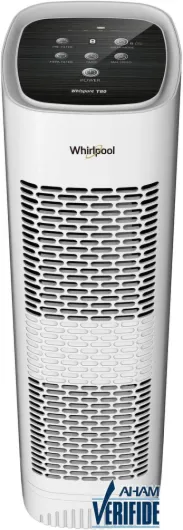
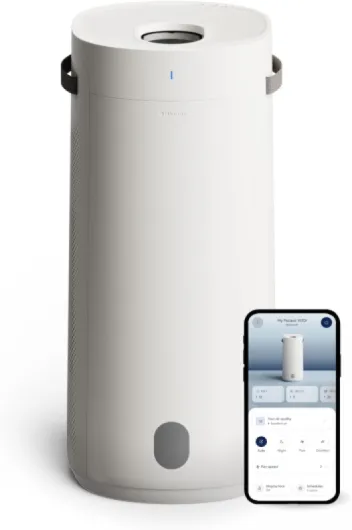
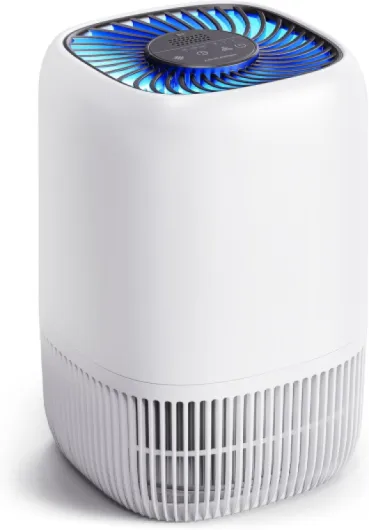
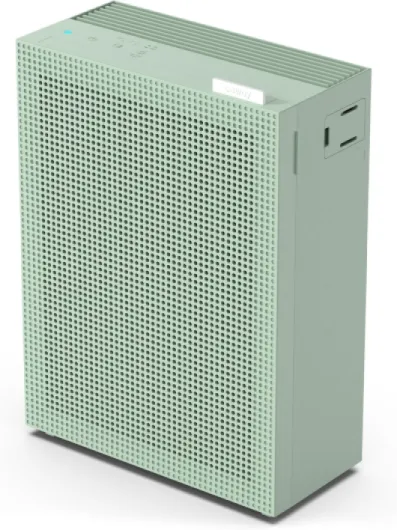
Key performance metrics for the best true HEPA air purifiers
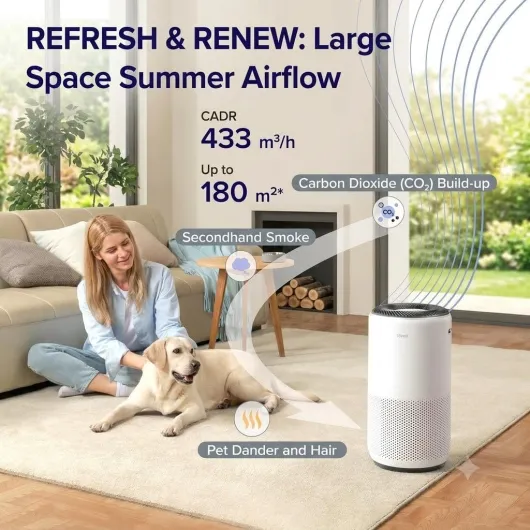
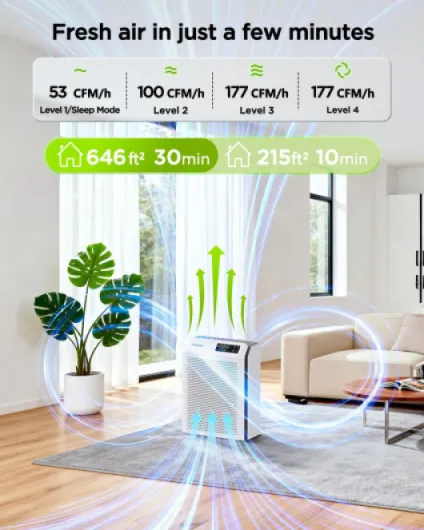
To compare the best true HEPA air purifiers fairly, you need to understand the technical metrics printed on the box. Clean Air Delivery Rate, or CADR, indicates how much clean air a purifier can produce each minute at a given fan speed. When CADR is expressed as CADR CFM, it tells you the volume of filtered air in cubic feet per minute, which you can relate to your room size and ceiling height.
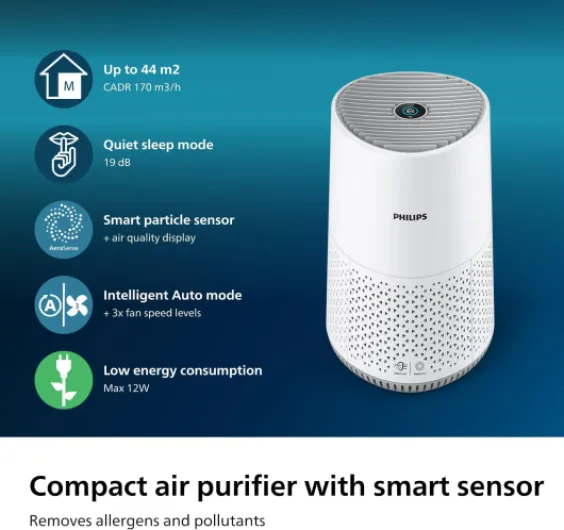
A high CADR does not automatically mean the purifier is the best choice for your situation. You must also consider the noise level in dBA at each mode, because a powerful air purifier that is too loud on every speed will probably end up switched off. Many modern air purifiers include an auto mode that uses a quality sensor to monitor air quality and adjust fan speed, which helps maintain clean air without constant manual changes.
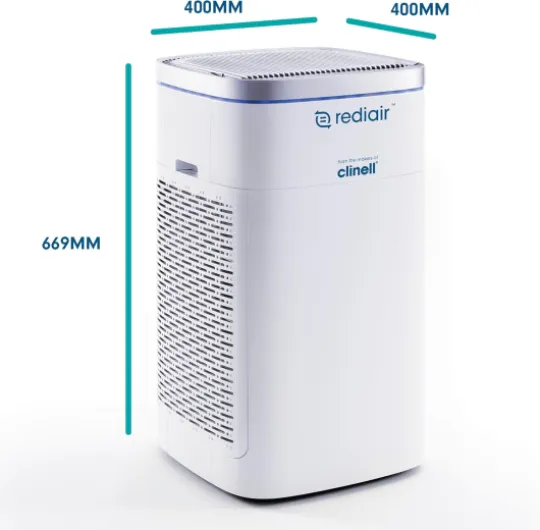
Look carefully at the recommended room coverage and the stated dimensions in inches, as well as the inches weight, to ensure the purifier fits your space physically. A compact purifier with a strong true HEPA filter and efficient pre filter can be ideal for bedrooms, while larger products with higher power and CADR CFM suit open plan living areas. Wall mounted solutions can also enhance indoor air quality in tight rooms, as explained in this guide to a wall mounted air purifier for better air quality.
Filter replacement intervals, usually stated in months, are another crucial factor in long term price and performance. Some of the best air purifiers use separate HEPA filter and activated carbon cartridges, allowing you to replace only the worn component and extend the life of the other filters. When comparing products, always weigh the purchase price, the cost of replacement filters and the expected filter life in months to understand the real cost of clean air in your home.
How filtration stages work together in the best true HEPA air purifiers
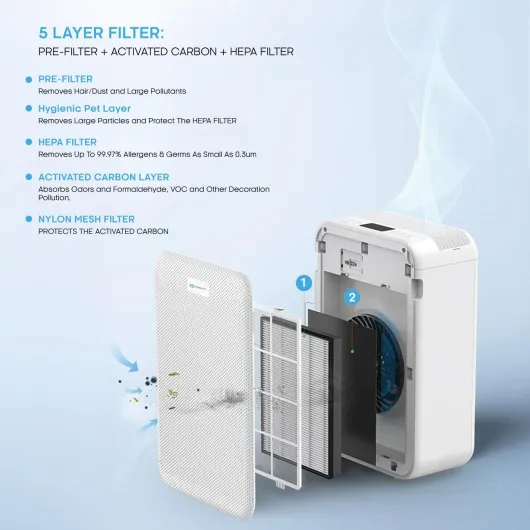
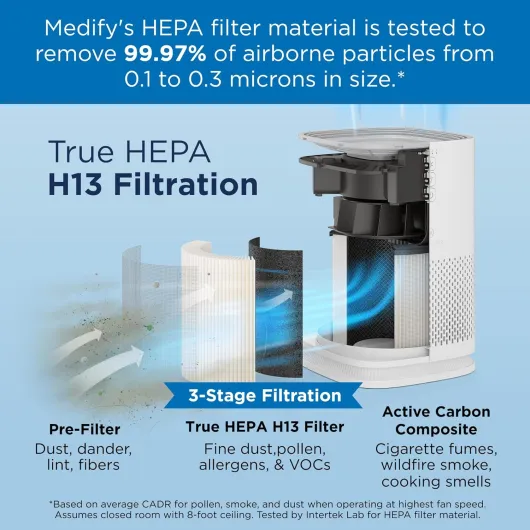
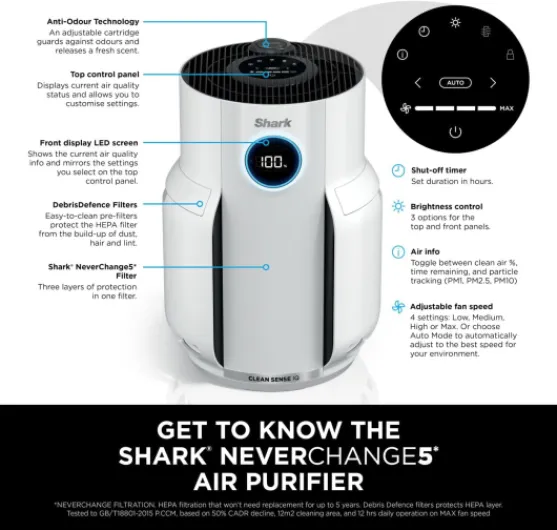
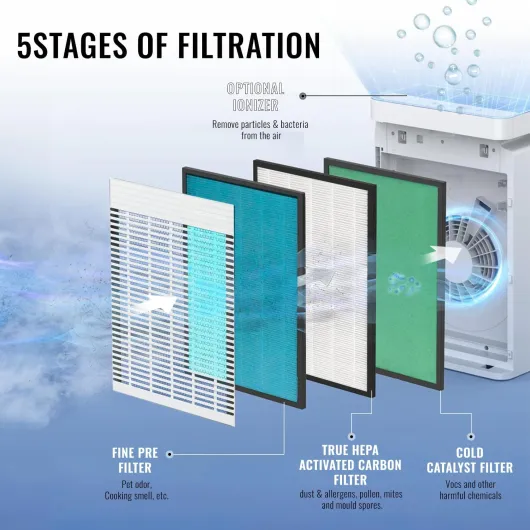
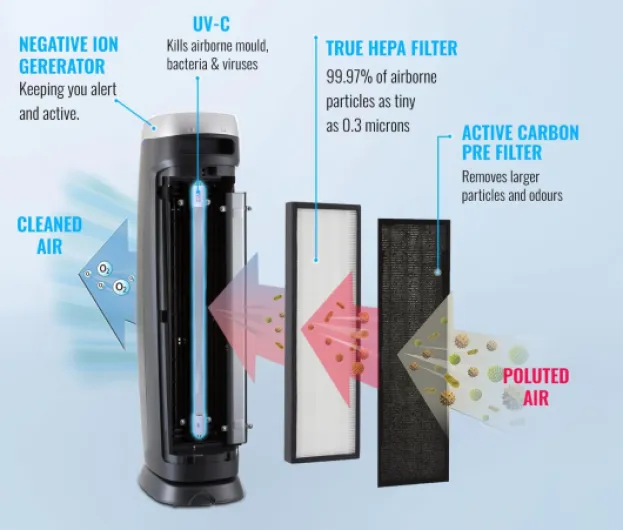
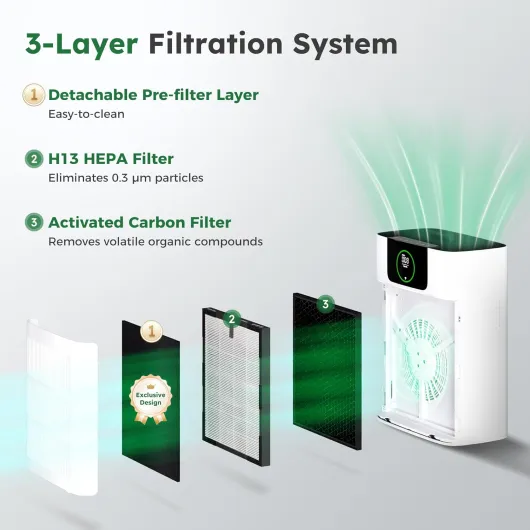
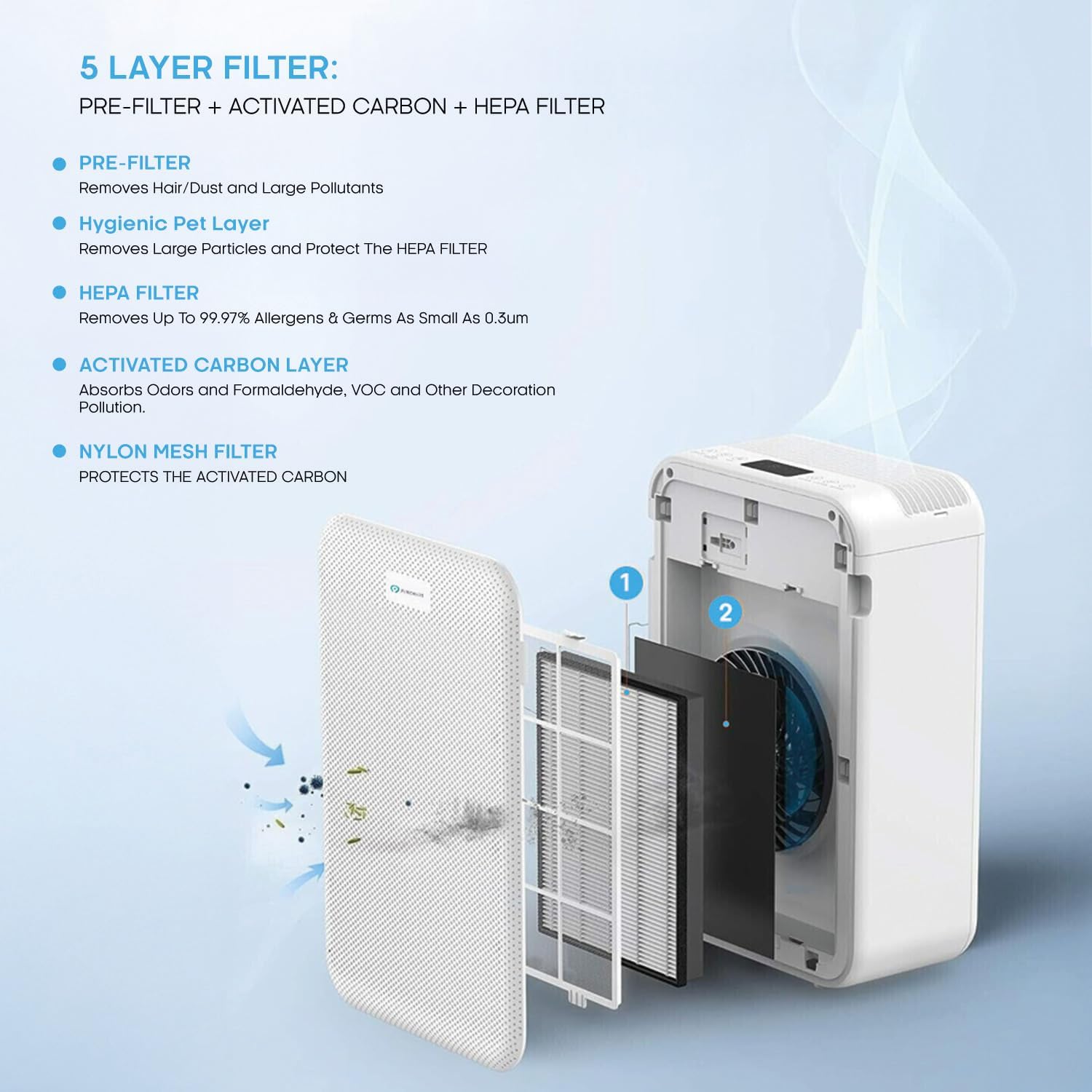
Most of the best true HEPA air purifiers rely on a multi stage filtration system rather than a single filter. Air first passes through a pre filter that catches hair, lint and larger particles, which protects the main HEPA filter from clogging too quickly. This simple step can significantly extend the life of the HEPA filter and maintain high airflow and CADR over many months of use.
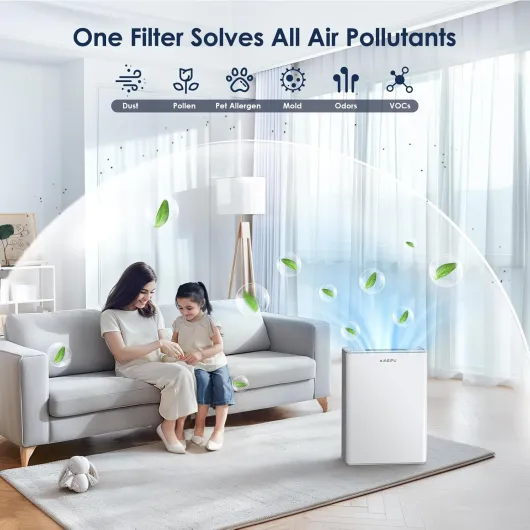
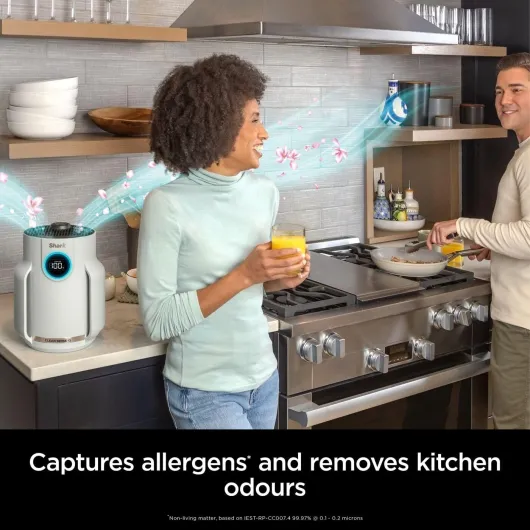
After the pre filter, air usually moves through an activated carbon or carbon filter layer. This stage does not target particles as much as gases, odours and volatile organic compounds, which are common in cooking fumes, smoke and some cleaning products. By removing these pollutants, the purifier improves perceived air quality and makes the remaining hepa air stages more effective at focusing on fine particles.
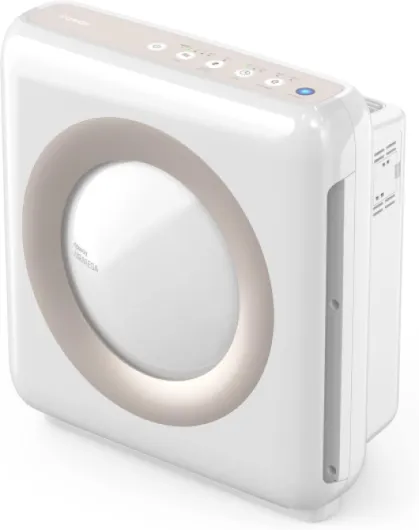
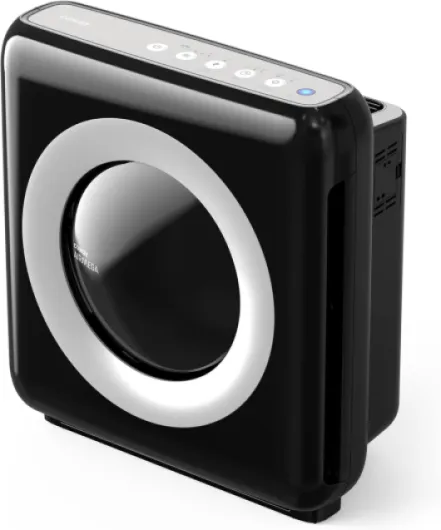
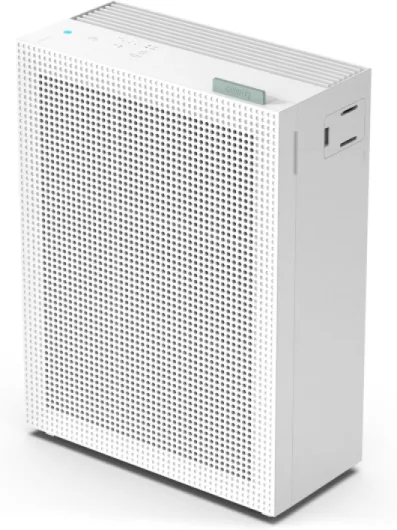
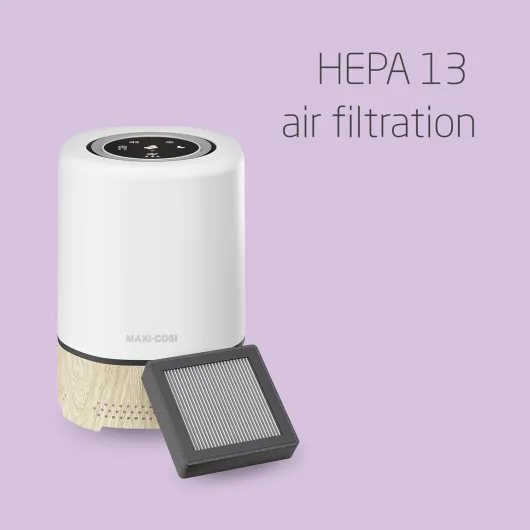
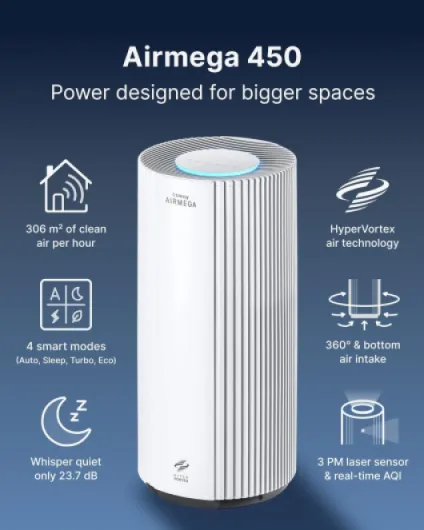
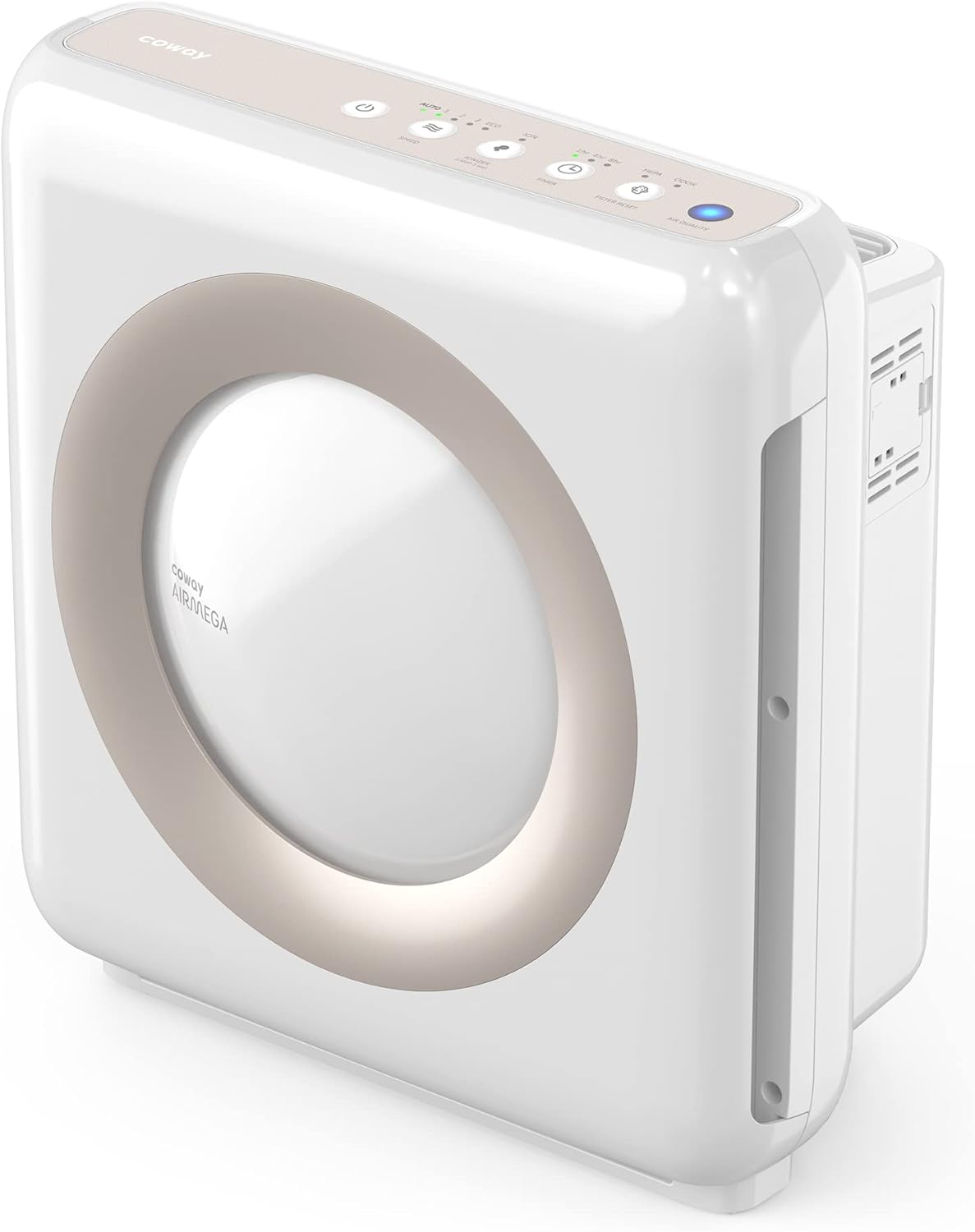
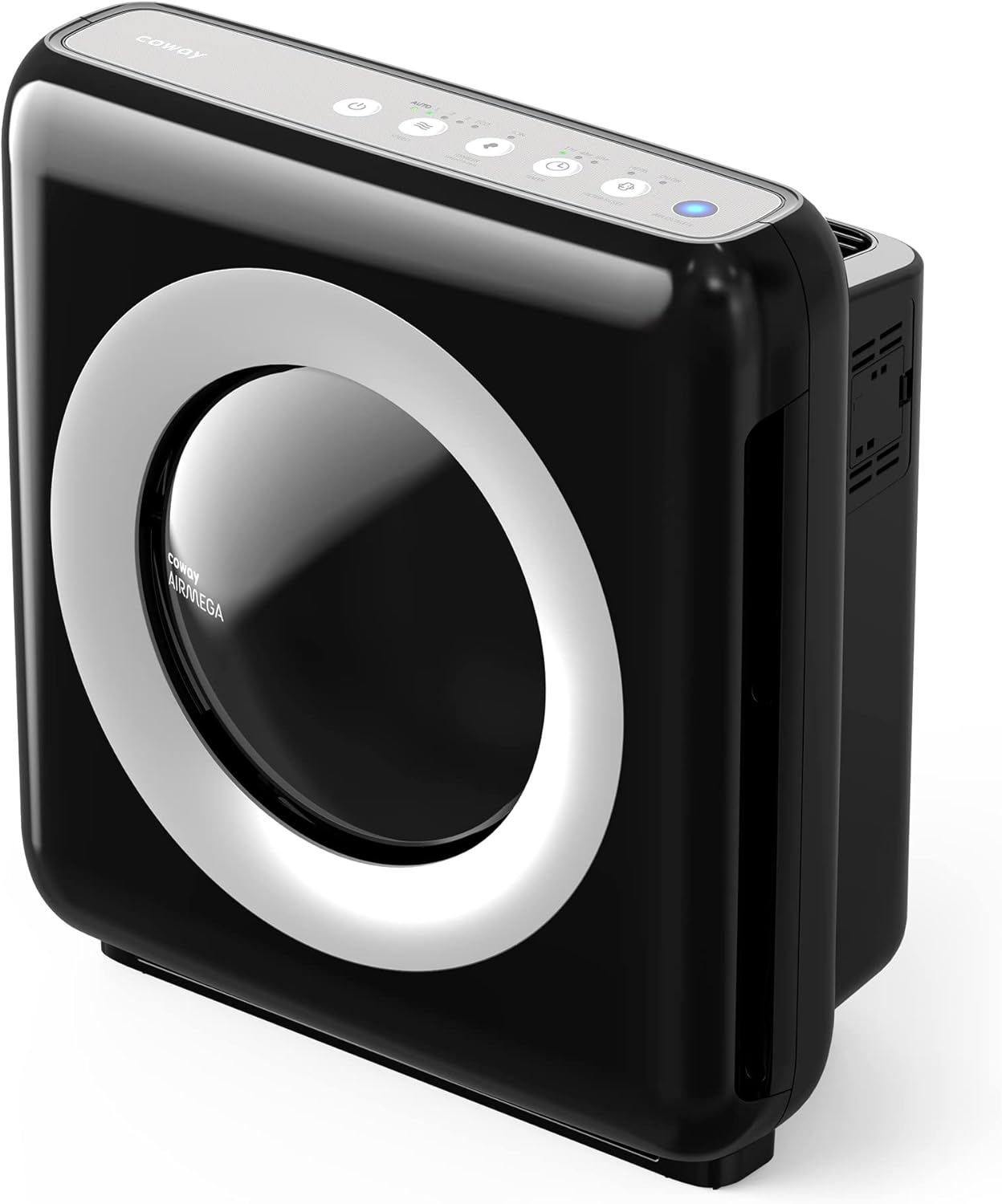
The heart of the system is the true HEPA filter, which captures microscopic particles that can penetrate deep into the lungs. In a well designed air purifier, the fan speed, internal pressure and filter surface area are carefully balanced to maintain high CADR CFM without excessive noise. Some models, such as the widely respected Coway Airmega purifiers, are known for combining strong HEPA filtration with smart sensors and efficient airflow paths.
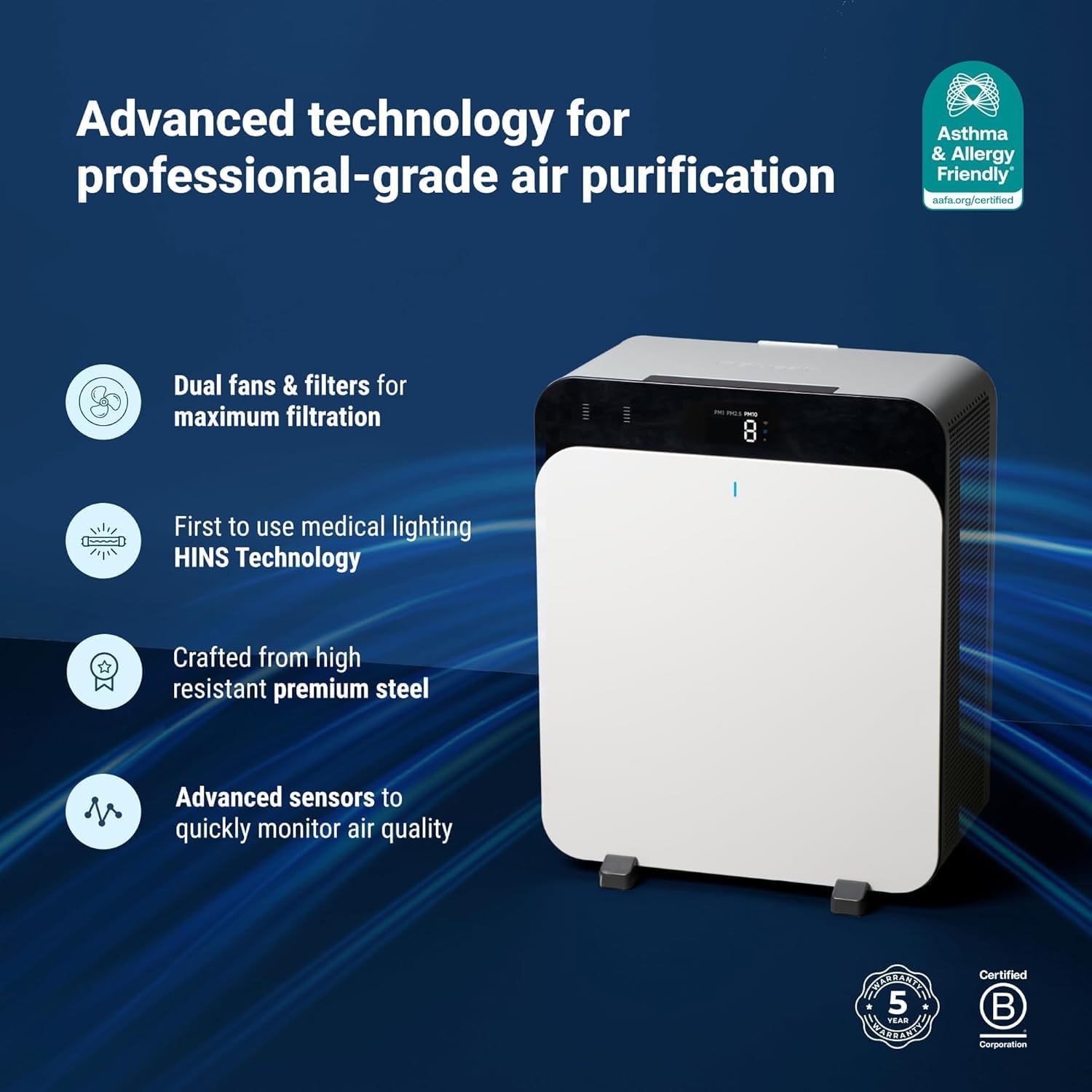
Advanced air purifiers may also include a quality sensor that continuously measures particle levels and adjusts auto mode accordingly. This means the purifier can increase power when it detects a spike in particles, then drop to a quieter mode once clean air is restored. For a detailed look at how a compact true HEPA purifier handles real world particles and noise, you can read this in depth test of a true HEPA H13 air purifier, which includes performance data and practical observations.
Balancing noise, fan speed and comfort in everyday use
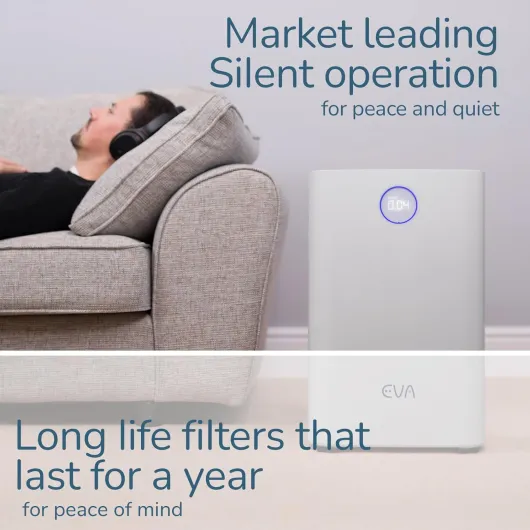
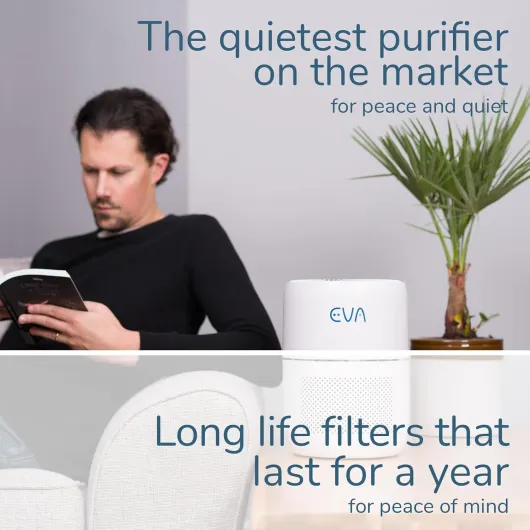
Even the best true HEPA air purifiers will not help if you cannot tolerate their noise. Manufacturers usually specify noise level in dBA for each fan speed or mode, but these figures can be hard to interpret without context. As a rule of thumb, a low speed around 20 to 30 dBA is suitable for bedrooms, while higher speeds near 50 dBA are better reserved for quick clean air boosts in living areas.
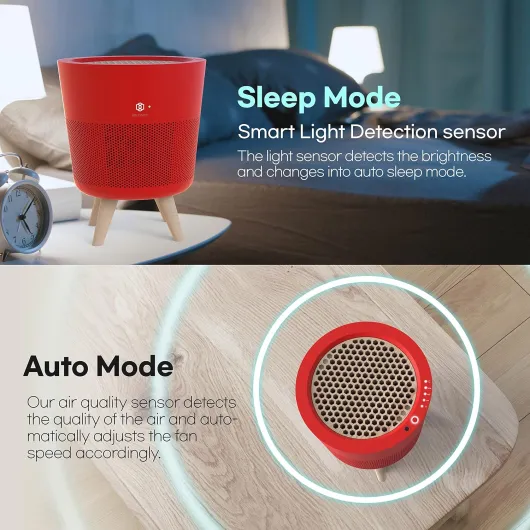
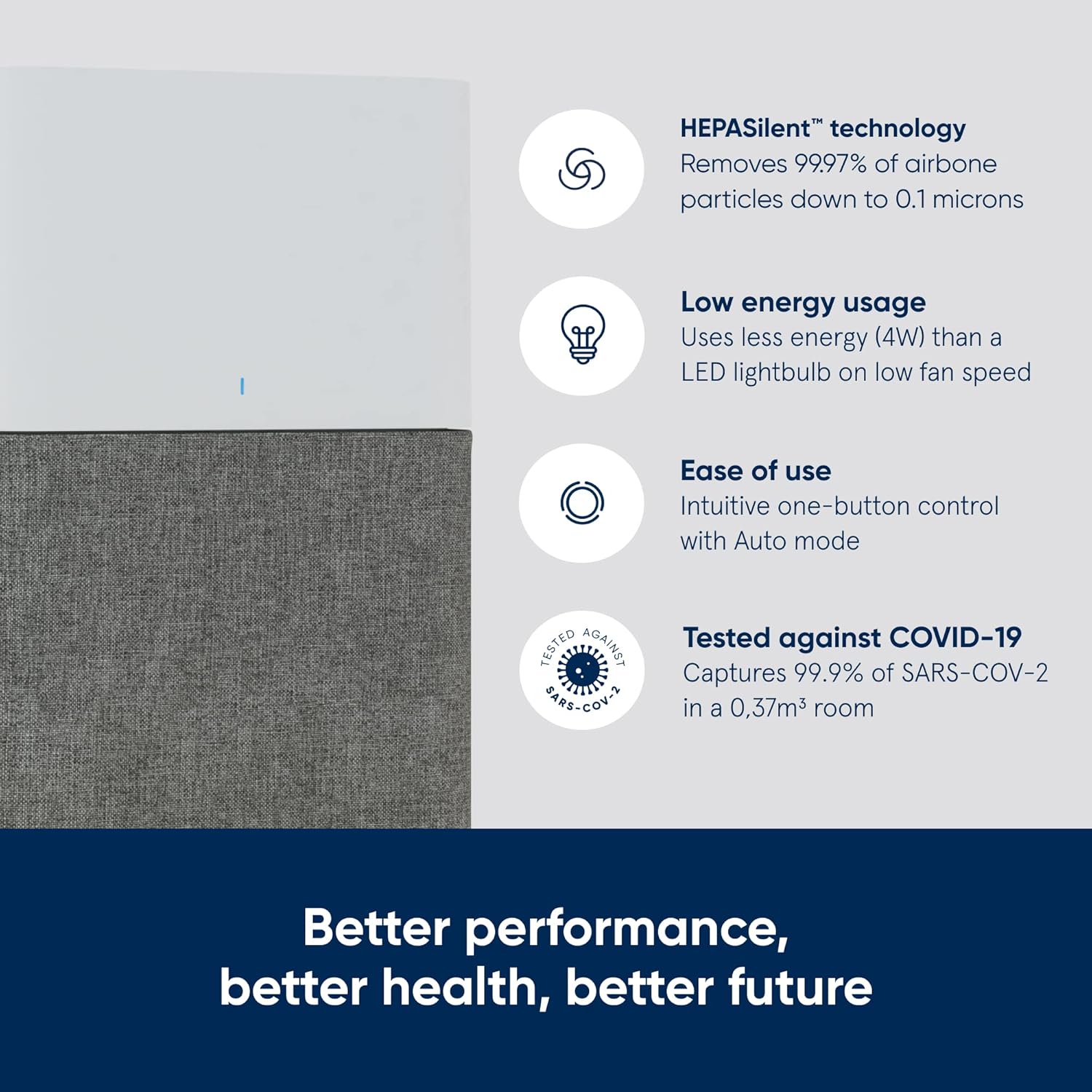
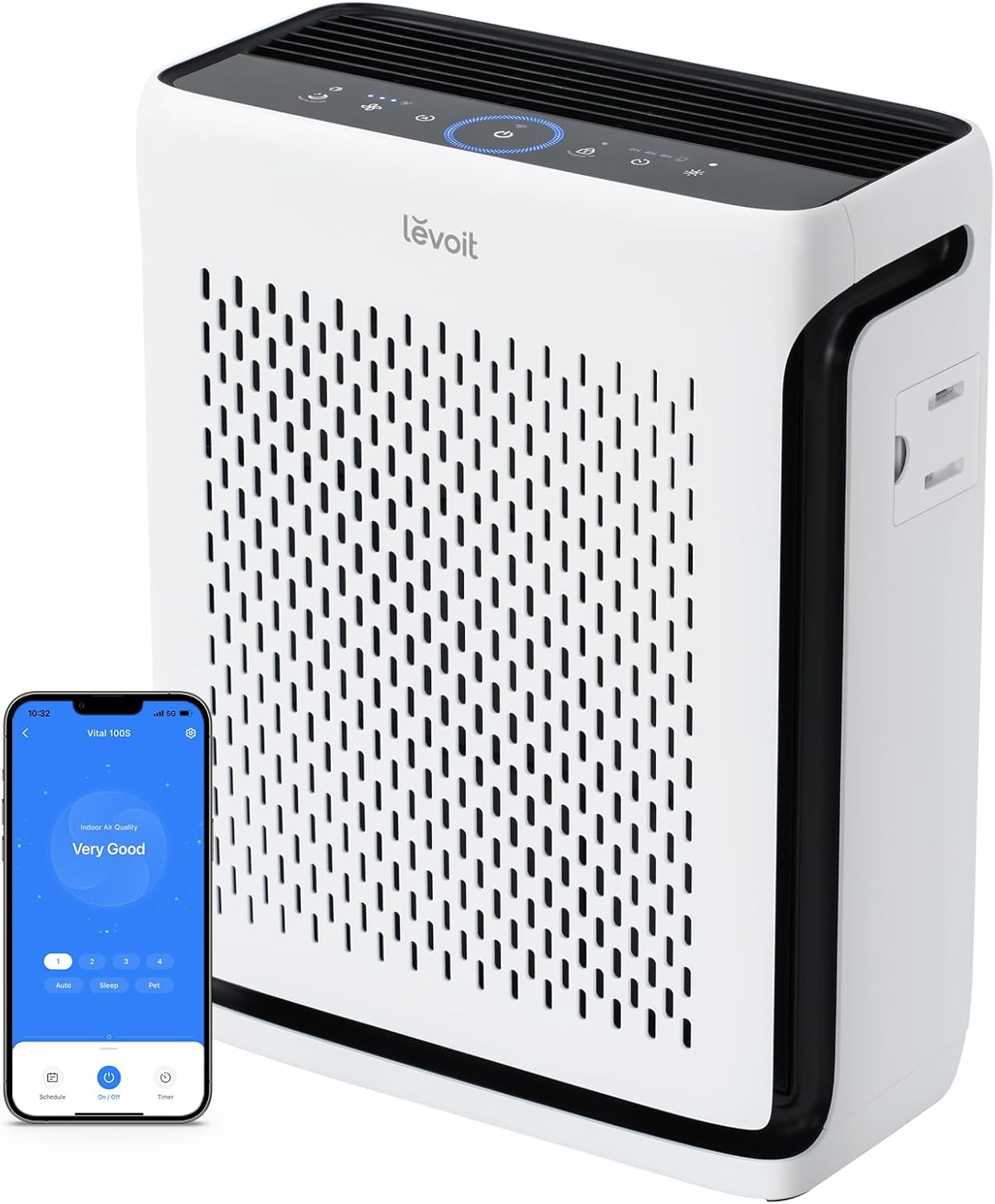
Many air purifiers now offer several fan speed settings plus a dedicated sleep mode and auto mode. Sleep mode typically runs the fan at the lowest power, dims the lights and maintains quiet operation, which is essential for light sleepers. Auto mode uses a built in quality sensor to track air quality and adjust speed, so the purifier can respond quickly to new particles without constant manual changes.
When evaluating products, pay attention to how smoothly they transition between speeds and how the noise profile changes. Some purifiers tested in independent labs show a gentle rise in noise as speed increases, while others produce a harsher sound that feels louder than the dBA rating suggests. Reading or watching a detailed video review can help you understand the real world sound of a specific air purifier beyond the numbers.
Comfort also depends on airflow direction, room placement and the purifier dimensions in inches, which determine where it can sit without obstructing movement. A well placed purifier can circulate hepa air efficiently through the room, reducing stagnant zones where particles accumulate. For more insight into how airflow design and filtration stages interact, this analysis of a dynamic air purifier and its benefits explains why some products feel more effective than their raw power ratings suggest.
Room size, placement and real world performance of air purifiers
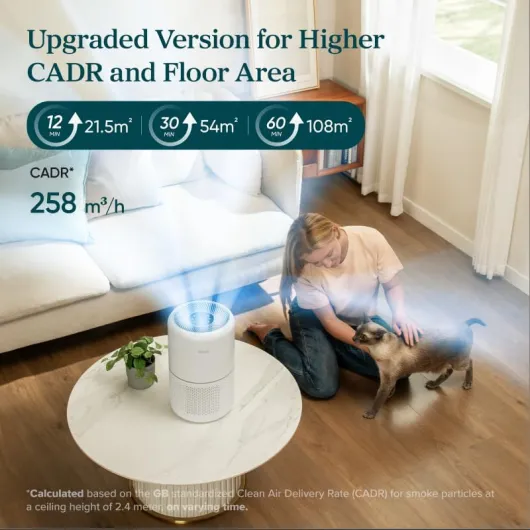
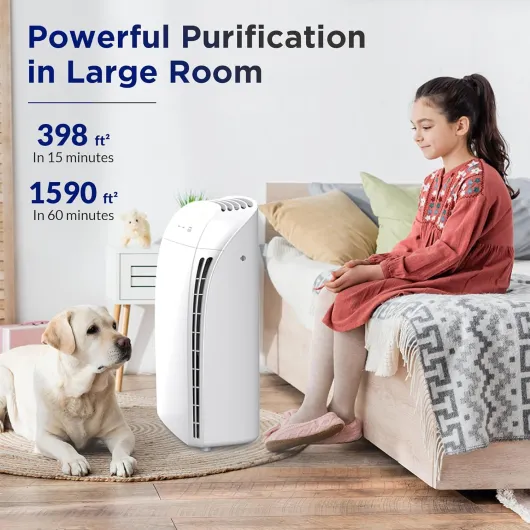
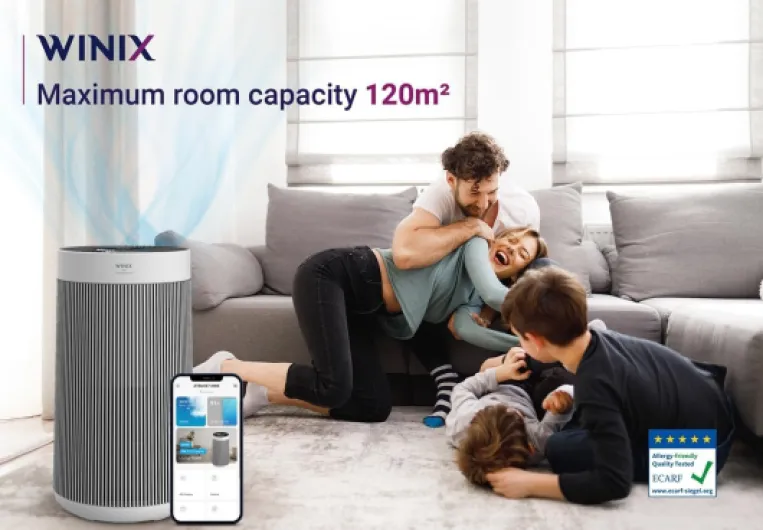
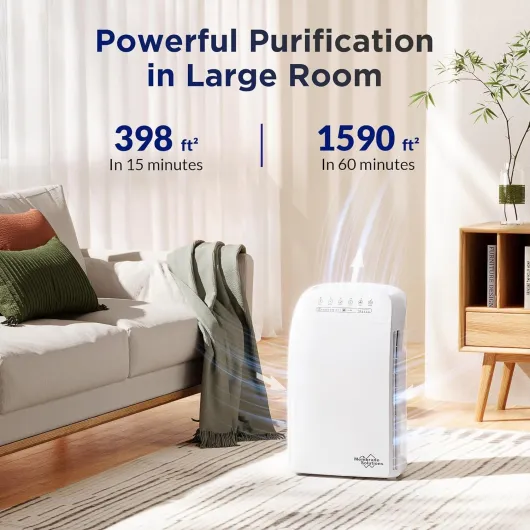
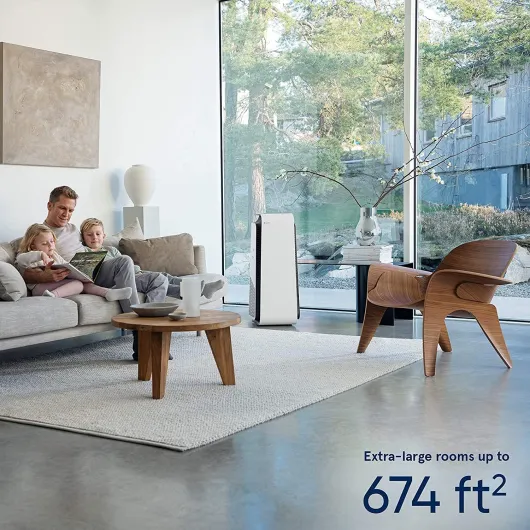
Matching an air purifier to your room size is essential if you want truly clean air. Manufacturers usually state a maximum room area in square metres or square feet, but this figure often assumes the purifier runs at the highest fan speed. In practice, you may prefer a lower speed to reduce noise, which means you should choose a purifier rated for a larger room than yours to maintain strong CADR and clean air at quieter settings.
Room layout also affects how well the purifier can remove particles and improve air quality. Placing the purifier against a wall or in a corner can restrict airflow, while positioning it a few inches away from obstacles allows the fan to pull in dirty air and push out filtered hepa air more effectively. Consider the dimensions in inches and inches weight of the purifier to ensure it can be moved easily between rooms if needed.
Real world performance depends not only on the HEPA filter and activated carbon stages, but also on how consistently you run the purifier. Many experts recommend operating the air purifier continuously on a low or medium mode, then using a higher speed when cooking, cleaning or when outdoor air pollution is high. Over several months, this routine helps maintain stable air quality and reduces the build up of particles on surfaces and fabrics.
Independent purifiers tested in controlled environments often show that models with a strong true HEPA filter, a responsive quality sensor and a well tuned auto mode deliver the best balance of cleanliness, noise and energy use. When comparing products, look beyond headline claims and examine CADR CFM, filter replacement intervals in months, and the total price of ownership. This approach will help you identify the best air purifiers for your specific rooms, habits and sensitivity to noise.
Long term costs, maintenance and choosing the best true HEPA air purifiers
Owning one of the best true HEPA air purifiers is a long term commitment rather than a one time purchase. The initial price of the air purifier is only part of the equation, because replacement filters, electricity use and maintenance over many months all influence the real cost. A model with affordable HEPA filter and carbon filter replacements can be more economical than a cheaper purifier that requires frequent, expensive filters.
Check how many filters the purifier uses, whether the pre filter is washable and how often the HEPA and activated carbon stages must be replaced. Some products recommend new filters every six to twelve months, depending on air quality and fan speed usage, while others offer longer intervals thanks to larger filter surface areas. A built in quality sensor and filter change indicator can help you avoid running the purifier with clogged filters, which reduces CADR and allows particles to remain in the air.
When assessing value, consider the quality of construction, the reliability of the fan motor and the warranty terms. Reputable brands that publish detailed performance data and submit their purifiers to independent testing tend to offer more trustworthy products. Models like the Coway Airmega series, for example, are often highlighted for combining strong true HEPA filtration, intelligent auto mode and durable components that maintain performance over years rather than months.
Finally, think about how the purifier fits into your broader strategy for healthy indoor air. Ventilation, source control and regular cleaning all work together with the air purifier to reduce particles, gases and odours. By weighing CADR CFM, noise level in dBA, filter life, dimensions in inches and total price, you can select the best air purifiers that quietly protect your health while blending into your daily life.
Key statistics about true HEPA air purifiers
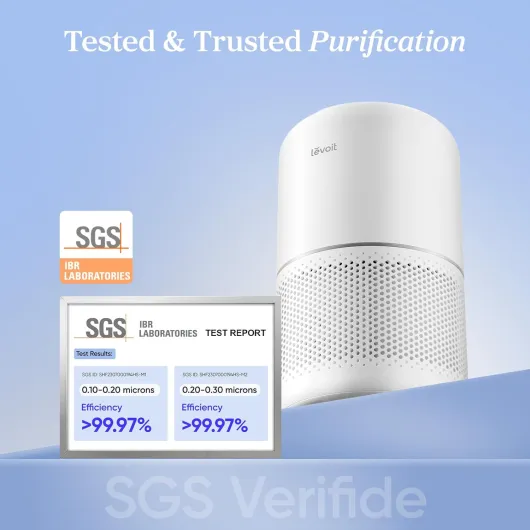
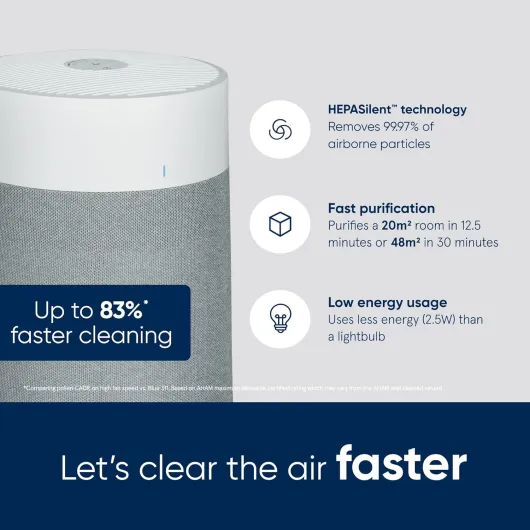
- True HEPA filters are designed to capture at least 99.97 % of particles with a diameter of 0.3 micrometres, which includes many common allergens and fine dust.
- Clean Air Delivery Rate (CADR) values are typically measured separately for smoke, dust and pollen, allowing consumers to compare how quickly different purifiers clean specific types of particles.
- Many residential air purifiers are sized to provide approximately four to five air changes per hour in their recommended room size, which helps maintain consistently low particle levels.
- Noise levels for modern air purifiers often range from about 20 dBA on the lowest fan speed to around 50 dBA or slightly higher on the maximum setting.
- Filter replacement intervals commonly range from six to twelve months for HEPA and carbon filters, depending on usage patterns and indoor air quality.
Common questions about the best true HEPA air purifiers
How do I know if a purifier uses a real true HEPA filter ?
Look for clear labelling that states “true HEPA” along with the efficiency rating, such as 99.97 % at 0.3 micrometres. Avoid vague terms like “HEPA type” or “HEPA like”, which may not meet the same filtration standard. Reputable manufacturers often provide certification details or independent test results to support their claims.
What CADR rating should I choose for my room size ?
As a general guideline, select a purifier with a CADR that is at least two thirds of your room’s area when measured in square feet. If you prefer to run the purifier on a lower fan speed for reduced noise, choose a higher CADR to compensate. Always compare CADR CFM values alongside the recommended room size to ensure adequate air changes per hour.
Are air purifiers effective against odours and gases as well as particles ?
Air purifiers with only a HEPA filter mainly target solid particles such as dust, pollen and smoke. To reduce odours and some gases, you need a purifier that also includes an activated carbon or carbon filter stage. The effectiveness against specific gases depends on the amount and type of carbon used, as well as the overall airflow and contact time.
How loud are typical air purifiers during normal use ?
On their lowest fan speed or sleep mode, many modern air purifiers operate around 20 to 30 dBA, which is comparable to a quiet bedroom. At higher speeds used for rapid cleaning, noise levels can rise to 45 or 50 dBA, similar to a soft conversation. Checking detailed noise level specifications and reading user feedback can help you choose a model that matches your tolerance for sound.
How often should I replace HEPA and carbon filters ?
Most manufacturers recommend replacing HEPA and carbon filters every six to twelve months, but the exact interval depends on air quality, usage time and fan speed. If you live in a polluted area or run the purifier continuously at high power, filters may need more frequent replacement. Many air purifiers include a filter change indicator that tracks usage and helps you maintain optimal performance.