

Understanding 20x20x5 air filters
What Makes 20x20x5 Air Filters Unique?
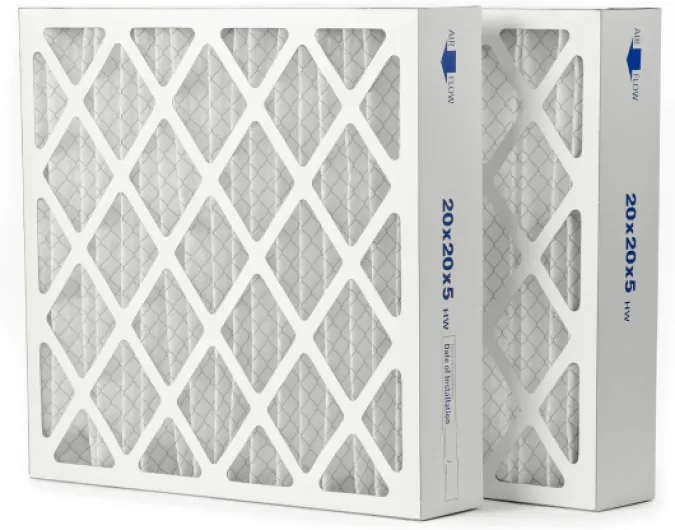
When searching for the right air filter for your HVAC system or furnace, the 20x20x5 size stands out for its compatibility and efficiency. This filter size is commonly used in both residential and commercial settings across the USA. Its larger surface area allows for improved air delivery and a longer lifespan compared to thinner filters, which means fewer filter replacement cycles and more consistent indoor air quality.
Key Features and Benefits
- High Efficiency: The 20x20x5 air filters are designed to capture a wide range of airborne particles, including dust, pet dander, and mold spores. Their ability to capture these contaminants helps maintain high indoor air quality.
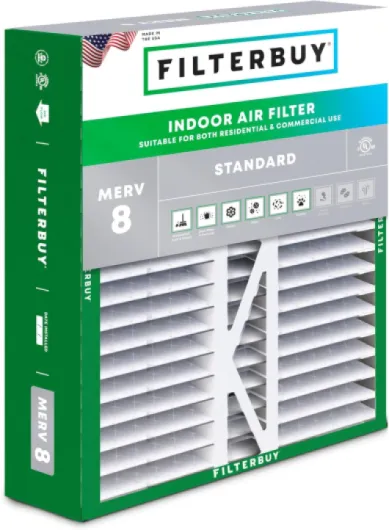
- MERV, MPR, and FPR Ratings: These filters are available in various MERV ratings, which indicate their efficiency in trapping particles. Higher MERV ratings mean better filtration. Some brands also use MPR or FPR ratings, but the goal is the same: to measure filter efficiency.
- Carbon Options: Some 20x20x5 filters include a carbon layer. This addition helps reduce odors and volatile organic compounds, making them ideal for homes with pets or concerns about air quality.
- Auto Delivery and Replacement: Many suppliers offer auto delivery services, ensuring you always have a replacement filter on hand when it’s time to change filter, typically every 6 to 12 months depending on usage and air quality needs.
Compatibility with HVAC Systems
These filters are often used in systems like Trion Air Bear and other popular HVAC units. Their size and depth allow for a snug fit, which is crucial for maintaining system efficiency and preventing unfiltered air from bypassing the filter. Using the correct size also protects your system from dust buildup and helps extend its lifespan.
Why Filter Size Matters
Choosing the right filter size is not just about fit—it directly impacts your system’s ability to capture airborne particles and maintain high air quality. A filter that is too small or too thin may allow dust and allergens to circulate, while a properly sized 20x20x5 filter ensures optimal efficiency and protection.
For more insights into how air filters contribute to a healthier home, you may find this article on the importance of range hood filters helpful.
How filter size affects air quality
Why Filter Size Matters in Your HVAC System
When it comes to improving indoor air quality, the size of your air filter plays a critical role. A 20x20x5 air filter is designed to fit specific HVAC systems, ensuring that air flows efficiently while capturing airborne particles like dust, pet dander, and mold spores. If the filter is too small or too large, it can leave gaps, allowing unfiltered air to bypass the filter and circulate throughout your home. This reduces the ability to capture contaminants and can lower the overall efficiency of your system.
Impact on Air Quality and System Efficiency
Using the correct filter size, such as a 20x20x5, helps maintain high air quality by maximizing the filter's surface area. This allows for better airflow and more effective trapping of particles. Filters with a higher MERV rating, MPR, or FPR can capture smaller particles, but only if they fit properly in your HVAC or furnace system. A well-fitted filter also reduces strain on your system, which can extend its lifespan and lower energy costs.
- Efficiency: Properly sized filters improve the delivery of clean air and help your HVAC system run smoothly.
- Airborne Particle Capture: The right size ensures the filter can trap dust, pollen, and even some bacteria.
- Replacement and Maintenance: A good fit makes it easier to change the filter every few months, supporting regular filter replacement routines.
Comparing Filter Sizes and Their Effects
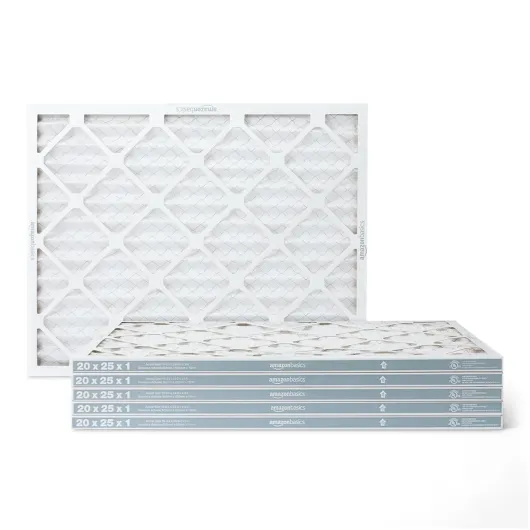
Choosing a 20x20x5 filter over other sizes is not just about compatibility. It’s about ensuring your system can handle the volume of air it needs to process, especially in larger spaces or homes with higher air quality demands. For more details on how different filter sizes, like the 16x25x2 furnace filter, impact your air purifier’s performance, you can explore additional resources.
Remember, the right filter size is the foundation for effective air filtration, supporting both high quality air and the long-term health of your HVAC system.

Types of 20x20x5 air filters available
Comparing Filter Technologies and Ratings
When shopping for 20x20x5 air filters, you’ll notice a variety of options, each with unique features and ratings. The most common way to compare filters is by their MERV rating (Minimum Efficiency Reporting Value). This rating measures a filter’s ability to capture airborne particles, including dust, mold spores, and pet dander. Higher MERV ratings mean better filtration, but not every HVAC system is designed for the highest ratings. It’s important to balance efficiency with your system’s requirements to maintain good air quality and avoid straining your furnace or air conditioning system.
- MERV: Ranges from 1 to 16 for residential filters. A higher number means better filtration of smaller particles. For most homes, a MERV 8 to 13 is suitable, but always check your system’s compatibility.
- MPR and FPR: Some brands use their own rating systems, like MPR (Microparticle Performance Rating) or FPR (Filter Performance Rating). These are similar to MERV but use different scales. Always compare these ratings to MERV for consistency.
- Carbon Filters: Some 20x20x5 filters include activated carbon. These are excellent for reducing odors and capturing certain gases, in addition to dust and allergens. If indoor air quality and odor control are priorities, consider a carbon MERV filter.
- High-Efficiency Filters: Filters labeled as high efficiency are designed to trap even smaller airborne particles, improving indoor air quality. However, they may require more frequent filter replacement and can impact airflow if not matched to your HVAC system.
Specialty Filters and Brands
Some filters are designed for specific needs. For example, Trion Air Bear and similar brands offer high quality 20x20x5 air filters that fit certain HVAC systems. These filters often feature deep pleats for greater dust holding capacity and longer life, sometimes up to 12 months between changes. If you have allergies or pets, look for filters with a higher MERV rating or added carbon for better removal of pet dander and odors.
Delivery and Replacement Options
Many suppliers in the USA offer auto delivery services, making it easier to change your filter on schedule. This helps maintain high air quality and system efficiency. When considering your next time purchase, check if the supplier provides reminders or auto delivery for filter replacement. Regularly changing your filter, typically every 6 to 12 months depending on usage and environment, is key to keeping your HVAC system running smoothly and your indoor air clean.
For a deeper dive into filter ratings and their impact on home air quality, you can read this guide on understanding air filter ratings and options.
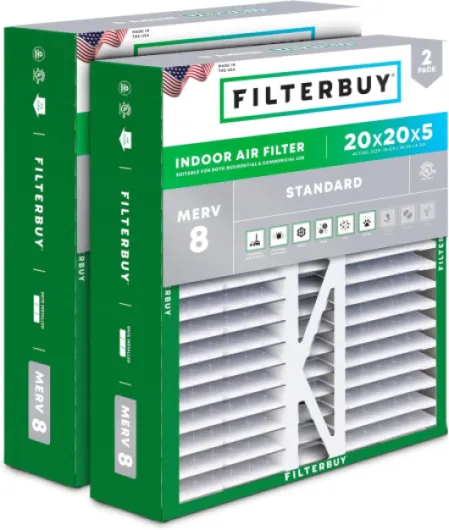
Choosing the right filter for your needs
Key factors when selecting your filter
When choosing a 20x20x5 air filter for your air purifier or HVAC system, it’s important to match the filter’s features to your specific needs. Not all filters are created equal, and the right choice can make a big difference in your indoor air quality and the efficiency of your system.
- MERV rating: The Minimum Efficiency Reporting Value (MERV) tells you how well the filter captures airborne particles. A higher MERV rating means better ability to capture dust, pet dander, mold spores, and other contaminants. For most homes, a MERV 8 to 13 is suitable. If you need to filter out finer particles or allergens, consider a higher MERV rating, but make sure your system can handle it.
- MPR and FPR: Some brands use their own rating systems, like MPR (Microparticle Performance Rating) or FPR (Filter Performance Rating). These are similar to MERV but use different scales. Always check the manufacturer’s recommendations for your HVAC or furnace system.
- Special features: Filters with carbon or carbon-merv blends can help reduce odors and VOCs, which is useful if you’re concerned about smoke, cooking smells, or chemical fumes. If you have pets or allergies, high-quality filters with a high MERV or carbon layer can improve air quality significantly.
- Compatibility: Make sure the filter fits your system. Check the exact size (20x20x5 inches) and confirm it’s compatible with your air bear, trion air, or other specific models. Using the wrong size can reduce efficiency and allow dust to bypass the filter.
- Replacement and delivery: Consider how often you’ll need to change the filter. Most 20x20x5 filters last between 6 and 12 months, but this can vary based on air quality and usage. Some suppliers offer auto delivery, which can help you stay on schedule with filter replacement and maintain high indoor air quality.
Comparing filter types for your environment
Your choice should reflect your environment and priorities. For example, if you live in an area with high pollen or dust, or if you have pets, a filter with a higher MERV rating or added carbon may be best. For those mainly concerned with system efficiency and basic dust removal, a standard MERV 8 filter may be enough. Always balance filtration efficiency with your system’s ability to handle airflow, as too high a rating can strain your HVAC system.
| Filter Feature | Best For | Replacement Frequency |
|---|---|---|
| MERV 8-11 | General dust, pollen, basic air quality | 6-12 months |
| MERV 13+ | Allergies, finer particles, pet dander, mold spores | 6-9 months |
| Carbon/MERV Carbon | Odors, VOCs, smoke | 6 months |
Ultimately, the right filter is the one that fits your system, meets your air quality needs, and is replaced on time. Always check your HVAC system’s specifications before making a time purchase, and don’t hesitate to consult with a professional if you’re unsure about the best option for your home or business in the USA.
Maintenance and replacement tips
How Often Should You Change Your Air Filter?
One of the most important steps in maintaining your 20x20x5 air filters is knowing when to replace them. Most experts recommend changing your filter every 6 to 12 months, but this can vary based on your home's air quality, the presence of pets, and the filter's MERV rating. High MERV or carbon filters may need more frequent replacement, especially if you notice a drop in your HVAC system's efficiency or increased dust in your home.
Signs Your Filter Needs Replacement
- Visible dust or dirt buildup on the filter
- Reduced airflow from your HVAC system
- Increased allergy symptoms or poor indoor air quality
- Unusual odors, which can indicate trapped mold spores or pet dander
Tips for Easy Filter Replacement
- Mark your calendar or set reminders for regular filter changes
- Consider auto delivery services to ensure you always have a high quality replacement on hand
- Check your filter's MERV, MPR, or FPR rating to match your system's requirements
- Always turn off your HVAC or furnace before removing the old filter
- Insert the new filter with the airflow arrow pointing toward the blower motor
Maintaining Filter Efficiency
Proper filter replacement is key to maintaining your HVAC system's efficiency and your home's air quality. Using the right filter size and rating ensures the ability to capture airborne particles like dust, pollen, and pet dander. Regular maintenance also helps prevent system strain and costly repairs, especially in high-use seasons.
Storing Spare Filters
Store extra filters in a clean, dry place to prevent moisture or dust buildup before use. Buying in bulk or planning your time purchase can save money and ensure you always have a replacement ready, especially for popular brands like Trion Air Bear or other USA-made filters.
Common mistakes to avoid with 20x20x5 air filters
Overlooking the Right MERV, MPR, or FPR Rating
Many people choose air filters based only on size, but the MERV rating, MPR, or FPR is just as important. A filter with a low MERV rating may not capture enough dust, pollen, or mold spores, while a filter with a high rating can restrict airflow in some HVAC systems. Always check your system’s manual to find the recommended efficiency for your air filter.Delaying Filter Replacement
It’s easy to forget to change your air filter, but waiting too long can reduce indoor air quality and put extra strain on your HVAC system. Most 20x20x5 air filters should be replaced every 6 to 12 months, depending on usage, pets, and local air quality. Consider setting reminders or using auto delivery services for timely filter replacement.Ignoring Filter Type and Application
Not all filters are created equal. For example, carbon MERV filters are better at removing odors and certain gases, while standard filters focus on dust and airborne particles. If you have allergies, pets, or concerns about mold spores, select a filter designed for those needs. Trion Air Bear and other high quality brands offer specialized options for different requirements.Improper Installation
A filter that isn’t installed correctly can let unfiltered air bypass the system, reducing the ability to capture contaminants. Always ensure the filter fits snugly and the airflow arrow points in the correct direction. Double-check the fit, especially after a time purchase or when switching brands.Using Non-Compatible Filters
Sometimes, people try to use filters that are not designed for their HVAC or furnace system. This can lower efficiency and even damage the system. Always verify compatibility with your specific model, especially when considering features like carbon or high efficiency options.- Check the filter’s MERV, MPR, or FPR rating for your system’s needs
- Replace filters every 6 to 12 months, or as recommended
- Choose the right filter type for dust, pet dander, or odors
- Install filters properly to avoid air leaks
- Use filters compatible with your HVAC system
